Artwork
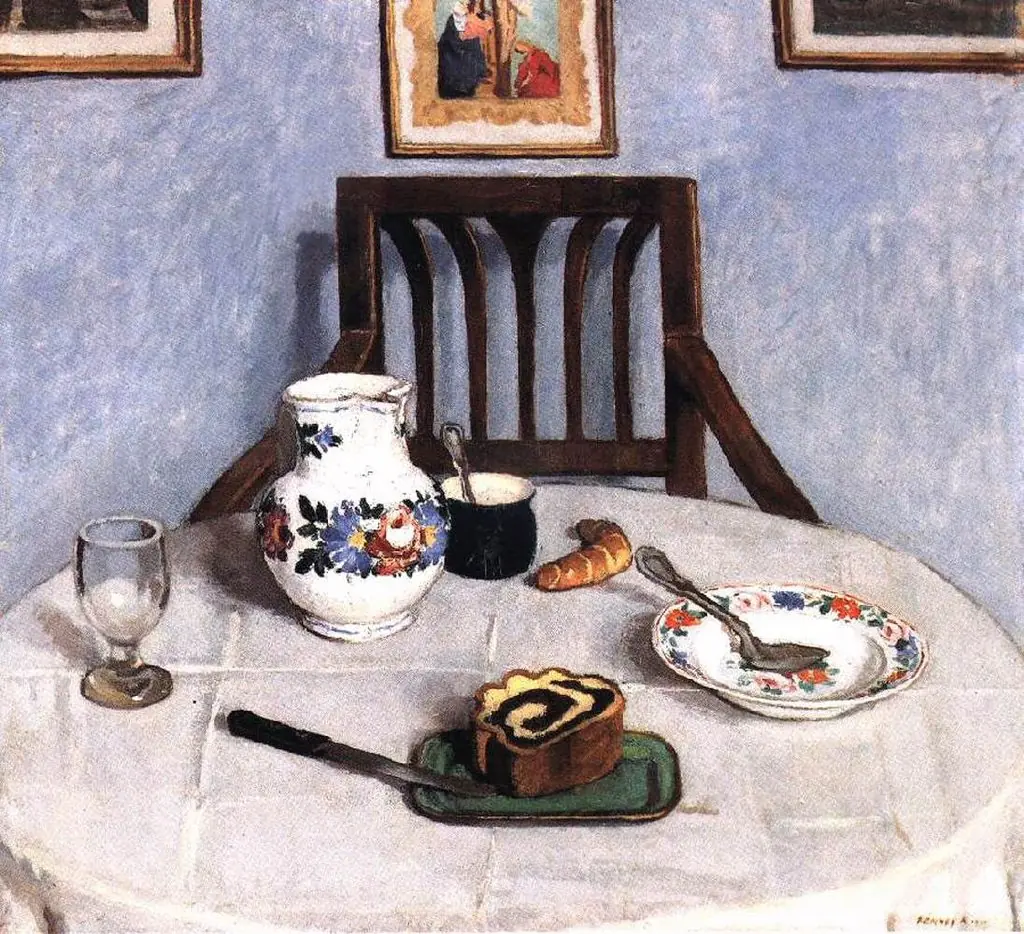
Still-Life with a Gingerbread Heart
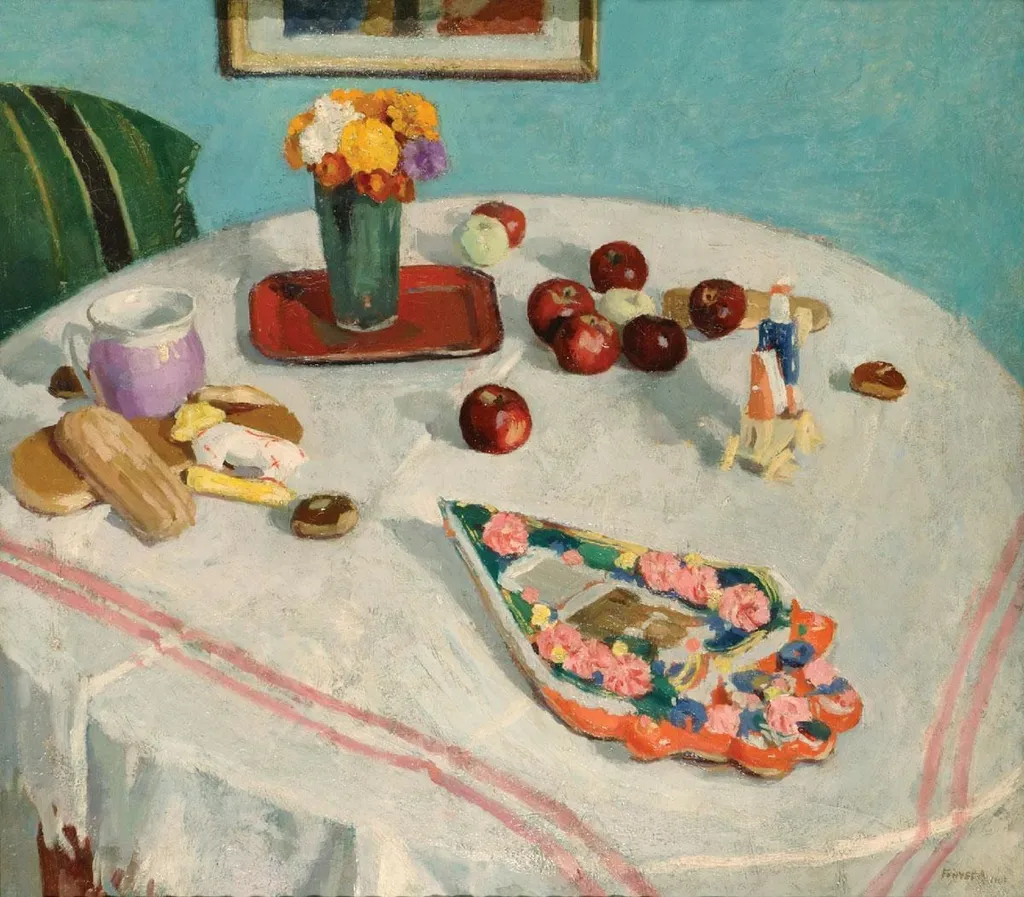
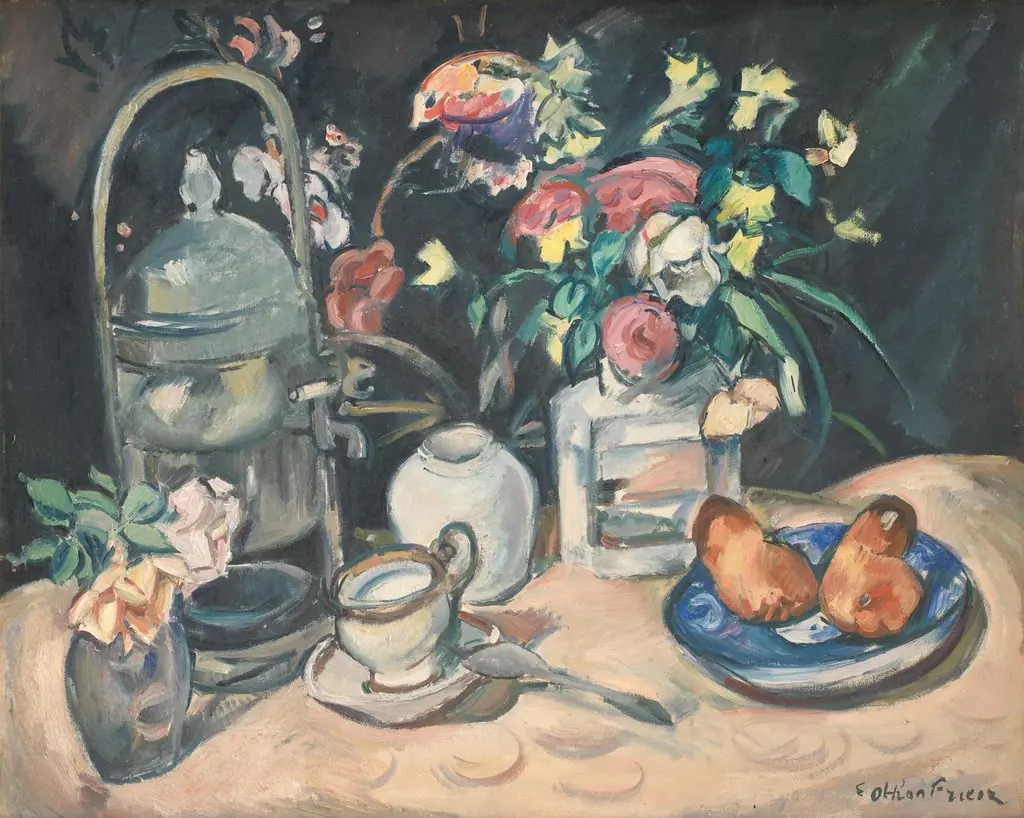
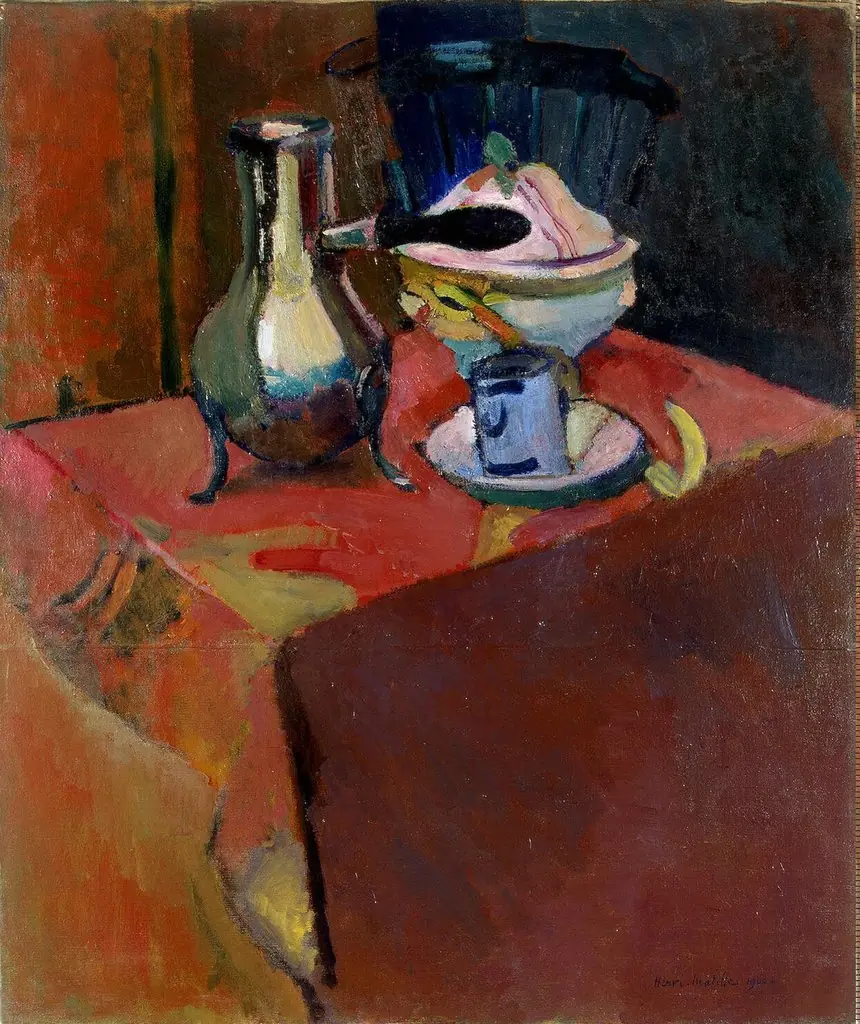
Still-Life with a Gingerbread Heart is an oil painting by the Post-Impressionist artist Adolf Fényes. It dates from 1907 and is held in the collection of the Hungarian National Gallery.
About this work
Overview
The work belongs to a series of domestic table scenes he developed during this period, reflecting a quiet attention to everyday objects.
Adolf Fényes, a Hungarian artist born in 1867, painted this still life in 1907 using oil on canvas. The work belongs to a series of domestic table scenes he developed during this period, reflecting a quiet attention to everyday objects. It is part of the Hungarian National Gallery’s collection and exemplifies his engagement with post-impressionist sensibilities, emphasizing texture and subtle color harmonies over narrative drama.
Subject & Meaning
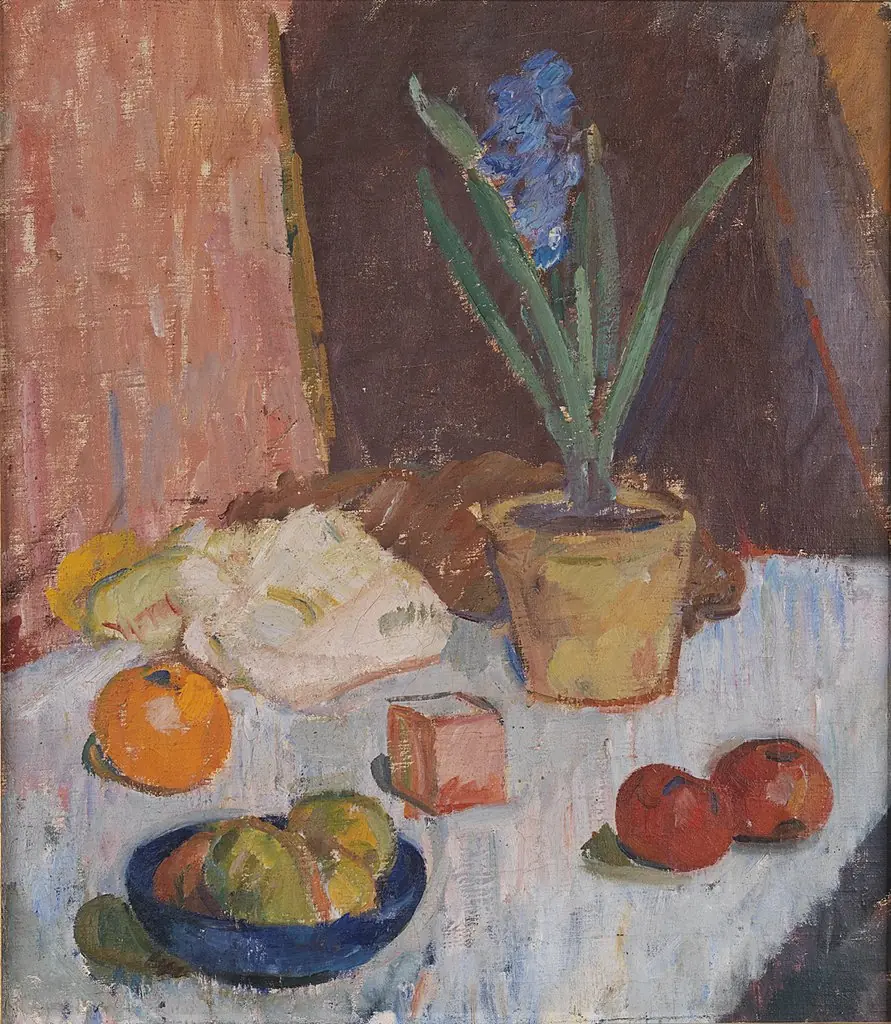
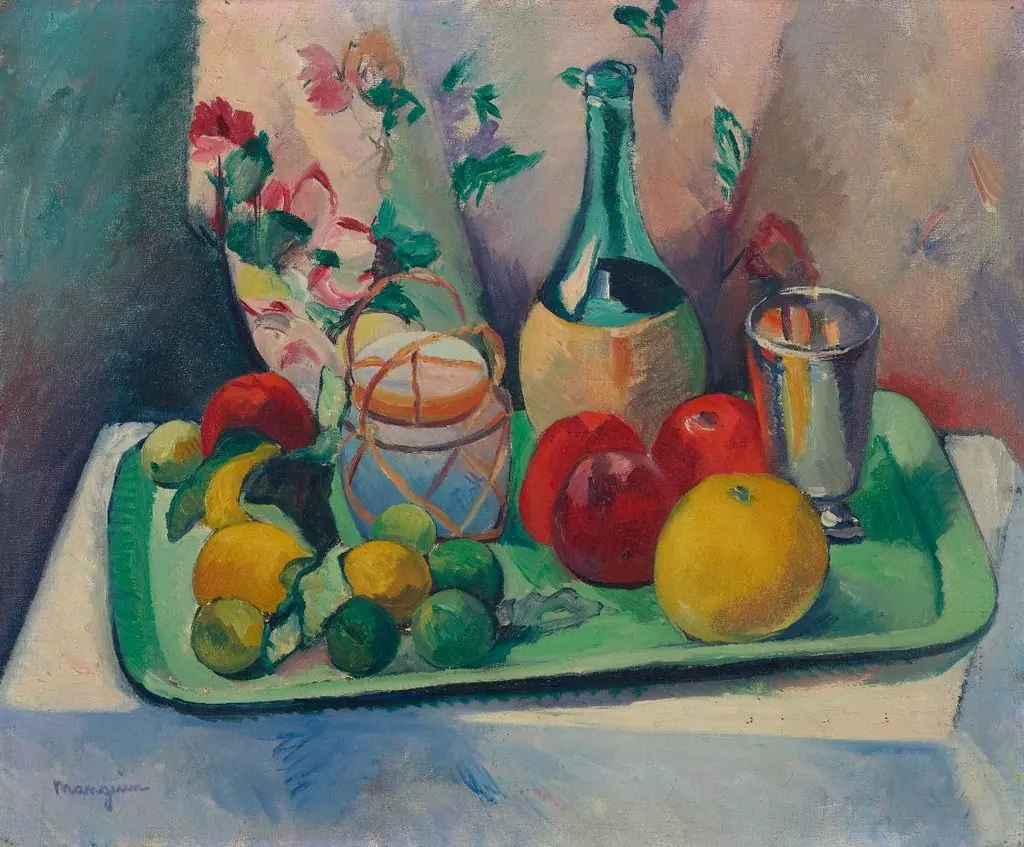
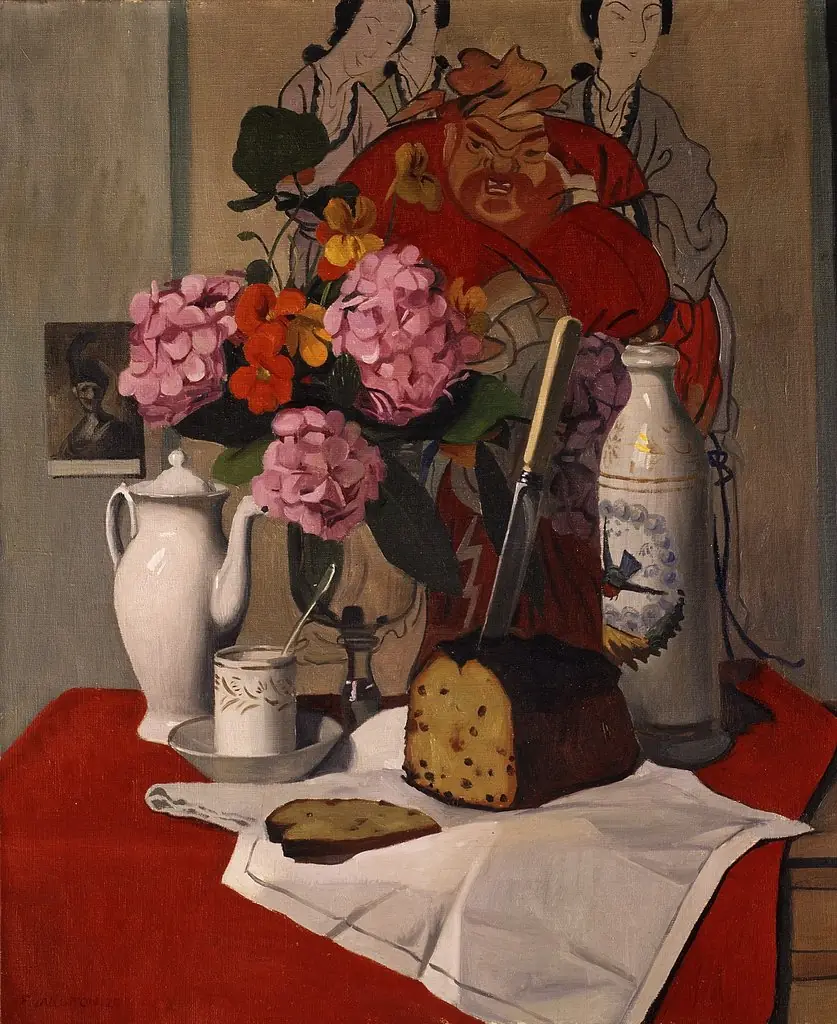
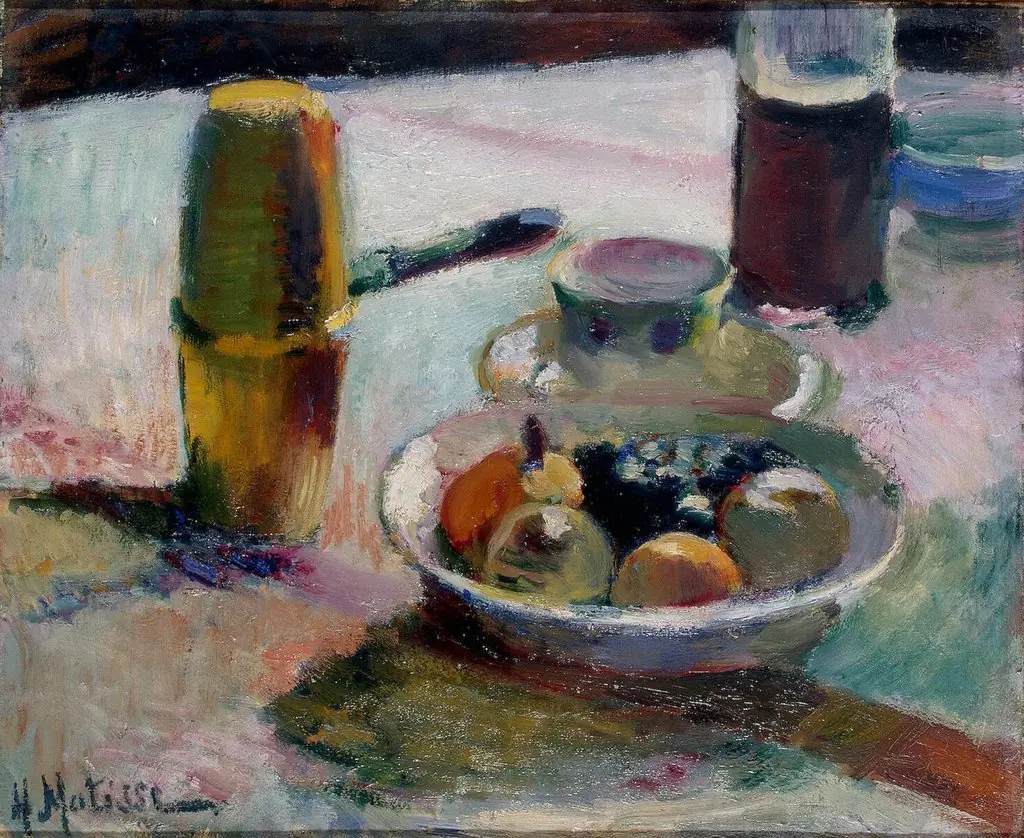
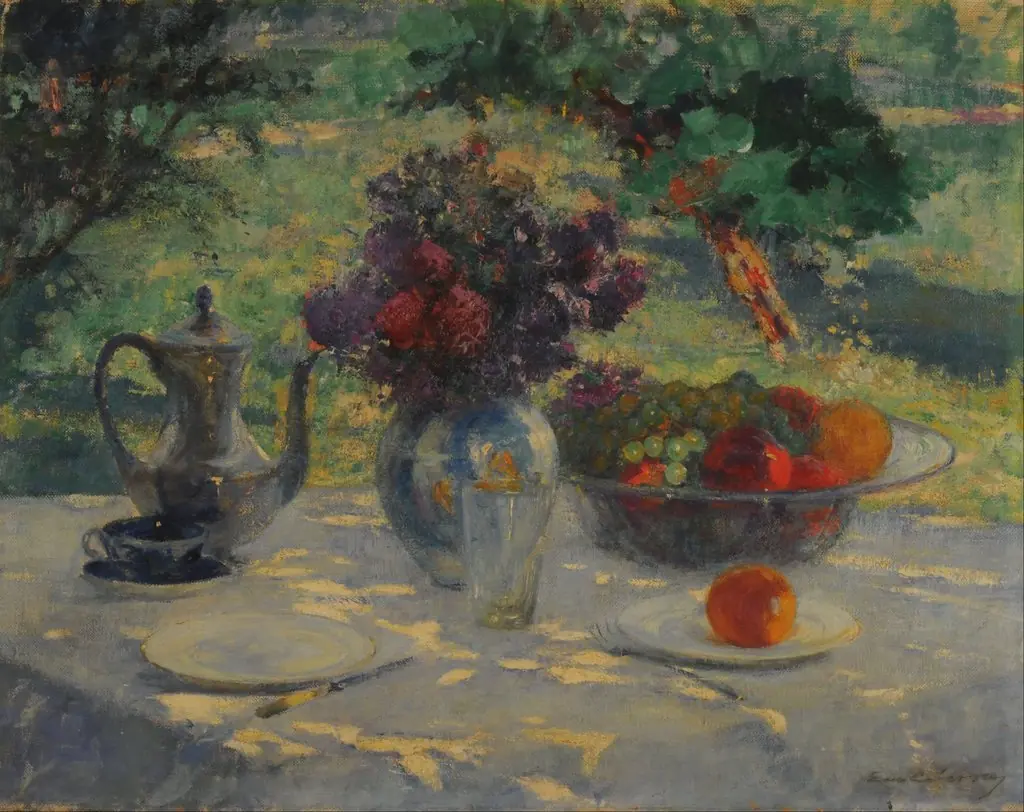
At the center of the composition lies a gingerbread heart, delicately adorned with pink floral motifs, suggesting themes of domestic ritual or seasonal celebration. Surrounding it are common household items—bread, fruit, a ceramic mug, and flowers—arranged with care but without grandeur. The inclusion of the gingerbread heart, a humble treat, may hint at modest celebrations or personal sentiment, grounding the scene in ordinary life rather than idealized abundance.
Technique & Style
Fényes employed thick, deliberate brushwork to render surfaces: the rough texture of bread, the glossy sheen of fruit, the matte finish of ceramic. Color is restrained yet intentional, with warm tones in the gingerbread and flowers contrasting against cooler blues and whites. The composition avoids symmetry, favoring a naturalistic arrangement that suggests a momentary pause in daily life, characteristic of post-impressionist still-life practices.
History & Provenance
Painted in 1907, the work entered the Hungarian National Gallery’s collection in the early 20th century, likely through acquisition or donation following Fényes’s growing recognition in Hungarian art circles. It remained relatively unexhibited until later decades, when renewed interest in his oeuvre, particularly his depictions of working-class life, prompted broader scholarly attention.
Context
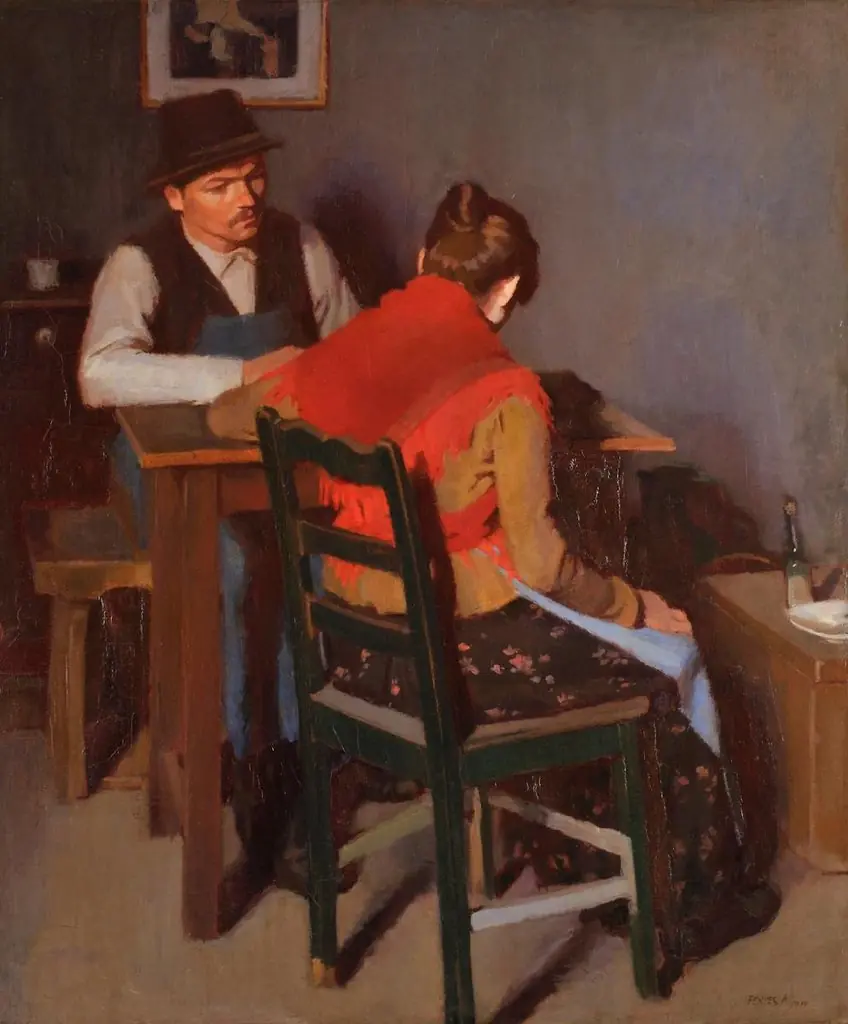
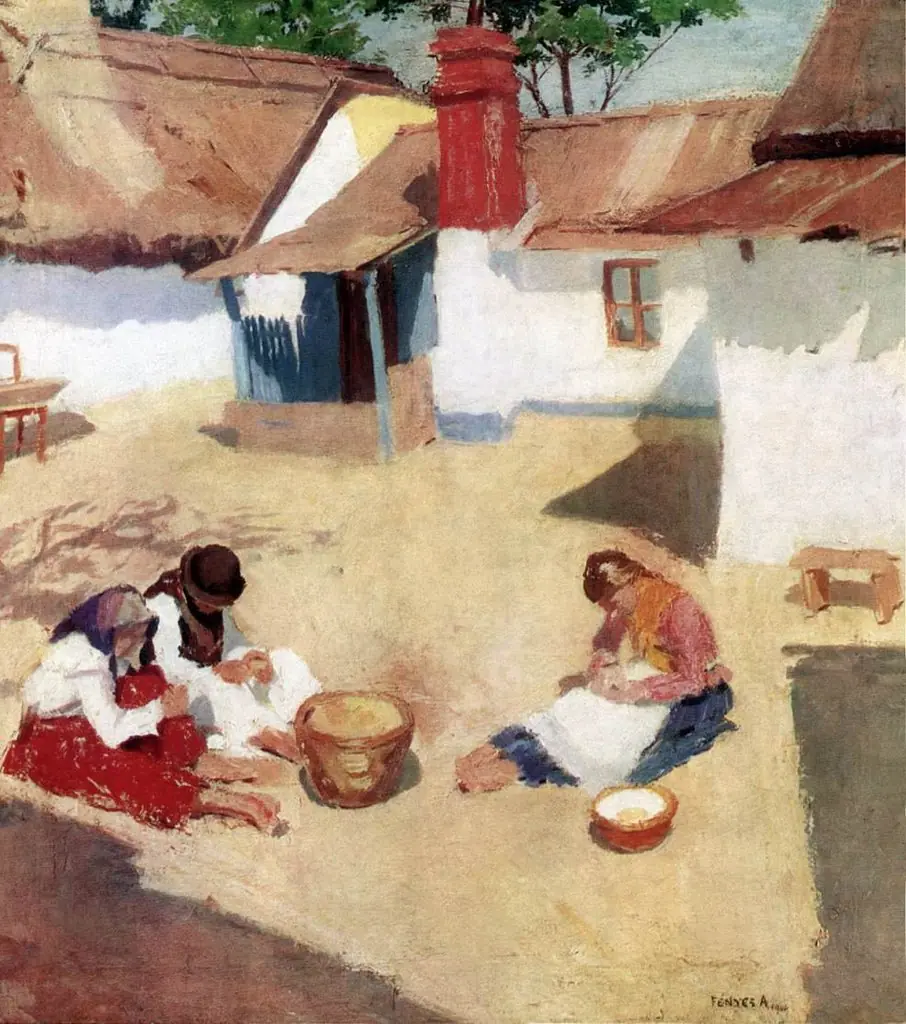
Fényes worked during a period of cultural consolidation in Hungary, when artists increasingly turned to domestic and rural subjects to define a national visual identity. His still lifes, including this one, contrast with his more socially oriented series, *The Life of a Poor Man*, yet share a commitment to unembellished observation. The painting reflects a broader European trend of elevating everyday objects through careful composition and muted palette.
Legacy
Though not widely known outside Hungary, Fényes’s still lifes are valued for their quiet dignity and technical restraint. *Still-Life with a Gingerbread Heart* stands as a representative example of his ability to infuse ordinary scenes with emotional nuance. It contributes to a broader understanding of early 20th-century Hungarian art that prioritized introspection over spectacle.
Artist & collection
Artist
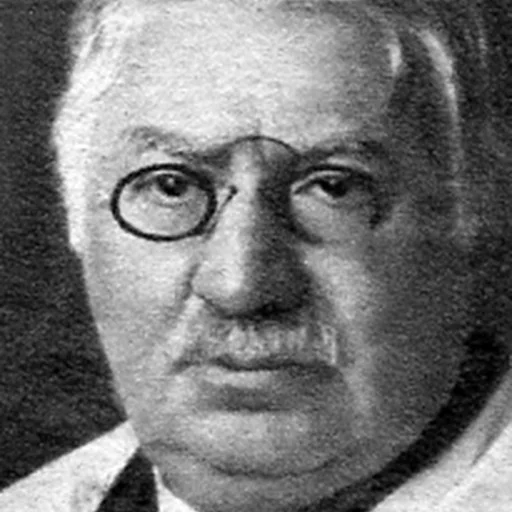
Adolf Fényes, originally Fischmann (29 April 1867 in Kecskemét – 14 March 1945 in Budapest) was a Hungarian painter of Jewish ancestry.