Artwork
Die Kleine Alster vor 1842
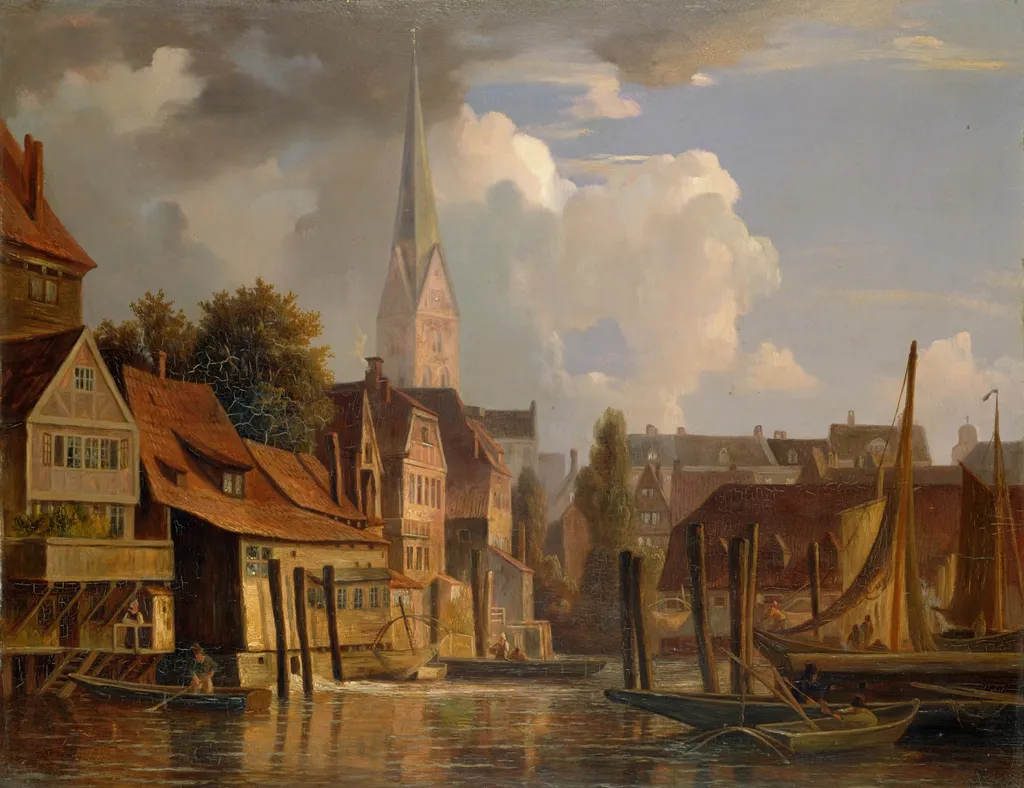
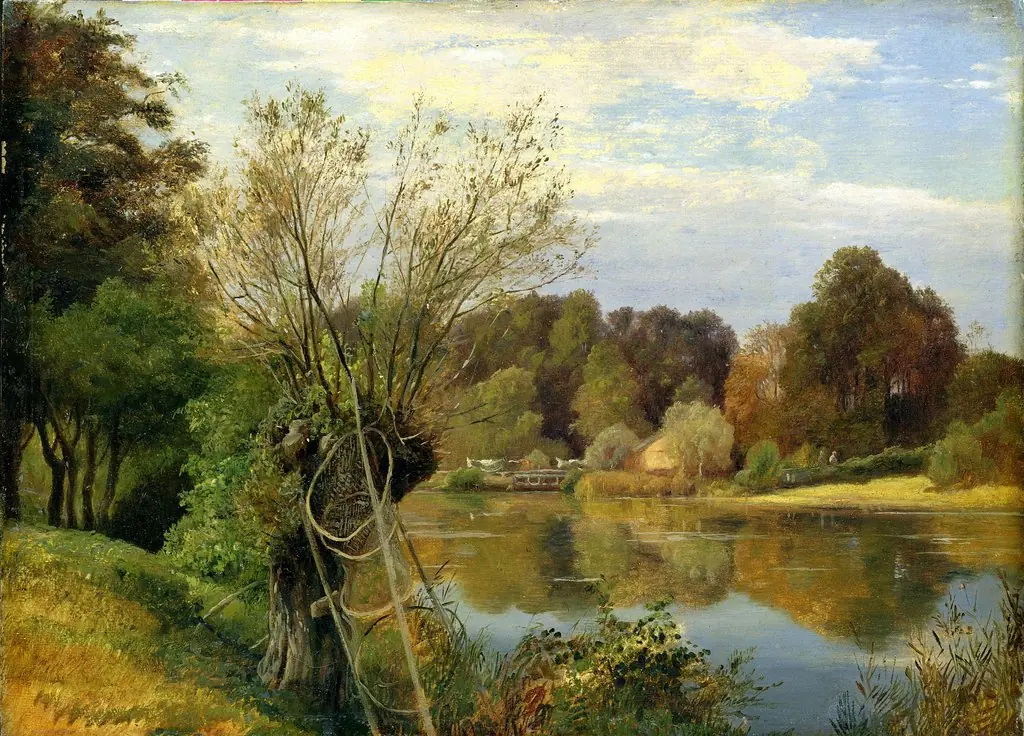
Die Kleine Alster vor 1842 is an oil painting by Adolph Friedrich Vollmer. It dates from 1842 and is held in the collection of the Hamburger Kunsthalle.
About this work
Overview
The painting remains part of the Hamburger Kunsthalle’s permanent collection, where it stands as an early example of urban naturalism in northern Germany.
Adolph Friedrich Vollmer painted *Die Kleine Alster vor 1842* in 1842, capturing a quiet stretch of the Alster River in Hamburg. Executed in oil on canvas, the work reflects his focus on local landscapes and daily life. Vollmer, active in Hamburg’s artistic circles, contributed to the emergence of a regional Realist tradition. The painting remains part of the Hamburger Kunsthalle’s permanent collection, where it stands as an early example of urban naturalism in northern Germany.
Subject & Meaning
The scene portrays the Kleine Alster, a calm urban waterway, with modest buildings lining its banks and a church spire rising in the distance. Boats rest along the shore, and figures move quietly—fishing, walking, or tending to vessels. There is no dramatic narrative; instead, the painting emphasizes ordinary moments, suggesting a quiet pride in Hamburg’s civic landscape. The absence of grandeur underscores a shift toward observing everyday life with sincerity.
Technique & Style
Vollmer employed layered oil glazes to achieve subtle shifts in light and atmosphere, particularly on the water’s surface and building facades. Warm terracottas and soft ochres define the architecture, contrasting with cooler tones in the sky and river. His brushwork is restrained, favoring clarity over flourish, and spatial depth is built through atmospheric perspective rather than sharp detail. The technique supports a quiet realism, avoiding theatricality in favor of observed truth.
History & Provenance
Painted in 1842, the work entered the Hamburger Kunsthalle’s collection soon after its creation, likely through direct acquisition or donation from the artist or a local patron. Vollmer’s ties to Hamburg’s cultural institutions ensured his works were preserved locally. The painting has remained in the museum’s holdings without significant public exhibition gaps, reflecting its consistent recognition as a representative example of mid-19th-century regional painting.
Context
In the early 1840s, Hamburg was expanding as a commercial hub, yet its waterways retained a pastoral character. Vollmer’s work aligns with a broader trend among northern German artists who turned from idealized landscapes to depictions of their immediate surroundings. His focus on the Alster, a central feature of Hamburg’s urban identity, reflects a growing interest in documenting local topography and civic life as subjects worthy of artistic attention.
Legacy
Vollmer’s *Die Kleine Alster vor 1842* helped establish a visual language for Hamburg’s urban environment that influenced later regional painters. While not widely known beyond northern Germany, the painting remains a touchstone for understanding the transition from Romantic idealism to observational realism in 19th-century German art. Its continued presence in the Hamburger Kunsthalle affirms its role as a quiet but enduring record of the city’s pre-industrial riverscape.
Own this work as a print
Artist & collection

Artist
Adolph Friedrich Vollmer (17 December 1806 – 12 February 1875) was a German landscape and marine painter and graphic artist. He and his contemporary, the painter Christian Morgenstern, were pioneers in Hamburg of early Realism in painting.


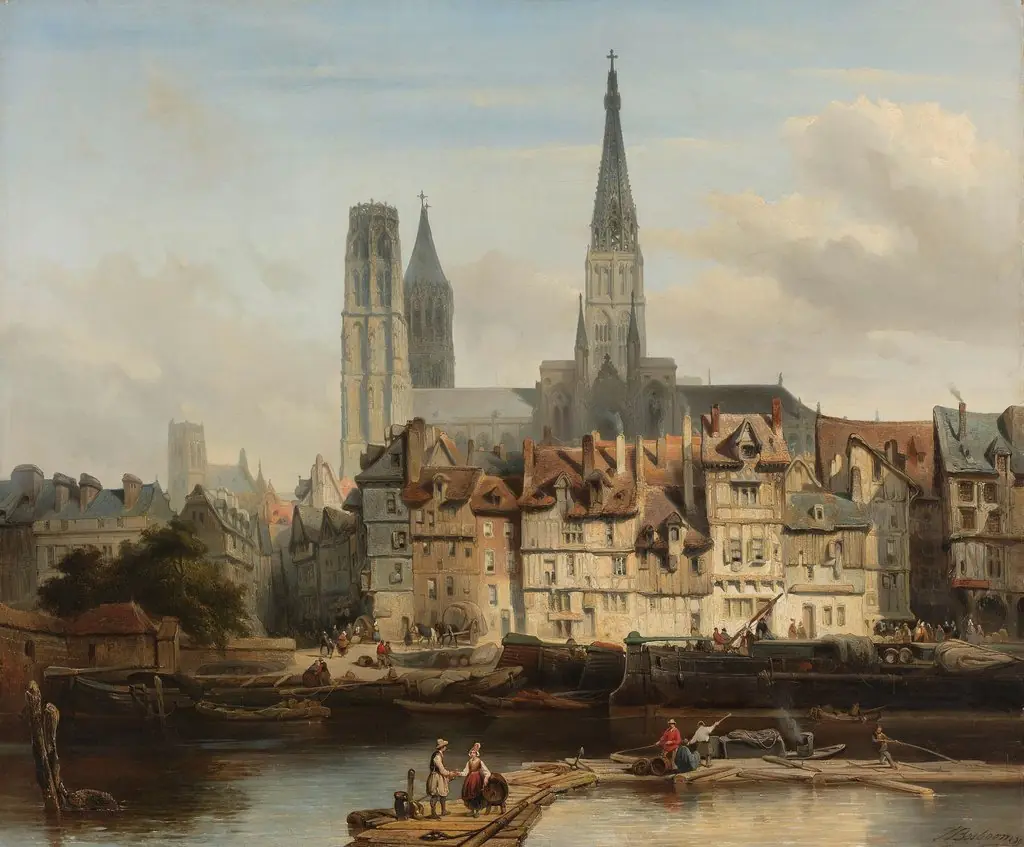 The Quay de Paris in Rouen
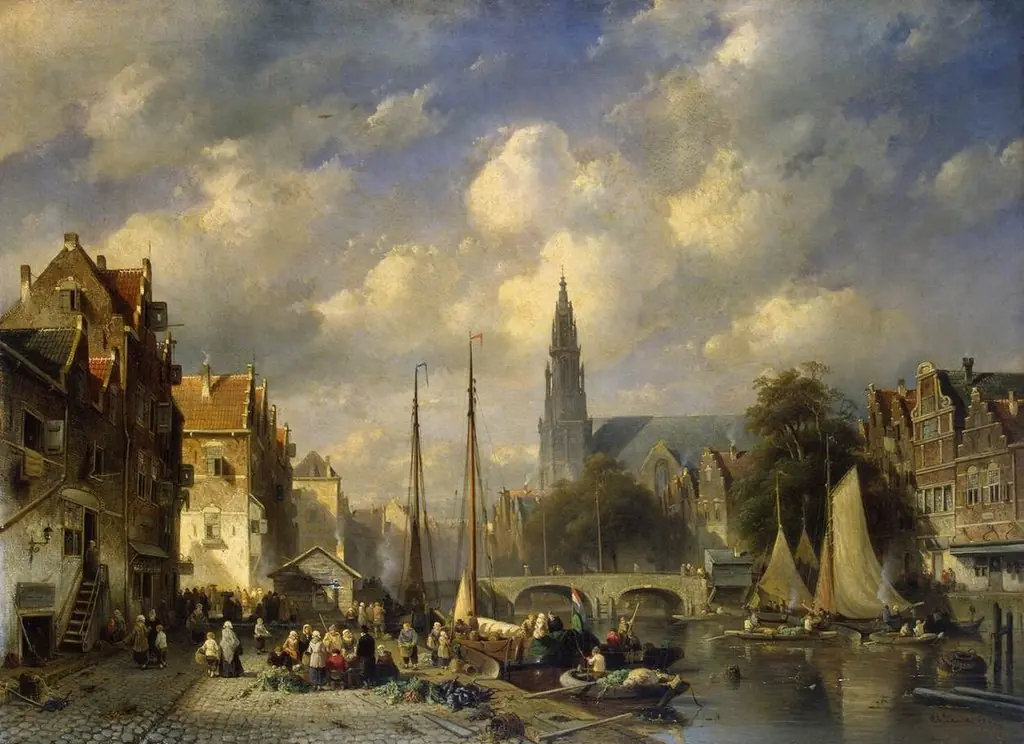 Urban Landscape
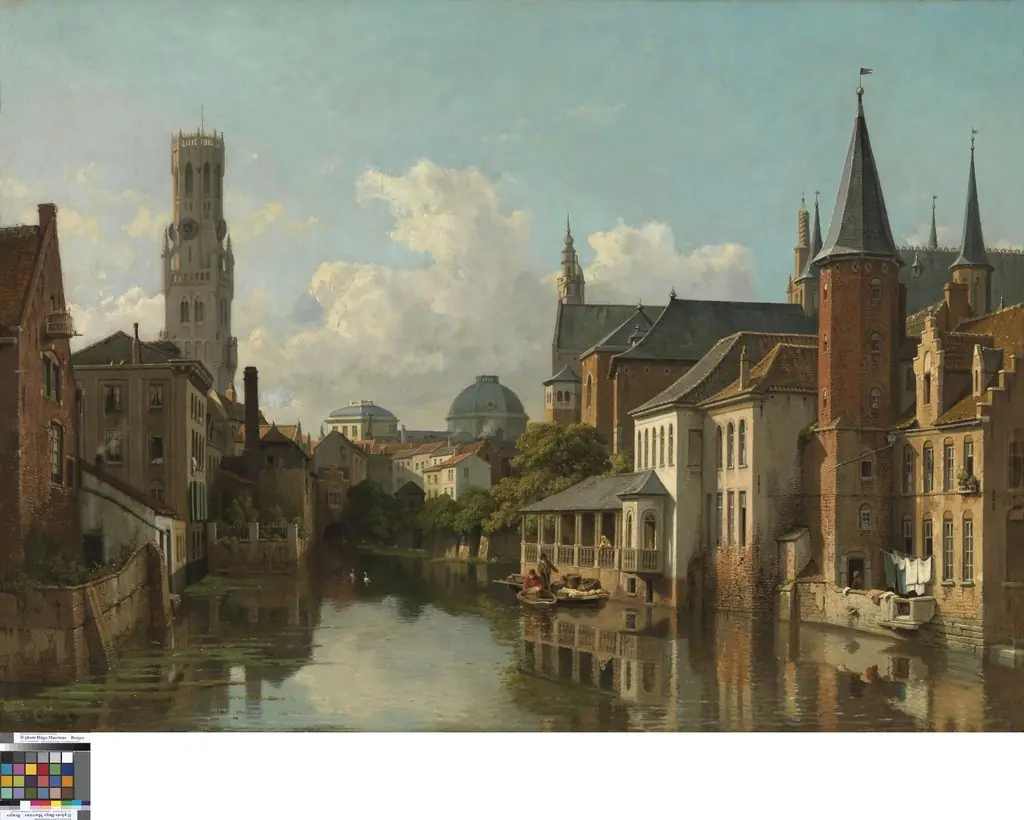 De Rozenhoedkaai in Brugge
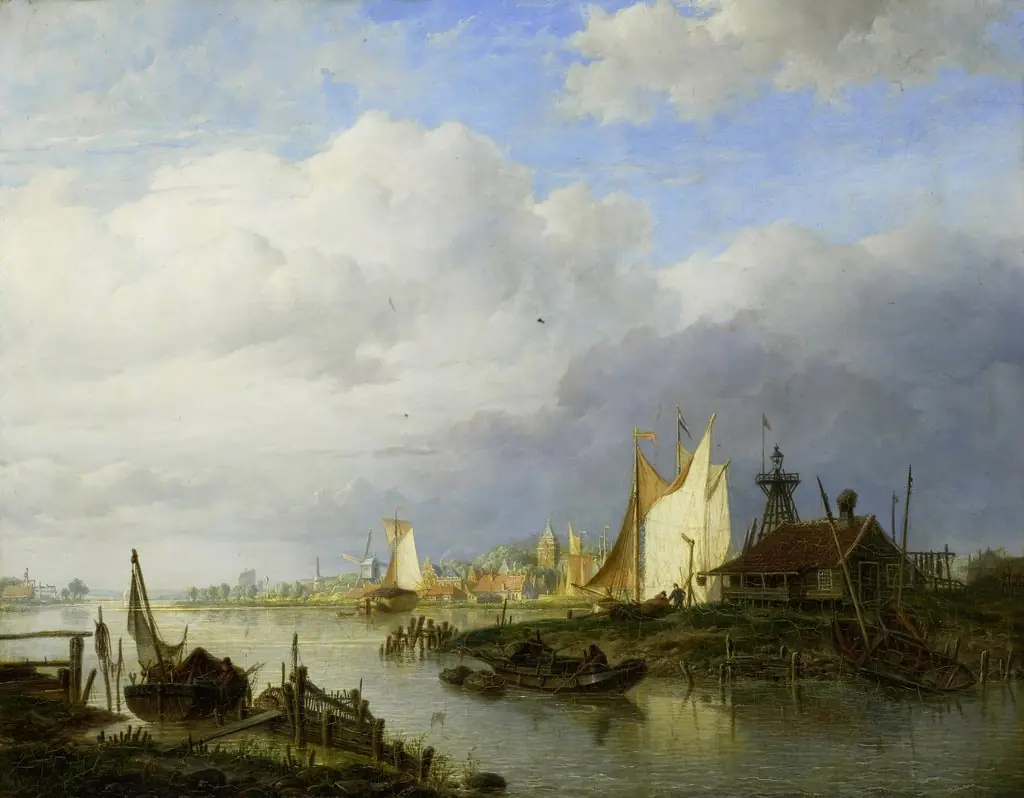 Boats on a River with a Beacon of Light
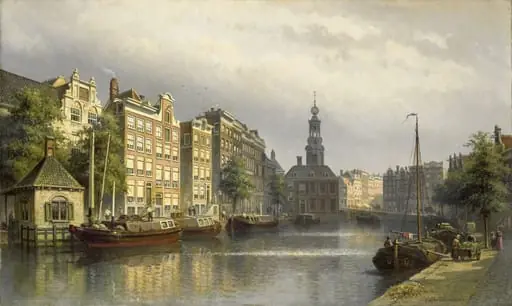 The Singel, Amsterdam, looking towards the Mint.
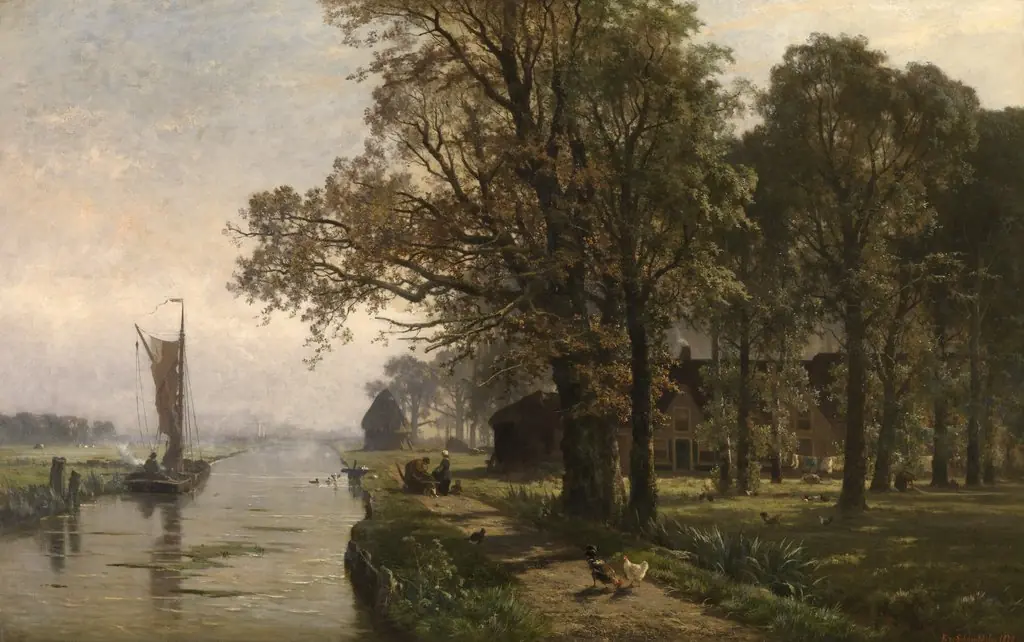 Souvenir of Gouda
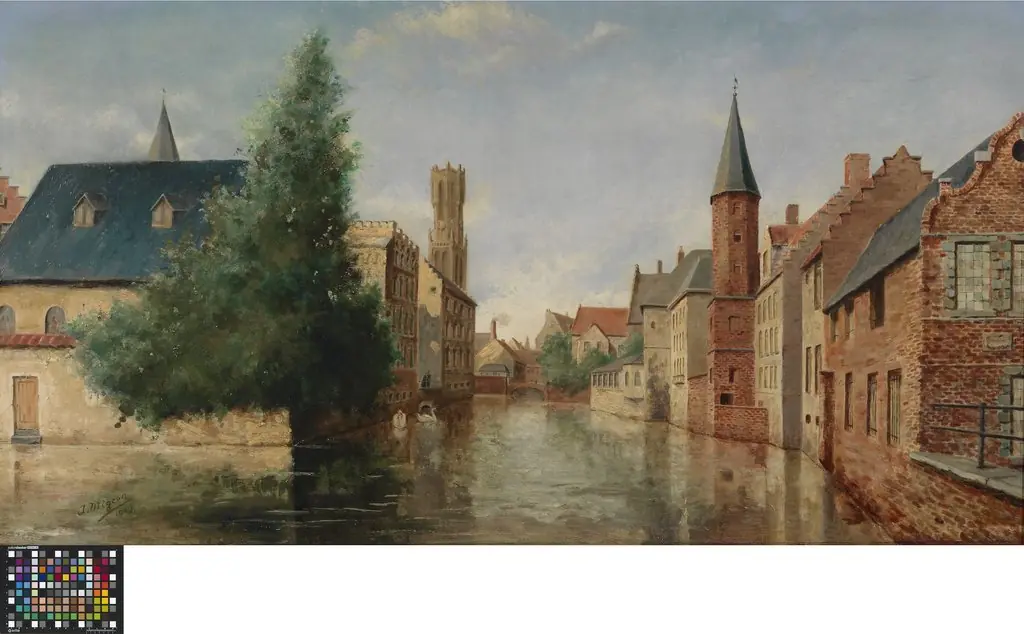 De Rozenhoedkaai in Brugge
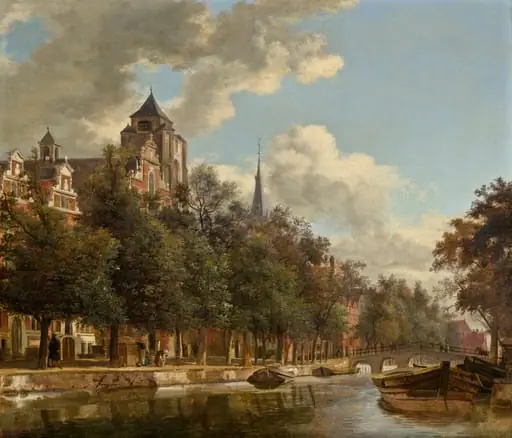 View Down a Dutch Canal
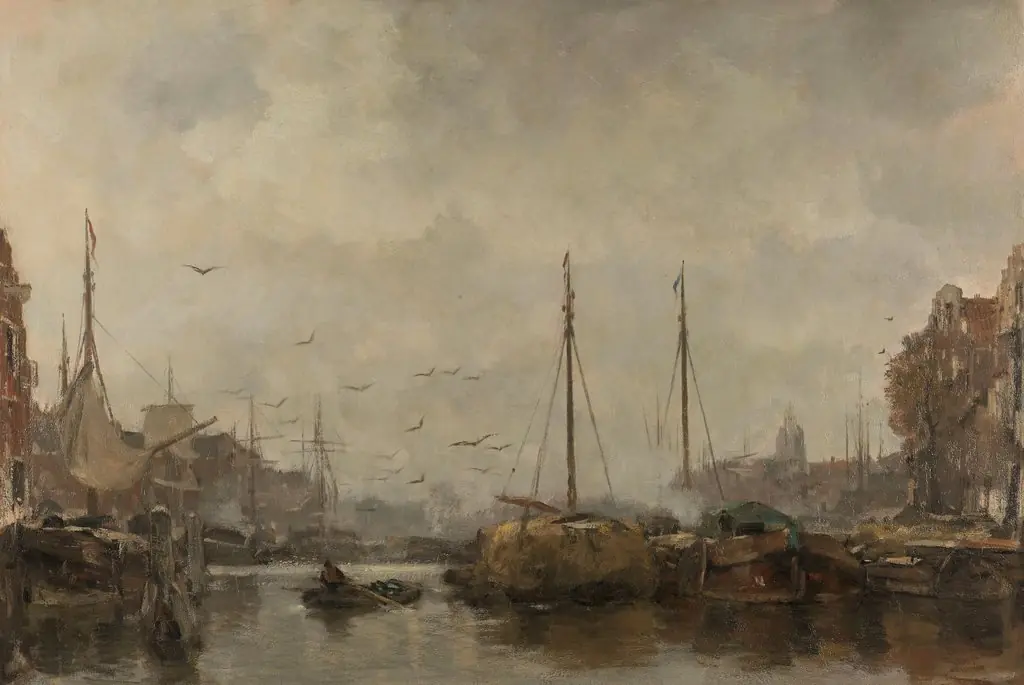 Cityscape
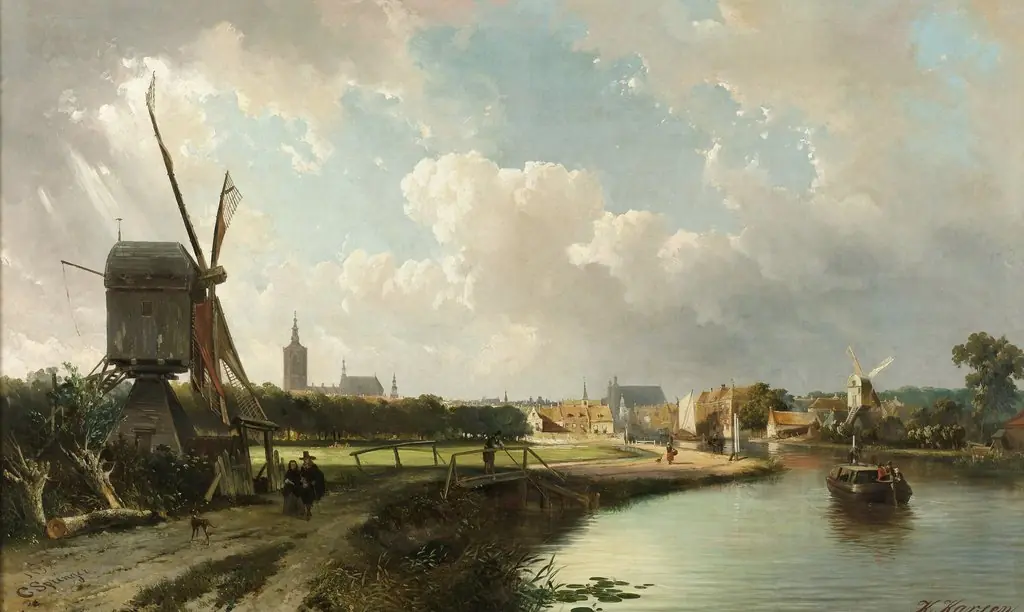 View of The Hague from the Delftse Vaart in the 17th Century
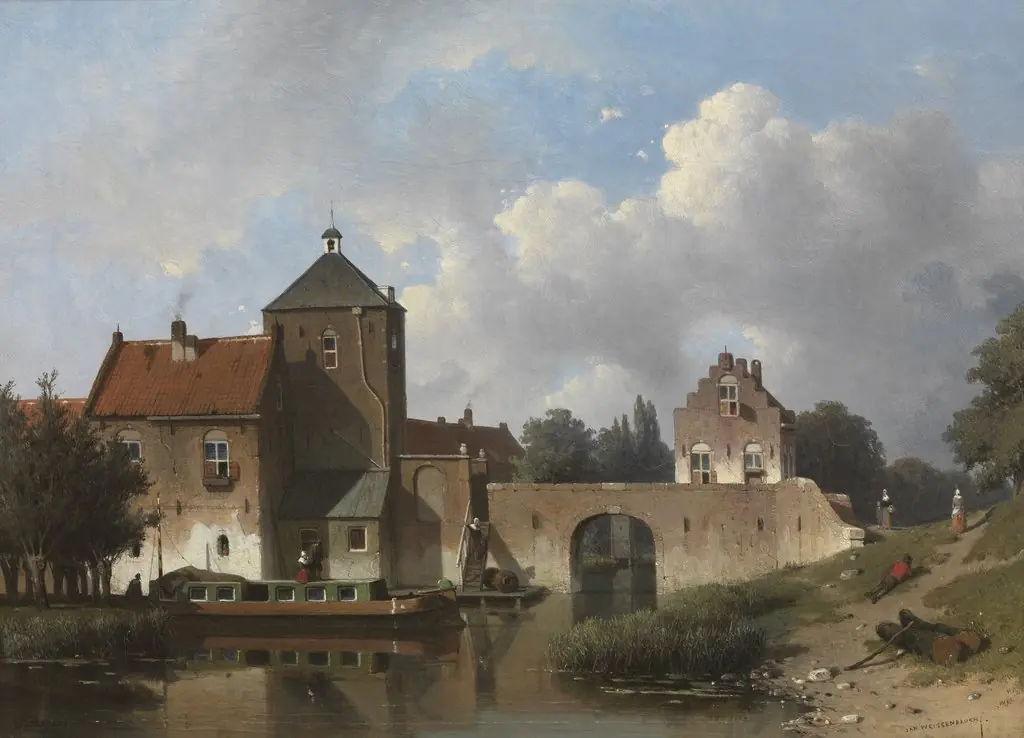 The IJsselpoort at IJsselstein
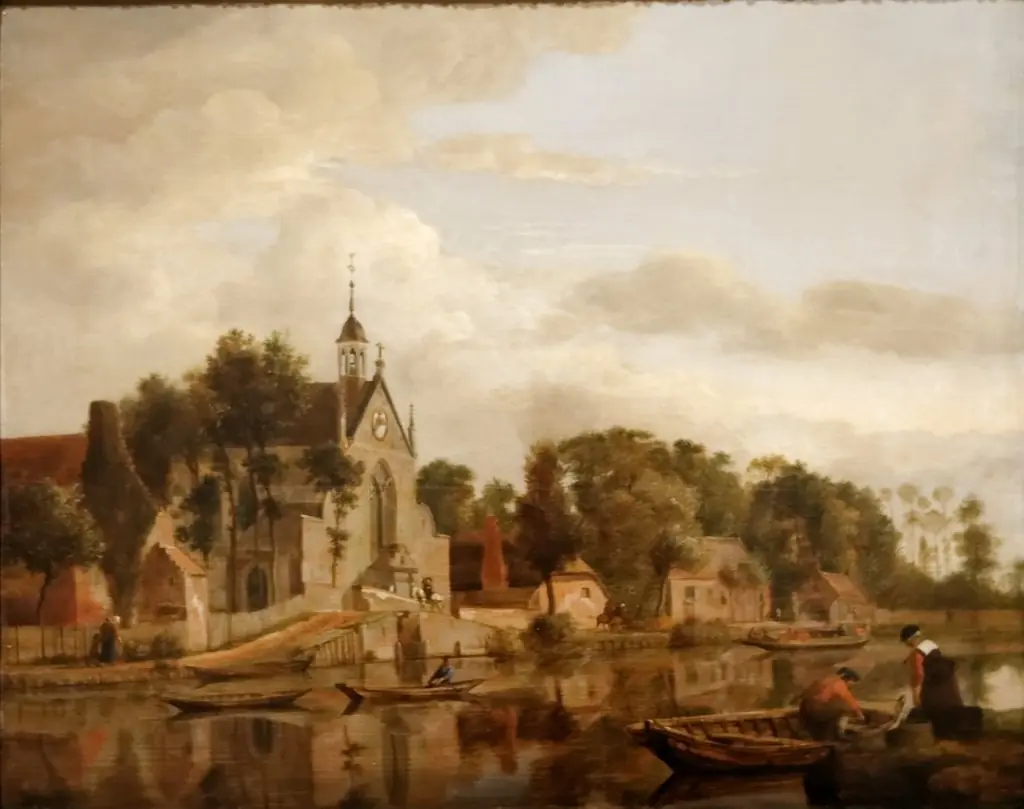 Dutch Landscape