Artwork
De Rozenhoedkaai in Brugge
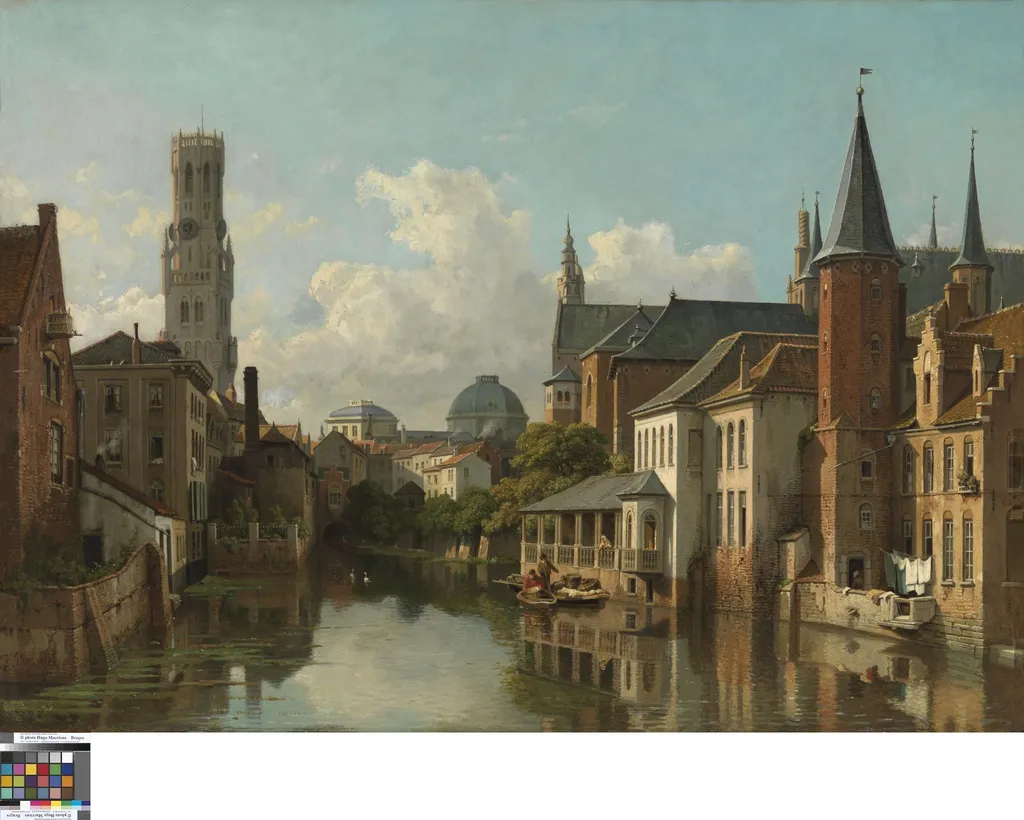
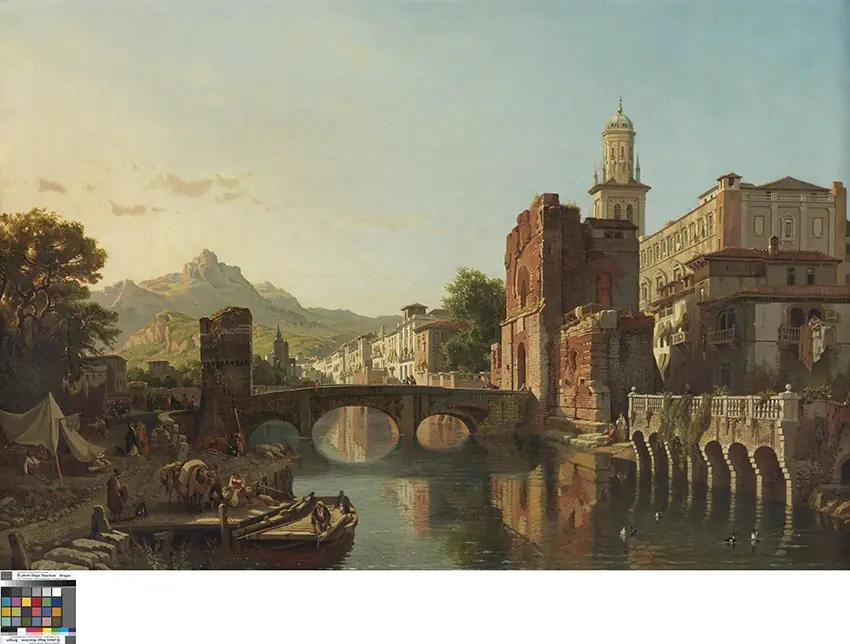
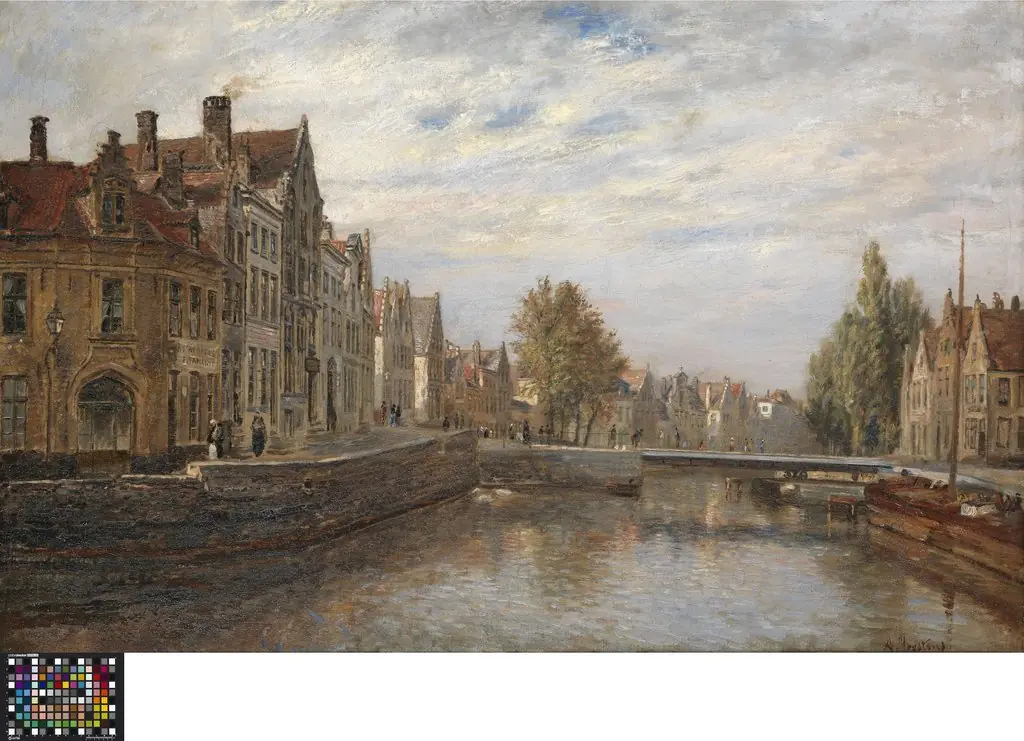
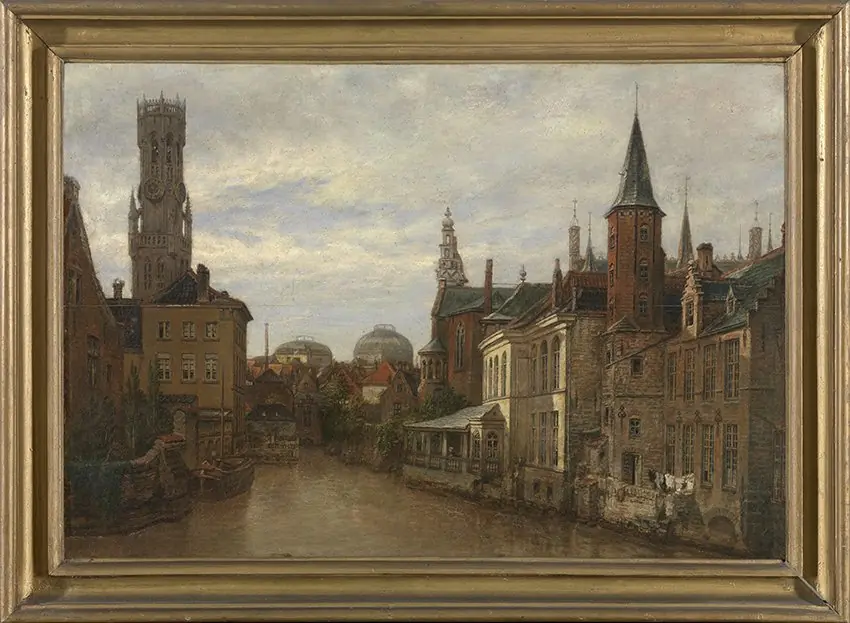
De Rozenhoedkaai in Brugge is an oil painting by the Impressionist artist François Bossuet. It dates from 1875 and is held in the collection of the Groeningemuseum.
About this work
Overview
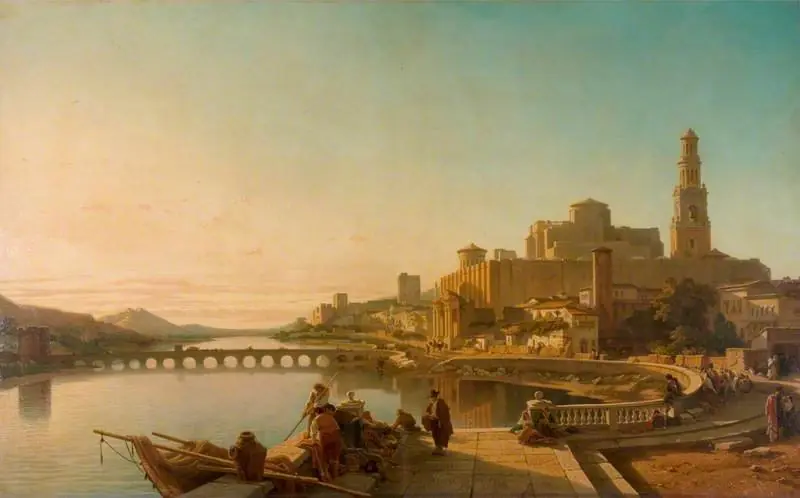
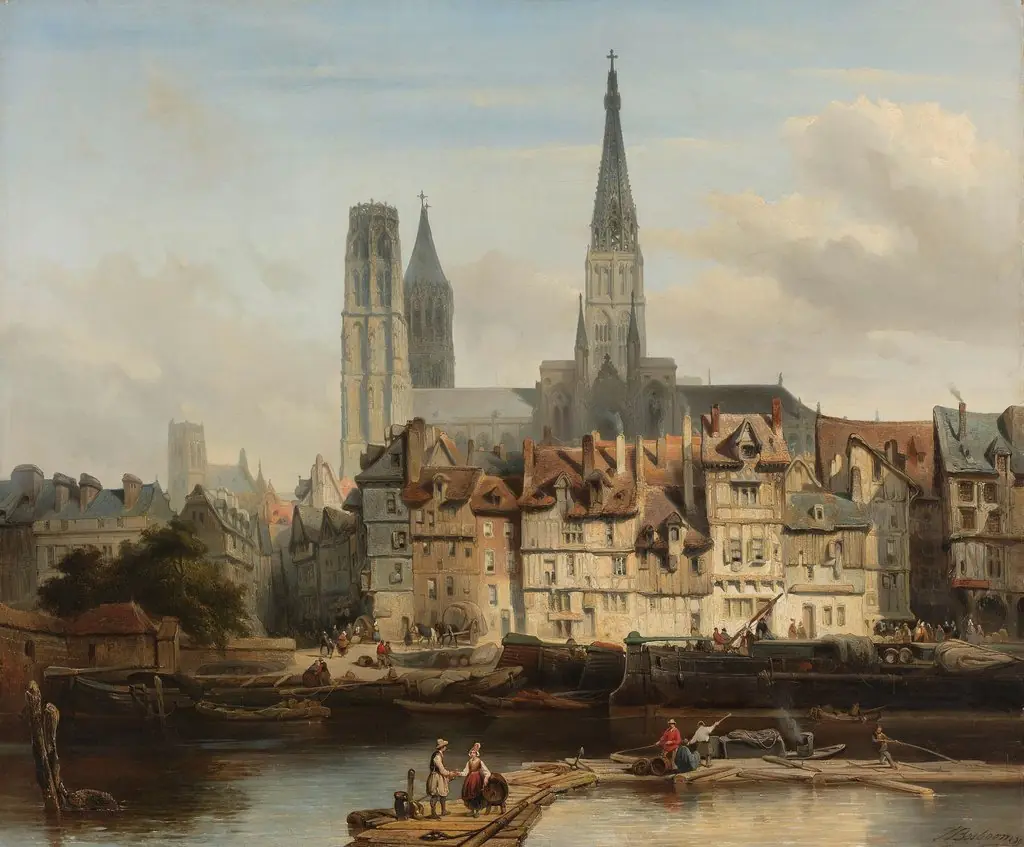
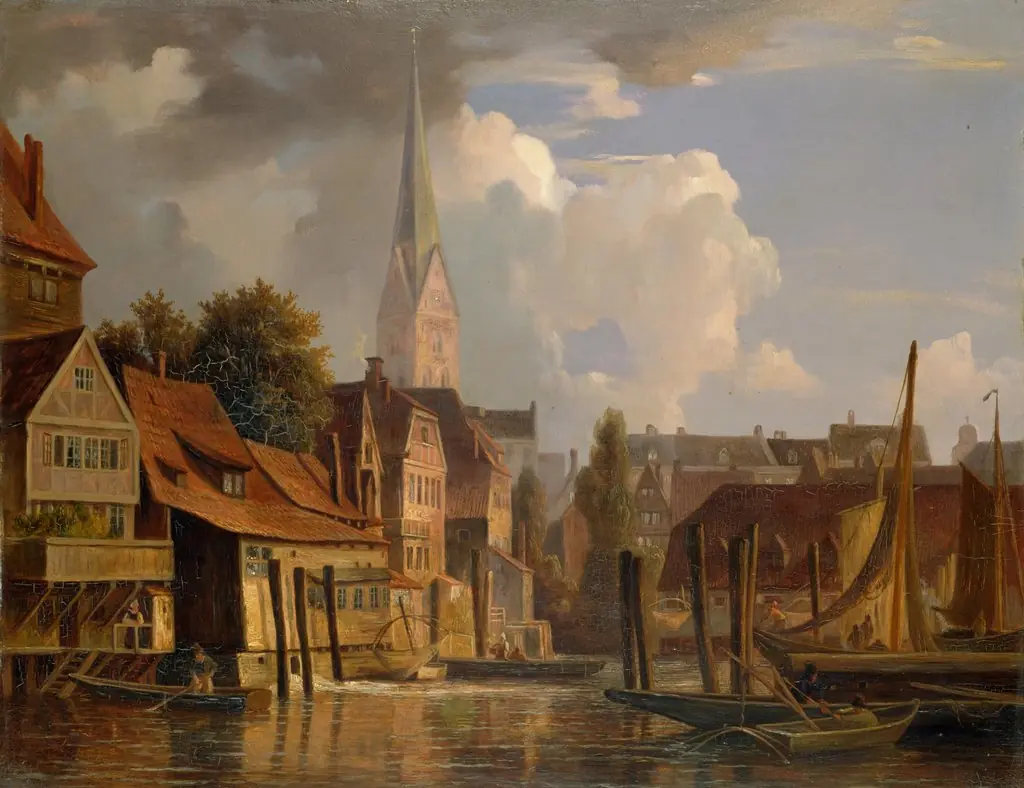
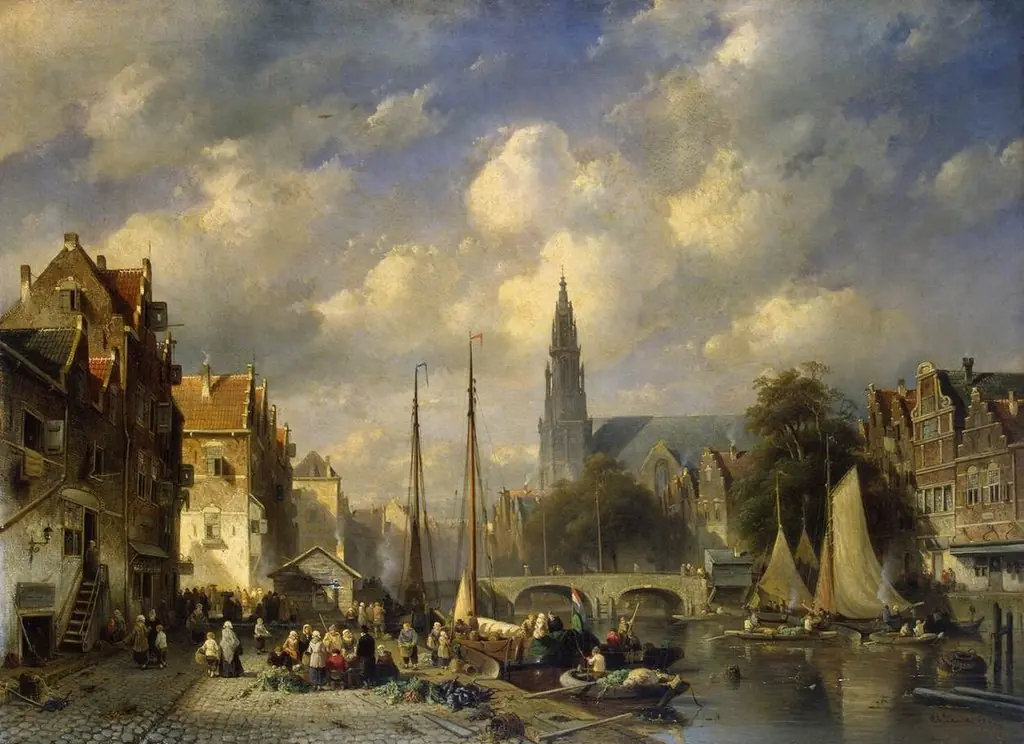
François Bossuet’s 1875 oil painting *De Rozenhoedkaai in Brugge* captures a bustling scene along the historic Rozenhoedkaai canal in Bruges. Executed in the late nineteenth century, the work presents a lively urban vista that reflects the artist’s interest in contemporary city life.
Subject & Meaning
The canvas portrays the Rozenhoedkaai, a well‑known quay where the canals intersect, bustling with pedestrians, boats, and the characteristic Flemish architecture. By focusing on everyday activity, Bossuet highlights the interplay of light and water, suggesting a momentary glimpse of the city’s rhythm and atmosphere.
Technique & Style
Employing oil on canvas, Bossuet adopts the loose brushwork and emphasis on fleeting light typical of Impressionism. The palette favors muted earth tones punctuated by brighter reflections, while the handling of paint conveys the transient quality of the scene rather than precise architectural detail.
History & Provenance
Since its creation, the painting has remained in Belgium, eventually entering the collection of the Groeningemuseum in Ghent. The museum’s acquisition ensures public access to this example of 19th‑century Belgian Impressionism and situates it among works by the region’s contemporaries.
Context
Created during a period when Belgian artists were engaging with French Impressionist ideas, *De Rozenhoedkaai in Brugge* reflects a local adaptation of the movement’s focus on light and modern life. The work contributes to a broader visual record of Bruges’ urban landscape in the late 1800s.
Artist & collection
Artist
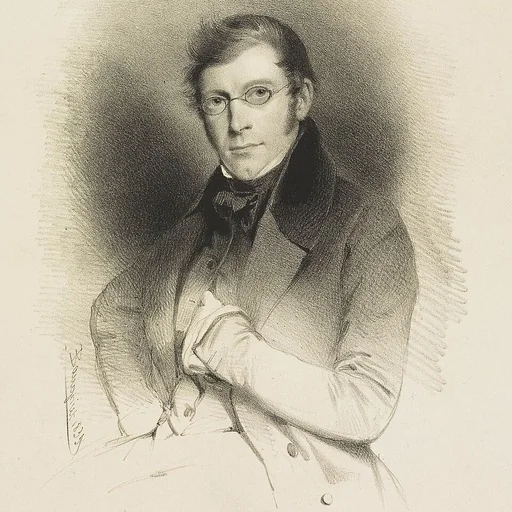
François-Antoine Bossuet (21 August 1798 Ypres – 28 September 1889 Saint-Josse-ten-Noode) was a painter and draughtsman of the Belgian school.