Artwork
Selbstporträt
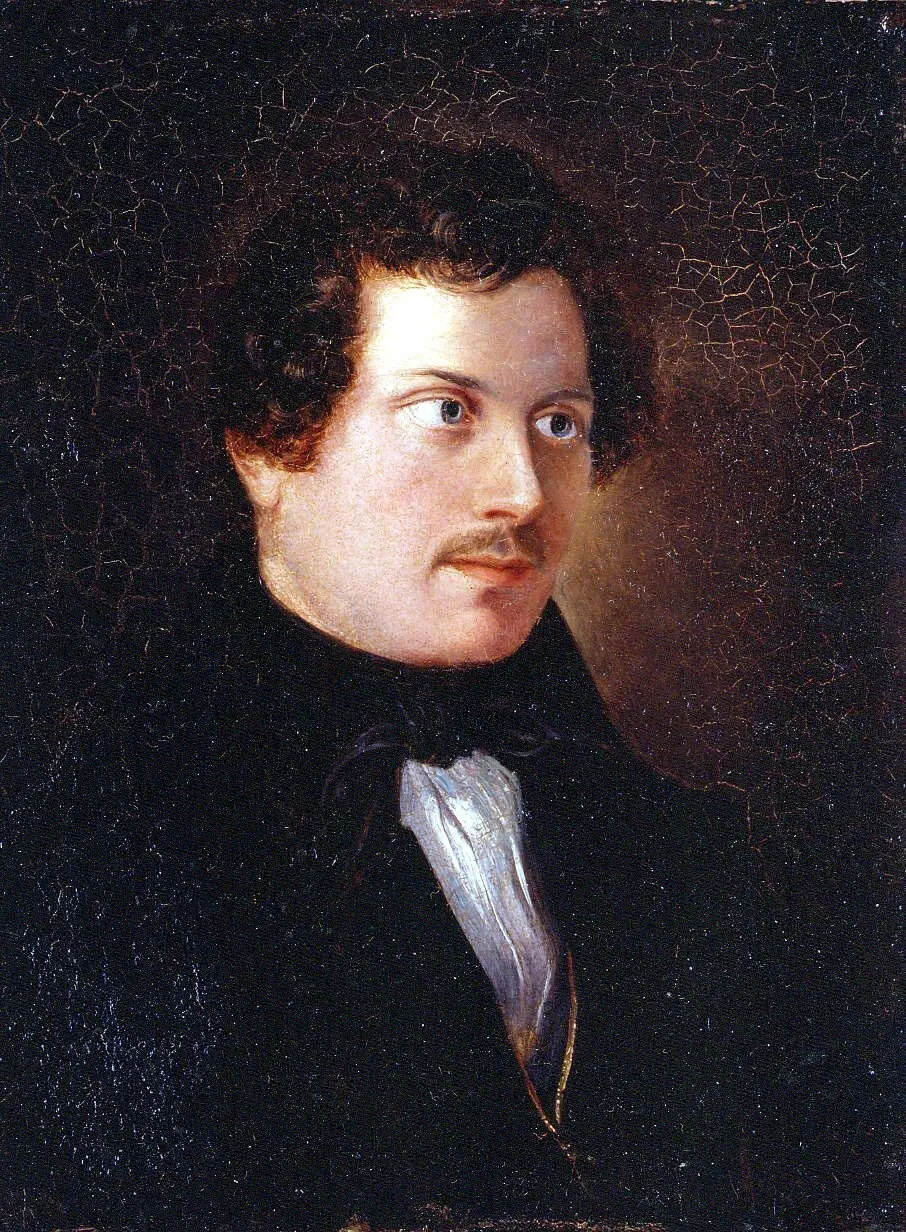
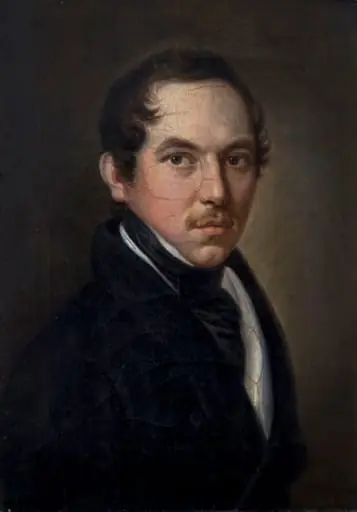
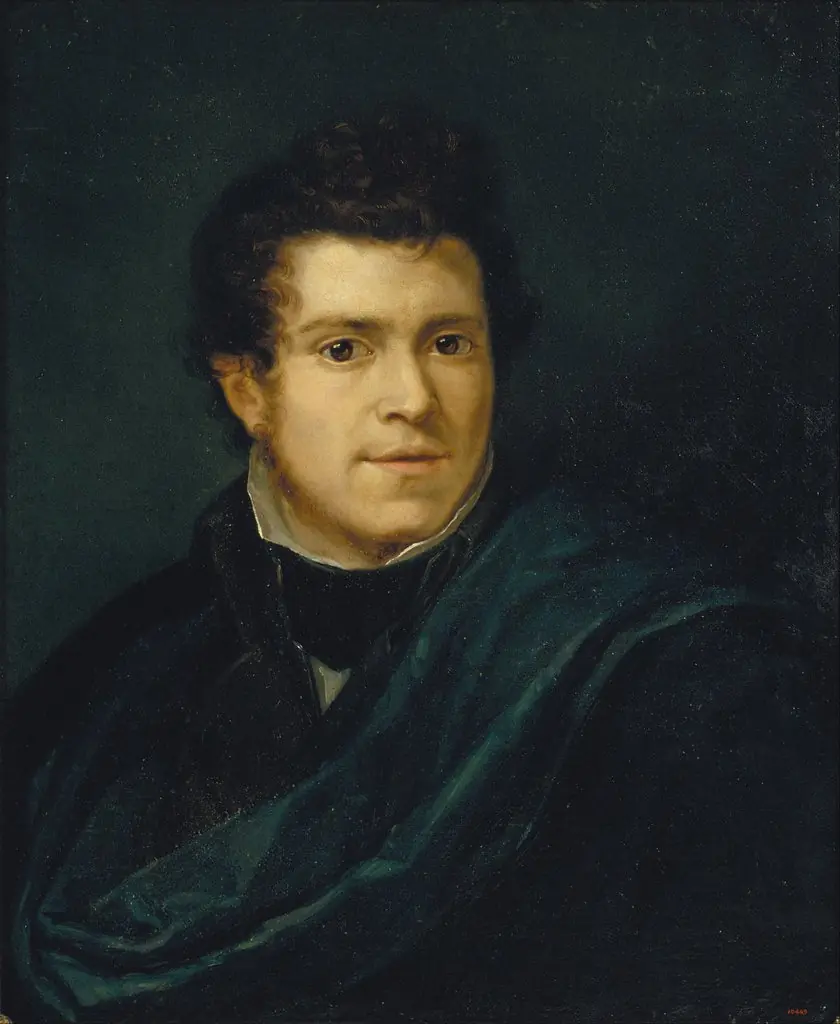
Selbstporträt is an oil painting by the Biedermeier artist Adolph Friedrich Vollmer. It dates from 1828 and is held in the collection of the Hamburger Kunsthalle.
About this work
Overview
Adolph Friedrich Vollmer painted this self-portrait in 1828 using oil on canvas. Created during his time in Hamburg, the work reflects his role as a regional figure in the early development of Realism in northern Germany. The painting is part of the permanent collection at the Hamburger Kunsthalle, where it remains a quiet example of 19th-century German portraiture.
Subject & Meaning
The portrait presents Vollmer facing the viewer with a composed, unsmiling gaze. Dressed in dark attire with a white collar, he avoids theatricality, projecting an air of quiet introspection. The absence of symbolic objects or elaborate setting underscores a focus on personal presence rather than status or narrative, aligning with Biedermeier ideals of understated authenticity.
Technique & Style
Vollmer employed restrained brushwork and a muted palette to render his likeness with precision. The dark background isolates the figure, drawing attention to the texture of fabric and the subtlety of facial modeling. Light falls evenly across the face and shirt, avoiding dramatic contrast, which reinforces the painting’s calm, observational tone characteristic of Biedermeier aesthetics.
History & Provenance
The painting has remained in public collection since its creation, entering the Hamburger Kunsthalle’s holdings in the 19th century. It was not widely exhibited outside regional contexts, and its preservation reflects local interest in documenting Hamburg’s artistic community. No significant alterations or reworkings are documented in its history.
Context
Vollmer, alongside contemporaries like Christian Morgenstern, helped move German painting away from idealized forms toward direct, unembellished observation.
Created during the Biedermeier period, the portrait reflects a cultural shift toward domestic intimacy and personal dignity in art. Vollmer, alongside contemporaries like Christian Morgenstern, helped move German painting away from idealized forms toward direct, unembellished observation. This work exemplifies how artists turned inward, using self-representation to affirm individual presence amid social quietude.
Legacy
Though not widely known beyond regional art histories, Vollmer’s self-portrait stands as a representative example of early German Realism. It contributes to understanding how artists in northern Germany engaged with emerging modes of visual honesty. The painting continues to inform studies of Biedermeier portraiture and the quiet evolution of self-representation in 19th-century Europe.
Artist & collection
Artist
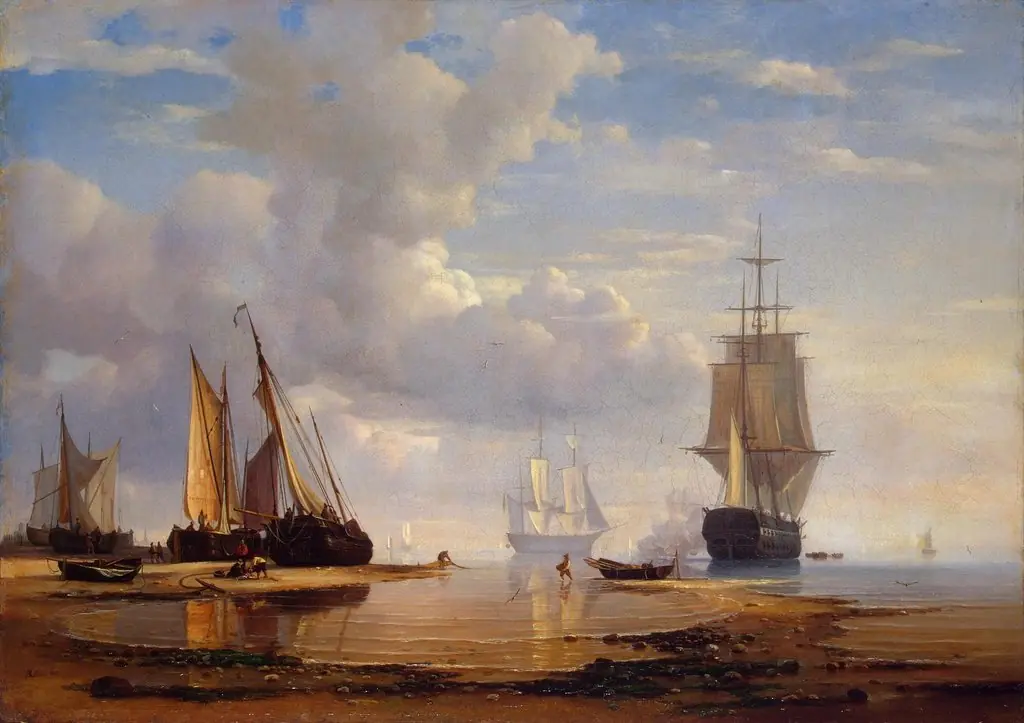
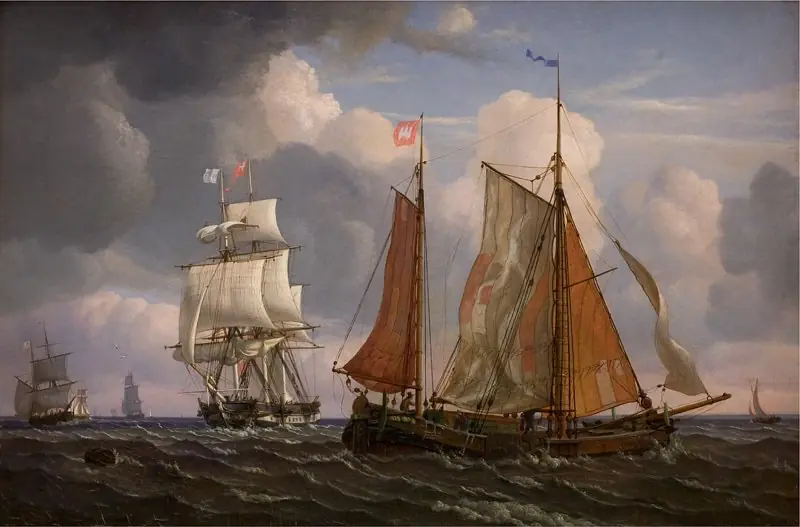
Adolph Friedrich Vollmer (17 December 1806 – 12 February 1875) was a German landscape and marine painter and graphic artist. He and his contemporary, the painter Christian Morgenstern, were pioneers in Hamburg of early Realism in painting.

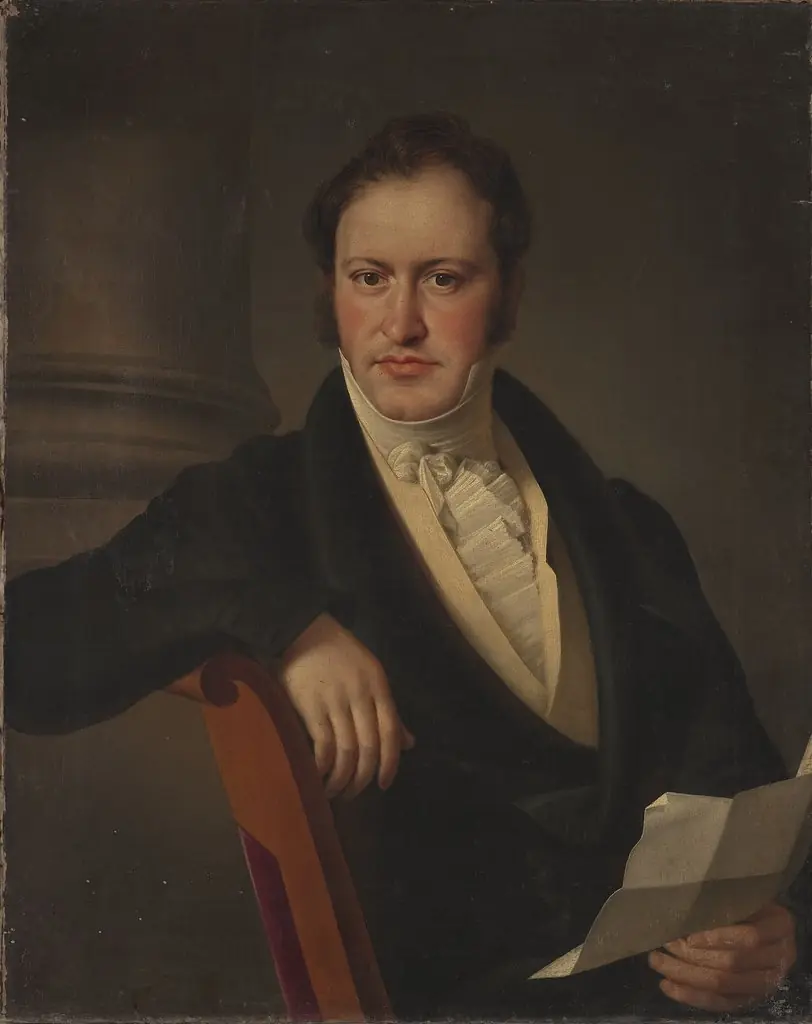 Portrait of Benedykt Pawłowski
 Unchiul
 Self-portrait
 Portrait of a Young Man
 Karl Bryullov
 Portrait of a Young Man
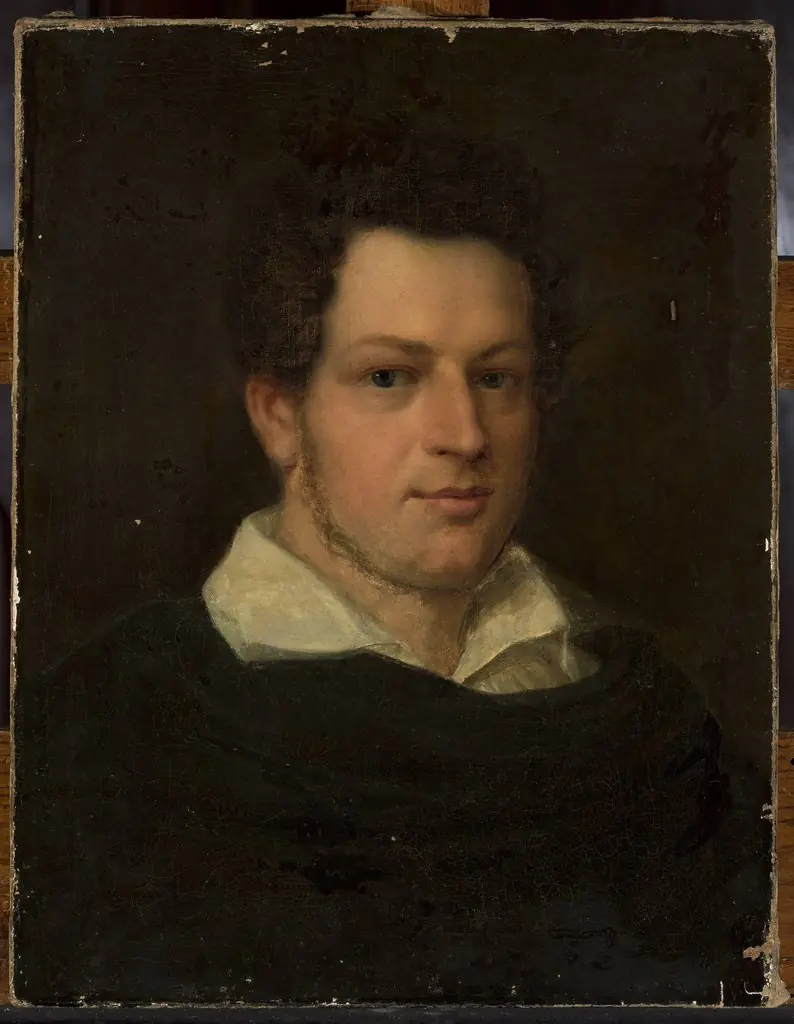 Portrait of Izydor Dymidowicz
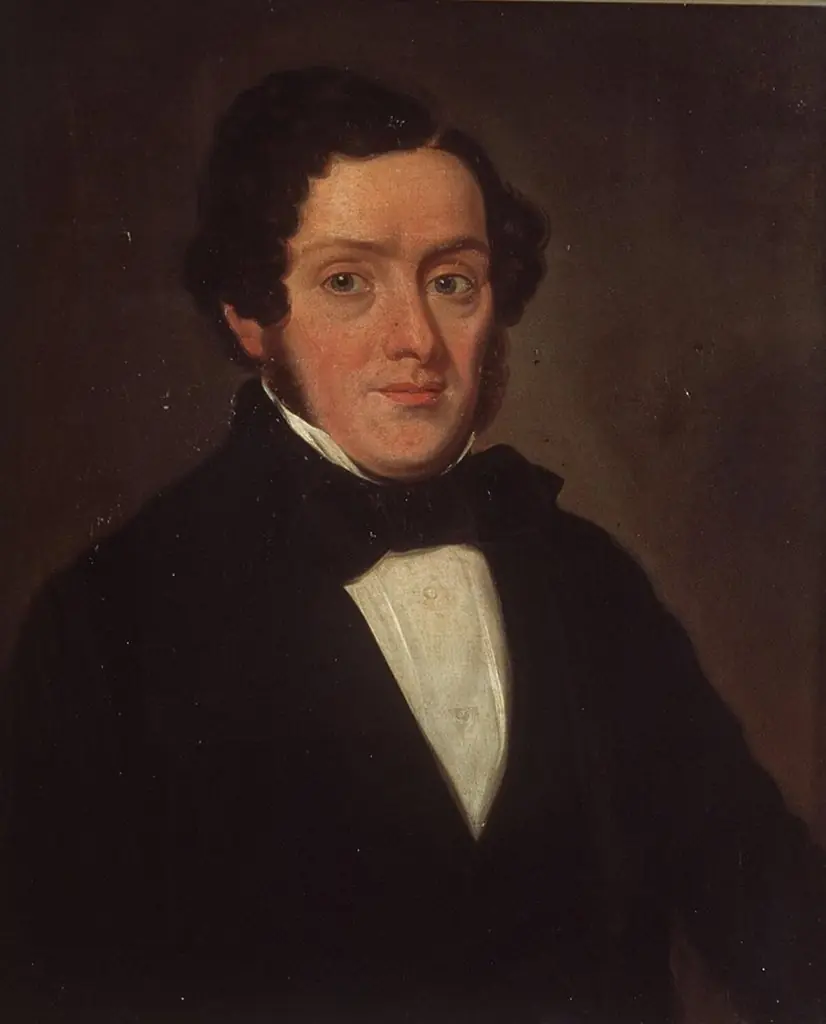 John Richard Roberts (1822-1874)
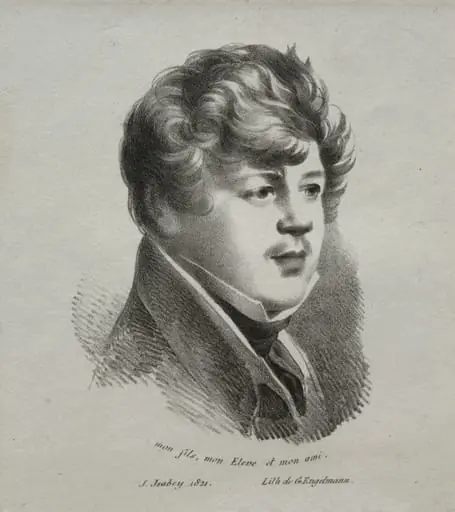 Eugène Isabey
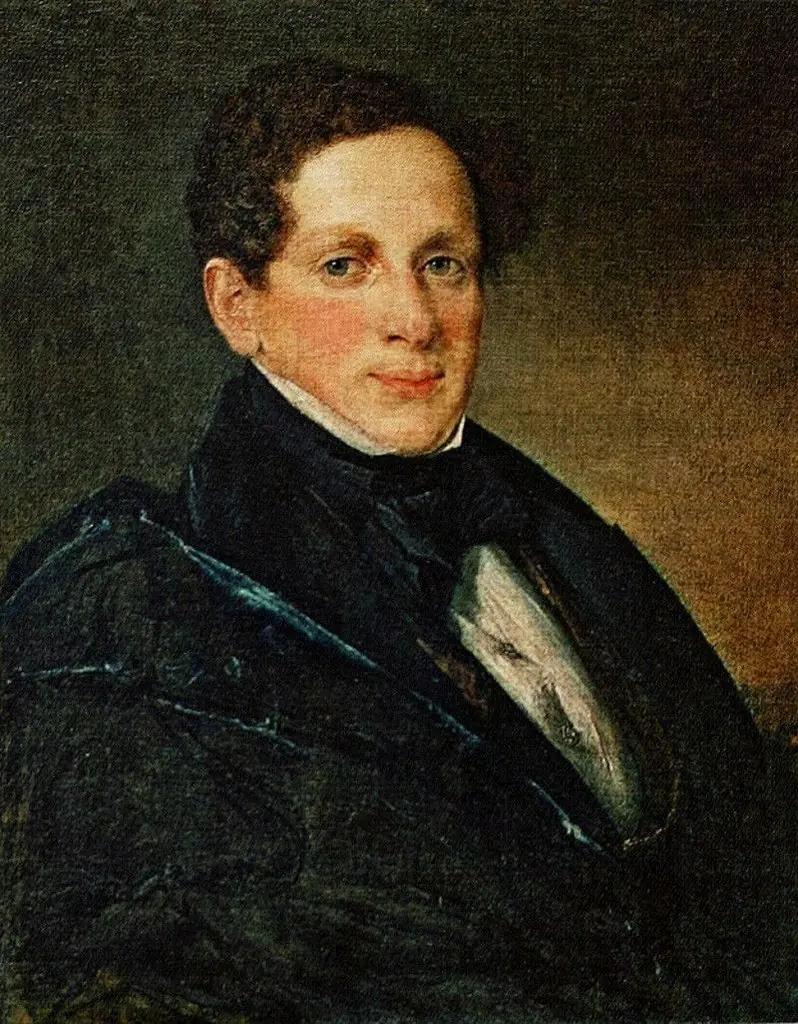 Portrait of Andrei Mikhailovich Bolotov
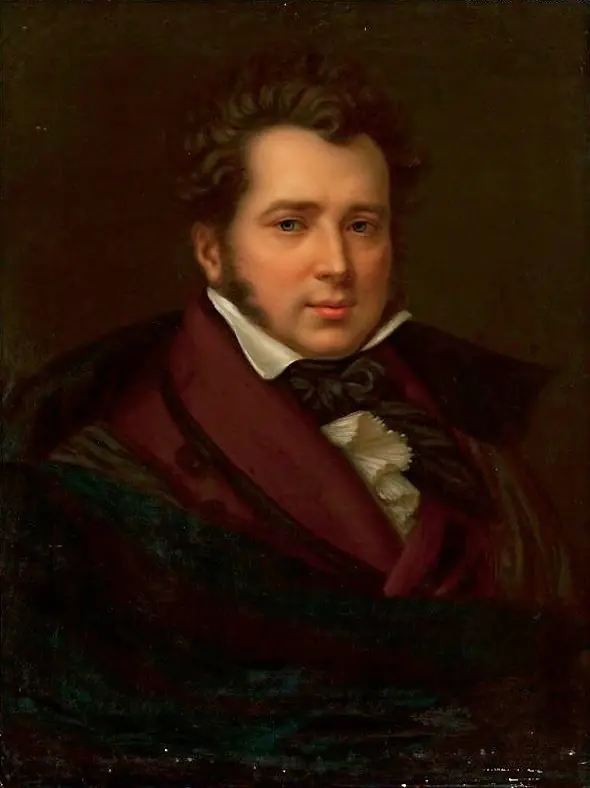 Portrait of Artur Potocki (1788–1832)
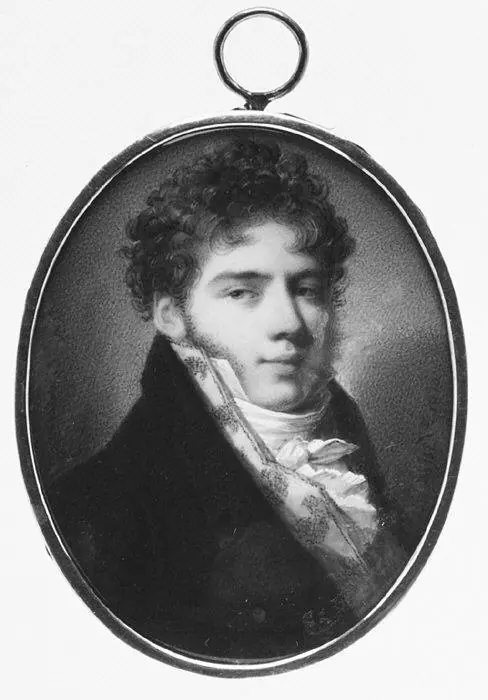 Count Alexander Ivanovich Sollogoub (1788–1844)