Artwork
Valley of Lauterbrunnen, Switzerland (from the album Charbons de Braun- vues prises avec l'objectif panoramique mobile, 1868)
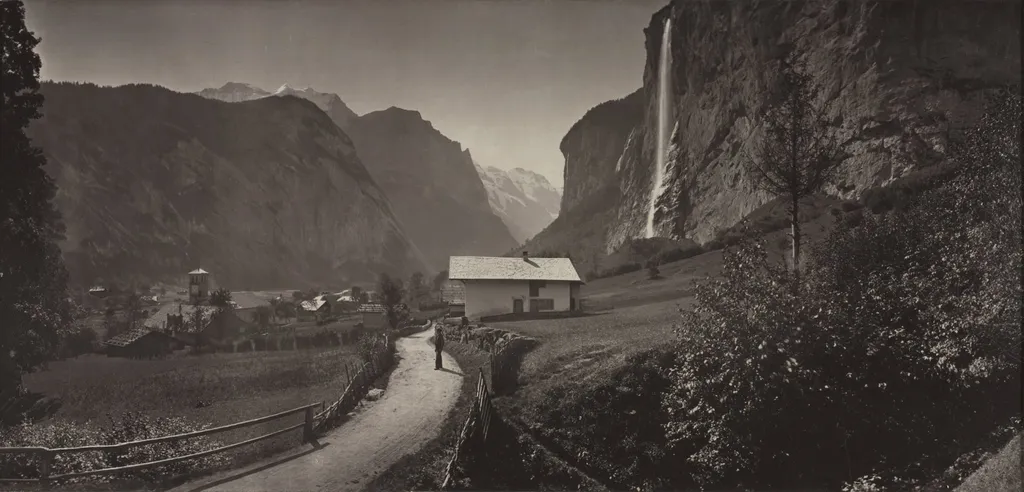
Valley of Lauterbrunnen, Switzerland (from the album Charbons de Braun- vues prises avec l'objectif panoramique mobile, 1868) is a photography by the Impressionist artist Adolphe Braun. It dates from 1868 and is held in the collection of the Cleveland Museum of Art.
About this work
Overview
The image is one of many in the album Charbons de Braun, which documented Swiss landscapes through innovative photographic techniques of the time.
This photograph, created around 1868 by Adolphe Braun, is part of a series produced using a mobile panoramic camera. It captures the Lauterbrunnen Valley in Switzerland, a region known for its dramatic alpine topography. The image is one of many in the album Charbons de Braun, which documented Swiss landscapes through innovative photographic techniques of the time. The work is now held in the collection of The Cleveland Museum of Art.
Subject & Meaning
The image presents a tranquil mountain valley framed by steep cliffs and a cascading waterfall. A winding path leads the eye through the scene, connecting a solitary house and a cluster of buildings near a church steeple. The composition suggests quiet human habitation nestled within nature’s grandeur, reflecting 19th-century ideals of harmony between settlement and landscape without overt symbolism or narrative.
Technique & Style
Braun employed a custom panoramic lens to capture a broader field than standard cameras allowed, resulting in subtle distortion at the image’s edges. The monochrome tonality relies on chiaroscuro to model form, with deep shadows in the valley and bright highlights on the waterfall and distant peaks. The sharp detail and careful exposure reveal an early mastery of photographic control, balancing technical innovation with compositional restraint.
History & Provenance
Created as part of Braun’s 1868 album Charbons de Braun, the photograph was produced using carbon printing, a durable process valued for its tonal range. The album was intended as a high-quality art publication, circulating among European collectors and institutions. The photograph entered The Cleveland Museum of Art’s collection through documented acquisition, preserving its original context within the printed volume.
Context
In the 1860s, photography was expanding beyond portraiture into landscape documentation, aided by new technologies like panoramic lenses. Braun, already known for textile patterns and Alpine views, contributed to a growing interest in Swiss scenery as both natural wonder and cultural subject. His work aligned with scientific and aesthetic efforts to record geography with precision, appealing to travelers, geographers, and art patrons alike.
Legacy
Braun’s panoramic photographs helped establish landscape photography as a legitimate artistic and documentary form. His use of specialized equipment influenced later efforts to capture expansive vistas, bridging early photographic experimentation with modern panoramic imaging. Though less celebrated than painters of the Alps, his technical rigor and consistent output left a lasting imprint on how mountainous regions were visually recorded in the 19th century.
Artist & collection


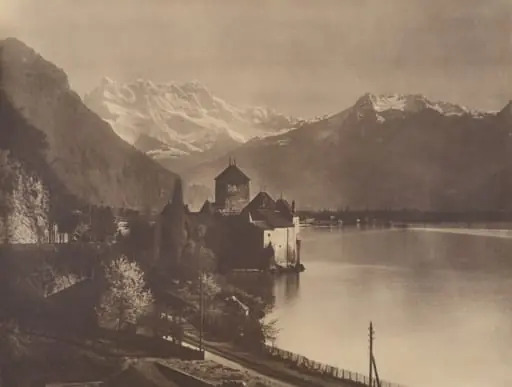 Château de Chillon
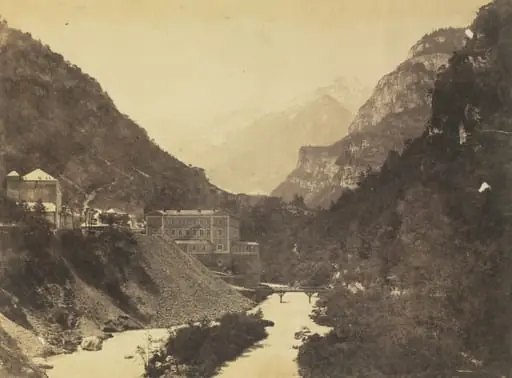 Eaux-Chaudes, Pyrenees (verso)
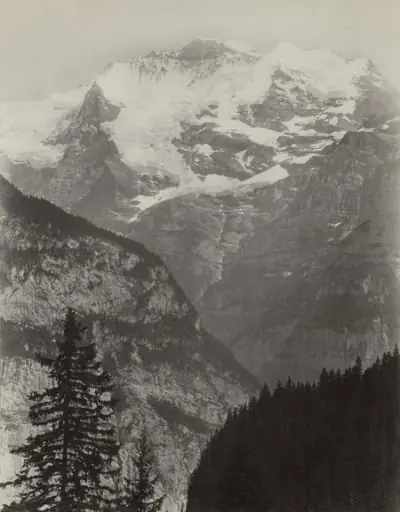 Jungfrau, View from Mürren, Switzerland
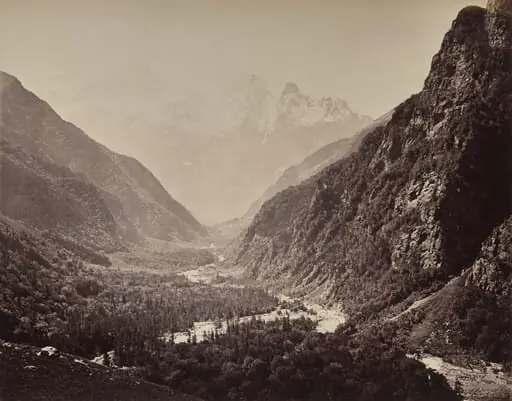 The Upper Himmalayahs. View of Valley from Fallaldasa with Srikanta Peaks in the Distance
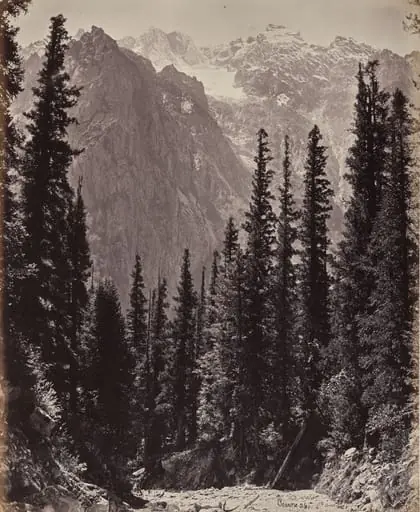 The Upper Himmalayahs. View in the Manga Valley
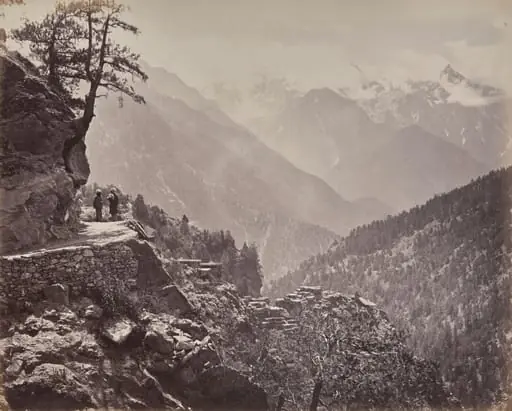 The Upper Himmalayahs. View on the New Road between India and China. Mt. Pangi with the Snowy Peaks of China in the Distance
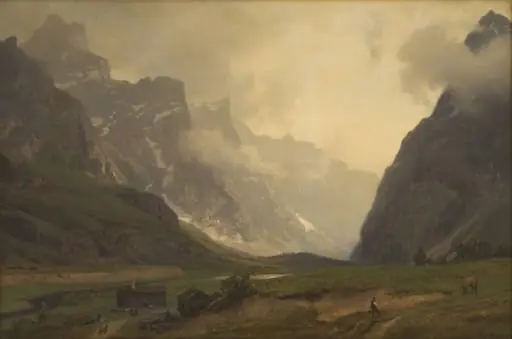 The Troll Peaks in Romsdalen: The Foot of Romsdalshorn to the Right
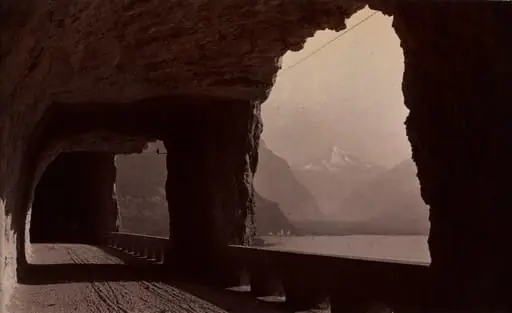 Untitled (Rocky Arcade)
 Aihe Ramsausta