Artwork
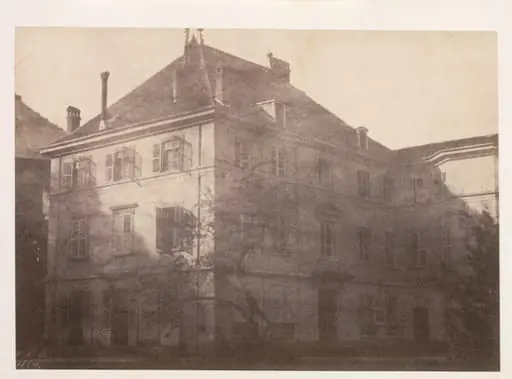
Façade Alsacienne, Corps de Garde à Colmar
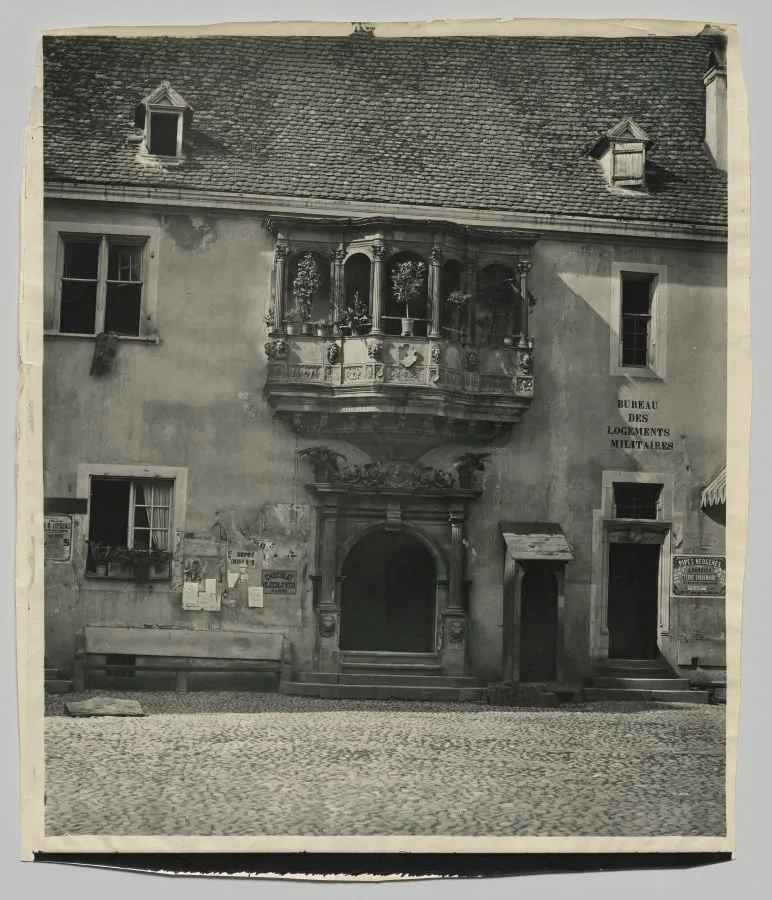
Façade Alsacienne, Corps de Garde à Colmar is a photography by the Impressionist artist Adolphe Braun. It dates from 1874 and is held in the collection of the Cleveland Museum of Art. Adolph Braun’s photograph captures a half-timbered building in Colmar, Alsace, originally constructed in 1575 as the town hall.
About this work
You see a half-timbered guardhouse in Colmar, France, its dark beams crisscrossing white walls under a steep roof.
This building started as a town hall in 1575 but became a guardhouse instead. Braun lived nearby and photographed hundreds of Alsace landmarks, turning them into prints sold across Europe and North America.
If you like old European buildings, look up *France* next—it’s full of them.
Overview
Adolph Braun’s photograph captures a half-timbered building in Colmar, Alsace, originally constructed in 1575 as the town hall.
Adolph Braun’s photograph captures a half-timbered building in Colmar, Alsace, originally constructed in 1575 as the town hall. Over time, its function shifted to that of a guard house, reflecting changing civic needs. Braun, a photographer based in nearby Thann, documented regional architecture with systematic precision, producing a wide-reaching visual record of Alsace’s historic structures through commercial photographic prints.
Subject & Meaning
The building’s transition from municipal center to military outpost mirrors the political and administrative shifts in Alsace over centuries. Its sturdy timber frame and steep roof are characteristic of regional Renaissance civic architecture. As a subject of Braun’s work, it represents not just a local landmark but a symbol of enduring structural tradition amid evolving governance.
Technique & Style
Braun employed large-format glass plate photography to render fine architectural details with clarity. The composition emphasizes the building’s verticality and rhythmic timber patterning, framed against a neutral background to highlight form over context. His approach prioritized documentary accuracy, avoiding dramatic lighting or staging in favor of neutral, observational realism.
History & Provenance
Built in 1575 as Colmar’s town hall, the structure was repurposed as a guard house by the 19th century. Braun photographed it during a period of renewed interest in regional heritage. His prints, distributed widely across Europe and North America, helped establish the building’s visibility beyond Alsace, embedding it in broader 19th-century visual culture of architectural documentation.
Context
In the mid-1800s, Alsace was a region of contested identity between French and German cultural influences. Braun’s photographic series emerged as part of a wider movement to record regional monuments before industrialization altered the landscape. His work aligned with scholarly and tourist interests in historic architecture, particularly in border regions with layered histories.
Legacy
Braun’s photographs of Alsace’s buildings, including this guard house, became reference points for later historians and preservationists. The image contributed to a growing archive of 19th-century European architecture, influencing how such structures were perceived and valued in academic and public spheres. Many of his prints remain in institutional collections today as primary visual records.
Artist & collection

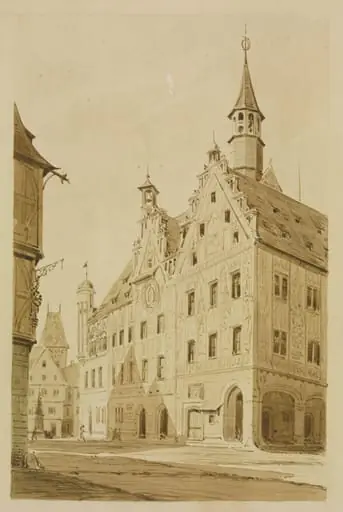 Topographical drawing
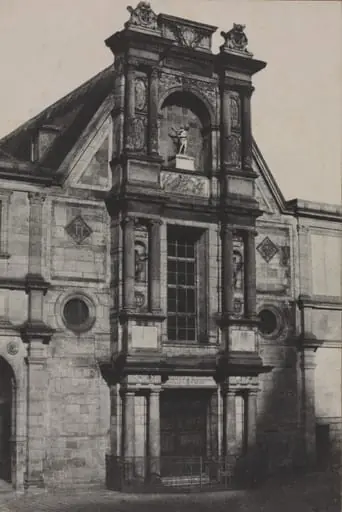 Portico of the Château d'Anet, now at the École des Beaux-Arts, Paris
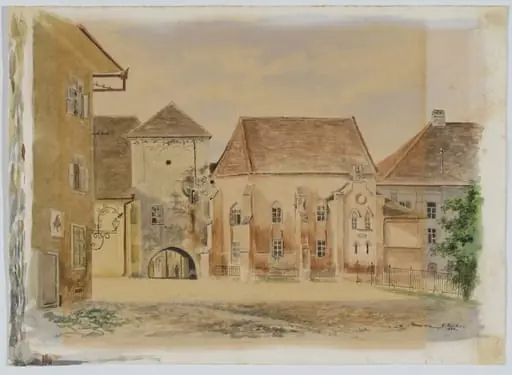 Capela Sf. Jakob și Turnul preoților
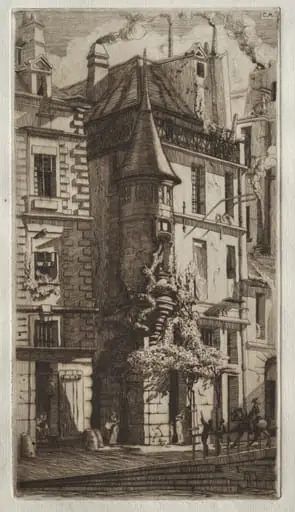 Tourelle de la rue de la Tixéranderie
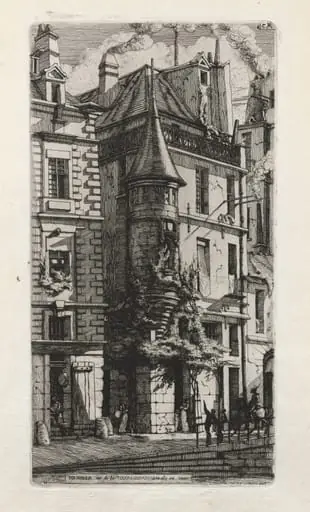 House with a Turret, rue de la Tixéranderie, Paris
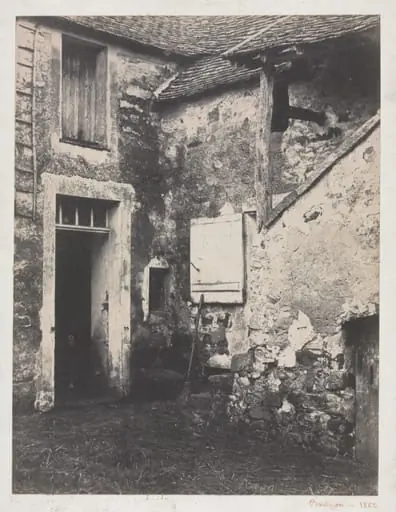 Farmyard
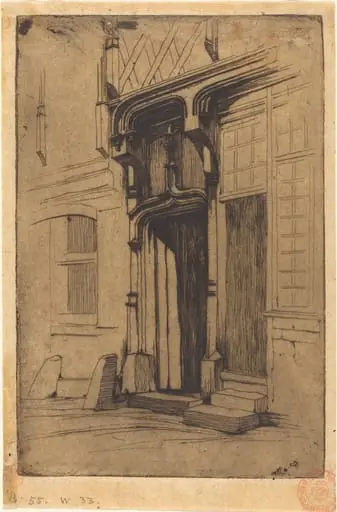 Porte d'un ancien couvent, Rue Mirabeau, à Bourges (Doorway of an Ancient Convent, in the Rue Mirabeau, Bourges)
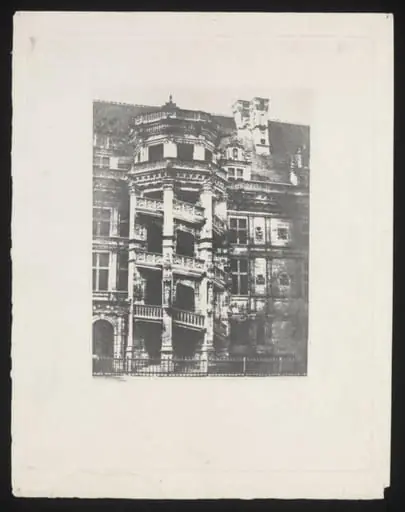 Château de Blois
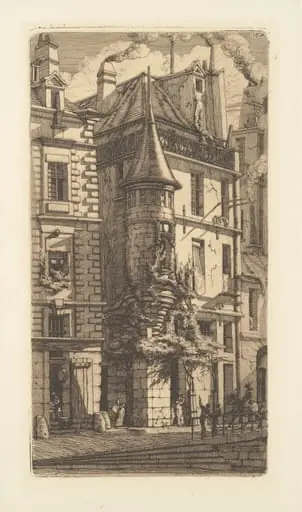 Tourelle, Rue de la Tixeranderie
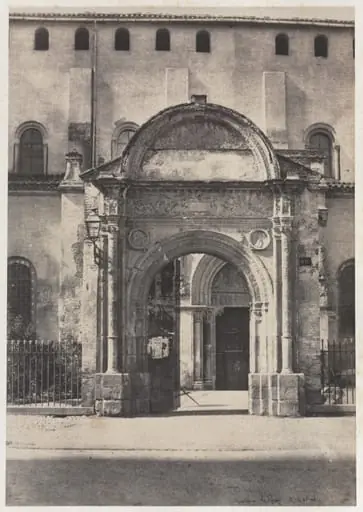 Porte Bachelier, Eglise Saint-Sernin, Toulouse (Haute-Garonne)
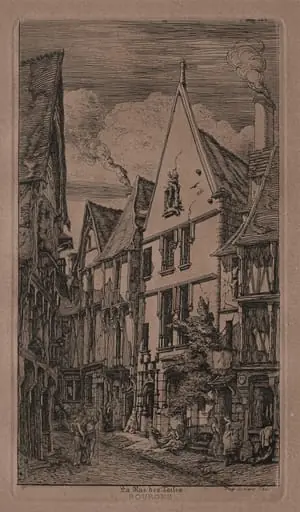 Rue des Toilés, Bourges
 House in Pau