Artwork
Eaux-Chaudes, Pyrenees (verso)
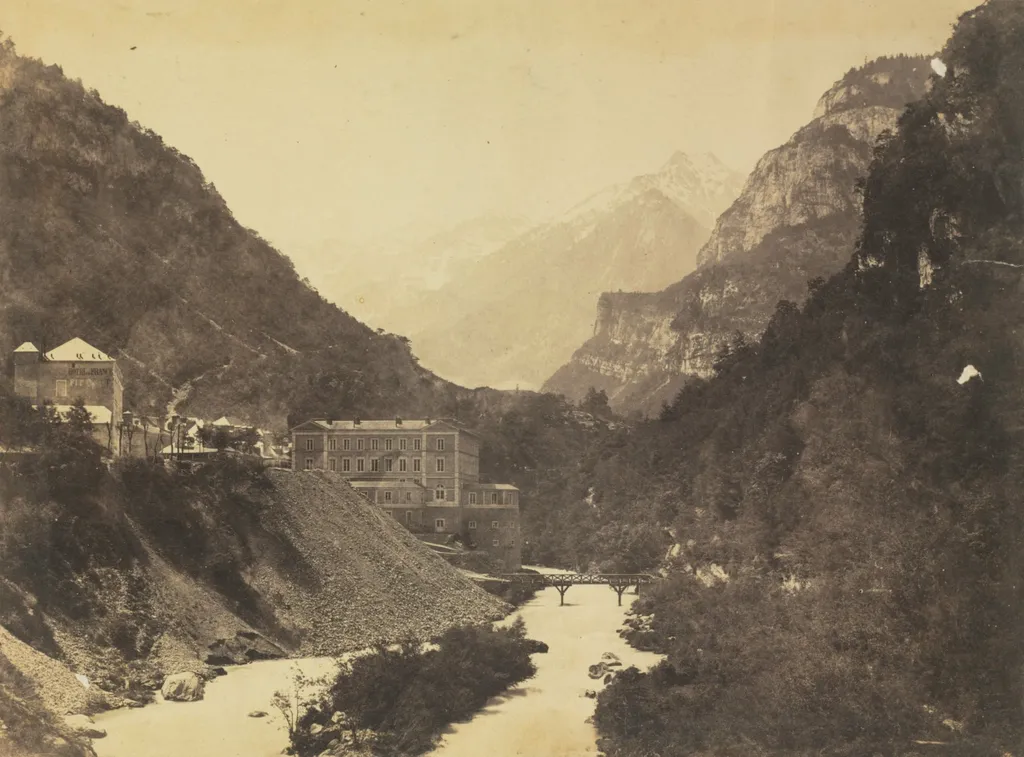
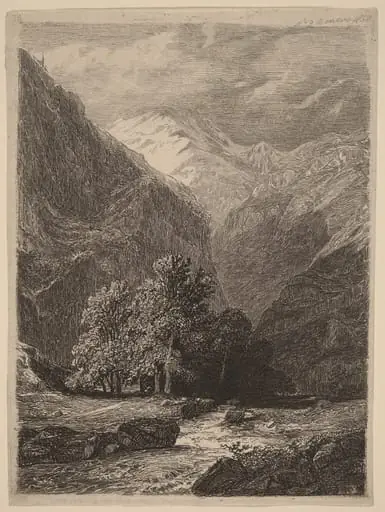
Eaux-Chaudes, Pyrenees (verso) is a photography by the Impressionist artist Farnham Maxwell Lyte. It dates from 1855 and is held in the collection of the Cleveland Museum of Art.
About this work
Overview
Eaux-Chaudes, Pyrenees (verso) is a photograph by Farnham Maxwell Lyte, dating to circa 1855, and is part of The Cleveland Museum of Art's collection.
Subject & Meaning
The photograph depicts a serene mountain valley in the Pyrenees, featuring a river, rocky hills, a cluster of buildings (including a hotel with a sign), and a bridged river crossing. The composition emphasizes the interplay of light and shadow, conveying a calm atmosphere.
Technique & Style
Characterized by soft illumination and meticulous rendering of shadows, the work reflects the mid-19th-century photographic approach to capturing everyday landscapes with heightened realism.
History & Provenance
Created around 1855 by Farnham Maxwell Lyte, the photograph's history prior to its acquisition by The Cleveland Museum of Art is not detailed here.
Context
Emerging within the broader context of 19th-century Realism, this photograph aligns with the era's shift towards more realistic depictions of ordinary scenes and landscapes.
Legacy
As a representative of early photographic realism, Eaux-Chaudes, Pyrenees (verso) contributes to the understanding of how photography captured and influenced perceptions of the natural world during its formative period.
Artist & collection

Artist
Farnham Maxwell-Lyte FRSC was an English chemist and the pioneer of a number of techniques in photographic processing. As a photographer he is known for his views of the French Pyrenees.

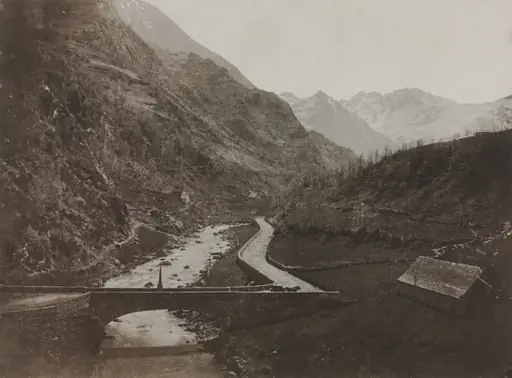 View Along the Route to Luz, Portugal
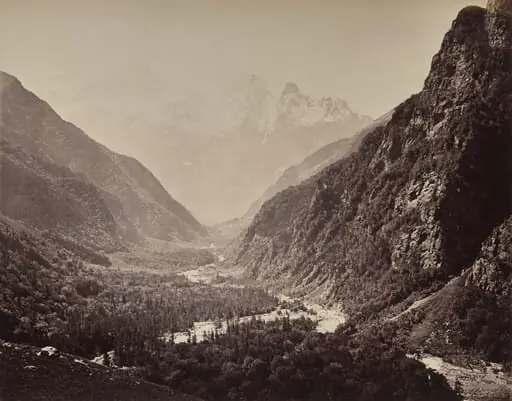 The Upper Himmalayahs. View of Valley from Fallaldasa with Srikanta Peaks in the Distance
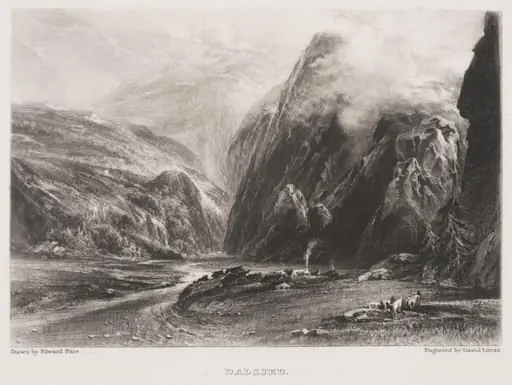 Dalsjed
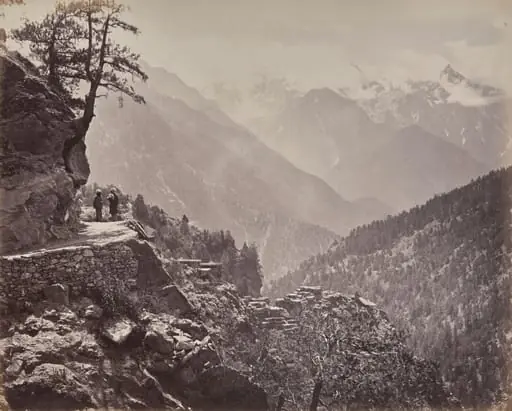 The Upper Himmalayahs. View on the New Road between India and China. Mt. Pangi with the Snowy Peaks of China in the Distance
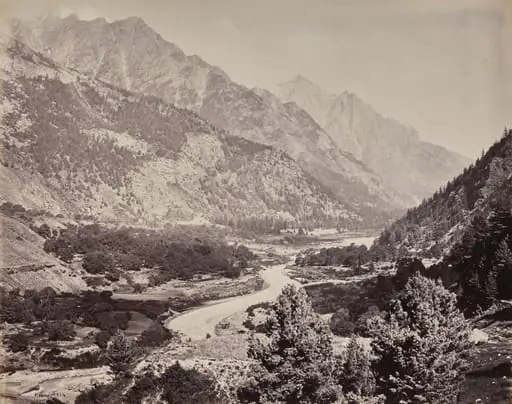 The Upper Himmalayahs. View in the Buspa Valley from Sangla
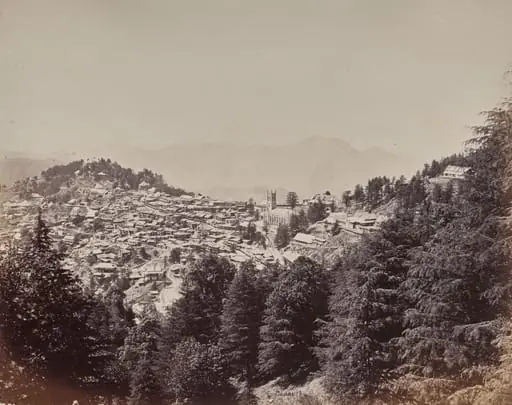 Shimla. From Mount Jakko, Looking West
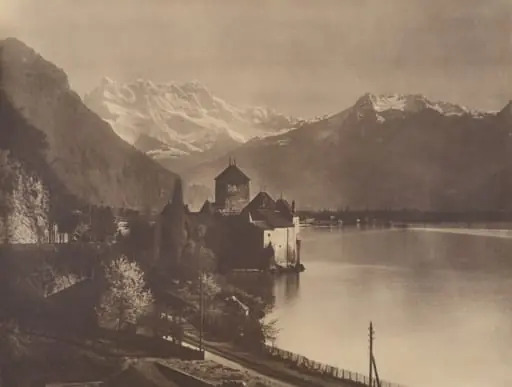 Château de Chillon
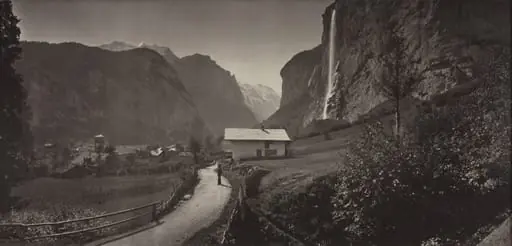 Valley of Lauterbrunnen, Switzerland (from the album Charbons de Braun- vues prises avec l'objectif panoramique mobile, 1868)
 Mountainous Landscape