Artwork
Still-life
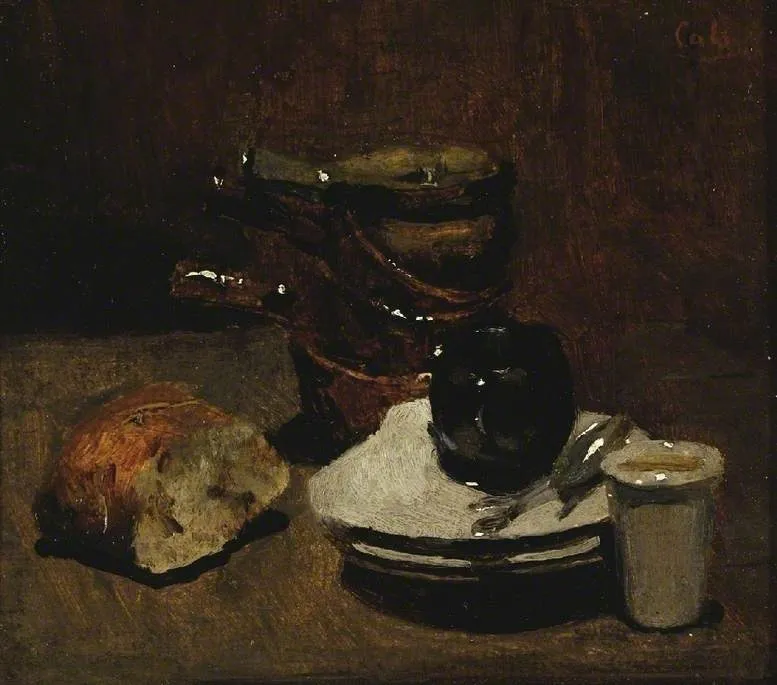
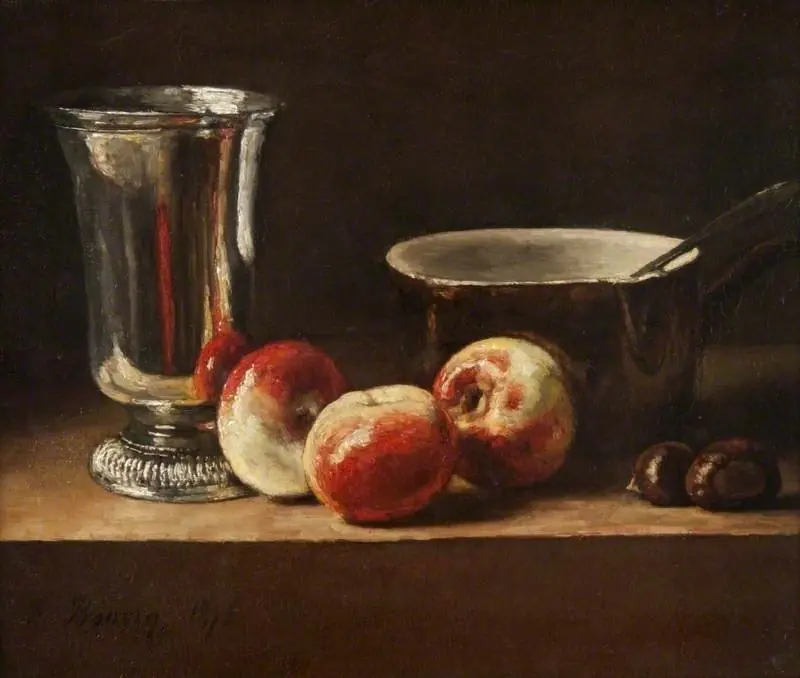
Still-life is an unspecified painting by the Realist artist Adolphe-Félix Cals. It dates from 1860 and is held in the collection of the Fitzwilliam Museum.
About this work
Overview
The dark, unmodeled background isolates the forms, drawing attention to their material presence without narrative distraction.
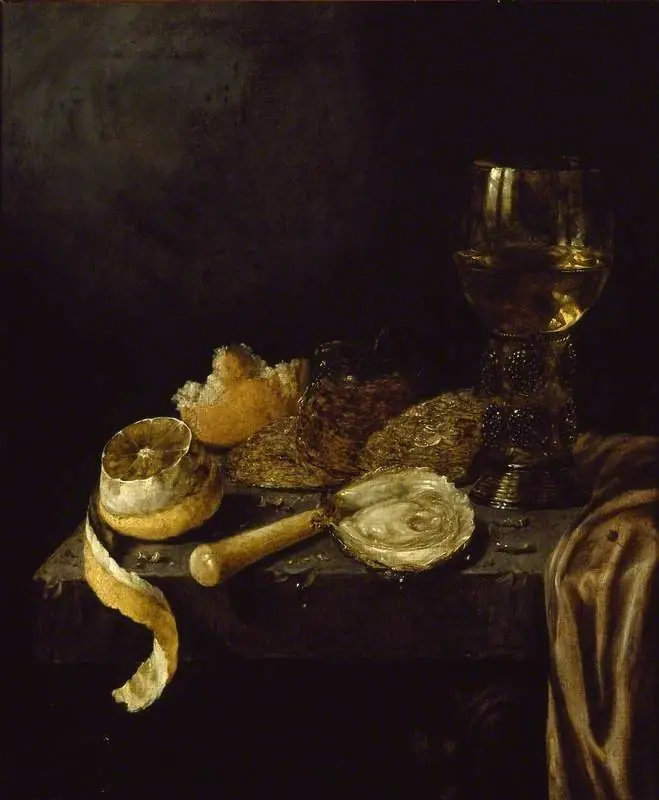
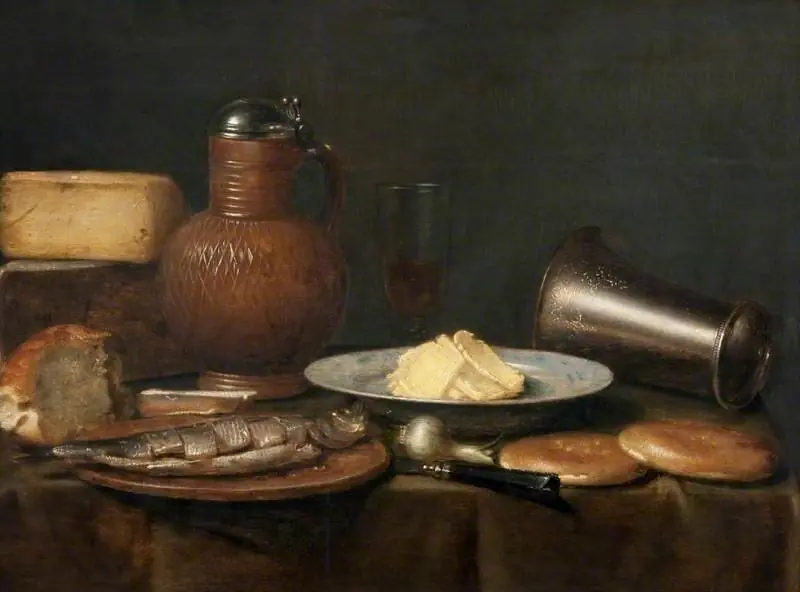
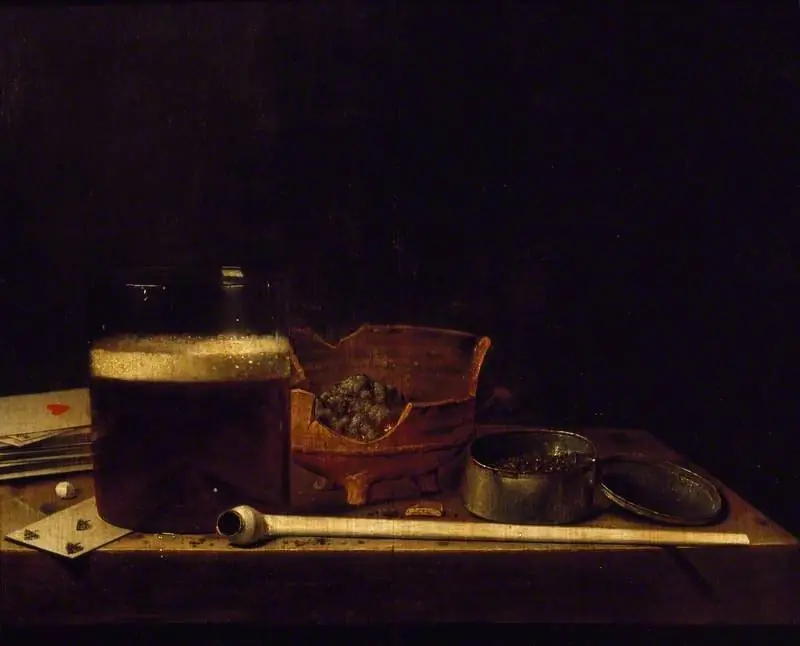
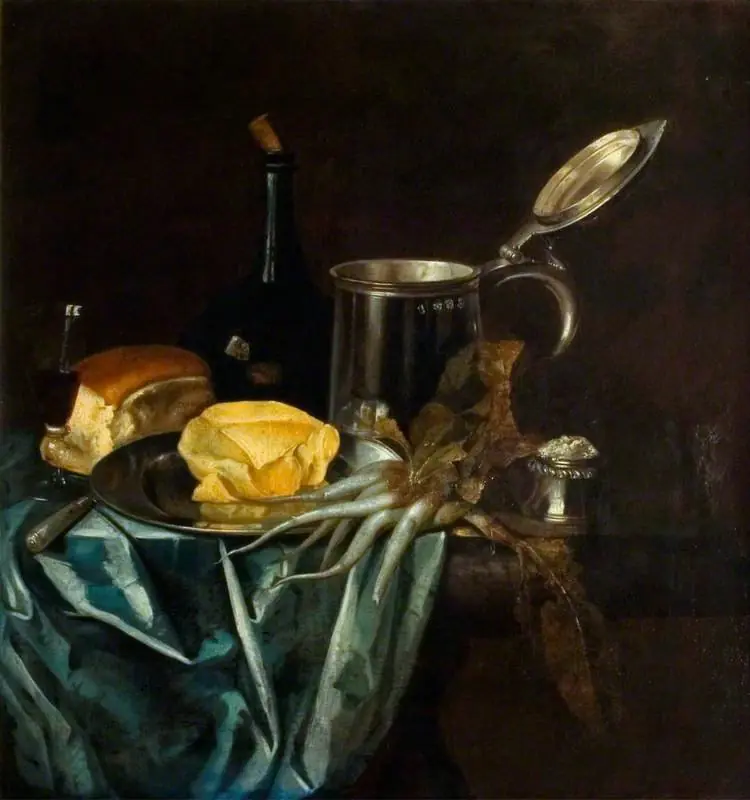
Painted in 1860 by Adolphe-Félix Cals, this still life presents humble domestic objects arranged with quiet precision. The composition centers on a loaf of bread, stacked plates, and a single cup, all placed on a tabletop. The dark, unmodeled background isolates the forms, drawing attention to their material presence without narrative distraction. The work reflects Cals’s interest in everyday scenes rendered with restrained observation.
Subject & Meaning
The objects—bread, ceramic plates, and a drinking vessel—are ordinary, unadorned items of daily life. Their arrangement suggests a moment after a meal, evoking quiet solitude rather than abundance. There is no symbolic flourish or moralizing tone; the meaning lies in the dignity of the mundane. Cals elevates these items not through grandeur, but through careful attention to their form and texture.
Technique & Style
Cals employs chiaroscuro to model the surfaces of the bread and ceramics, giving them tangible volume against the deep background. Brushwork is deliberate but not overly refined, capturing the roughness of crust and the sheen of glazed pottery. The lighting is directional and subtle, creating soft transitions between shadow and highlight. This restrained technique avoids theatricality, favoring quiet realism over dramatic effect.
History & Provenance
The painting entered the collection of the Fitzwilliam Museum in Cambridge, where it remains today. Its acquisition history prior to museum ownership is not widely documented, but its presence in the collection aligns with the institution’s broader commitment to 19th-century French genre painting. It has been exhibited periodically as an example of Cals’s contribution to still-life traditions outside the academic mainstream.
Context
In mid-19th-century France, still life was often overshadowed by historical or portrait painting. Cals, associated with the Barbizon circle, favored intimate, unidealized subjects. His approach echoed the growing interest in realism among artists who sought truth in ordinary life. This work reflects a broader shift toward valuing domestic scenes as worthy of artistic attention, independent of grand themes.
Legacy
Cals’s still life contributes to a quiet lineage of French realism that prioritized observation over ornament. While not widely known today, his work influenced later artists interested in the emotional resonance of everyday objects. The painting’s endurance in the Fitzwilliam’s collection underscores its value as a thoughtful example of 19th-century domestic realism, appreciated for its sincerity rather than its spectacle.
Artist & collection


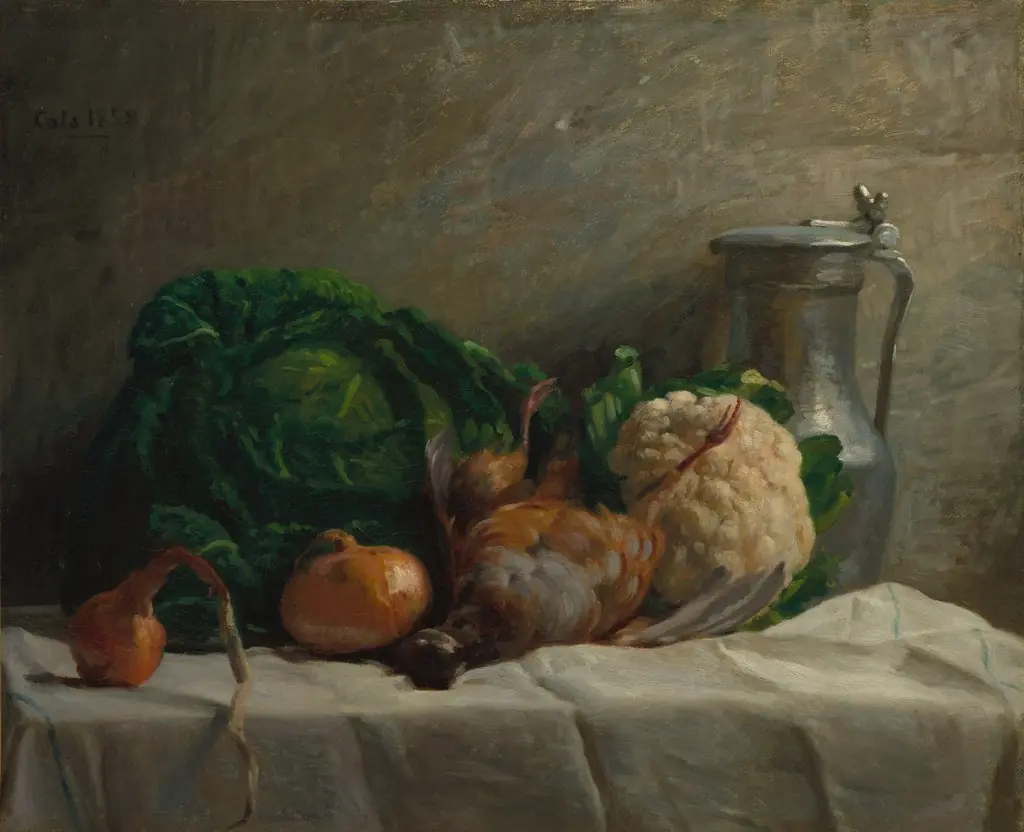 Still Life with Vegetables, Partridge, and a Jug
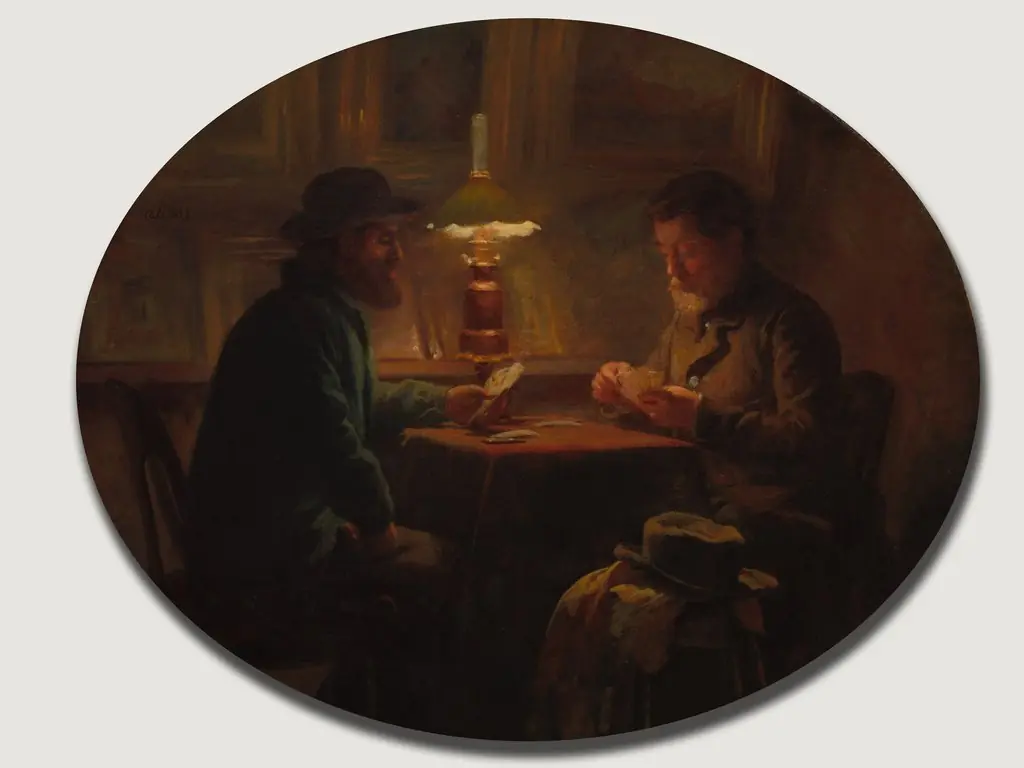 Card Game at "le Père Martin"
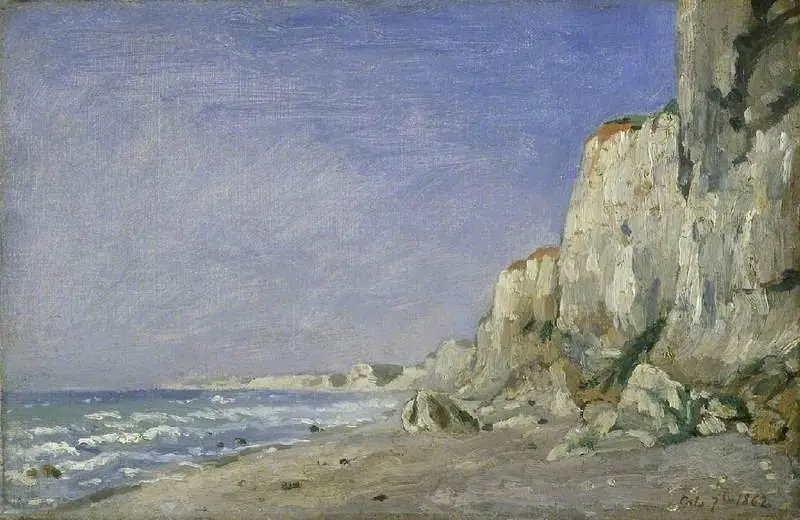 Cliffs near Dieppe
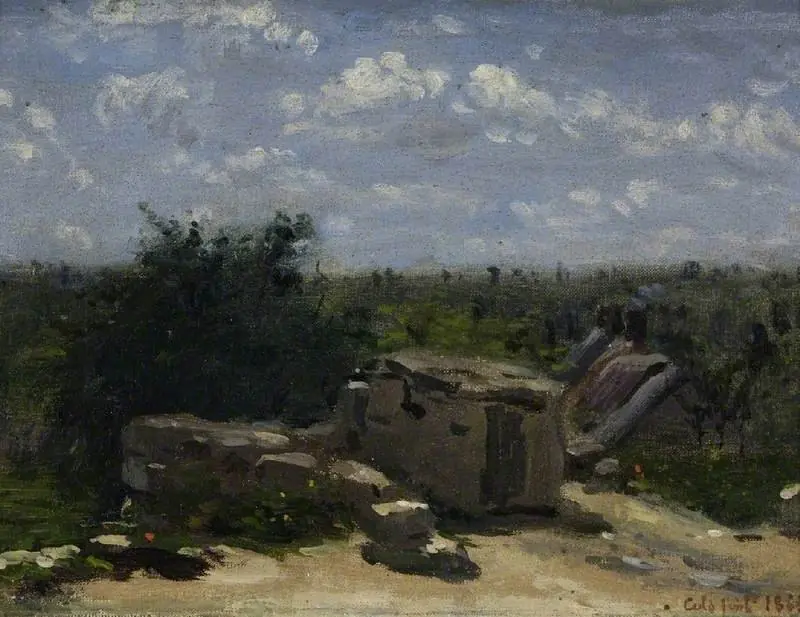 The well in the rue Montlaville, Orrouy, viewed from the west
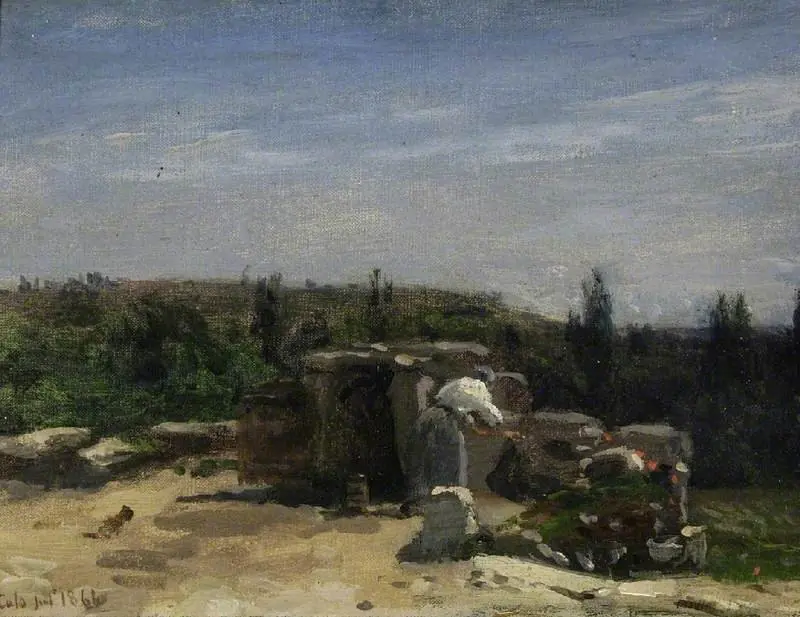 The well in rue Montlaville, Orrouy, viewed from the east
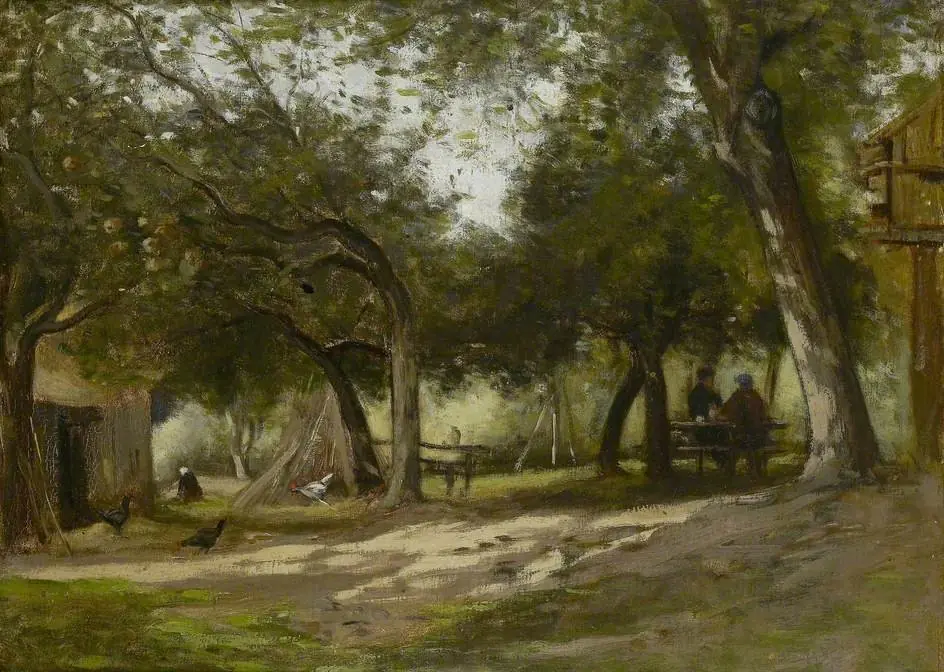 Landscape with a Farmyard
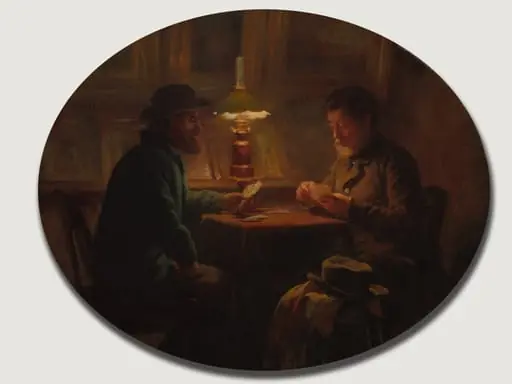 Card Game at "le Père Martin"
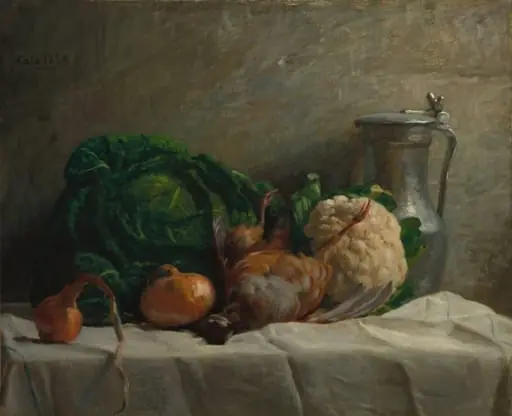 Still Life with Vegetables, Partridge, and a Jug