Artwork
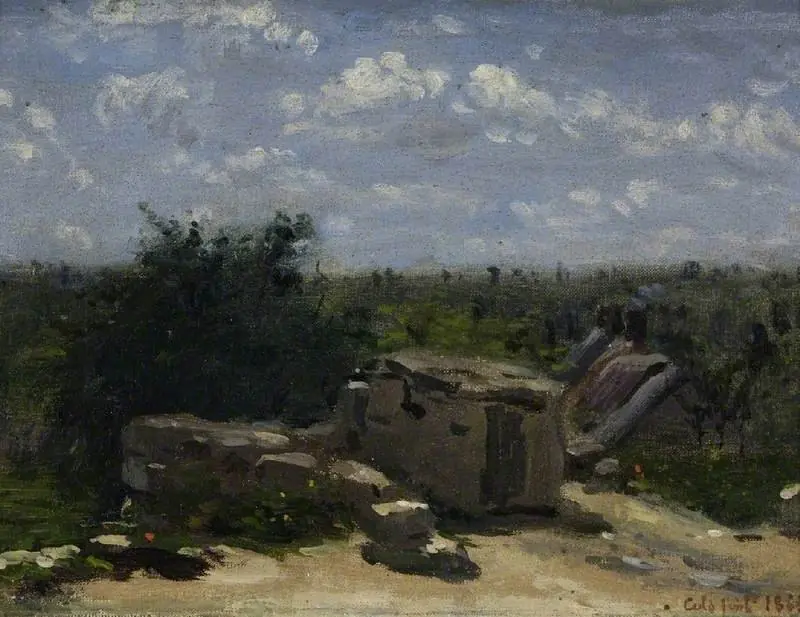
The well in rue Montlaville, Orrouy, viewed from the east
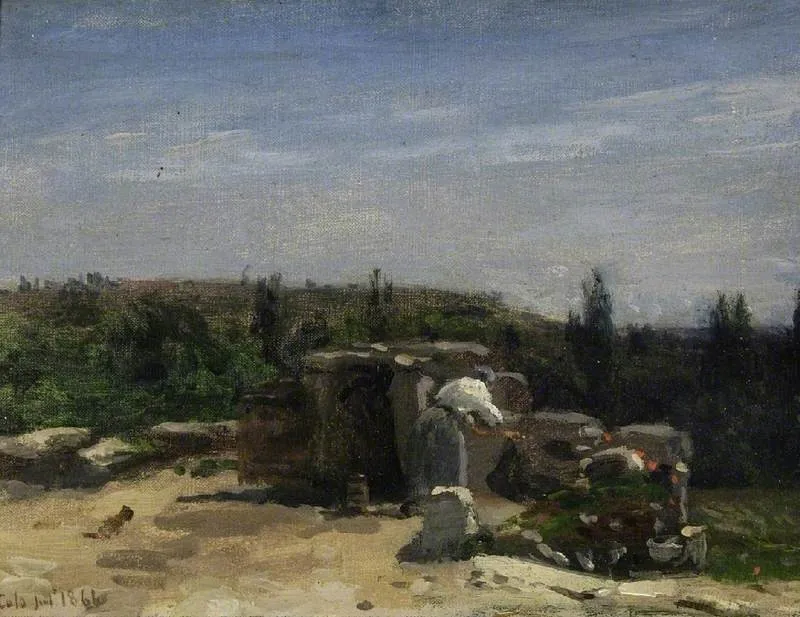
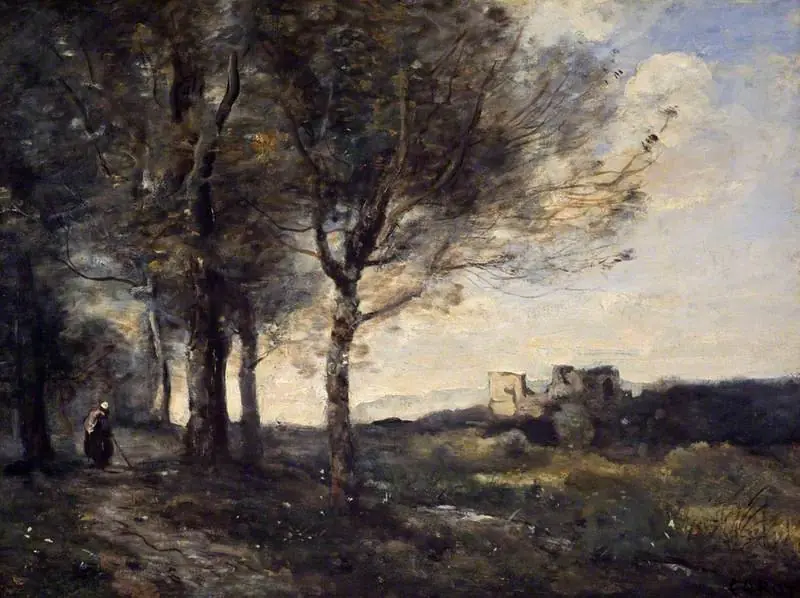
The well in rue Montlaville, Orrouy, viewed from the east is an oil painting by Adolphe-Félix Cals. It dates from 1866 and is held in the collection of the Fitzwilliam Museum.
About this work
Overview
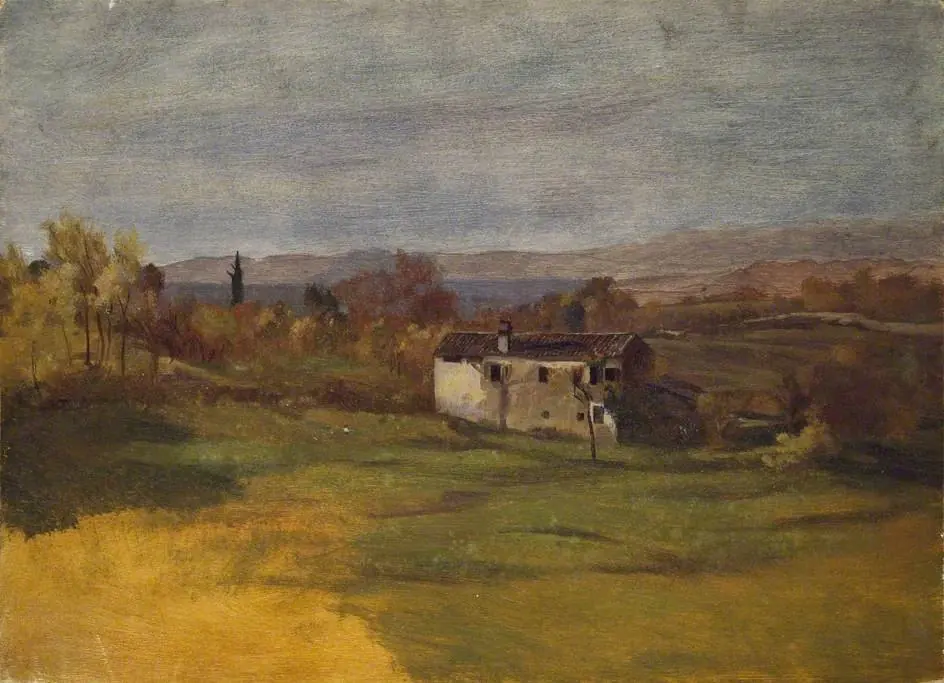
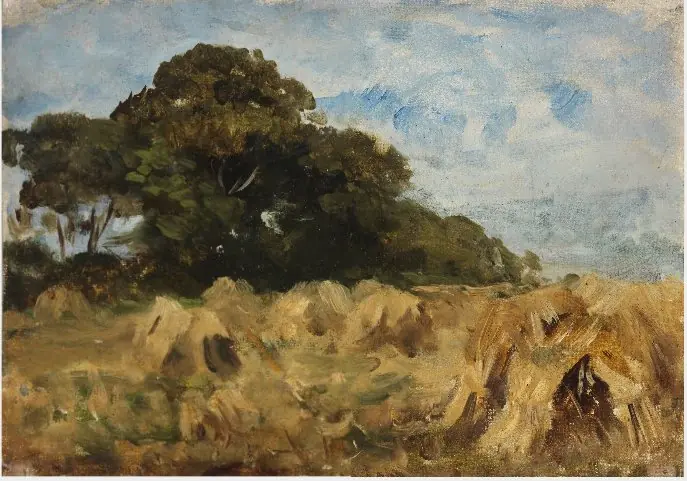
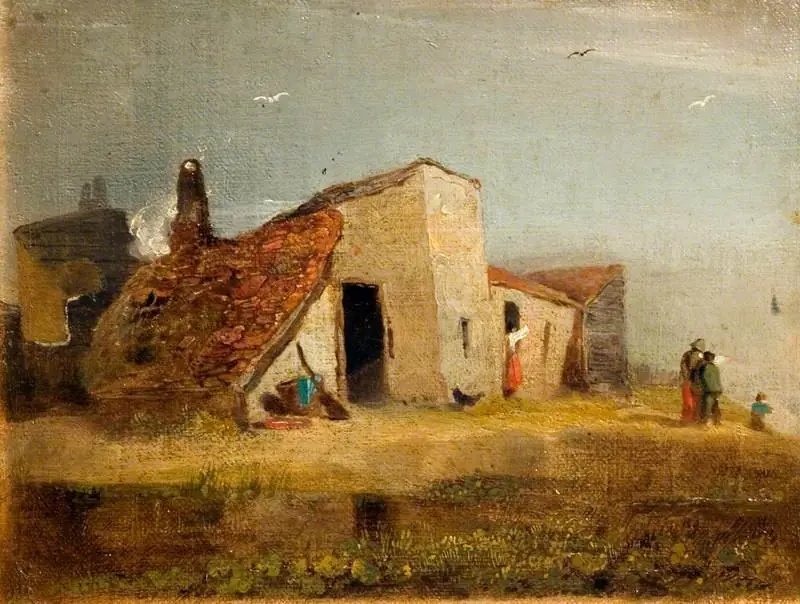
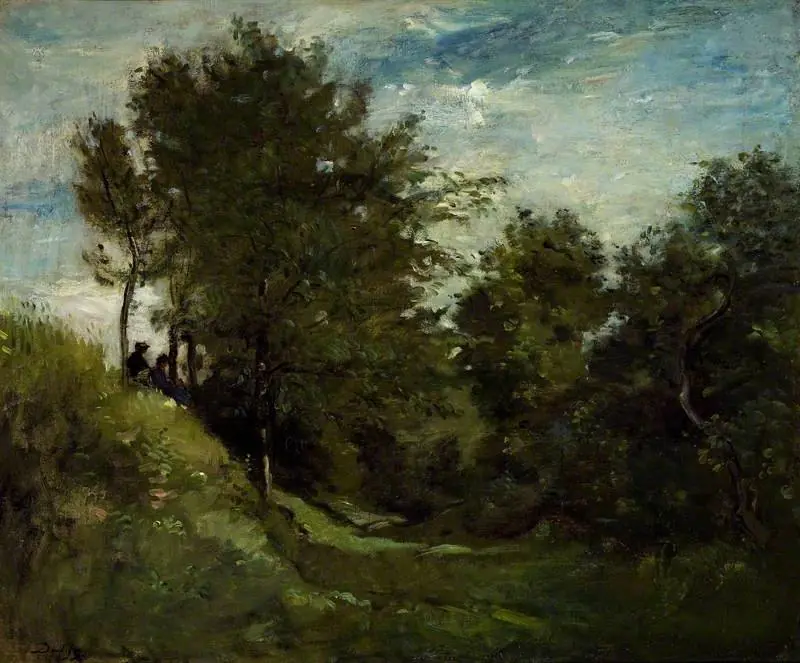
Adolphe‑Félix Cals painted *The Well in Rue Montlaville, Orrouy, Viewed from the East* in 1866. Executed in oil on canvas, the work measures a modest size and is part of the collection of the Fitzwilliam Museum in Cambridge. The composition centers on a rural well, framed by a modest figure and a tranquil landscape under a lightly clouded sky.
Subject & Meaning
The scene depicts a solitary well situated in the middle of a gentle countryside, with a lone individual standing beside it. Beyond the well, a line of trees and rolling hills recede into the distance, suggesting a quiet, everyday moment in a 19th‑century French village. The painting emphasizes the ordinary, inviting contemplation of rural labor and landscape.
Technique & Style
Cals employs a restrained palette dominated by greens and browns, creating a naturalistic atmosphere. The oil medium allows for soft transitions between sky, foliage, and earth, while the brushwork remains relatively smooth, lending the work a calm, measured quality. Light is rendered diffusely, highlighting the well’s stone structure without dramatic contrast.
History & Provenance
Since its creation in 1866, the painting has remained in private and institutional hands before entering the Fitzwilliam Museum’s holdings. The museum acquired the work as part of its 19th‑century French collection, where it is displayed alongside other works by Cals and his contemporaries, illustrating the artist’s interest in everyday rural scenes.
Artist & collection