Artwork
Mephisto from the Opera Faust
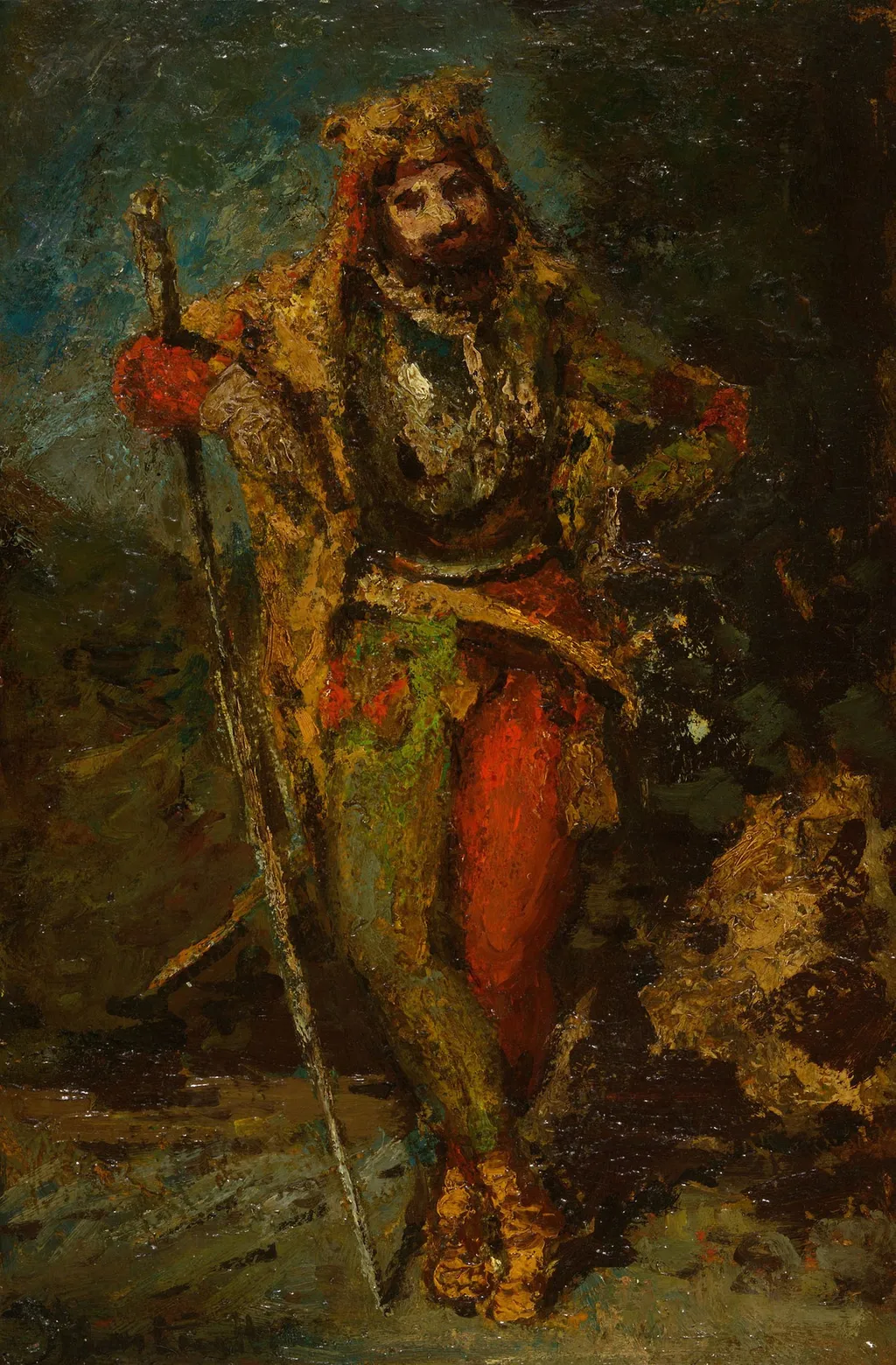
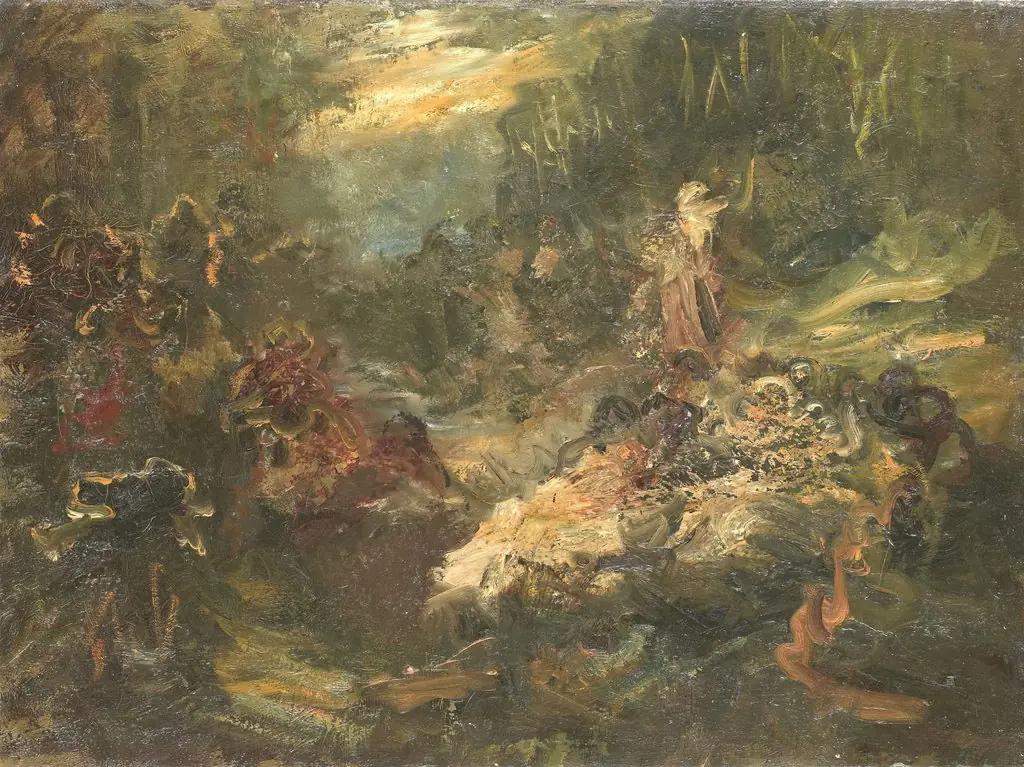
Mephisto from the Opera Faust is an unspecified painting by the Post-Impressionist artist Adolphe Joseph Thomas Monticelli. It is held in the collection of the Art Institute of Chicago.
About this work
Overview
Monticelli’s bold handling of paint and saturated palette distinguish his approach from contemporaries, anticipating later developments in modern painting.
Adolphe Joseph Thomas Monticelli painted *Mephisto from the Opera Faust* in 1890, near the end of his career. Though active before the rise of Impressionism, his work aligns with the expressive tendencies of Post-Impressionism. The painting is held in the Art Institute of Chicago’s collection and exemplifies his fascination with theatrical subjects. Monticelli’s bold handling of paint and saturated palette distinguish his approach from contemporaries, anticipating later developments in modern painting.
Subject & Meaning
The figure represents Mephistopheles, the demonic antagonist from Goethe’s *Faust*, as adapted for the operatic stage. Dressed in an elaborate red and gold costume, he holds a sword and staff—symbols of power and sorcery. His direct gaze and stern expression confront the viewer, evoking menace and authority. Monticelli does not illustrate a specific scene but captures the character’s essence: a seductive, otherworldly force that lures and threatens.
Technique & Style
Monticelli employed thick impasto to build texture across the figure’s garments and accessories, creating a tactile surface that catches light dynamically. His brushwork is energetic and deliberate, with visible strokes defining folds and ornamentation. Chiaroscuro enhances the figure’s volume against a shadowed, indistinct background, while vivid hues in the costume contrast with muted blues and greens. The technique emphasizes emotional intensity over naturalistic detail.
History & Provenance
Painted in 1890, the work emerged during Monticelli’s final years, when he focused on dramatic, mythic, and theatrical themes. Though largely overlooked during his lifetime, his style attracted attention from younger artists, including Vincent van Gogh, who admired his use of color and expressive brushwork. The painting entered the Art Institute of Chicago’s collection in the 20th century, where it now serves as a key example of his late-period output.
Context
Monticelli worked in a period when French art was shifting from academic traditions toward personal expression. While Impressionists pursued light and atmosphere, he leaned into emotional drama and symbolic content. His choice of Mephisto reflects a broader 19th-century fascination with Faustian themes—temptation, knowledge, and damnation—common in literature and opera. His approach stood apart from mainstream trends, favoring intensity over realism.
Legacy
Though not widely recognized in his time, Monticelli’s bold technique and emotional intensity influenced emerging Post-Impressionists. Van Gogh explicitly praised his work, noting its expressive power. *Mephisto from the Opera Faust* exemplifies how his use of color and texture paved the way for later artists to prioritize inner feeling over external accuracy. Today, the painting is valued as a bridge between 19th-century Romanticism and the expressive freedoms of modern painting.
Own this work as a print
Artist & collection
Artist
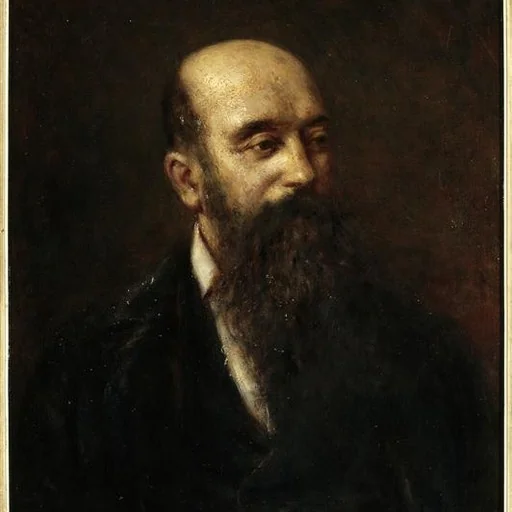
Adolphe Joseph Thomas Monticelli
Adolphe Joseph Thomas Monticelli (October 14, 1824 – June 29, 1886) was a French painter of the generation preceding the Impressionists.