Artwork
Schlägerei
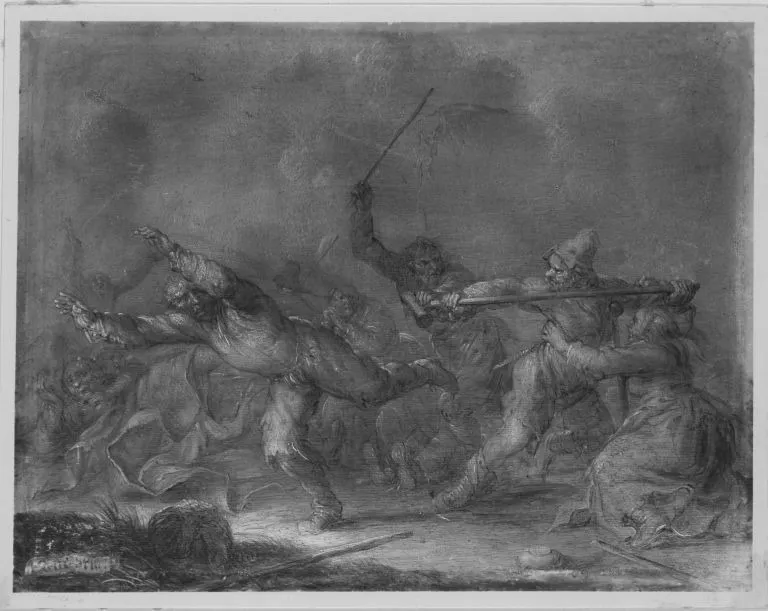
Schlägerei is an unspecified painting by the Flemish Baroque painting artist Adriaen van de Venne. It dates from 1625 and is held in the collection of the Bavarian State Painting Collections.
About this work
Overview
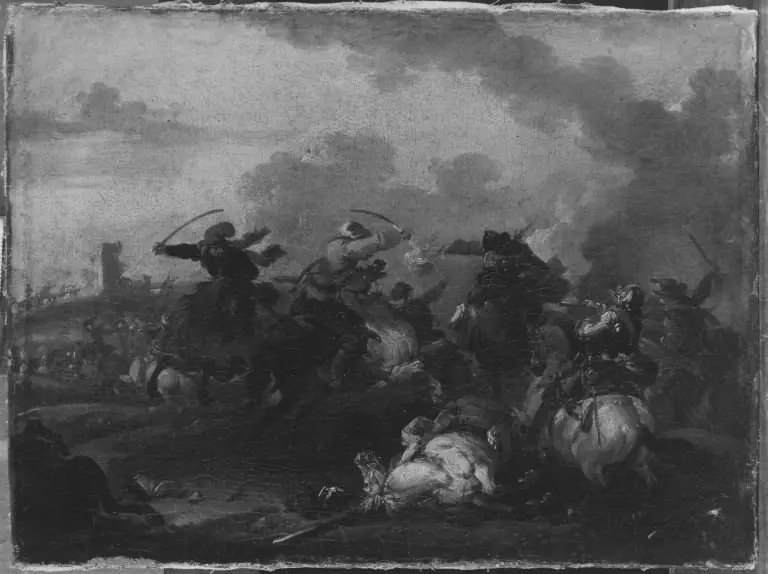
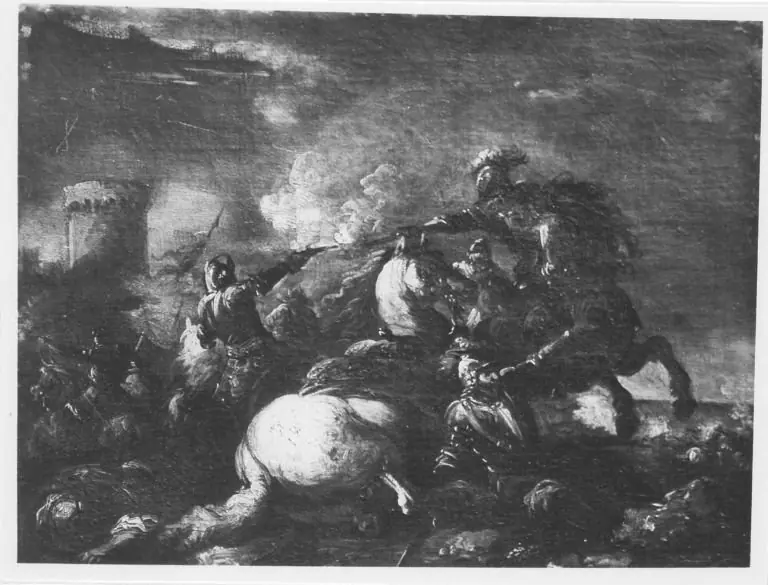
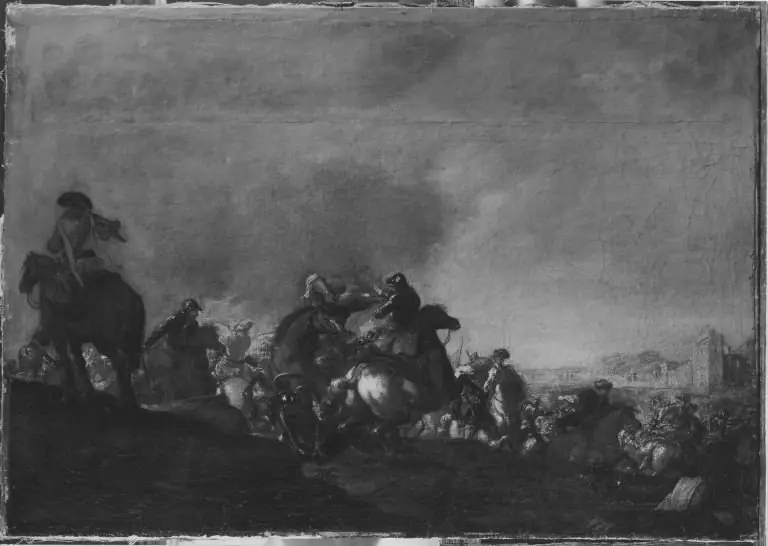
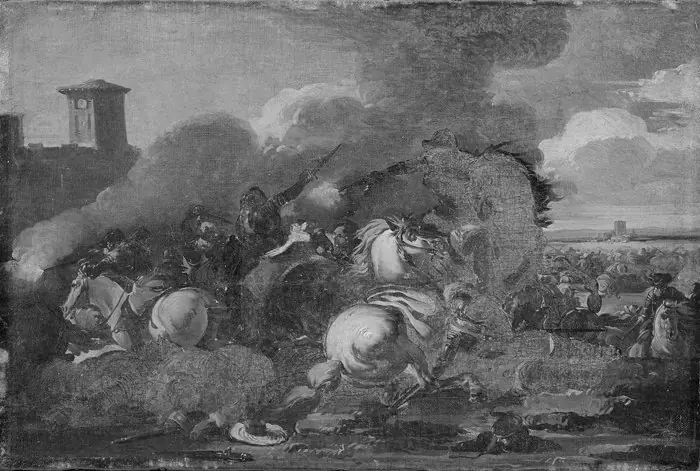
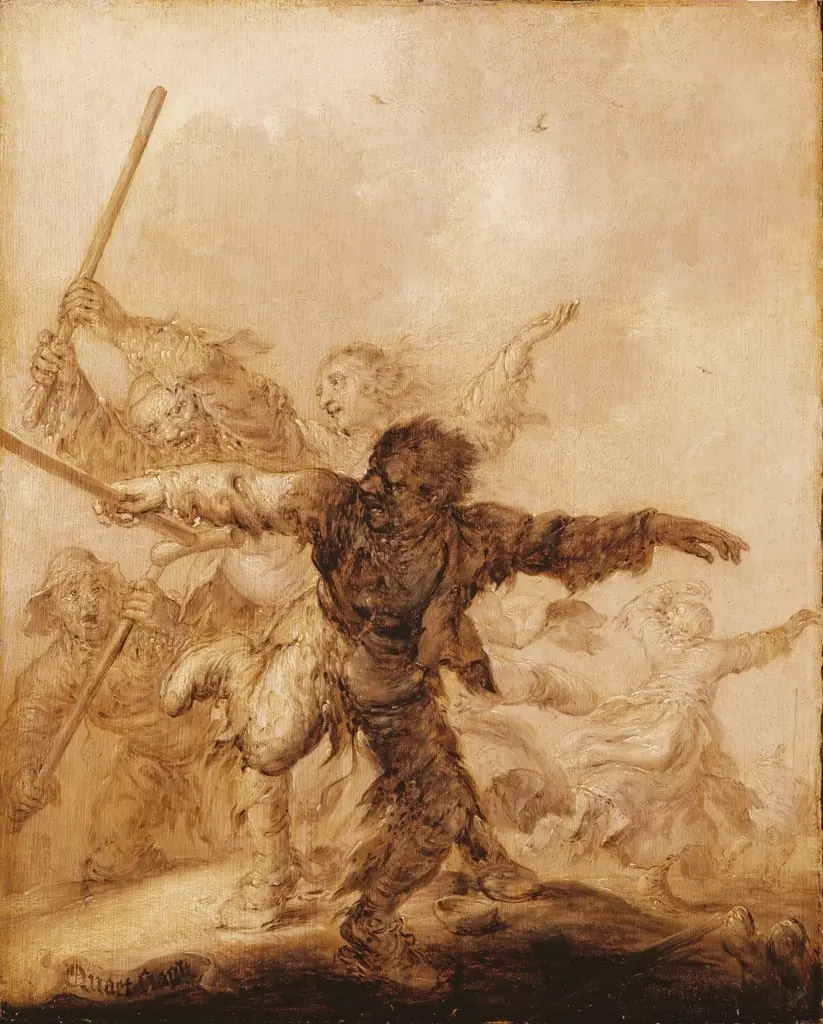
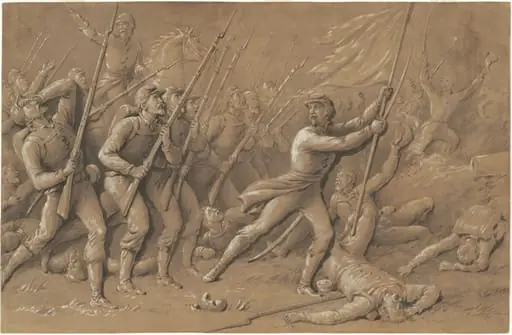
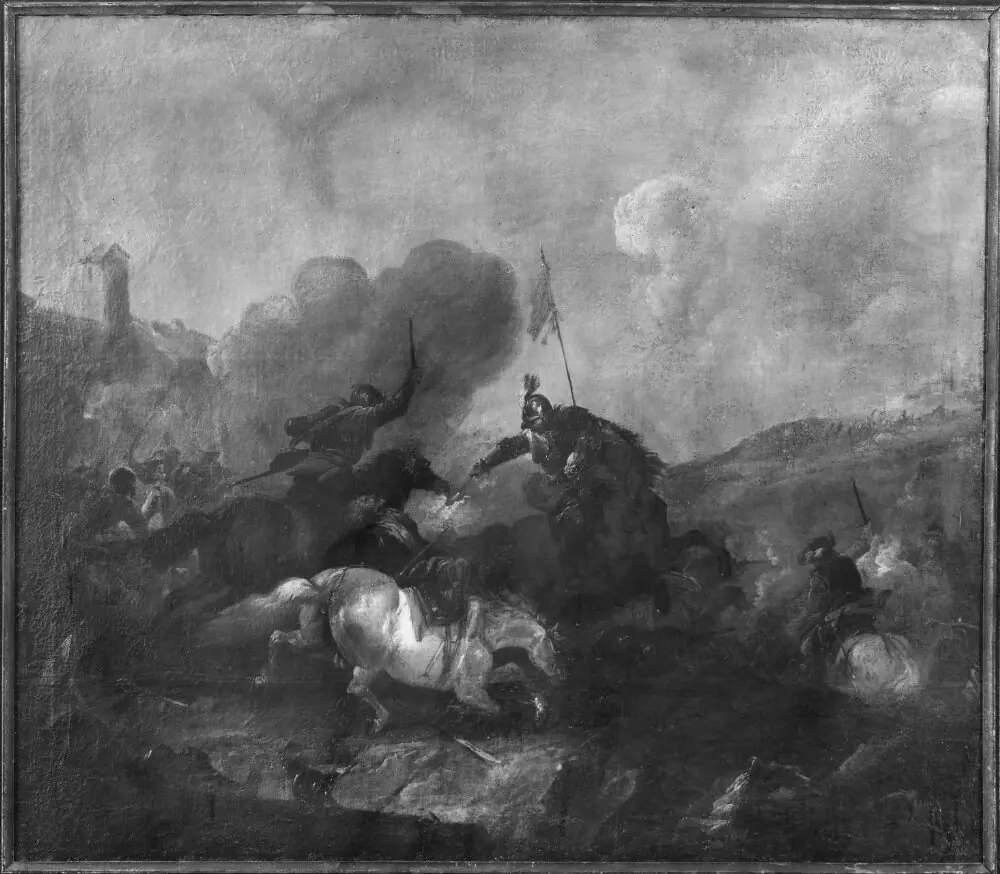
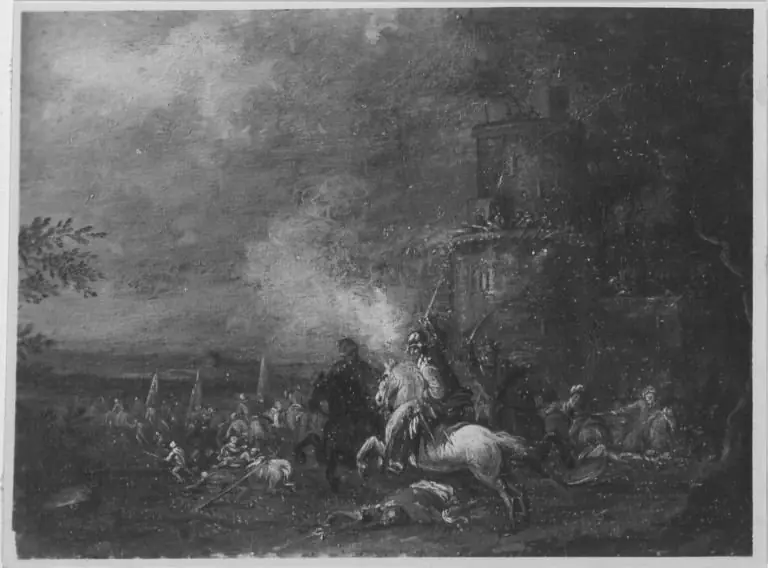
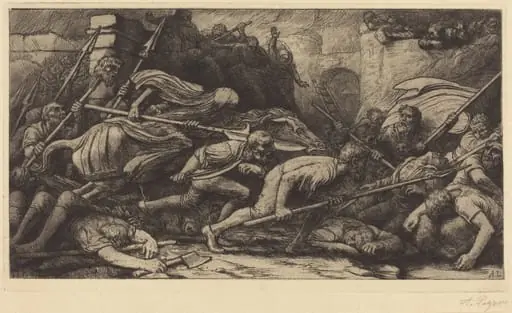
Painted in 1625 by Adriaen van de Venne, *Schlägerei* is a genre scene capturing a violent, unstructured brawl among multiple figures.
Painted in 1625 by Adriaen van de Venne, *Schlägerei* is a genre scene capturing a violent, unstructured brawl among multiple figures. Executed during the Dutch Golden Age, the work reflects van de Venne’s interest in human behavior and social disorder. It resides in the Alte Pinakothek in Munich, part of a broader body of work that blends observation with moral commentary. The painting’s immediacy and lack of idealization mark it as a study in chaos rather than a narrative of heroism.
Subject & Meaning
The scene portrays a disordered melee, with figures engaged in physical conflict, some fallen, others raising weapons or tools. No clear victor or cause emerges, suggesting a deliberate avoidance of heroism or justice. Van de Venne, known for satirical themes, likely intended the image as a critique of base instincts and public disorder. The absence of context or setting reinforces the universality of the moment, framing violence as an enduring human flaw.
Technique & Style
Van de Venne employs chiaroscuro to isolate figures against a shadowed background, directing attention to the central struggle. Loose, fluid brushwork defines the drapery and movement of bodies, enhancing the sense of turmoil. Facial expressions are simplified, avoiding individualized portraiture in favor of typified aggression. The dark, indistinct surroundings amplify the immediacy of the conflict, while the foreground figure with a staff acts as a visual anchor amid the chaos.
History & Provenance
Created in 1625, *Schlägerei* entered the collection of the Alte Pinakothek in Munich, where it remains today. Its early ownership is undocumented, but its presence in a major German collection by the 19th century suggests it was valued for its expressive realism. Van de Venne’s reputation as a versatile artist—active in illustration and political prints—supports the likelihood that this painting was part of a wider exploration of societal behavior, not an isolated commission.
Context
In early 17th-century Northern Europe, genre scenes depicting everyday vice and disorder gained traction among collectors seeking moral reflection. Van de Venne’s work aligned with this trend, echoing contemporaries like Pieter Bruegel the Elder in its focus on human folly. Unlike religious or historical paintings, *Schlägerei* offers no redemption or divine intervention—only the raw, unvarnished spectacle of conflict, resonating with urban audiences wary of civil unrest.
Legacy
Though not widely reproduced, *Schlägerei* exemplifies van de Venne’s contribution to Dutch genre painting’s moral dimension. Its unidealized portrayal of violence influenced later artists interested in social realism. The painting’s endurance in a major museum collection underscores its role as a quiet but persistent record of human behavior—neither glorified nor excused, simply observed.
Artist & collection
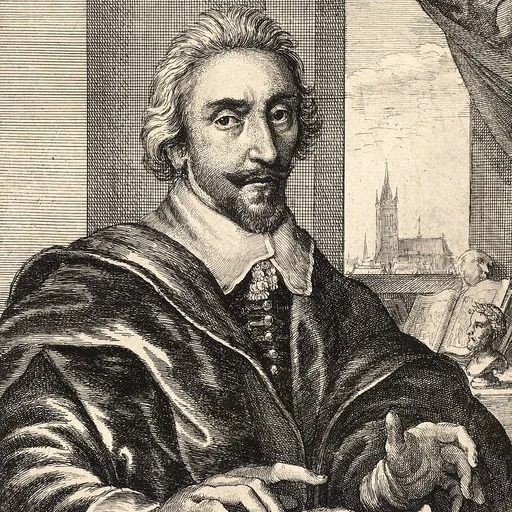
Artist
Adriaen Pietersz van de Venne (1589 – 12 November 1662), was a versatile Dutch Golden Age painter of allegories, genre subjects, and portraits, as well as a miniaturist, book illustrator, designer of political satires, and versifier.

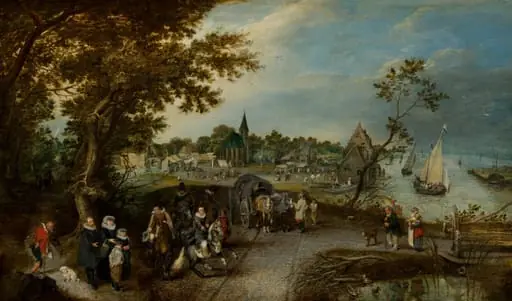 Untitled
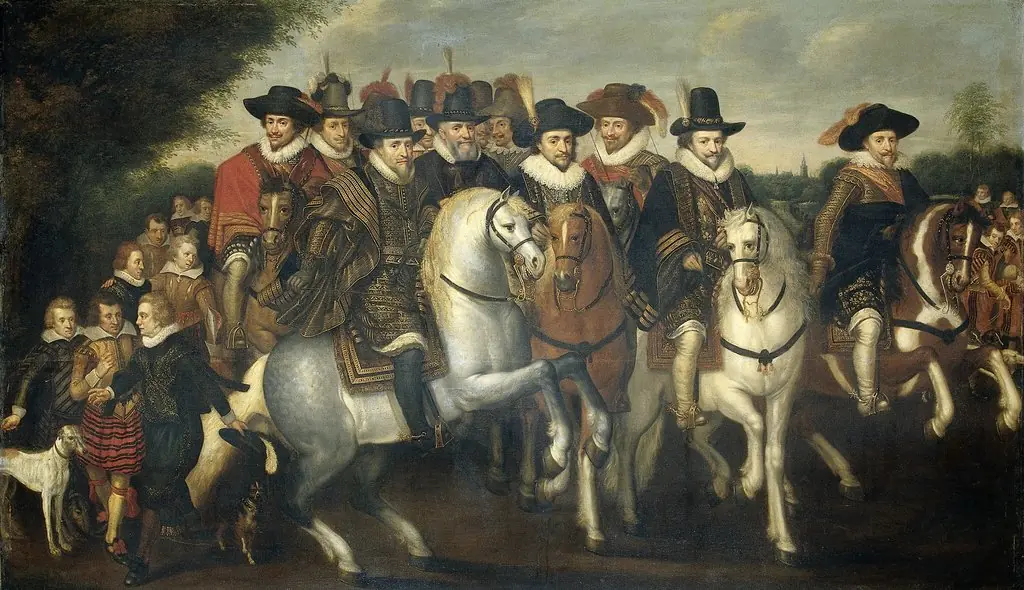 Prince Maurits accompanied by his two brothers, Frederick V, Elector of the Palatinate, and some counts of Nassau on horseback
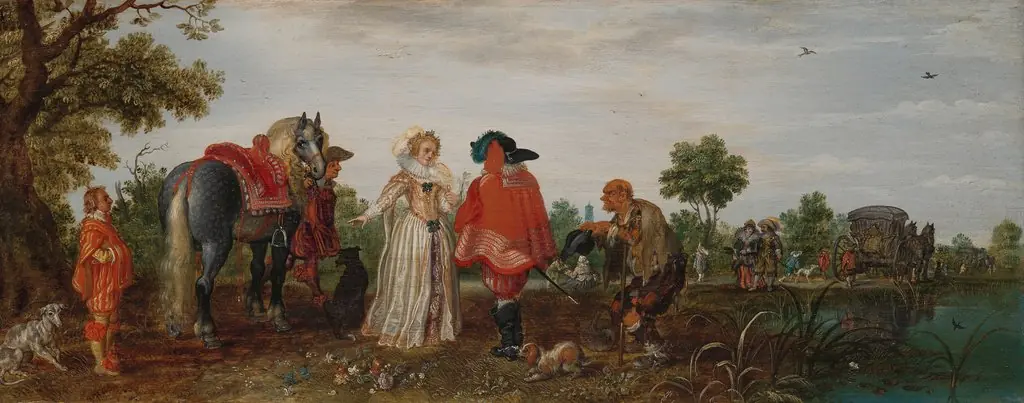 Spring
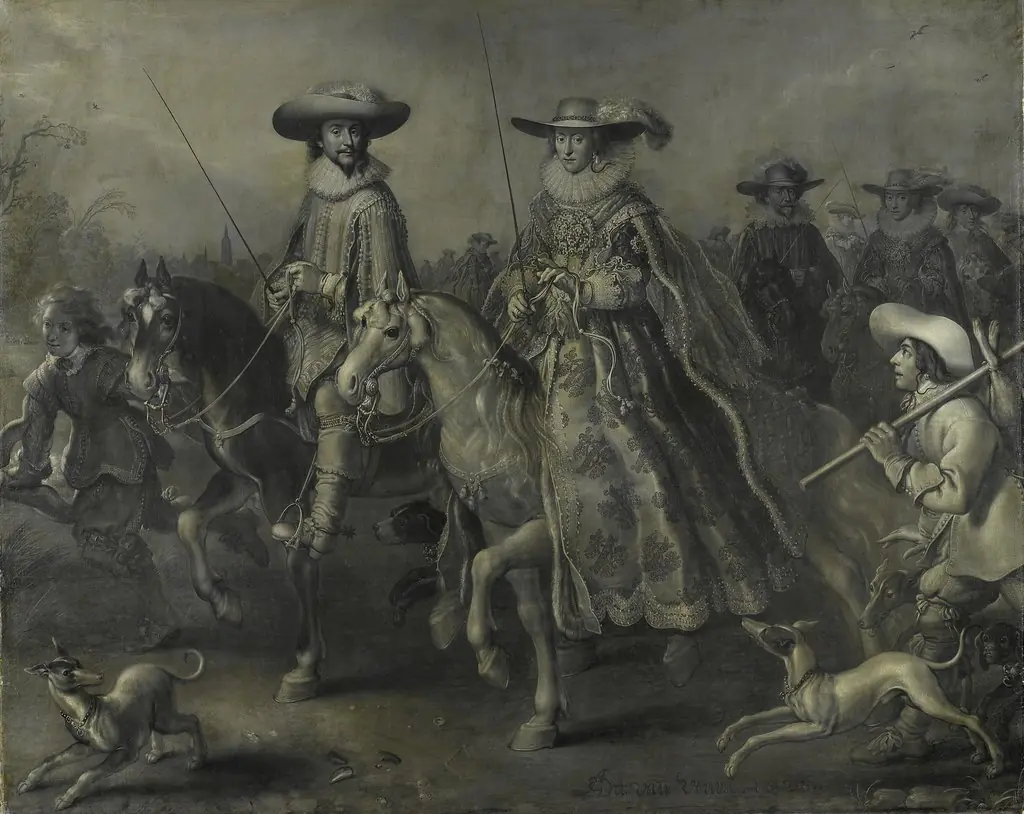 Frederick V (1596-1632), Elector of the Palatinate, King of Bohemia, and his wife Elizabeth Stuart (1596-1662) on horseback
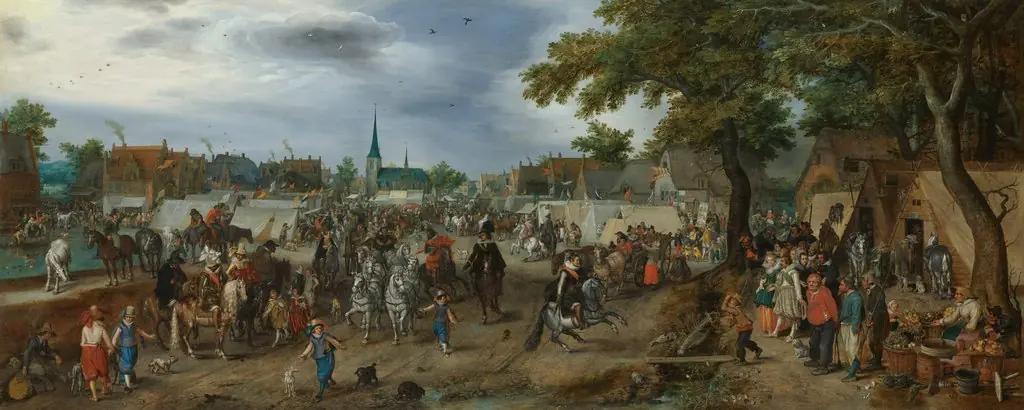 Prince Maurice and Frederick Henry at the Valkenburg Horse Fair
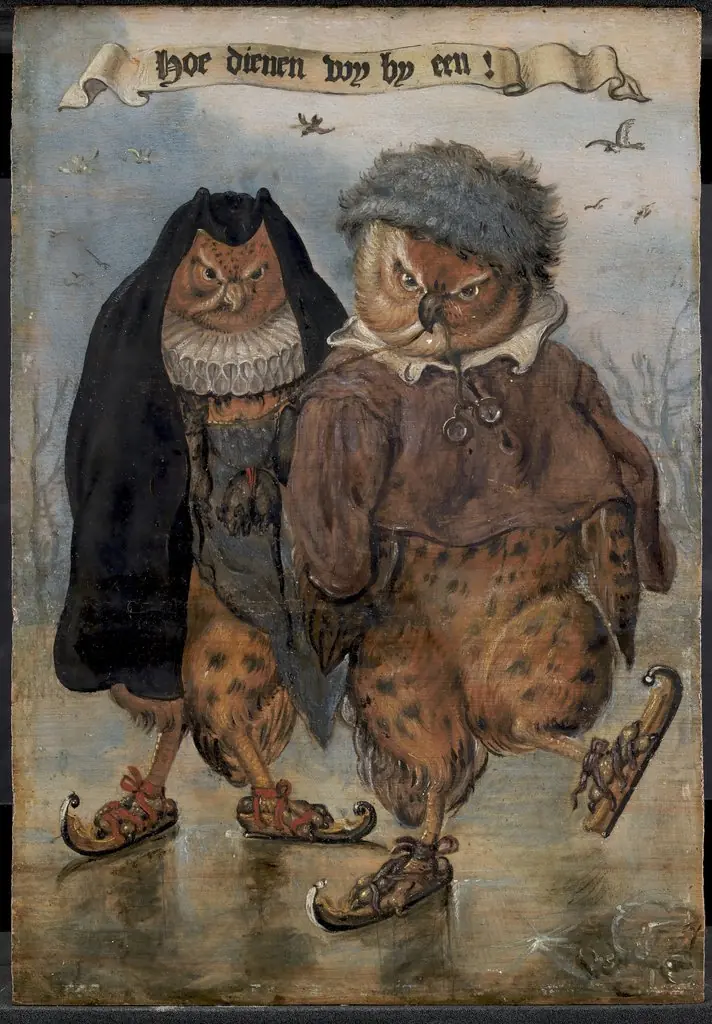 How Well We Go Together
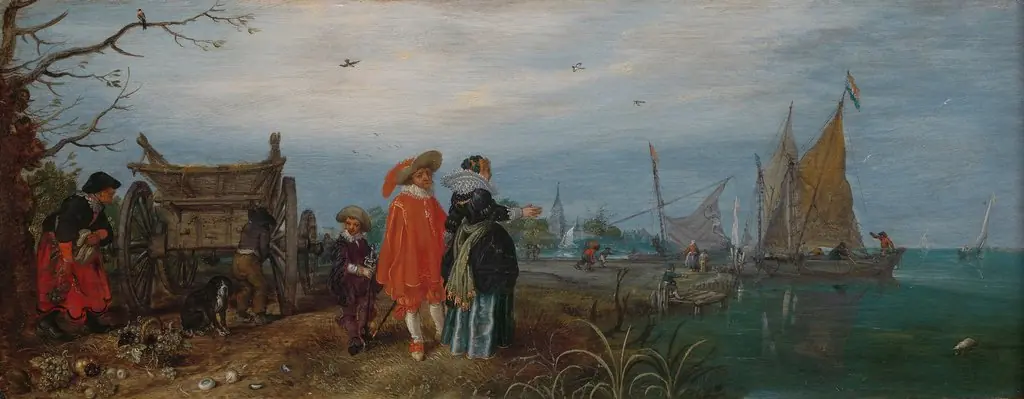 Autumn
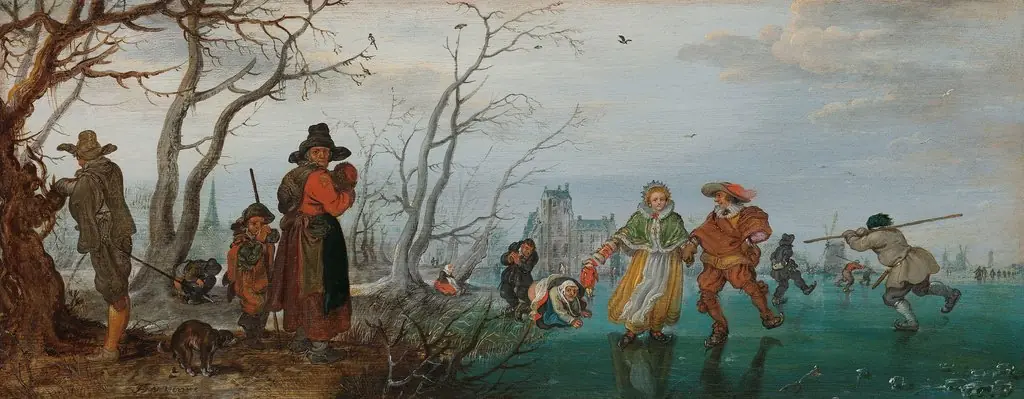 Winter