Artwork
Der Herbst
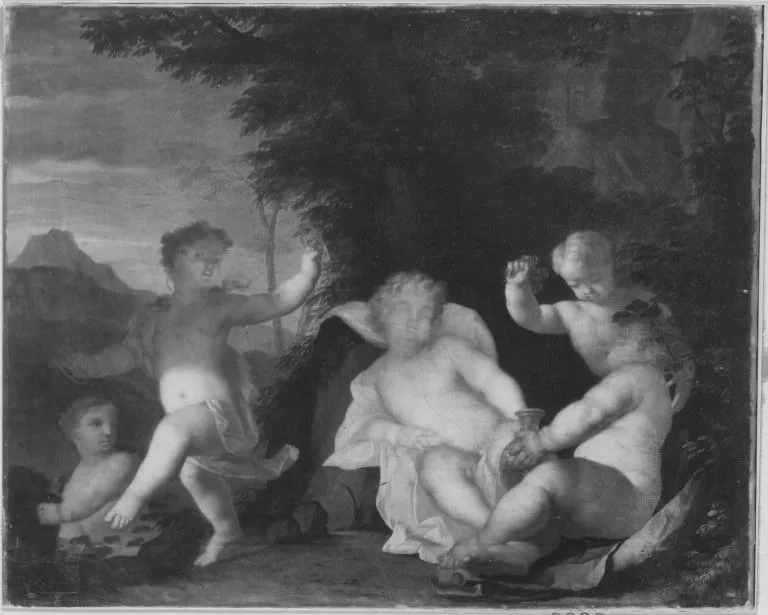
Der Herbst is an unspecified painting by the Rococo painting artist Mattheus Terwesten. It dates from 1713 and is held in the collection of the Bavarian State Painting Collections.
About this work
Overview
Created during the early Rococo era, the work reflects Terwesten’s background in decorative painting and his later role as a court artist in Prussia.
Der Herbst, painted in 1713 by Dutch artist Mattheus Terwesten, is an allegorical representation of autumn within a classical landscape. Created during the early Rococo era, the work reflects Terwesten’s background in decorative painting and his later role as a court artist in Prussia. It is held in the Alte Pinakothek in Munich, where it contributes to a broader collection of European figurative works from the early 18th century.
Subject & Meaning
The painting depicts a group of putti gathered around a reclining female figure, likely an embodiment of Autumn. The children engage in quiet, playful activities amid a pastoral setting, suggesting seasonal abundance and the gentle decline of nature. The absence of dramatic action and the calm interactions imply a contemplative mood, aligning with classical traditions that personified seasons through serene, symbolic figures.
Technique & Style
Terwesten rendered the scene with careful attention to naturalistic detail, particularly in the textures of skin, fabric, and foliage. The palette favors muted earth tones—ochres, browns, and soft greens—creating a subdued harmony. The composition is balanced and tranquil, with figures arranged in a relaxed, circular grouping. The style blends academic precision with the softness characteristic of early Rococo sensibilities, avoiding overt theatricality.
History & Provenance
Terwesten, trained in the Netherlands and later active in Prussia, produced this work during his transition from decorative commissions to more formal artistic roles. The painting entered the Alte Pinakothek’s collection in the 19th century, likely through royal or institutional acquisitions. Its survival reflects its status as a representative example of Northern European allegorical painting from the early 1700s.
Context
In early 18th-century Europe, allegorical depictions of the seasons remained popular in courtly and academic circles, often used to convey moral or philosophical ideas through mythological imagery. Terwesten’s work fits within this tradition, influenced by Italian Renaissance models and Dutch naturalism. His position as a professor at the Prussian Academy of Arts situates the painting within a broader educational and artistic framework promoting classical ideals.
Legacy
Der Herbst exemplifies the quiet, refined end of allegorical painting before the rise of more emotive Romantic styles. While Terwesten is not widely known today, his work remains a documented part of Prussian artistic patronage and academic training. The painting continues to serve as a reference for understanding how seasonal themes were visually encoded in Northern European art during the transition from Baroque to Rococo.
Artist & collection
Artist
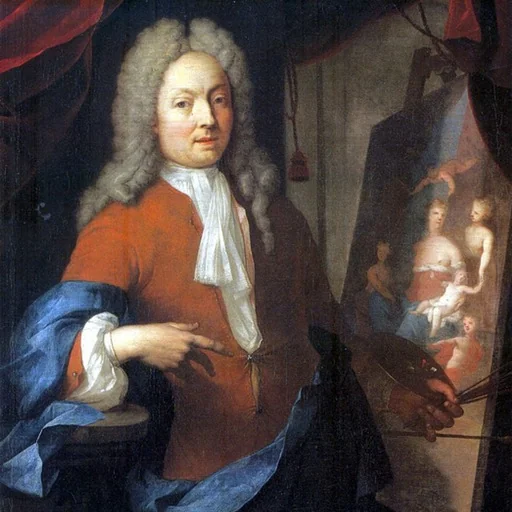
Mattheus Terwesten or Matthäus Terwesten (23 February 1670 – 11 June 1757) was a Dutch painter and art educator.

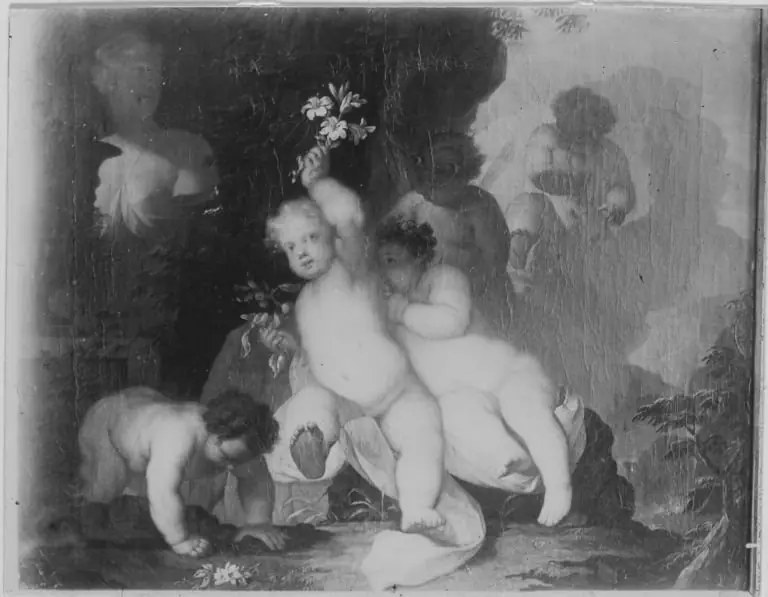
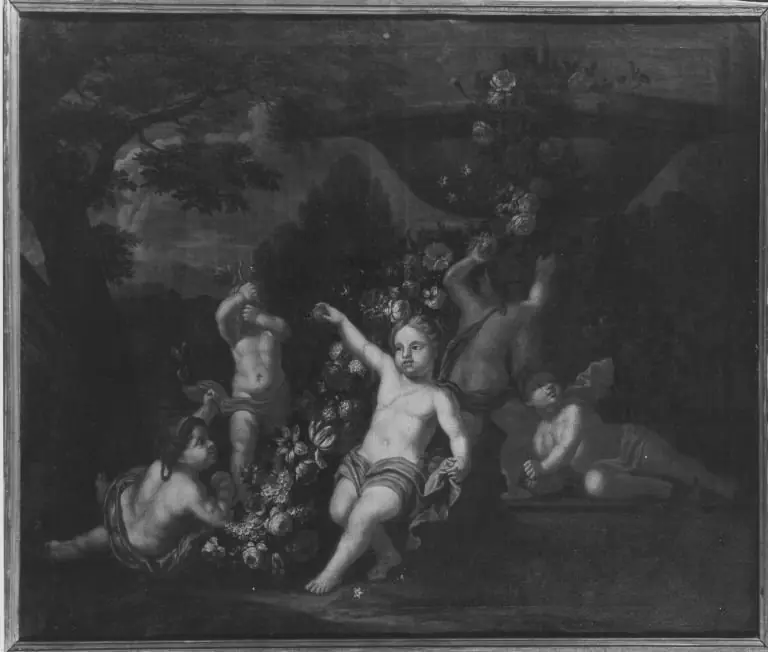 Puttengruppe mit Blumen (?)
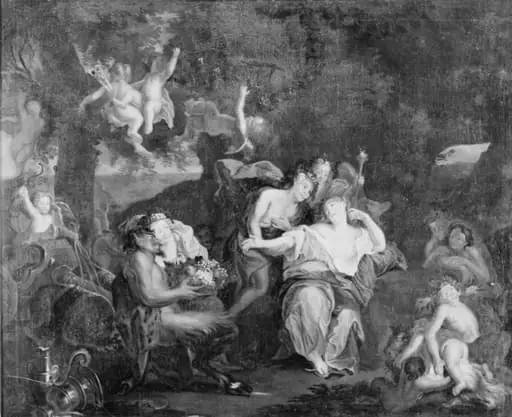 Bacchus og Ariadne sidder sammen i et landskab omgivne af amoriner, bacchantinder og satyrer
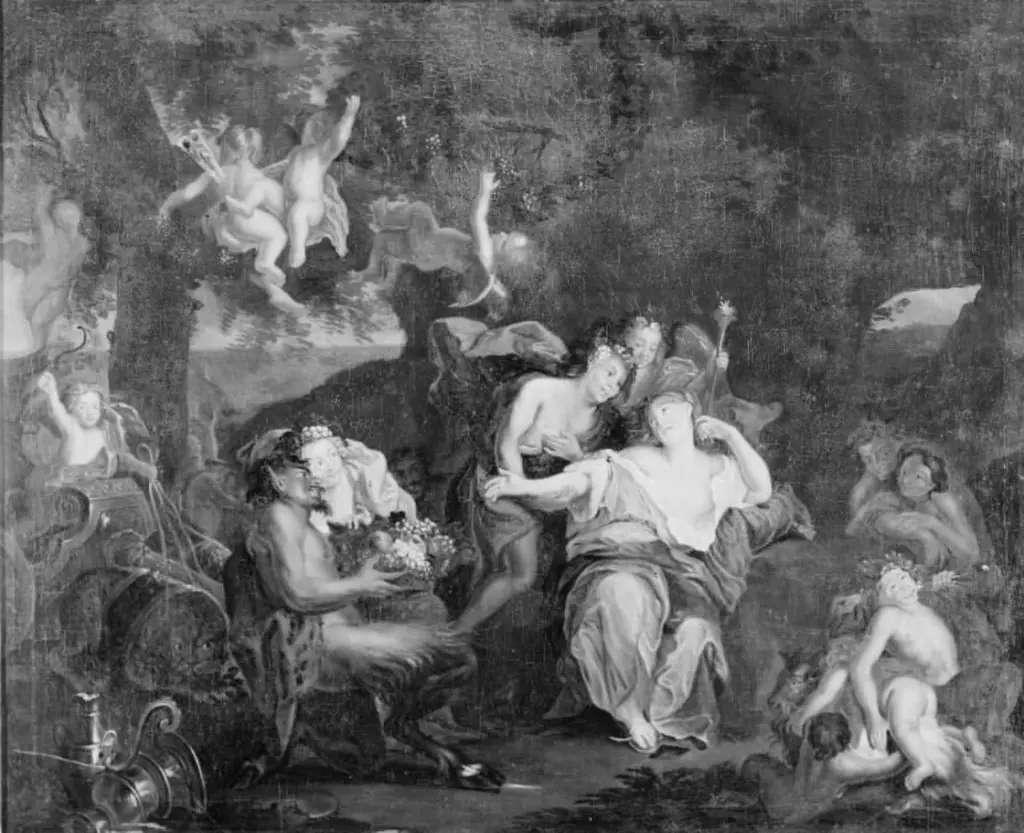 Bacchus og Ariadne sidder sammen i et landskab omgivne af amoriner, bacchantinder og satyrer
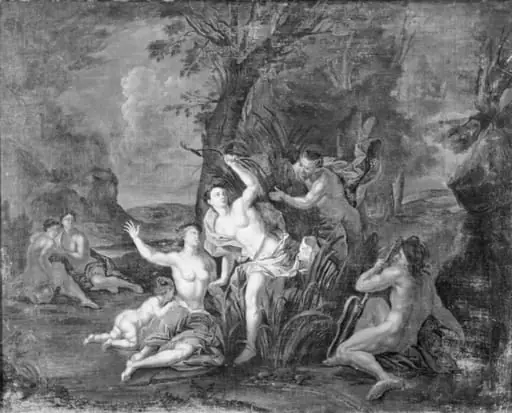 Nogle nymfer overraskes af en satyr. Ved siden sidder en flodgud
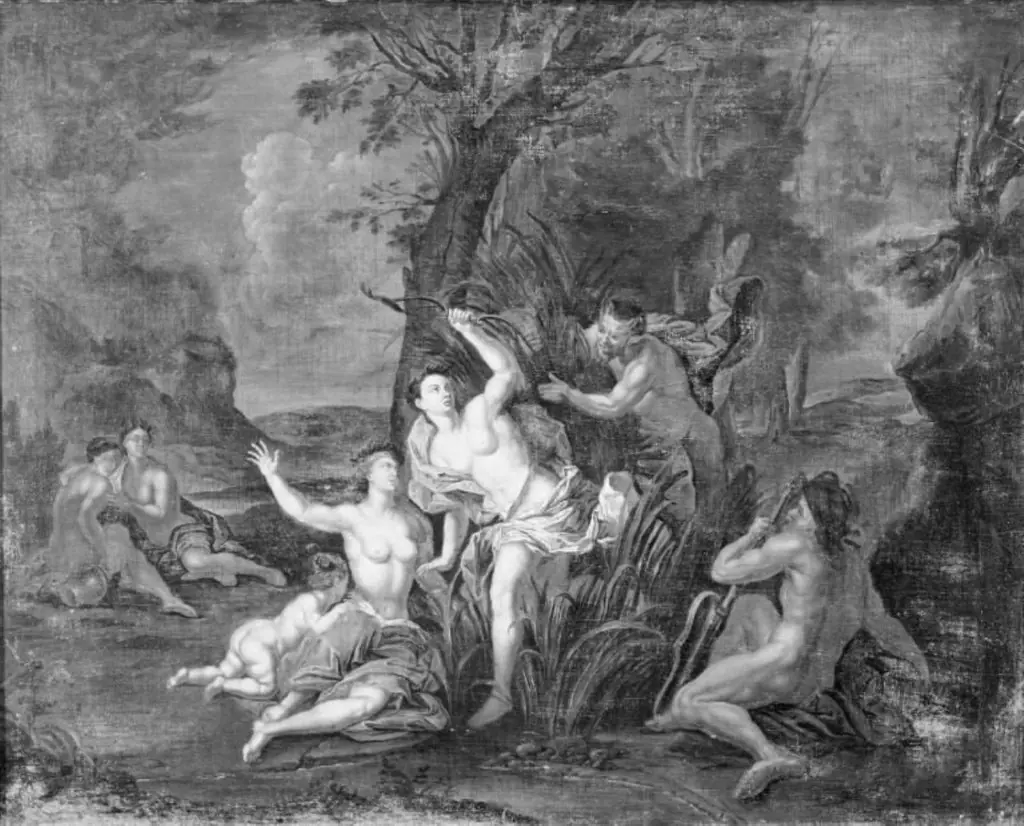 Nogle nymfer overraskes af en satyr. Ved siden sidder en flodgud
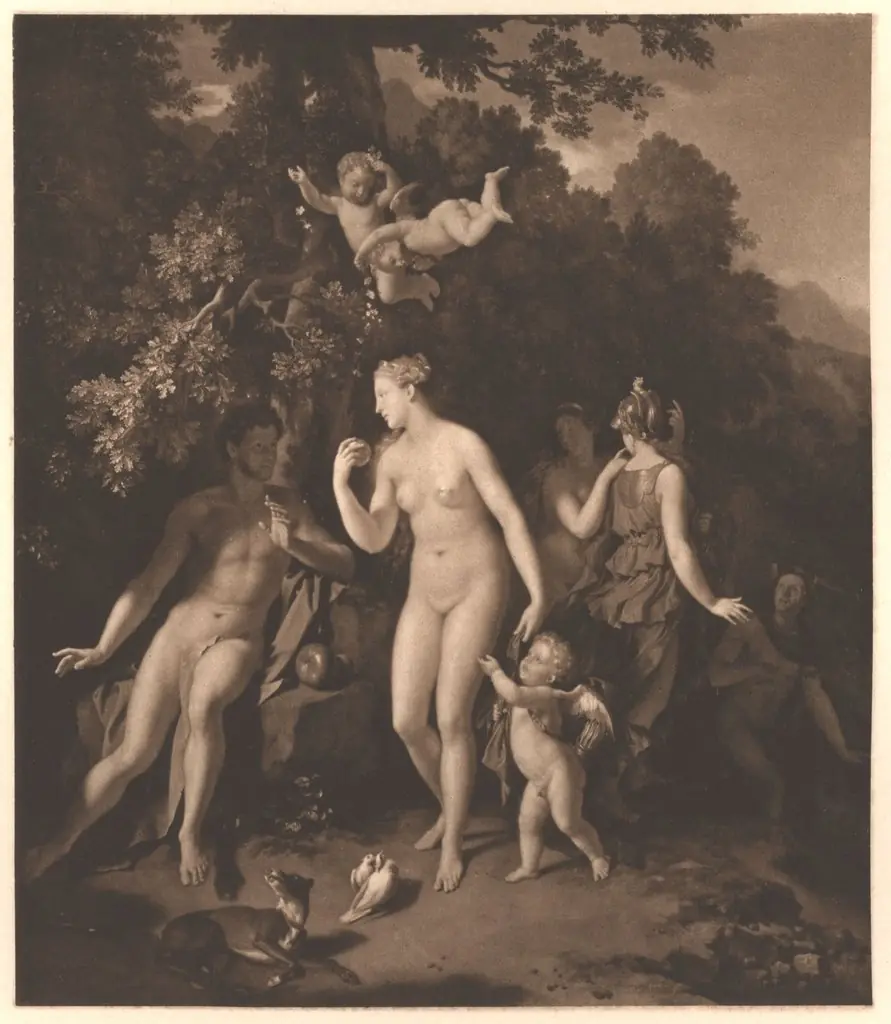 Judgement of Paris
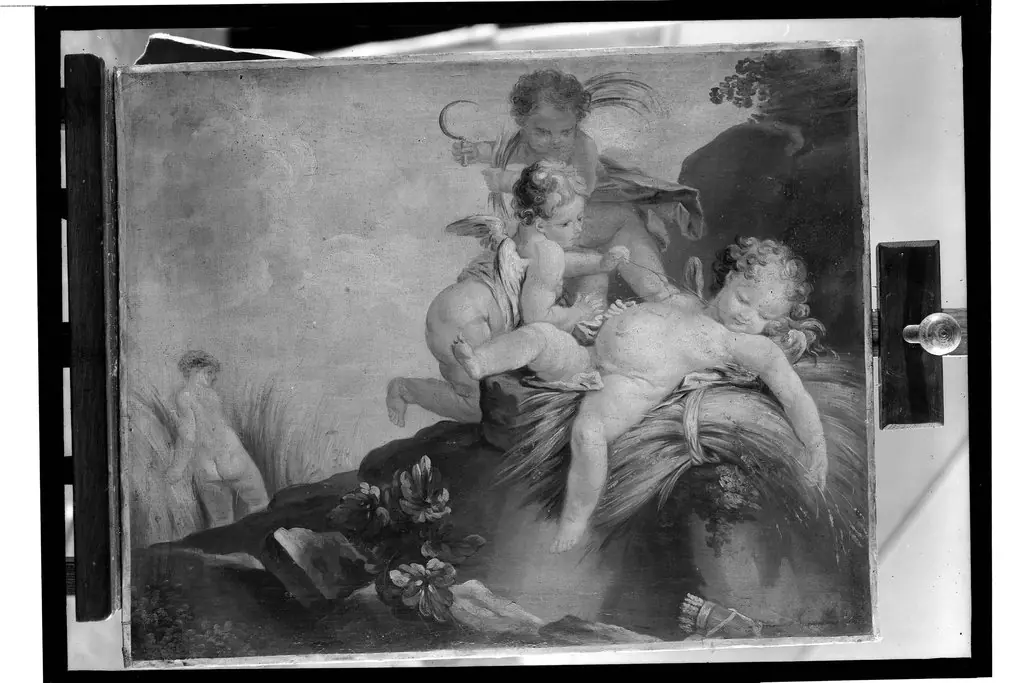 Putta playing in the grain field (L'amour moissonneur)
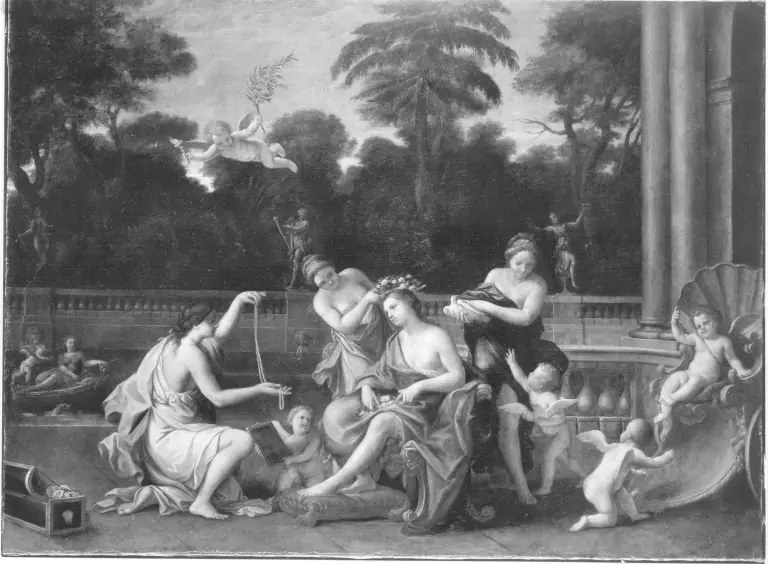 Schmückung der Venus
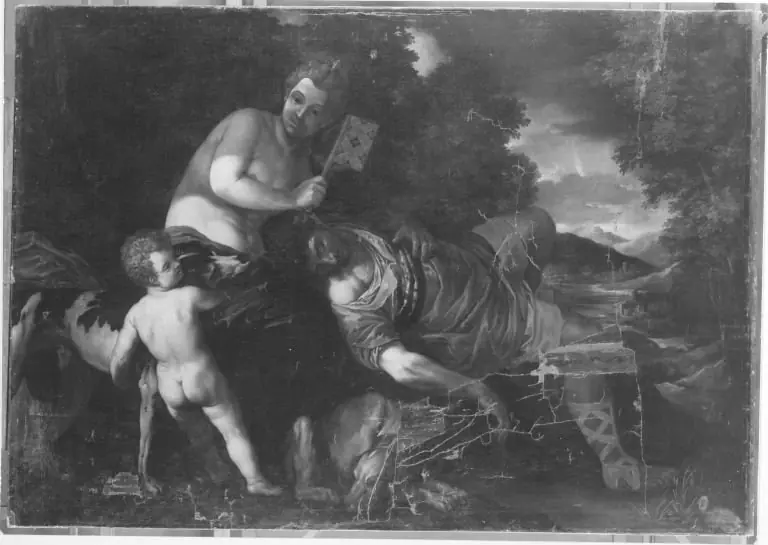 Venus with the sleeping Adonis
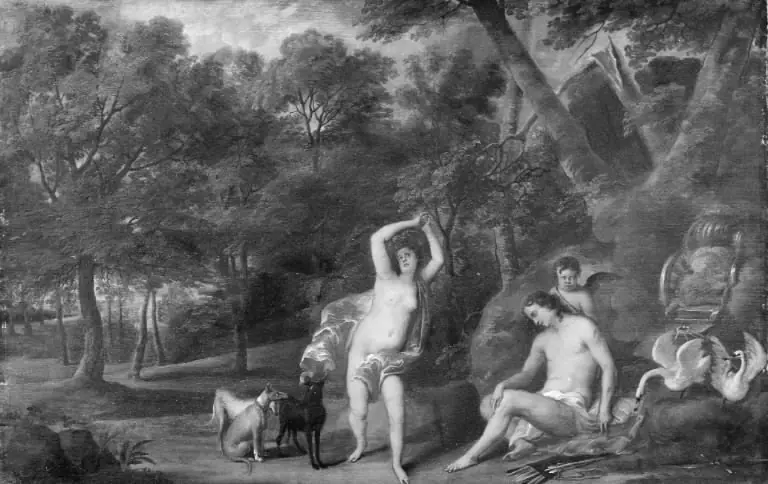 Venus Bewailing the Slain Adonis
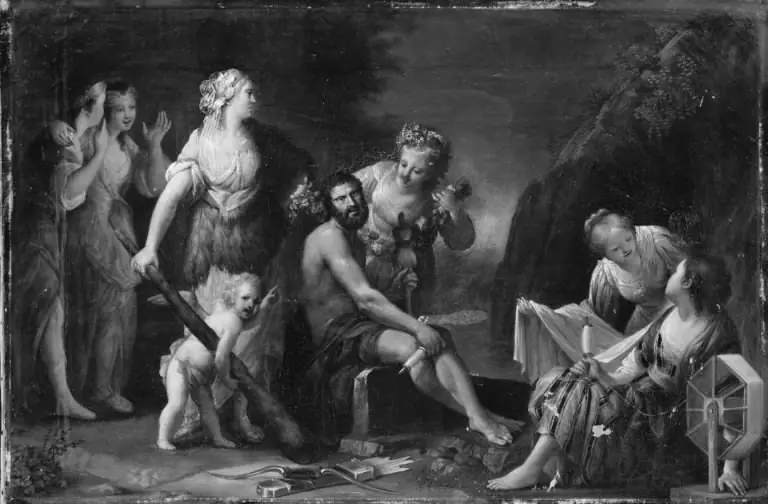 Hercules hos Omphale, omgivet af hendes veninder