Artwork
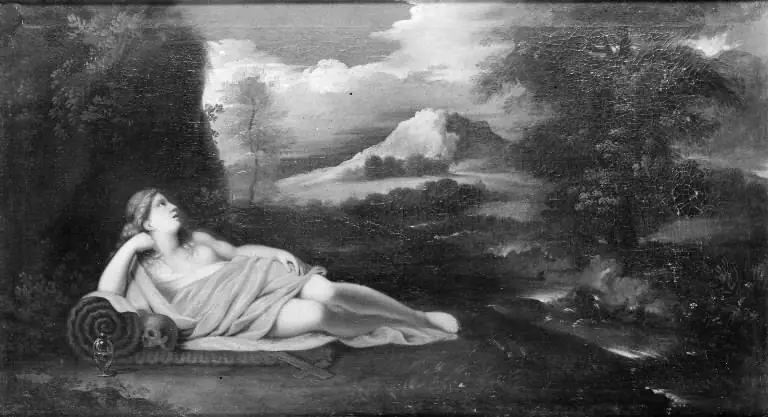
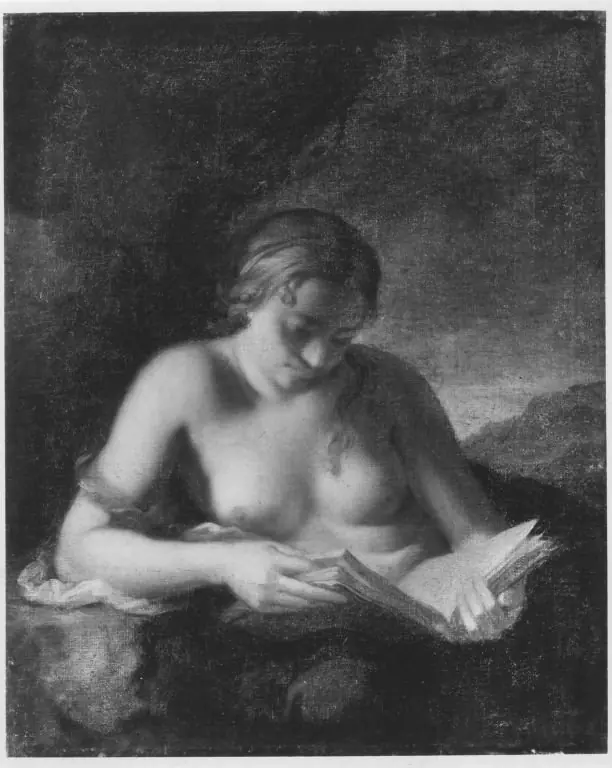
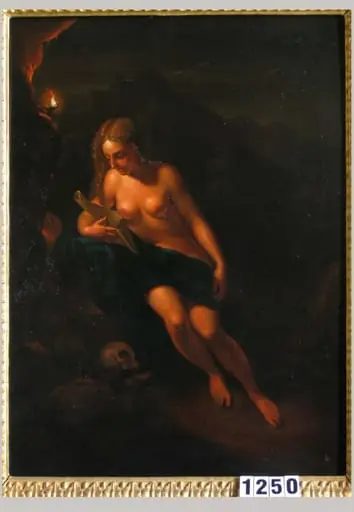
Penitent Magdalene
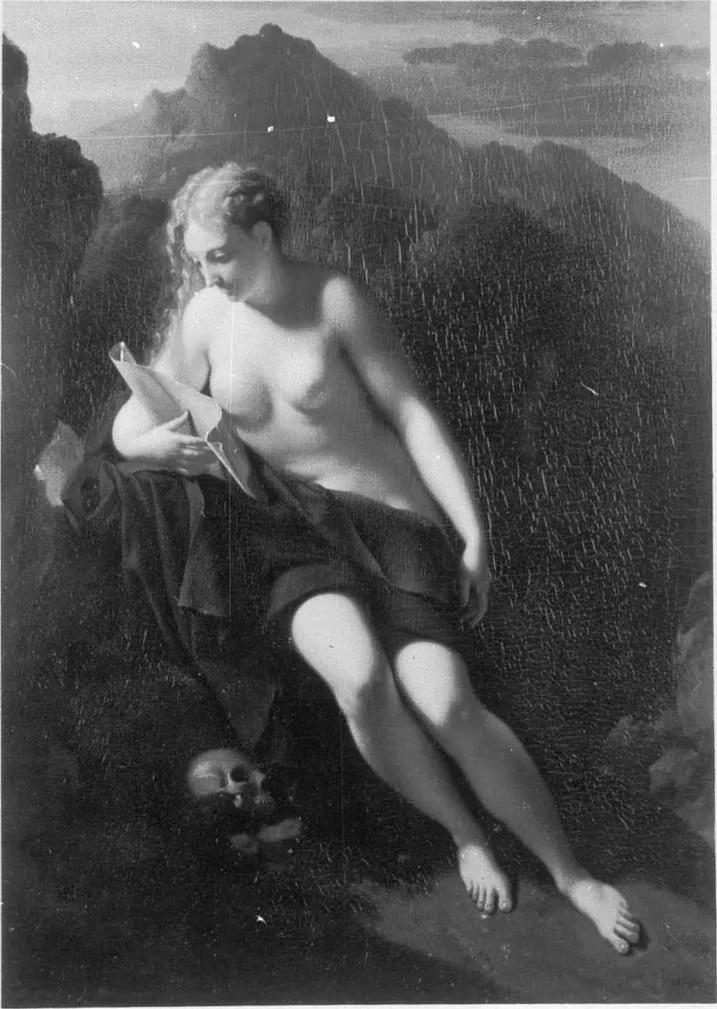
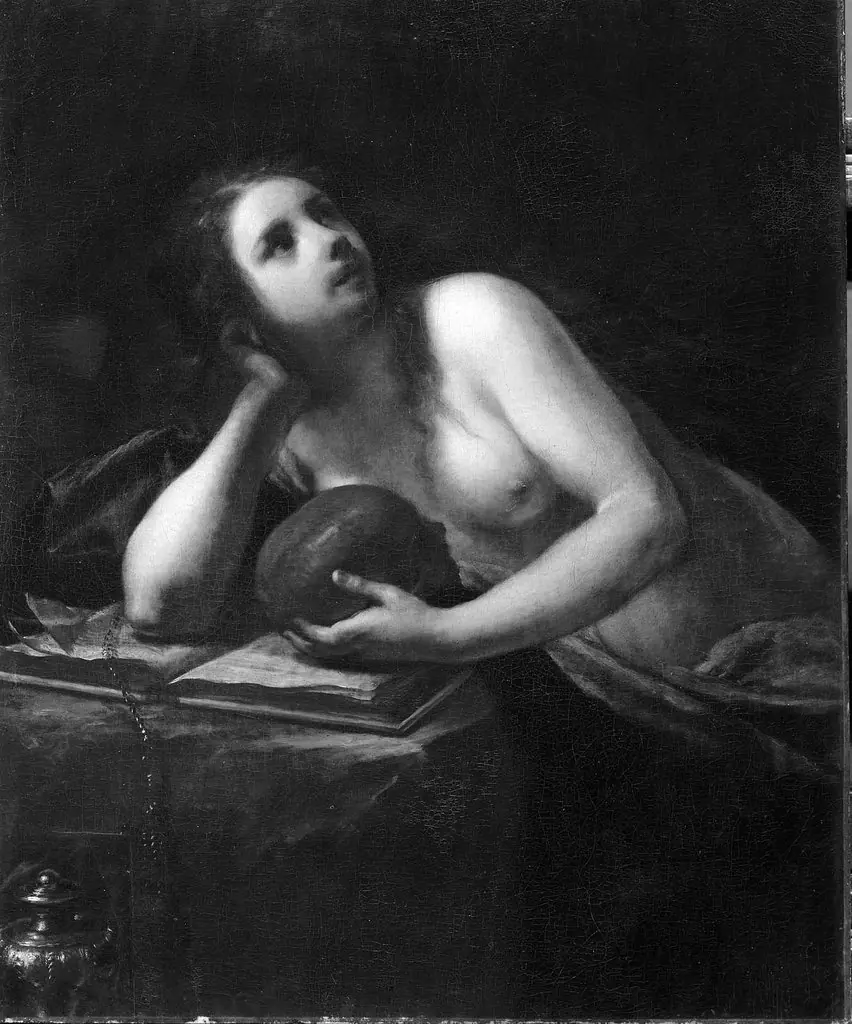
Penitent Magdalene is an oil painting by the Dutch Golden Age artist Adriaen van der Werff. It dates from 1711 and is held in the collection of the Gemäldegalerie Alte Meister.
About this work
Overview
Adriaen van der Werff painted *Penitent Magdalene* in 1711, during the later phase of the Dutch Golden Age.
Adriaen van der Werff painted *Penitent Magdalene* in 1711, during the later phase of the Dutch Golden Age. Known for his refined technique and devotional subjects, van der Werff produced this work as part of a broader tradition of religious imagery favored by collectors across Europe. The painting reflects his skill in rendering texture and emotion with quiet intensity, distinguishing his style from the more theatrical approaches of his contemporaries.
Subject & Meaning
The figure represents Mary Magdalene in a moment of solitary reflection, a common theme in Counter-Reformation art. Her posture—head tilted, gaze lowered—suggests introspection and penitence. The skull at her feet symbolizes mortality, while the open book implies spiritual study. Dressed in a simple, draped garment, she embodies the ideal of humble devotion, stripped of worldly adornment and focused on inner transformation.
Technique & Style
Van der Werff employed chiaroscuro to model the figure with soft, sculptural light, drawing attention to her face and hands. The textures of skin, fabric, and stone are rendered with meticulous detail, showcasing his training in Flemish realism. The background remains muted and atmospheric, allowing the figure to emerge with quiet authority. His brushwork is smooth and controlled, avoiding overt drama in favor of restrained emotional depth.
History & Provenance
The painting entered the collection of the Gemäldegalerie Alte Meister in Dresden, where it remains today. Van der Werff’s reputation extended beyond the Netherlands; he received commissions from European nobility, including the Medici family. This work likely circulated among private collectors before being acquired by the Saxon royal collection, reflecting its status as a refined devotional object in elite circles.
Context
In early 18th-century Holland, religious painting had declined in popularity compared to genre scenes and portraiture. Yet devotional works like this persisted among collectors who valued spiritual symbolism and technical precision. Van der Werff’s style bridged Dutch realism and the elegance of Italianate traditions, appealing to patrons seeking both moral resonance and aesthetic refinement.
Legacy
Though van der Werff’s fame waned after his death, his works remained in prominent collections, influencing later generations of academic painters. *Penitent Magdalene* exemplifies the quiet, introspective strand of Dutch religious art that prioritized psychological nuance over spectacle. Today, it stands as a testament to the enduring appeal of contemplative imagery in an increasingly secular age.
Artist & collection
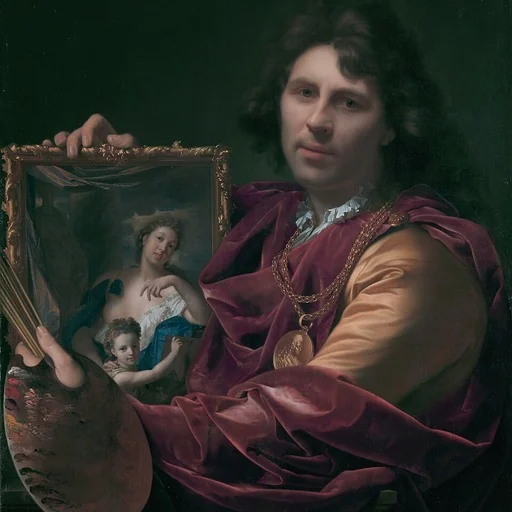
Artist
Adriaen van der Werff (21 January 1659 – 12 November 1722) was a Dutch painter of portraits and erotic, devotional and mythological scenes.

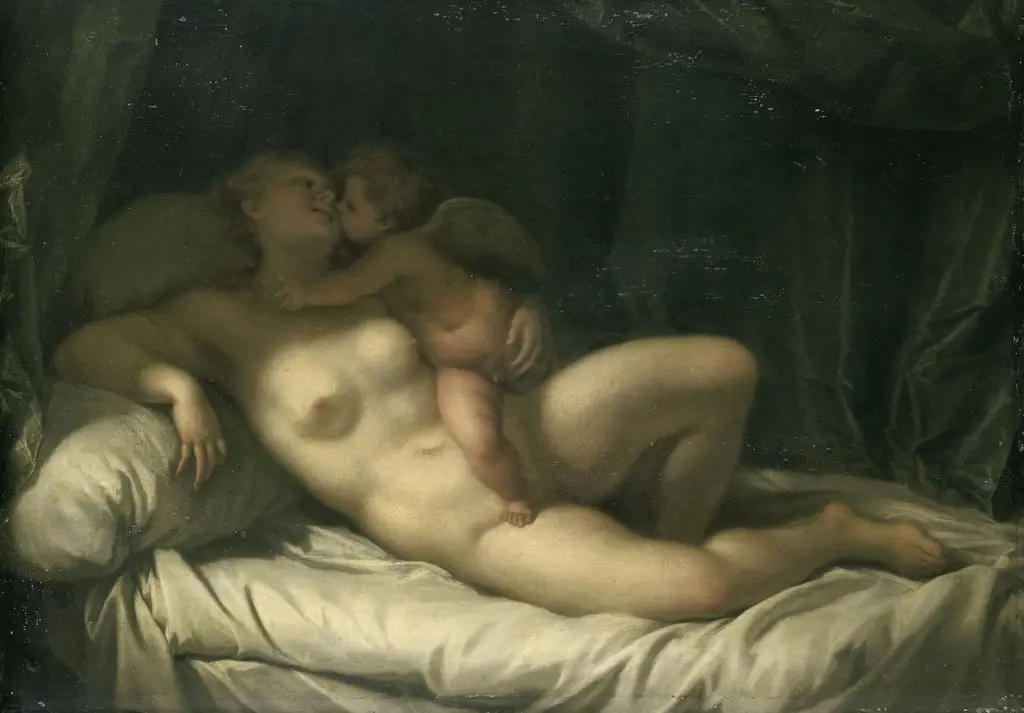 Cupid Kissing Venus (Venus Kissed by Amor)
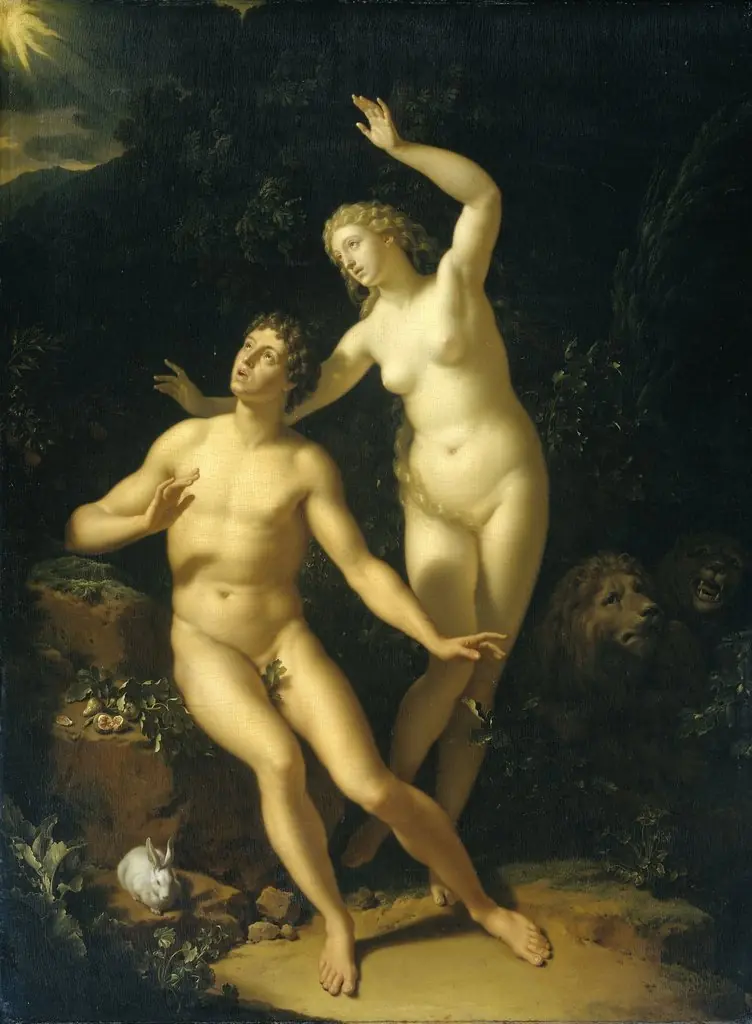 God Holds Adam and Eve Responsible
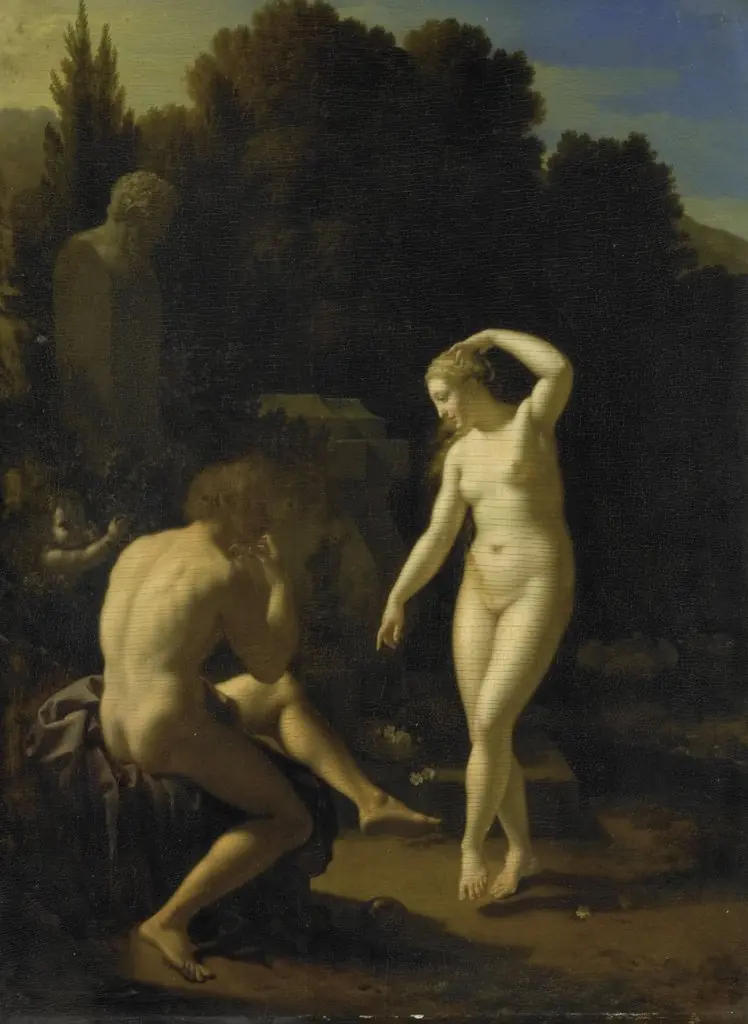 A Nymph Dancing to a Shepherd's Flute-Playing
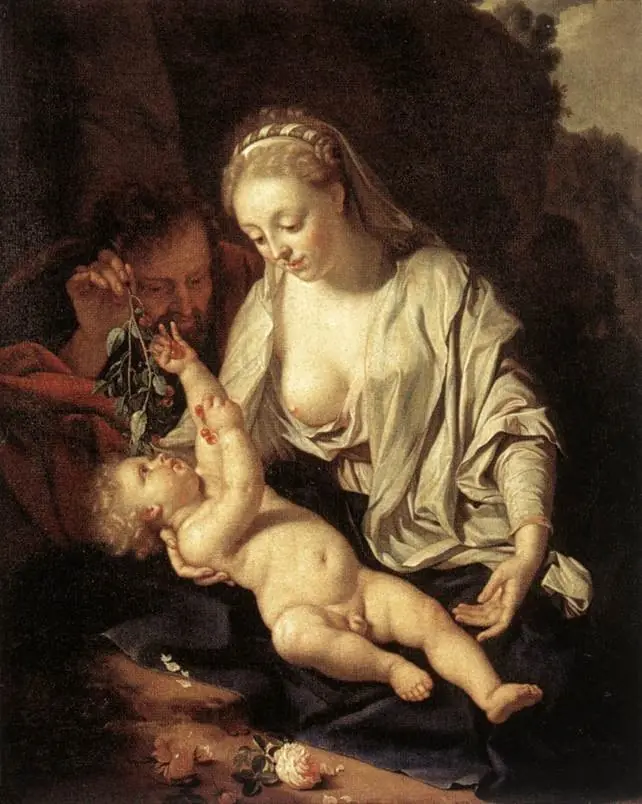 The Holy Family
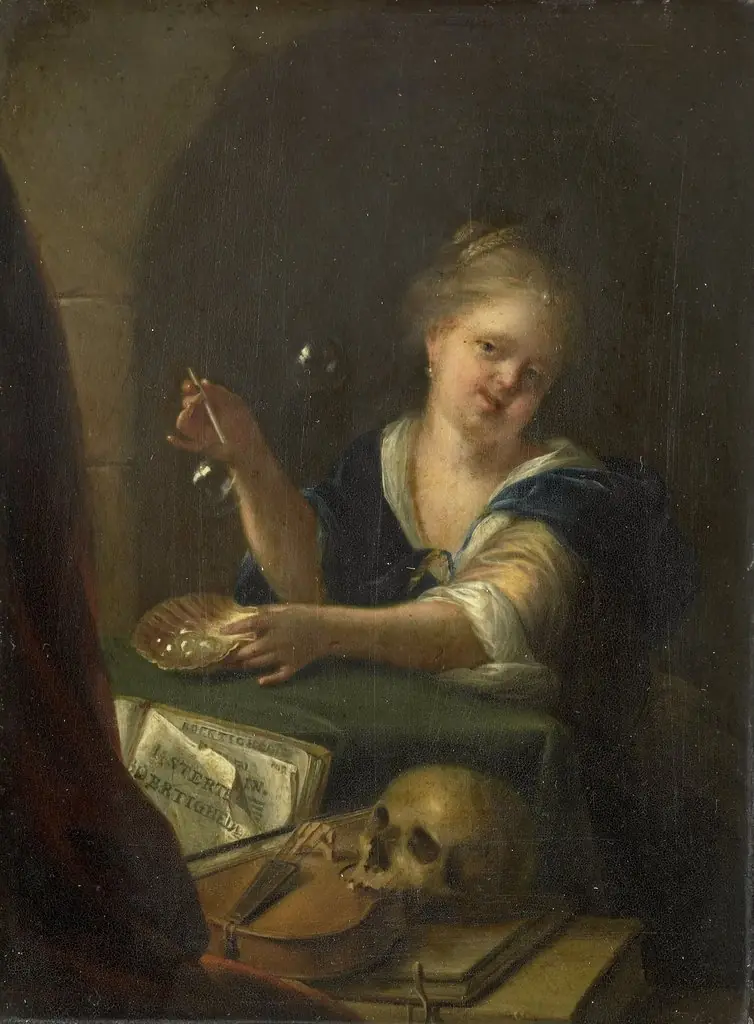 Bubble-blowing Girl with a Vanitas Still Life
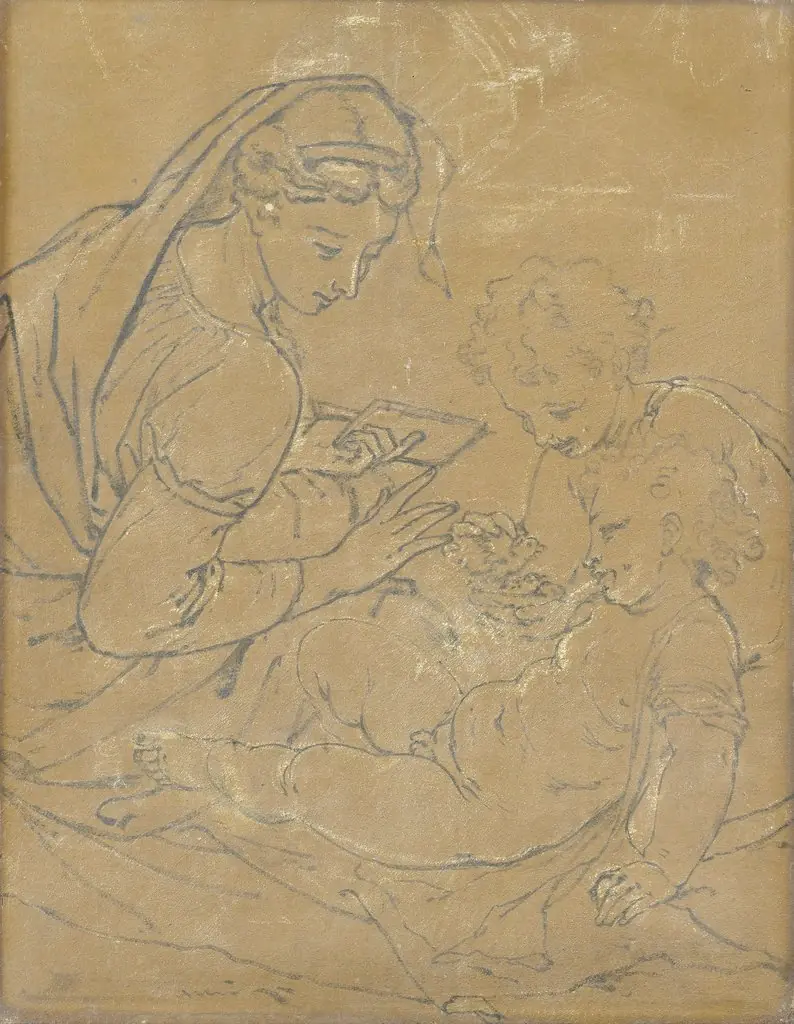 Virgin and Child with Saint John (chalk sketch)
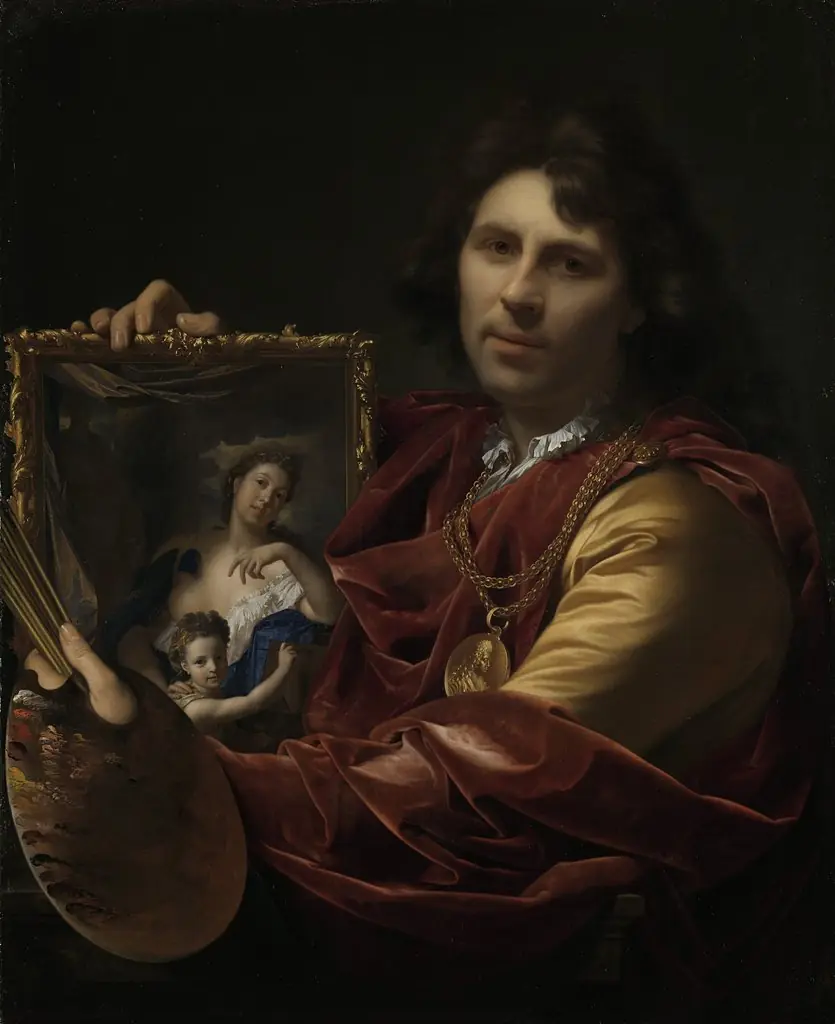 Self-portrait with the Portrait of his Wife, Margaretha van Rees, and their Daughter Maria
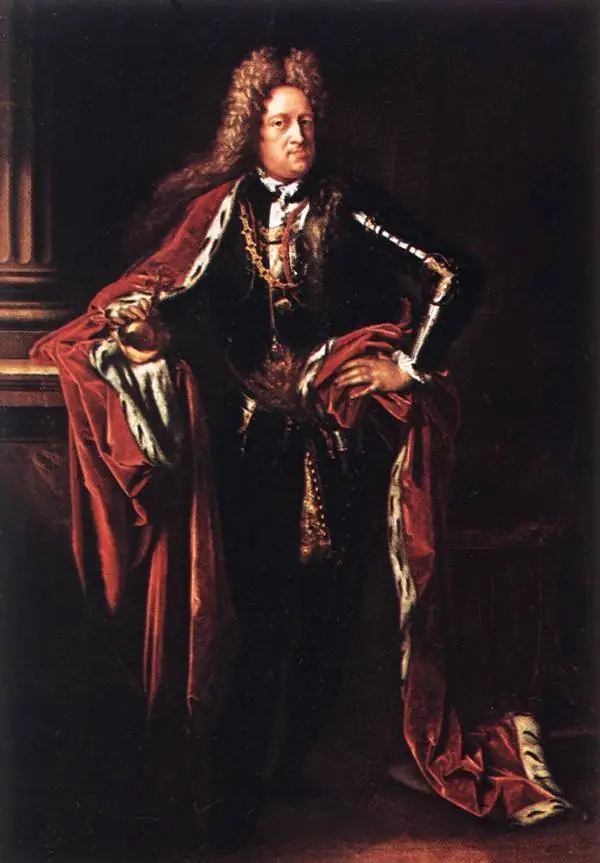 Portrait of Johann Wilhelm Elector of Palatine (1658-1716)