Artwork
Paul and Barnabas are worshiped as gods in Lystra
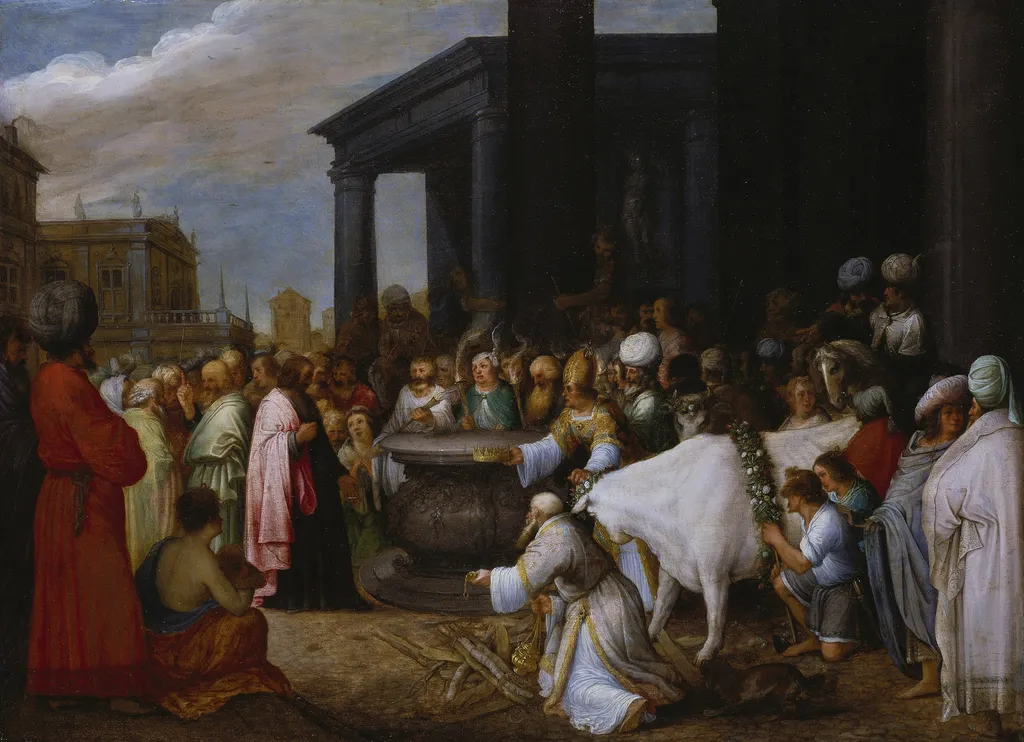
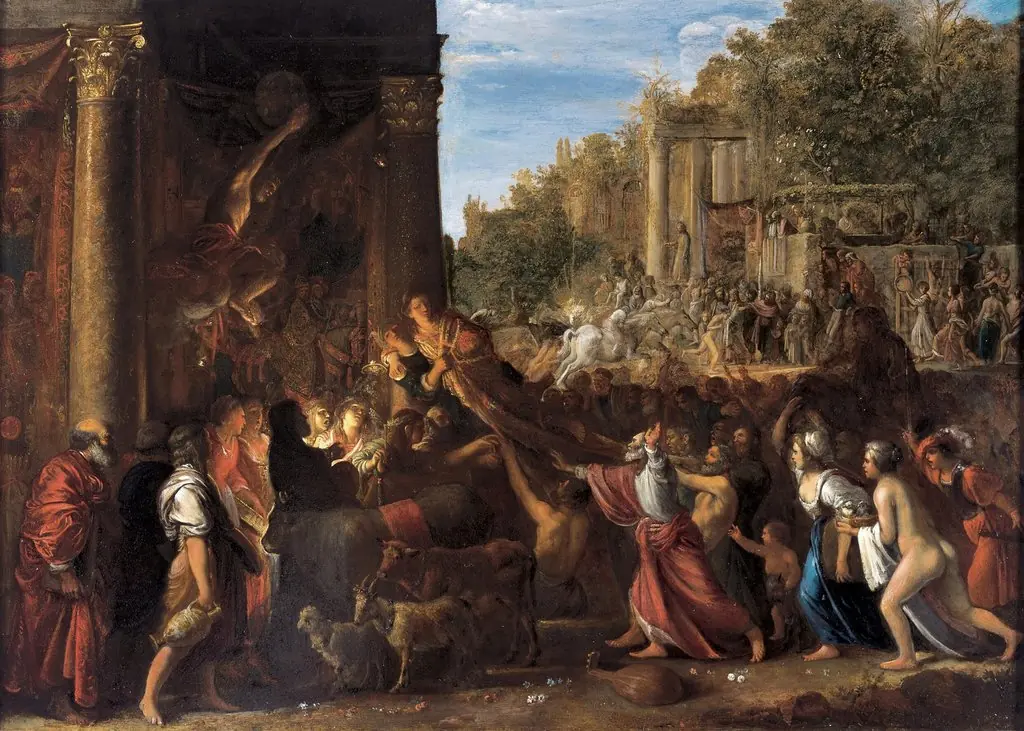
Paul and Barnabas are worshiped as gods in Lystra is an oil painting by the Flemish Baroque painting artist Adriaen van Stalbemt. It dates from 1650 and is held in the collection of the Städel Museum.
About this work
Overview
This piece stands as a self-contained composition, notable for its material choice and intimate scale, now part of the Städel Museum’s collection in Frankfurt.
Adriaen van Stalbemt painted this scene on copper around 1650, reflecting his engagement with religious narratives in the Flemish Baroque tradition. Though primarily known for landscapes, he frequently contributed figures to collaborative works. This piece stands as a self-contained composition, notable for its material choice and intimate scale, now part of the Städel Museum’s collection in Frankfurt.
Subject & Meaning
The painting illustrates Acts 14:8–18, where the apostles Paul and Barnabas are mistaken for the gods Hermes and Zeus after healing a crippled man. The crowd’s gestures—kneeling, offering garlands, and raising hands—convey mistaken reverence. The apostles’ restrained expressions and gestures of refusal underscore the biblical theme of rejecting idolatry, contrasting human devotion with divine humility.
Technique & Style
Executed on copper, the surface enhances luminosity and fine detail, allowing crisp rendering of textures in fabric, skin, and architecture. Van Stalbemt employs chiaroscuro to model forms and direct focus, deepening spatial depth. Figures are arranged dynamically across a shallow stage, with architectural elements receding into a hazy, cloud-streaked sky, typical of Flemish narrative painting of the period.
History & Provenance
The work entered the Städel Museum’s collection in the 19th century, likely through acquisitions of Flemish and Dutch art during a period of renewed interest in 17th-century religious scenes. Its attribution to van Stalbemt is supported by stylistic parallels with his other signed works and documented collaborations. The copper support suggests a commission for a private or ecclesiastical patron seeking refined, portable devotional imagery.
Context
In mid-17th-century Antwerp, religious subjects remained popular despite the Protestant Reformation’s influence. Artists like van Stalbemt catered to Catholic patrons and collectors who valued biblical storytelling with emotional nuance. The depiction of pagan worship alongside Christian humility aligned with Counter-Reformation themes, reinforcing doctrinal clarity through visual narrative.
Legacy
While van Stalbemt is not among the most widely recognized Flemish painters, this work exemplifies the quiet precision of lesser-known Baroque practitioners who enriched religious imagery with psychological subtlety. Its preservation in a major European museum ensures continued study of how material choice and composition shaped devotional art beyond the grand scale of contemporaries like Rubens.
Own this work as a print
Artist & collection
Artist
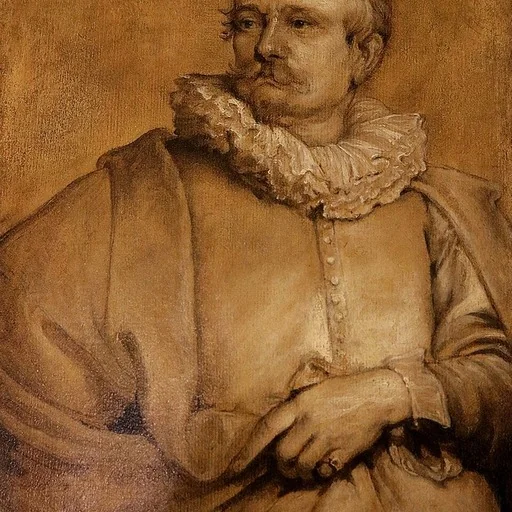
Adriaen or Adriaan van Stalbemt or Adriaen van Stalbempt (12 June 1580 – 21 September 1662) was a Flemish painter and printmaker who is known for his landscapes with religious, mythological and allegorical scenes.

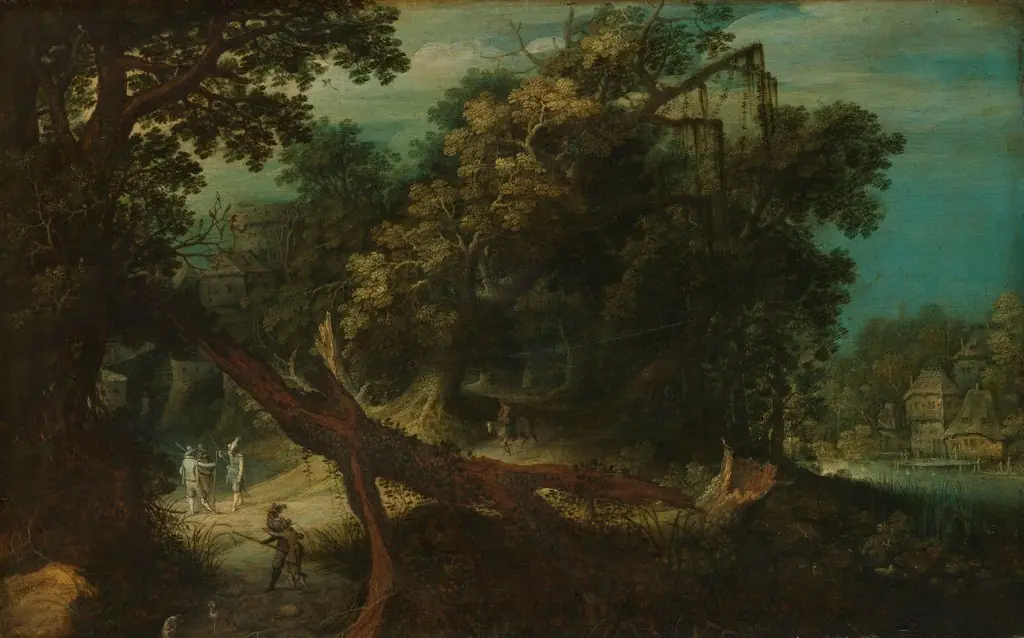
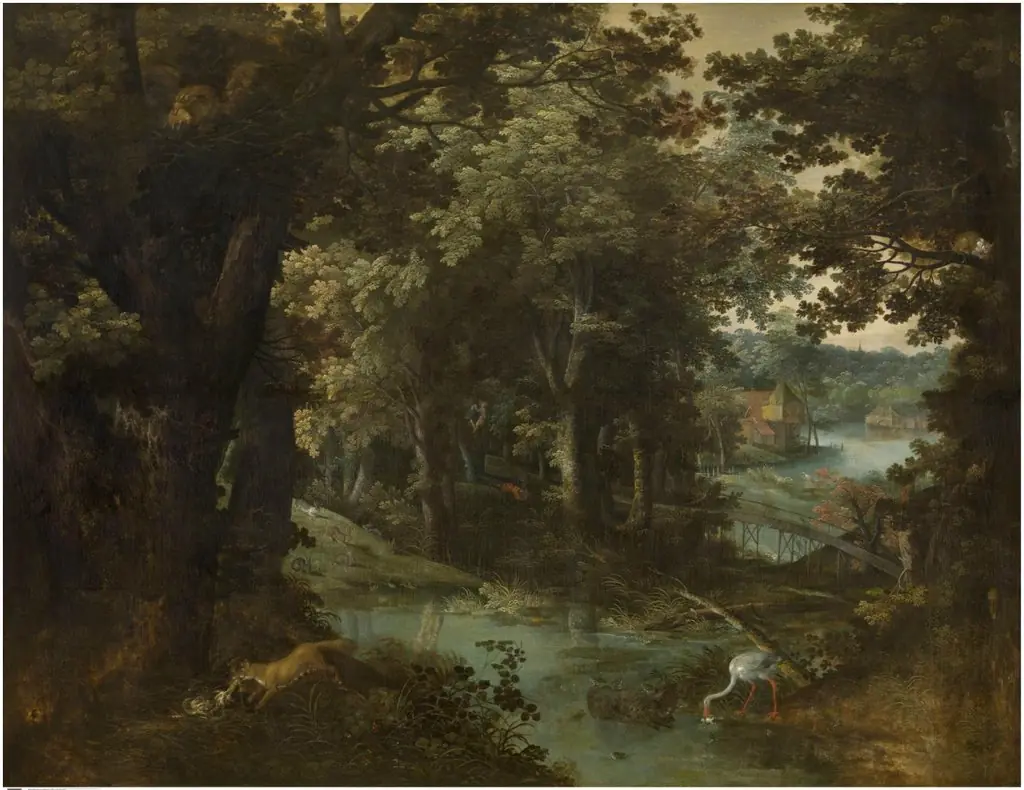
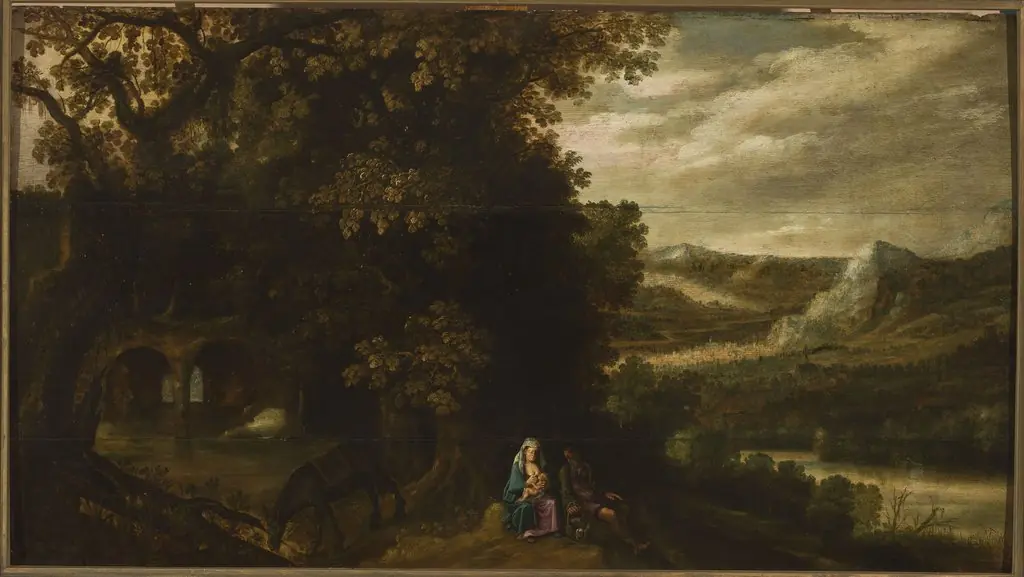
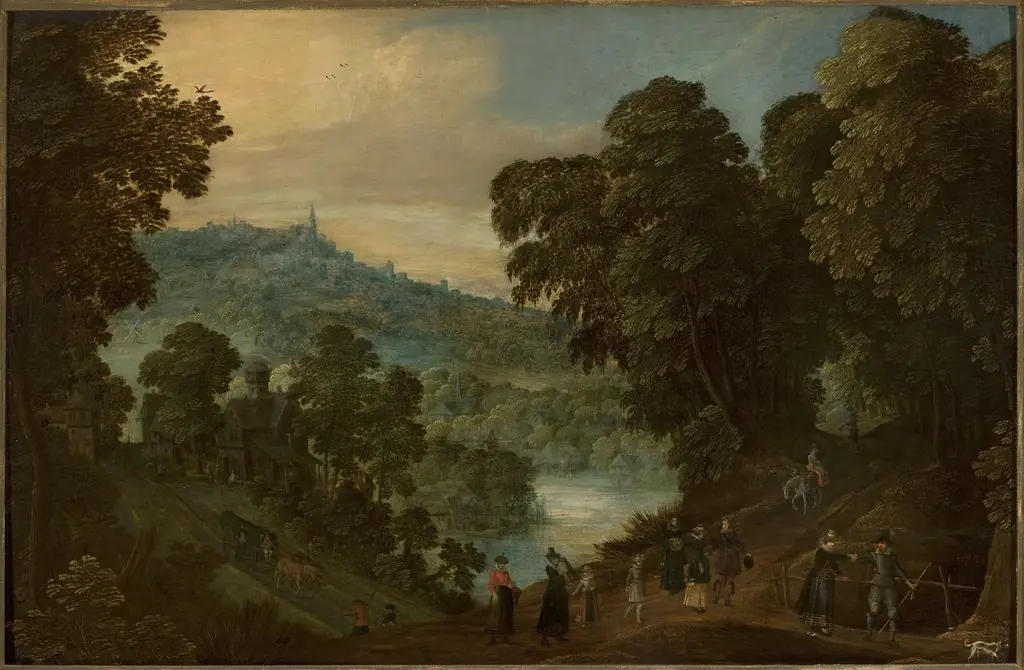
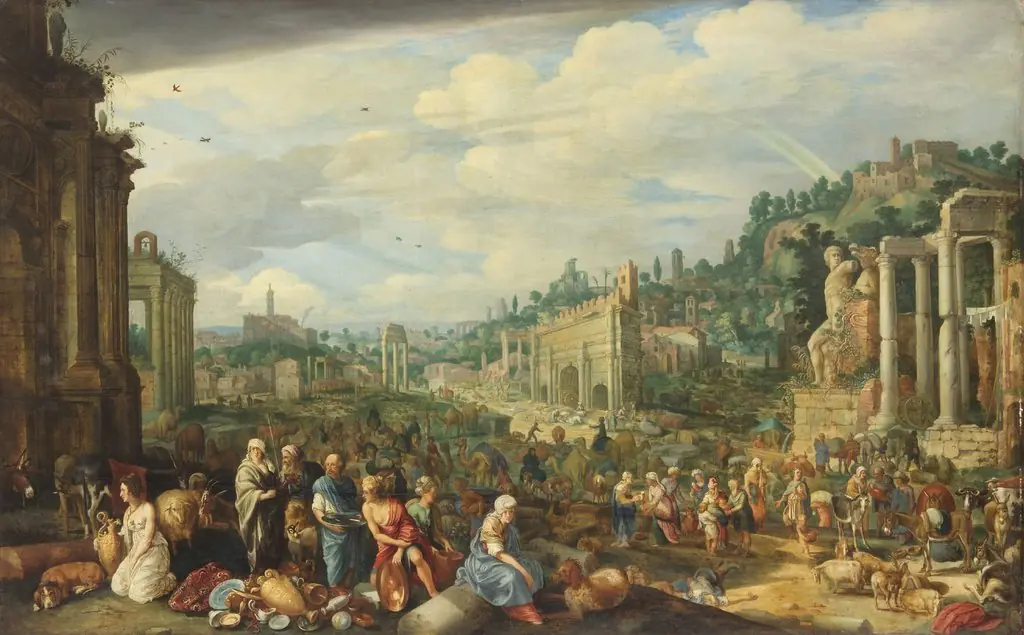 Ansicht des Campo Vaccino in Rom (Aufbruch der Israeliten aus Ägypten)
 Il Contento
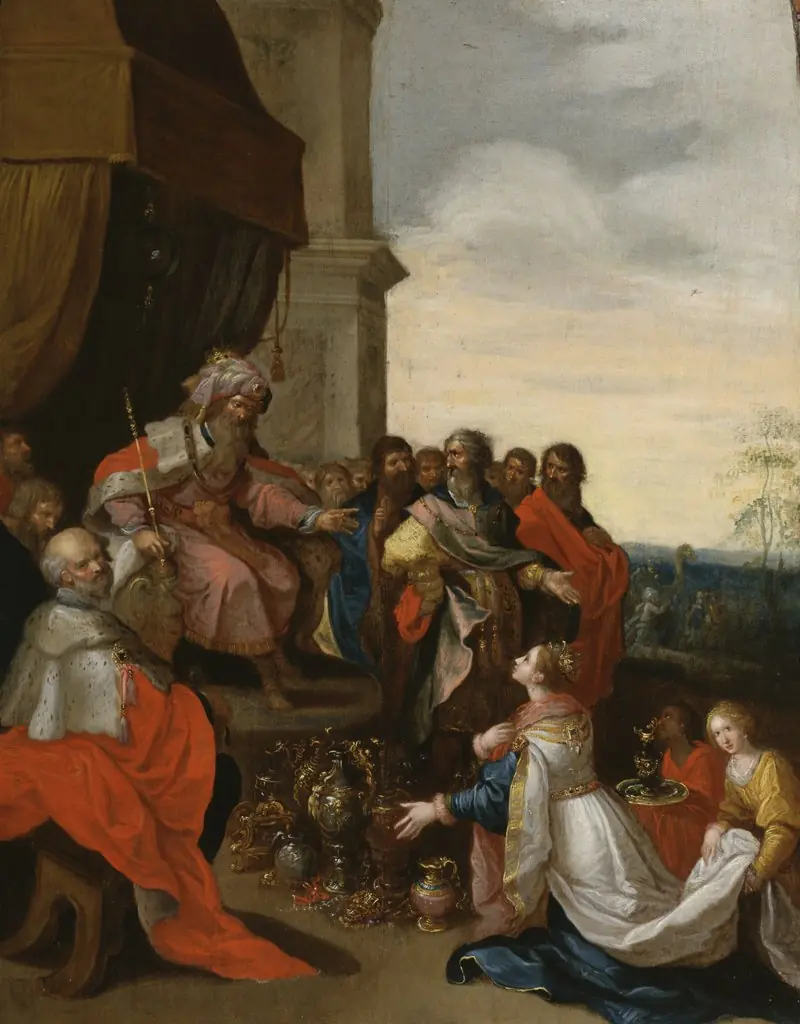 King Solomon Receiving the Queen of Sheba
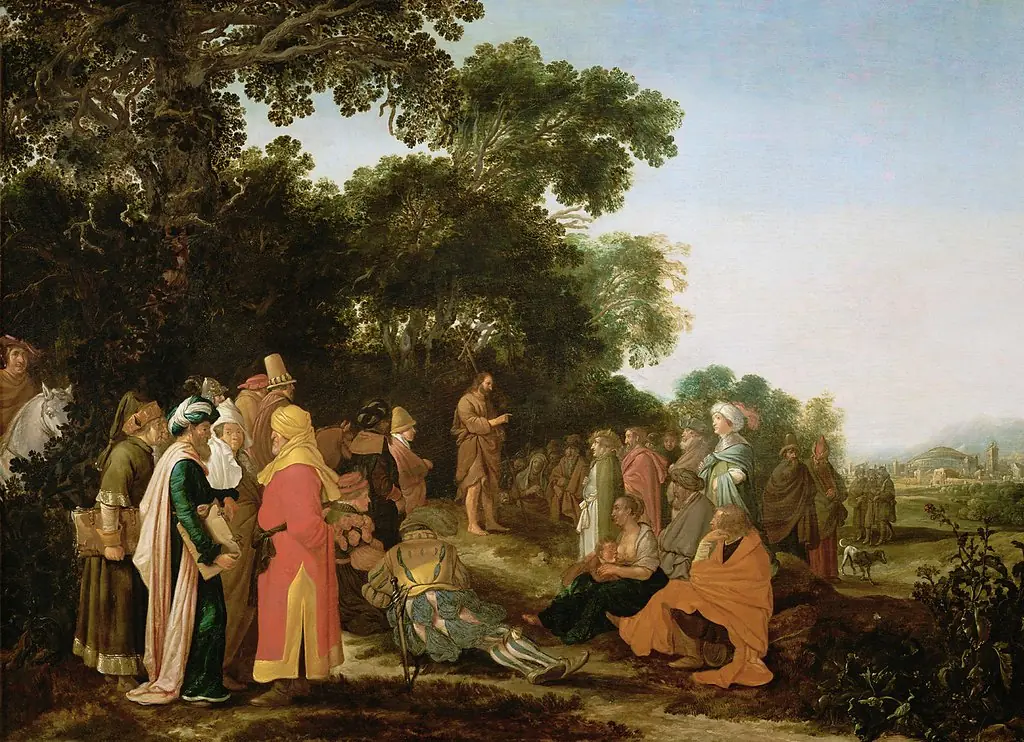 Predigt Johannes des Täufers
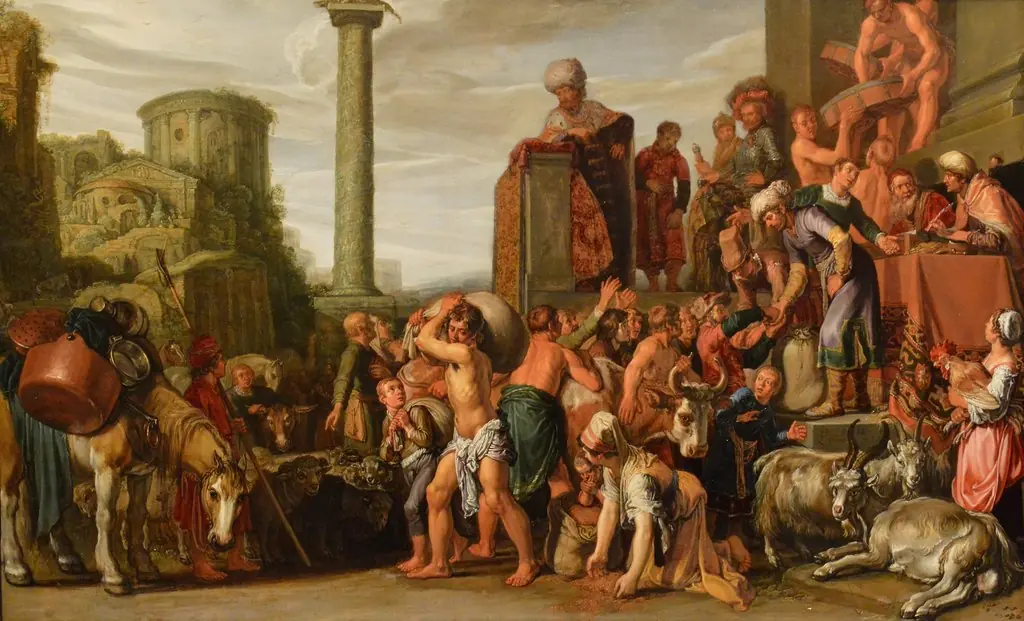 Joseph Selling Corn in Egypt
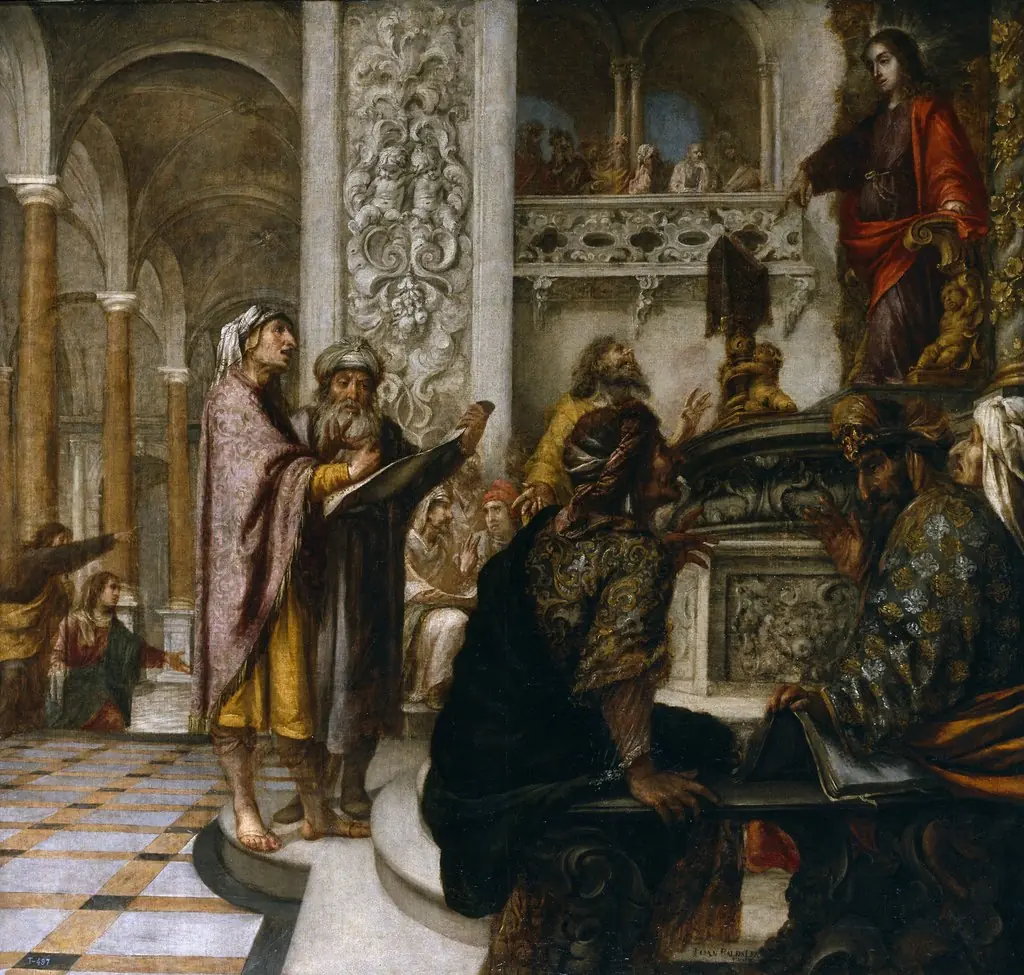 Christ disputing with the Doctors
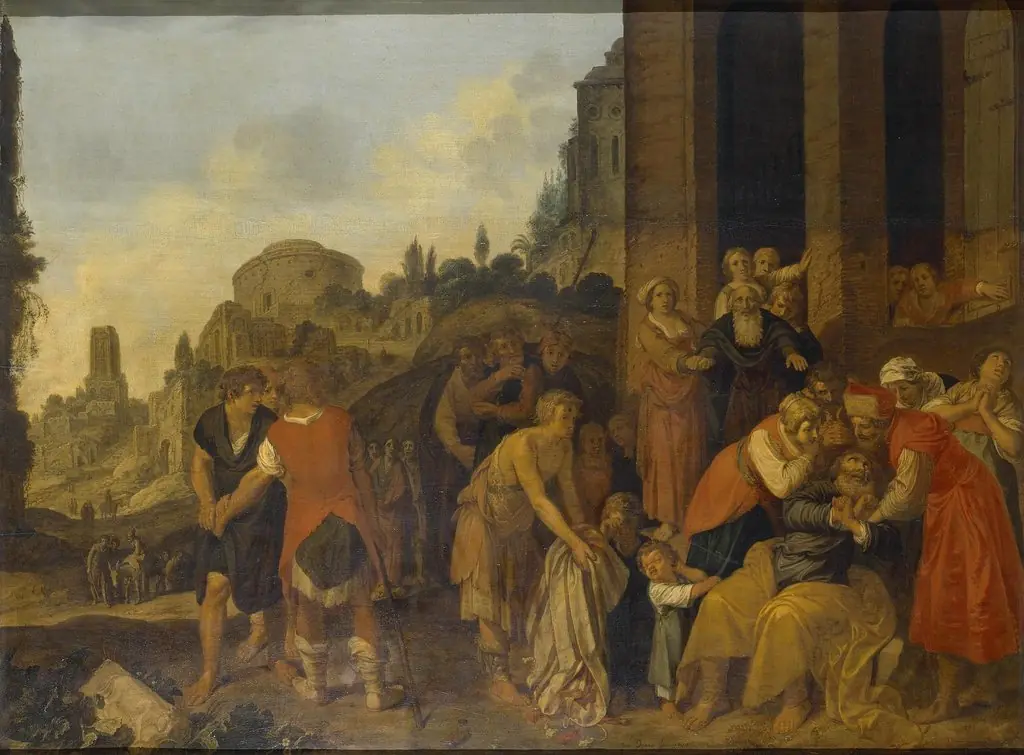 Jacob's Sons Show Him Joseph's Blood-Stained Robe
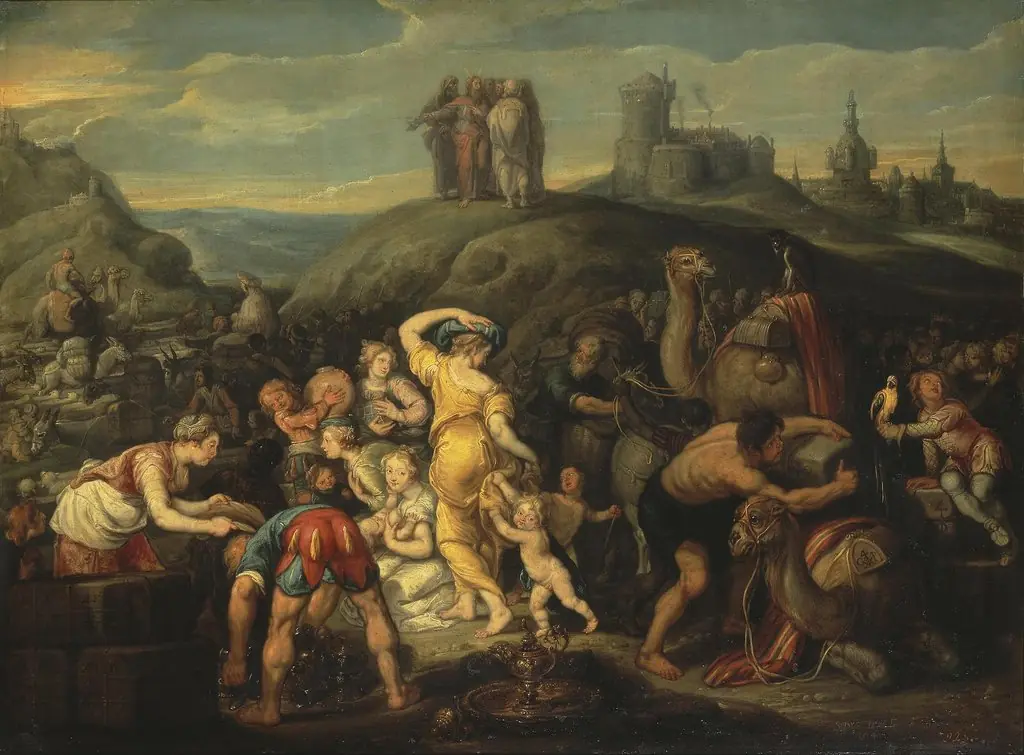 The Israelites after Crossing the Red Sea
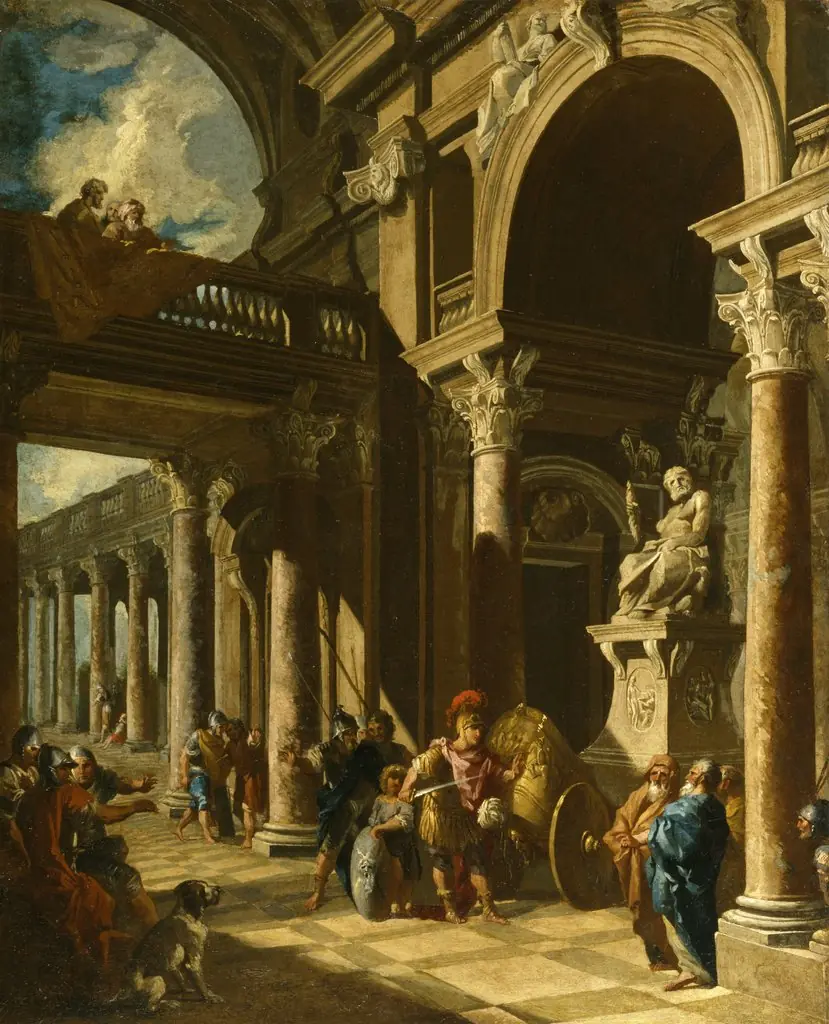 Alexander the Great Cutting the Gordian Knot
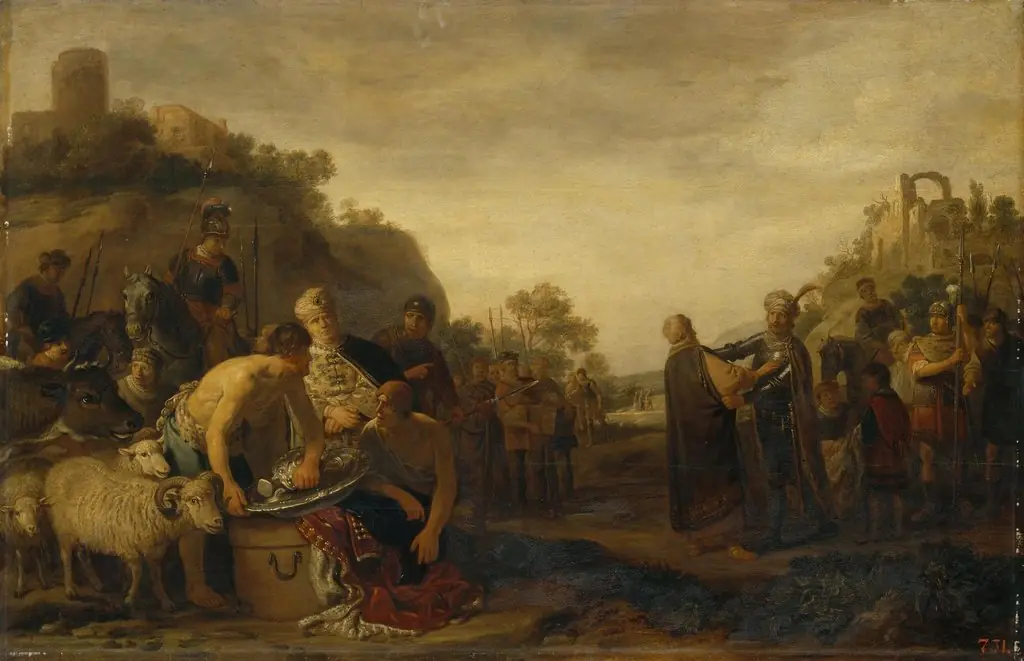 Samuel and Saul
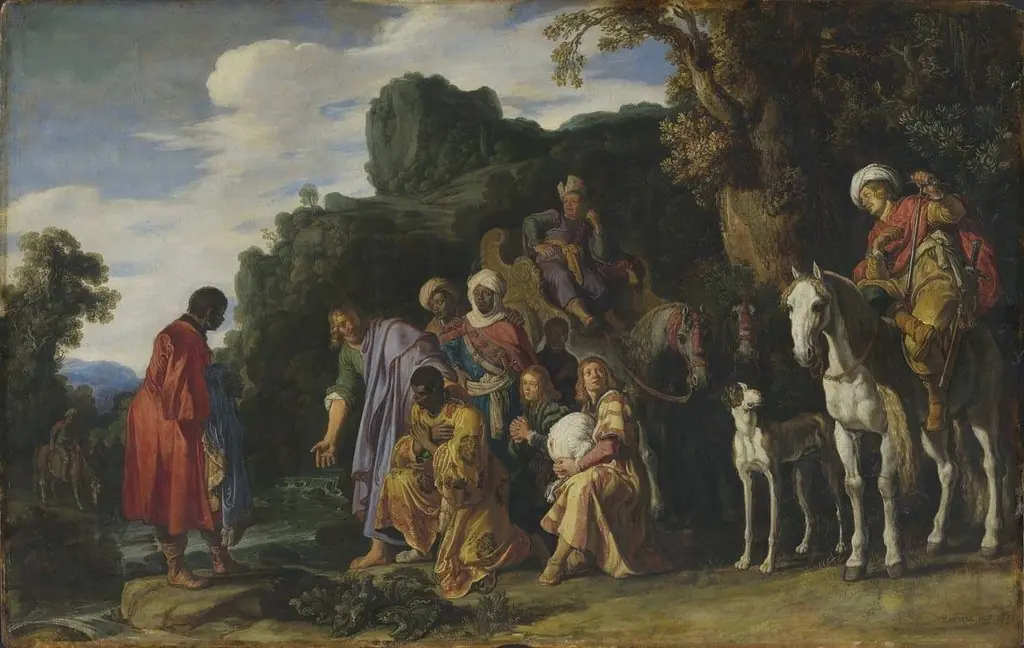 Die Taufe des Mohrenkämmerers
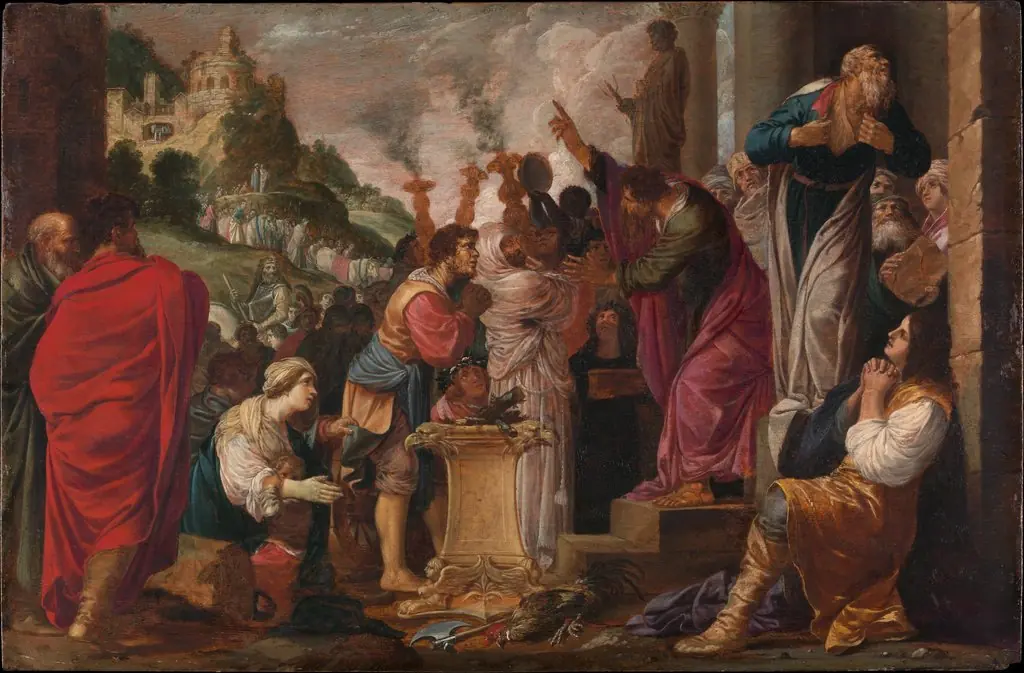 Paul and Barnabas at Lystra