Artwork
Landscape
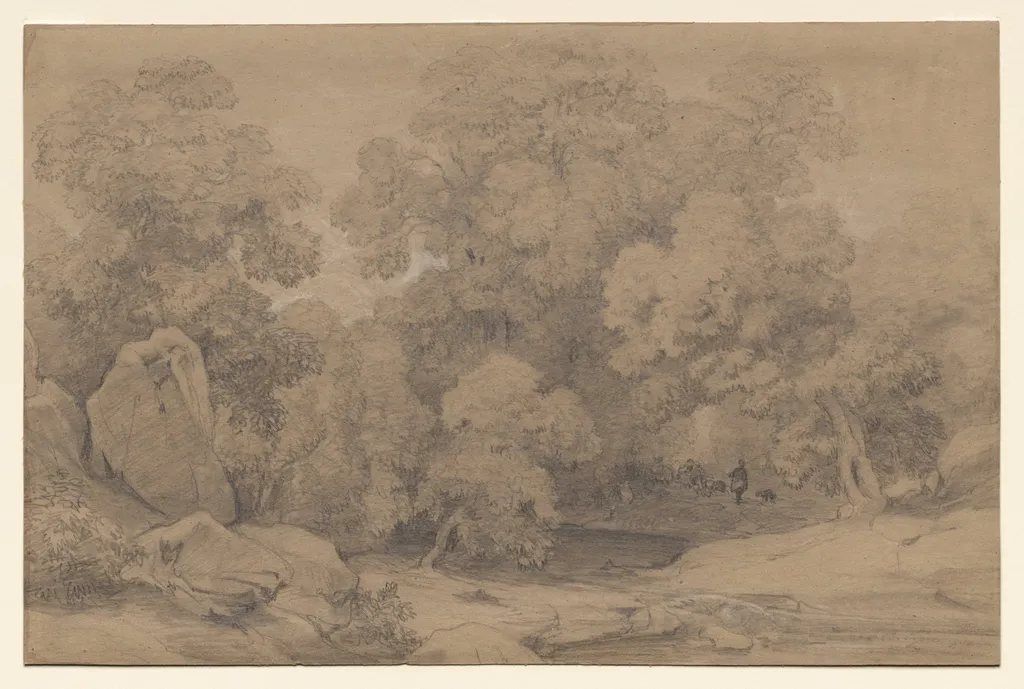
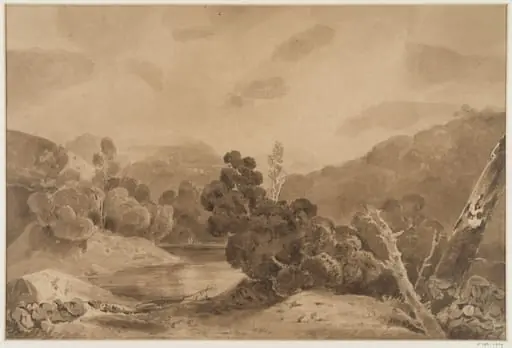
Landscape is a drawing by James Baker Pyne. It dates from 1845 and is held in the collection of the Cleveland Museum of Art.
About this work
Overview
Created around 1845, this drawing by James Baker Pyne is a quiet, atmospheric landscape executed in pencil and watercolor. It reflects the artist’s transition from the Bristol School’s dramatic tone to the luminous, atmospheric approach of J. M. W. Turner. The work is part of the permanent collection at The Cleveland Museum of Art, where it exemplifies mid-19th-century British landscape drawing.
Subject & Meaning
The scene presents a tranquil natural setting with dense foliage, weathered rocks, and a distant body of water. No human figures or structures appear, emphasizing nature’s quiet persistence. The composition invites contemplation rather than narrative, aligning with Romantic-era ideals that valued solitude and the sublime in the natural world.
Technique & Style
Pyne employed layered washes of watercolor to model form and suggest depth, with subtle gradations in greens and earth tones. Delicate pencil lines define tree trunks and rock contours, while the sky is rendered with soft, pale blue washes and faint cloud strokes. The technique evokes atmospheric perspective, a hallmark of Turner’s influence, enhancing the sense of spatial recession.
History & Provenance
The drawing was produced during Pyne’s mature period, after his early association with the Bristol School. It entered The Cleveland Museum of Art’s collection through documented acquisition, though its immediate provenance prior to museum ownership remains unrecorded in public sources. Its preservation reflects sustained interest in lesser-known 19th-century British draftsmen.
Context
In the 1840s, British landscape art was shifting from topographical precision toward emotional resonance. Pyne’s work aligns with this trend, absorbing Turner’s emphasis on light and mood over detail. While not part of the Royal Academy’s mainstream, artists like Pyne contributed to a broader movement that valued personal observation and atmospheric effect in landscape.
Legacy
Though Pyne is not widely remembered today, this drawing illustrates the permeable boundaries between regional schools and dominant figures like Turner. It stands as a quiet testament to the evolving practice of landscape drawing in Victorian England, where technical restraint and tonal harmony held equal weight to grandeur.
Artist & collection
Artist
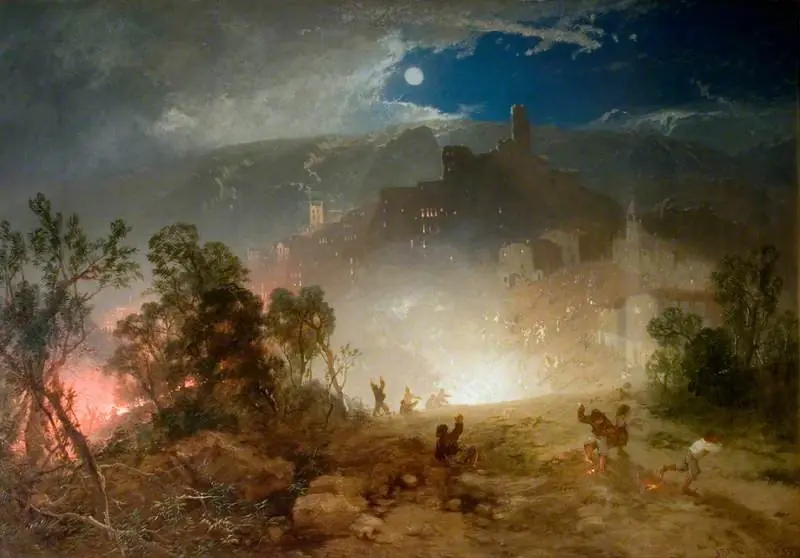
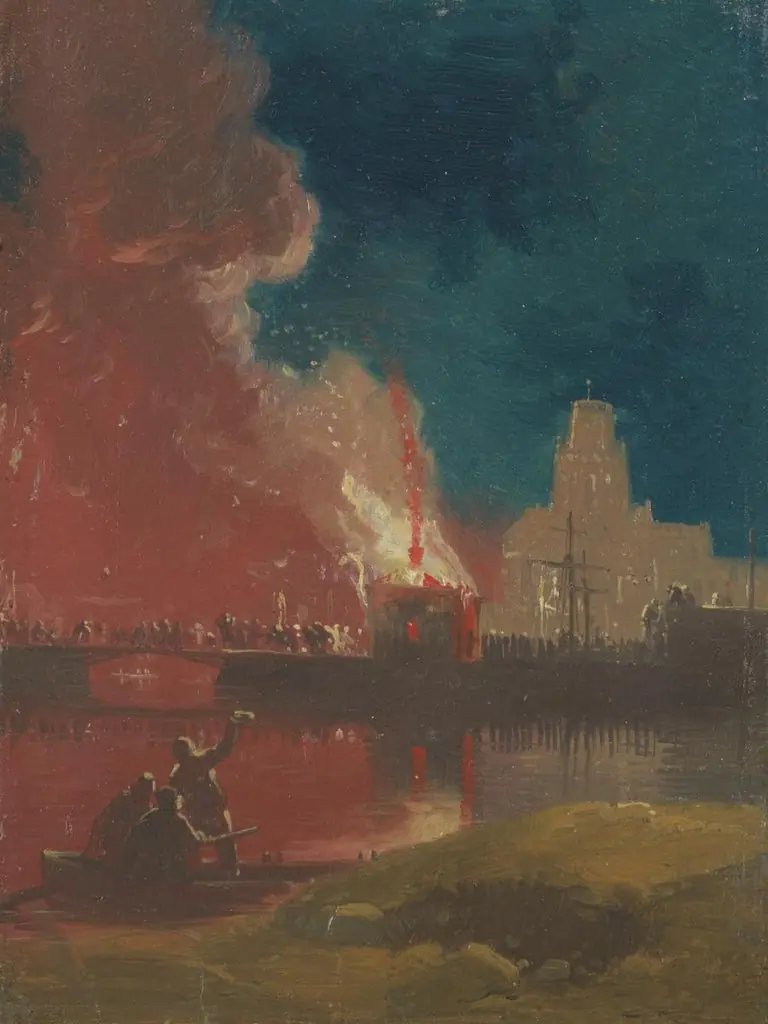
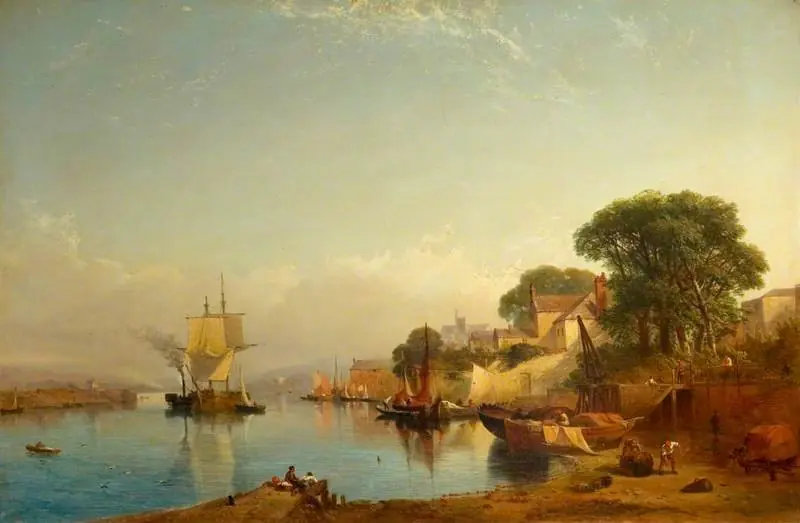
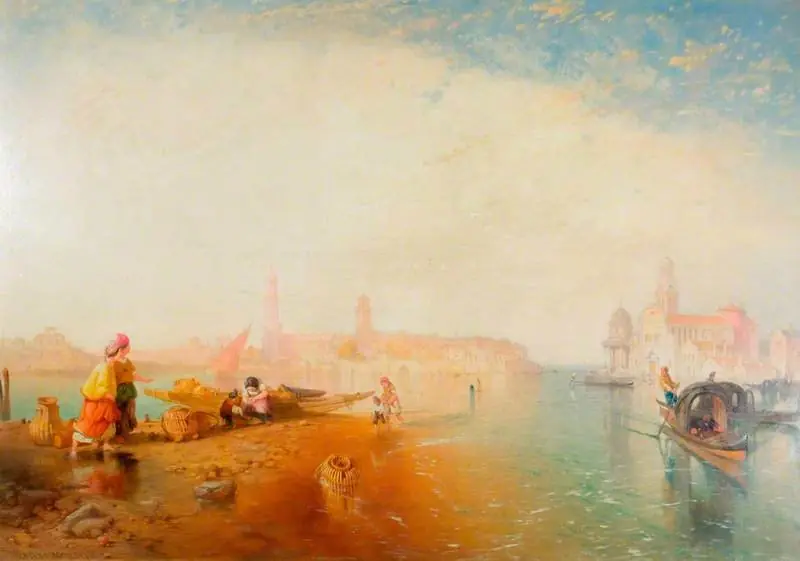
James Baker Pyne (5 December 1800 – 29 July 1870) was an English landscape painter who became a successful follower of Turner, after having been in his earlier years a member of the Bristol School of artists and a follower of Francis Danby.

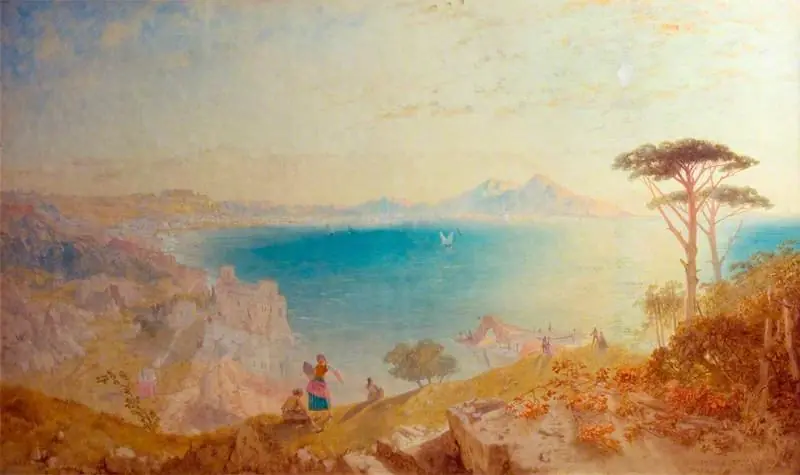
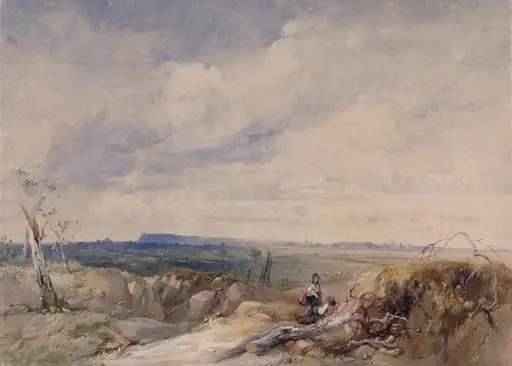
 River scene with a temple or palace in the clouds
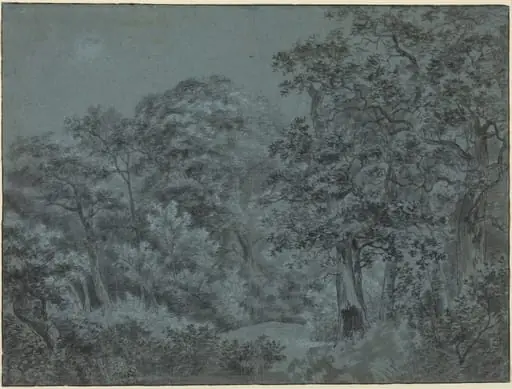 In the Hague Woods
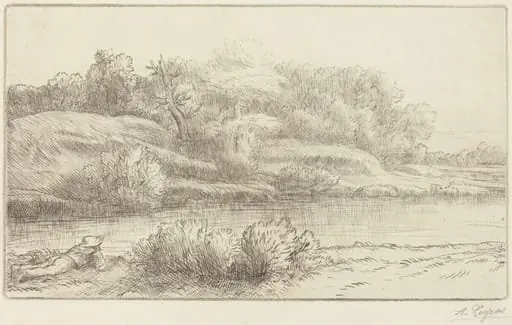 Banks of the Venelle (Bord de la Venelle)
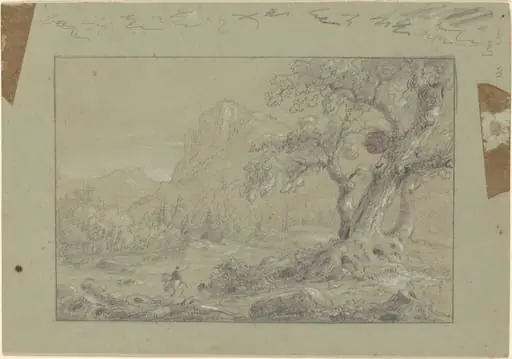 Study for "The Mountain Ford"
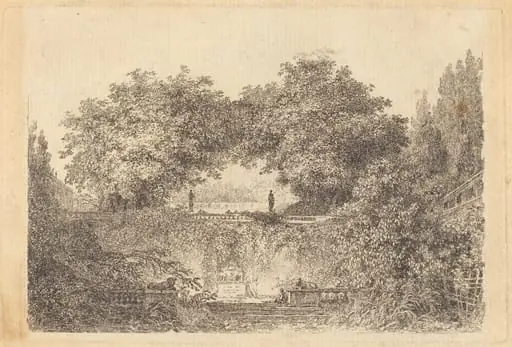 Le Petit Parc
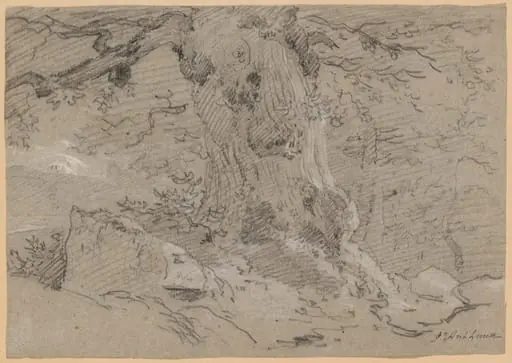 Study of Old Tree Trunk
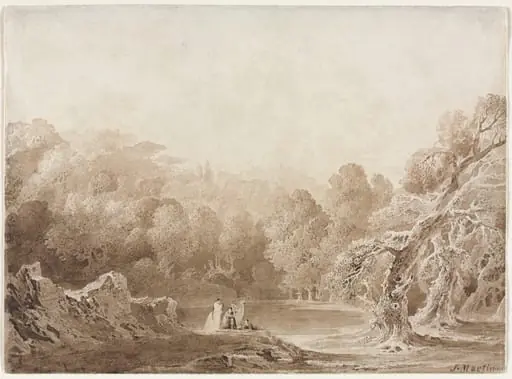 A Man Playing a Harp with other Figures beside a Lake
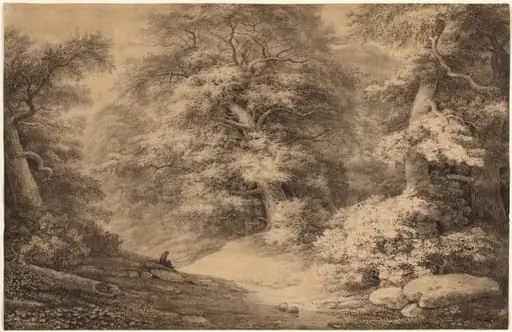 A Beech Wood with a Resting Traveler
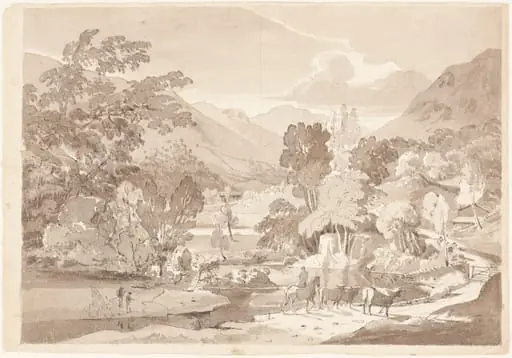 A Mountainous Landscape
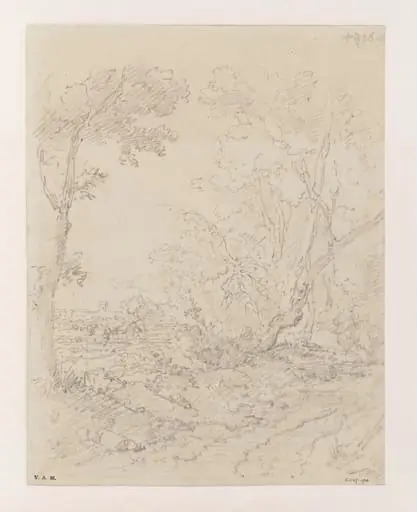 The buildings of Macau seen across fields from a tree-lined lane
 The Big Trees
 Trees by the River at Castle Bromwich