Artwork
Landscape
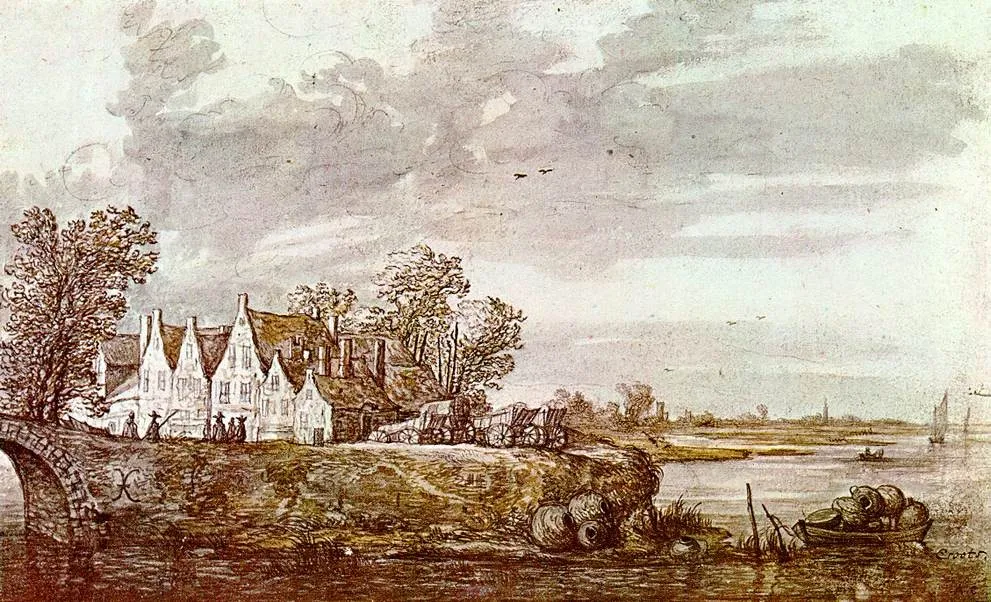
Landscape is a watercolor painting by Aelbert Cuyp. It dates from 1640 and is held in the collection of the Hermitage Museum.
About this work
Overview
Executed in a medium less common for his large-scale works, the piece reflects Cuyp’s enduring interest in natural light and quiet rural scenes.
Created in 1640, this watercolor landscape is attributed to Aelbert Cuyp, a prominent Dutch artist of the 17th century. Executed in a medium less common for his large-scale works, the piece reflects Cuyp’s enduring interest in natural light and quiet rural scenes. It is currently held in the State Hermitage Museum, where it contributes to the collection of Dutch Golden Age drawings and watercolors.
Subject & Meaning
The composition presents a tranquil Dutch countryside with a prominent tree on the left, distant buildings, and a calm body of water in the foreground. Scattered containers suggest human activity without disrupting the stillness. The scene evokes a moment of pause, emphasizing harmony between land, water, and sky rather than narrative or symbolism. Its quietude aligns with contemporary Dutch values of domestic serenity and observation of the natural world.
Technique & Style
Cuyp employed watercolor to achieve a delicate, translucent effect, allowing the paper’s texture to subtly influence the tonal gradations. Soft washes of ochre, gray, and pale green model the sky and water, while minimal ink outlines define forms. The technique enhances the atmospheric quality, with light diffused through clouds and reflected on the water’s surface, creating depth without heavy detail or sharp edges.
History & Provenance
The painting entered the collection of the State Hermitage Museum in the 19th century, likely as part of broader acquisitions of Dutch art during that period. While its exact provenance before museum acquisition remains undocumented, its attribution to Cuyp is supported by stylistic parallels with his known watercolor studies. It is not among his most widely exhibited works, but it reflects his broader practice beyond oil painting.
Context
In mid-17th century Holland, landscape painting flourished as a distinct genre, valued for its truthful representation of local environments. Watercolor was often used for preparatory sketches, but Cuyp and a few contemporaries elevated it to finished works. This piece aligns with a growing appreciation for intimate, light-sensitive depictions of the Dutch countryside, distinct from grand historical or mythological themes.
Legacy
Though Cuyp is primarily remembered for his oil paintings, this watercolor demonstrates his versatility and sensitivity to light in a more immediate medium. It contributes to the understanding of how Dutch artists explored naturalism beyond large canvases. Today, it stands as a quiet example of how everyday scenery could be rendered with poetic restraint, influencing later generations of landscape artists in both technique and tone.
Artist & collection
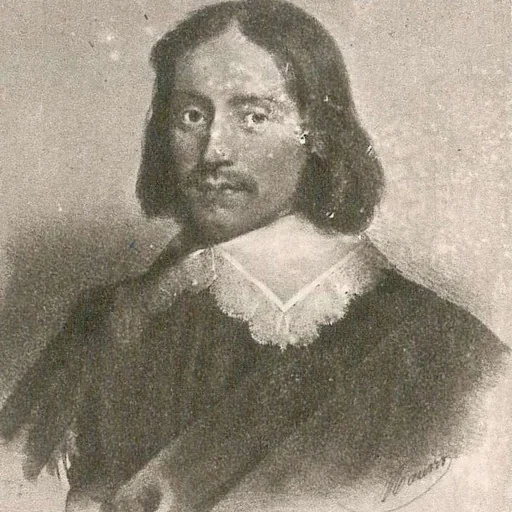
Artist
Aelbert Jacobszoon Cuyp or Cuijp (Dutch pronunciation: ; 20 October 1620 – 15 November 1691) was one of the leading Dutch Golden Age painters, producing mainly landscapes.

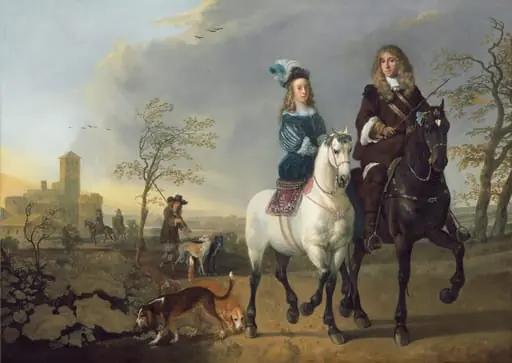 Lady and Gentleman on Horseback
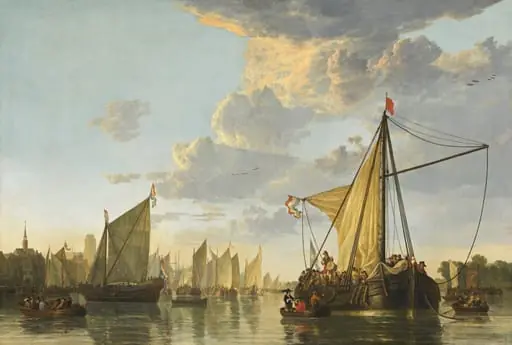 The Maas at Dordrecht
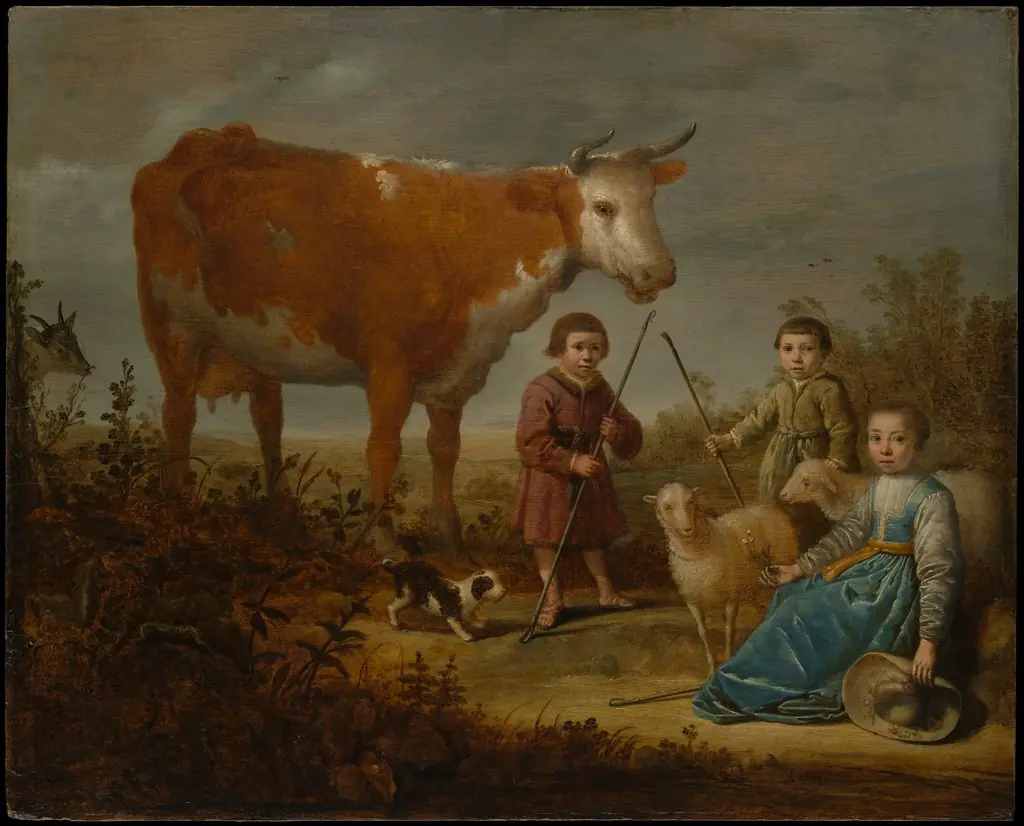 Children and a Cow
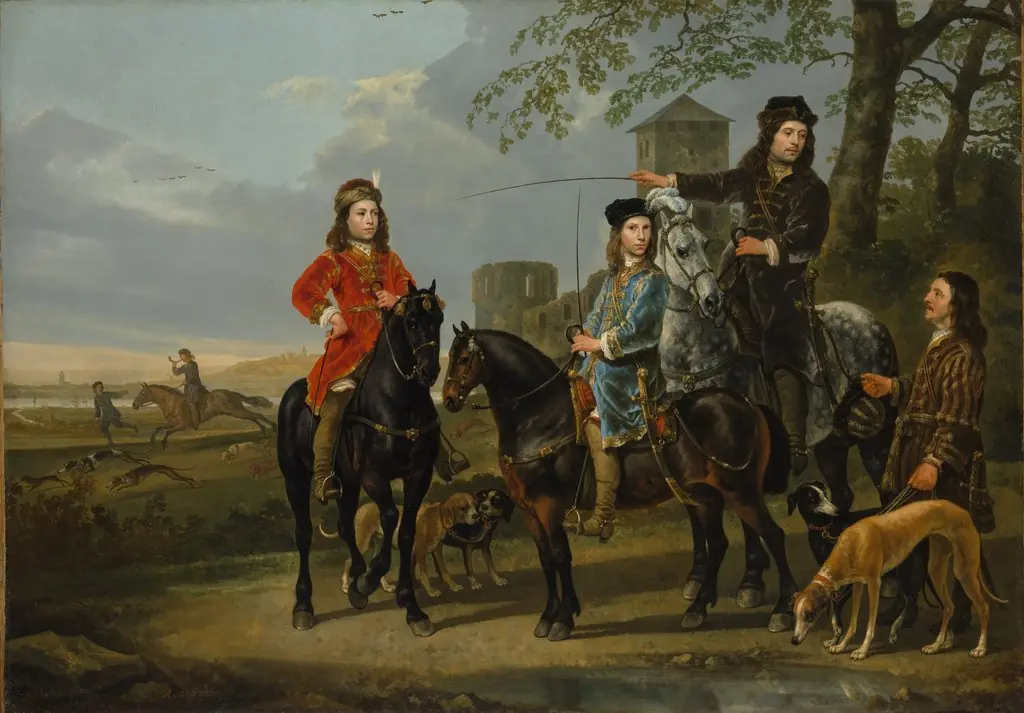 Equestrian Portrait of Cornelis (1639–1680) and Michiel Pompe van Meerdervoort (1638–1653) with Their Tutor and Coachman ("Starting for the Hunt")
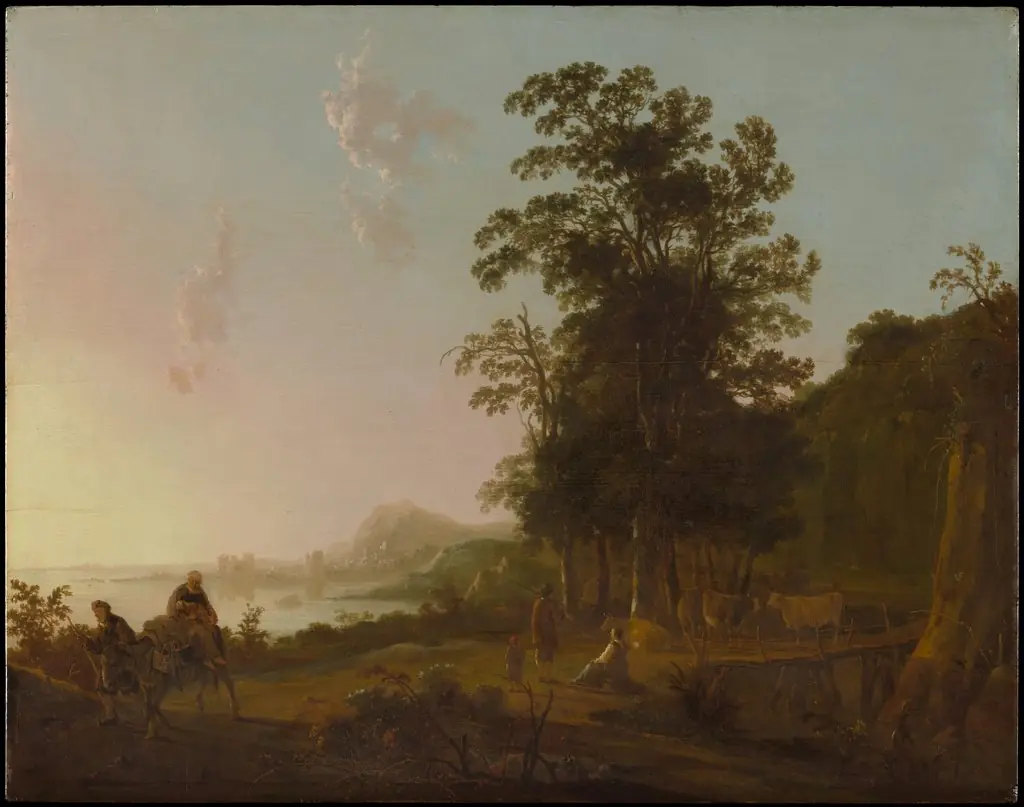 Landscape with the Flight into Egypt
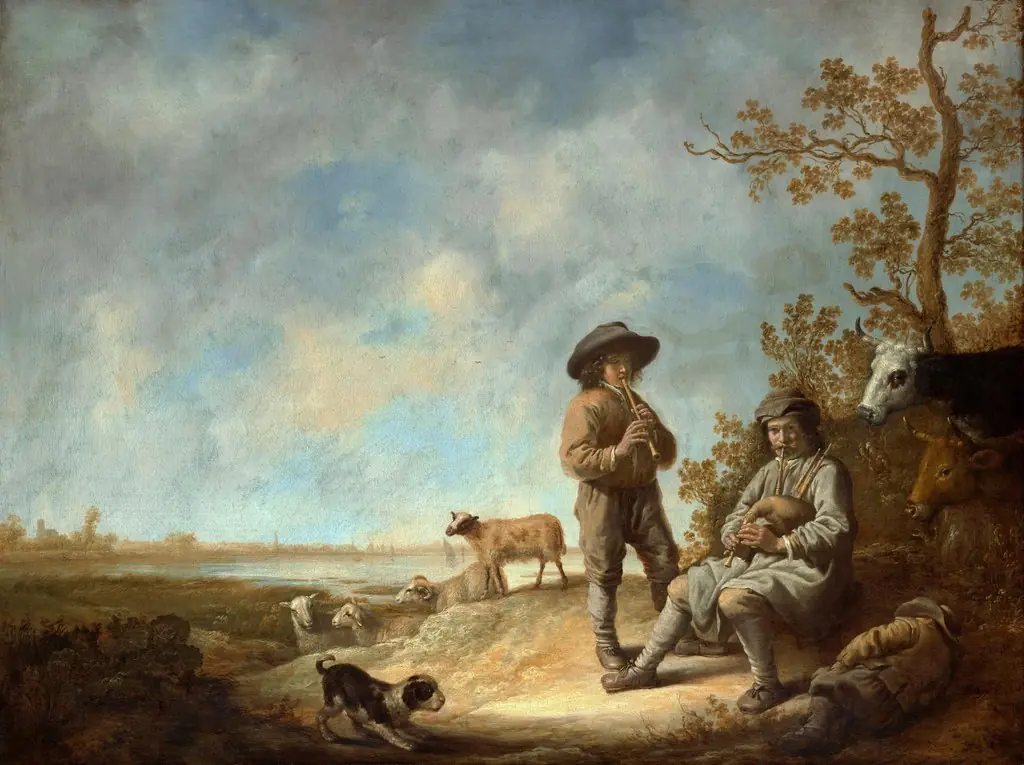 Piping Shepherds
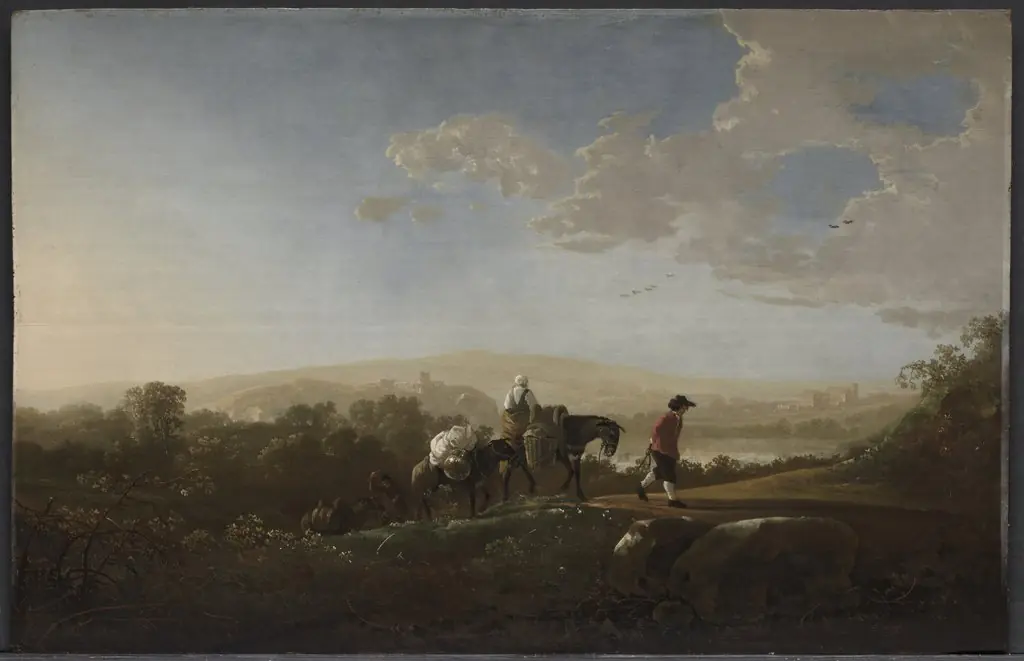 Travellers in Hilly Countryside
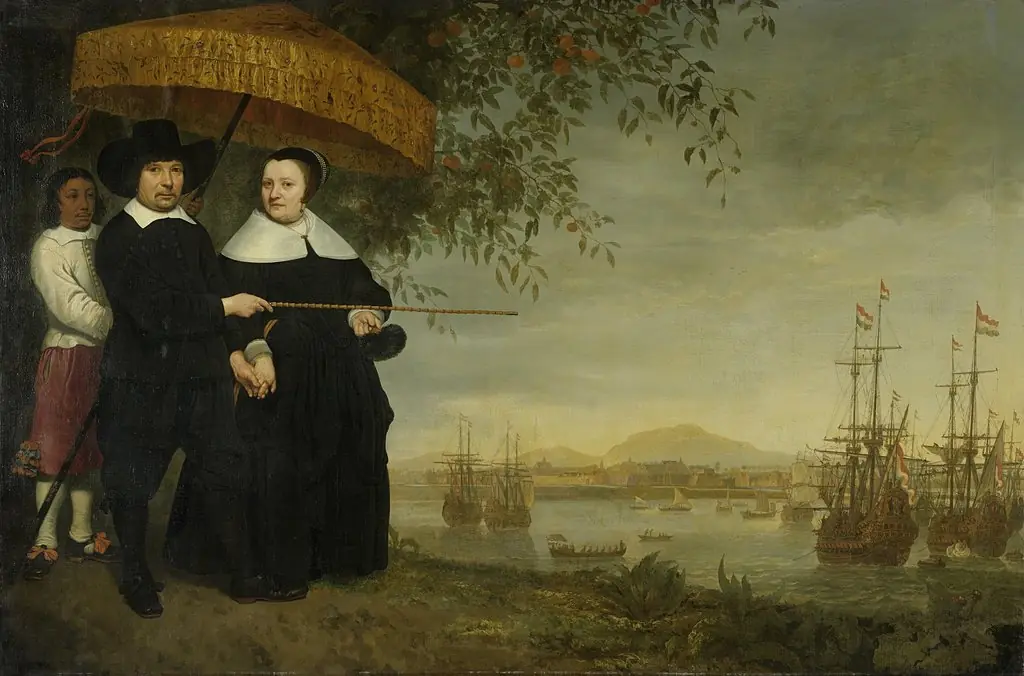 A Chief Merchant of the VOC with his Wife and an Enslaved Servant
 Rassdorfs papirværk mellem Preetz og Plön i Holsten
 Rassdorfs papirværk mellem Preetz og Plön i Holsten
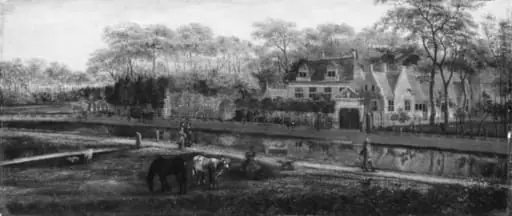 View of the Country House Oversteen
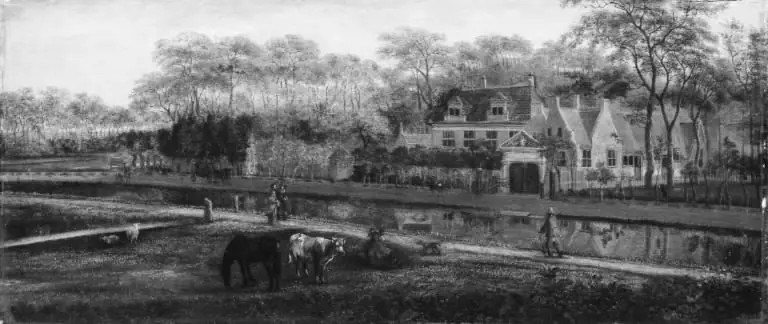 View of the Country House Oversteen
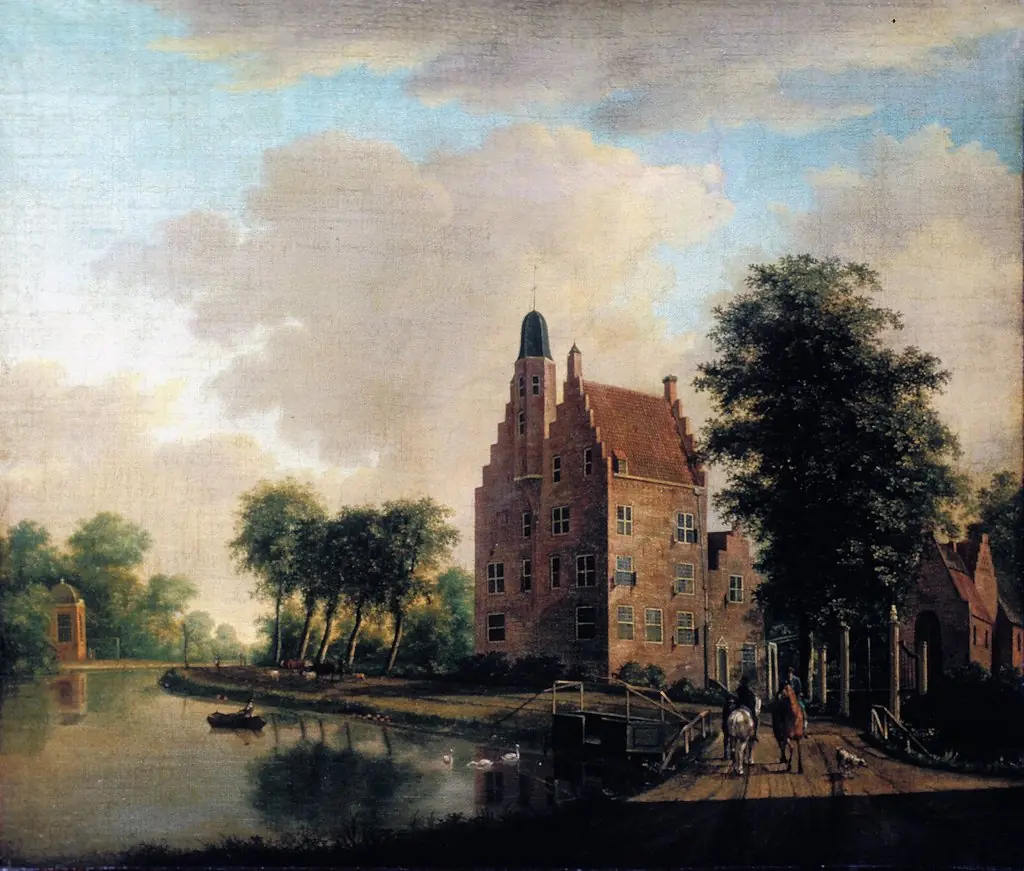 Huis Oudaen, Near Breukelen
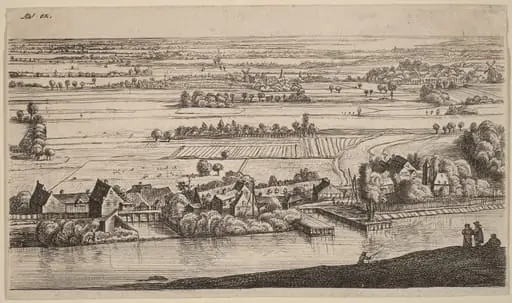 Village beside a Canal
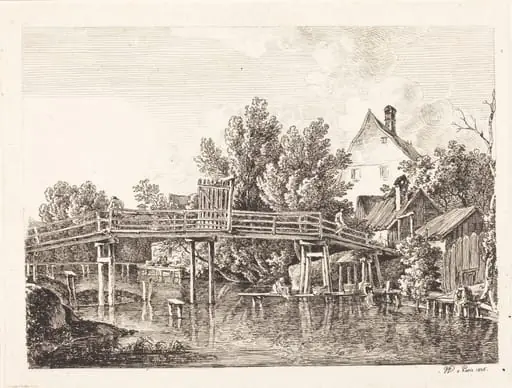 Der kleine Isarsteg
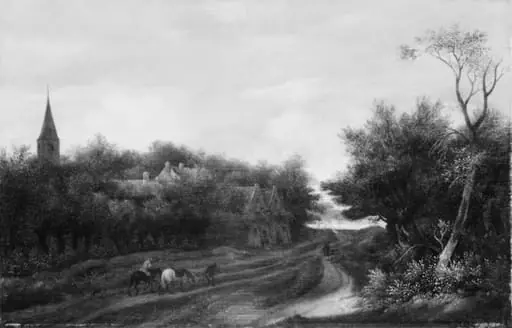 Road near Village
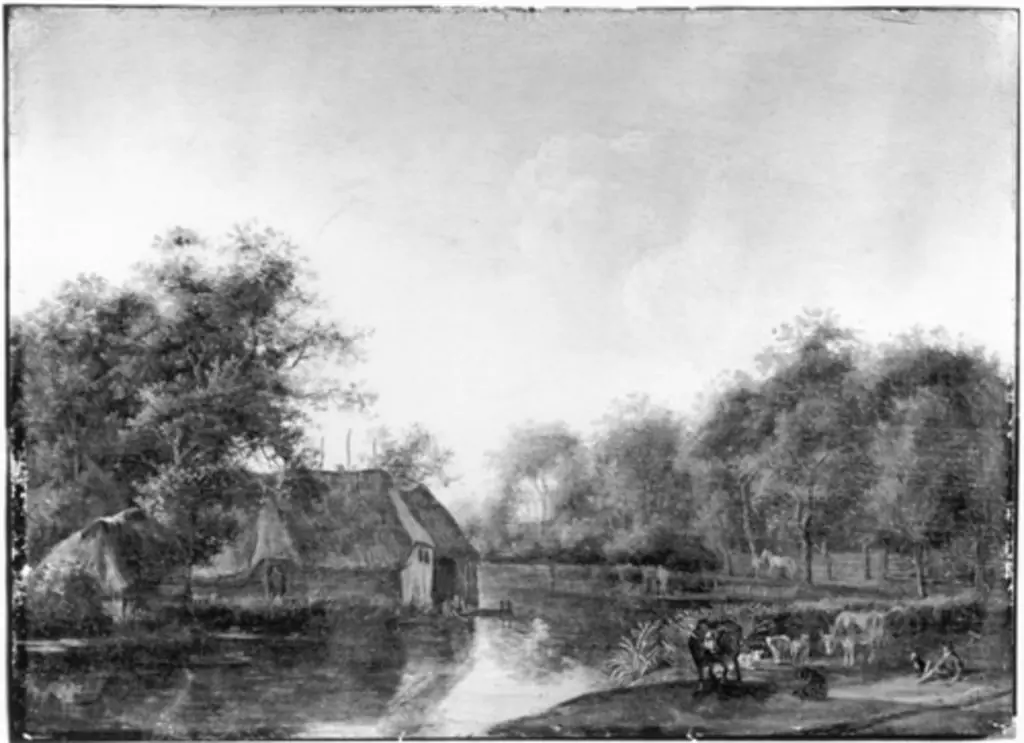 Flusslandschaft mit Hütten und Vieh
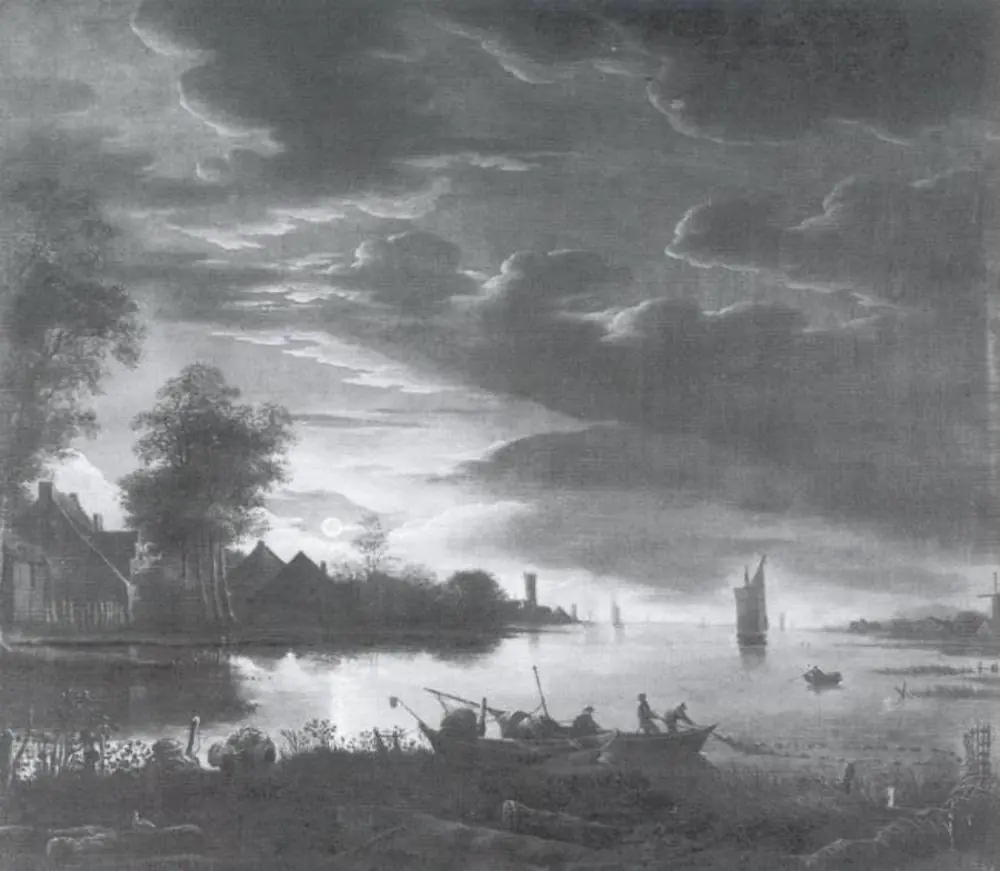 Moonlight Landscape with Seine-fishing
 The Pond
 Farm near a Village