Artwork
Landscape with the Ruins of Rijnsburg Abbey, near Leiden
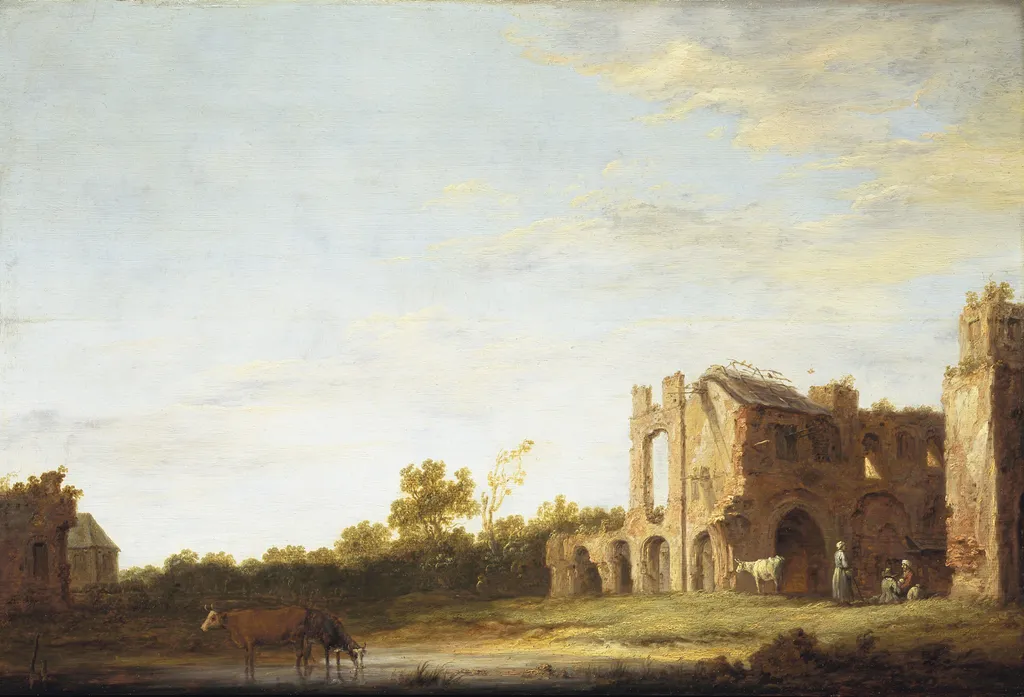
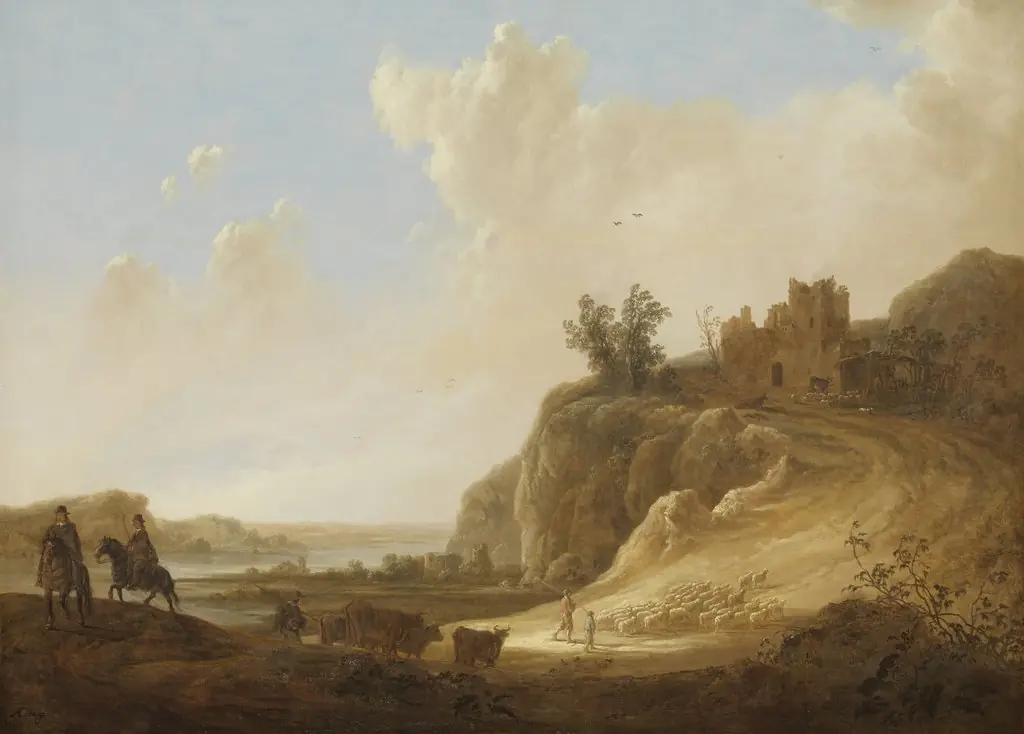
Landscape with the Ruins of Rijnsburg Abbey, near Leiden is an oil painting by the Dutch Golden Age artist Aelbert Cuyp. It dates from 1640 and is held in the collection of the Mauritshuis.
About this work
Overview
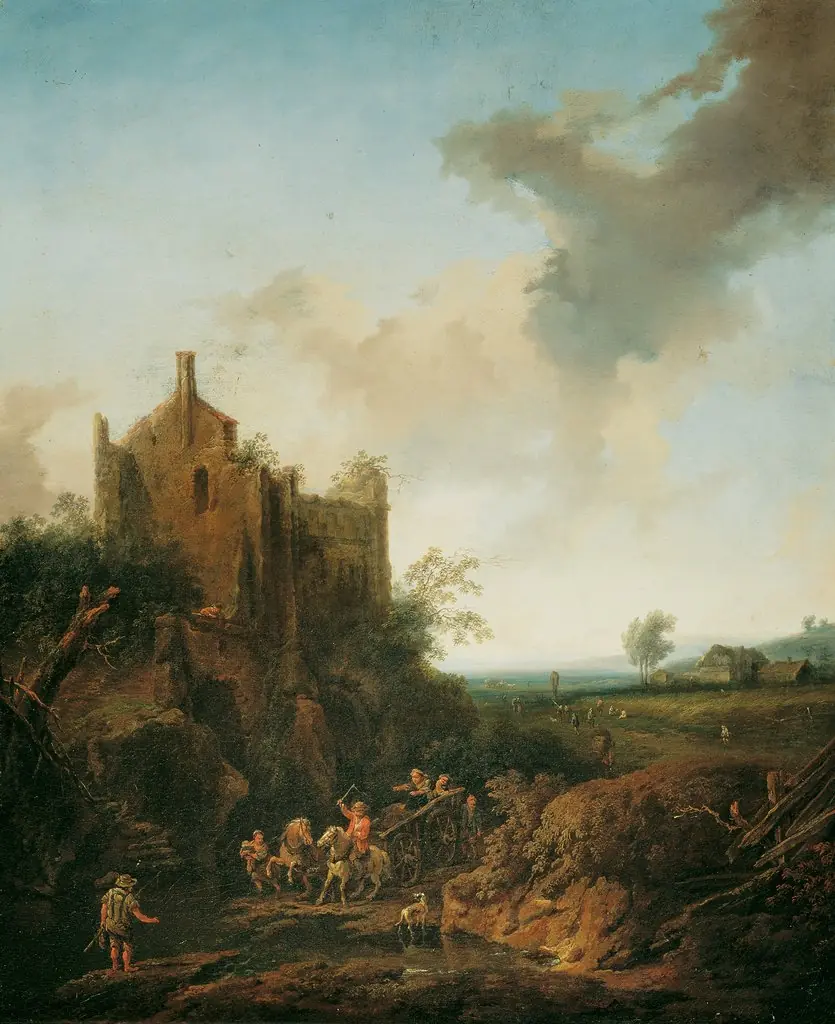
Painted in 1640 by Aelbert Cuyp, this oil on canvas depicts the quiet ruins of Rijnsburg Abbey nestled within the flat Dutch countryside near Leiden.
Painted in 1640 by Aelbert Cuyp, this oil on canvas depicts the quiet ruins of Rijnsburg Abbey nestled within the flat Dutch countryside near Leiden. The scene is framed by gentle hills, scattered trees, and a still body of water, all rendered with a subdued tonality that reflects the calm of the rural landscape. Cuyp, trained in his father’s workshop in Dordrecht, was among the Dutch painters who elevated everyday scenery into meditative compositions.
Subject & Meaning
The ruins of the former Cistercian abbey, dissolved during the Reformation, stand as silent witnesses to religious and political change. Their presence is not dramatic but contemplative, integrated into a pastoral setting where cows graze and a woman and child rest. The absence of human activity beyond them suggests a quiet acceptance of time’s passage, aligning the image with Dutch ideals of harmony between nature and human habitation.
Technique & Style
Cuyp employed a restrained palette of earthy browns, soft greens, and pale blues to unify the composition. Light filters diffusely through the sky, casting subtle gradients that model forms without harsh contrasts. The brushwork is smooth and deliberate, with careful attention to atmospheric perspective—distant elements softened, foreground details more defined—to create depth without theatricality.
History & Provenance
The painting entered the collection of the Mauritshuis in The Hague, where it has remained since the 19th century. Its early ownership is undocumented, but its preservation reflects its recognition among collectors of Dutch landscape painting. Unlike more dramatic historical works, its quiet appeal likely contributed to its endurance in private and institutional hands over centuries.
Context
In mid-17th century Holland, landscape painting flourished as a reflection of national identity and civic pride. Ruins like Rijnsburg Abbey, once Catholic monastic sites, were repurposed in art as symbols of stability rather than loss. Cuyp’s approach, avoiding narrative or moralizing, aligned with a broader trend toward serene, observational realism in Dutch art.
Legacy
This work exemplifies Cuyp’s contribution to the Dutch landscape tradition: understated, luminous, and deeply attuned to natural light. While less celebrated than his later river scenes, this early piece reveals his developing mastery of atmosphere and composition. It influenced contemporaries and later painters who sought to capture the quiet dignity of the Dutch countryside.
Own this work as a print
Artist & collection
Artist
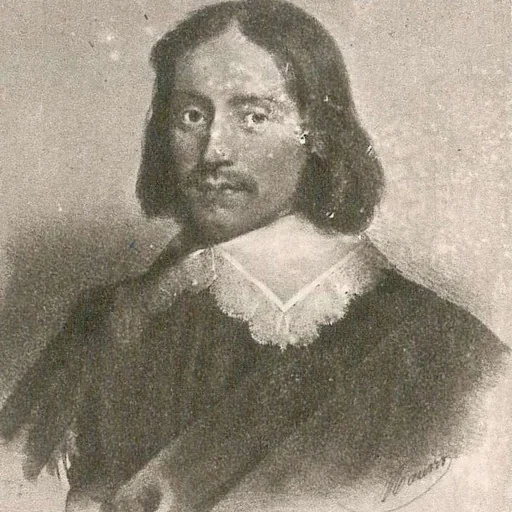
Aelbert Jacobszoon Cuyp or Cuijp (Dutch pronunciation: ; 20 October 1620 – 15 November 1691) was one of the leading Dutch Golden Age painters, producing mainly landscapes.

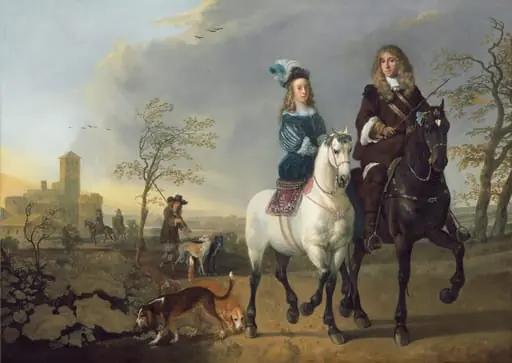 Lady and Gentleman on Horseback
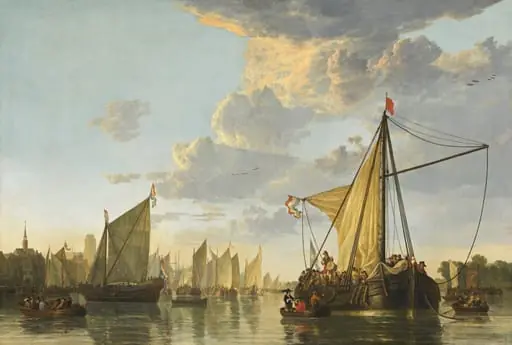 The Maas at Dordrecht
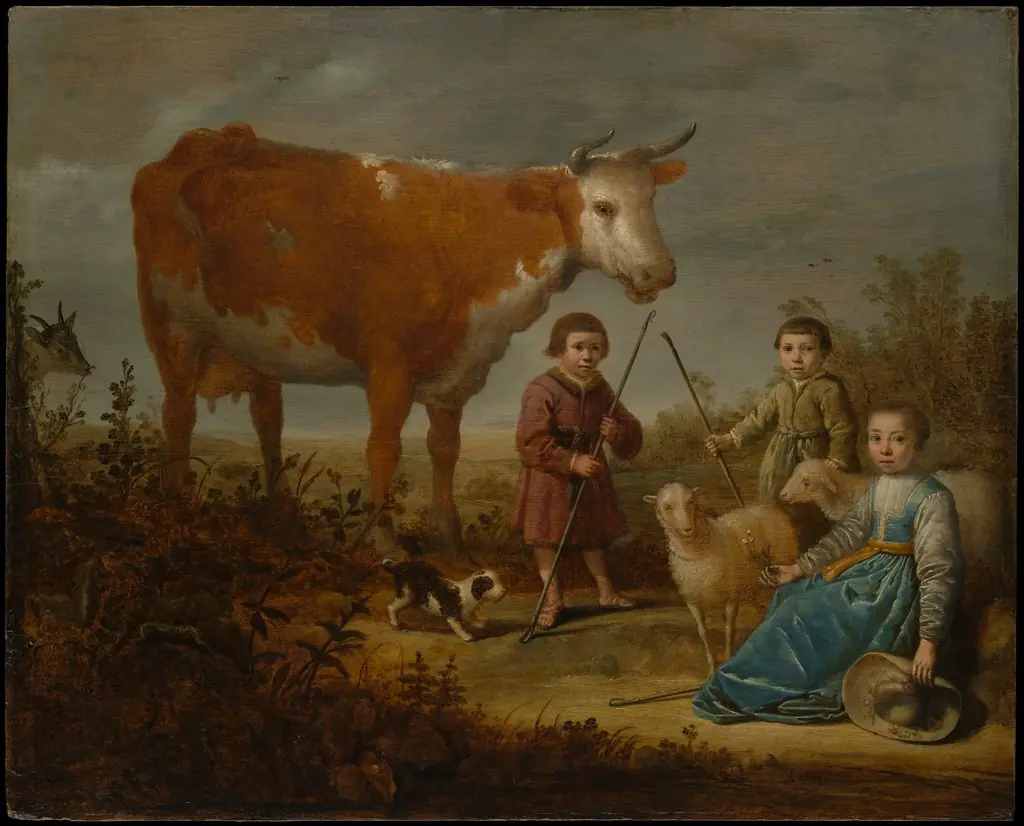 Children and a Cow
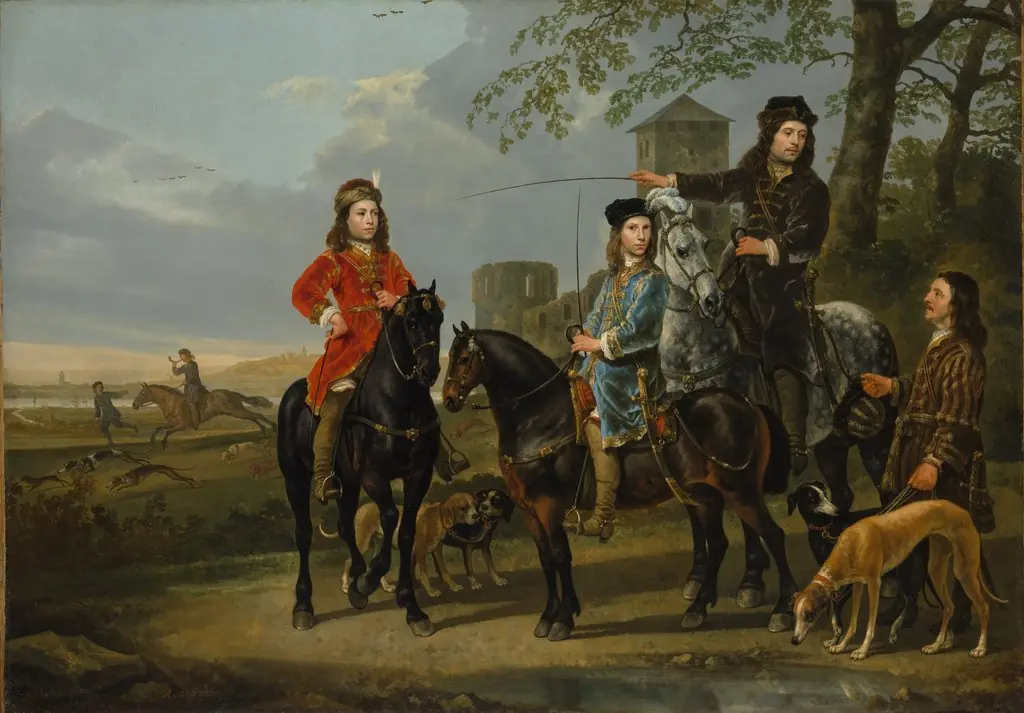 Equestrian Portrait of Cornelis (1639–1680) and Michiel Pompe van Meerdervoort (1638–1653) with Their Tutor and Coachman ("Starting for the Hunt")
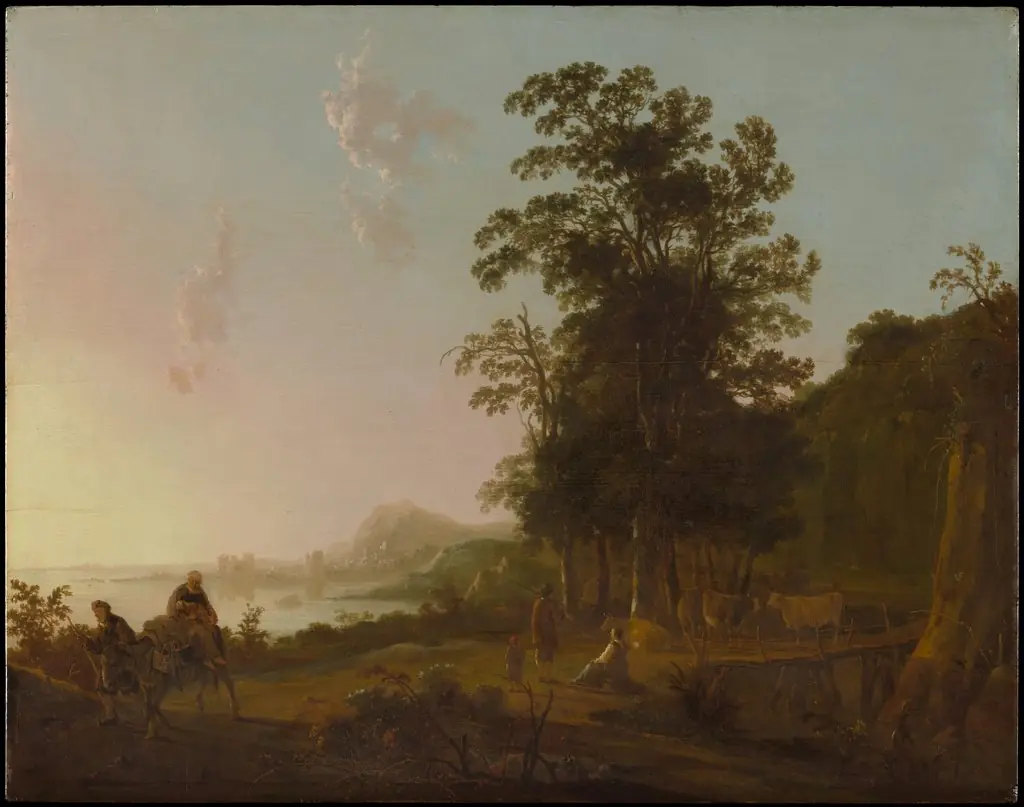 Landscape with the Flight into Egypt
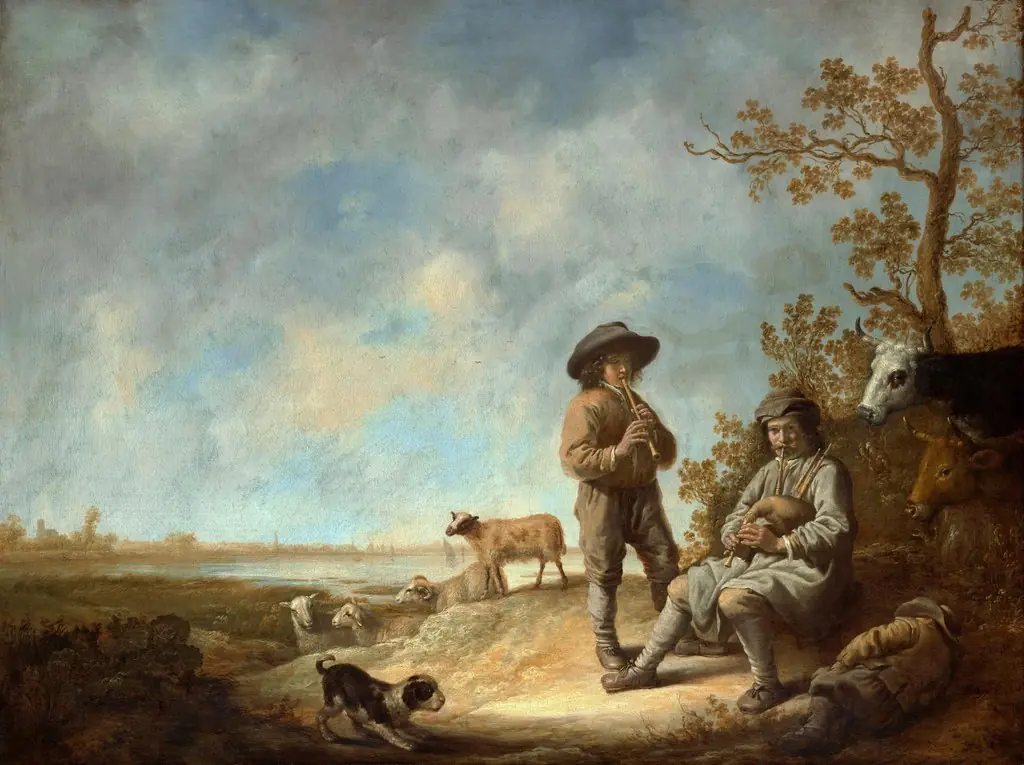 Piping Shepherds
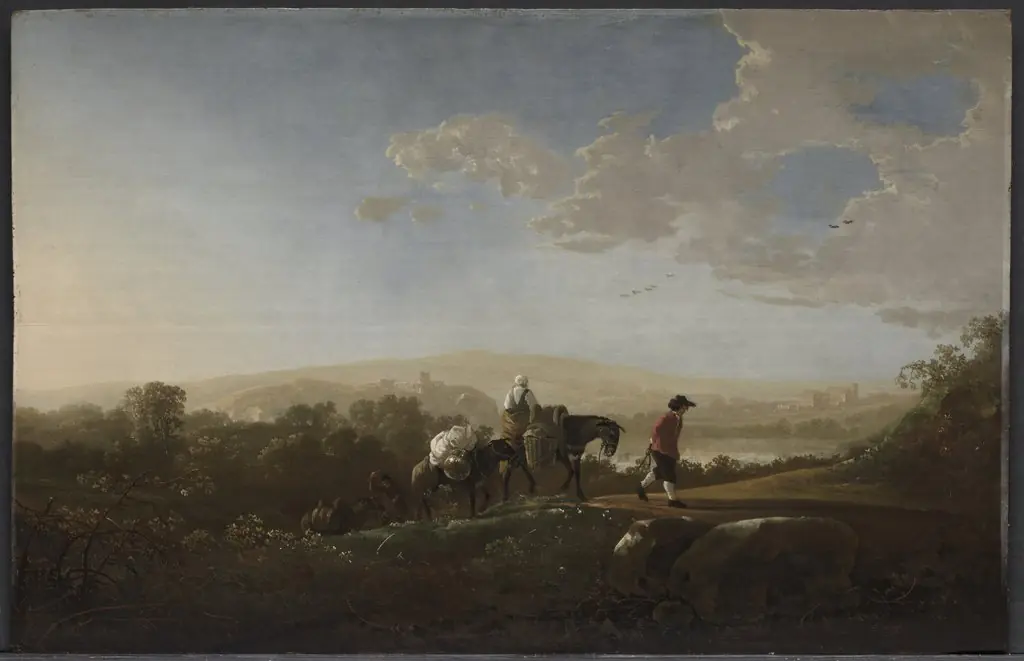 Travellers in Hilly Countryside
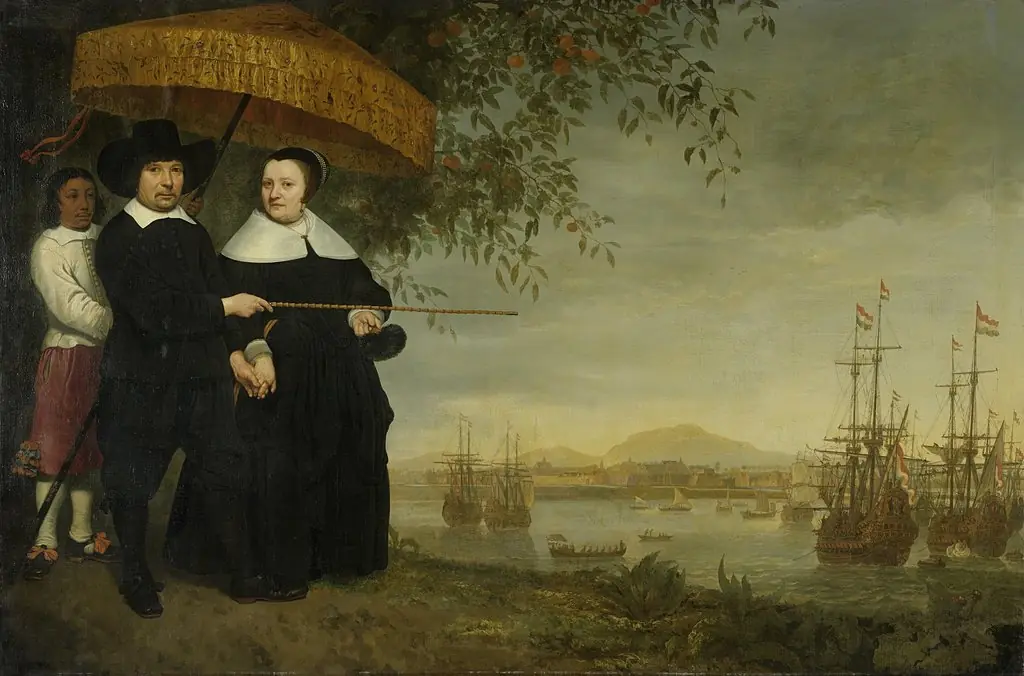 A Chief Merchant of the VOC with his Wife and an Enslaved Servant