Artwork
Martín Antonio Álvarez de Sotomayor y Soto-Flores, Count of Colomera
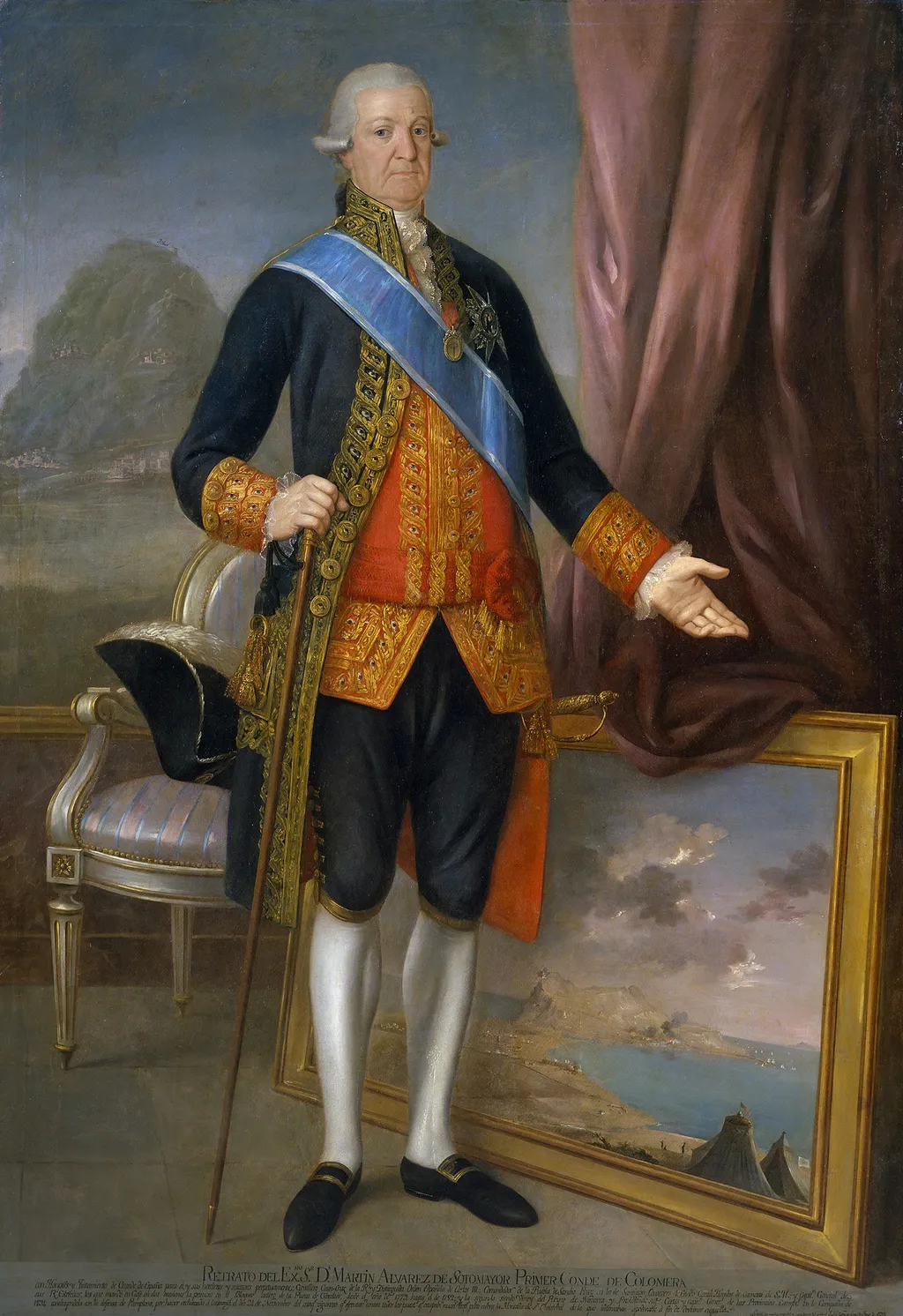
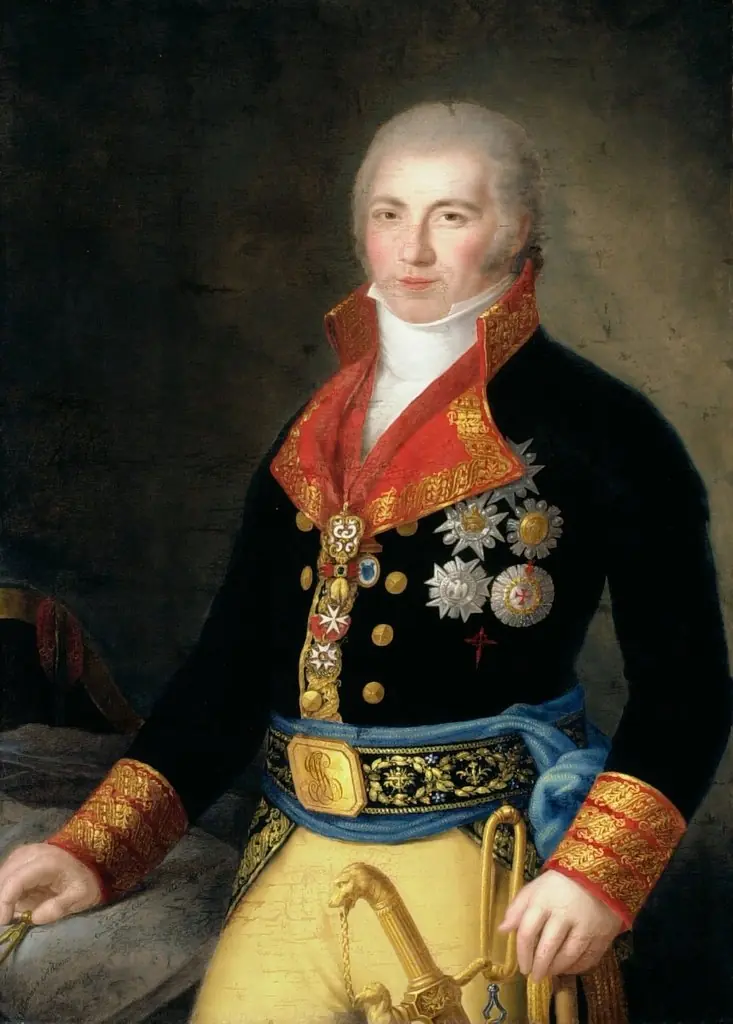
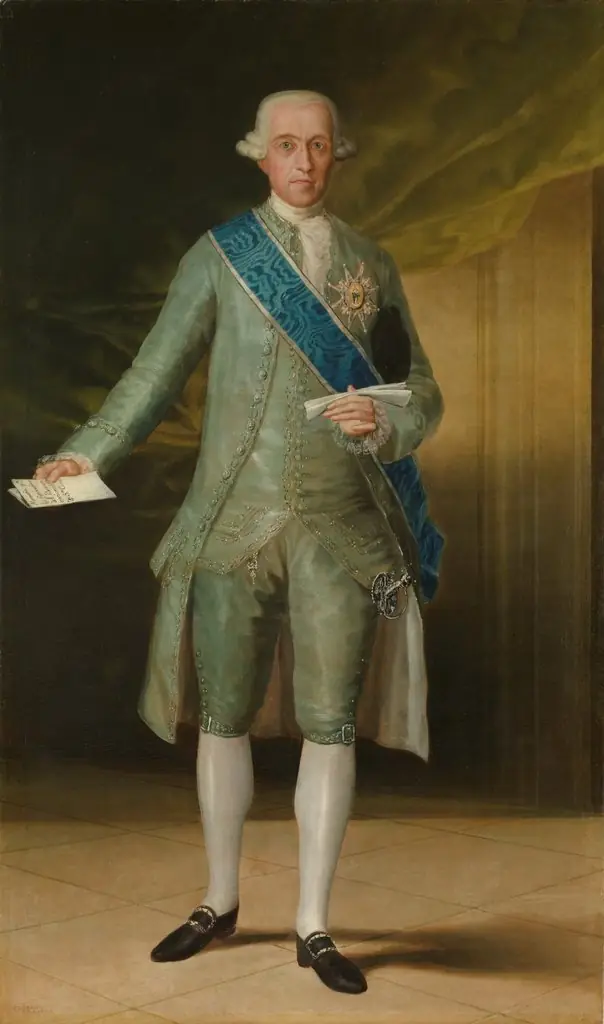
Martín Antonio Álvarez de Sotomayor y Soto-Flores, Count of Colomera is an oil painting by Agustín Esteve. It dates from 1800 and is held in the collection of the Museo del Prado.
About this work
Overview
This oil portrait, completed in 1800 by Agustín Esteve, depicts Martín Antonio Álvarez de Sotomayor y Soto-Flores, Count of Colomera. It is part of the collection at the Museo del Prado in Madrid. The painting presents the nobleman in full ceremonial dress, positioned before a distant landscape, conveying status through composition and detail rather than overt symbolism.
Subject & Meaning
His extended left hand, palm upward, suggests a gesture of authority or readiness to act, while the cane in his right hand reinforces his dignified composure.
The Count of Colomera is portrayed as a man of aristocratic bearing, his posture and attire signaling his rank and refinement. His extended left hand, palm upward, suggests a gesture of authority or readiness to act, while the cane in his right hand reinforces his dignified composure. The inclusion of a landscape behind him implies connection to land and lineage, common in portraits of Spanish nobility of the era.
Technique & Style
Esteve employs a restrained palette dominated by deep blues and rich reds, accented by gold embroidery that catches the light with subtle precision. The rendering of fabric textures—silk, velvet, and lace—is meticulous, while the background landscape is rendered with softer focus, drawing attention to the figure. Light falls deliberately across the figure’s form, enhancing volume without dramatic contrast.
History & Provenance
The painting entered the Museo del Prado’s collection in the 19th century, likely through royal or state acquisition. It was painted during Esteve’s tenure as court painter to Ferdinand VII, a period when portraiture served both personal and political functions. The work reflects the continuity of Spanish aristocratic representation following the Enlightenment’s influence on courtly aesthetics.
Context
In early 19th-century Spain, portraiture remained a tool for affirming social hierarchy. Esteve, trained in the tradition of Goya but less theatrical, favored clarity and restraint. This portrait aligns with a broader trend among Spanish elites to project dignity through understated luxury, contrasting with the flamboyance of earlier Baroque styles while retaining symbolic elements of power.
Legacy
Though not among Esteve’s most widely recognized works, the portrait exemplifies his skill in capturing aristocratic presence without melodrama. It contributes to the understanding of how Spanish nobility adapted visual language during a period of political transition. The painting remains a quiet testament to the enduring role of portraiture in preserving social identity.
Artist & collection

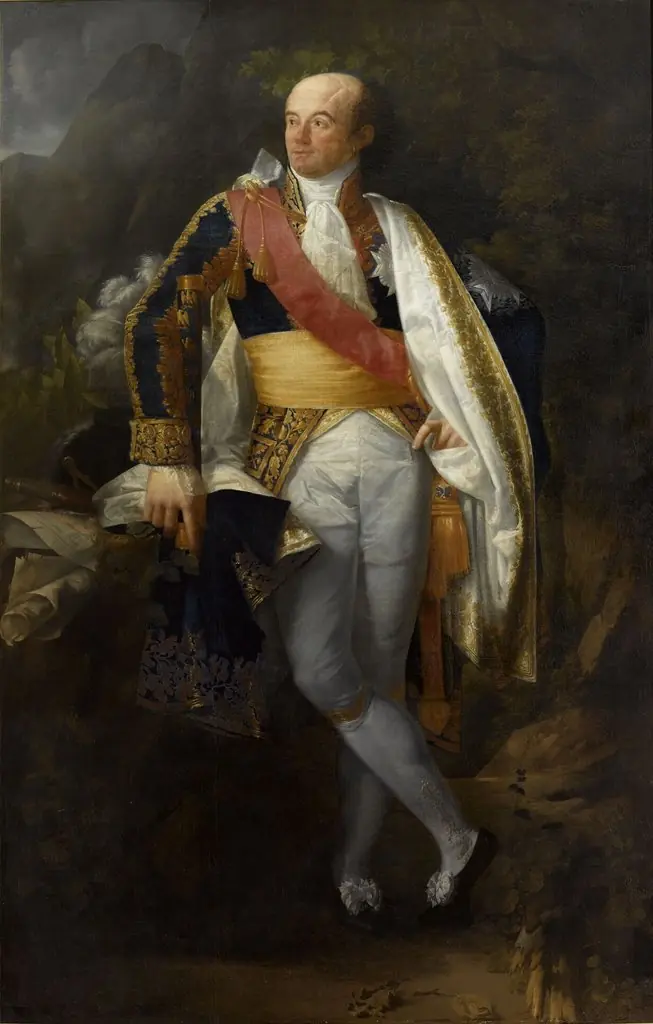 Dominique-Catherine, marquis Pérignon, maréchal de France (1754-1818)
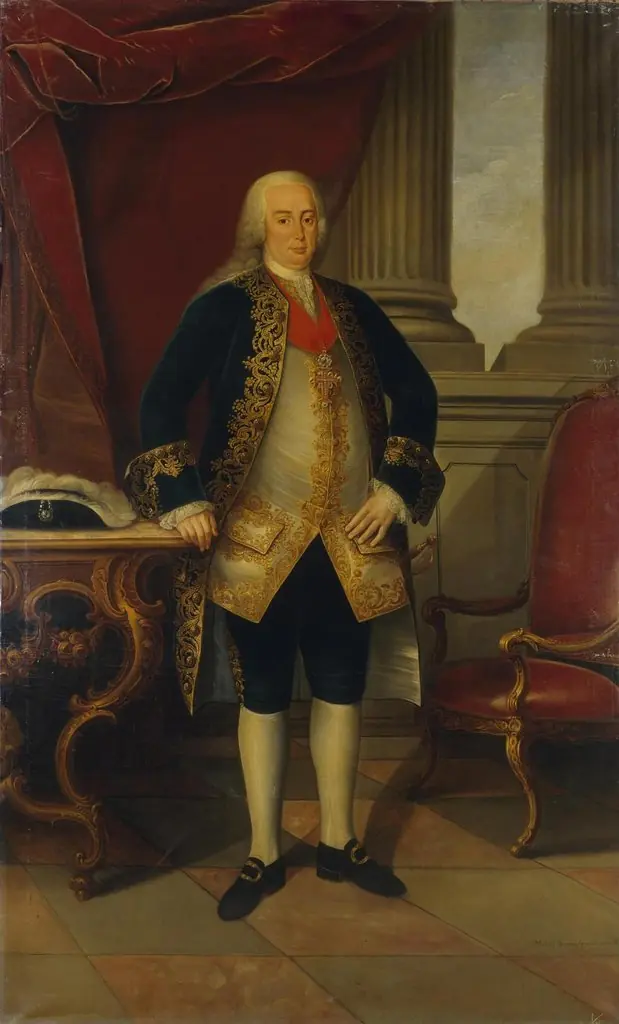 Portrait of Pedro, Prince of Brazil (1717-1786)
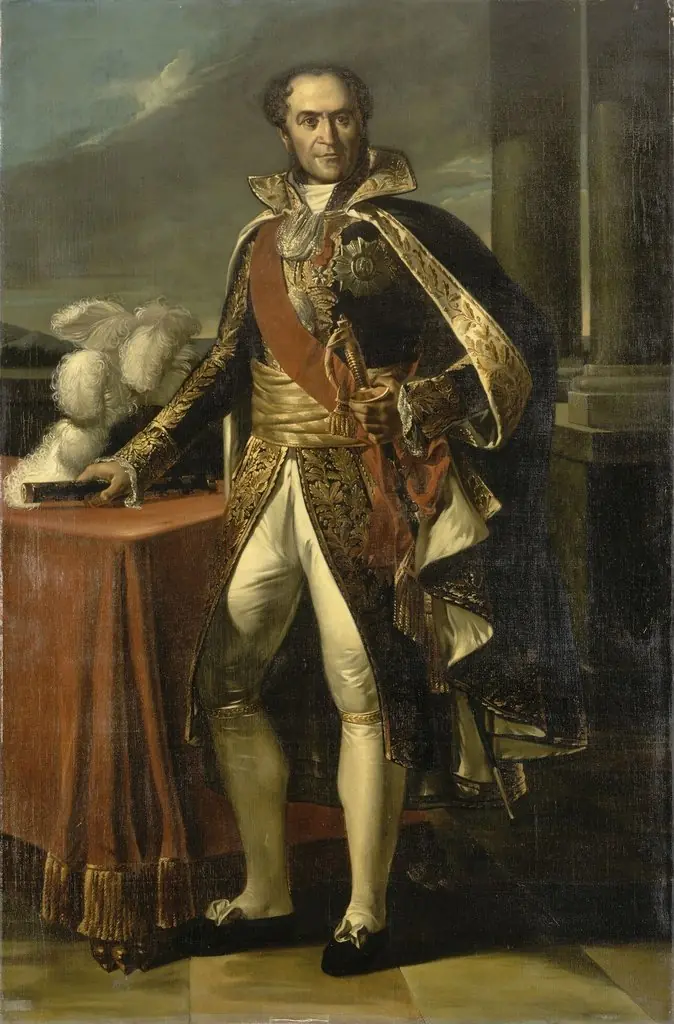 Guillaume-Marie-Anne, maréchal Brune
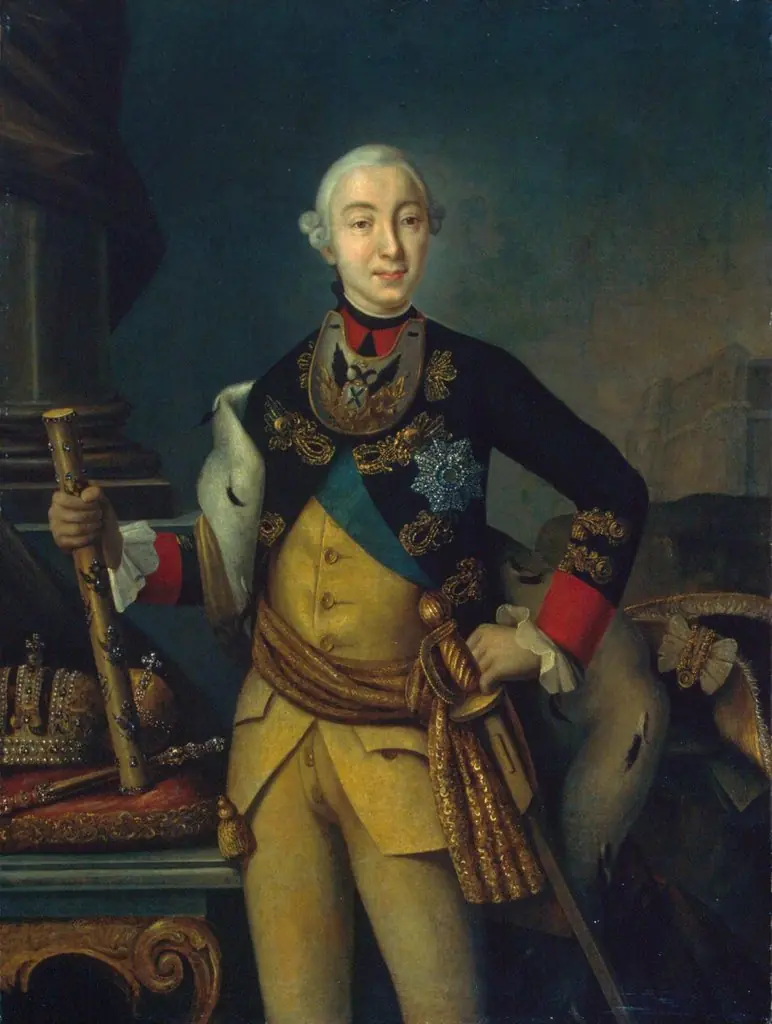 Portrait of Emperor Peter III
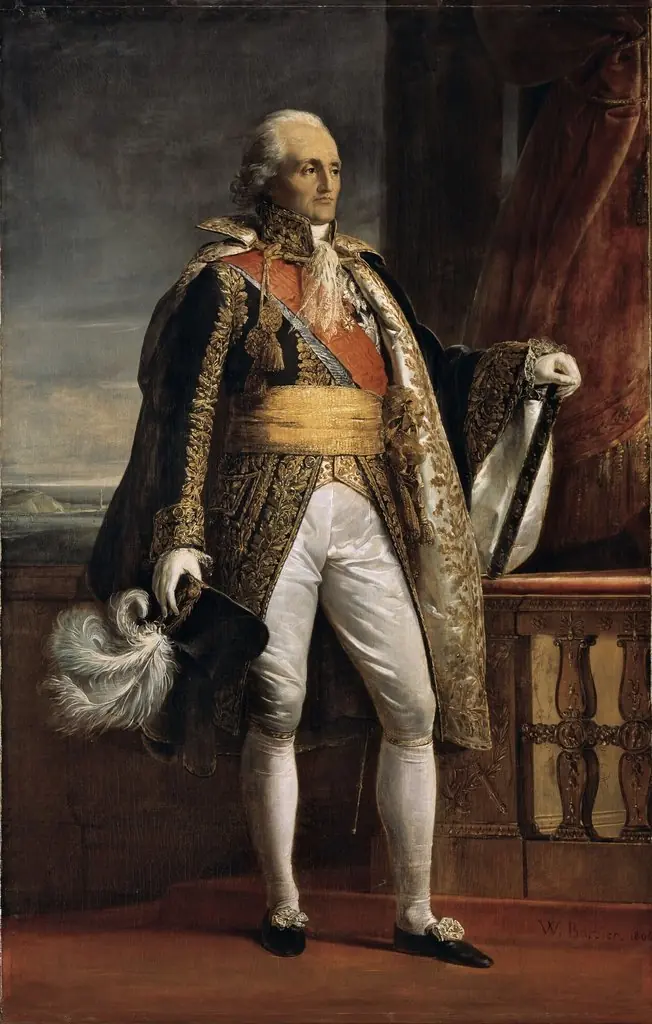 Bon Adrien Jeannot de Moncey, Duc de Conegliano, Marshal of France
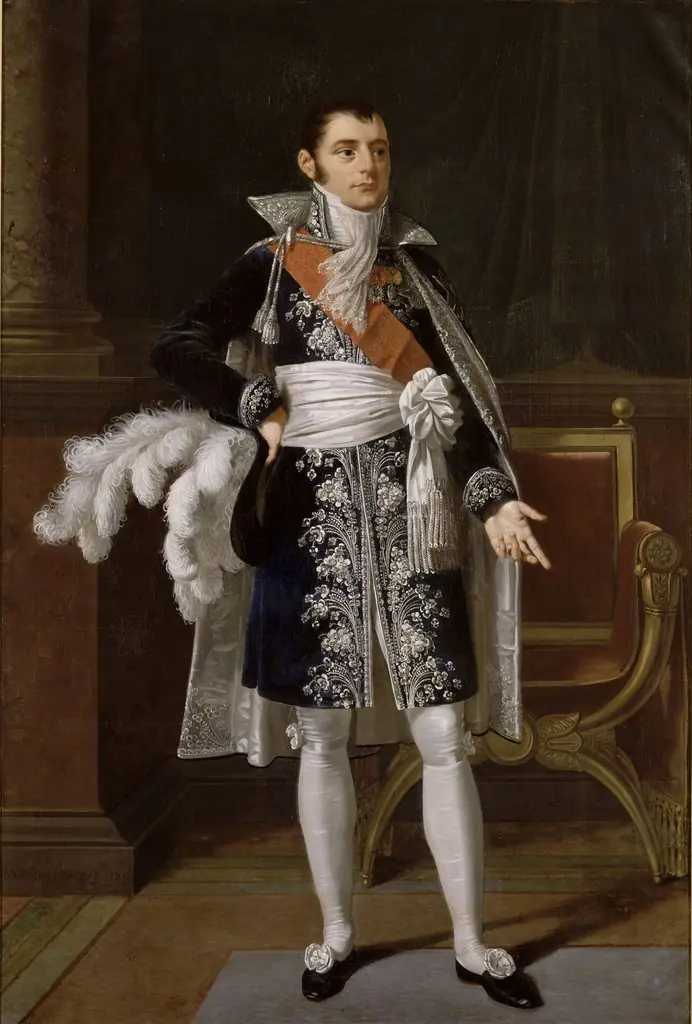 Portrait of Anne-Jean-Marie-René Savary, Duke of Rovigo (1774-1833)
 Portrait de Parme, duc de Cambacérès, Archichancelier de l'Empire
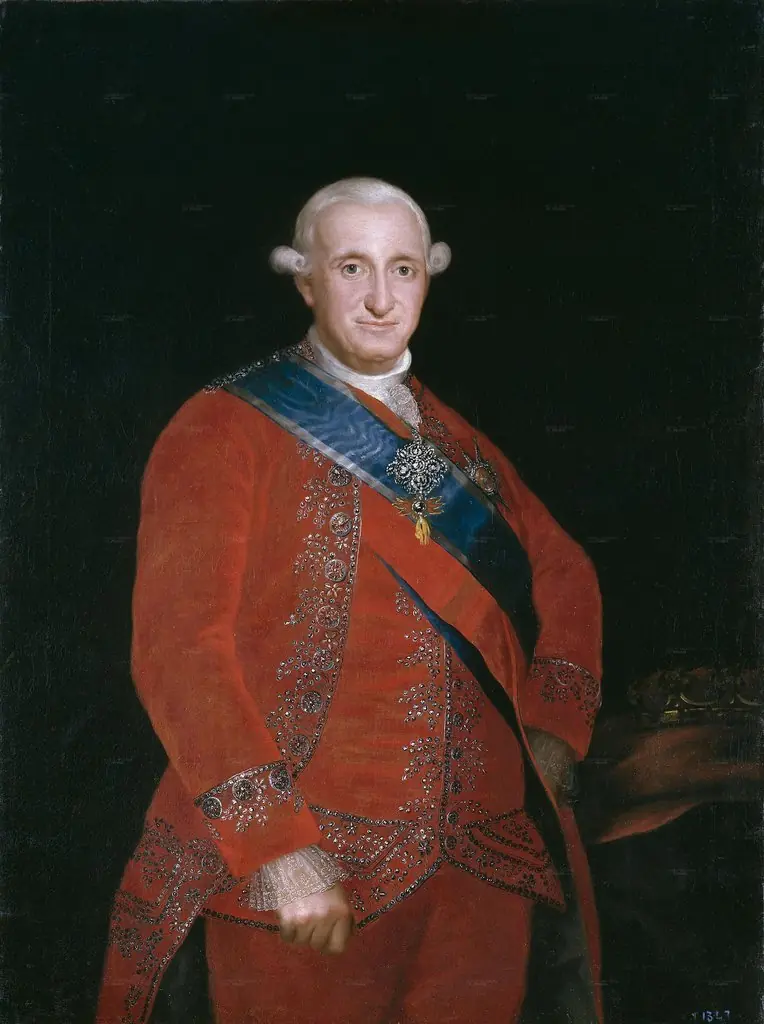
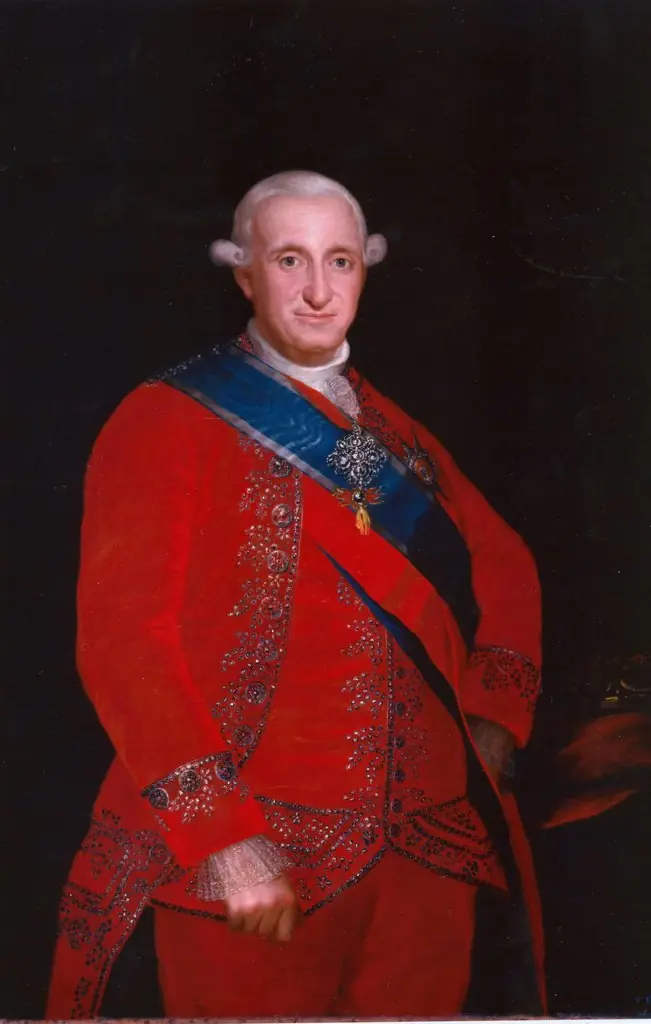
 Charles IV in Court Dress
 Charles IV of Spain as Huntsman
 Portrait of Infante Don Luis de Borbon
 José Moñino y Redondo, count de Floridablanca