Artwork
El cardenal don Luis María de Borbón y Vallabriga
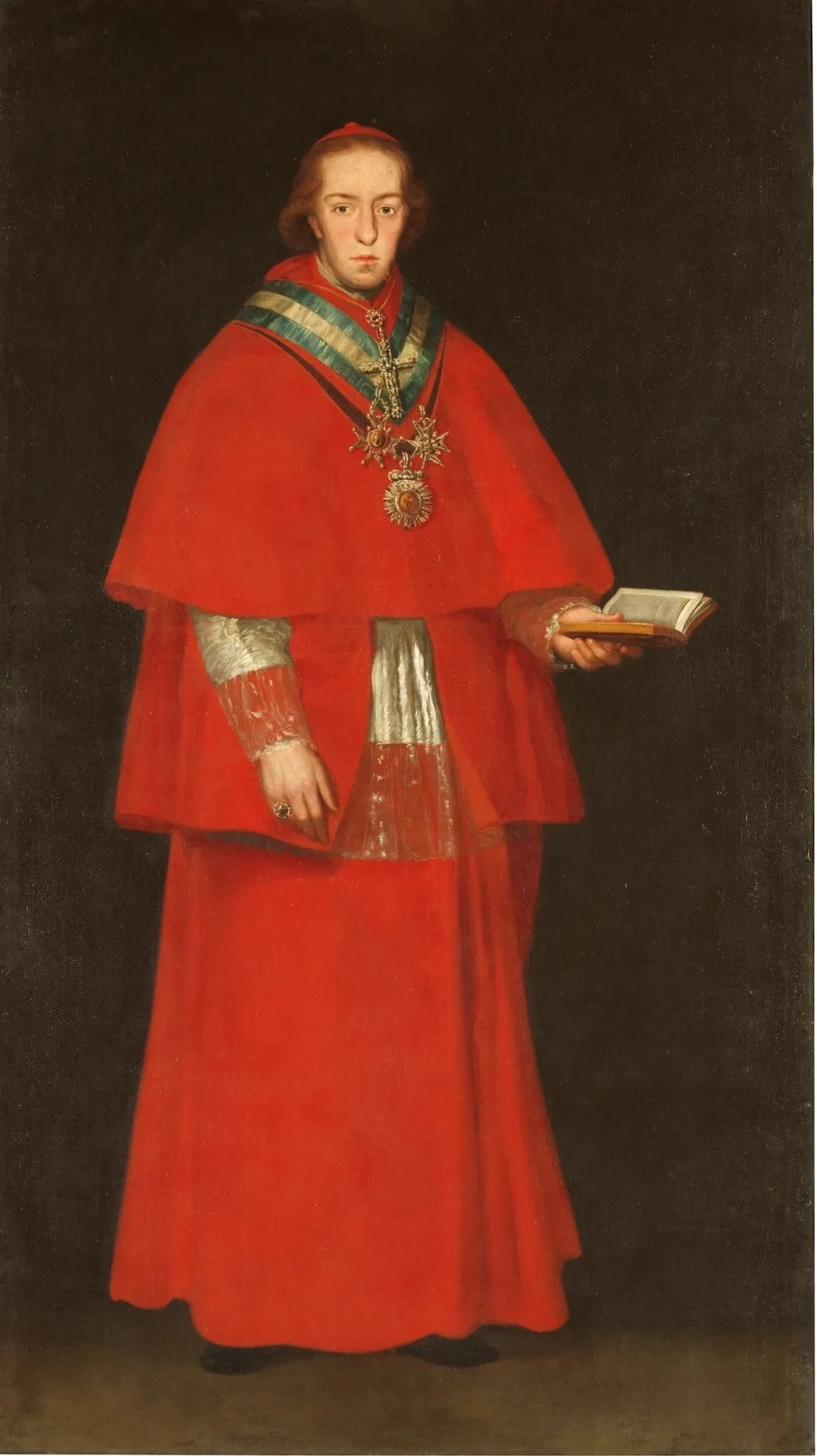
El cardenal don Luis María de Borbón y Vallabriga is an oil painting by the Biedermeier artist Agustín Esteve. It dates from 1801 and is held in the collection of the Museo del Prado.
About this work
Overview
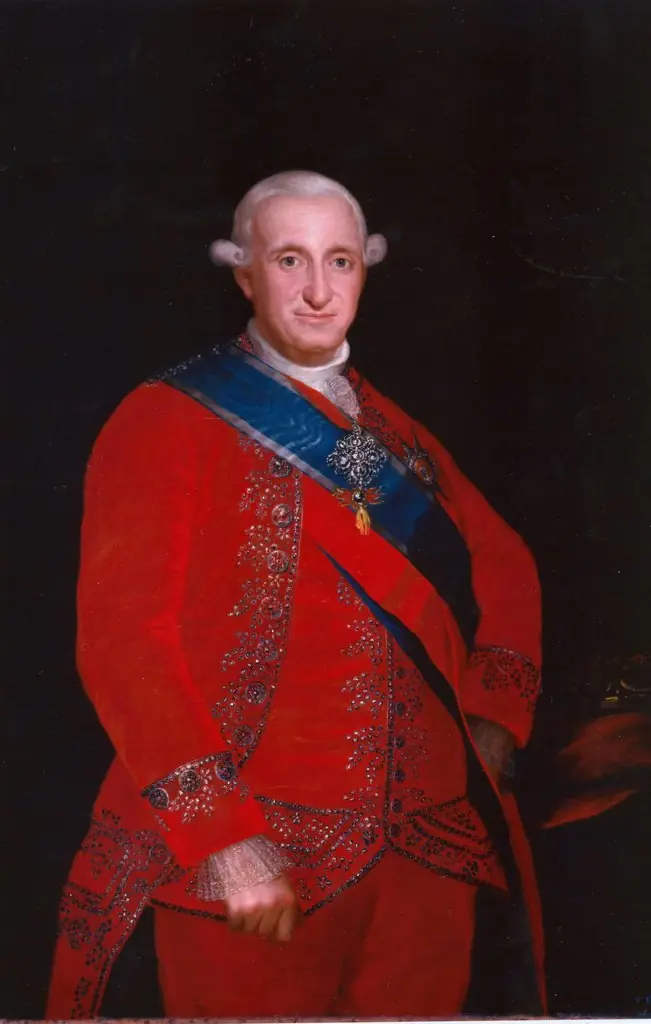
Agustín Esteve’s 1801 oil portrait presents Luis María de Borbón y Vallabriga, the fourteenth Count of Chinchón, in formal attire. The composition places the sitter against a dark backdrop, emphasizing the vivid red of his robe and the gleam of gold ornaments. The work is part of the collection of the Museo del Prado, where it is displayed among other early‑nineteenth‑century Spanish portraits.
Subject & Meaning
The portrait captures the count in a ceremonial stance, his hand supporting an open book while the other rests on his chest, suggesting a blend of intellectual or religious authority. The heavy gold chain and medals he wears denote high rank, possibly reflecting his noble status and any official duties he held within the church or state hierarchy of the period.
Technique & Style
Esteve employs a smooth, refined brushwork typical of Spanish court portraiture at the turn of the century. The contrast between the saturated red of the robe and the subdued background creates a three‑dimensional effect, while the meticulous rendering of metal surfaces highlights the artist’s skill in depicting reflective textures within oil paint.
History & Provenance
Completed in 1801, the painting entered the Prado’s holdings as part of the museum’s acquisition of works by prominent Spanish artists of the era. Its documentation traces back to the count’s own collection, later transferred to the national repository, where it has remained a reference point for studies of aristocratic representation in early nineteenth‑century Spain.
Artist & collection

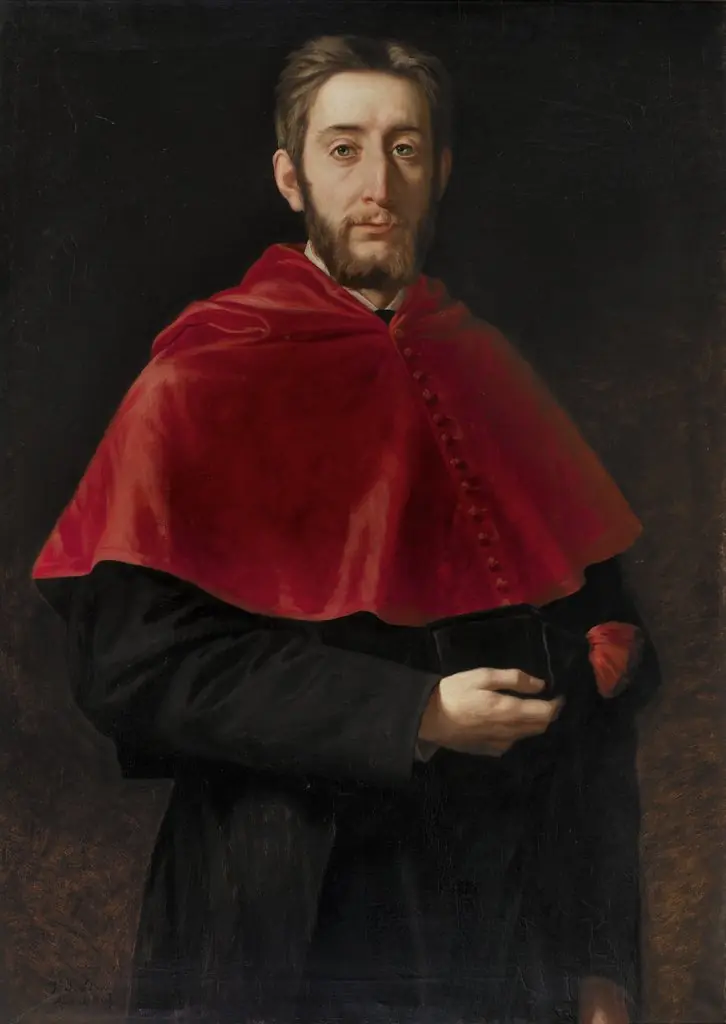 El pintor Enrique Mélida y Alinari togado
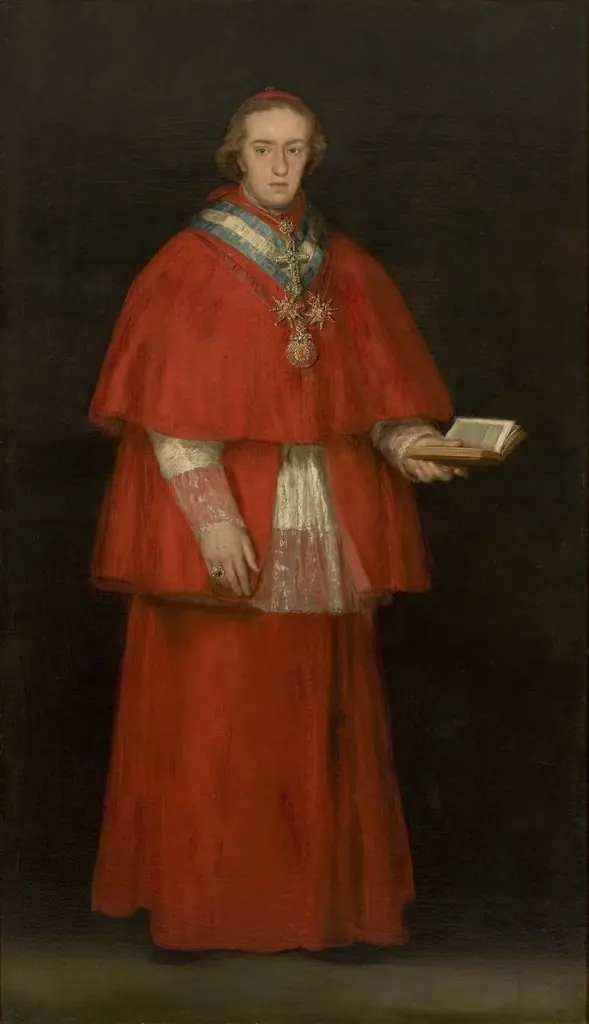 Portrait of Cardinal Luis María de Borbón y Vallabriga
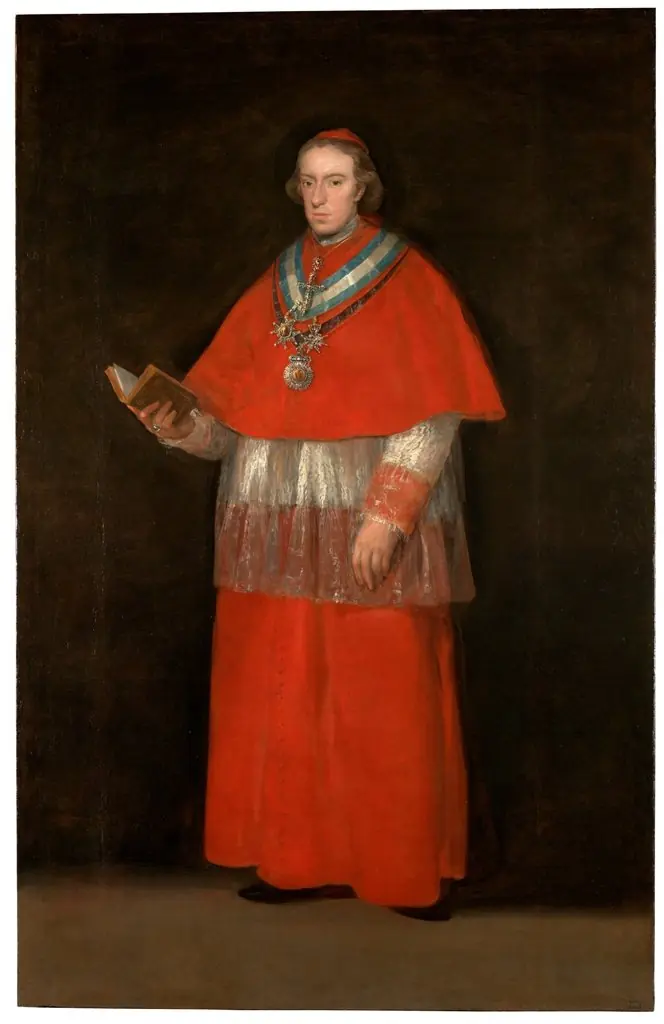 Cardinal Luis María de Borbón y Vallabriga
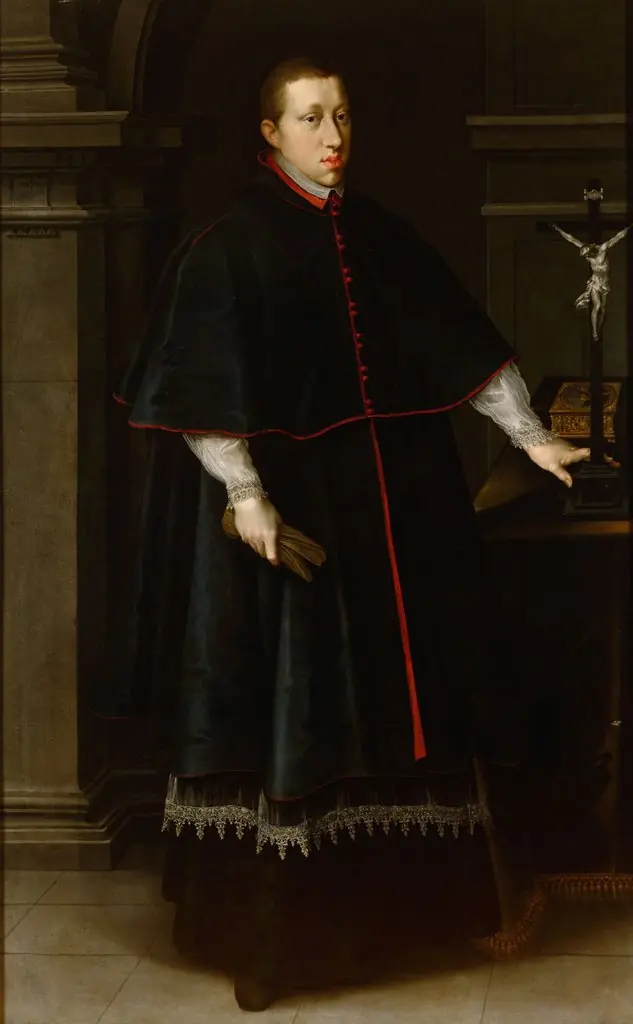 Archduke Leopold V (1586-1632) in the Spiritual Garment
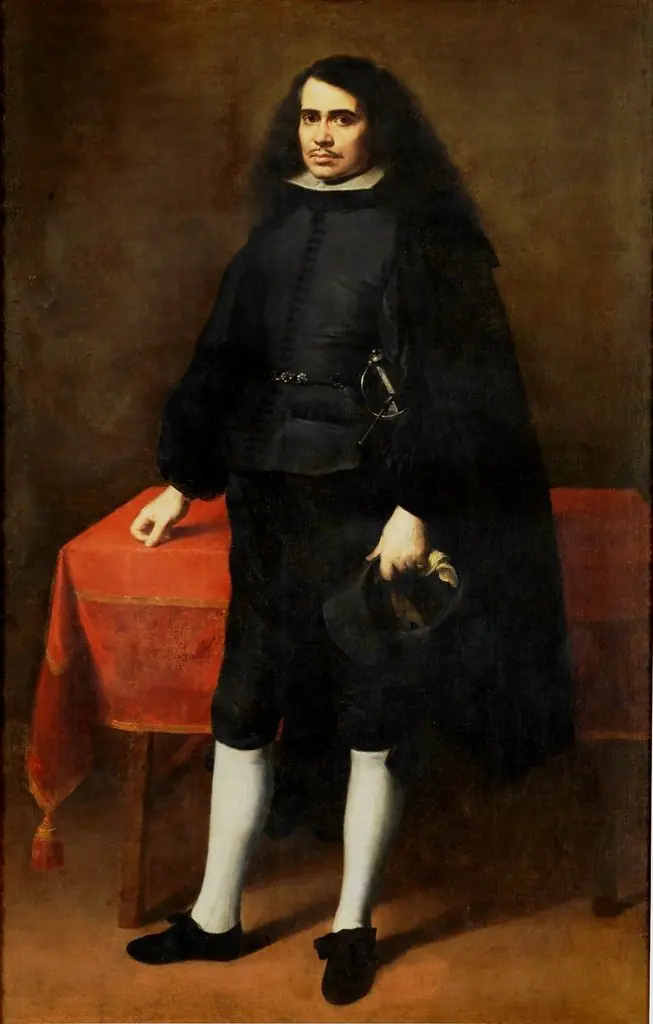 Portrait of a Man
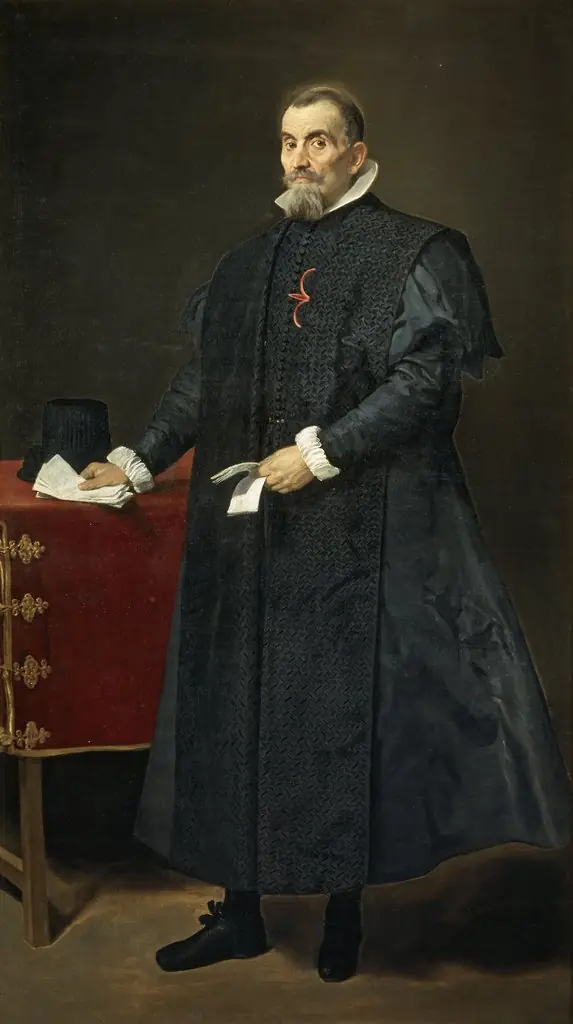 Portrait of Don Diego de Corral y Arellano
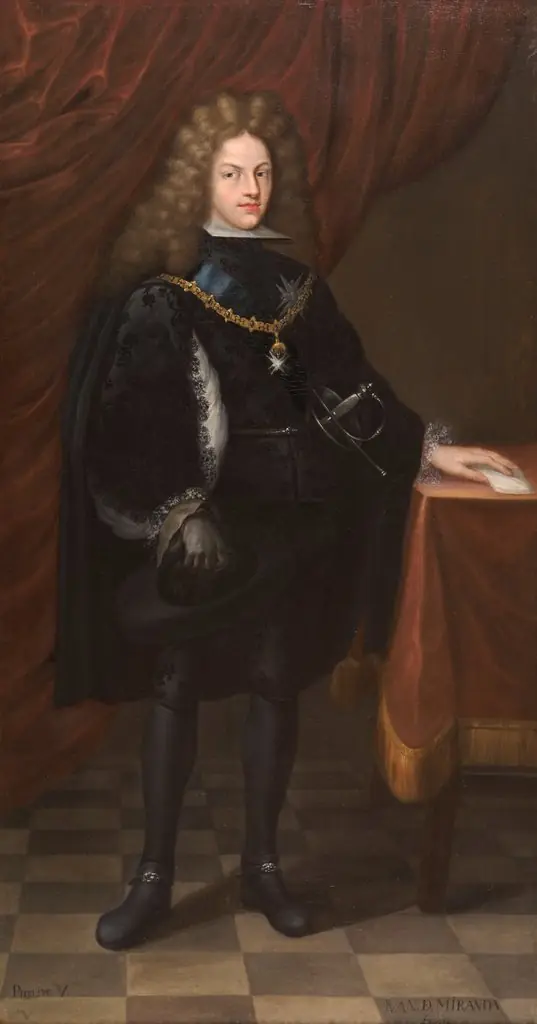 Philip V of Spain
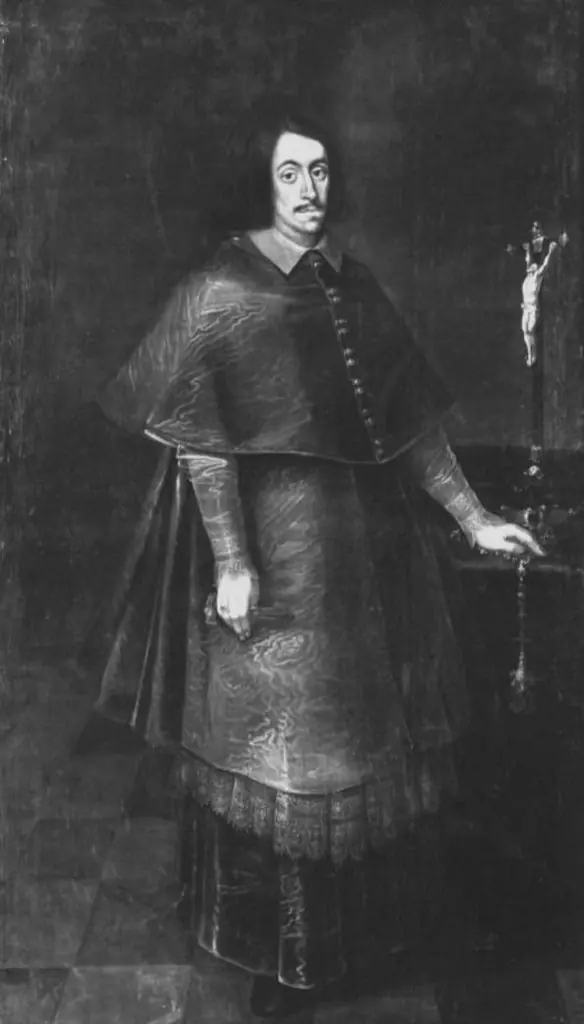 Prince Charles Ferdinand Vasa, Bishop of Wrocław
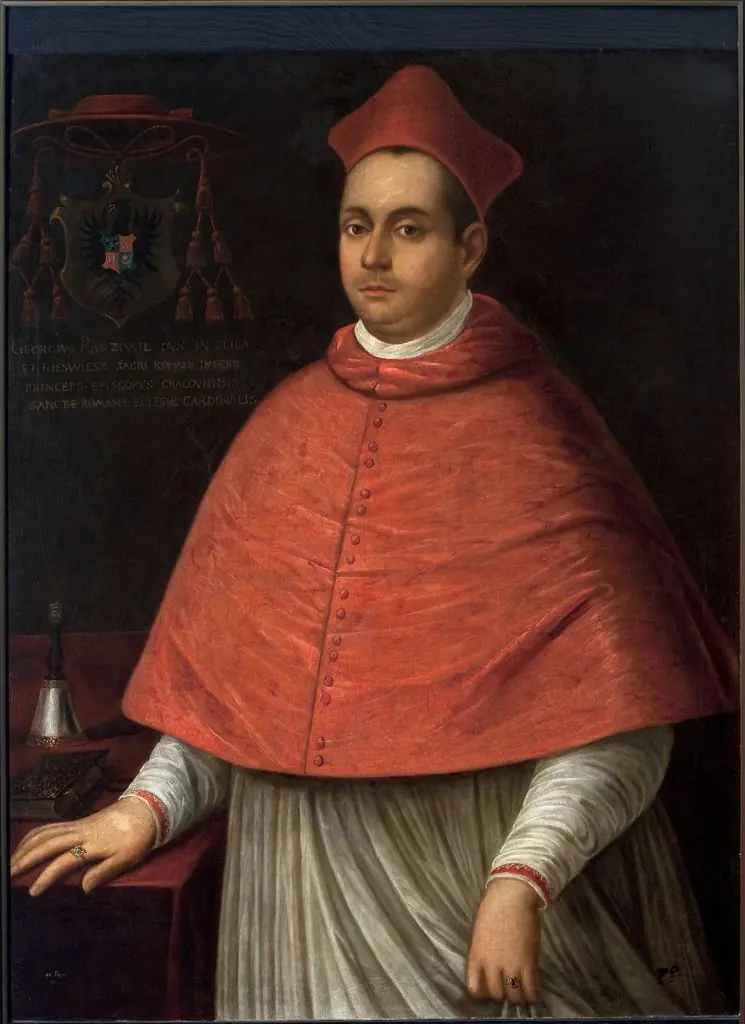 Portrait of Jerzy Radziwiłł (1556–1600), cardinal
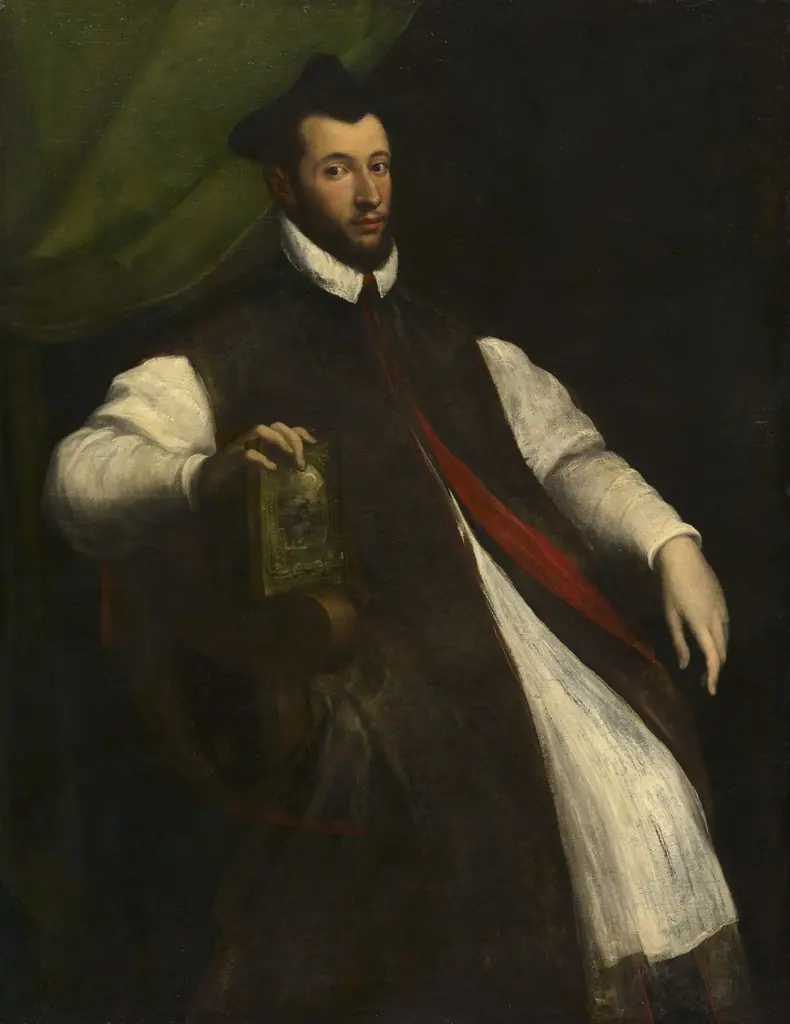 Portrait of a Prelate
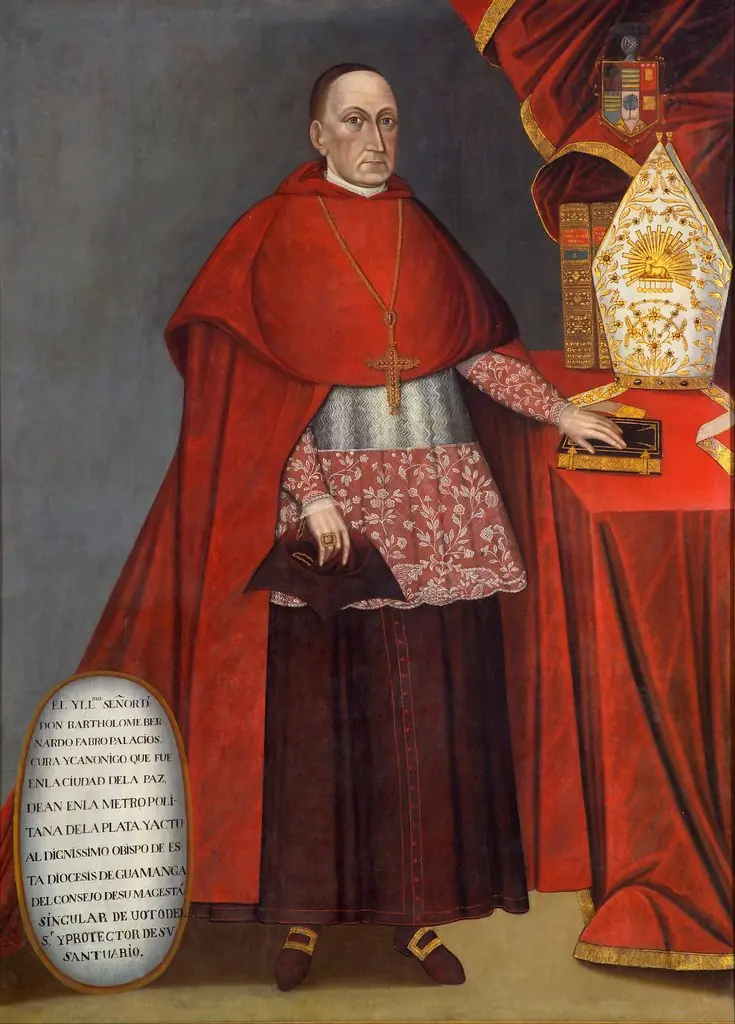 Bartholomew Fabro y Palacios, Bishop of Huamanga
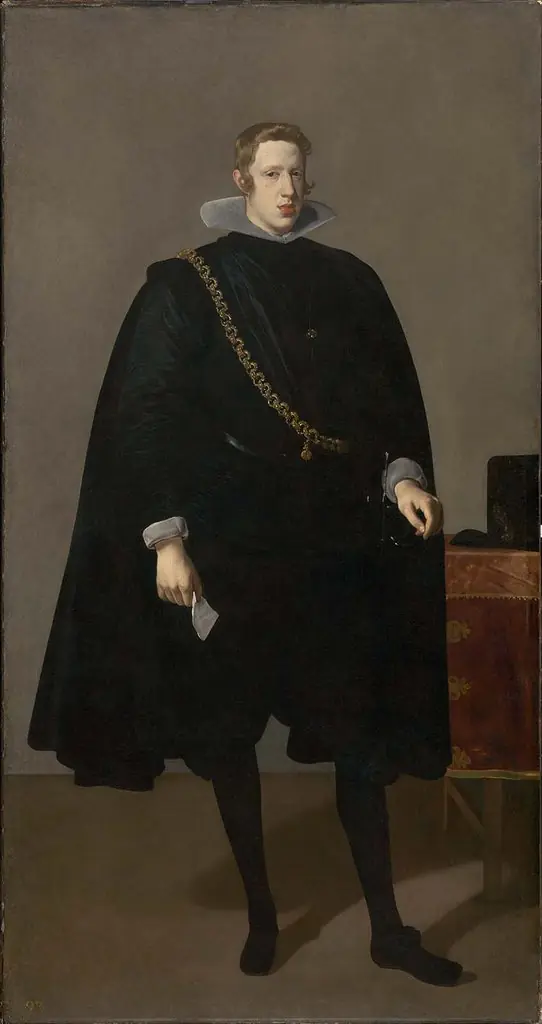 Philip IV, King of Spain