Artwork
George Way
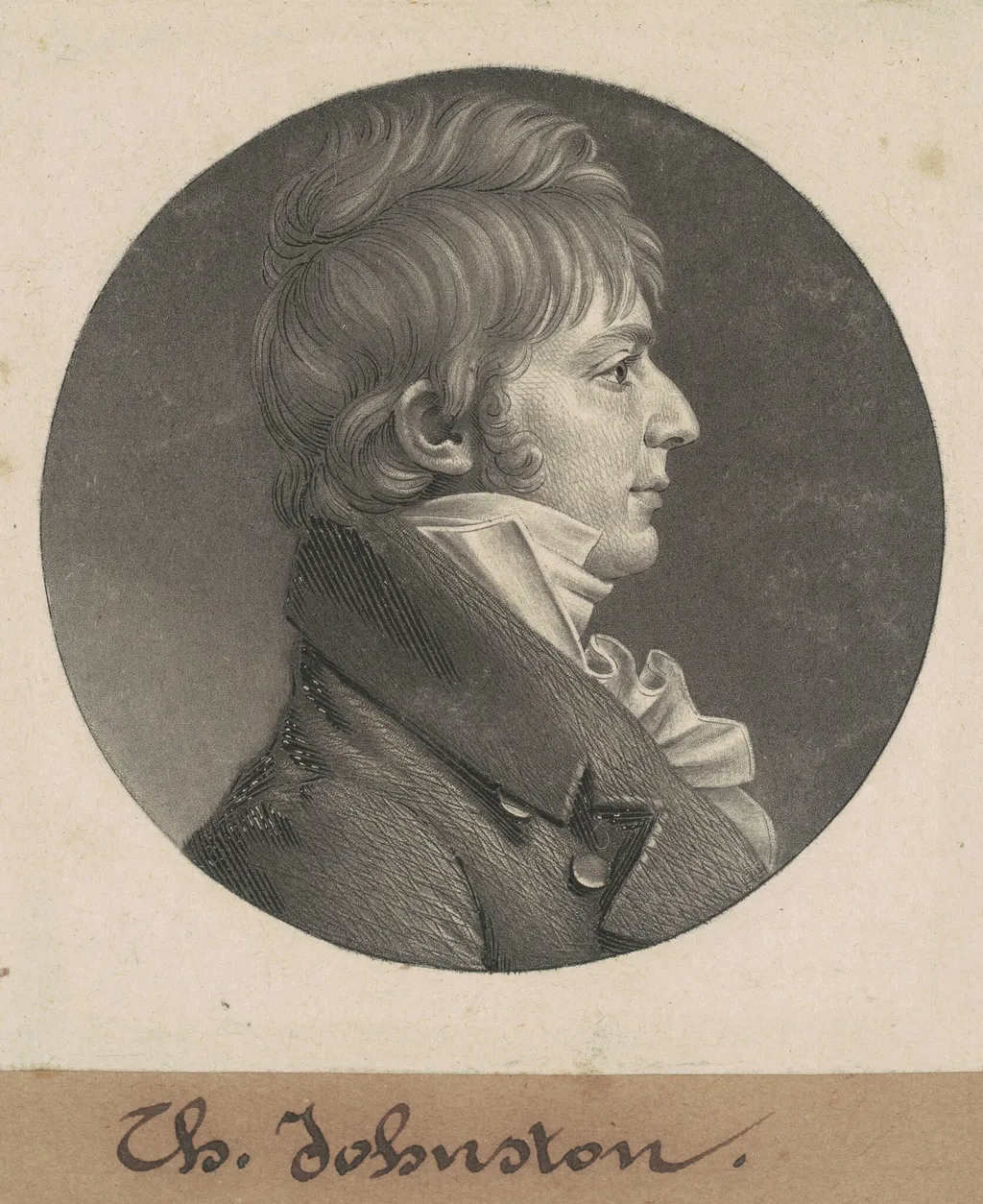
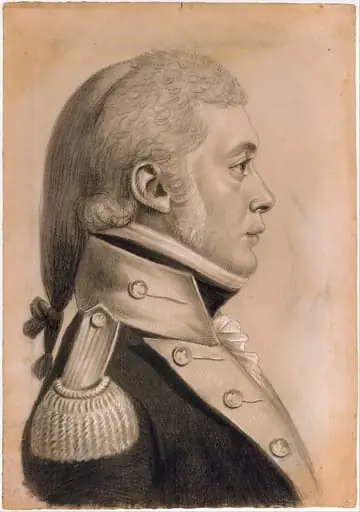
George Way is an ink print by the Romanticist artist Charles Balthazar Julien Févret de Saint-Mémin. It dates from 1807 and is held in the collection of the National Gallery of Art. Charles B.
About this work
Overview
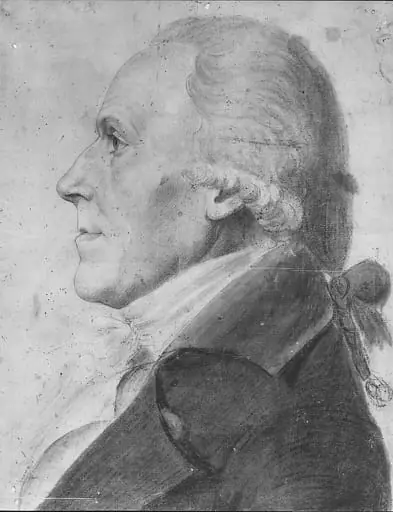
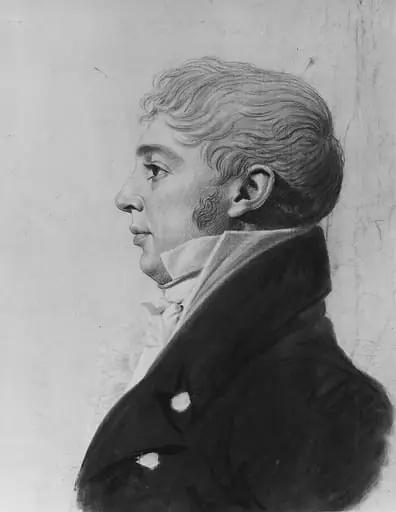
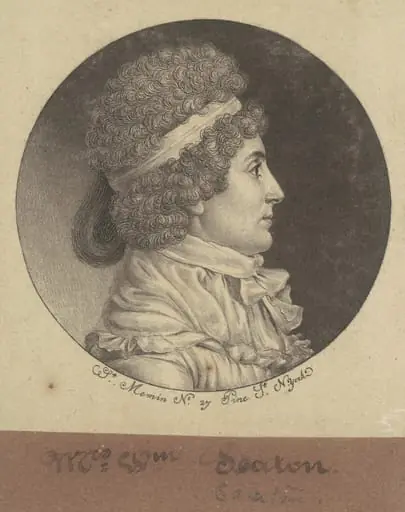
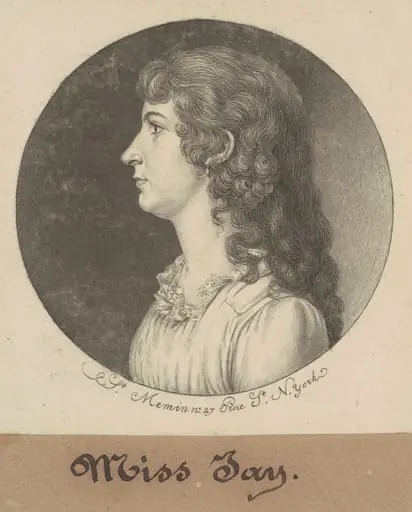
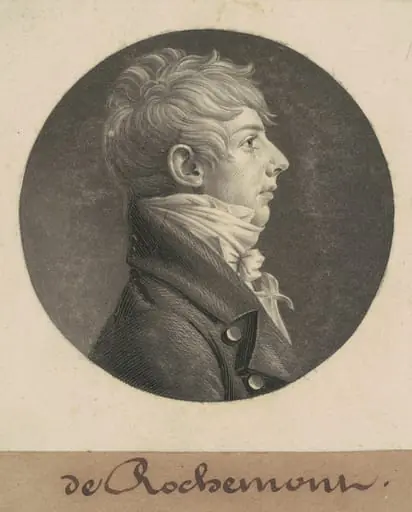
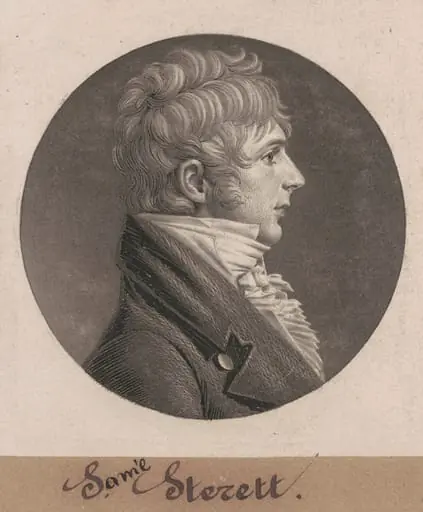
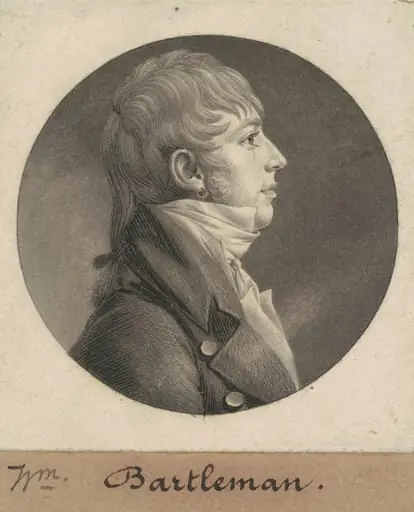
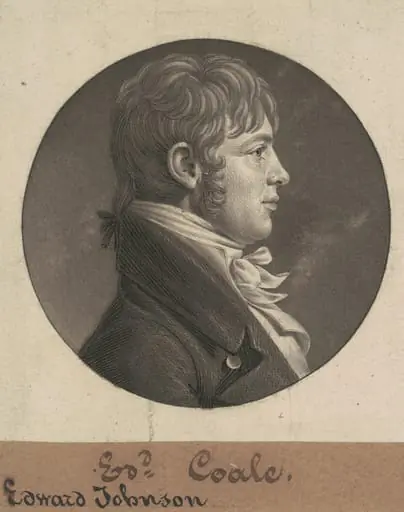
Charles B. J. Févret de Saint‑Mémin’s print titled “George Way” is a black‑and‑white portrait executed in mezzotint and engraving. The image presents the sitter’s upper torso in strict profile, his gaze directed forward with a composed, serious demeanor. The work is mounted on brown wove paper over a wove paper support and belongs to the Corcoran Collection.
Subject & Meaning
The figure portrayed is identified as George Way, rendered from the shoulders up. The profile pose, common in early‑19th‑century portraiture, emphasizes the sitter’s facial features and attire, suggesting a focus on personal identity and status rather than narrative content. The sober expression conveys a sense of dignity and restraint typical of the period’s gentlemanly portrait conventions.
Technique & Style
The mezzotint areas provide deep, velvety shadows, while the engraved incisions define facial contours and clothing texture.
Saint‑Mémin combined mezzotint’s tonal richness with fine engraving lines to achieve a high level of detail. The mezzotint areas provide deep, velvety shadows, while the engraved incisions define facial contours and clothing texture. Executed on wove paper, the surface allows for a smooth tonal gradation, and the mounting on brown paper adds a subtle background contrast without detracting from the figure.
History & Provenance
Created in the early 1800s, the print reflects the artist’s reputation for precise portraiture in the United States, where he worked after emigrating from France. “George Way” entered the Corcoran Collection, a major American art institution, where it has been preserved as part of the museum’s holdings of early American printmaking.
Context
During the turn of the 19th century, mezzotint and engraving were prized for reproducing likenesses before photography. Saint‑Mémin, trained in French academic traditions, applied these techniques to American subjects, bridging European printmaking practices with the emerging visual culture of the young republic.
Artist & collection

Artist
Charles Balthazar Julien Févret de Saint-Mémin
Charles Balthazar Julien Févret de Saint-Mémin (French pronunciation: ; 1770–1852) was a French portrait painter and museum director.