Artwork
Împărătesa Elisabeta
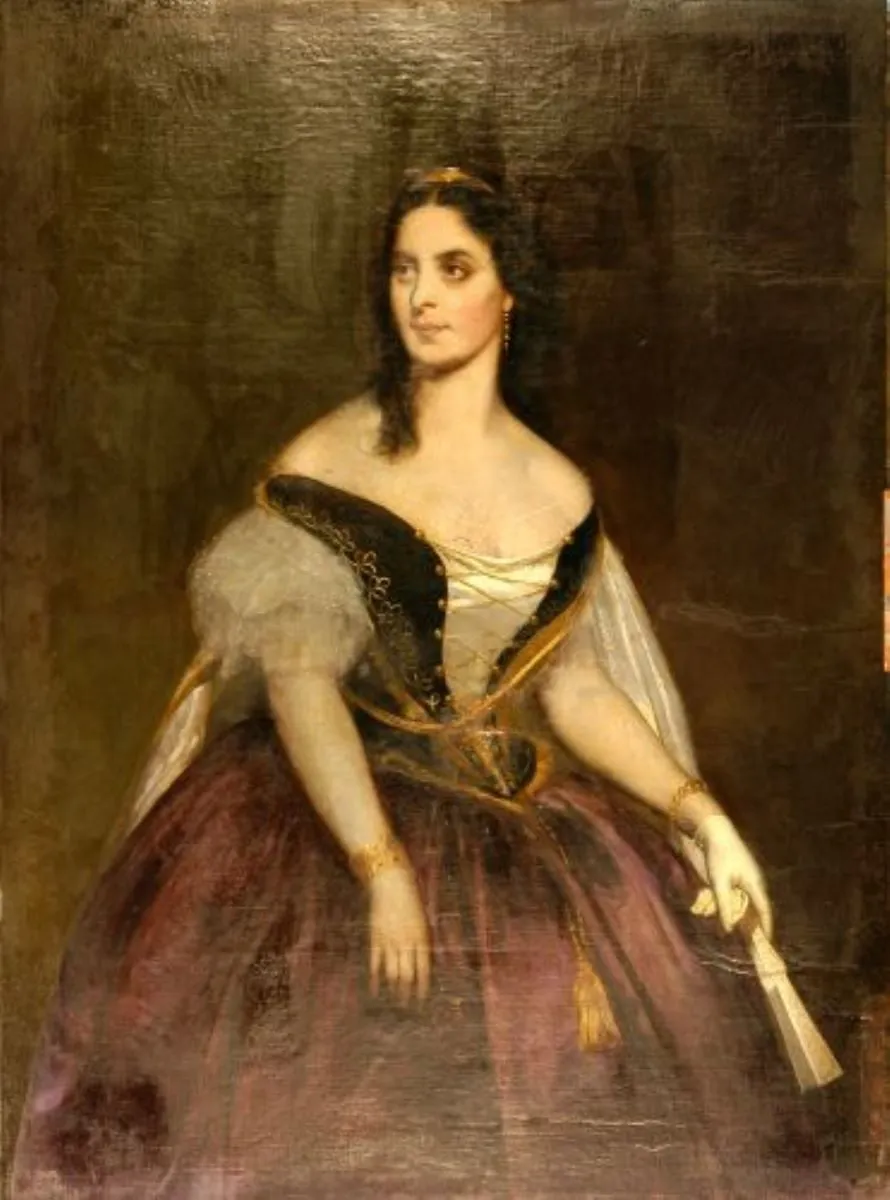
Împărătesa Elisabeta is an unspecified painting by the Biedermeier artist F.M. Aigner. It dates from 1861 and is held in the collection of the Țării Crișurilor Museum. Created in 1861 by the Romanian artist F.
About this work
Overview
Created in 1861 by the Romanian artist F.M. Aigner, Împărătesa Elisabeta is an oil painting now part of the collection of the Museum of Ethnography. The work presents a solitary female figure rendered in a restrained, darkened setting that draws the viewer’s attention to her attire and pose.
Subject & Meaning
The portrait depicts a woman dressed in late‑nineteenth‑century fashion: a dark bodice beneath a sheer gray sleeve, a gold‑toned belt, and a flowing maroon skirt. Her hair is gathered back and she holds a decorative fan, suggesting a status of refinement and perhaps a ceremonial role, though no explicit narrative accompanies the image.
Technique & Style
Aigner employs a chiaroscuro scheme, using a focused light source to illuminate the sitter’s face and upper garments while the surrounding space recedes into deep shadow. This contrast creates a soft modelling of facial features and a three‑dimensional sense of volume, emphasizing the texture of the fabric and the delicate translucency of the sleeve.
History & Provenance
The painting has remained in Romanian institutional care since its acquisition by the Museum of Ethnography, where it is displayed among other works that document national cultural history. Its dating to 1861 places it within Aigner’s mature period, reflecting the artist’s engagement with contemporary portrait conventions.
Artist & collection
Artist
This 19th-century painter worked in Romania and left one visible slice of court life: the 1861 portrait Împărătesa Elisabeta.

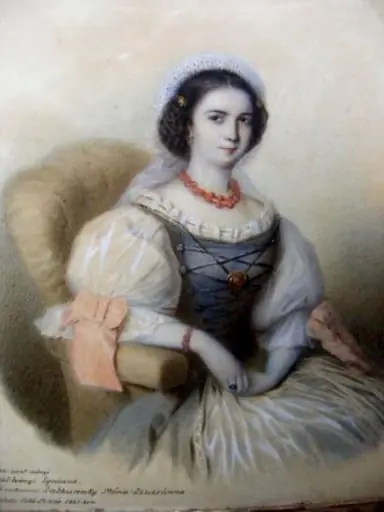 Szentiványi Ignácné
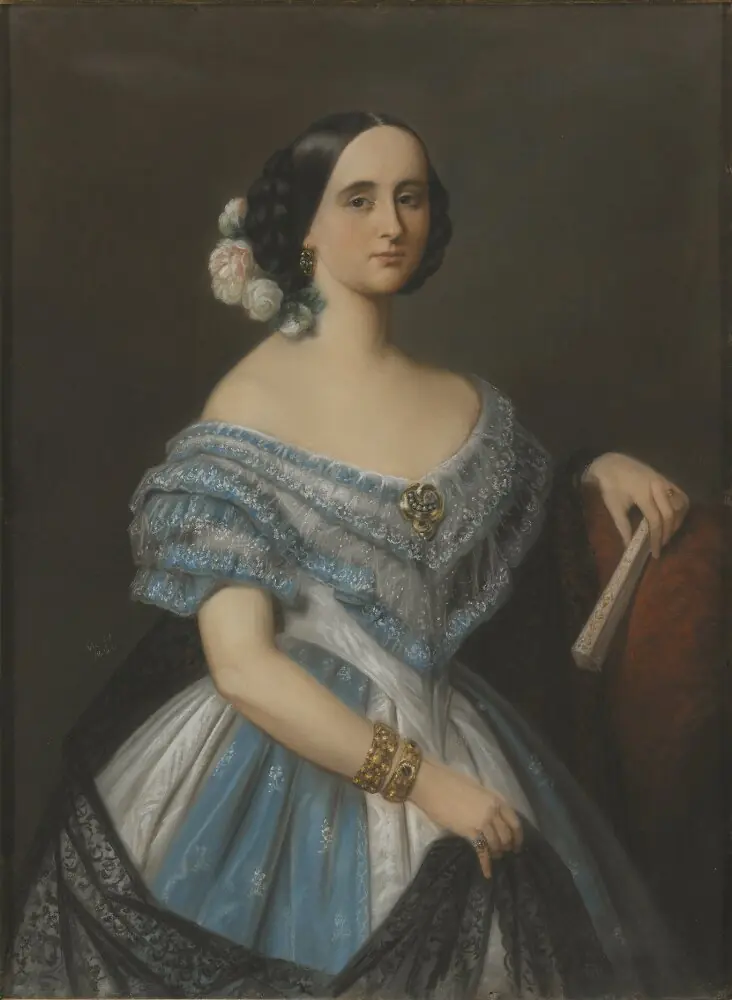 Julie (Julia Mathilda) Berwald, g. Åkerhielm af Margrethelund (1822-1877), operasångerska, gift med friherre hovmarskalk Gustaf Georg Knut Åkerhielm af Mergrethelund
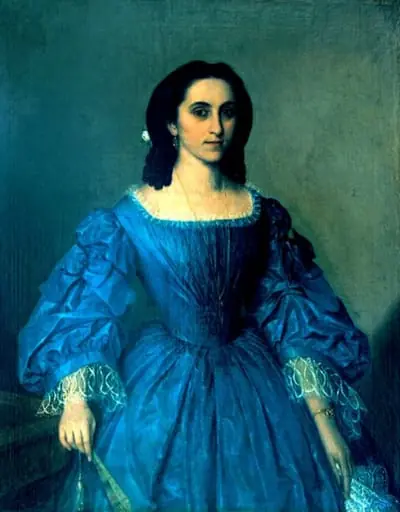 Anei Enescu
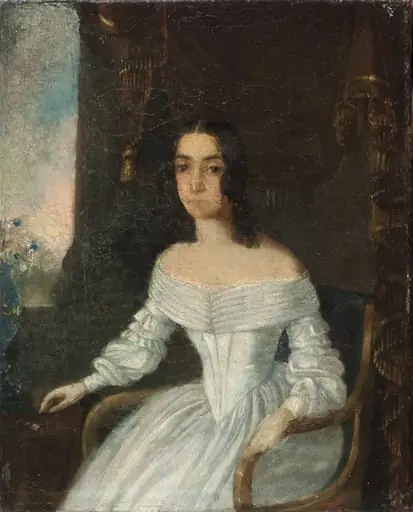 Portretul Elenei Manu (?)
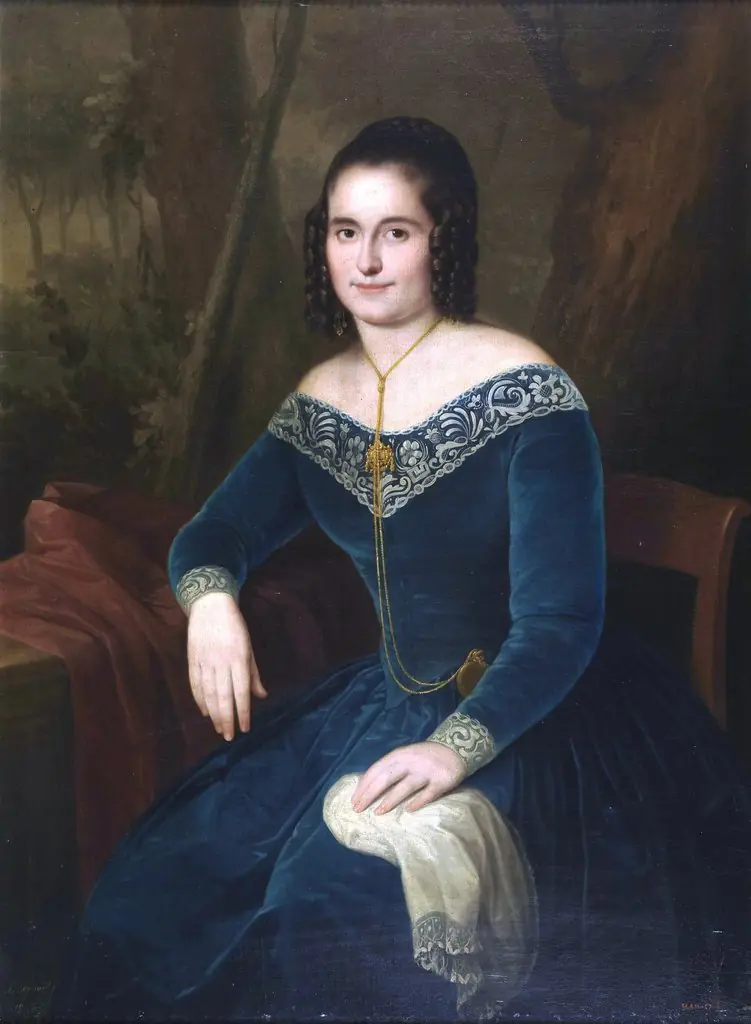 Amparo Romero
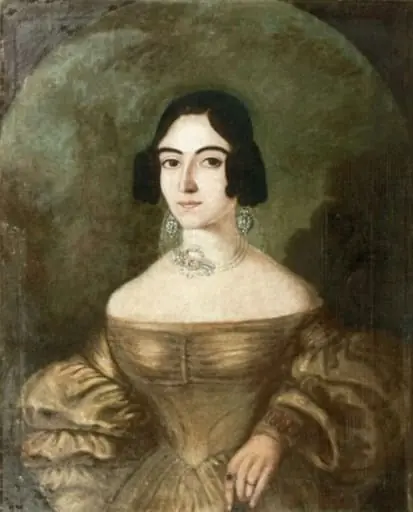 Portret de femeie
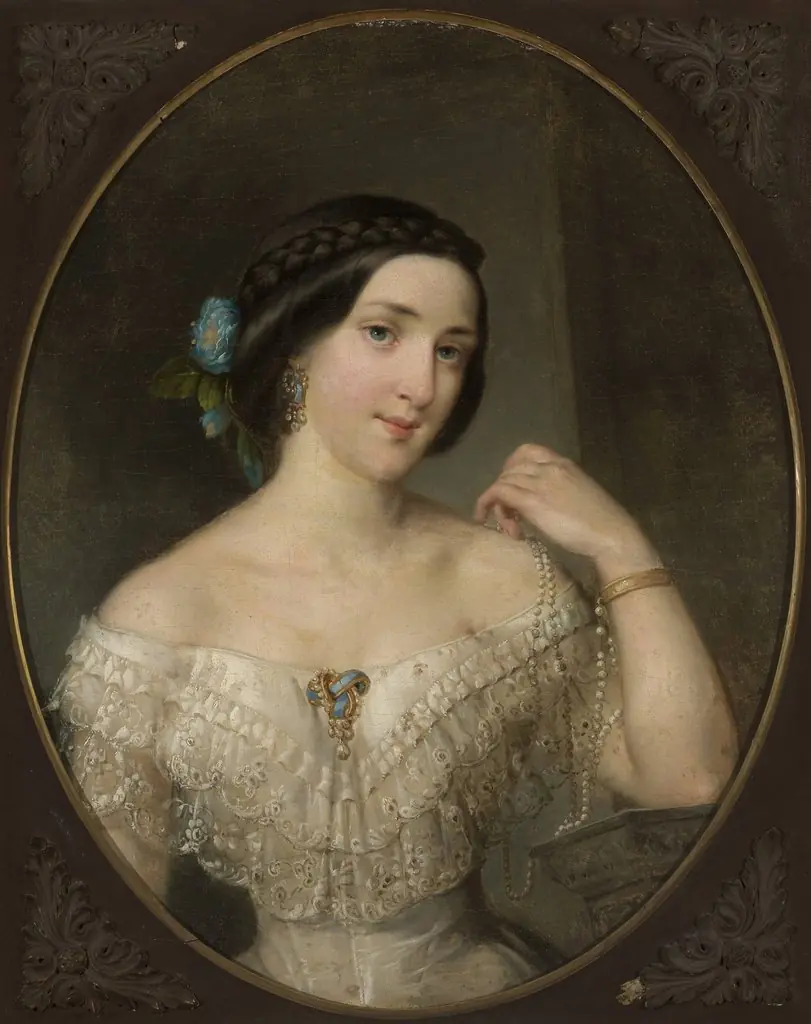 Portrait of Maria Ludwika Blumenfeld née Kobyłecka
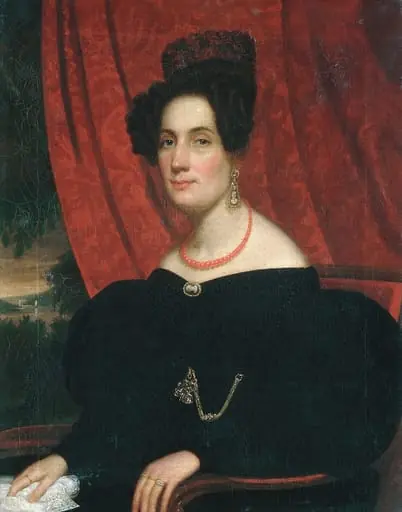 Mary Ann Garrits
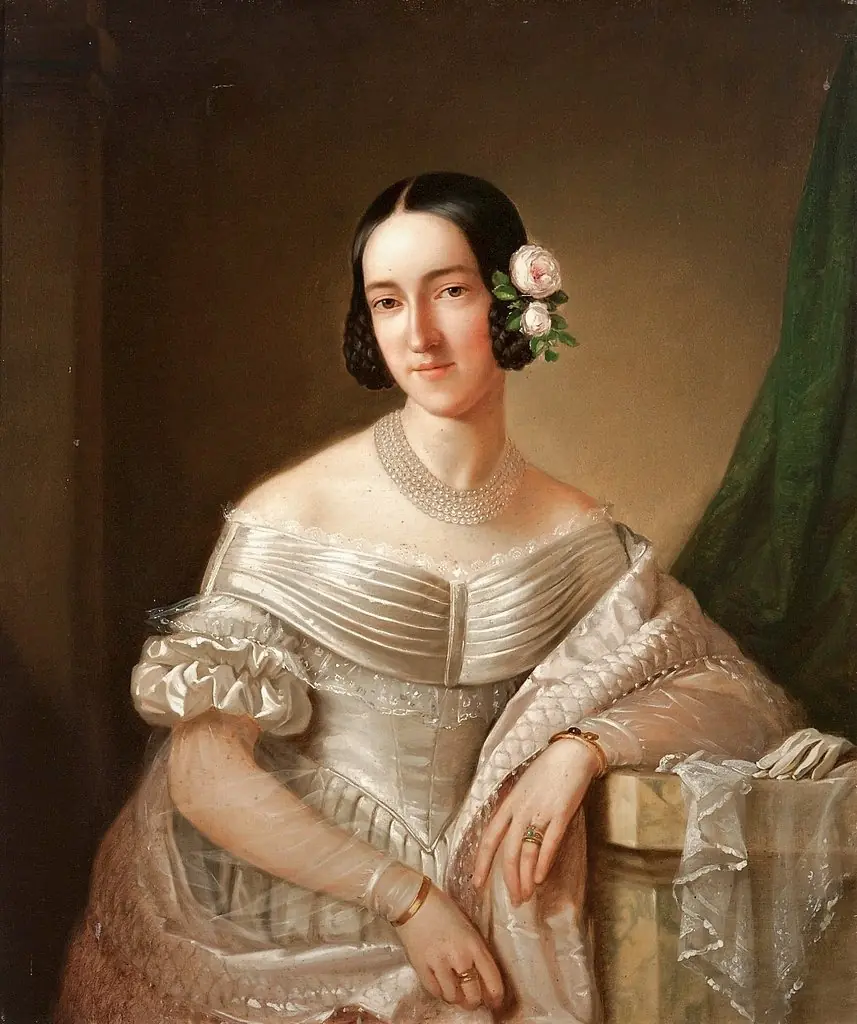 Portrait of Archduchess Hermine of Austria
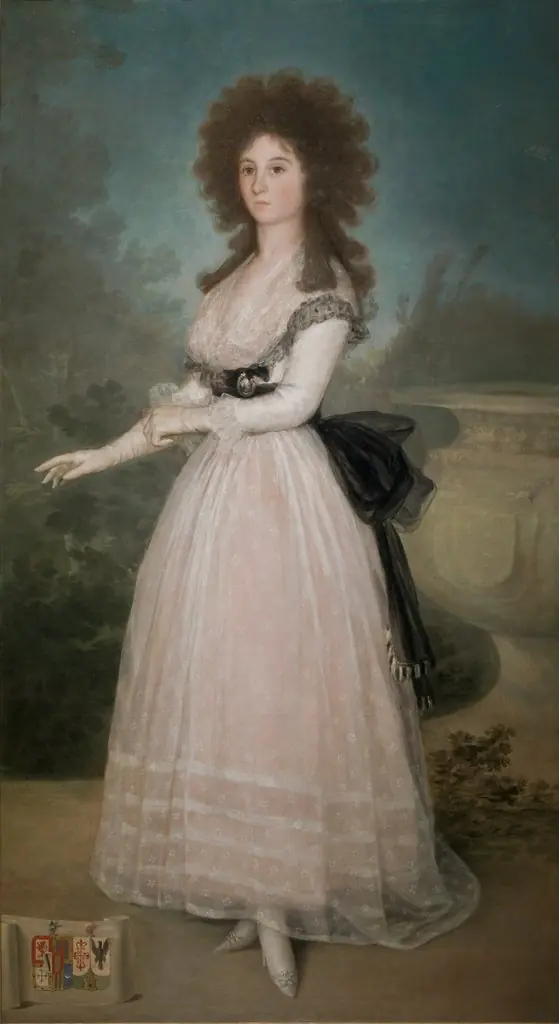 Tadea Arias de Enríquez
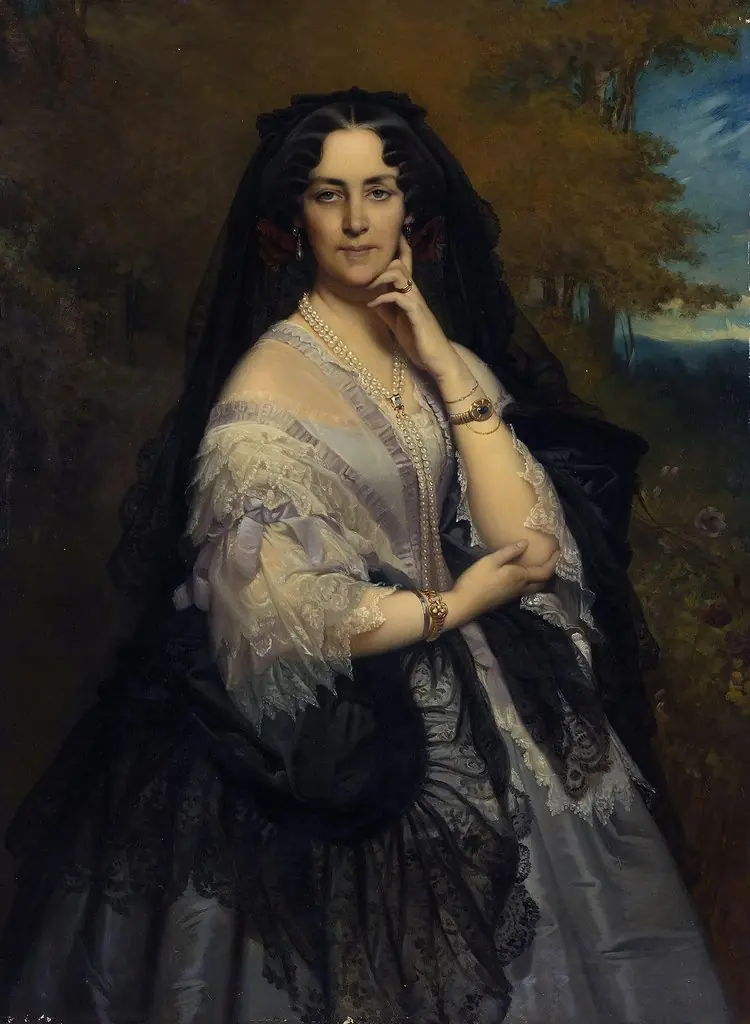 Portrait of Princess Zinaida I. Yusupova
 Portrait of Sophia S. Kiselyova (1801-1875)