Artwork
Sir Brenton Halliburton.
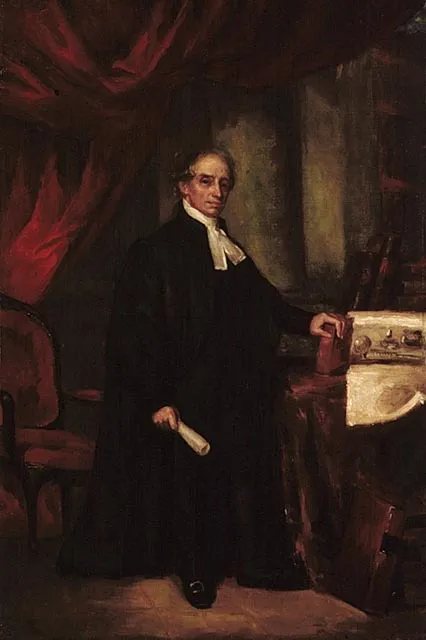
Sir Brenton Halliburton. is an oil painting by the American Folk Art artist Albert Gallatin Hoit. It dates from 1849 and is held in the collection of the National Gallery of Canada.
About this work
Overview
It is now part of the National Gallery of Canada’s collection, where it stands as one of several portraits Hoit produced of prominent North American figures.
Painted in 1849 by American artist Albert Gallatin Hoit, this oil portrait captures Sir Brenton Halliburton, a respected legal figure in 19th-century Nova Scotia. Executed in a realistic style typical of American portraiture of the period, the work reflects Hoit’s skill in rendering formal civilian subjects. It is now part of the National Gallery of Canada’s collection, where it stands as one of several portraits Hoit produced of prominent North American figures.
Subject & Meaning
Sir Brenton Halliburton, a judge and chief justice of Nova Scotia, is depicted in formal attire, conveying his official status. His posture—standing with one hand resting on a table and the other holding a rolled document—suggests authority and readiness for duty. The setting, though sparse, implies a professional environment, reinforcing his identity as a public servant. The portrait serves less as a personal likeness than as a visual assertion of institutional presence.
Technique & Style
Hoit employed oil paint to achieve a controlled realism, with careful attention to texture in fabric and subtle modeling of facial features. Light falls evenly across the figure, minimizing dramatic chiaroscuro but emphasizing clarity and dignity. The background, with its red curtain and simple chair, avoids distraction, focusing attention on the subject. The brushwork is precise yet unobtrusive, aligning with the conventions of mid-19th-century American portraiture.
History & Provenance
Commissioned during Halliburton’s tenure as chief justice, the portrait was likely created to commemorate his public service. Albert Gallatin Hoit, based in Boston, traveled to Nova Scotia to paint several local elites. The work entered the National Gallery of Canada’s collection in the 20th century, where it remains as part of a broader effort to document Canadian historical figures through visual art.
Context
In the mid-1800s, portraiture was a primary means of recording civic leadership in British North America. Artists like Hoit, trained in the American tradition, were sought after by provincial elites seeking to align themselves with established visual norms of authority. Halliburton’s portrait reflects this cultural moment, where legal figures were depicted with the same gravitas as political leaders in the United States.
Legacy
Hoit’s portrait of Halliburton contributes to a small but significant body of Canadian colonial portraiture. While not widely exhibited, it remains a key example of how American-trained artists helped shape the visual identity of British North American institutions. The painting endures as a quiet record of legal authority in a formative period of Canadian governance.
Artist & collection
Artist
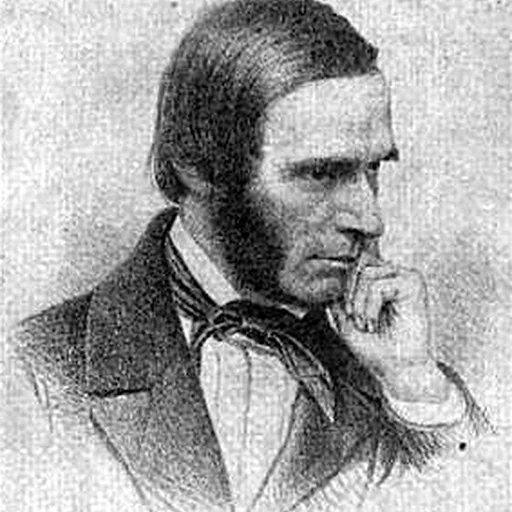
Albert Gallatin Hoit (December 13, 1809 – December 18, 1856) was an American painter who lived in Boston, Massachusetts. He painted portraits of William Henry Harrison, Daniel Webster and Brenton Halliburton.

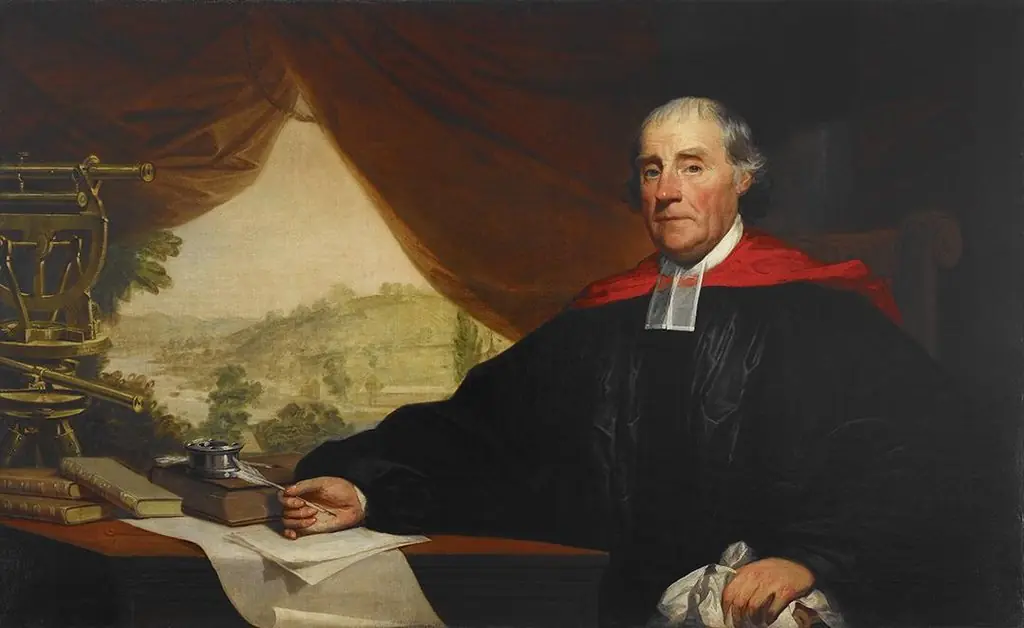 William Smith
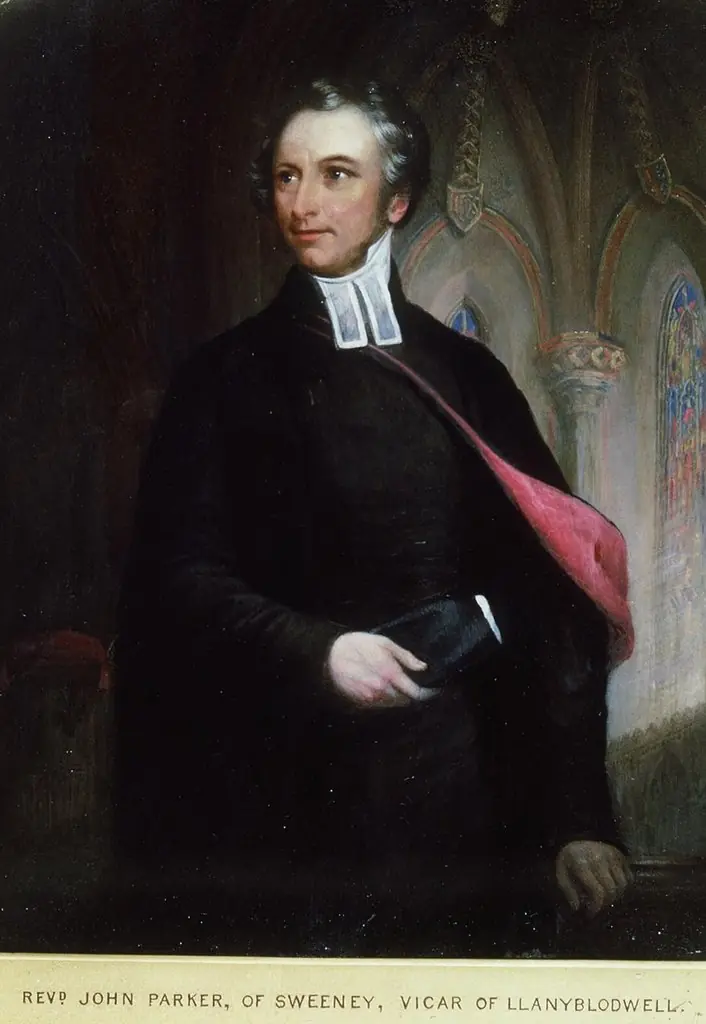 Revd. John Parker of Sweeney
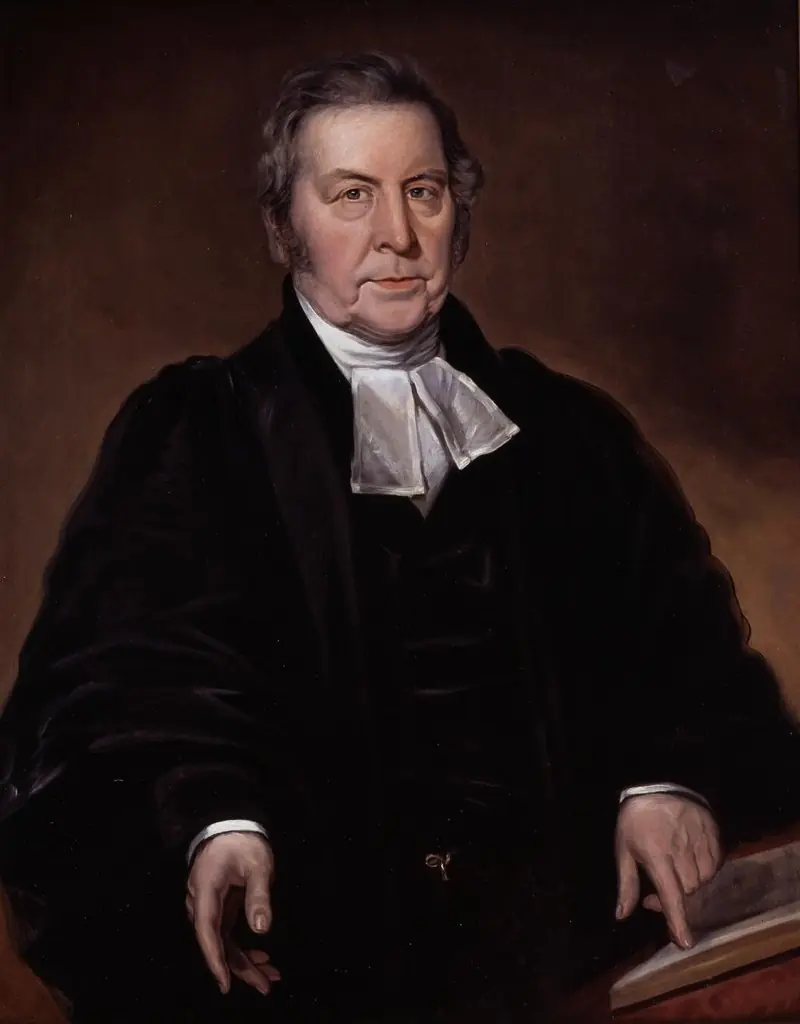 Arthur Jones, Congregationalist minister, Bangor 1776-1860
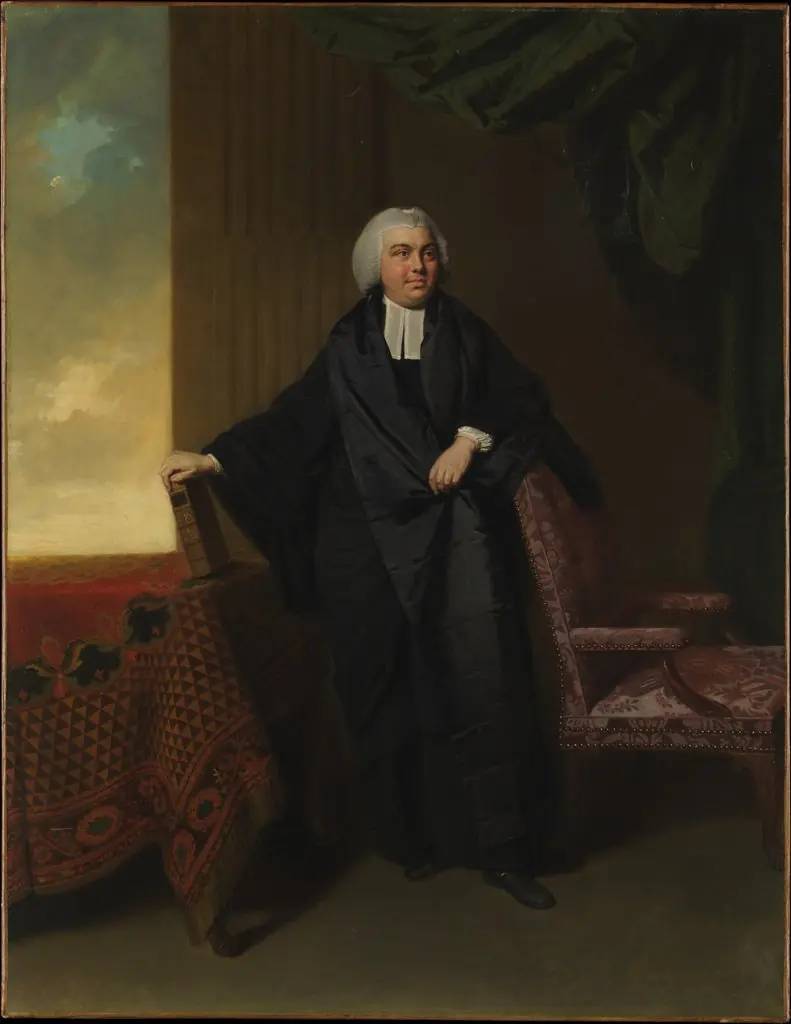 The Reverend Philip Cocks (1735–1797)
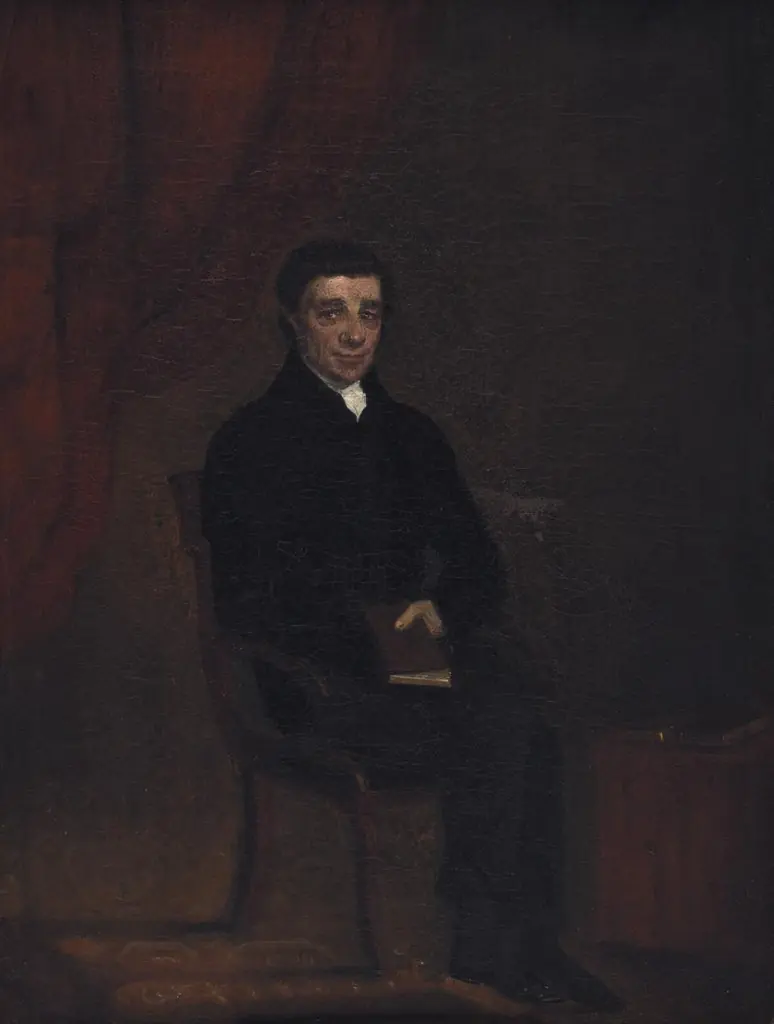 Rev. Morgan Howells
 Reverend Ellis Gray
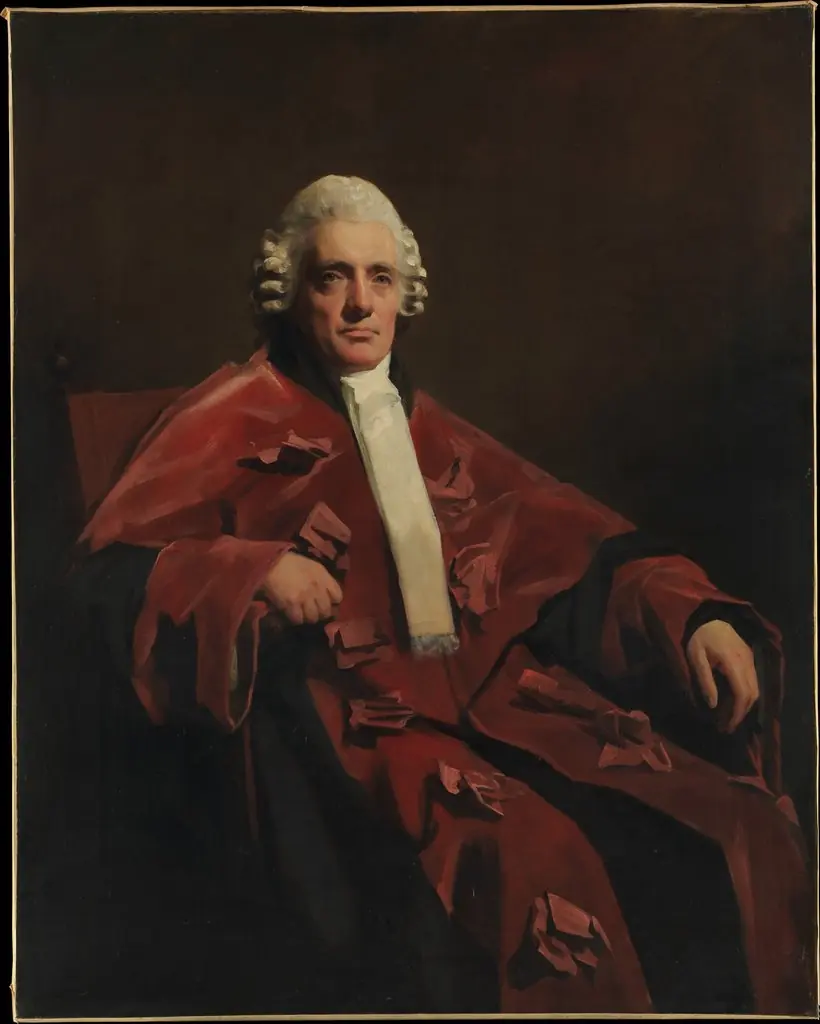 William Robertson (1753–1835), Lord Robertson
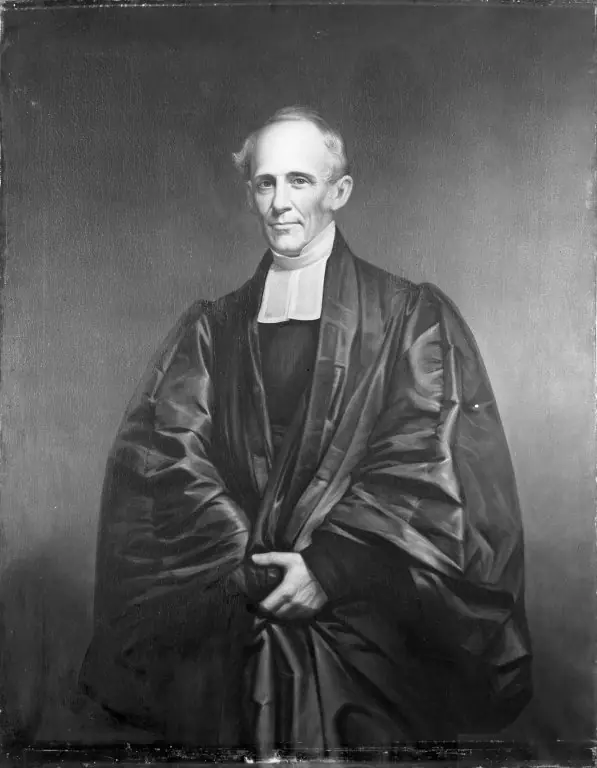 Reverend Dr. Cutler
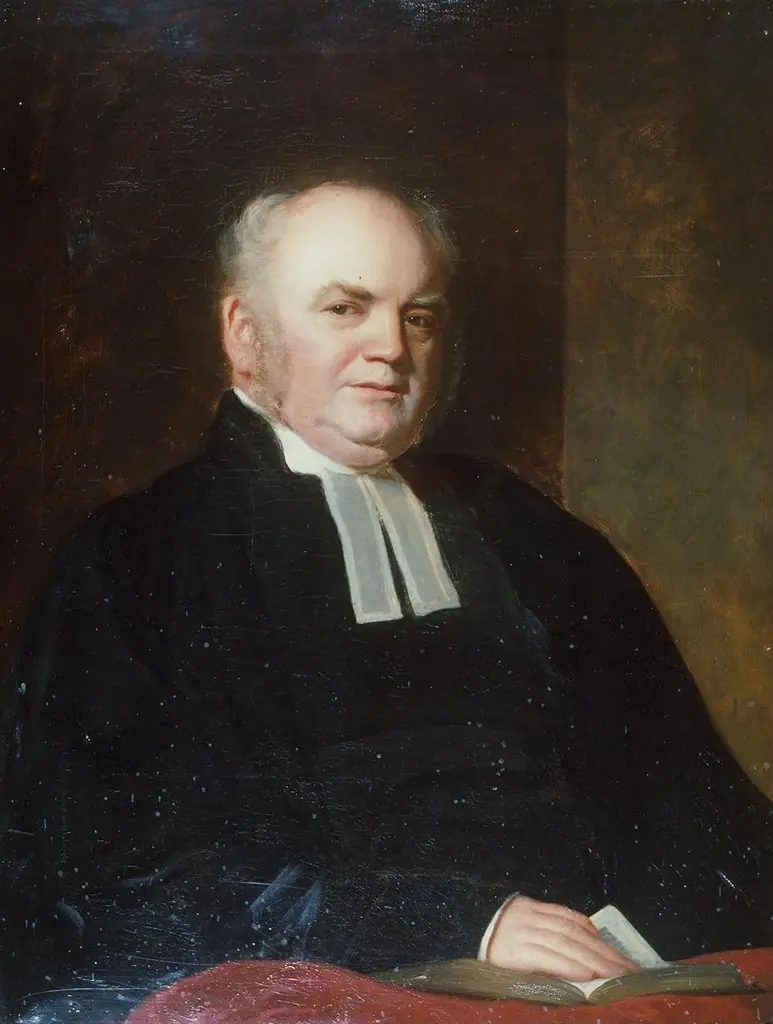 Revd.John Hughes, 1787-1860
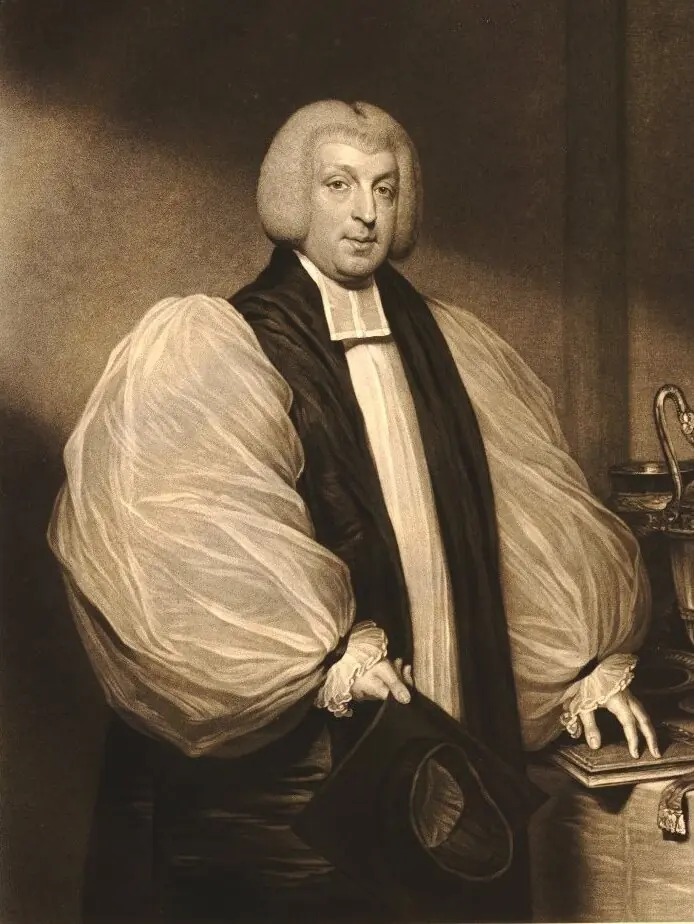 Henry Majendie (1754-1830), Bishop of Bangor and Chester
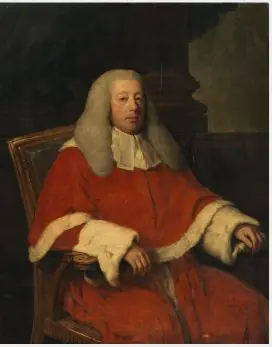 Sir Michael Smith, 1st Bt (1740-1808)
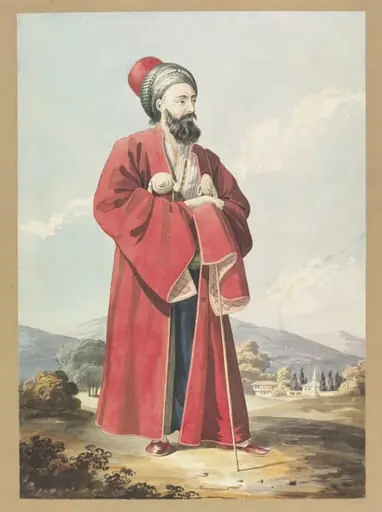 Colonel of Artillery