Artwork
The Essex Canal
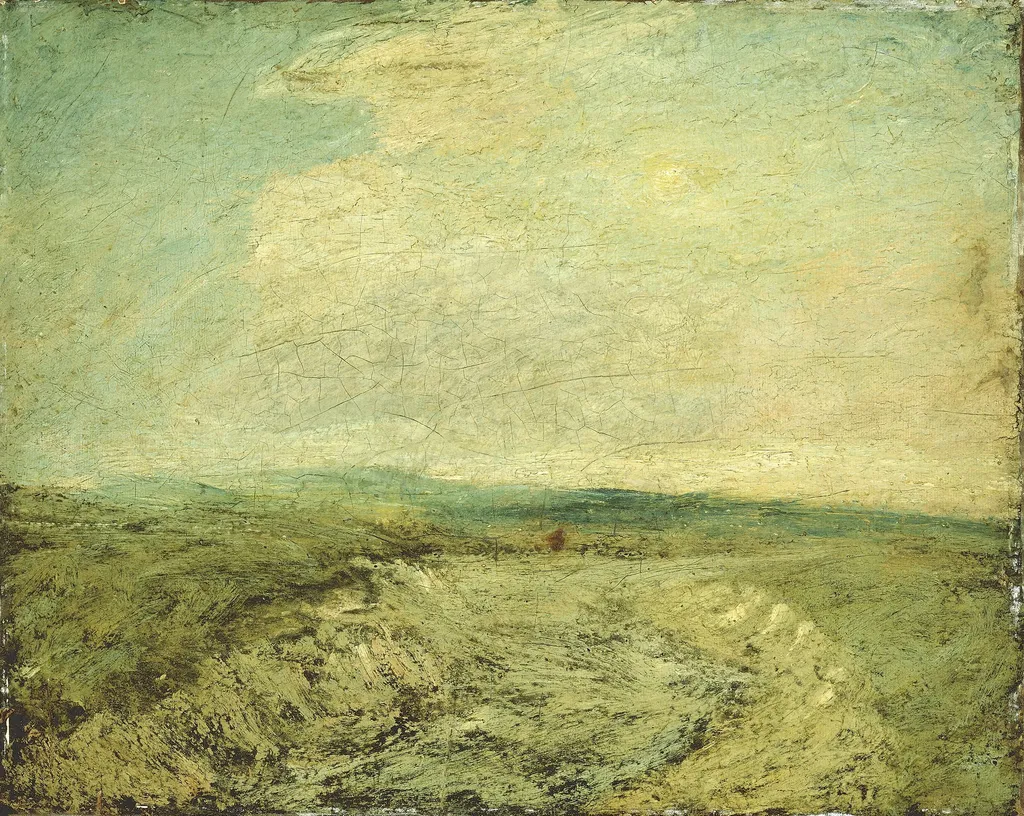
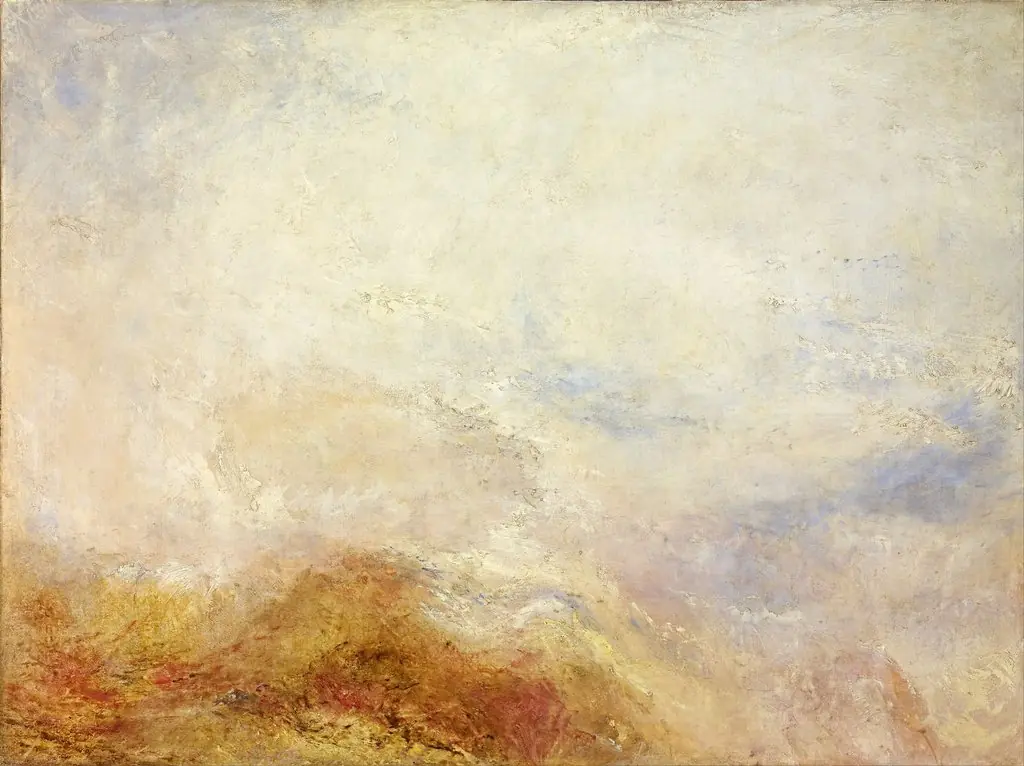
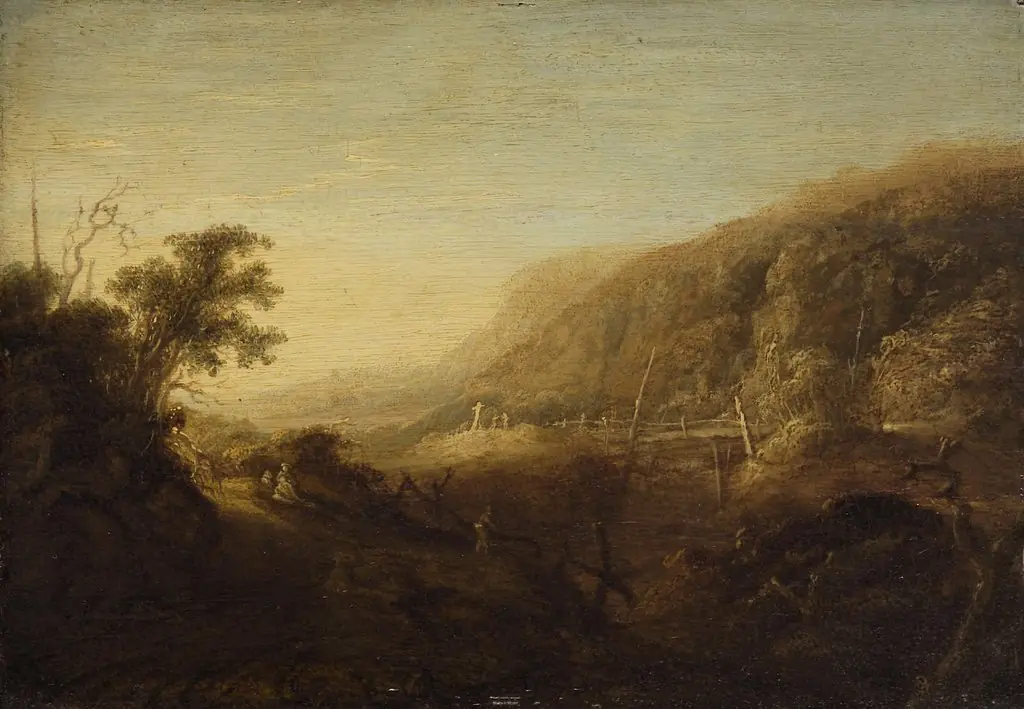
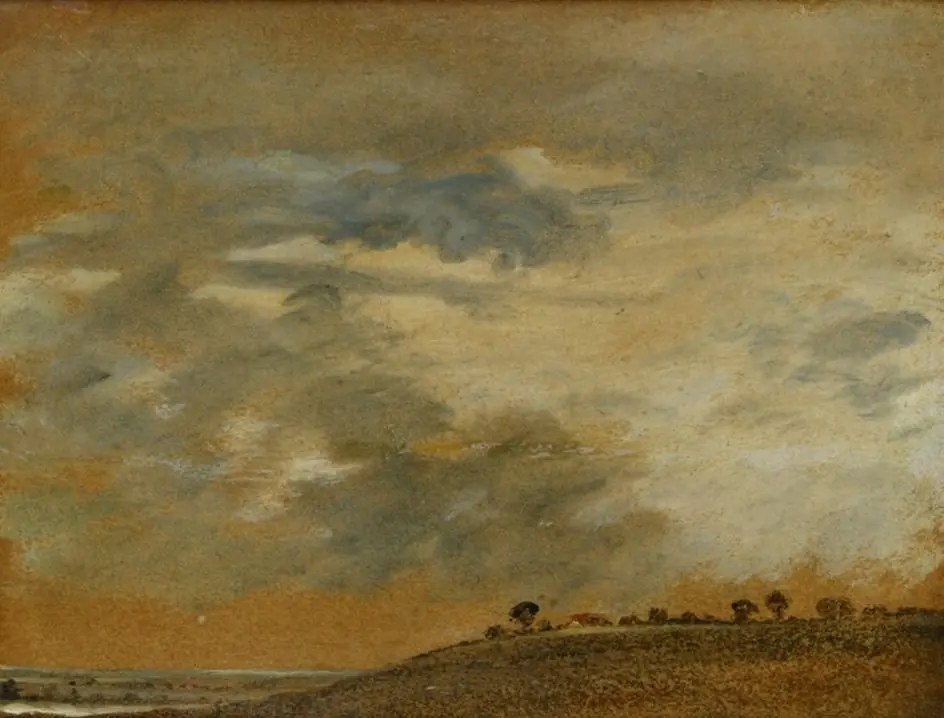
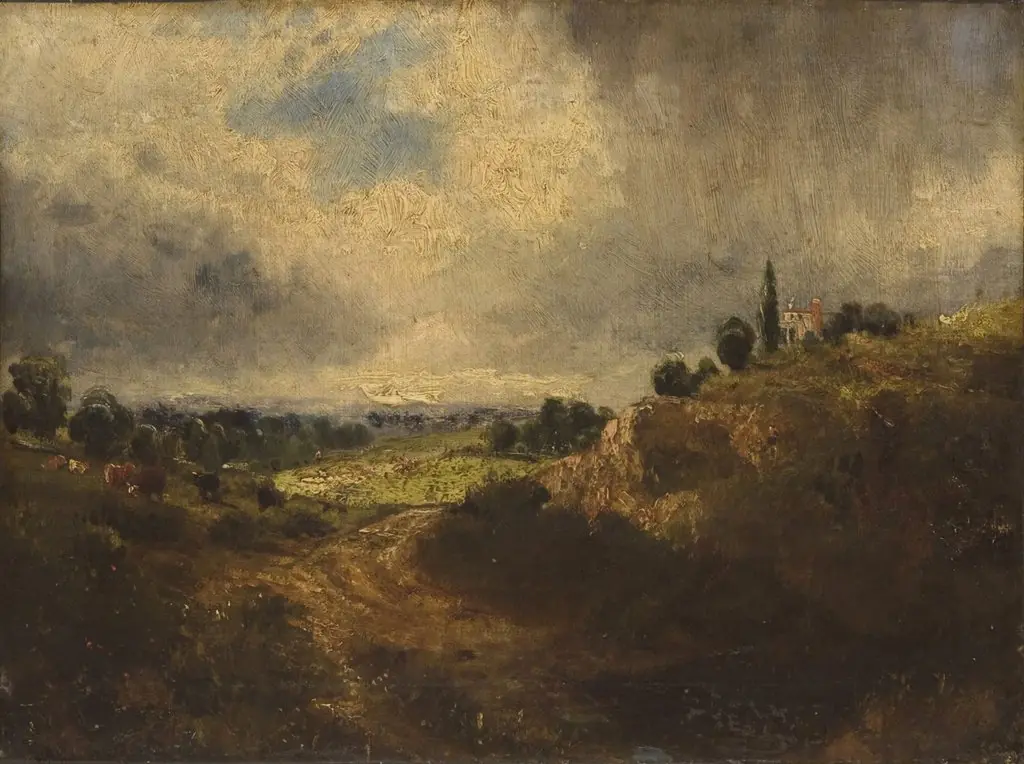
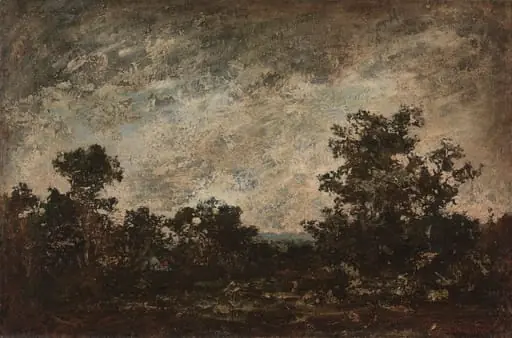
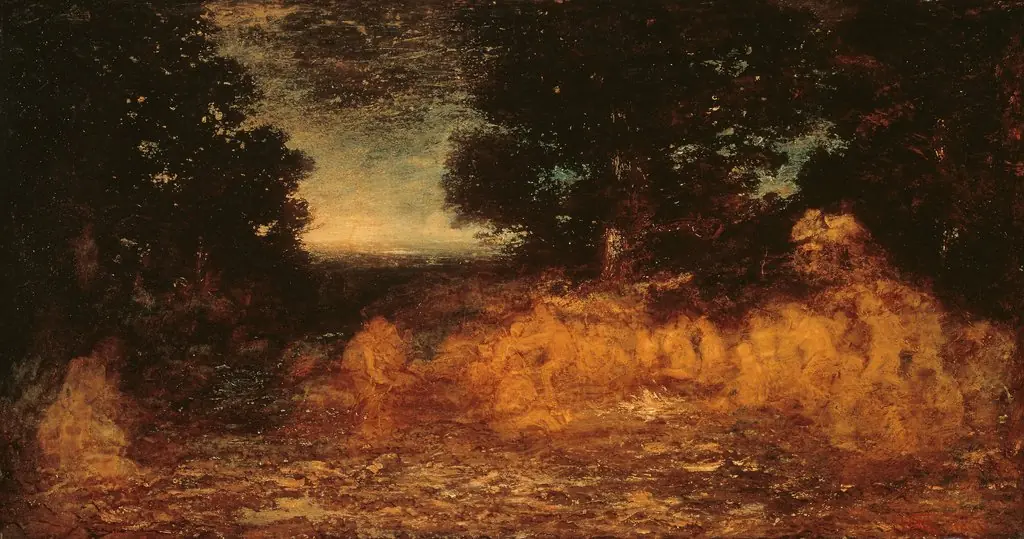
The Essex Canal is an unspecified painting by the American Impressionist artist Albert Pinkham Ryder. It dates from 1898 and is held in the collection of the Art Institute of Chicago.
About this work
Overview
Painted in 1898 by Albert Pinkham Ryder, The Essex Canal is a quiet, atmospheric landscape that captures a narrow waterway winding through a rural setting.
Painted in 1898 by Albert Pinkham Ryder, The Essex Canal is a quiet, atmospheric landscape that captures a narrow waterway winding through a rural setting. The work is part of the permanent collection at the Art Institute of Chicago. Its subdued palette and contemplative mood reflect Ryder’s interest in evoking inner feeling rather than documenting external reality. The composition avoids sharp detail, favoring a dreamlike stillness that invites prolonged observation.
Subject & Meaning
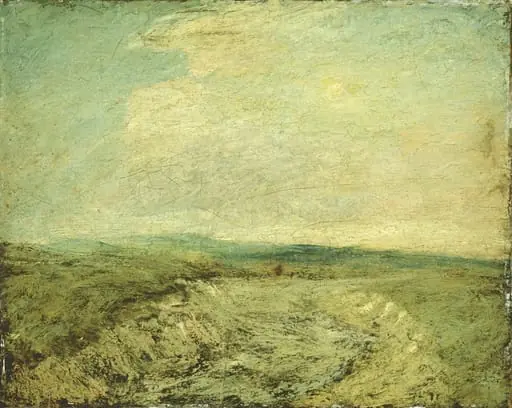
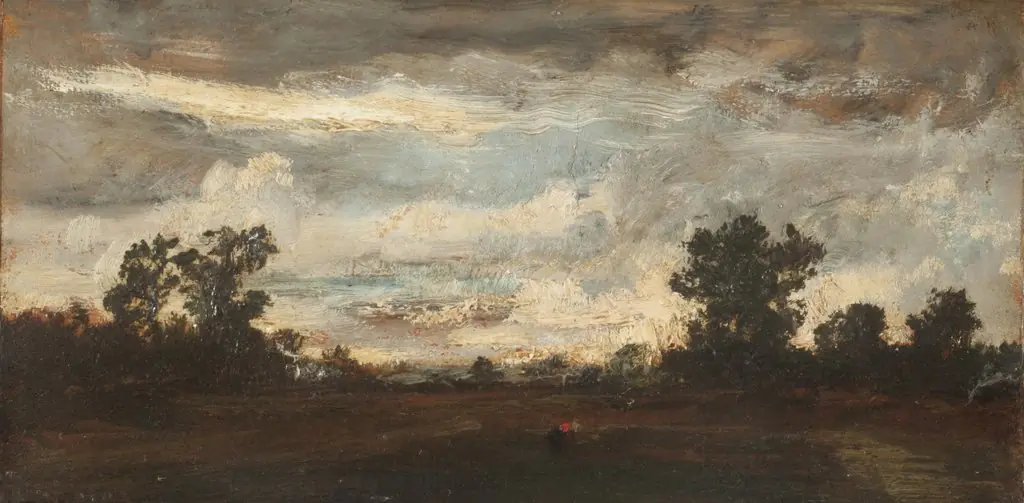
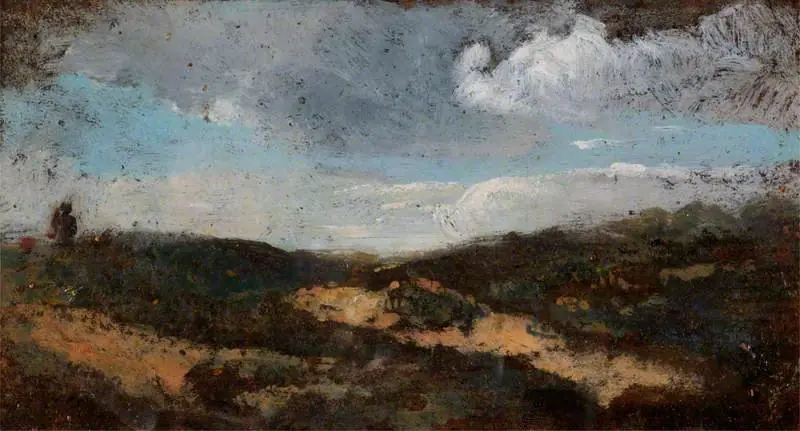
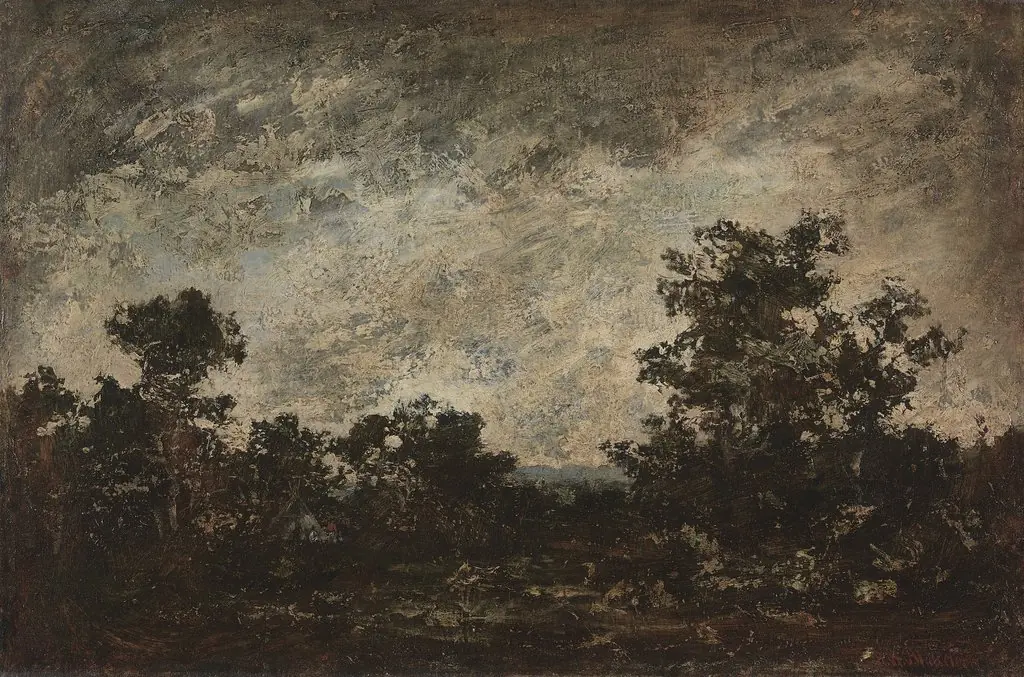
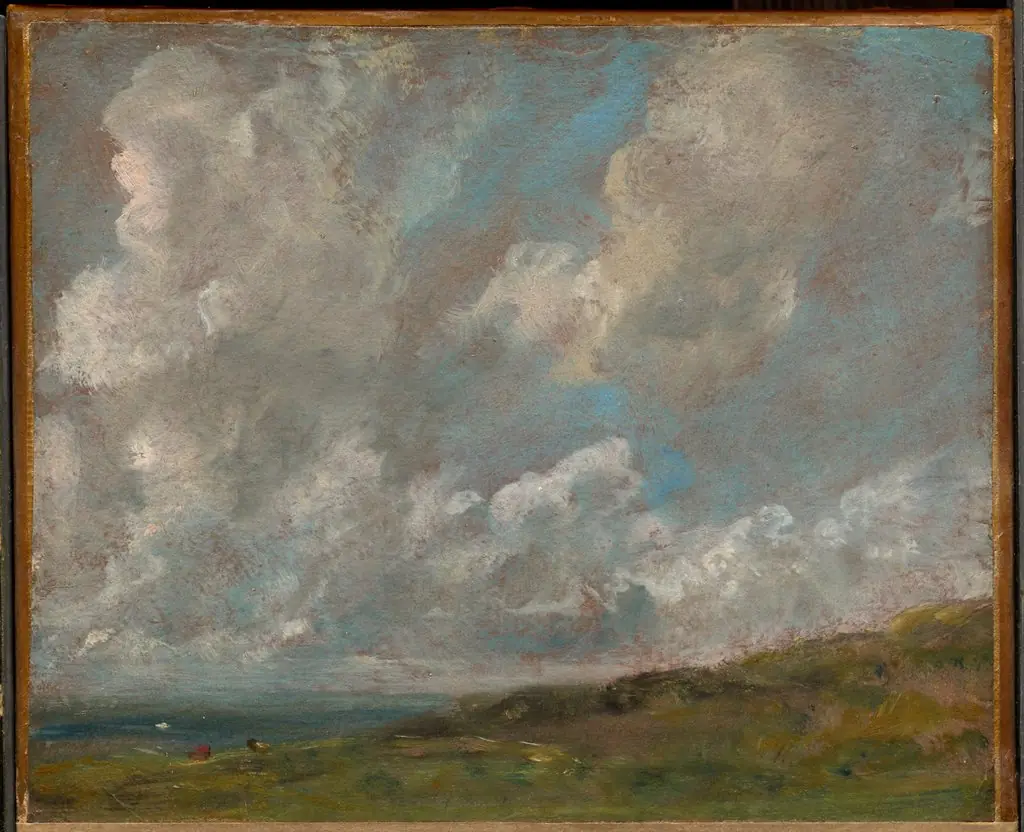
The Essex Canal depicts a tranquil, unnamed stretch of water flanked by dense vegetation and a hazy horizon. There are no figures or signs of human activity, emphasizing solitude and natural rhythm. The canal, neither grand nor utilitarian, functions as a meditative pathway rather than a literal location. Ryder’s choice of subject suggests an introspective engagement with nature, where landscape becomes a vessel for mood rather than narrative.
Technique & Style
Ryder applied thick layers of pigment with a slow, deliberate hand, building surfaces that catch light unevenly. He used chiaroscuro not for dramatic effect, but to dissolve boundaries between sky, water, and land, creating a hazy, atmospheric unity. Colors are muted—blues, greens, and grays—blended softly to suggest twilight or early morning. The brushwork is obscured, prioritizing tonal harmony over defined form.
History & Provenance
Created in 1898, the painting remained in Ryder’s possession until his death in 1917. It passed through private collections before being acquired by the Art Institute of Chicago in 1922. Unlike many of his contemporaries, Ryder rarely exhibited publicly, and few works from this period entered institutional collections early. Its presence in Chicago reflects a later recognition of his unique contribution to American art.
Context
Ryder worked in relative isolation during a time when American art was increasingly drawn to realism and Impressionism. While others captured the energy of modern life, he turned inward, drawing inspiration from poetry, mythology, and personal memory. The Essex Canal aligns with his broader practice of distilling landscapes into emotional symbols, resisting prevailing trends in favor of introspective expression.
Legacy
Though little known during his lifetime, Ryder’s work influenced later American modernists drawn to abstraction and emotional resonance. The Essex Canal exemplifies his quiet revolution: a landscape stripped of detail, where light and texture become carriers of mood. Today, it stands as a quiet testament to the power of restraint, offering a counterpoint to the more overtly dramatic traditions of 19th-century painting.
Artist & collection

Artist
Albert Pinkham Ryder was an American painter best known for his poetic and moody allegorical works and seascapes, as well as his eccentric personality.