Artwork
Înaltele veleități ale revanșarzilor de la Bonn
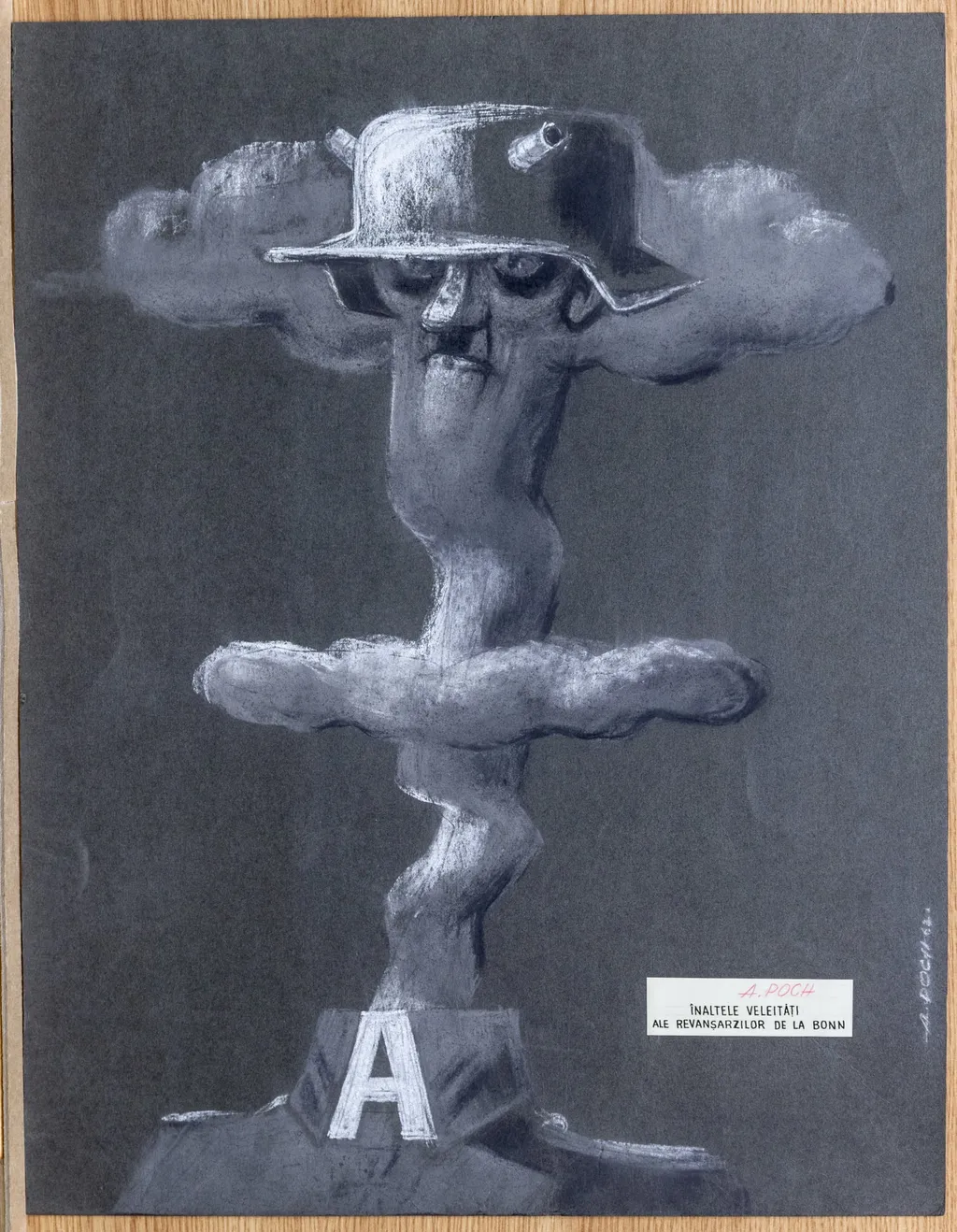
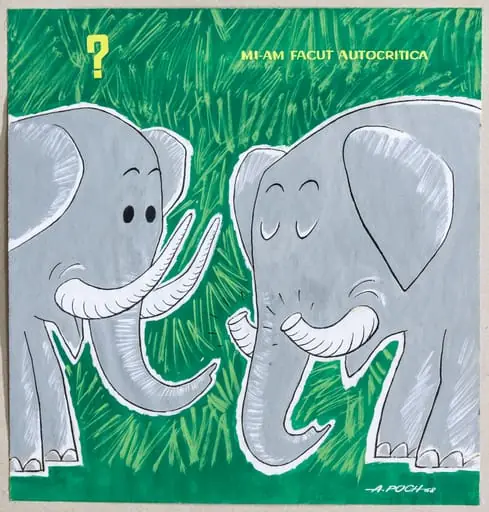
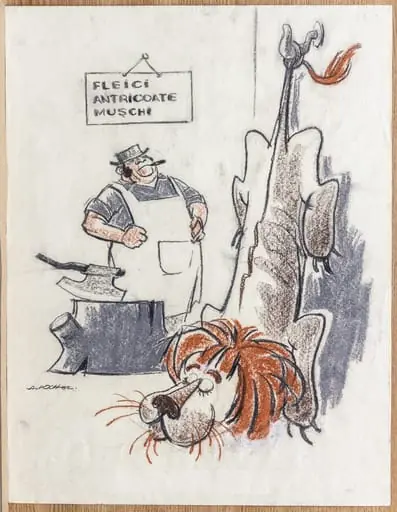
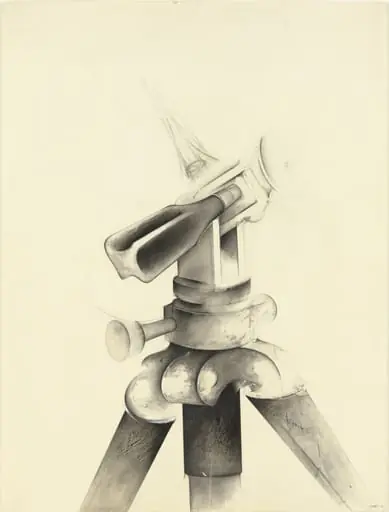
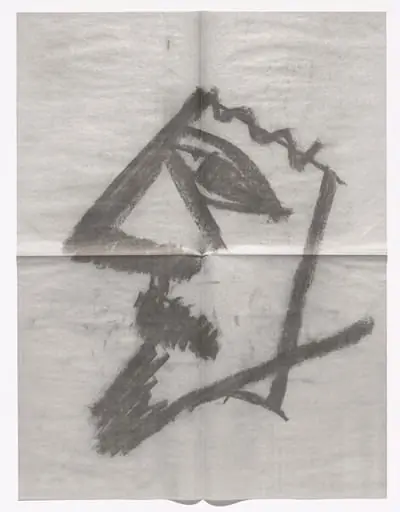
Înaltele veleități ale revanșarzilor de la Bonn is a drawing by Poch Albert. It dates from 1950 and is held in the collection of the Gavrila Simion Eco-Museum Research Institute Tulcea.
About this work
Overview
The title, inscribed in the corner, references a group associated with Bonn, hinting at themes of grievance or postwar reckoning.
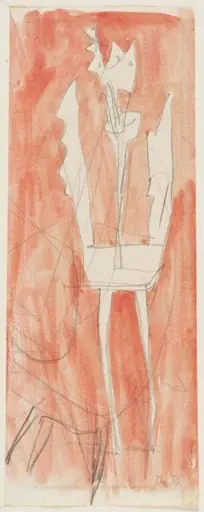
Created around 1950 by artist Poch Albert, this ink sketch is part of the Museum of Ethnography’s collection. It presents a distorted human-like figure in a minimalist, gestural style. The composition lacks detail, relying on loose, smudged lines to suggest form and movement. The title, inscribed in the corner, references a group associated with Bonn, hinting at themes of grievance or postwar reckoning.
Subject & Meaning
The central figure, elongated and unstable, appears to be both a person and a crude drawing—its form suggesting fragility or absurdity. One hand holds a large block marked with the letter 'A,' possibly symbolizing a name, ideology, or accusation. The raised arm and dark, undefined background evoke isolation or performative gesture. The title implies a critique of postwar political vendettas, though the work resists direct interpretation.
Technique & Style
Albert employs rapid, uneven ink strokes that mimic chalk on a rough surface. The figure’s limbs are stretched and unbalanced, with no clear anatomy or perspective. Background elements are reduced to smudged washes, eliminating spatial context. The style leans toward expressive abstraction, prioritizing emotional tone over realism, echoing early 20th-century caricature and outsider art traditions.
History & Provenance
The work entered the Museum of Ethnography’s holdings in the mid-20th century, likely acquired as part of a broader collection of contemporary graphic works. Poch Albert’s output remains sparsely documented, and this piece is among the few known to survive. Its origin as a sketch suggests it may have been a preparatory study or personal meditation rather than a public commission.
Context
Created in the decade following World War II, the image reflects a cultural climate marked by unresolved tensions and shifting identities in Central Europe. Bonn, then emerging as a political center in West Germany, may symbolize institutional authority or bureaucratic inertia. The figure’s absurdity and instability could mirror public skepticism toward postwar reconciliation efforts.
Legacy
Though Poch Albert is not widely recognized in mainstream art histories, this work contributes to a lesser-known strand of postwar graphic expression in Eastern Europe. Its raw, unpolished aesthetic aligns with contemporaneous experimental drawings that rejected formalism in favor of psychological immediacy. It remains a quiet, enigmatic artifact of its time.
Artist & collection
Artist
Poch Albert left behind a small group of drawings and one sculpture made during Romania’s communist years.
Museum
Gavrila Simion Eco-Museum Research Institute Tulcea
Continue through works from the same source collection.