Artwork
Untitled
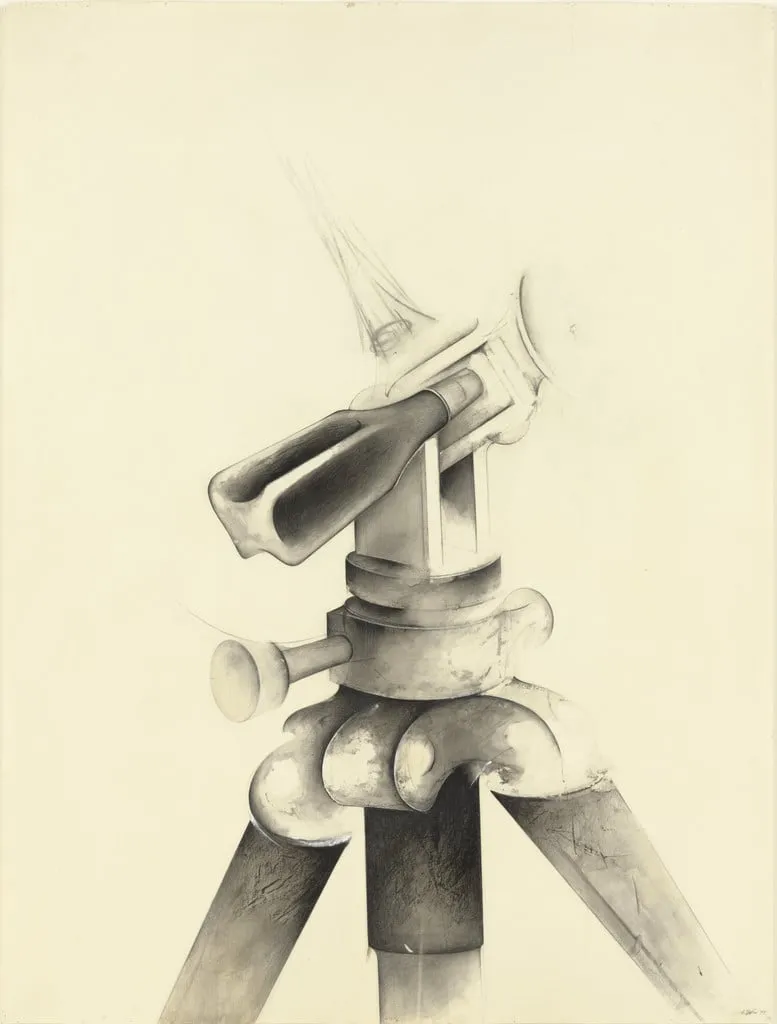
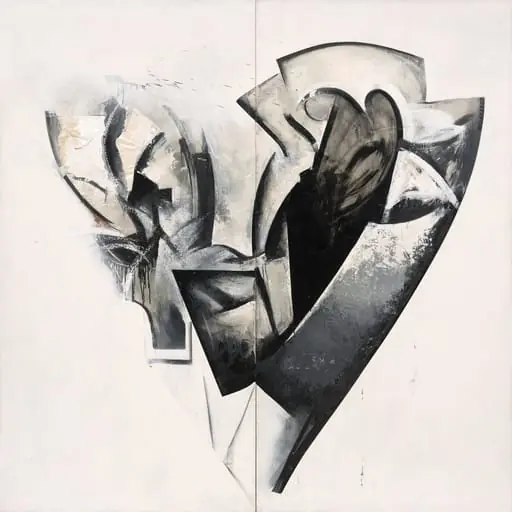
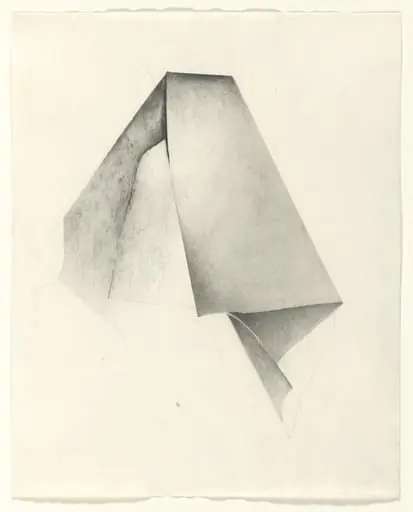
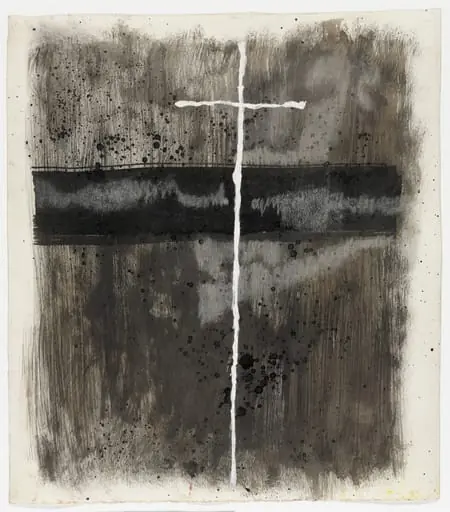
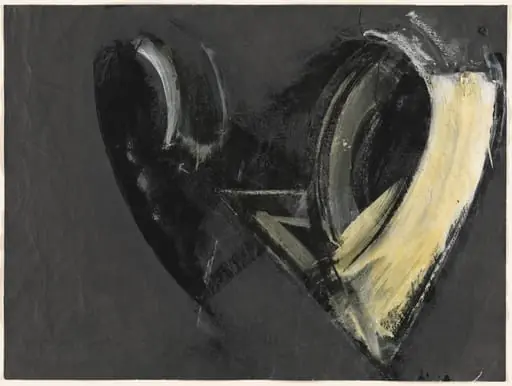
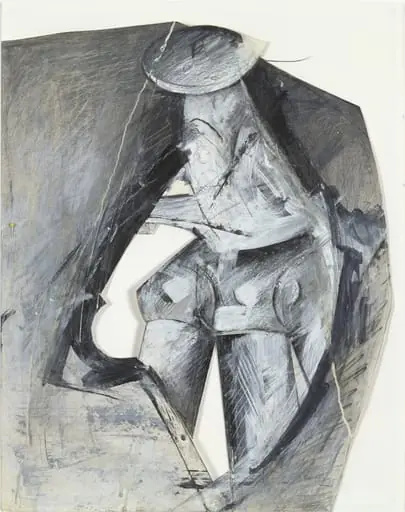
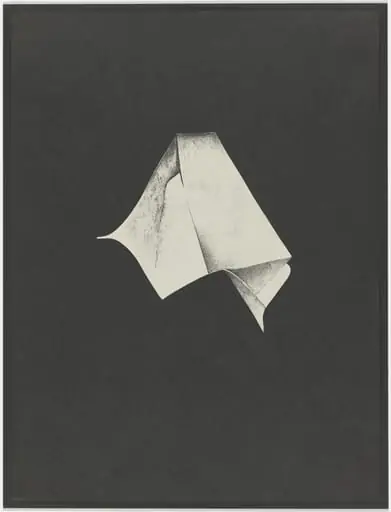
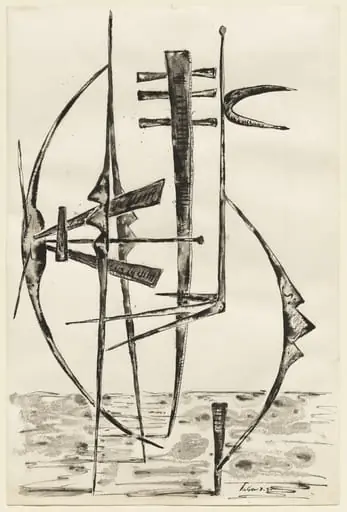
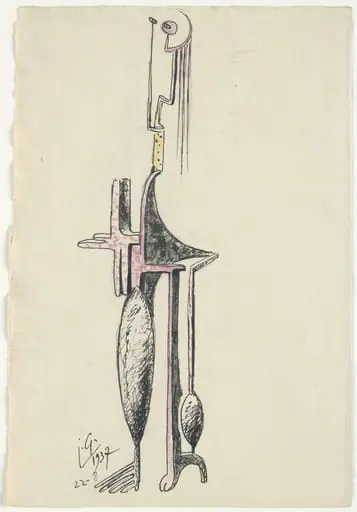
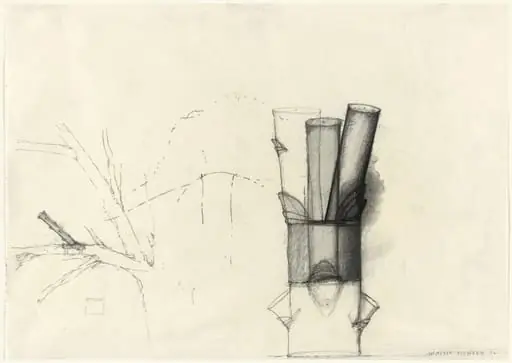
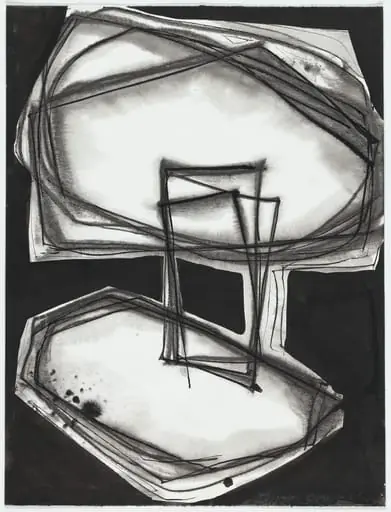
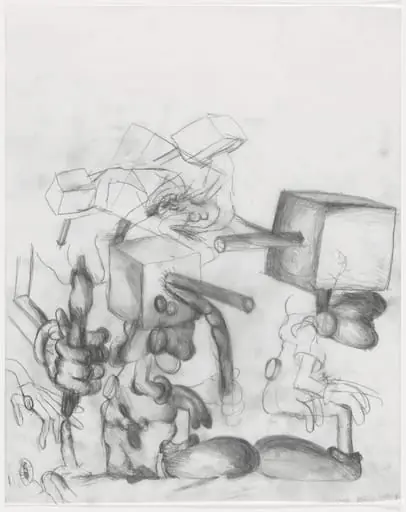
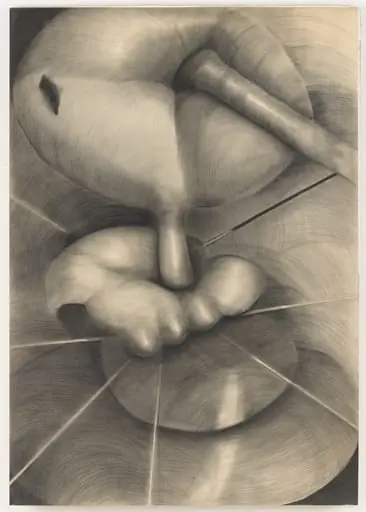
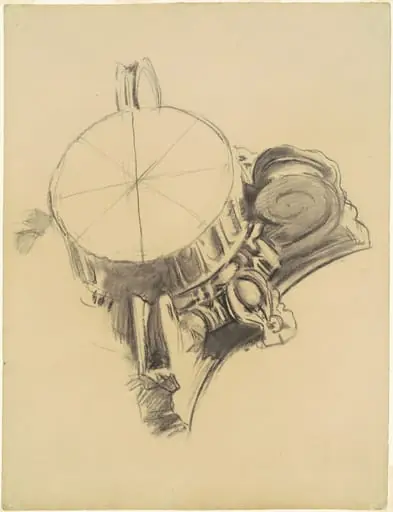
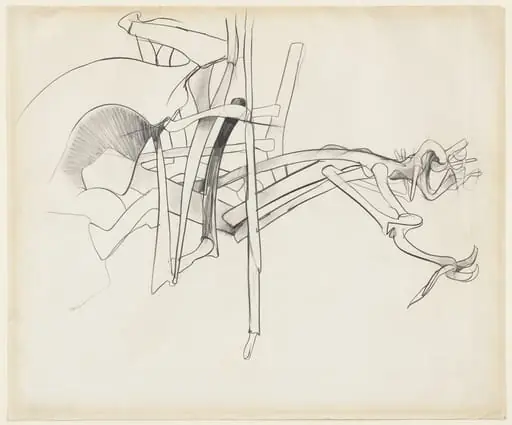
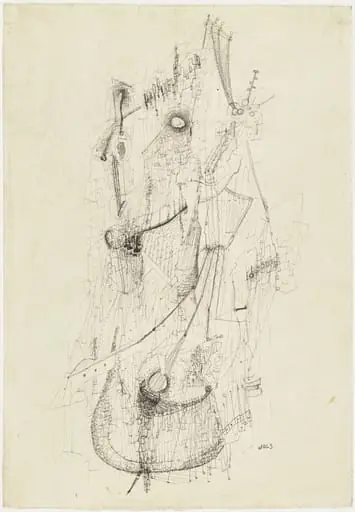
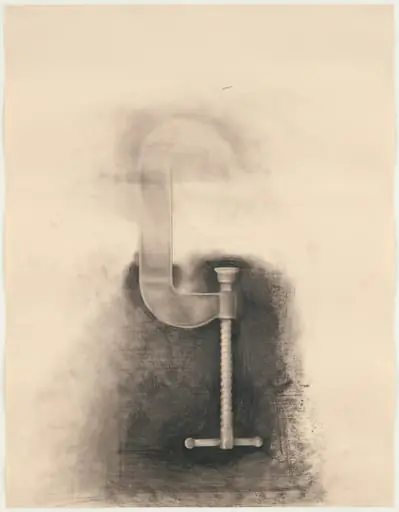
Untitled is an acrylic drawing by Jay DeFeo. It dates from 1977 and is held in the collection of the Museum of Modern Art.
About this work
Overview
The piece belongs to the Museum of Modern Art’s permanent collection and exemplifies DeFeo’s ongoing experimentation with mixed media during her mature period.
Created in 1977, this untitled work by Jay DeFeo combines acrylic, pencil, and charcoal on paper. The composition centers on a solitary tripod, rendered with a blend of drawing and painterly marks that emphasize its structural solidity and subtle wear. The piece belongs to the Museum of Modern Art’s permanent collection and exemplifies DeFeo’s ongoing experimentation with mixed media during her mature period.
Subject & Meaning
The drawing depicts a three‑legged metal tripod, each leg thick and gently curved, converging at a circular platform topped by a hollow cylinder and a small knob. While the object is ordinary, DeFeo isolates it from any context, allowing the viewer to consider the tripod as an autonomous form, its texture and slight deterioration suggesting themes of utility, resilience, and the passage of time.
Technique & Style
DeFeo employs a layered approach: charcoal provides deep, velvety shadows; pencil defines precise edges and fine details; acrylic adds opaque highlights that suggest the reflective quality of metal. The interplay of dark and light creates a tactile surface, while the loose, gestural shading gives the object a sense of weight and presence against an unadorned background.
History & Provenance
Associated with the Beat milieu of 1950s San Francisco, DeFeo continued to explore innovative media throughout her career. This 1977 drawing entered the Museum of Modern Art’s collection, where it remains on view. Its acquisition reflects the institution’s recognition of DeFeo’s contribution to post‑war American art and her distinctive, experimental handling of mixed media.
Artist & collection
Artist
Jay DeFeo (31 March 1929 – 11 November 1989) was an American visual artist who became celebrated in the 1950s as part of the spirited community of Beat artists, musicians, and poets in San Francisco.