Artwork
Sir Andrew Snape Hammond
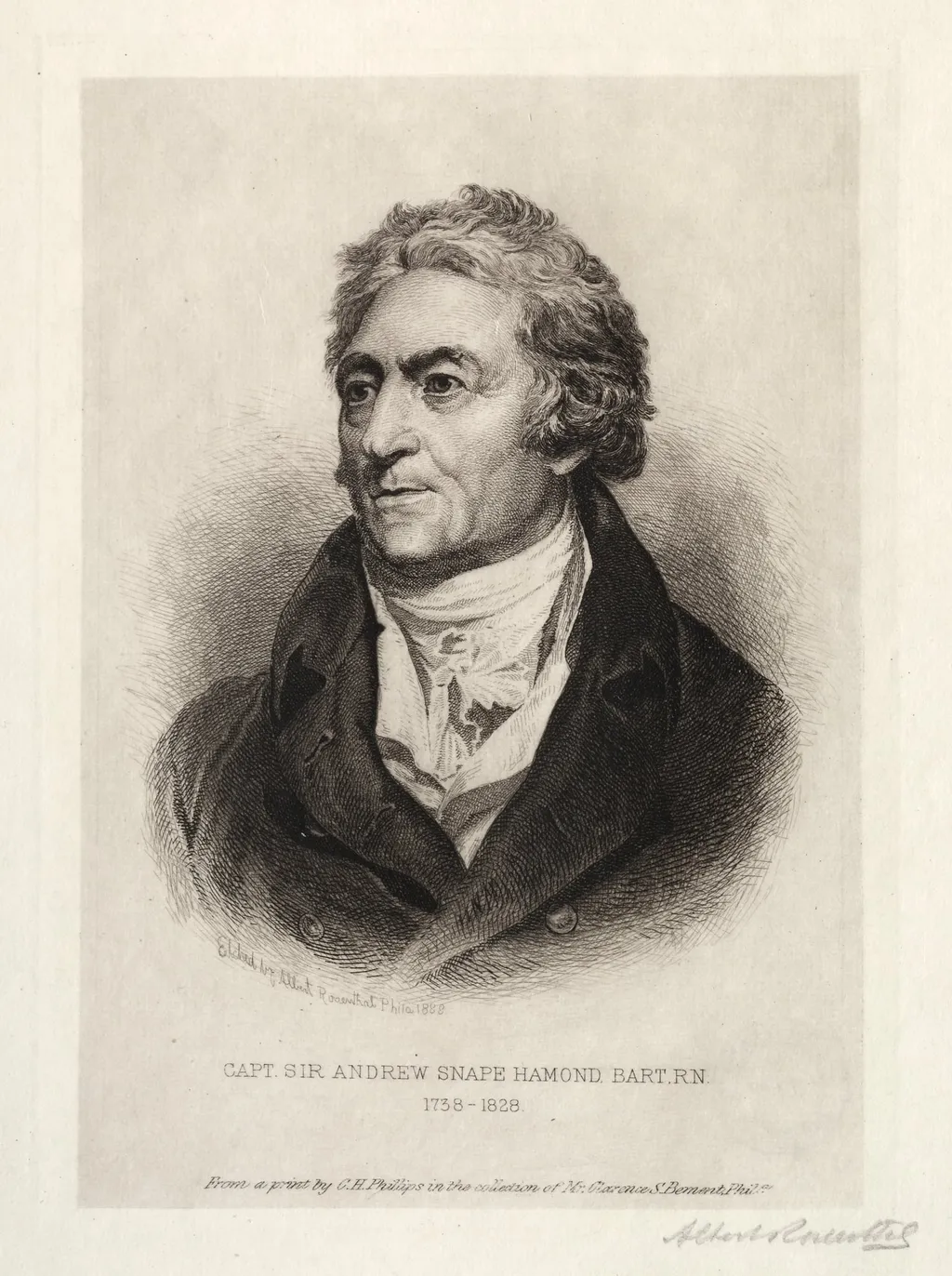
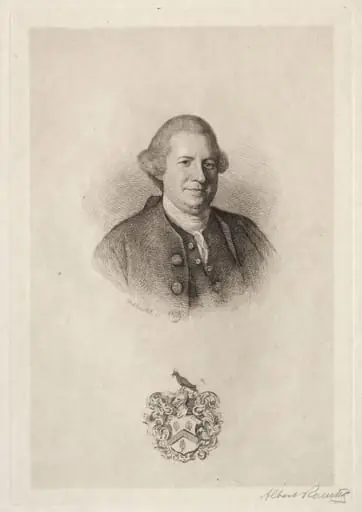
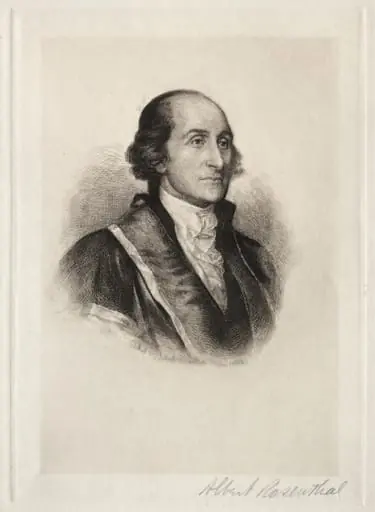
Sir Andrew Snape Hammond is a print by the Impressionist artist Albert Rosenthal. It dates from 1888 and is held in the collection of the Cleveland Museum of Art.
About this work
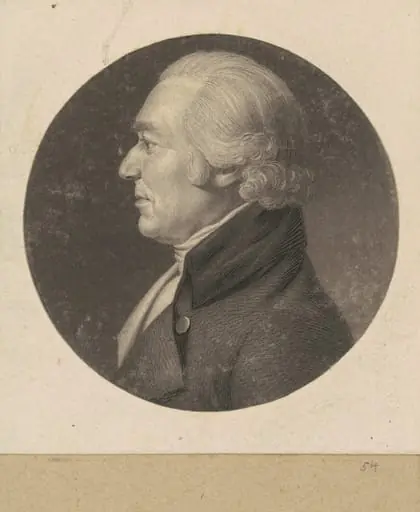
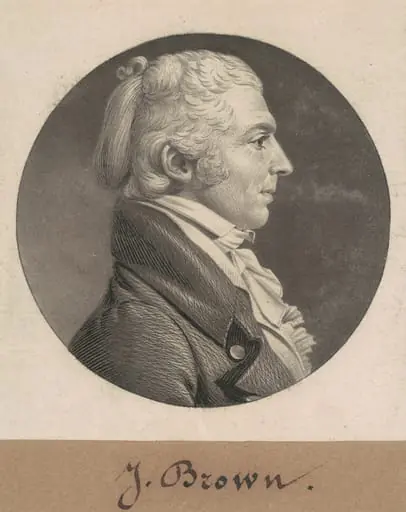
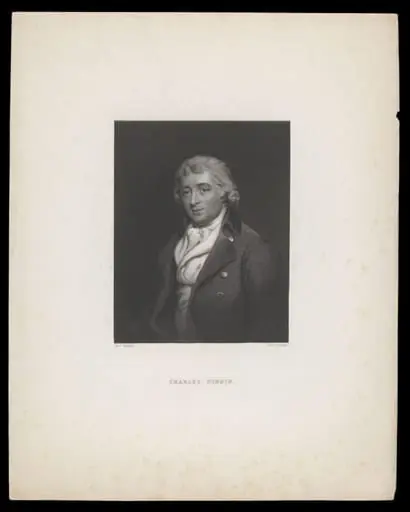
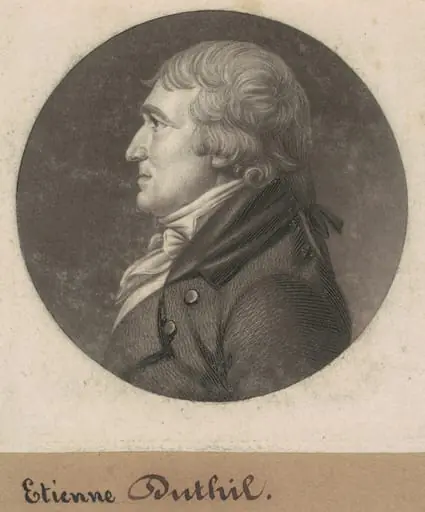
He’s wearing a high-collared coat with fur trim and a cravat tied neatly under his chin.
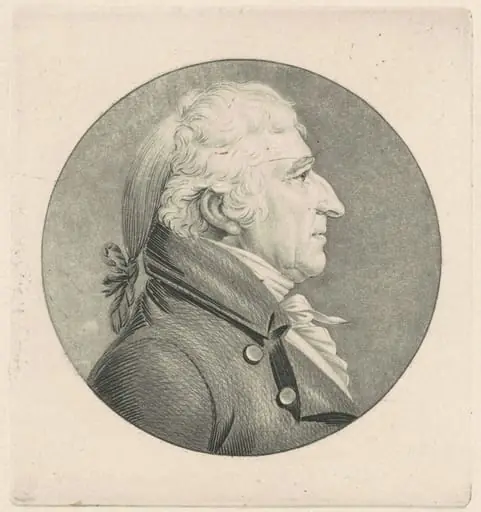
This is a black-and-white portrait of a serious-looking man in his 50s. He’s wearing a high-collared coat with fur trim and a cravat tied neatly under his chin. His hair is short and wavy, and he has a slight frown.
The name below reads *"Capt. Sir Andrew Snape Hammond"* with his birth and death years (1738–1828). The artist’s name, *Albert Rosenthal*, is signed in the corner.
If you like this style, check out The Cleveland Museum of Art.
Overview
Albert Rosenthal, an American printmaker and portraitist from Philadelphia, produced this black-and-white engraving in 1888. It depicts Sir Andrew Snape Hammond, a British naval officer and colonial administrator, rendered in a precise, tonal style typical of 19th-century reproductive prints. The work is held in the collection of The Cleveland Museum of Art, where it serves as an example of historical portraiture adapted for print media.
Subject & Meaning
The subject, Capt. Sir Andrew Snape Hammond (1738–1828), was a Royal Navy officer who served in the Caribbean and held administrative posts in British colonies. The portrait emphasizes his rank and composure through formal attire and restrained expression. The inclusion of his full title and lifespan underscores his public identity, aligning the image with the tradition of commemorative portraiture for military and colonial figures.
Technique & Style
Rosenthal employed fine-line engraving to achieve subtle gradations of tone, capturing the texture of fur trim, the sheen of fabric, and the crispness of the cravat. The monochrome palette and sharp contours reflect the conventions of 19th-century reproductive prints, which aimed to translate painted portraits into accessible, widely distributed formats. The composition is tightly framed, focusing attention on the sitter’s face and upper torso.
History & Provenance
Created in 1888, the print was likely made as a historical reproduction rather than a contemporary likeness, since Hammond died in 1828. Rosenthal, known for his historical portraits, may have based the image on an earlier painting or engraving. It entered the Cleveland Museum of Art’s collection as part of its broader effort to document portraiture and print culture in the United States and Britain.
Context
In the late 19th century, there was renewed interest in British naval history and colonial figures, reflected in the proliferation of engraved portraits. Rosenthal’s work fits within this trend, serving educational and cultural purposes. The print’s modest scale and medium suggest it was intended for private collections or institutional archives rather than public display.
Legacy
Though not widely exhibited, the print remains a documented example of Rosenthal’s engagement with historical subjects and his skill in reproductive engraving. It contributes to the study of how 19th-century American artists interpreted and disseminated British imperial imagery, offering insight into transatlantic cultural exchange through print media.
Artist & collection
Artist
Albert Rosenthal (January 30, 1863 – December 20, 1939) was an American portrait artist, printmaker, writer, and collector from Philadelphia.