Artwork
The Beautiful Virgin of Ratisbon in a Landscape
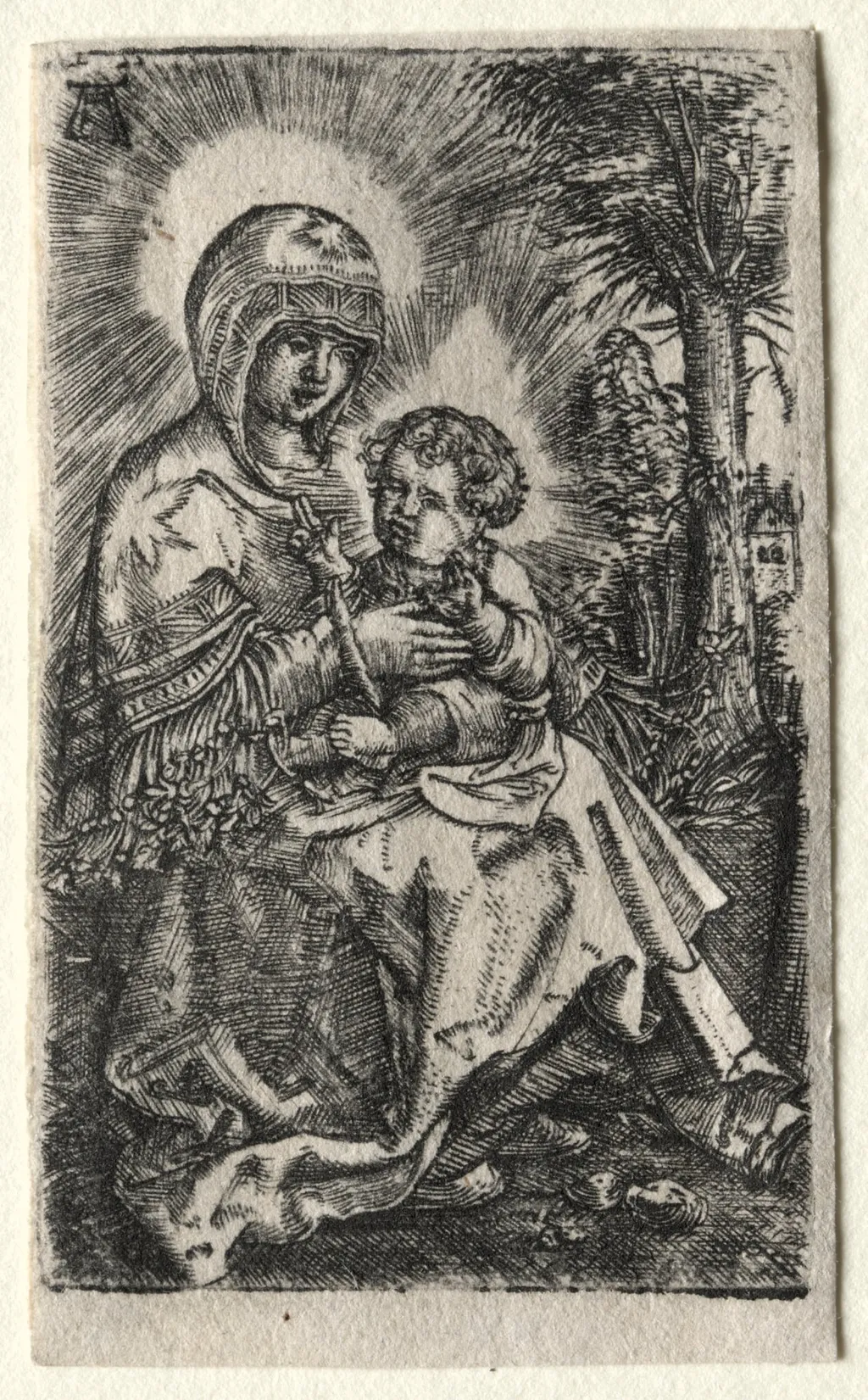
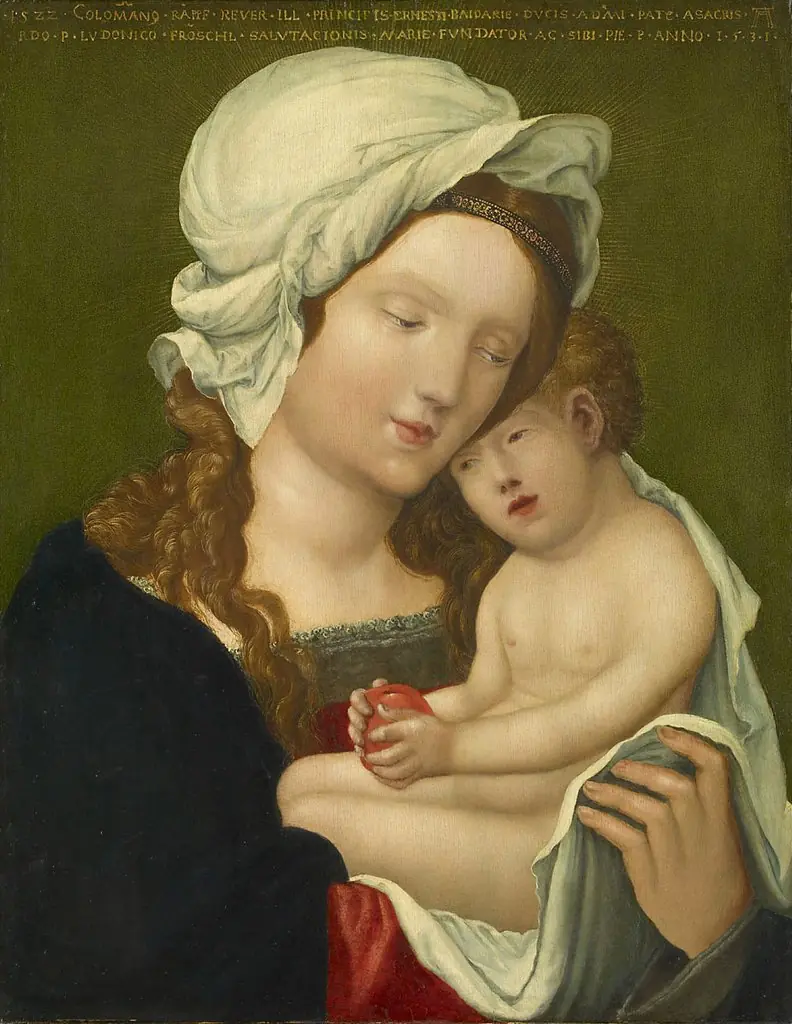
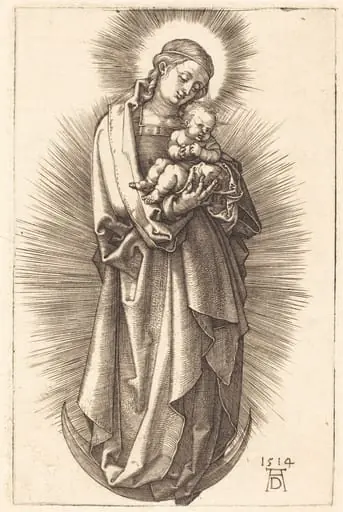
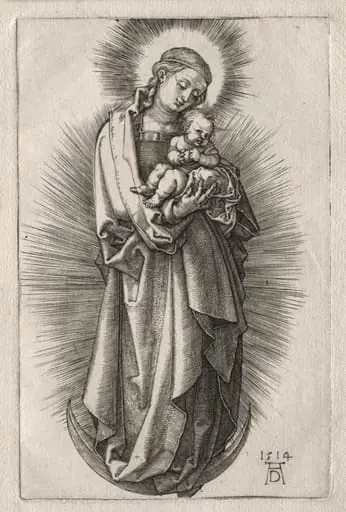
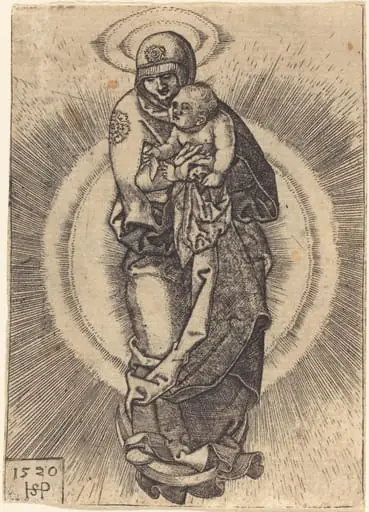
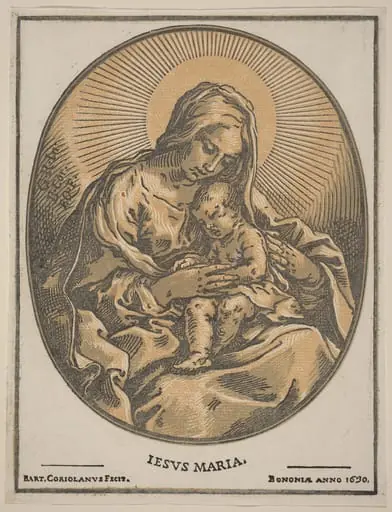
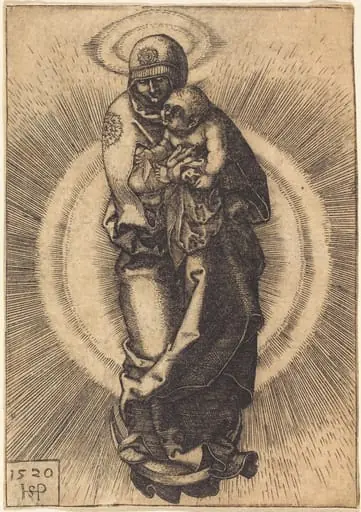
The Beautiful Virgin of Ratisbon in a Landscape is a print by the Renaissance artist Albrecht Altdorfer. It dates from 1520 and is held in the collection of the Cleveland Museum of Art.
About this work
Overview
Altdorfer, based in Regensburg, was a central figure in the Danube School, known for integrating sacred figures into immersive, detailed landscapes.
Created in 1520 by Albrecht Altdorfer, this print depicts the Virgin Mary with the infant Jesus in a naturalistic setting. Altdorfer, based in Regensburg, was a central figure in the Danube School, known for integrating sacred figures into immersive, detailed landscapes. Unlike contemporaries who treated nature as mere backdrop, he elevated the environment to equal narrative importance, signaling a shift in how religious imagery could be composed.
Subject & Meaning
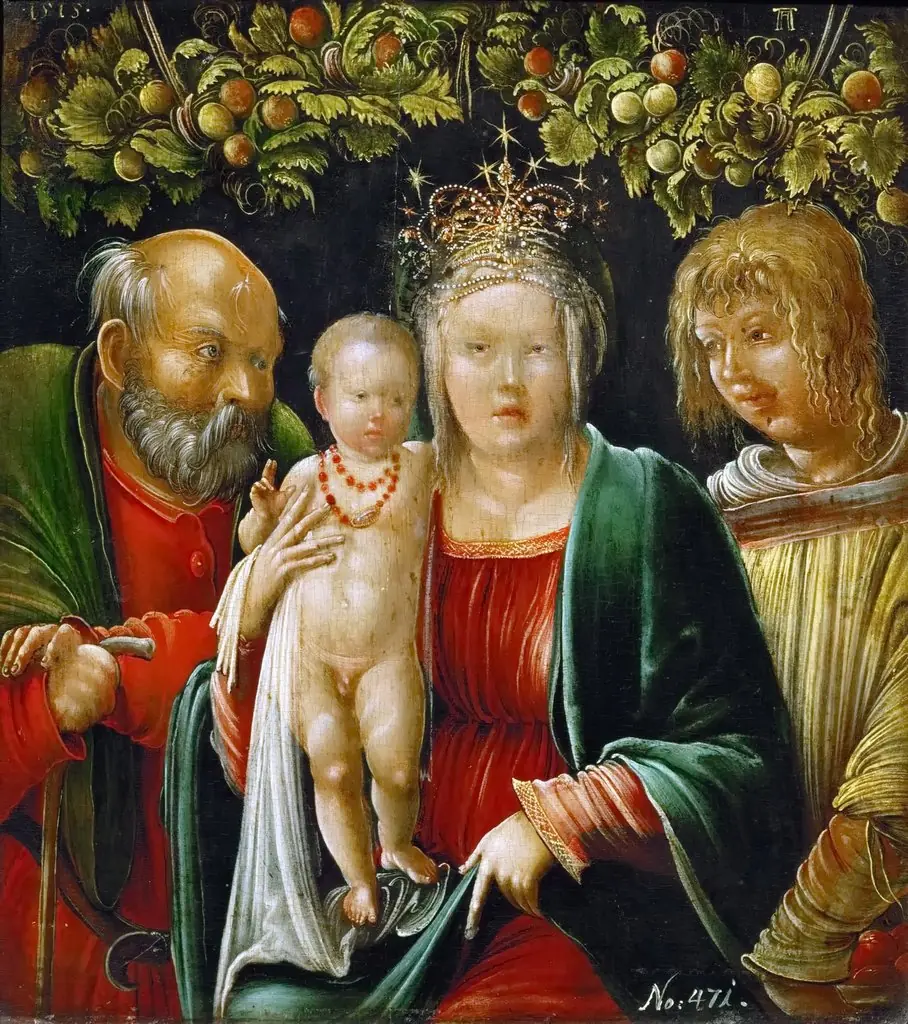
The Virgin Mary, kneeling humbly on the earth, holds the Christ child, who gazes outward with quiet presence. Both figures are rendered with solemn dignity, their postures suggesting devotion rather than grandeur. The landscape surrounding them—dense foliage, distant hills, and subtle light—evokes a sacred solitude, reinforcing the idea of divine presence within the natural world, a theme central to Altdorfer’s spiritual vision.
Technique & Style
Executed as a print, likely a woodcut or engraving, the work displays fine linear precision and subtle tonal gradations. Altdorfer’s handling of texture in foliage and rock, alongside delicate shading on the figures, reflects his mastery of detail. The composition directs attention to the central pair through careful framing by trees and a soft atmospheric perspective, blending Renaissance naturalism with a distinctly Northern European sensitivity to mood and environment.
History & Provenance
Produced during Altdorfer’s mature period in Regensburg, the print emerged from a workshop environment familiar with both religious iconography and emerging print markets. While its early ownership is undocumented, it aligns with other devotional prints circulated in southern German territories. Its survival in institutional collections suggests continued appreciation for its quiet intensity and technical refinement among collectors of the period.
Context
In early 16th-century Germany, religious imagery was undergoing transformation amid Reformation debates. Altdorfer’s choice to embed the Virgin in a richly observed landscape diverged from both medieval iconography and emerging Protestant austerity. His work resonated with audiences seeking spiritual contemplation through nature, positioning him as a bridge between late Gothic tradition and emerging humanist sensibilities.
Legacy
Altdorfer’s integration of landscape as a spiritually charged space influenced later Northern artists, particularly in the development of devotional and landscape printmaking. Though not widely copied, his approach to nature as a vessel for the divine contributed to a broader rethinking of religious art’s relationship with the physical world, leaving a quiet but enduring mark on the evolution of European print culture.
Own this work as a print
Artist & collection
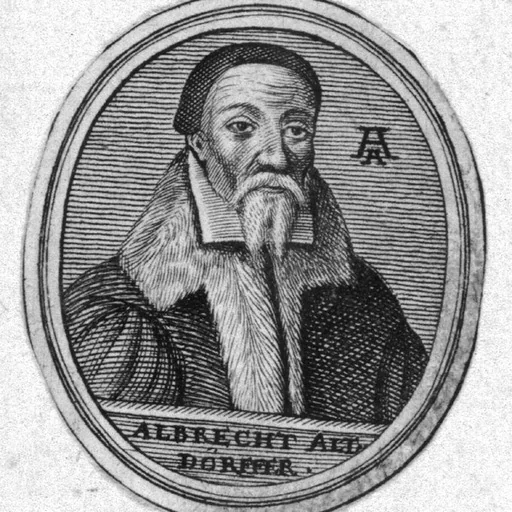
Artist
Albrecht Altdorfer (c. 1480 – 12 February 1538) was a German painter, engraver and architect of the Renaissance working in Regensburg. Along with Lucas Cranach the Elder and Wolf Huber he is regarded to be the main…