Artwork
Madonna and Child
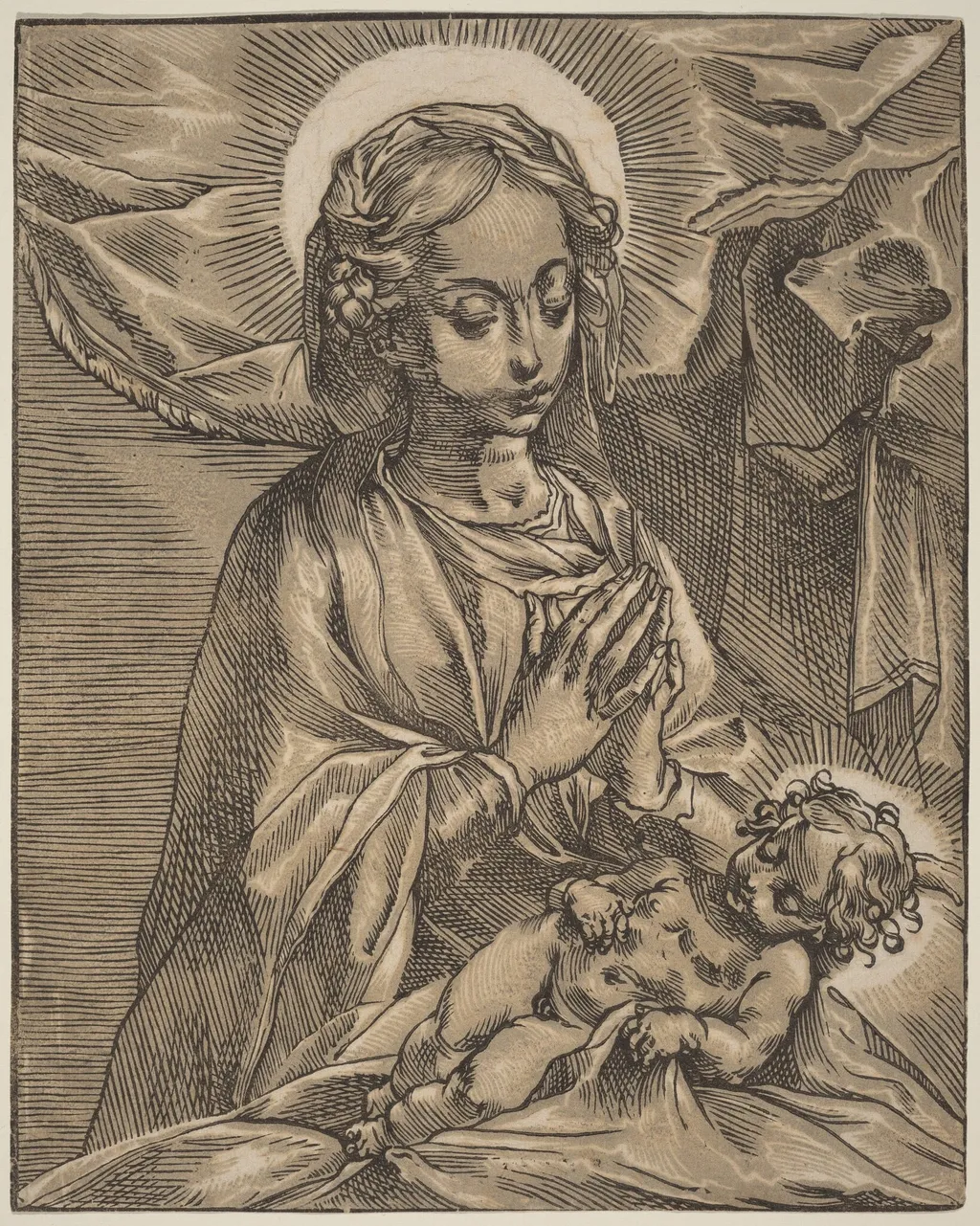
Madonna and Child is an ink print by the Renaissance artist Andrea Andreani. It dates from 1592 and is held in the collection of the National Gallery of Art.
About this work
Overview
Andrea Andreani’s 1592 chiaroscuro woodcut, titled Madonna and Child, presents a devotional image of the Virgin Mary holding the infant Jesus. Executed with two printing blocks in black and gray‑brown on laid paper, the work exemplifies the delicate tonal modeling characteristic of early modern printmaking.
Subject & Meaning
The composition centers on a seated Madonna, her hands joined in prayer, cradling a sleeping Child whose halo signals his divinity. Both figures display serene expressions, conveying a mood of quiet reverence and intimate maternal devotion.
Technique & Style
Andreani employed the chiaroscuro method, carving separate blocks for the outline and tonal areas to achieve a subtle gradation of light and shadow. The limited palette of black and brown tones on the textured laid paper creates a soft atmospheric effect, highlighting the contours of the figures while maintaining a restrained background.
History & Provenance
Created in 1592, the print belongs to the late Renaissance period when chiaroscuro woodcut was popular in Italy. Andreani, a noted practitioner of the technique, produced the image for a devotional market; surviving copies are documented in several European collections, indicating its wide distribution during the early modern era.
Context
The work reflects the broader Renaissance interest in reproducing religious subjects for private contemplation. Chiaroscuro woodcuts allowed artists like Andreani to mimic the tonal richness of painting while making images more affordable, aligning with the period’s expanding print culture.
Legacy
Andreani’s Madonna and Child contributed to the development of tonal printmaking, influencing later artists who explored multi‑block processes. The piece remains a reference point for scholars studying the intersection of print technology and devotional imagery in the late sixteenth century.
Own this work as a print
Artist & collection


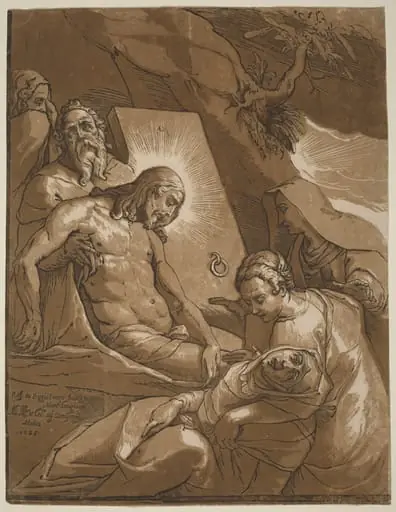 The Entombment
![The Triumph of Julius Caesar [no.9 plus 2 columns], by Andrea Andreani](https://artifactworldgallery.com/img/andrea-andreani--the-triumph-of-julius-caesar-no-9-plus-2-columns--26f4d2249baf2916-w320.webp) The Triumph of Julius Caesar [no.9 plus 2 columns]
The Triumph of Julius Caesar [no.9 plus 2 columns]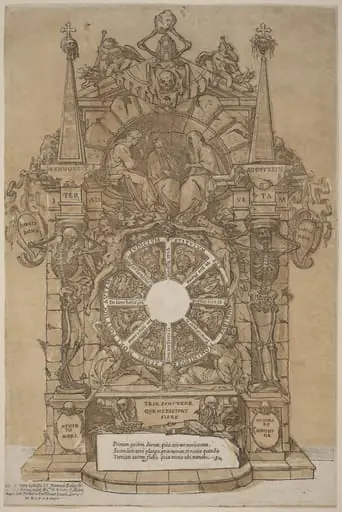 Allegory on Death
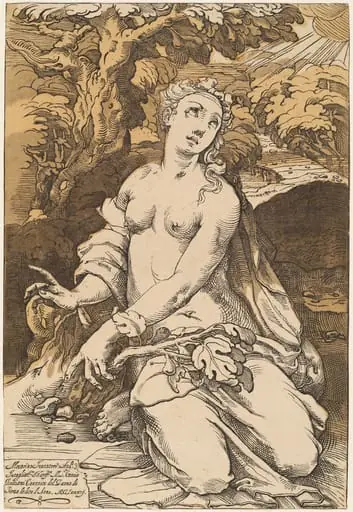 Eve
Eve![The Triumph of Julius Caesar [no.3 and 4 plus 2 columns], by Andrea Andreani](https://artifactworldgallery.com/img/andrea-andreani--the-triumph-of-julius-caesar-no-3-and-4-plus-2-columns--58c944449efc96df-w320.webp) The Triumph of Julius Caesar [no.3 and 4 plus 2 columns]
The Triumph of Julius Caesar [no.3 and 4 plus 2 columns]![The Triumph of Julius Caesar [no.1 and 2 plus 2 columns], by Andrea Andreani](https://artifactworldgallery.com/img/andrea-andreani--the-triumph-of-julius-caesar-no-1-and-2-plus-2-columns--72fc49376c9f9633-w320.webp) The Triumph of Julius Caesar [no.1 and 2 plus 2 columns]
The Triumph of Julius Caesar [no.1 and 2 plus 2 columns]![The Triumph of Julius Caesar [no.7 and 8 plus 2 columns], by Andrea Andreani](https://artifactworldgallery.com/img/andrea-andreani--the-triumph-of-julius-caesar-no-7-and-8-plus-2-columns--75ccf1616a5609e2-w320.webp) The Triumph of Julius Caesar [no.7 and 8 plus 2 columns]
The Triumph of Julius Caesar [no.7 and 8 plus 2 columns]![The Triumph of Julius Caesar [no.5 and 6 plus 2 columns], by Andrea Andreani](https://artifactworldgallery.com/img/andrea-andreani--the-triumph-of-julius-caesar-no-5-and-6-plus-2-columns--89574bdb08c8732e-w320.webp) The Triumph of Julius Caesar [no.5 and 6 plus 2 columns]
The Triumph of Julius Caesar [no.5 and 6 plus 2 columns]
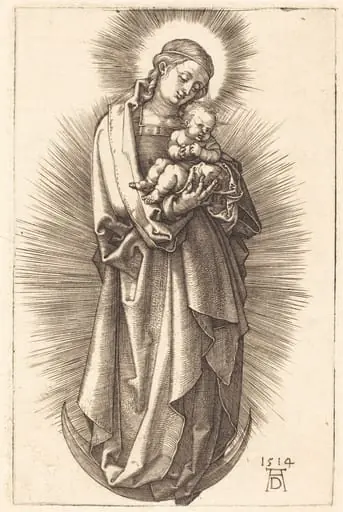 The Virgin and Child on a Crescent with a Diadem
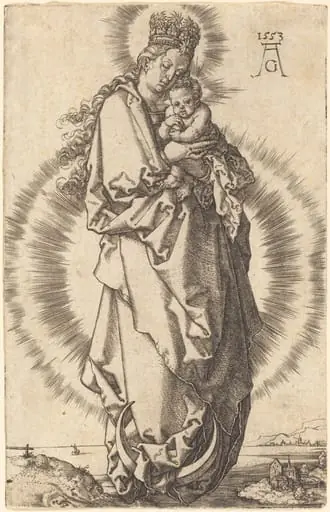 The Virgin with the Child on the Crescent
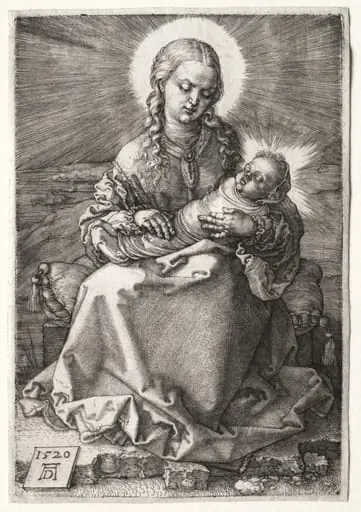 The Virgin with the Swaddled Child
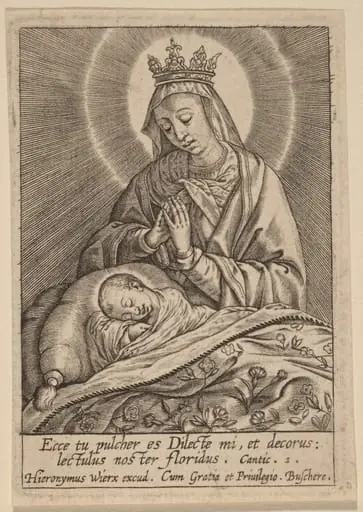 Ecce tu pulcher es Dilecte ...
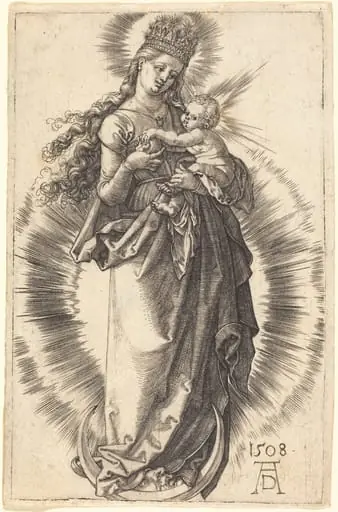 The Virgin and Child on a Crescent with a Starry Crown
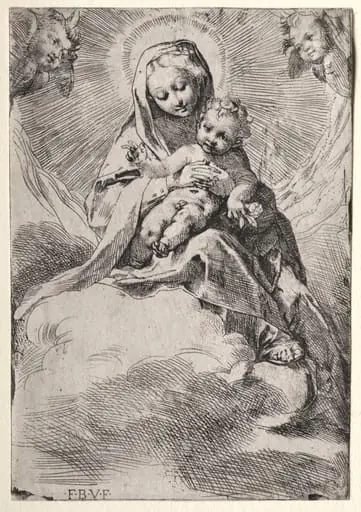 Madonna in the Clouds
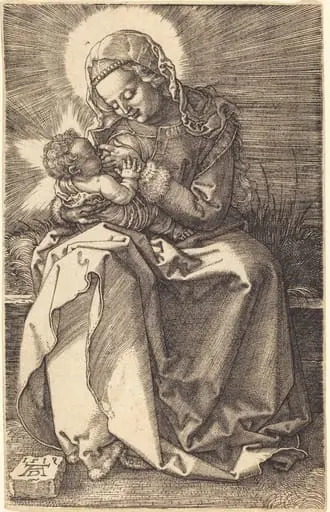 The Virgin Nursing the Child
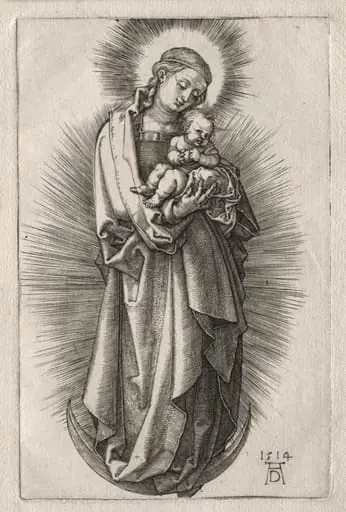 The Virgin with Hairband on a Crescent Moon
 The Beautiful Virgin of Regensburg Seated in a Landscape
 Virgin and Child
 The Virgin with the Swaddled Child
 Madonna in the Clouds