Artwork
The Fall and Redemption of Man: Burial of Christ
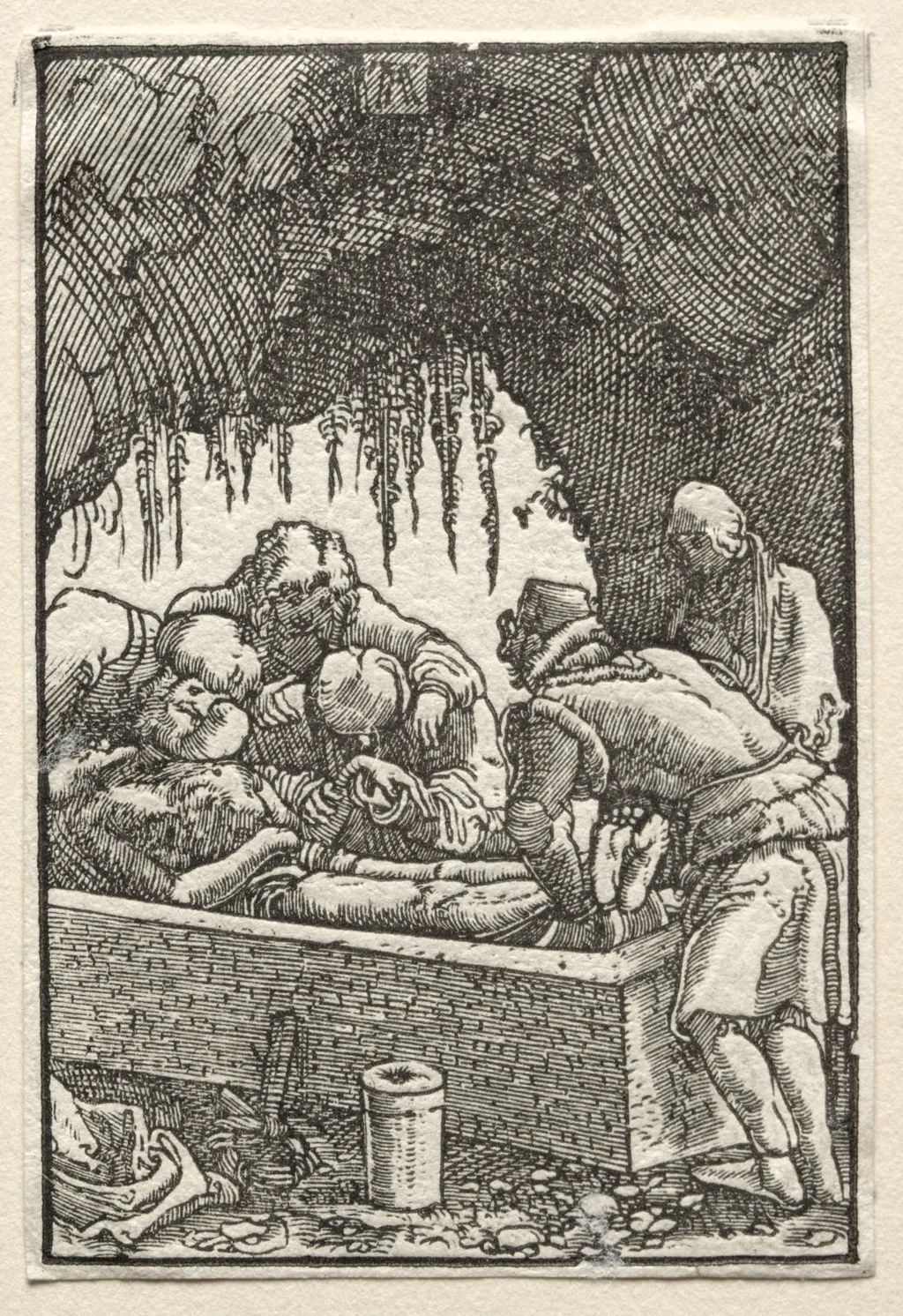
The Fall and Redemption of Man: Burial of Christ is a print by the Renaissance artist Albrecht Altdorfer. It dates from 1515 and is held in the collection of the Cleveland Museum of Art.
About this work
Overview
Created around 1515 by Albrecht Altdorfer, this print is a monochrome interpretation of a biblical burial scene, likely derived from a larger painted panel.
Created around 1515 by Albrecht Altdorfer, this print is a monochrome interpretation of a biblical burial scene, likely derived from a larger painted panel. Altdorfer, based in Regensburg, was known for integrating religious narratives into complex natural settings. Though rendered in black and white, the work retains the emotional intensity and compositional density characteristic of his style, reflecting his broader interest in landscape as a carrier of spiritual meaning.
Subject & Meaning
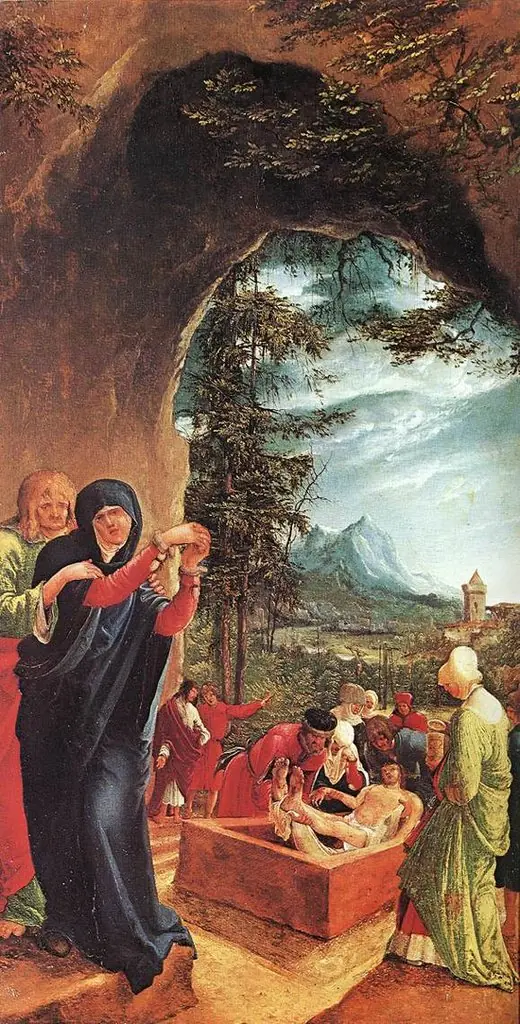
The scene depicts the burial of Christ, with mourners gathered around his wrapped body on a stone slab. Figures are arranged in close proximity, their postures conveying grief and reverence. The kneeling figure with clasped hands suggests personal devotion, while others observe in silent mourning. The absence of divine intervention or celestial elements focuses attention on human sorrow, emphasizing the physicality of death and communal mourning within a sacred context.
Technique & Style
Executed with precise, angular lines and strong contrasts of light and shadow, the print uses chiaroscuro to model form and heighten emotional gravity. The background features rough, irregular shapes that suggest rocky terrain or gnarled vegetation, echoing Altdorfer’s tendency to render nature as an active, almost sentient presence. The crowded composition and lack of spatial recession intensify the sense of intimate, urgent mourning.
History & Provenance
The print is part of the collection at the Cleveland Museum of Art, acquired as a representative example of early 16th-century German printmaking. It likely originated as a preparatory study or independent print inspired by Altdorfer’s painted works. Its survival in black and white suggests it was reproduced from a lost original panel or drawn directly for print, reflecting the artist’s engagement with multiple media.
Context
Produced during the Northern Renaissance, the work aligns with regional trends that prioritized emotional expression and detailed naturalism over classical ideals. Altdorfer’s Danube School contemporaries similarly merged sacred themes with dramatic landscapes, diverging from Italian humanist approaches. This print reflects a distinctly German preoccupation with inner spiritual experience, expressed through somber, immersive environments.
Legacy
Altdorfer’s integration of landscape as more than backdrop influenced later generations of Northern artists who saw nature as a vessel for theological reflection. Though this print is not widely reproduced, it exemplifies his role in expanding the expressive potential of printmaking beyond illustration. Its quiet intensity continues to inform interpretations of religious scenes in early modern German art.
Artist & collection
Artist
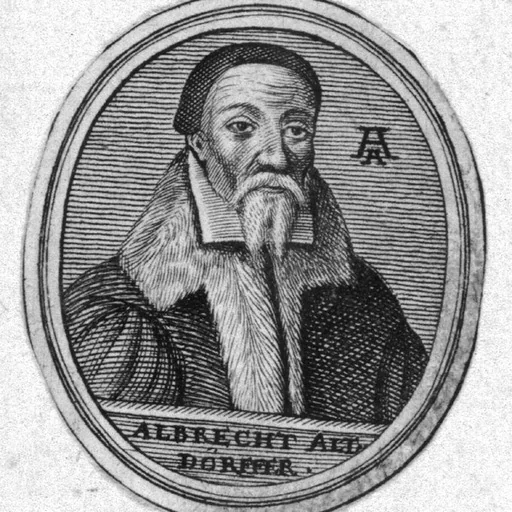
Albrecht Altdorfer (c. 1480 – 12 February 1538) was a German painter, engraver and architect of the Renaissance working in Regensburg. Along with Lucas Cranach the Elder and Wolf Huber he is regarded to be the main…

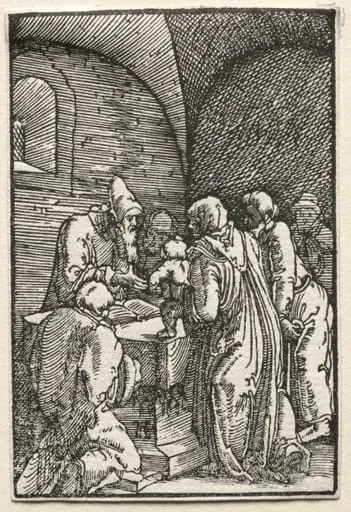 The Fall and Redemption of Man: The Presentation of Christ in the Temple
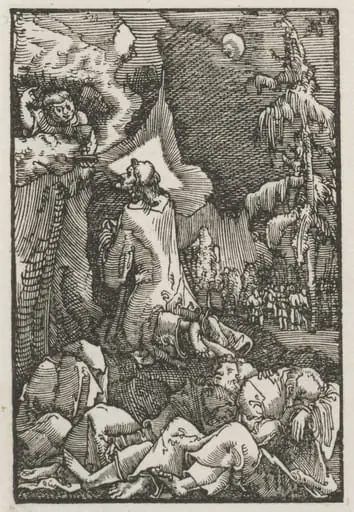 The Fall and Redemption of Man: Christ on the Mount of Olives
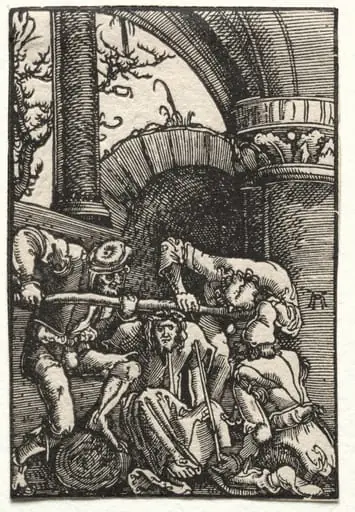 The Fall and Redemption of Man: Christ Crowned with Thorns
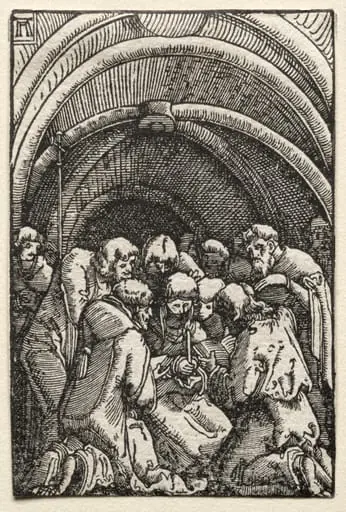 The Fall and Redemption of Man: The Death of the Virgin
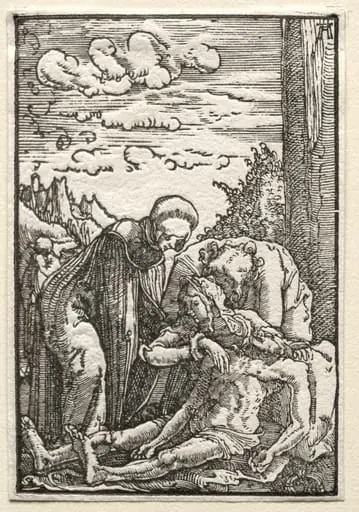 The Fall and Redemption of Man: The Lamentation beneath the Cross
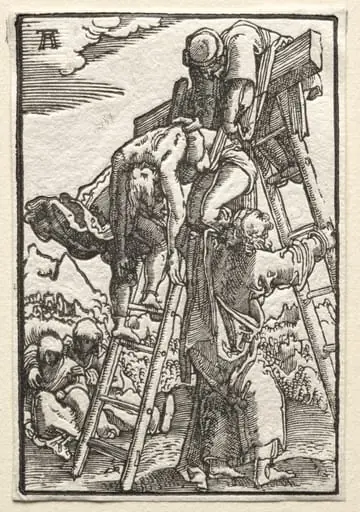 The Fall and Redemption of Man: Descent from the Cross
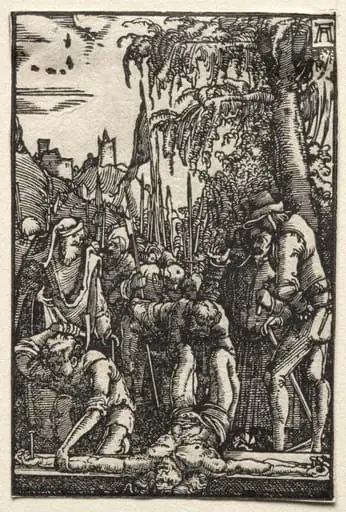 The Fall and Redemption of Man: Christ Nailed to the Cross
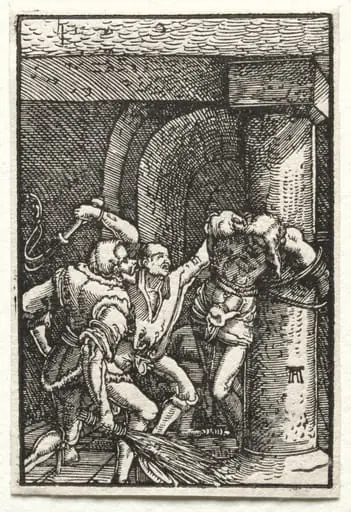 The Fall and Redemption of Man: Flagellation of Christ
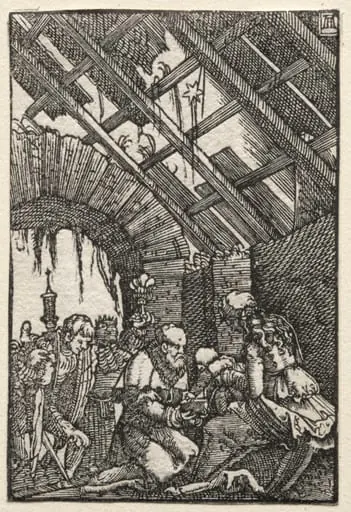 The Fall and Redemption of Man: The Adoration of the Magi
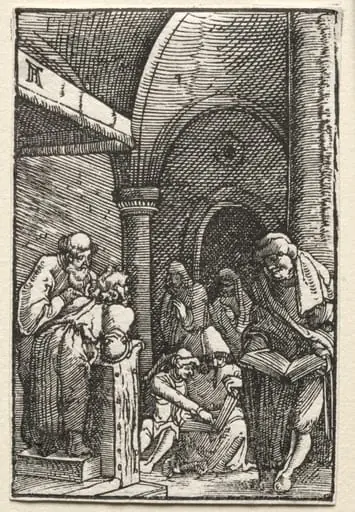 The Fall and Redemption of Man: Christ Disputing with the Doctors
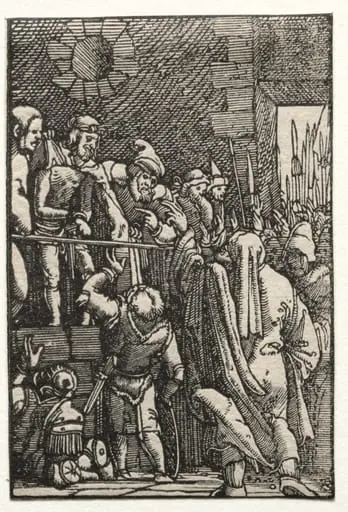 The Fall and Redemption of Man: Ecce Homo
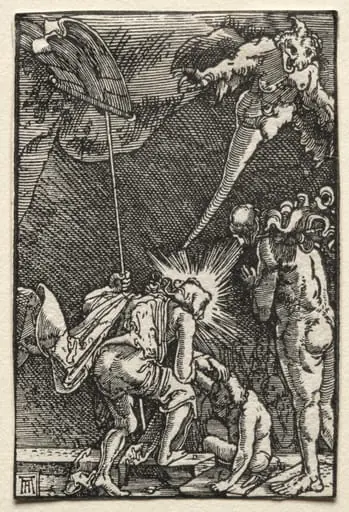 The Fall and Redemption of Man: Descent into Hell