Artwork
The Fall and Redemption of Man
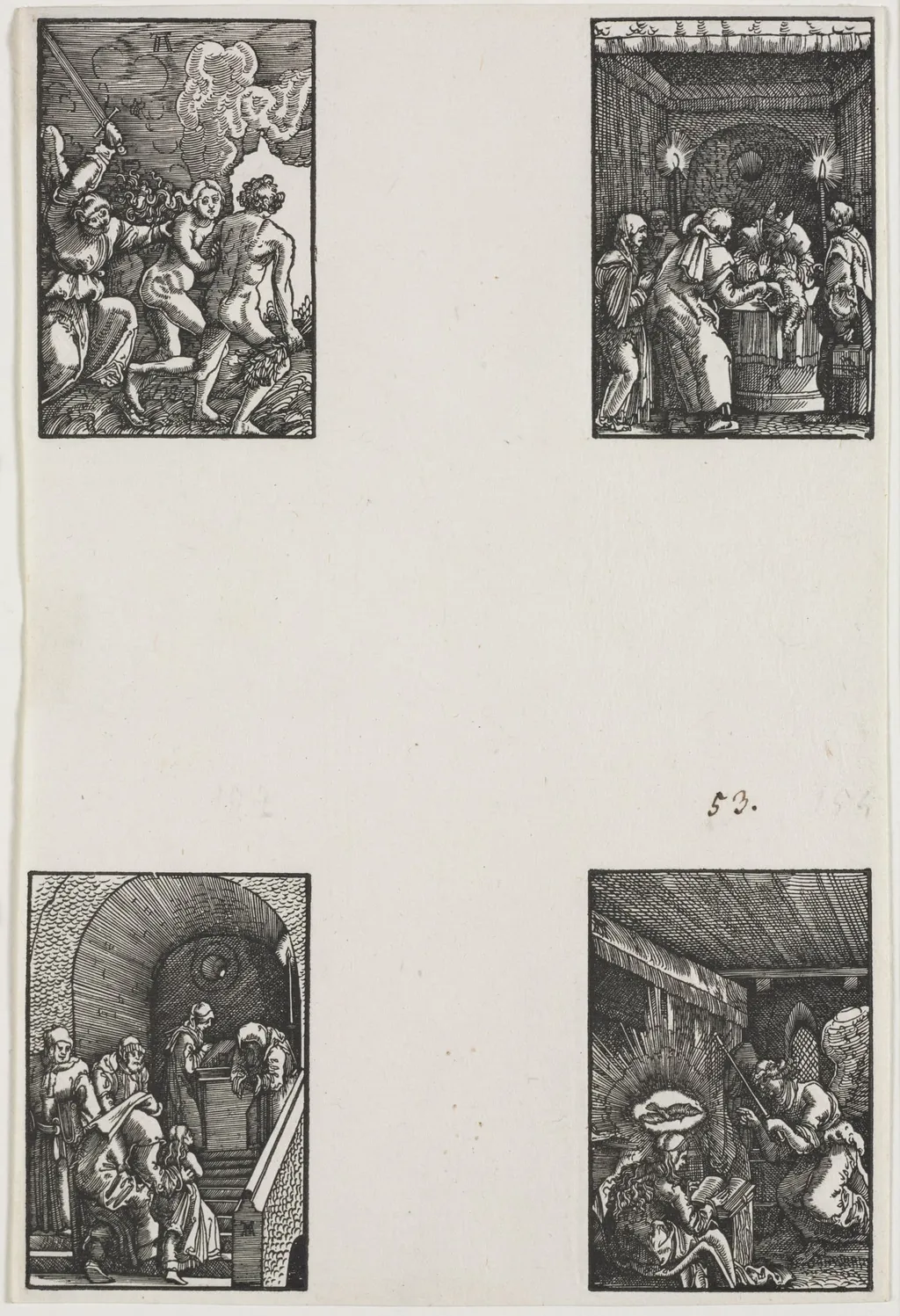
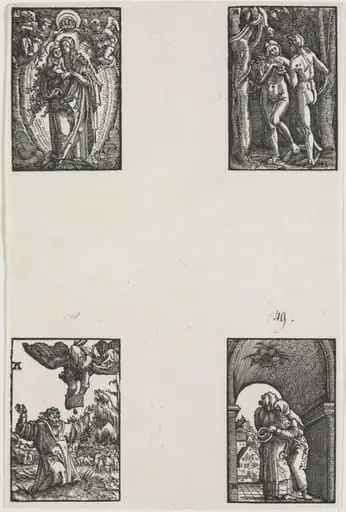
The Fall and Redemption of Man is a print by the Renaissance artist Albrecht Altdorfer. It dates from 1515 and is held in the collection of the Cleveland Museum of Art.
About this work
Overview
The work consists of eight woodcut prints taken from a larger program of forty images that narrate the Christian story of redemption, from the fall of humanity to the final judgement. Each print corresponds to a specific episode in the sequence, as indicated by the numbers following their titles.
Subject & Meaning
The scenes portray key moments in the theological narrative of original sin, Christ’s salvific actions, and the eschatological judgment. By visualising these episodes, the series offers a compact visual theology that guides the viewer through the doctrinal arc of sin, atonement, and ultimate redemption.
Technique & Style
Executed by Albrecht Altdorfer, the prints demonstrate an unusually high level of detail for woodcut, a medium typically less precise than engraving. The artist’s skill in rendering fine lines and intricate textures rivals the miniature woodcuts of Albrecht Dürer’s Small Passion (1511) and anticipates later works such as Hans Holbein’s Dance of Death (c.1526).
History & Provenance
Originally printed in sets of five large sheets, each sheet carried eight individual woodblocks. To improve printing efficiency, the sheets were later divided, and most copies were cut into single prints. The museum’s set retains the original half‑sheet format, preserving four images on each page and thus maintaining part of the initial layout.
Context
By 1513 Altdorfer had already produced a range of small, meticulously rendered engravings, yet he chose the more demanding woodcut for this series. The decision reflects a broader early‑16th‑century interest in producing portable, affordable devotional images that could reach a wider audience while still showcasing artistic virtuosity.
Artist & collection
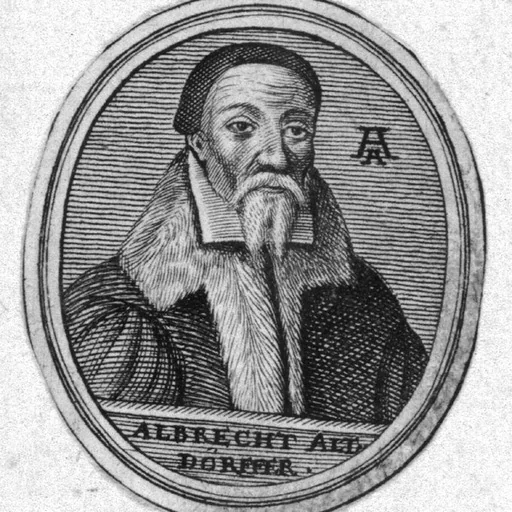
Artist
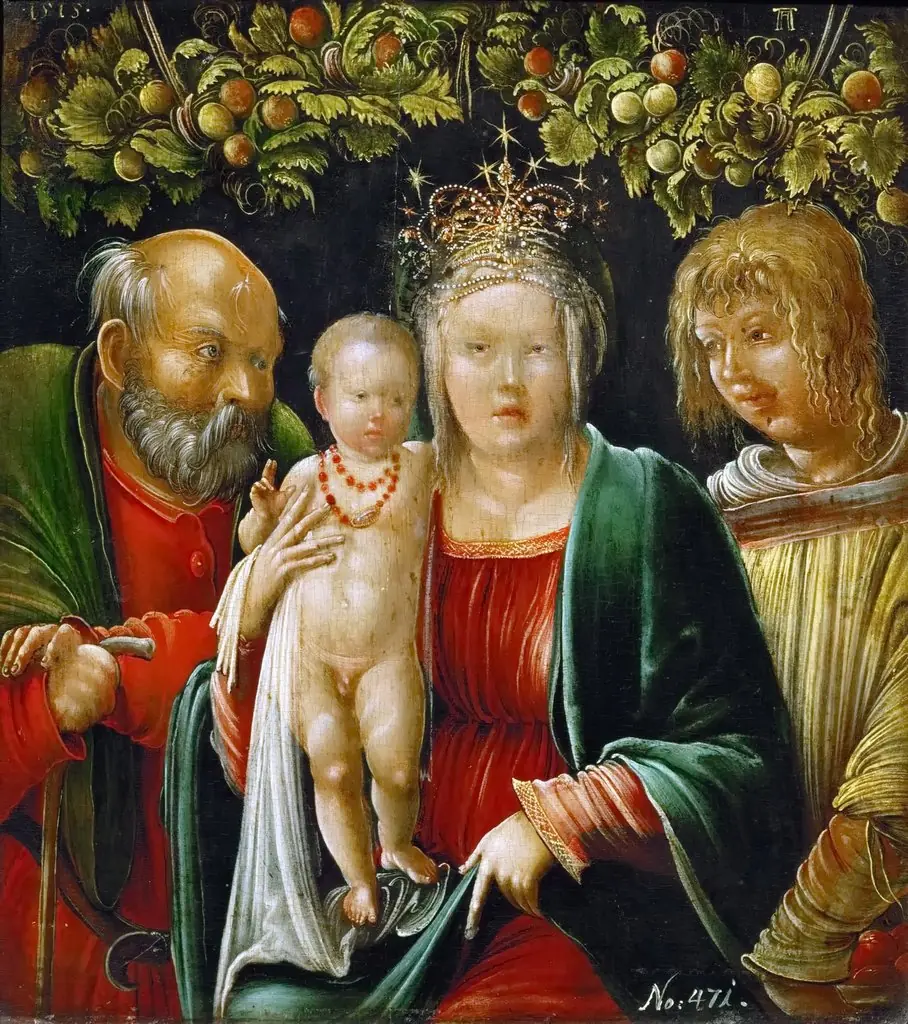
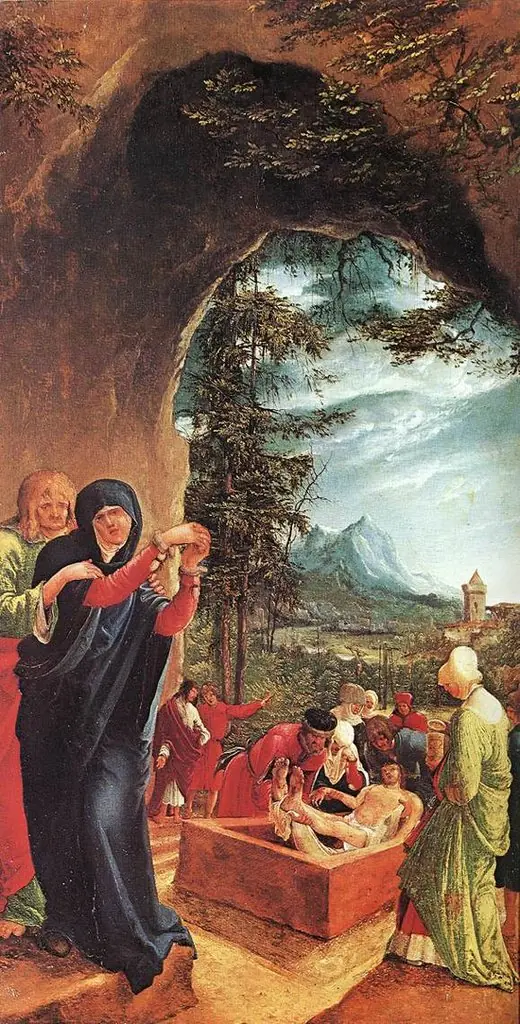
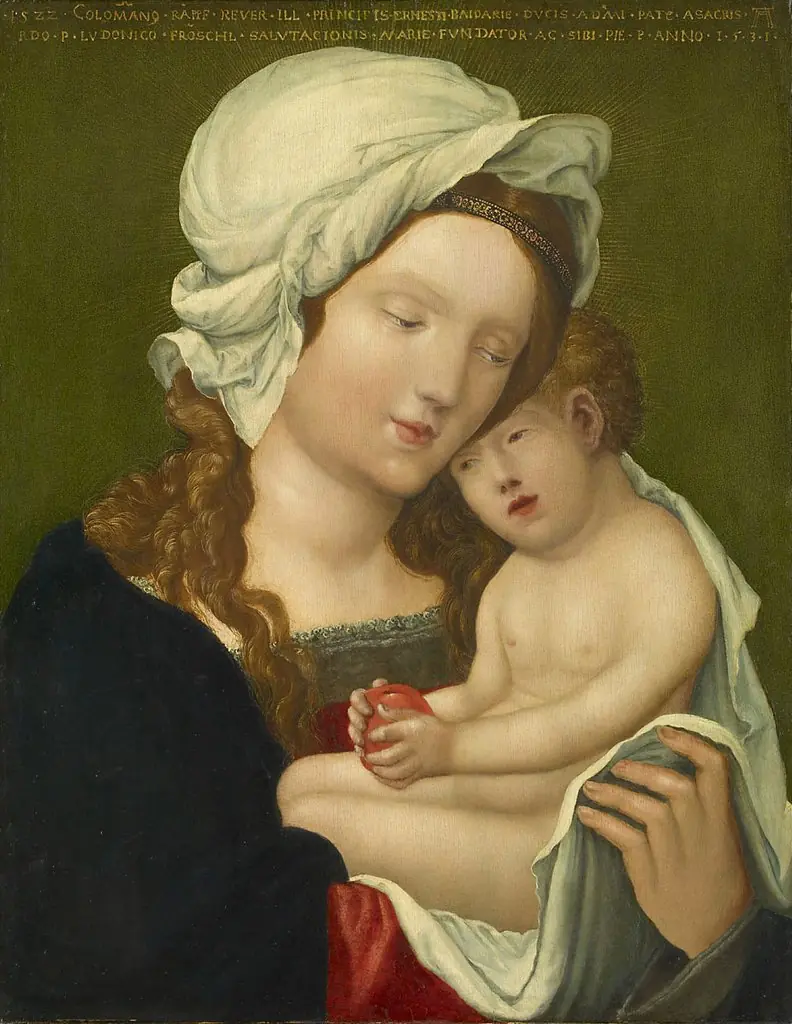
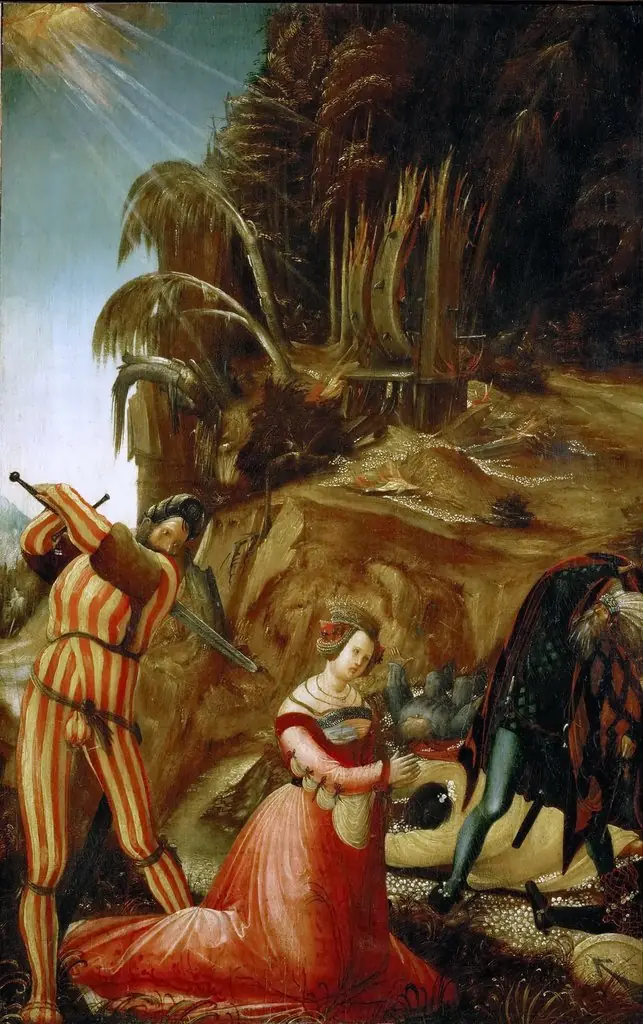
Albrecht Altdorfer (c. 1480 – 12 February 1538) was a German painter, engraver and architect of the Renaissance working in Regensburg. Along with Lucas Cranach the Elder and Wolf Huber he is regarded to be the main…

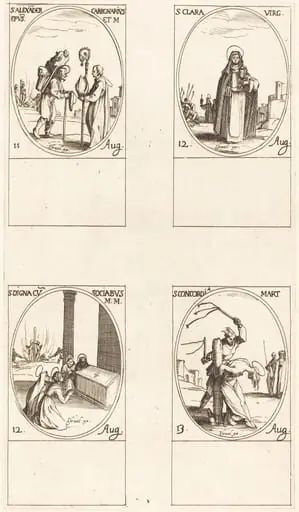 St. Alexander Carbonarius; St. Clare; St. Digna and Companions; St. Concordia
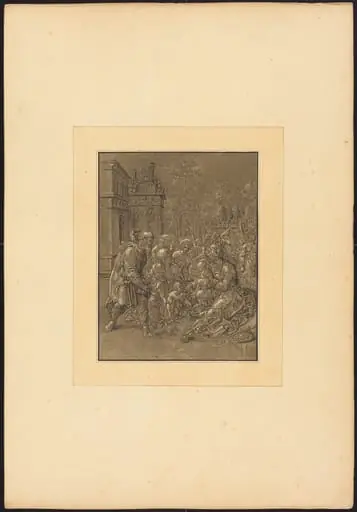 Visit of Saint Elizabeth to the Holy Family
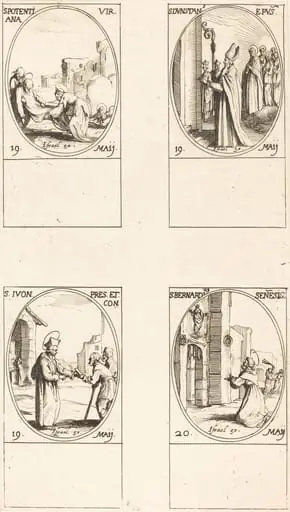 St. Potentiana; St. Dunstan; St. Yvo; St. Bernardinus of Siena
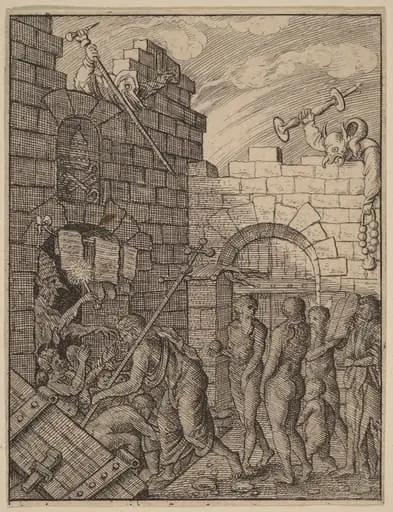 Descent into Hell
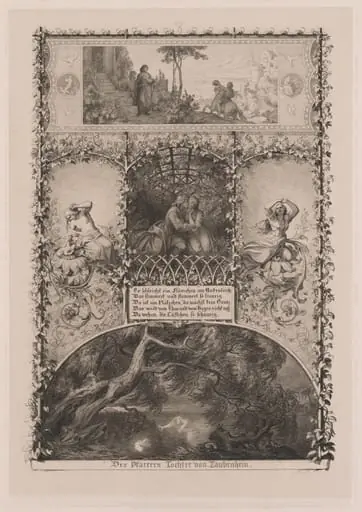 Des Pfarrers Tochter von Taubenhein (The Parson's Daughter from Taubenhain)
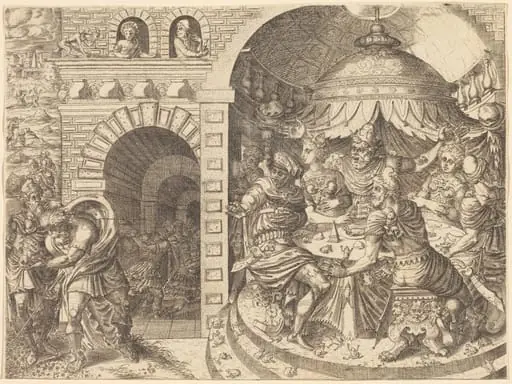 Pharaoh and the Plague of Frogs
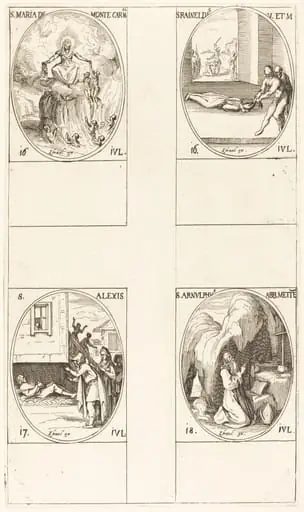 St. Mary of Mont Carmel; St. Raineldis; St. Alexis; St. Arnold of Metz
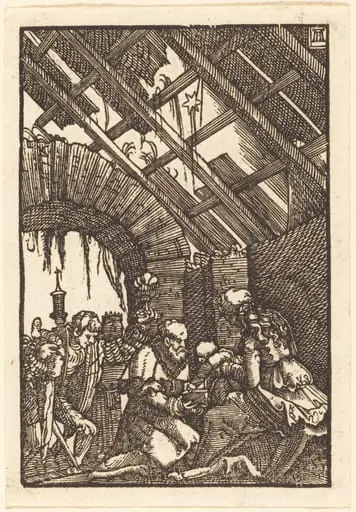 The Adoration of the Magi
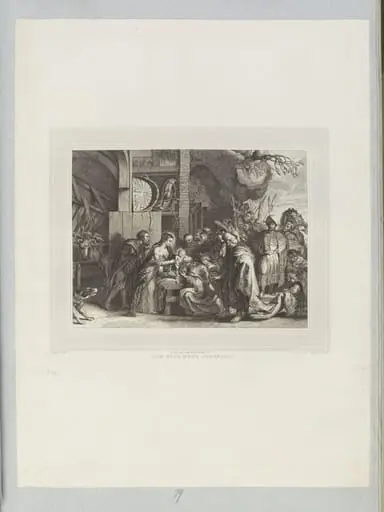 The Wise Men's Offering
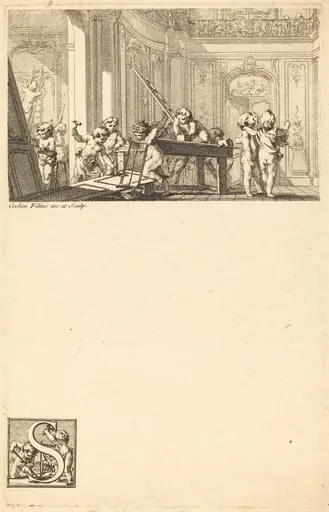 Putti Preparing the Interior Decoration of a Mansion
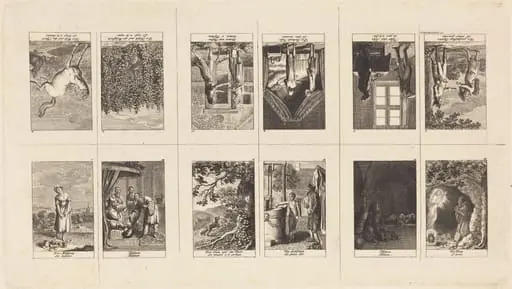 Illustrations to Fables & Tales by Gellert, Gleim, Hagedorn, Lichtwer and Pfeffel
 The Fall and Redemption of Man