Artwork
Crucifixion
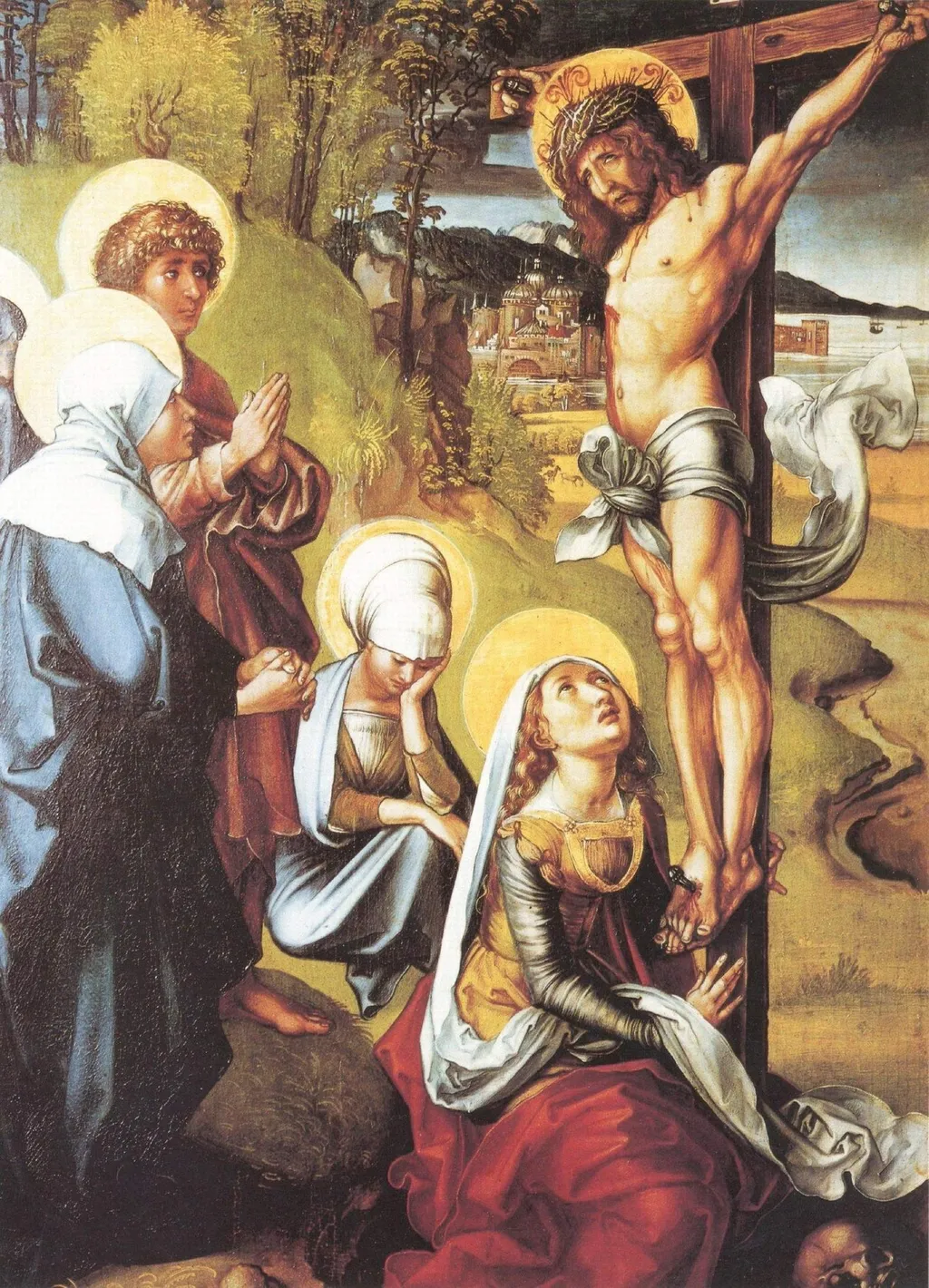
Crucifixion is an unspecified painting by the Northern Renaissance artist Albrecht Dürer. It dates from 1498 and is held in the collection of the Staatliche Kunstsammlungen Dresden.
About this work
Overview
Albrecht Dürer painted *Crucifixion* in 1498 during his early career, before his first trip to Italy. Though best known for his prints, this oil work reflects his mastery of detail and emotional depth. It is part of the Gemäldegalerie Alte Meister’s collection in Dresden, where it remains a key example of Northern Renaissance religious art.
Subject & Meaning
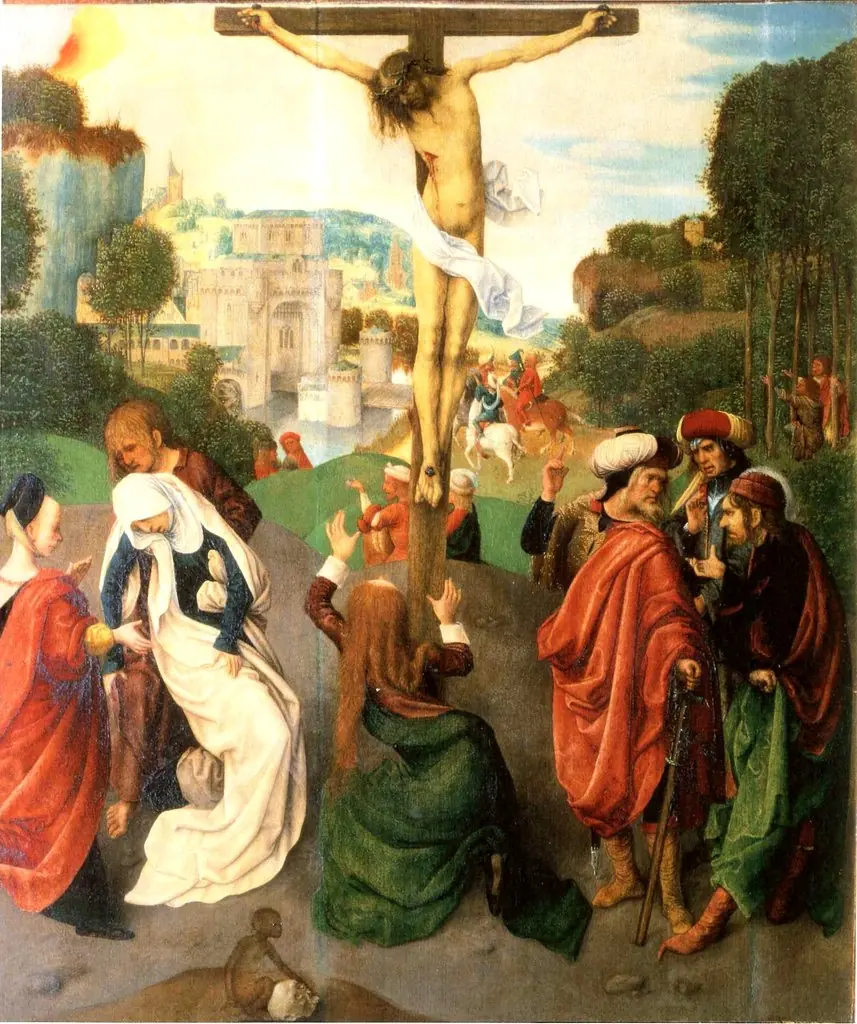
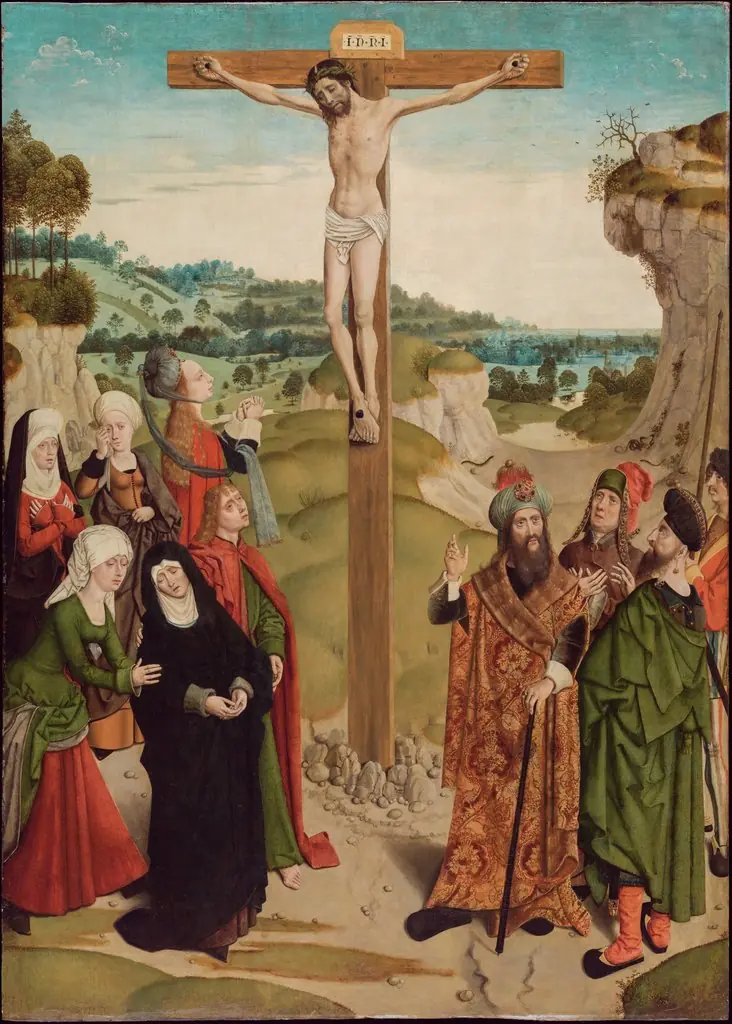
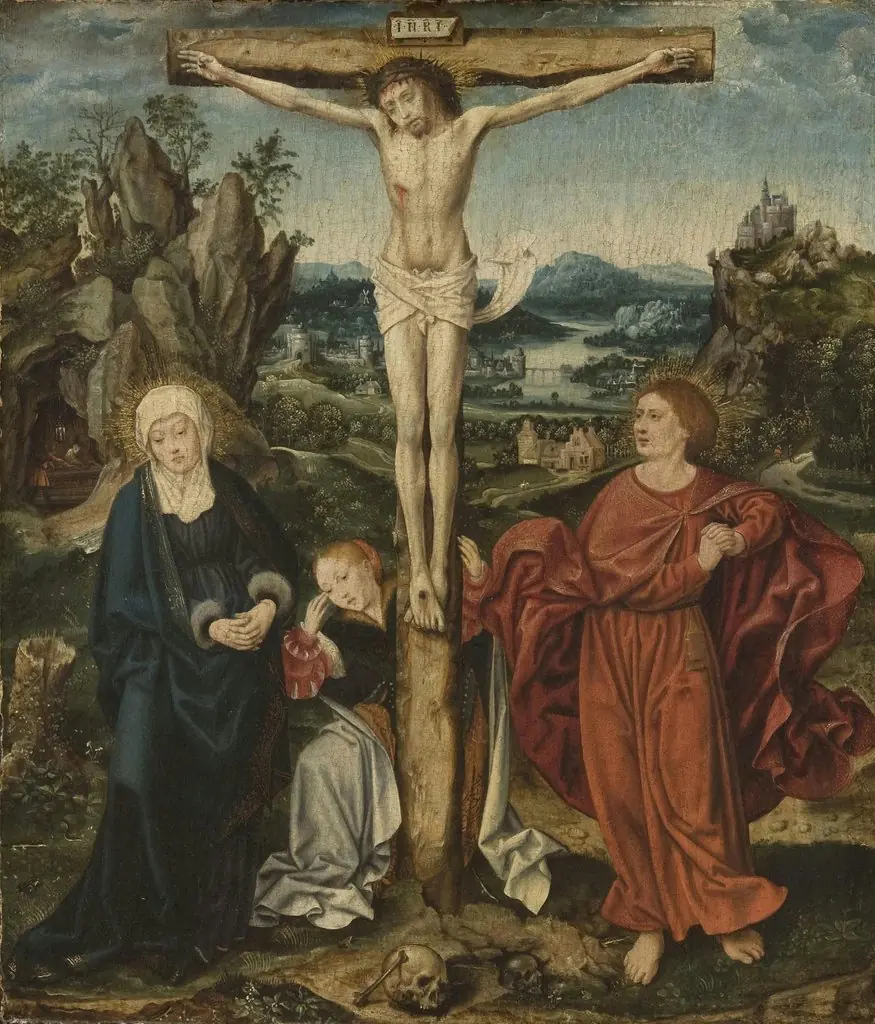
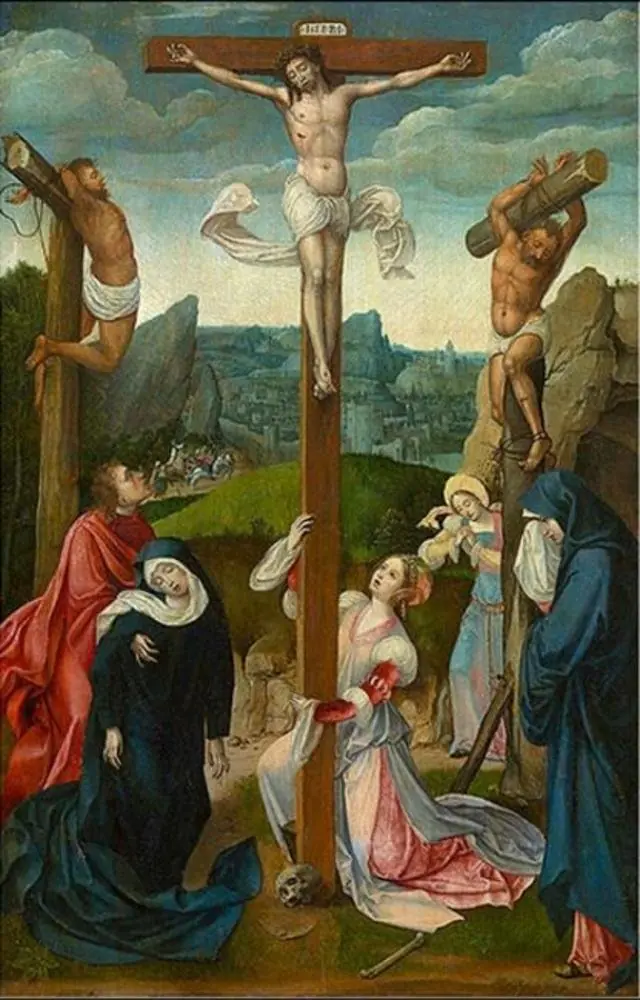
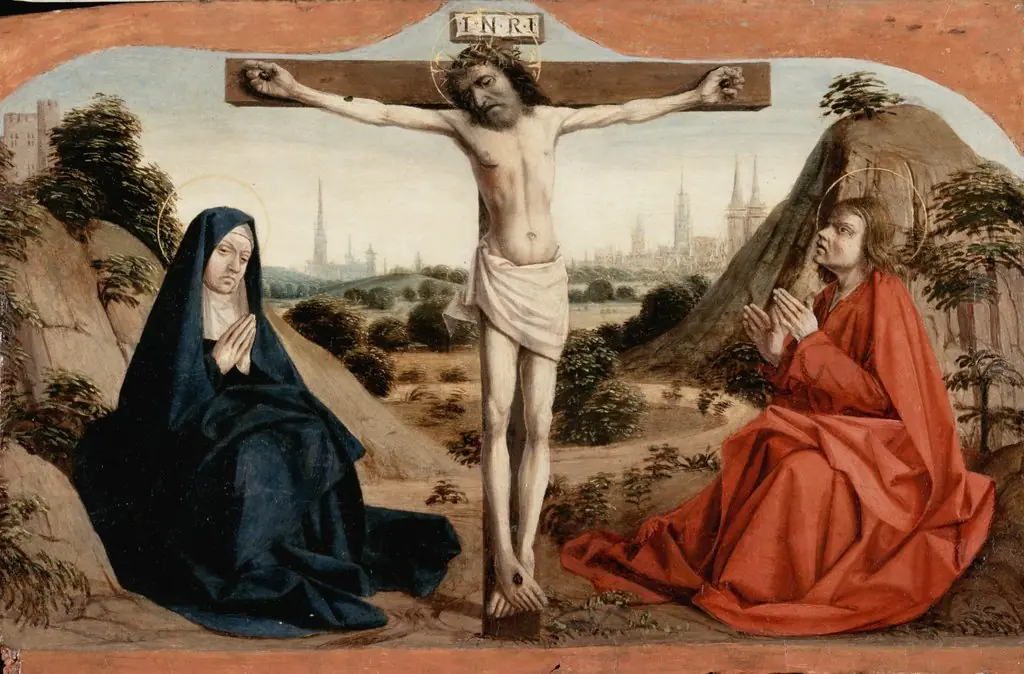
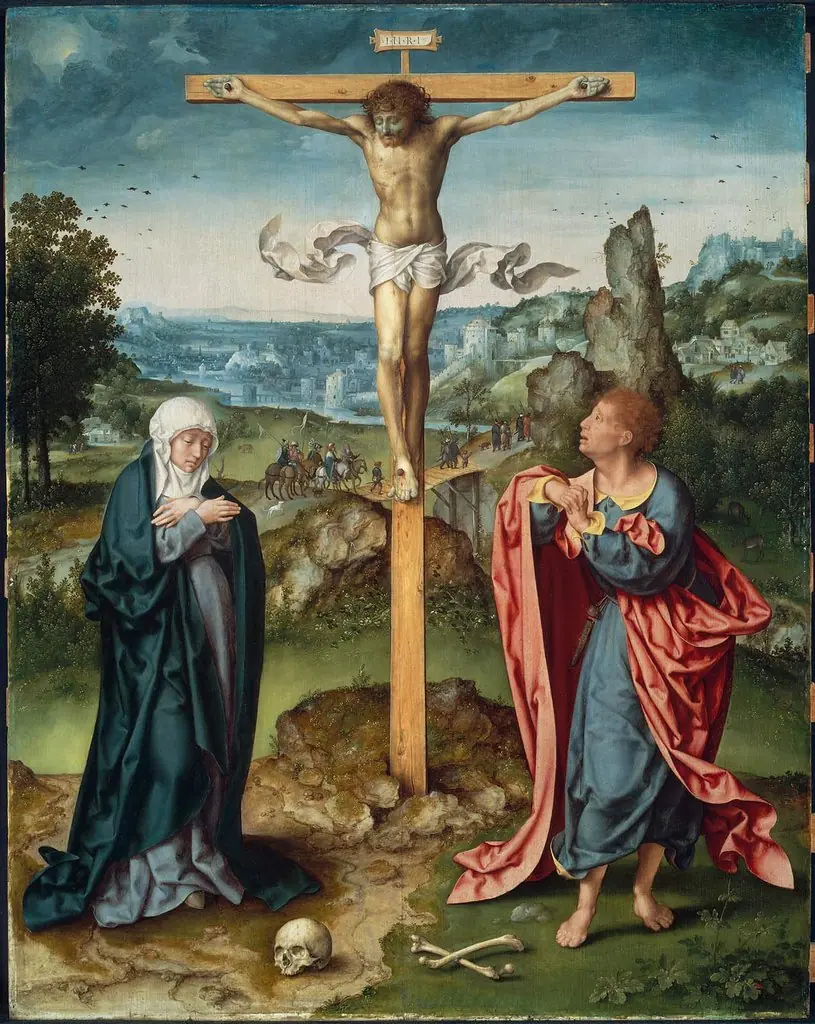
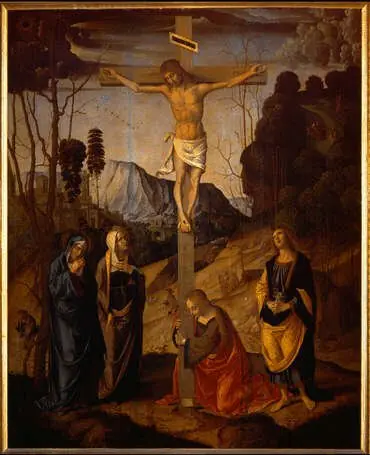
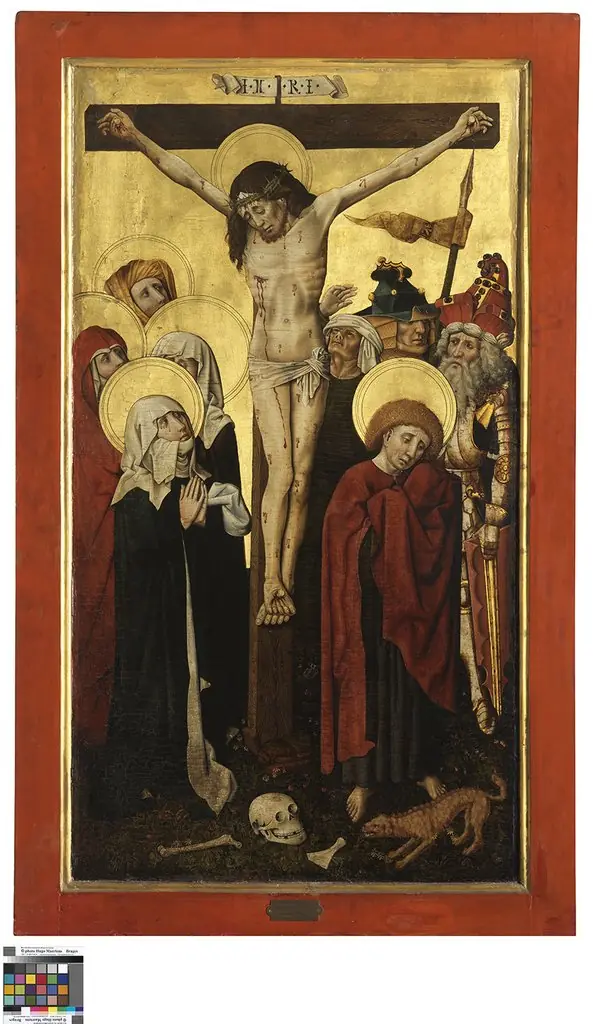
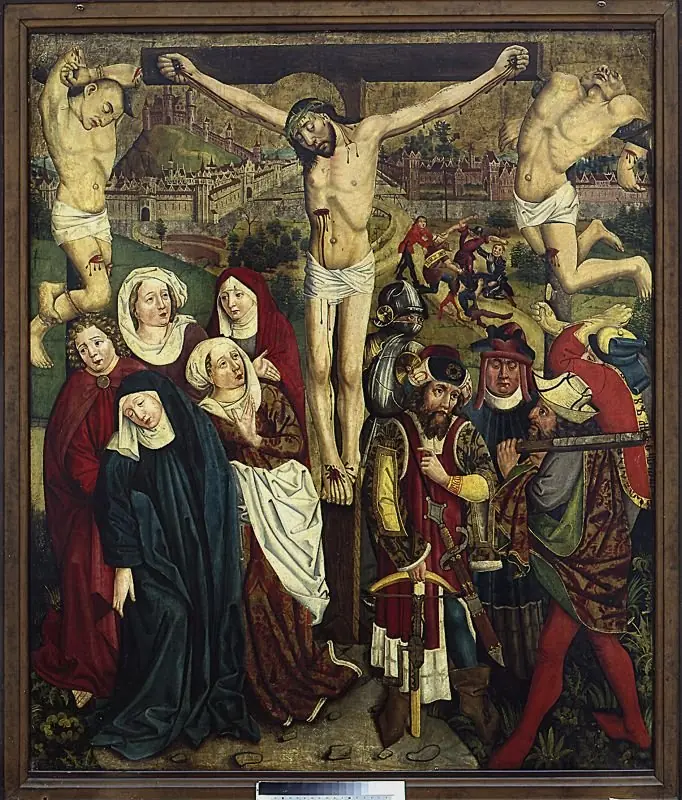
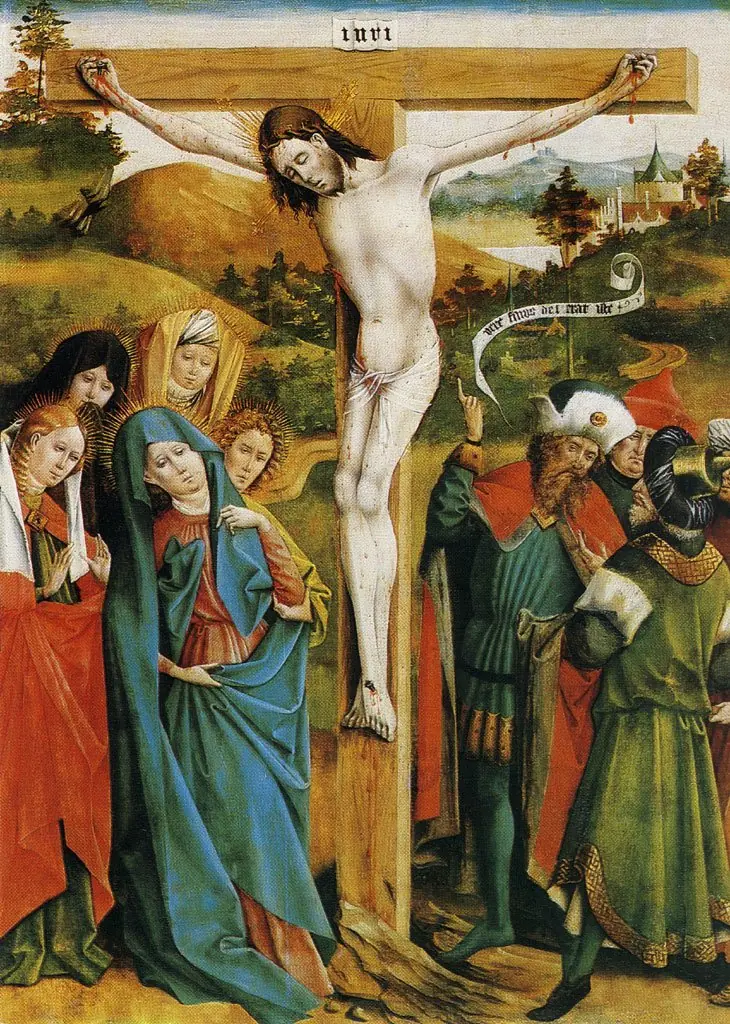
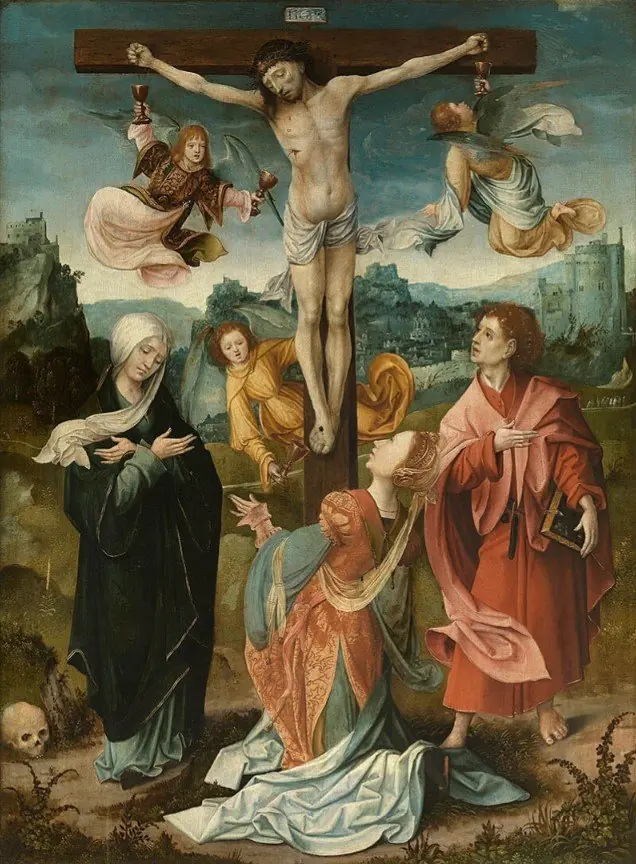
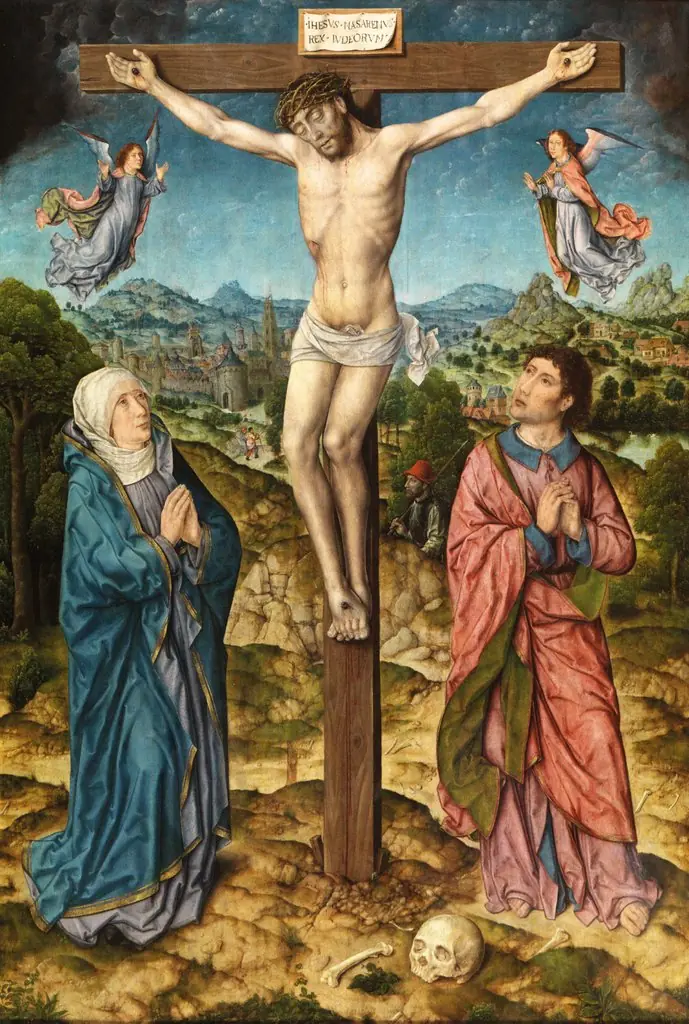
The painting portrays Christ on the cross, crowned with thorns, his body slack with exhaustion. Three figures surround him: two in prayer, one kneeling at the foot of the cross, and another standing to the right, both gazing upward. Their postures convey reverence and sorrow, emphasizing the moment’s spiritual gravity without overt theatricality.
Technique & Style
Dürer rendered the scene with precise brushwork and subtle gradations of light, softening the figures against a calm, distant landscape. Warm tones in the robes and skin contrast with the cool greens of the hills, enhancing the emotional tension. The composition balances human grief with serene nature, a hallmark of Northern Renaissance sensibility.
History & Provenance
Commissioned likely for private devotion, the painting entered the Dresden collection in the 18th century. Its survival through wars and reorganizations reflects its enduring value to collectors. Dürer’s growing reputation at the time ensured its preservation, though it was never widely reproduced like his prints.
Context
Created during a period of religious upheaval, the work aligns with devotional trends in Germany that emphasized personal connection to Christ’s suffering. Unlike Italian contemporaries, Dürer avoided idealized forms, favoring psychological realism and naturalistic detail rooted in Northern traditions.
Legacy
Though less famous than Dürer’s engravings, *Crucifixion* demonstrates his ability to merge technical precision with quiet emotional power. It influenced later German religious painters and remains a touchstone for understanding how Northern artists interpreted sacred narratives with intimate, humanized detail.
Own this work as a print
Artist & collection
Artist
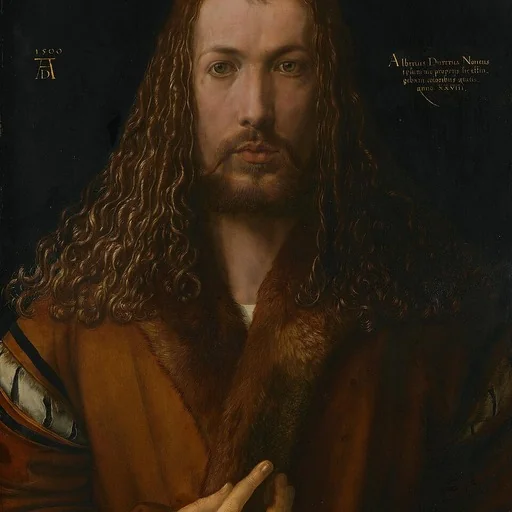
Albrecht Dürer spent his life in Nuremberg, a busy German city where artists traded prints like currency.

![Madonna and Child [obverse], by Albrecht Dürer](https://artifactworldgallery.com/img/albrecht-durer--madonna-and-child-obverse--d7b8ebf05d22ebe5-w320.webp)
![Lot and His Daughters [reverse], by Albrecht Dürer](https://artifactworldgallery.com/img/albrecht-durer--lot-and-his-daughters-reverse--b4ebf9b282faa17a-w320.webp)