Artwork
Crucifixion
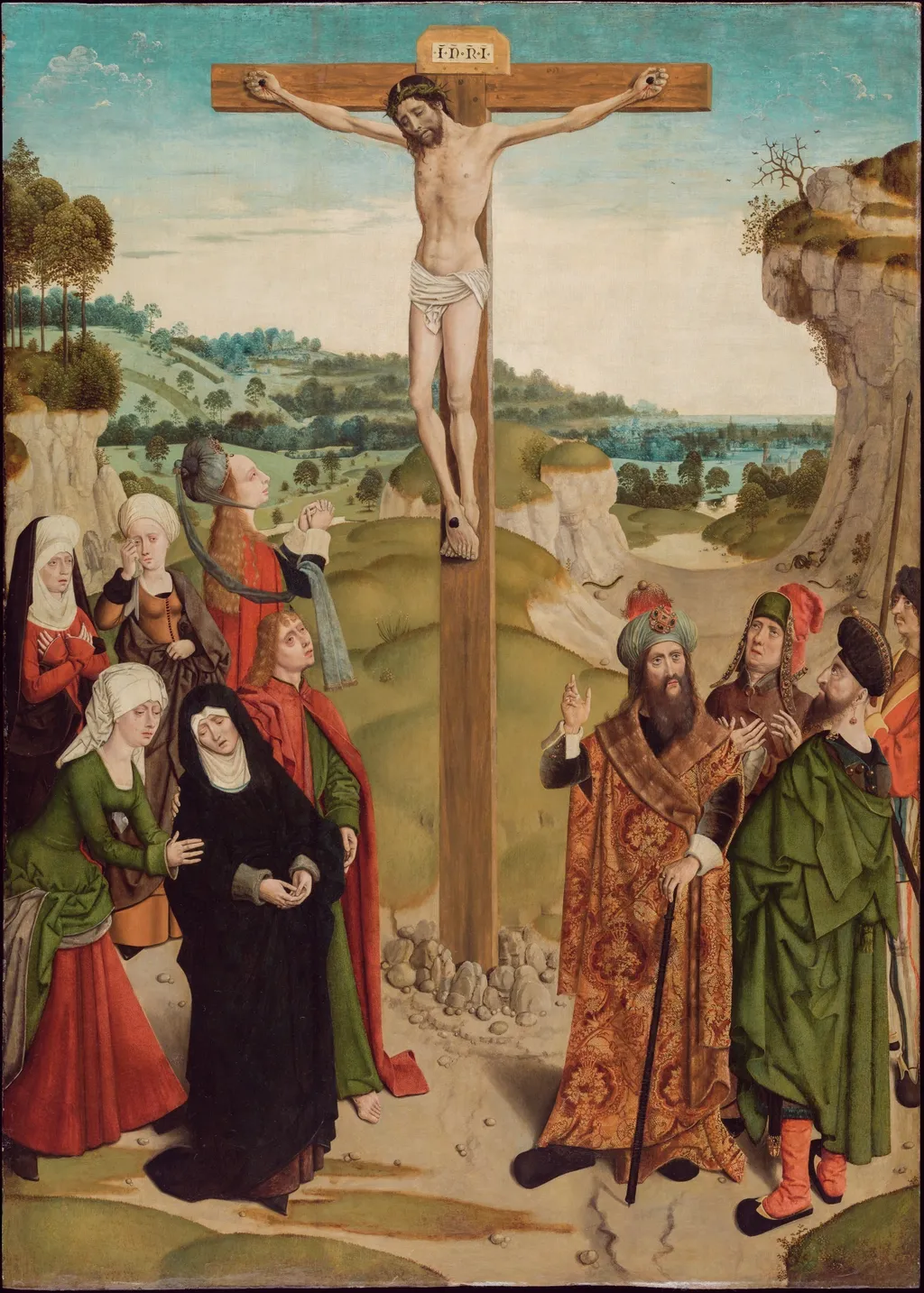
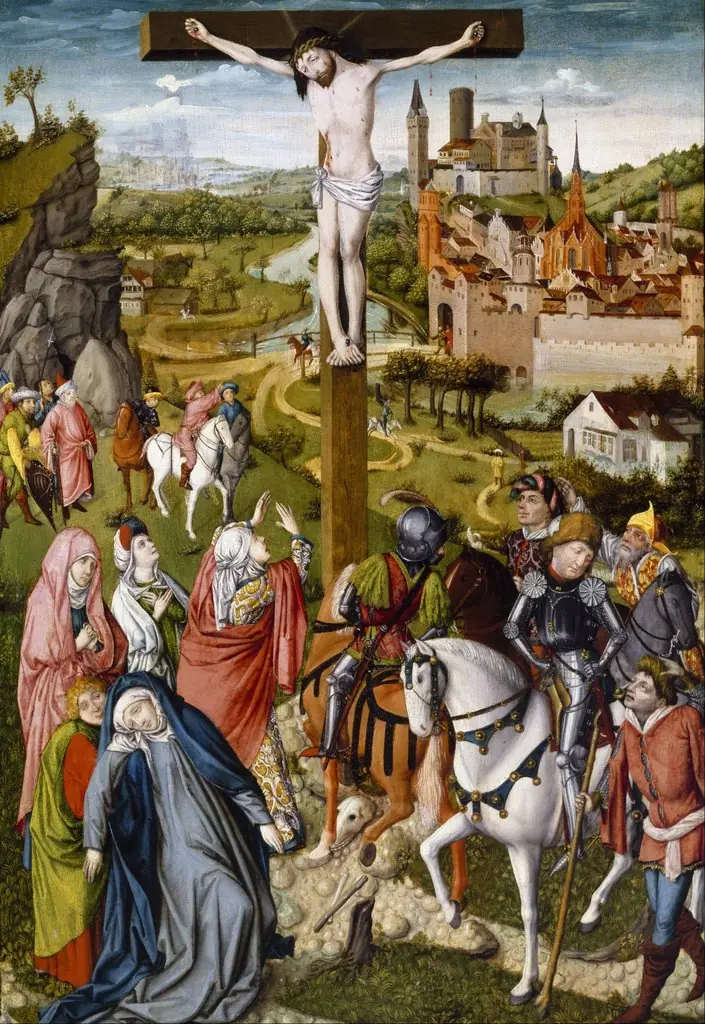
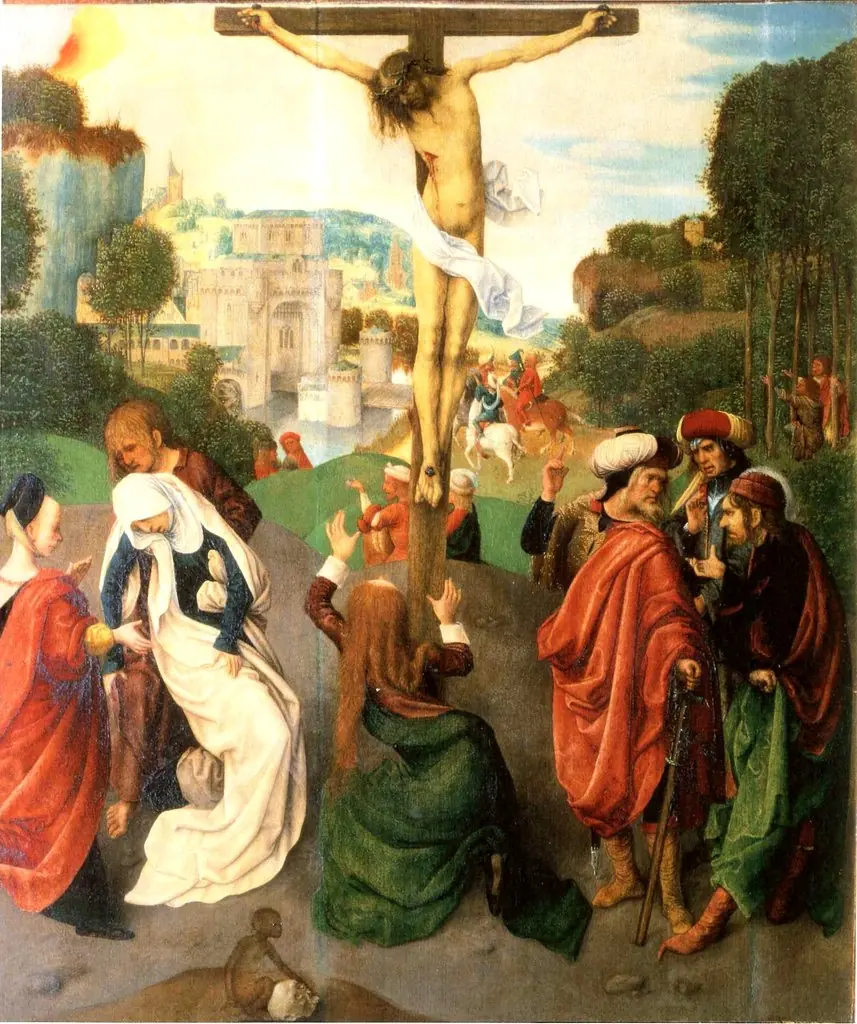
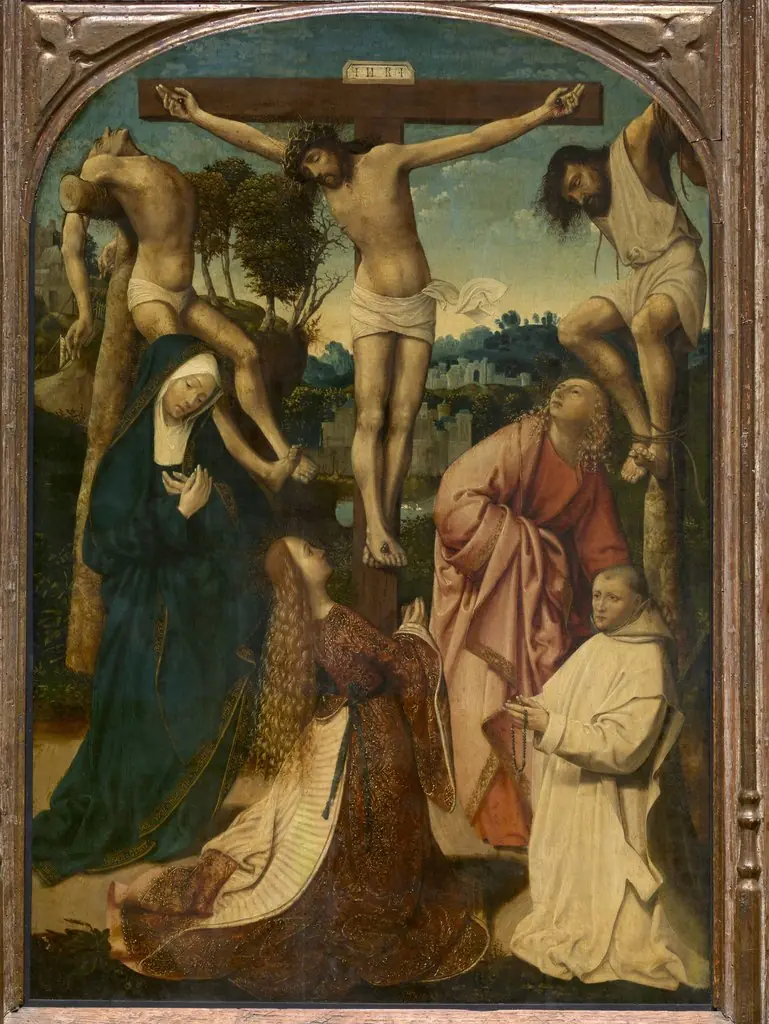
Crucifixion is an oil painting by the Northern Renaissance artist Master of the Tiburtine Sibyl. It dates from 1493 and is held in the collection of the Detroit Institute of Arts.
About this work
Overview
Created in 1493, this oil painting portrays the crucifixion of Jesus Christ. Executed by the anonymous Early Netherlandish artist known as the Master of the Tiburtine Sibyl, the work belongs to the Northern Renaissance period and is part of the Detroit Institute of Arts collection.
Subject & Meaning
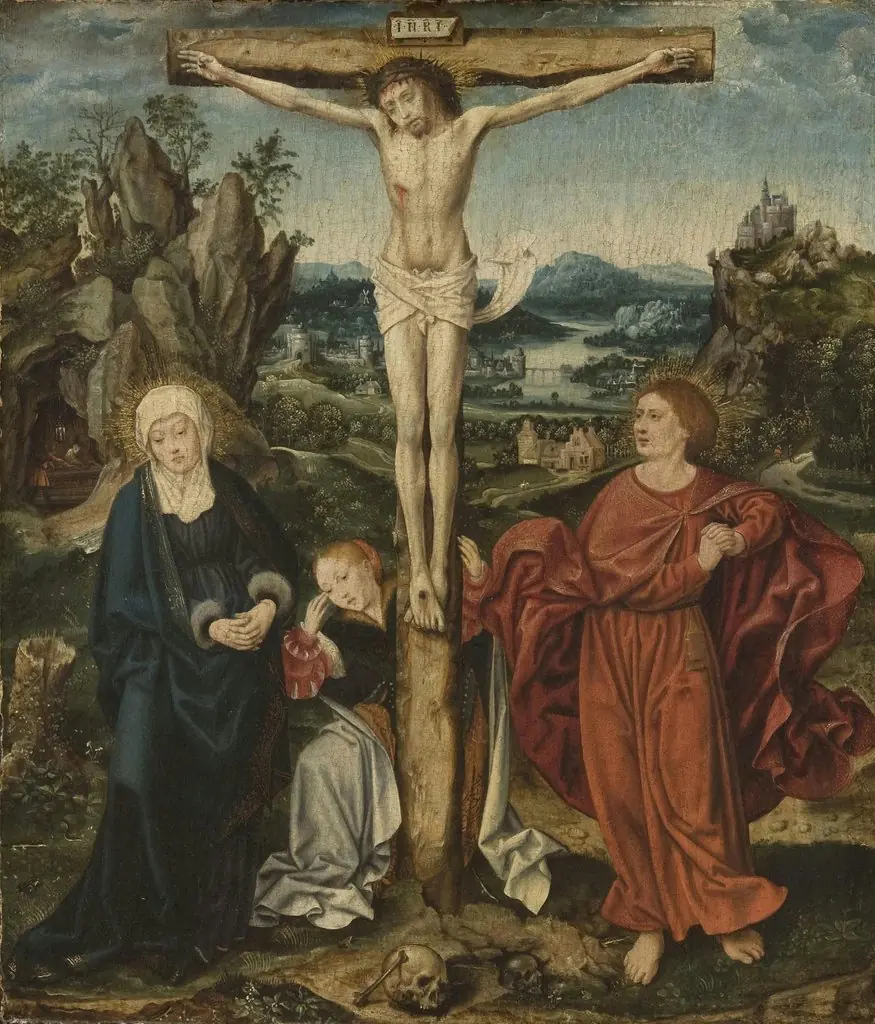
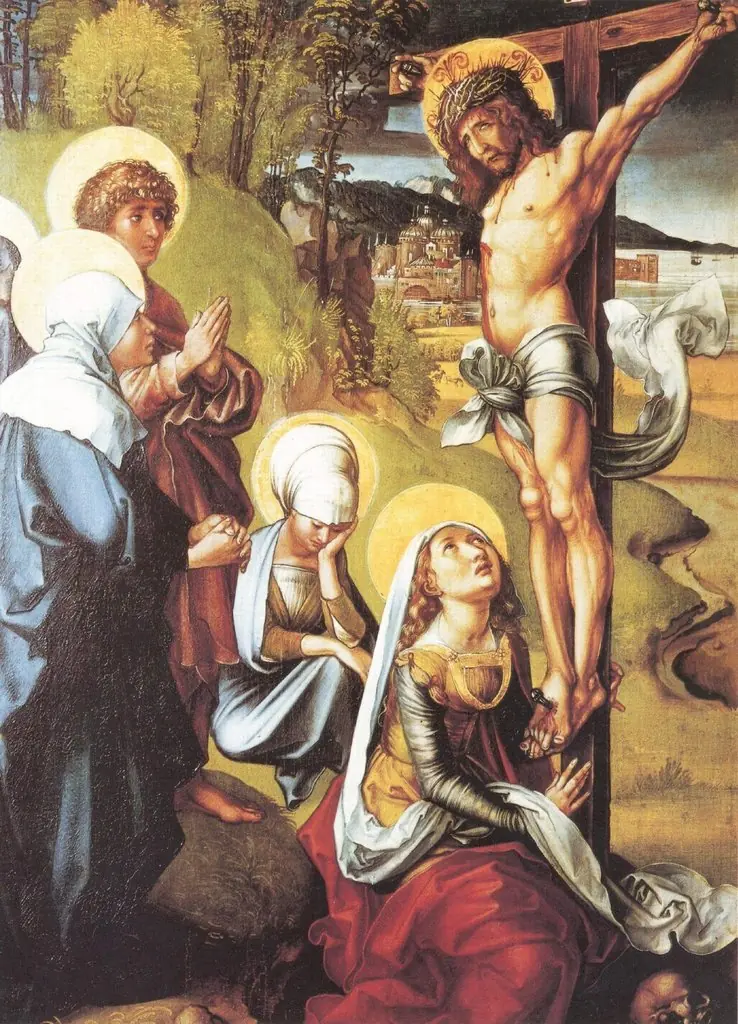
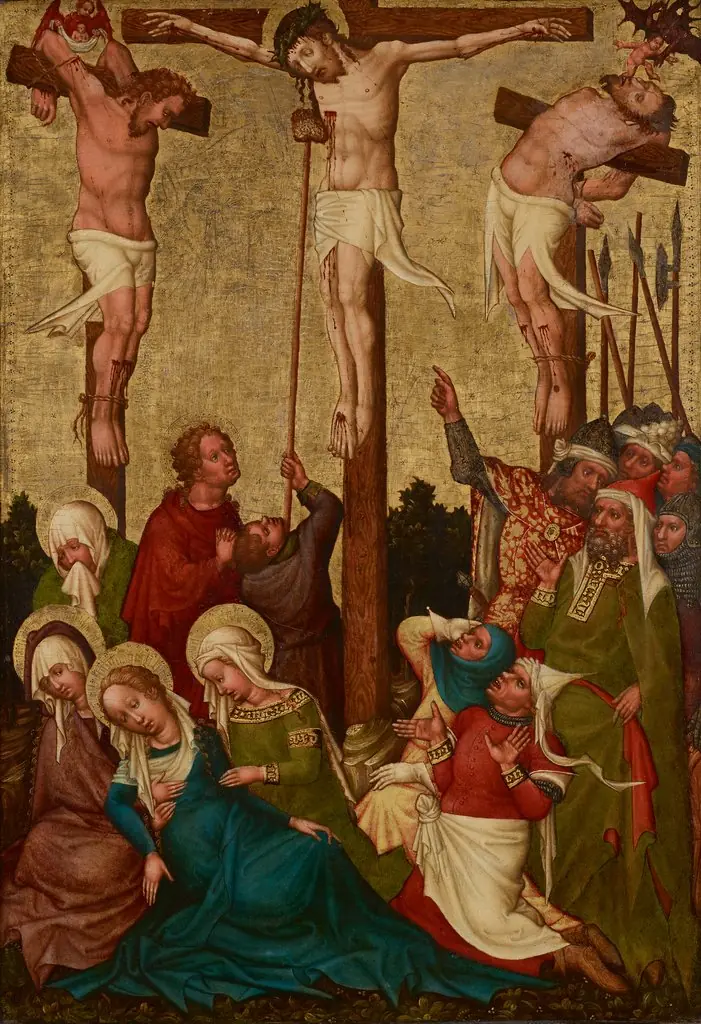
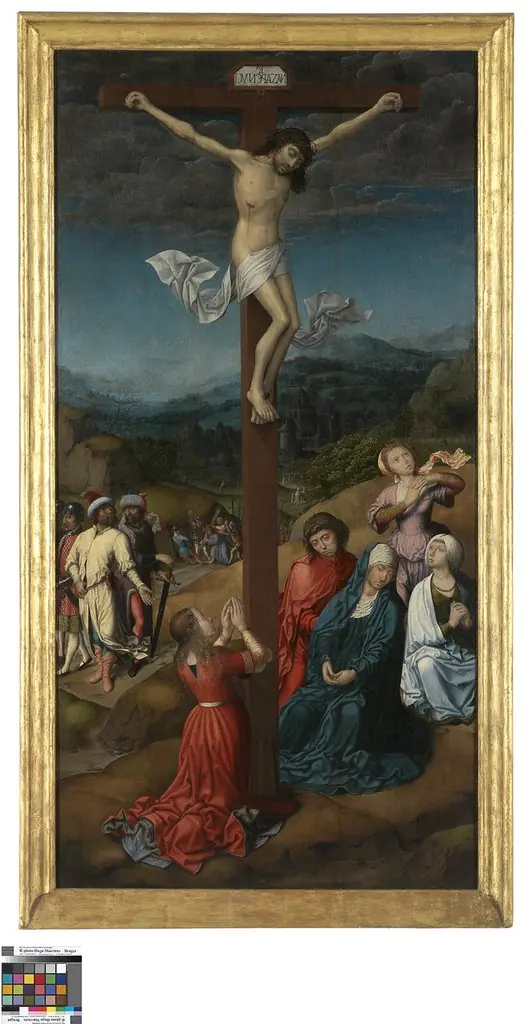
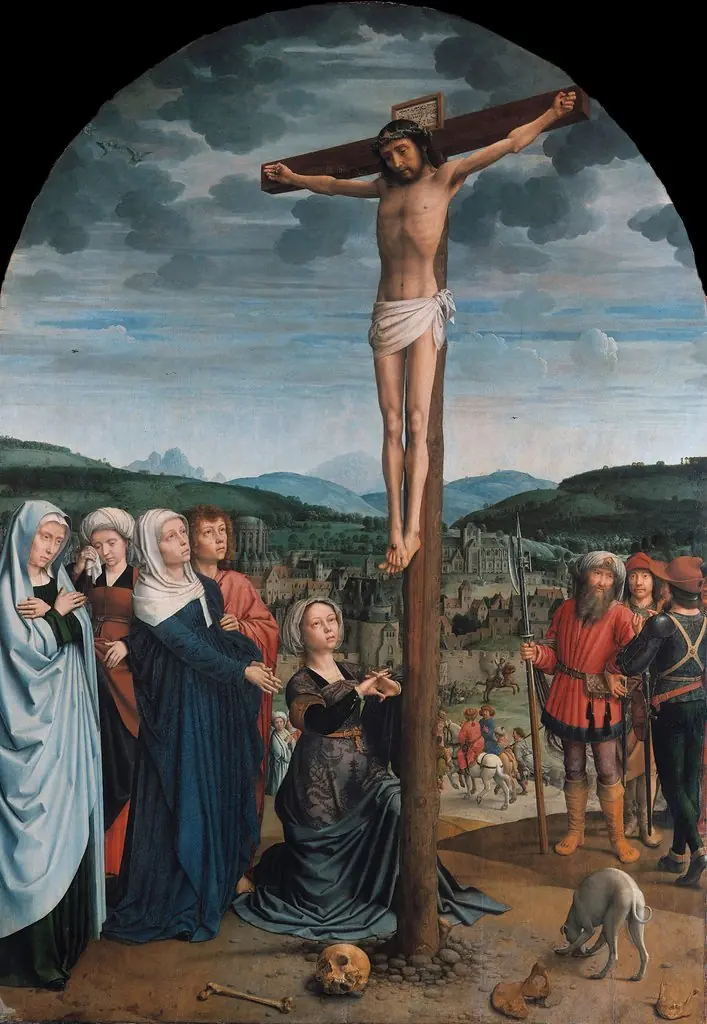
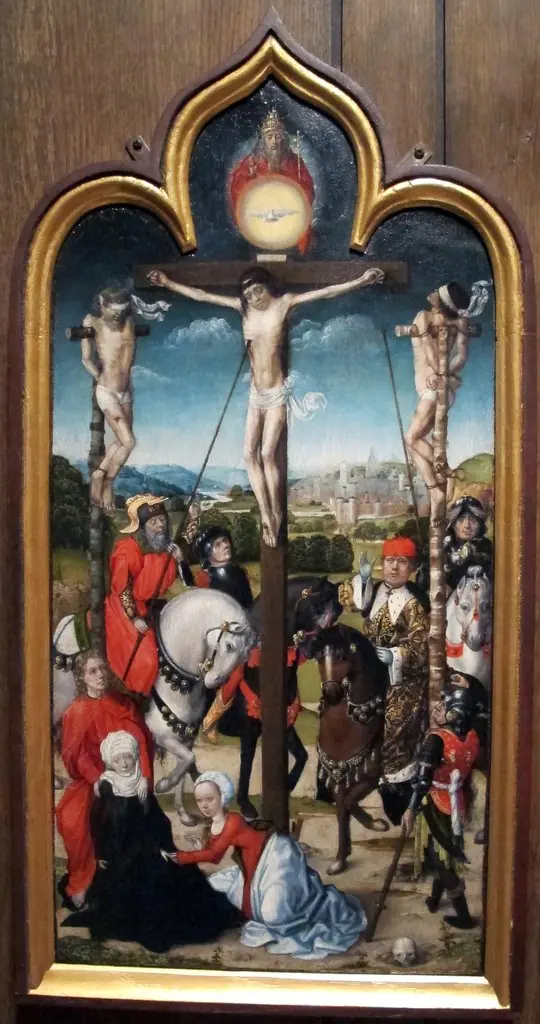
The central figure of Christ hangs on the cross, his arms outstretched and a cloth bound around his waist. Around the cross a varied group of onlookers—some in simple robes, others in richer dress—gather, their postures and expressions conveying mourning and contemplation of the event.
Technique & Style
Rendered in oil, the painting demonstrates the meticulous attention to detail characteristic of late 15th‑century Netherlandish art. Fine modeling of flesh, precise rendering of textiles, and a carefully observed landscape background reveal the artist’s technical proficiency.
Context
The composition reflects the devotional focus of the period, integrating a detailed natural setting with the biblical narrative. The inclusion of a distant horizon with rolling hills, trees, and water aligns with contemporary trends toward realistic, atmospheric backgrounds.
History & Provenance
Attributed to the Master of the Tiburtine Sibyl, an artist active between 1475 and 1495, likely based in Haarlem, the work has remained in private and institutional hands before entering the Detroit Institute of Arts, where it is currently displayed.
Own this work as a print
Artist & collection
Artist
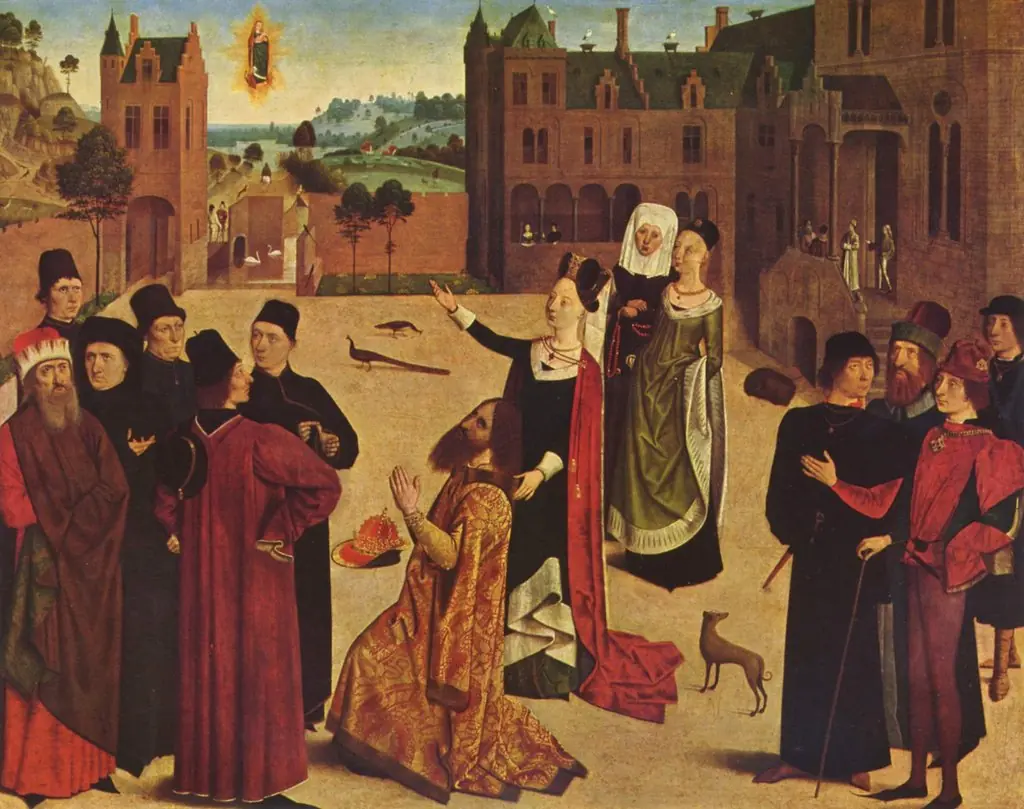
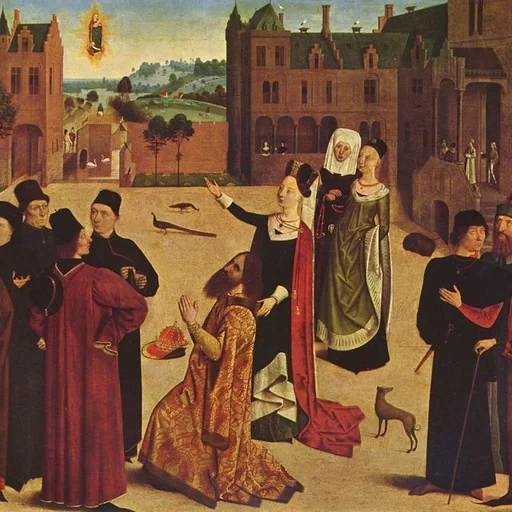
The Master of the Tiburtine Sibyl (fl. 1475–1495) was an unidentified Early Netherlandish painter, probably from Haarlem, named after The Tiburtine Sibyl meets Augustus, a work in the Städel in Frankfurt.