Artwork
Crucifixion
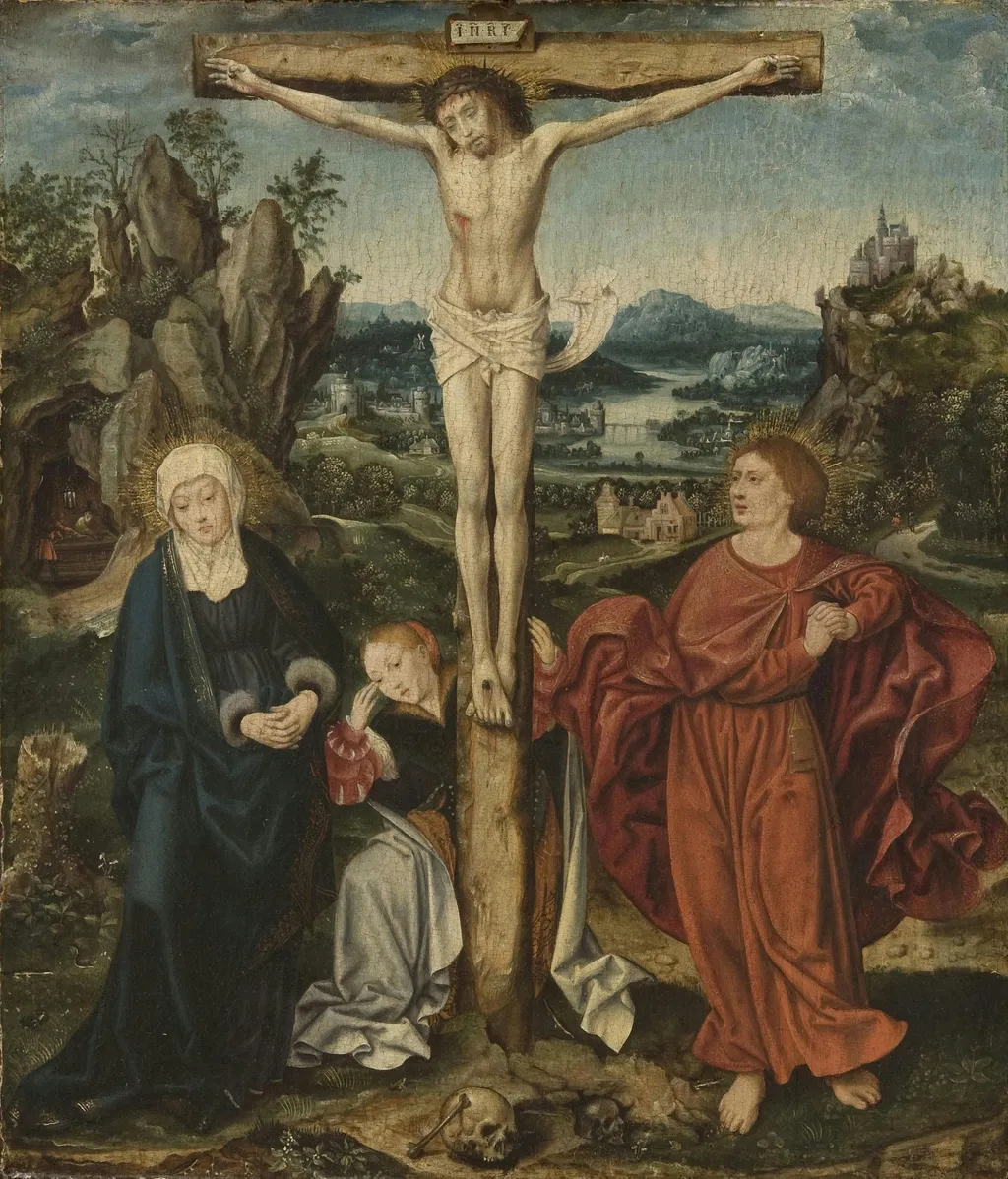
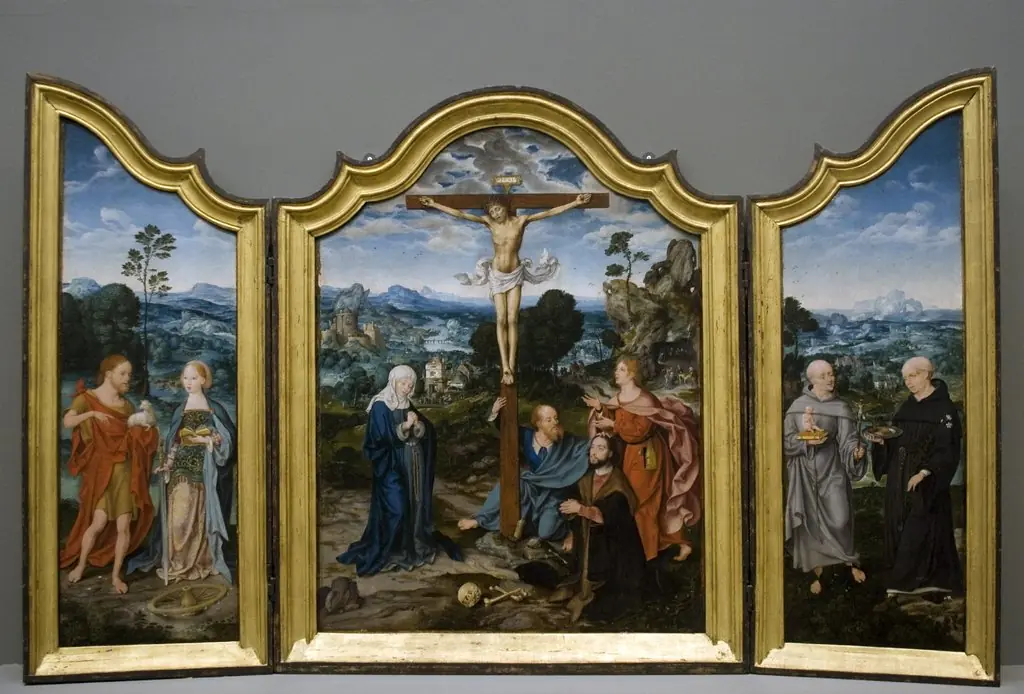
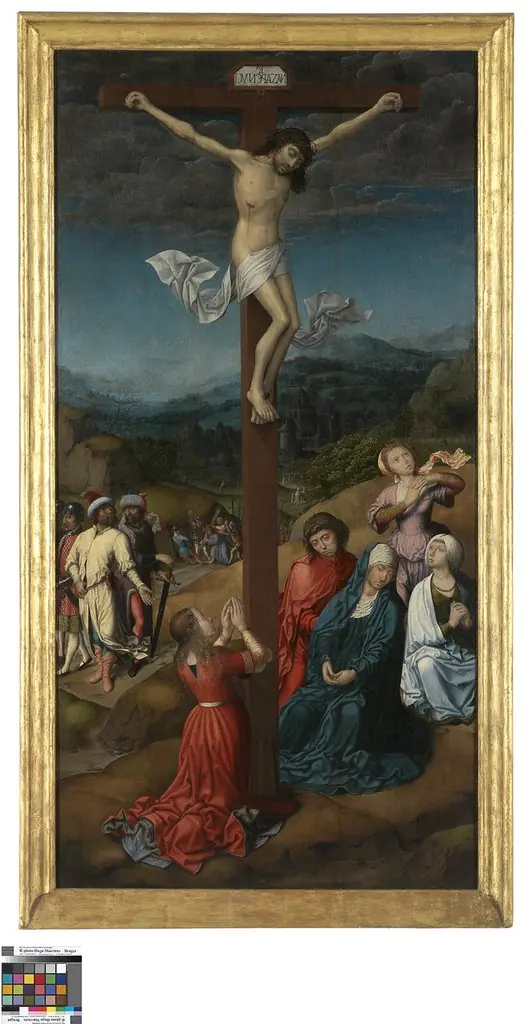
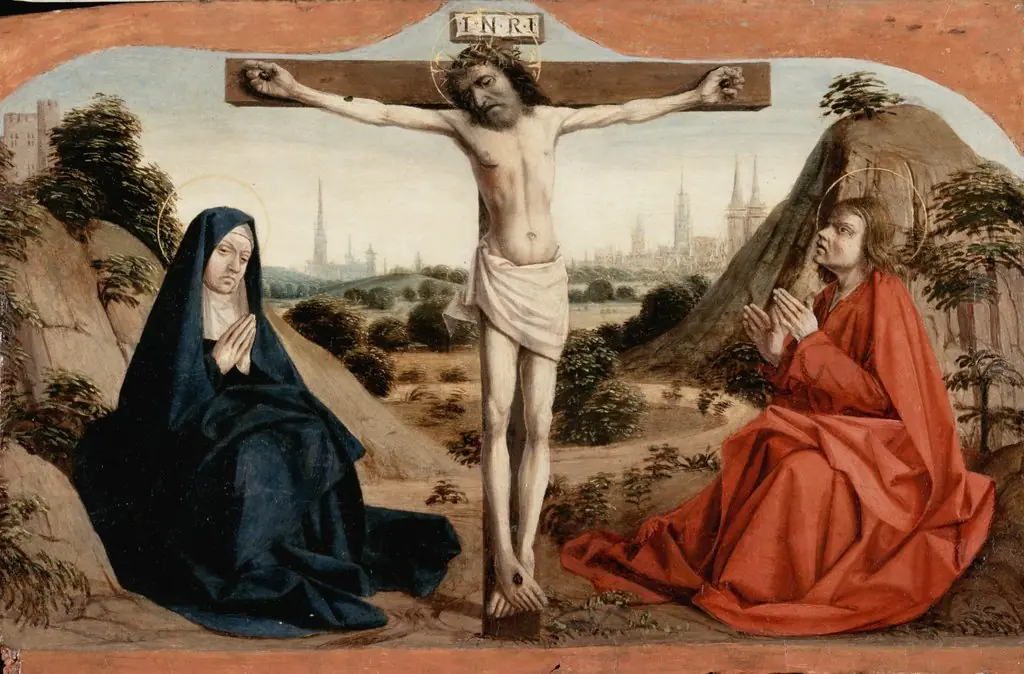
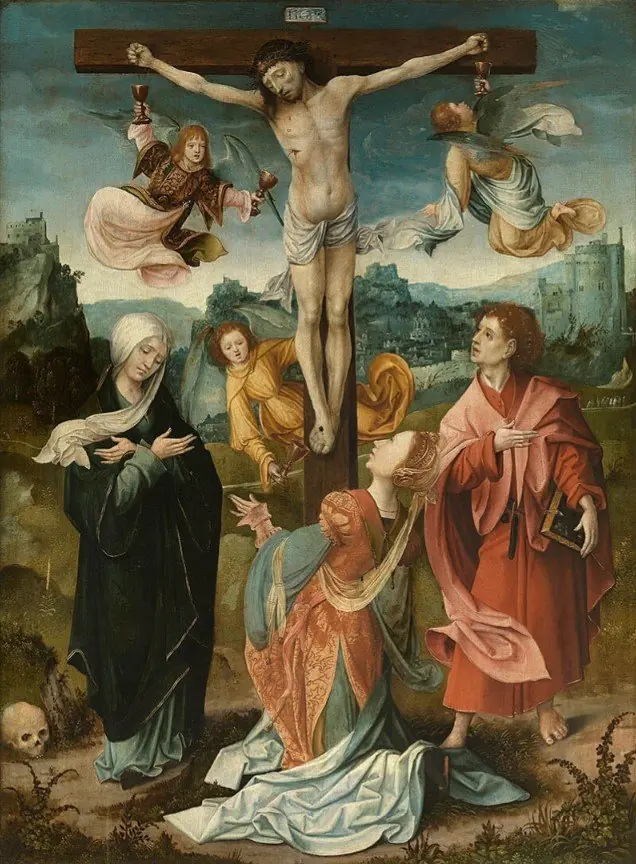
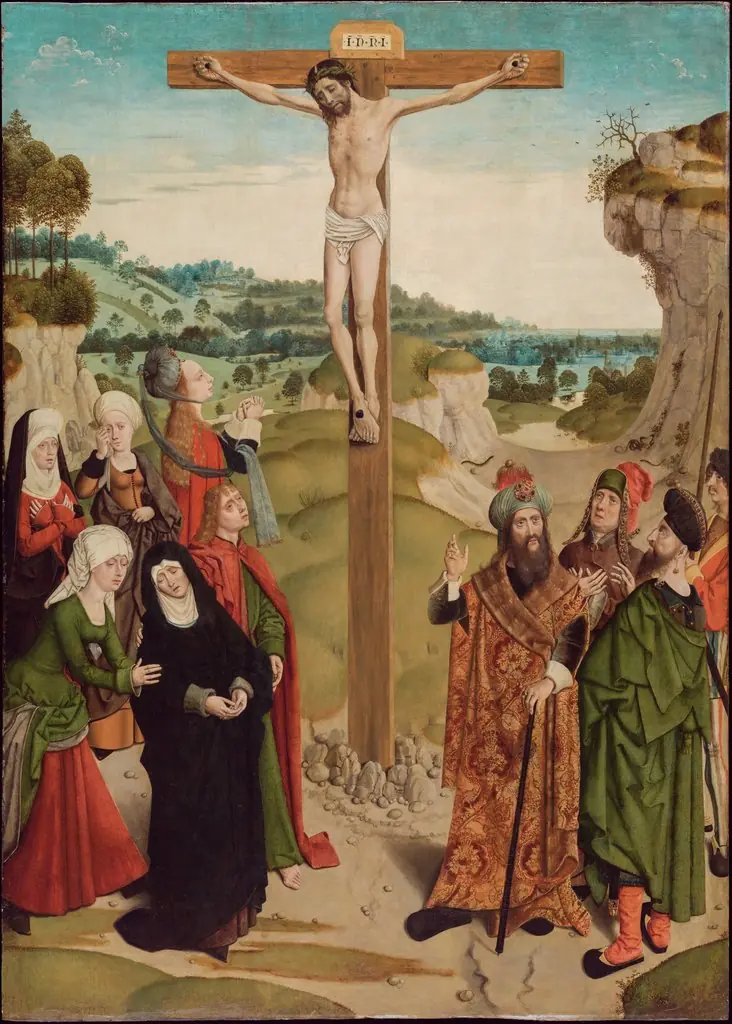
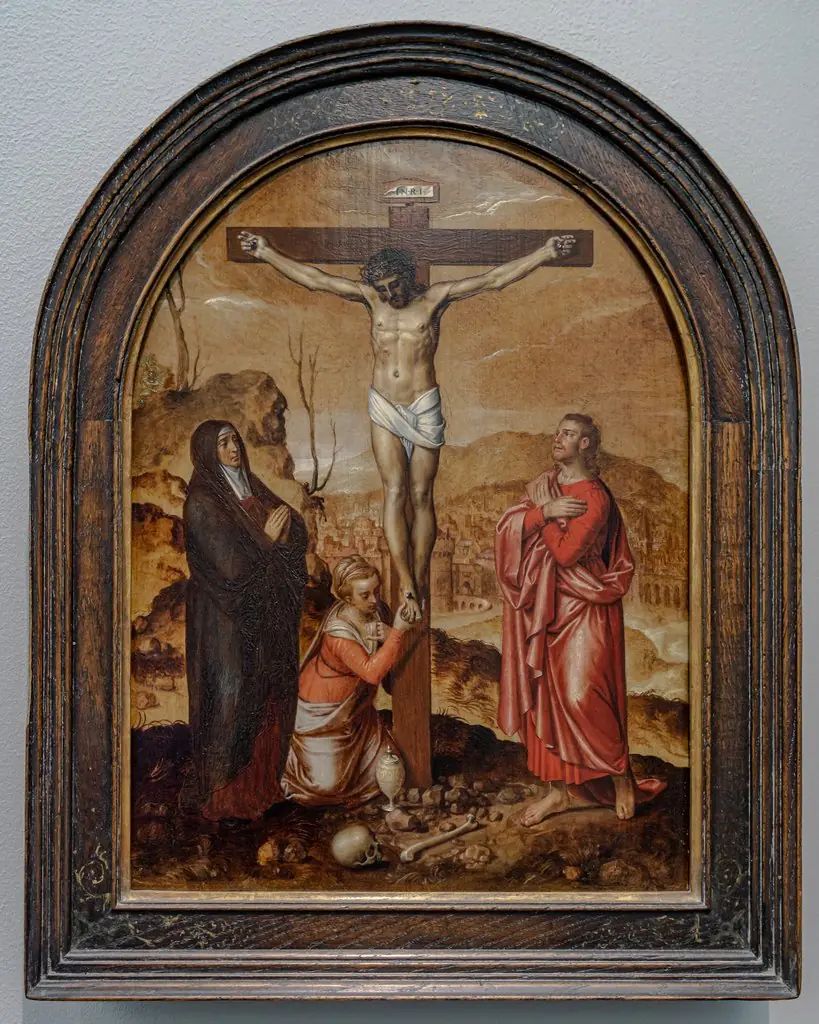
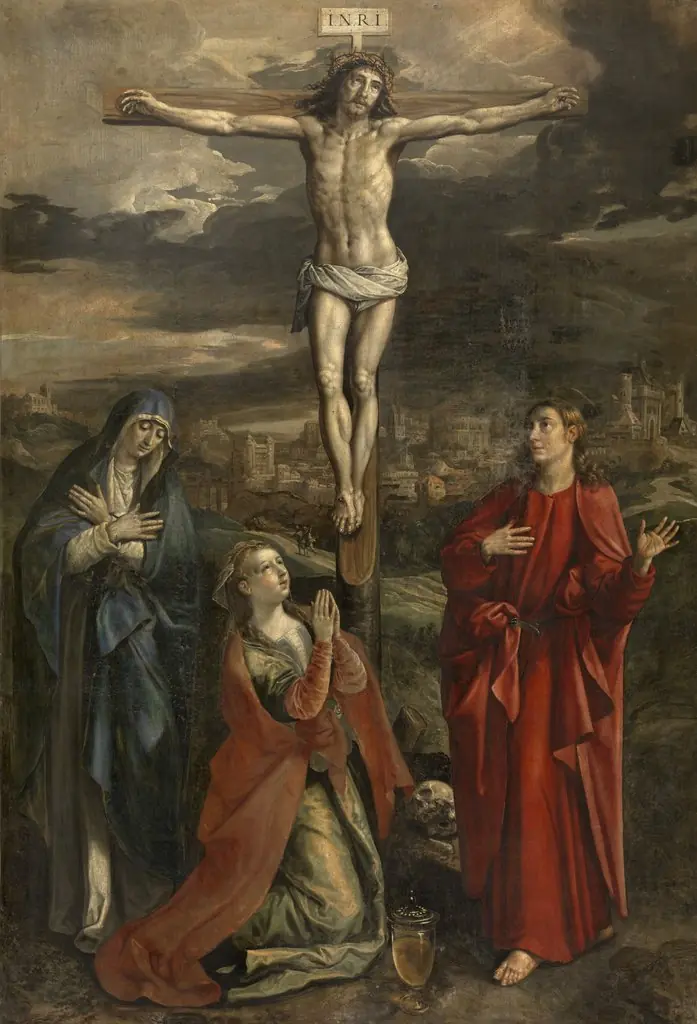
Crucifixion is an oil painting by the Northern Renaissance artist Joos van Cleve. It dates from 1532 and is held in the collection of the Philadelphia Museum of Art.
About this work
Overview
The painting Crucifixion, created by Joos van Cleve in 1532, is an oil painting that exemplifies the artist's skill in blending traditional techniques with contemporary styles. It is now part of the Philadelphia Museum of Art's collection.
Subject & Meaning
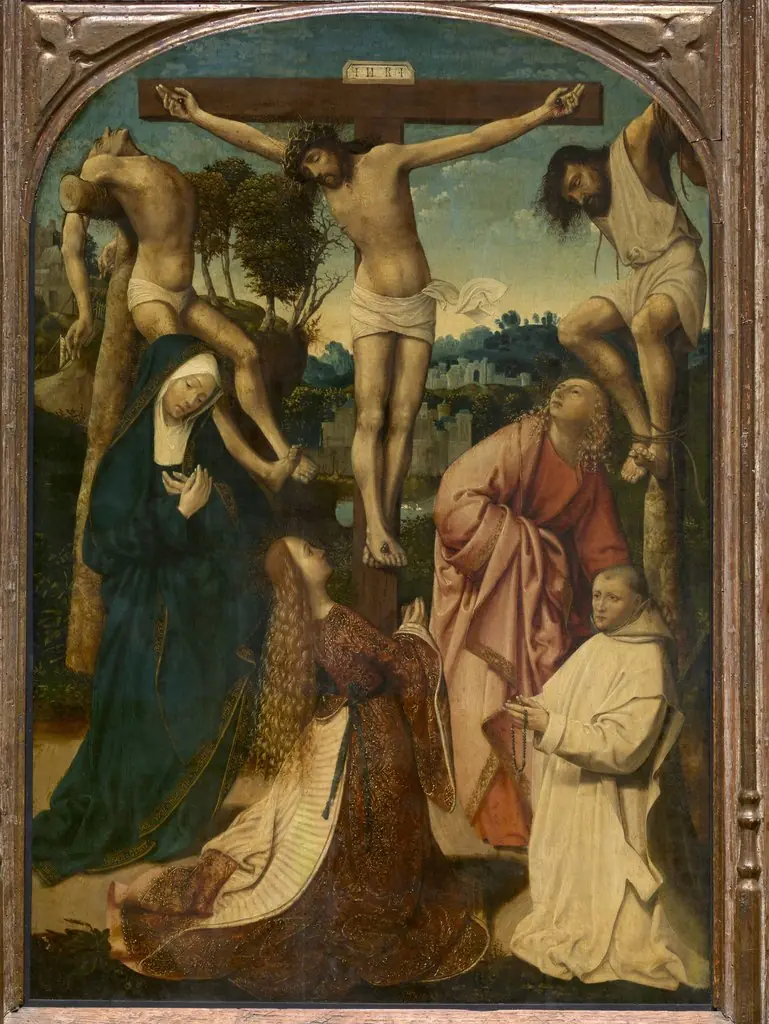
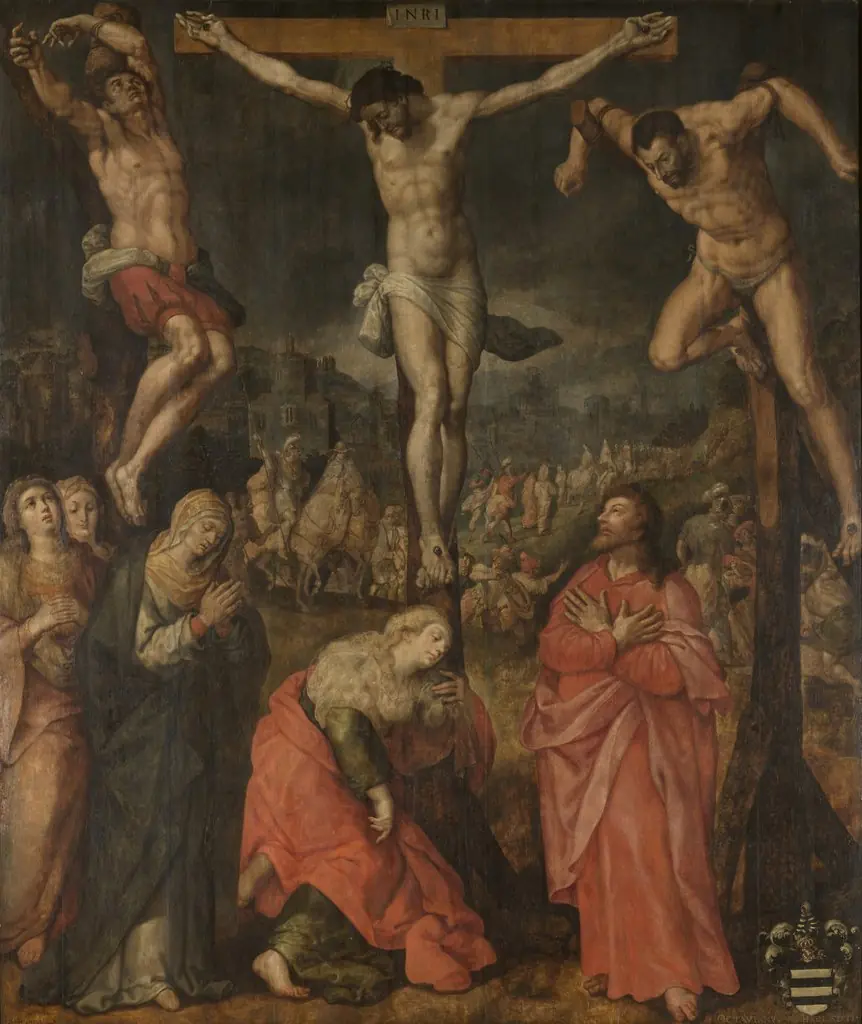
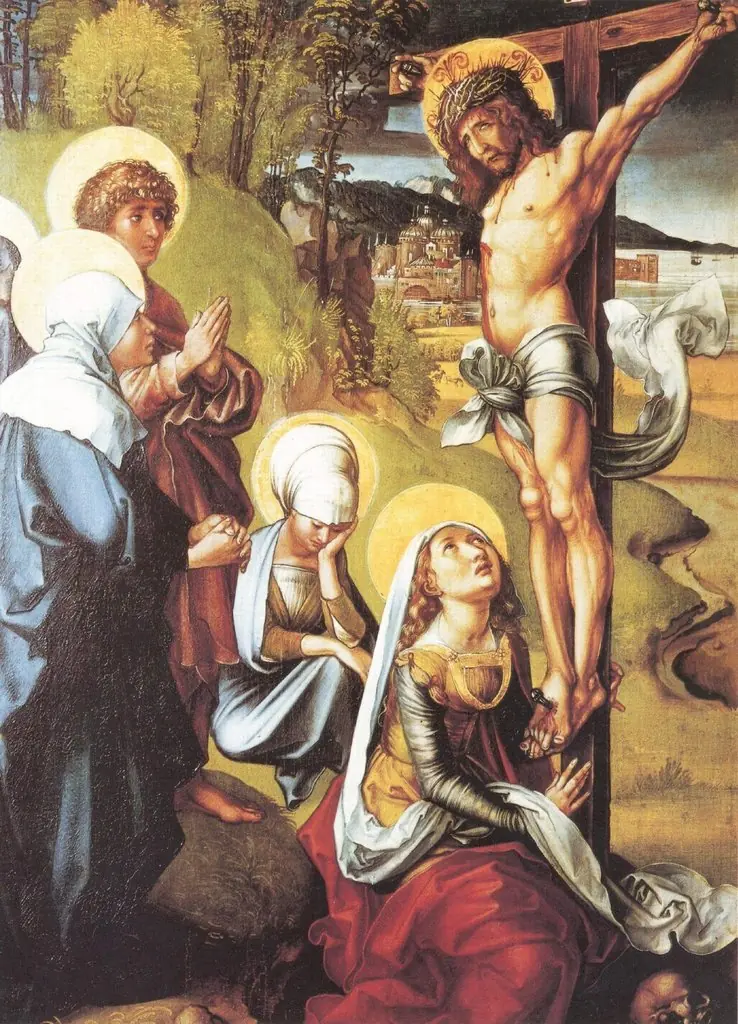
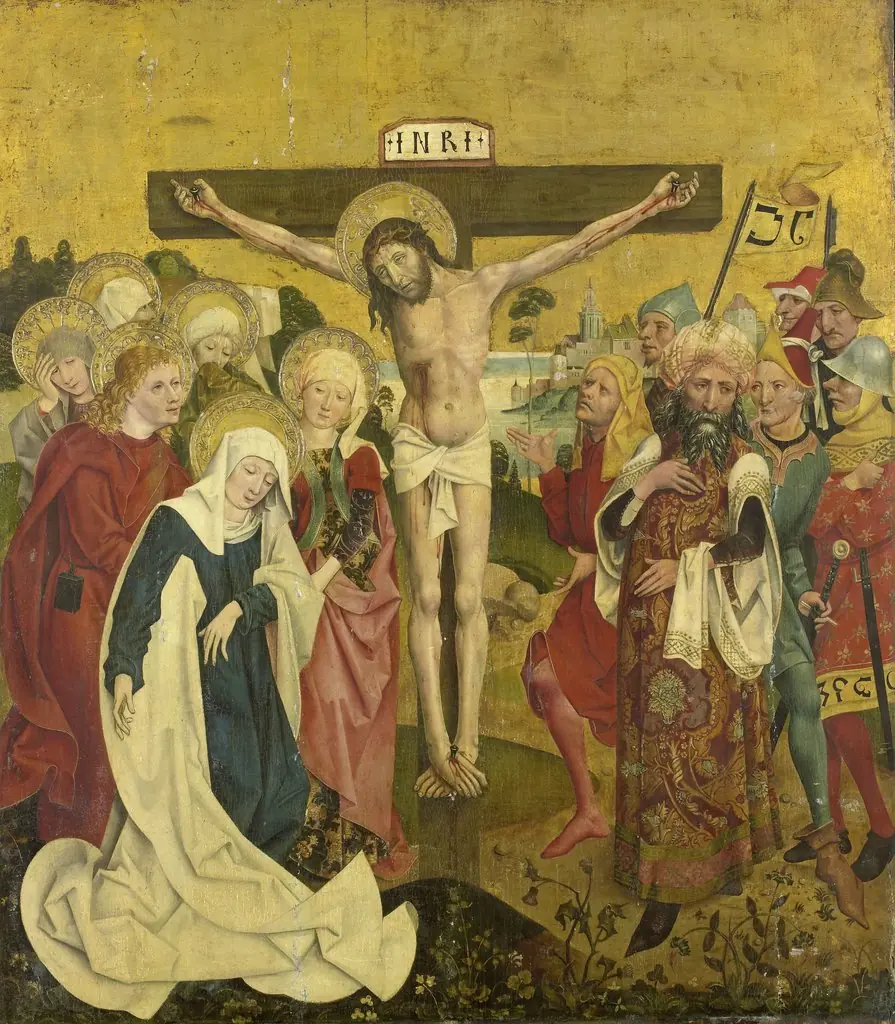
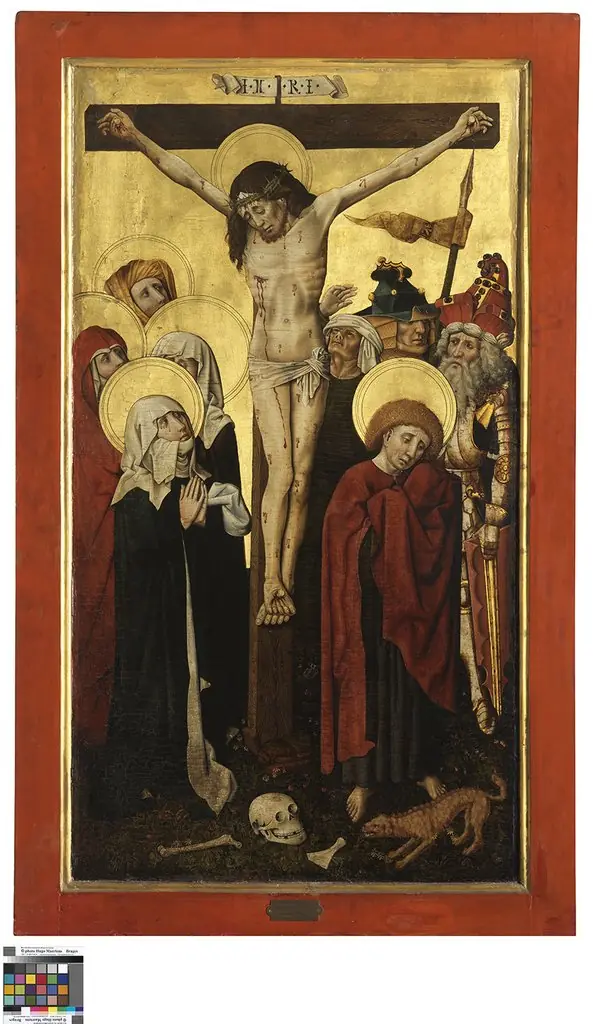
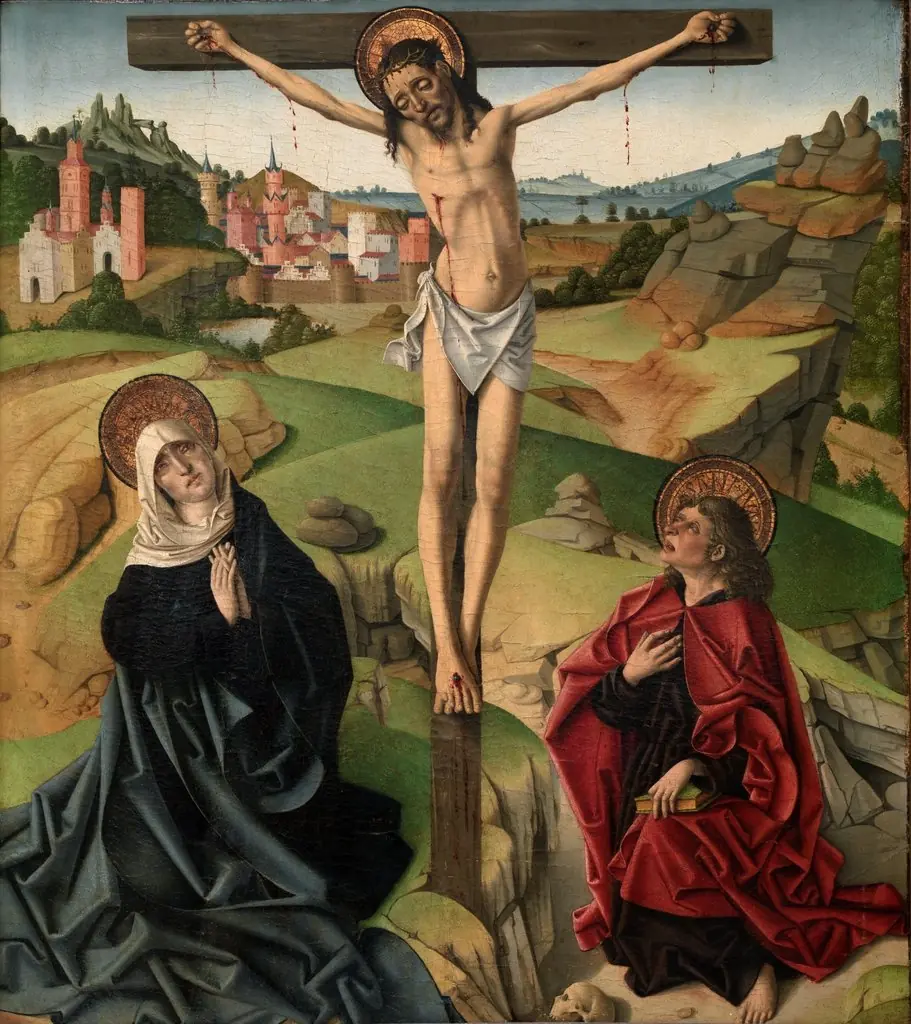
The scene depicts the crucifixion of Jesus Christ, with two women mourning at the foot of the cross. A skull and bones are placed on the ground, symbolizing mortality. The somber mood invites contemplation on the event's significance.
Technique & Style
Van Cleve's use of muted colors and chiaroscuro creates a sense of depth, with the figures and cross standing out against the softer landscape. This technique, characteristic of the Northern Renaissance, adds to the overall somber and contemplative atmosphere.
History & Provenance
Joos van Cleve was a prominent painter in Antwerp, active from around 1511 until his death in 1540 or 1541. He ran a large workshop as a co-deacon in the Guild of Saint Luke, producing numerous religious works.
Own this work as a print
Artist & collection
Artist
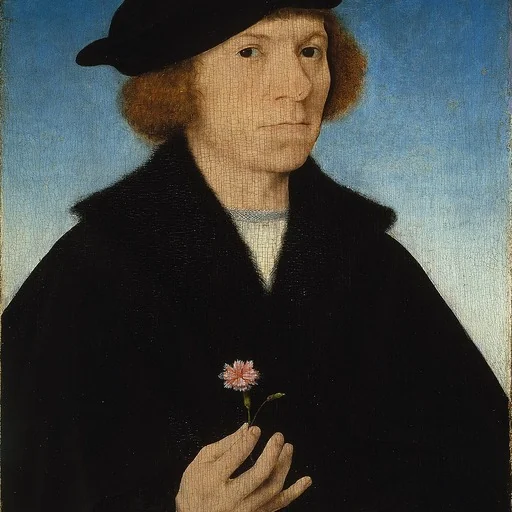
Joos van Cleve (; also Joos van der Beke; c. 1485–1490 – 1540/1541) was a leading painter active in Antwerp from his arrival there around 1511 until his death in 1540 or 1541. Within Dutch and Flemish Renaissance…