Artwork
Revelation of St. John: Seven Angels with Trumpets
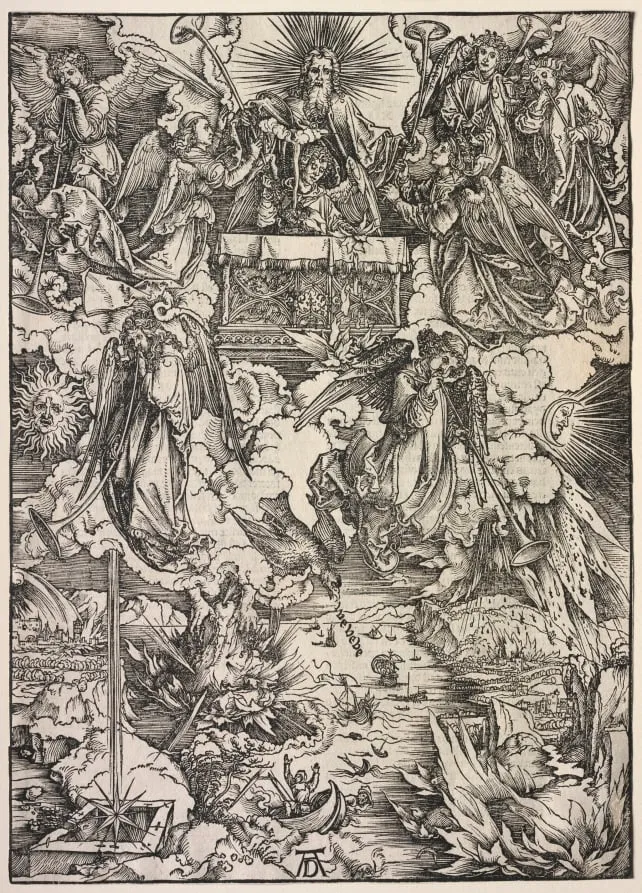
Revelation of St. John: Seven Angels with Trumpets is a print by the Renaissance artist Albrecht Dürer. It dates from 1511 and is held in the collection of the Cleveland Museum of Art.
About this work
Overview
Produced in Nuremberg, the print exemplifies the technical precision and narrative ambition of Northern Renaissance printmaking.
Created in 1511, this woodcut is one of fifteen plates in Albrecht Dürer’s series illustrating the Book of Revelation. Produced in Nuremberg, the print exemplifies the technical precision and narrative ambition of Northern Renaissance printmaking. Dürer’s mastery of the woodcut medium allowed him to translate complex theological visions into intricate black-and-white imagery, reaching a broad audience across Europe through the emerging print market.
Subject & Meaning
The scene depicts the seven angels of Revelation 8–9, each preparing to sound a trumpet that will trigger divine judgments upon the earth. Their celestial presence contrasts with the chaos below—fleeing figures, crumbling structures, and a sinking vessel symbolize earthly ruin. The imagery reflects apocalyptic anxiety of the early 16th century, when religious upheaval and fears of divine retribution were widespread, particularly in the years preceding the Protestant Reformation.
Technique & Style
Dürer employed fine, controlled lines and dense cross-hatching to render texture, depth, and motion. The angels’ flowing robes and swirling clouds are carved with rhythmic precision, while the terrestrial chaos is rendered in jagged, overlapping forms. Variations in scale and posture among the angels avoid monotony, enhancing the sense of divine intervention. The contrast between the ethereal upper register and the turbulent lower half demonstrates Dürer’s command of spatial hierarchy in relief printing.
History & Provenance
The print was issued as part of a deluxe edition of Dürer’s Apocalypse series, first published in 1498 with a revised version in 1511. The 1511 edition included additional inscriptions and refined details. Copies were collected by scholars, clergy, and patrons across Germany and the Low Countries. Several original impressions survive in major European collections, including the Albertina in Vienna and the British Museum, attesting to the series’ early and enduring circulation.
Context
Dürer’s Apocalypse series emerged during a period of religious tension and millennial speculation in late 15th- and early 16th-century Europe. The printing press enabled rapid dissemination of apocalyptic imagery, and Dürer’s work resonated with contemporary anxieties about sin, judgment, and reform. His visual language blended traditional iconography with humanist detail, bridging medieval symbolism and emerging Renaissance naturalism.
Legacy
Dürer’s woodcuts redefined the potential of print as a vehicle for serious religious and artistic expression. The Apocalypse series influenced generations of Northern European artists and set a standard for narrative complexity in printmaking. Later reformers and theologians referenced his imagery, and his technical innovations in line and tone became foundational to the development of Western graphic arts.
Artist & collection
Artist
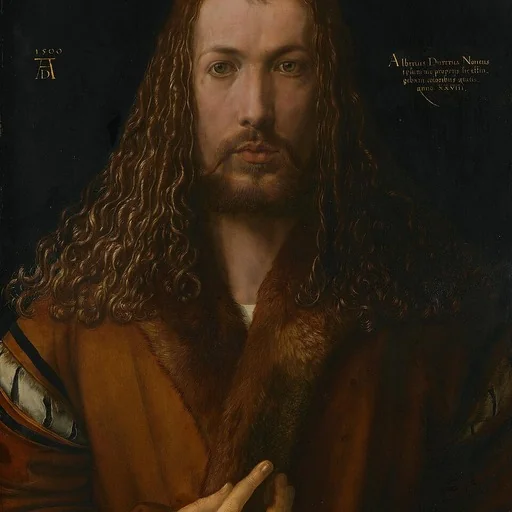
Albrecht Dürer spent his life in Nuremberg, a busy German city where artists traded prints like currency.

![Madonna and Child [obverse], by Albrecht Dürer](https://artifactworldgallery.com/img/albrecht-durer--madonna-and-child-obverse--d7b8ebf05d22ebe5-w320.webp)
![Lot and His Daughters [reverse], by Albrecht Dürer](https://artifactworldgallery.com/img/albrecht-durer--lot-and-his-daughters-reverse--b4ebf9b282faa17a-w320.webp)
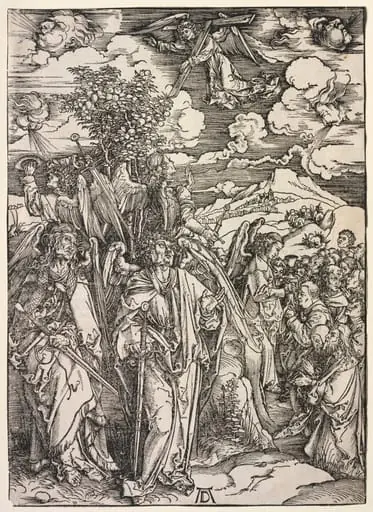 Revelation of St. John: Four Angels Holding up the Winds
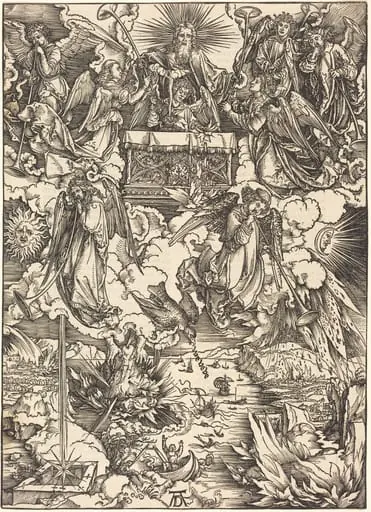 The Seven Angels with the Trumpets
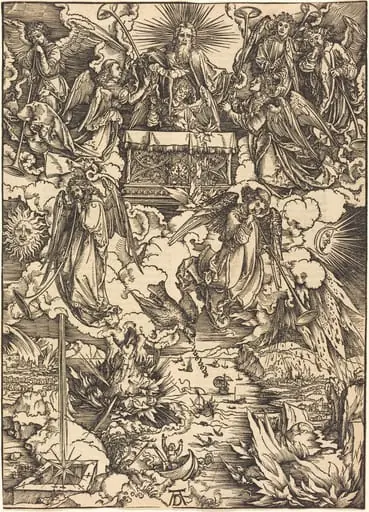 The Seven Angels with the Trumpets
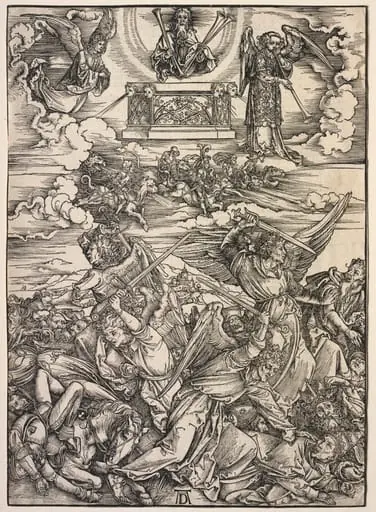 Revelation of St. John: The Four Destroying Angels
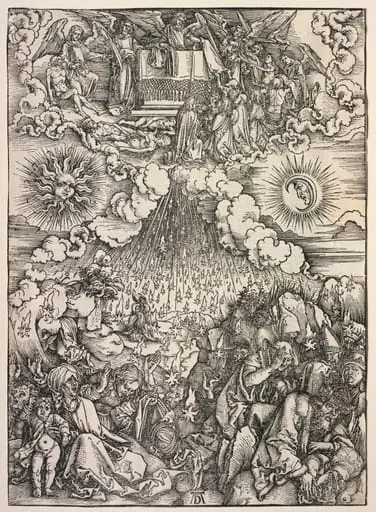 Revelation of St. John: Opening of the Sixth Seal
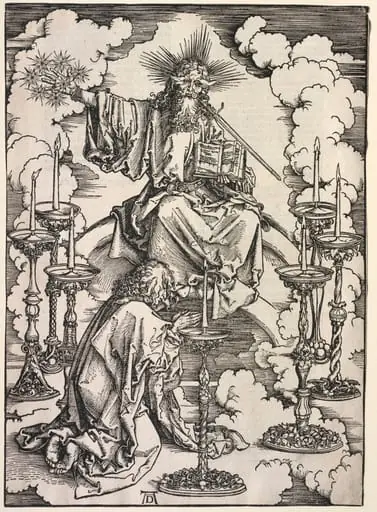 Revelation of St. John: St. John Beholding the Seven Candlesticks
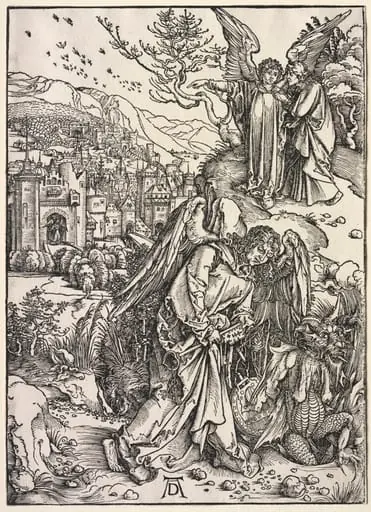 Revelation of St. John: Angel with the Key of the Bottomless Pit
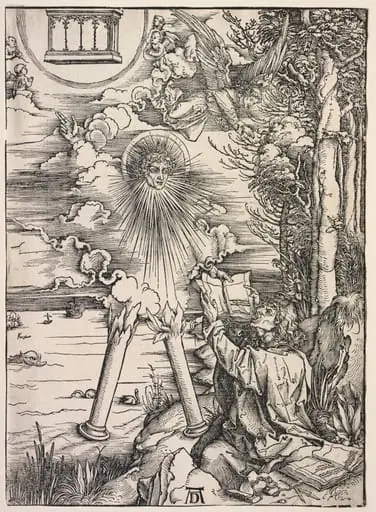 Revelation of St. John: St. John Devouring the Books
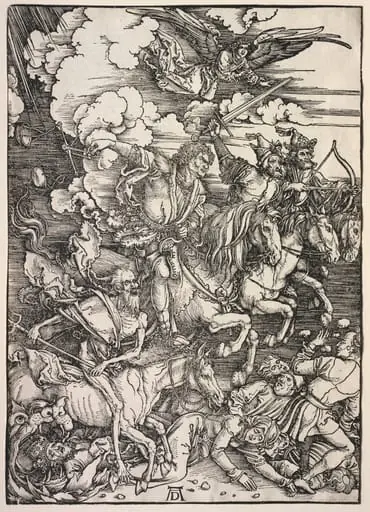 Revelation of St. John: The Four Horsemen
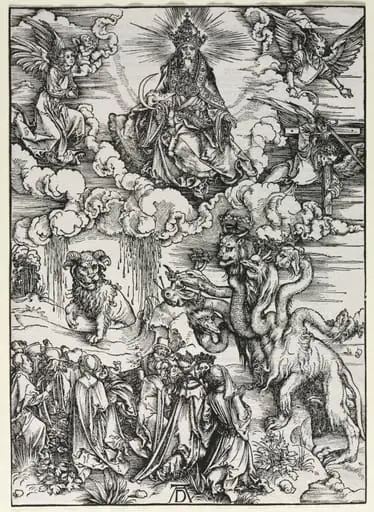 Revelation of St. John: Beast with Ram's Horns
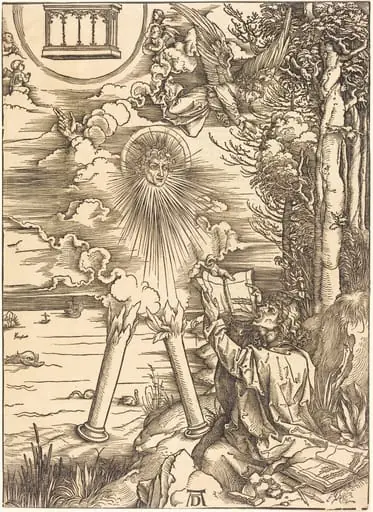 Saint John Devouring the Book