Artwork
Saint John Devouring the Book
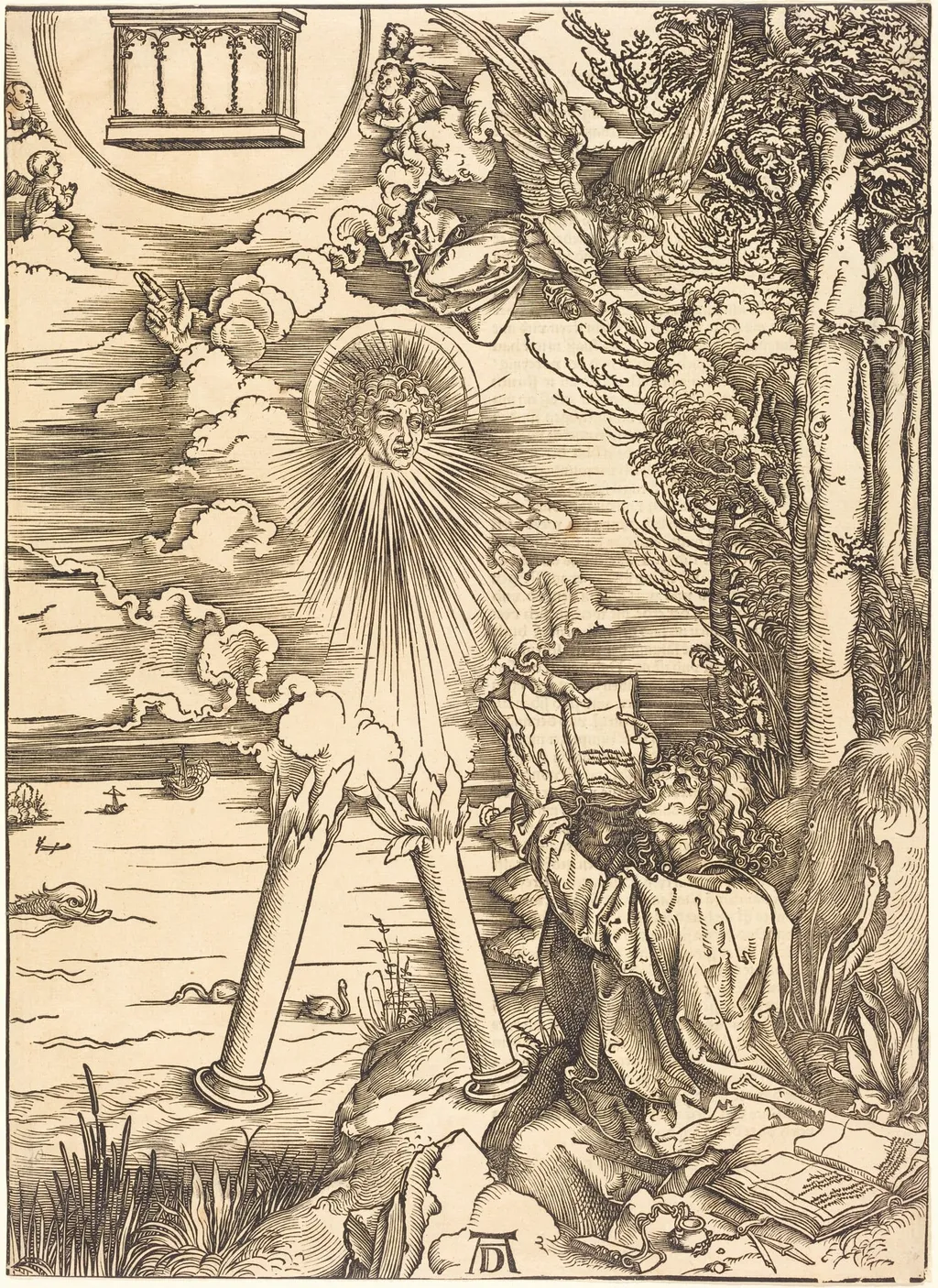
Saint John Devouring the Book is an ink print by the Northern Renaissance artist Albrecht Dürer. It dates from 1497 and is held in the collection of the Metropolitan Museum of Art.
About this work
Overview
The scene captures the dual nature of the prophecy described in the text: the book tastes sweet as honey in the mouth but turns bitter in the stomach.
Saint John Devouring the Book is a woodcut by the German Renaissance master Albrecht Dürer, created in 1497. The work illustrates a specific episode from the Apocalypse of John (Revelation 10:8–10), where the Evangelist is commanded by an angel to consume a small scroll. In the composition, John is depicted kneeling on a rocky outcrop, forcefully ingesting the book while displaying a complex expression of physical strain and spiritual awe. The scene captures the dual nature of the prophecy described in the text: the book tastes sweet as honey in the mouth but turns bitter in the stomach. Dürer renders the figure with precise anatomical detail and dramatic chiaroscuro, characteristic of his early mature style. The surrounding landscape features rugged terrain and a distant city, grounding the visionary event in a tangible, albeit stylized, reality. This piece is part of Dürer's early exploration of apocalyptic themes, preceding his more famous series of Apocalypse woodcuts published in 1498. The work demonstrates his mastery of the woodcut medium, utilizing fine lines and cross-hatching to create depth and texture. It stands as a significant example of Northern Renaissance religious art, blending theological narrative with intense psychological realism.
Subject & Meaning
The figure of John the Evangelist is shown biting into a book, his face twisted in discomfort. In the legend the book represents the bitter truth of the gospel, and the act of devouring it conveys the saint’s willingness to endure hardship for divine knowledge.
Technique & Style
Created with the woodcut process, Dürer carved the design into a block of wood, inked the raised surfaces, and pressed the image onto paper. The stark contrasts of line and the economy of detail are characteristic of late‑15th‑century German printmaking.
History & Provenance
The print was produced during Dürer’s early career, shortly after his apprenticeship in Nuremberg. It circulated among devotional prints and was likely distributed to private collectors interested in religious imagery.
Context
The work reflects the period’s fascination with apocryphal narratives and the didactic role of prints in disseminating moral lessons. Its visual simplicity aligns with contemporary trends that favored clear, narrative-driven imagery for a broad audience.
Legacy
Saint John Devouring the Book exemplifies Dürer’s mastery of woodcut and contributes to the broader tradition of religious prints that shaped visual culture in the Northern Renaissance.
Artist & collection
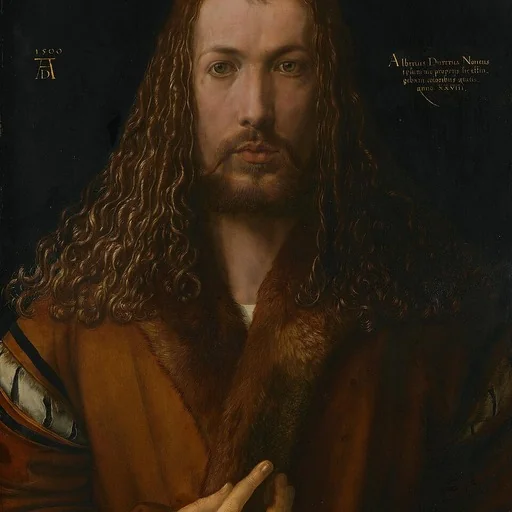
Artist
Albrecht Dürer spent his life in Nuremberg, a busy German city where artists traded prints like currency.

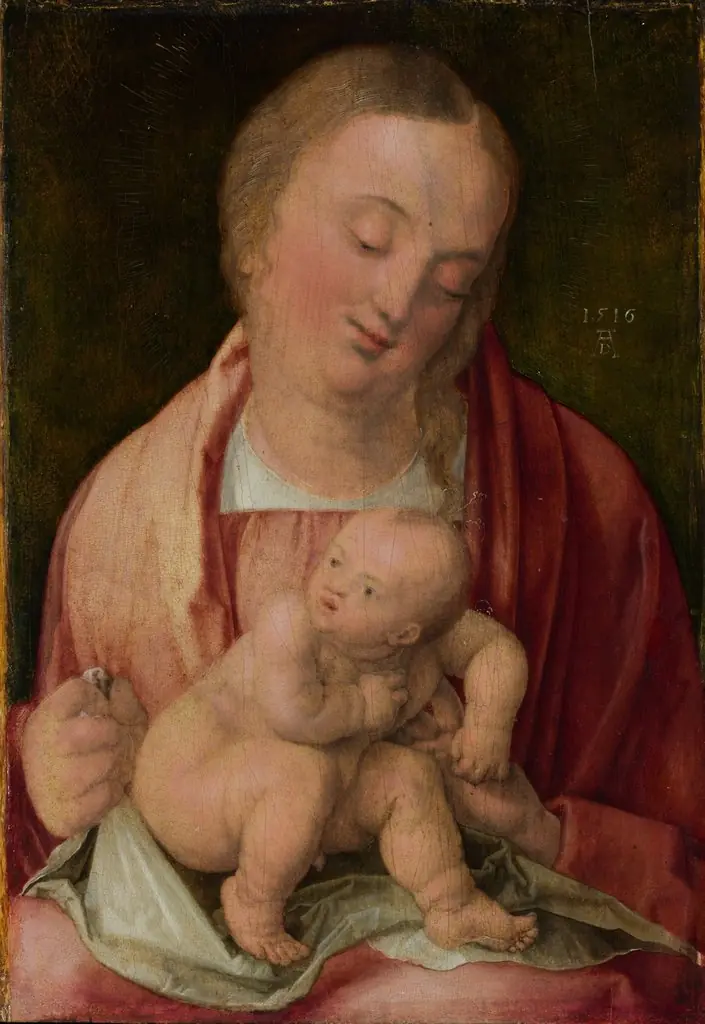
![Madonna and Child [obverse], by Albrecht Dürer](https://artifactworldgallery.com/img/albrecht-durer--madonna-and-child-obverse--d7b8ebf05d22ebe5-w320.webp)
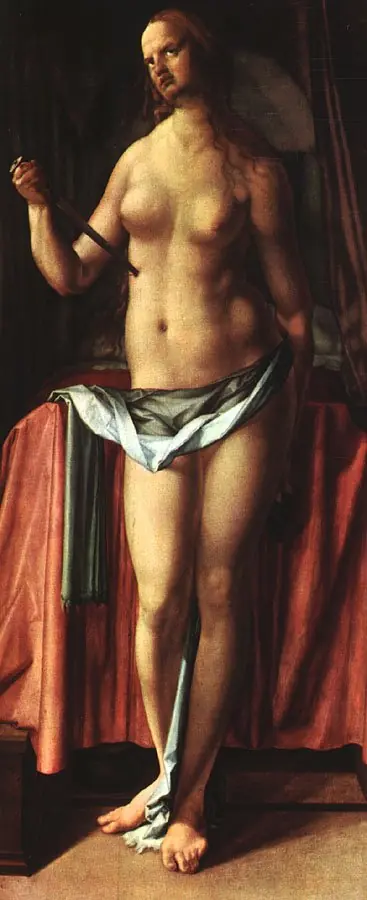
![Lot and His Daughters [reverse], by Albrecht Dürer](https://artifactworldgallery.com/img/albrecht-durer--lot-and-his-daughters-reverse--b4ebf9b282faa17a-w320.webp)
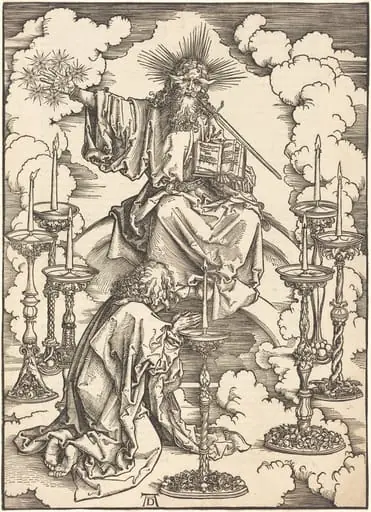 The Vision of the Seven Candlesticks
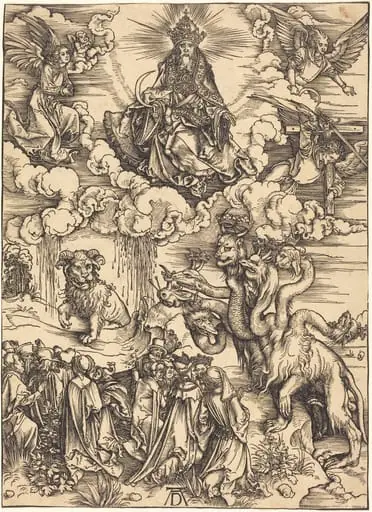 The Beast with Two Horns like a Lamb
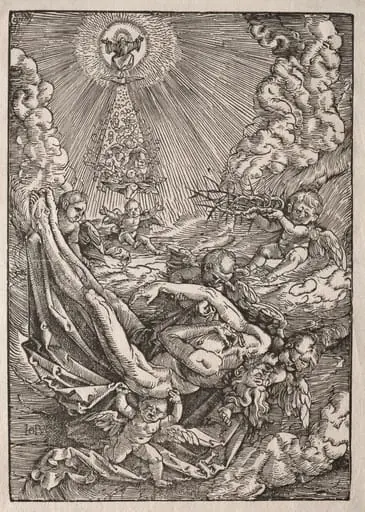 Christ Carried to Heaven by Angels
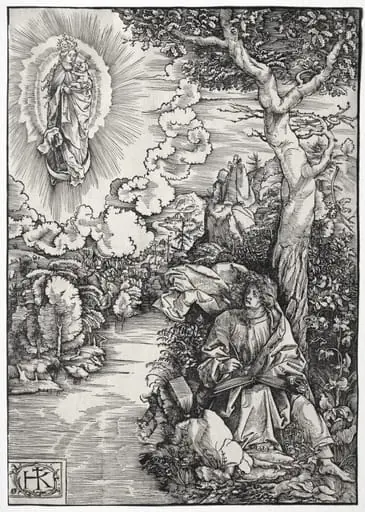 St. John on the Island of Patmos
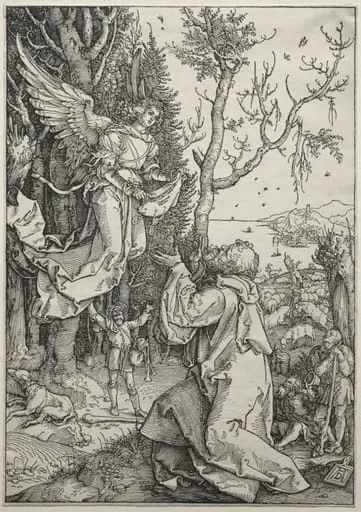 The Life of the Virgin: Joachim and the Angel
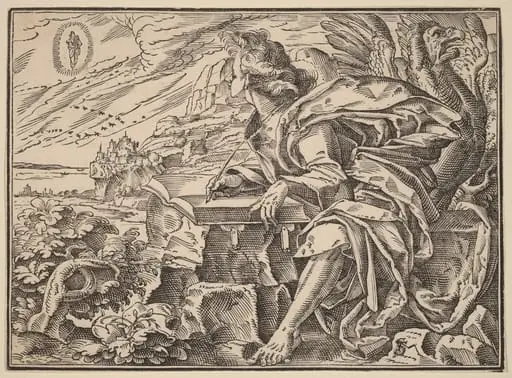 The Four Horsemen of the Apocalypse
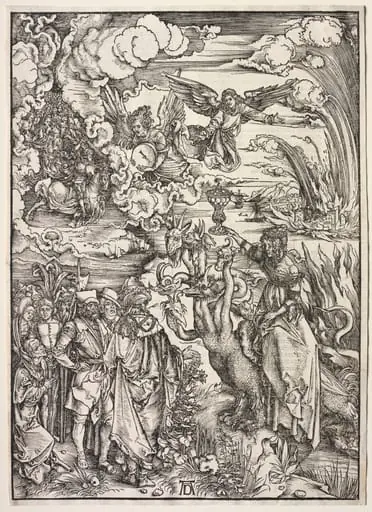 Revelation of St. John: The Woman of Babylon
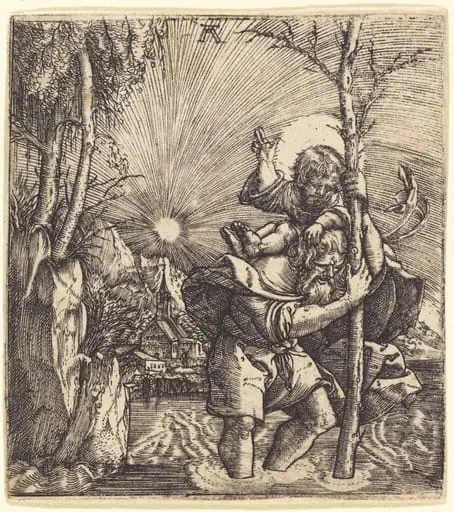 Saint Christopher
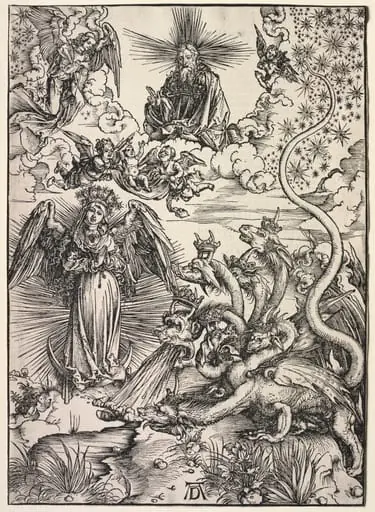 Revelation of St. John: The Woman Clothed with the Sun
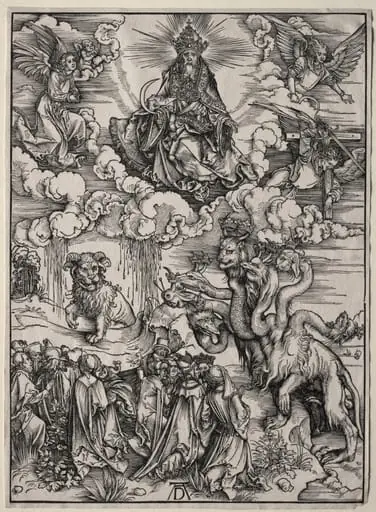 The Beast with Seven Heads and the Beast with Lamb's Horns
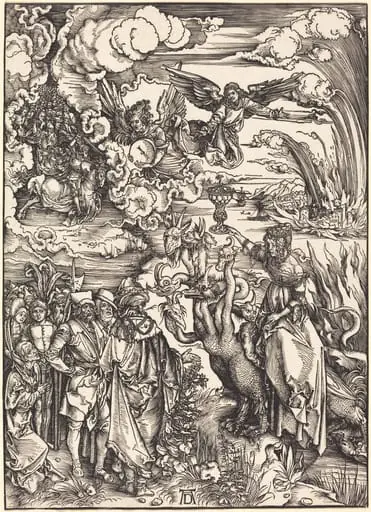 The Babylonian Whore
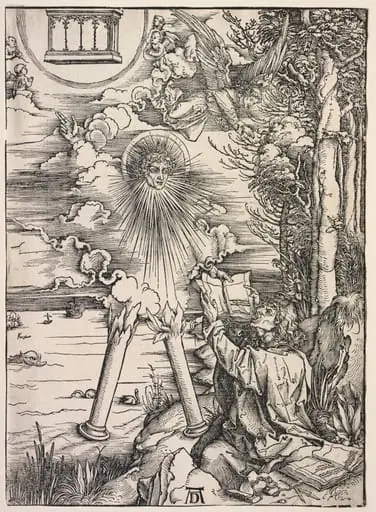 Revelation of St. John: St. John Devouring the Books