Artwork
The Prodigal Son
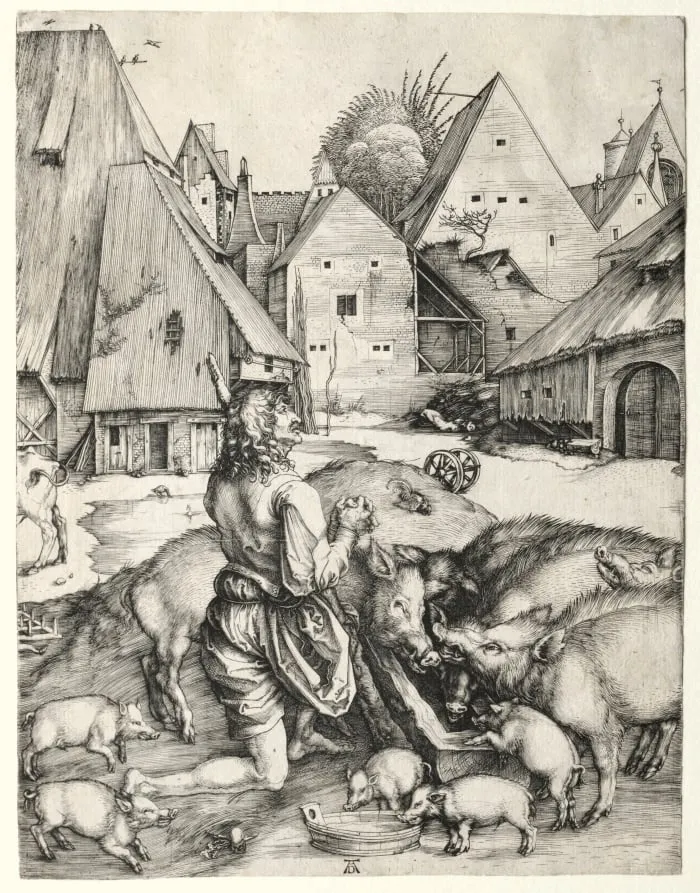
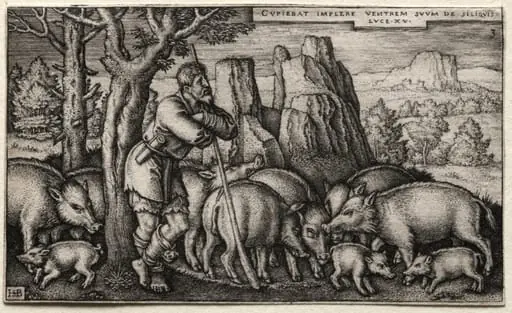
The Prodigal Son is a print by the Renaissance artist Albrecht Dürer. It dates from 1496 and is held in the collection of the Cleveland Museum of Art.
About this work
Overview
Created around 1496, this engraving by Albrecht Dürer depicts a moment from the biblical parable of the Prodigal Son.
Created around 1496, this engraving by Albrecht Dürer depicts a moment from the biblical parable of the Prodigal Son. Executed in fine, precise lines, the work exemplifies Dürer’s early mastery of the engraving technique. It reflects his growing reputation across Europe as a printmaker capable of conveying complex narratives with remarkable clarity and detail, bridging Northern and Italian artistic concerns of the period.
Subject & Meaning
The scene captures the prodigal son in a state of degradation, tending to pigs after squandering his inheritance. His posture and the chaotic environment convey moral humility and physical labor, aligning with the parable’s theme of repentance. The presence of the village in the distance suggests a world beyond his current condition, reinforcing the narrative arc of fall and potential redemption.
Technique & Style
Dürer employed fine, controlled engraving lines to render textures with exceptional precision — from the coarse fur of the pigs to the folds of the son’s worn garments. The composition balances intimate foreground detail with a distant, atmospheric landscape, demonstrating his ability to merge observational realism with symbolic depth. The sharp contrasts and meticulous hatching enhance the tactile quality of the scene.
History & Provenance
The engraving was produced during Dürer’s formative years, shortly after his first trip to Italy, when he was absorbing new artistic ideas while refining his Northern European style. It entered the Cleveland Museum of Art’s collection through established acquisitions in the 20th century, where it remains a key example of his early graphic work and the broader reach of German Renaissance printmaking.
Context
In late 15th-century Europe, biblical narratives were frequently rendered in prints for both devotional and educational purposes. Dürer’s engagement with Italian composition and anatomy, combined with Northern attention to everyday detail, positioned him uniquely. This work reflects a broader shift in religious imagery toward human-centered storytelling, accessible through the expanding medium of print.
Legacy
Dürer’s *The Prodigal Son* contributed to the elevation of printmaking as a serious artistic medium. Its technical rigor and emotional nuance influenced generations of engravers across Europe. The work endures as a testament to how narrative clarity and precise craftsmanship could convey spiritual themes with enduring resonance beyond the confines of painting or sculpture.
Artist & collection
Artist
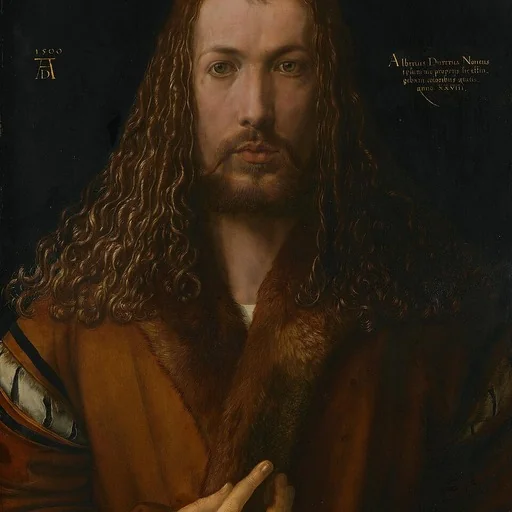
Albrecht Dürer spent his life in Nuremberg, a busy German city where artists traded prints like currency.

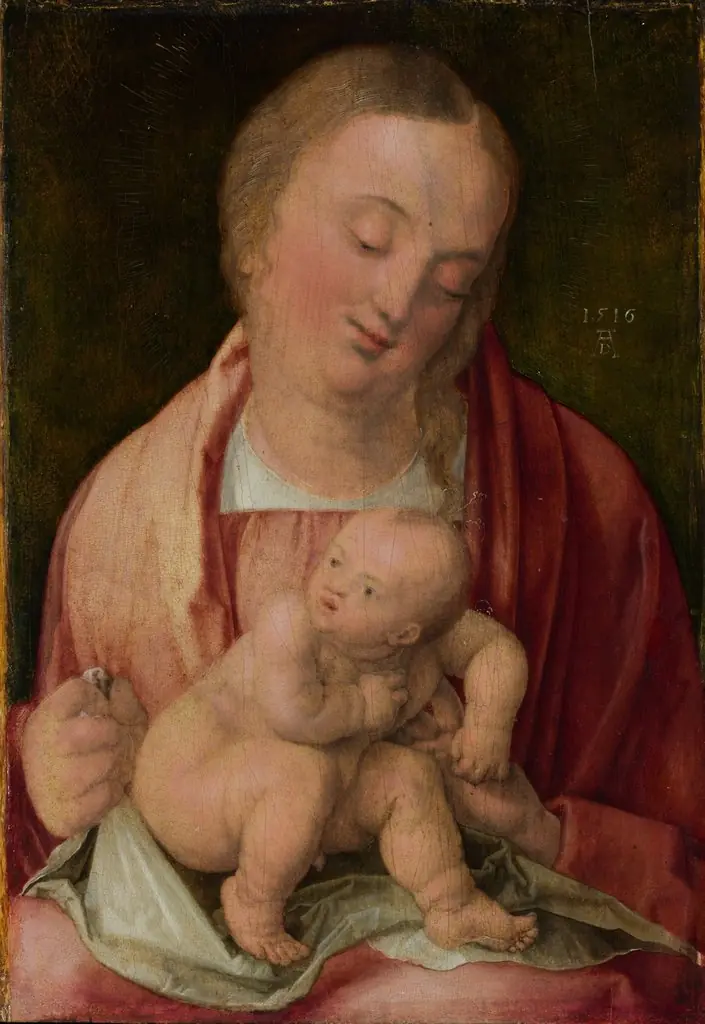
![Madonna and Child [obverse], by Albrecht Dürer](https://artifactworldgallery.com/img/albrecht-durer--madonna-and-child-obverse--d7b8ebf05d22ebe5-w320.webp)
![Lot and His Daughters [reverse], by Albrecht Dürer](https://artifactworldgallery.com/img/albrecht-durer--lot-and-his-daughters-reverse--b4ebf9b282faa17a-w320.webp)