Artwork
Noli me Tangere
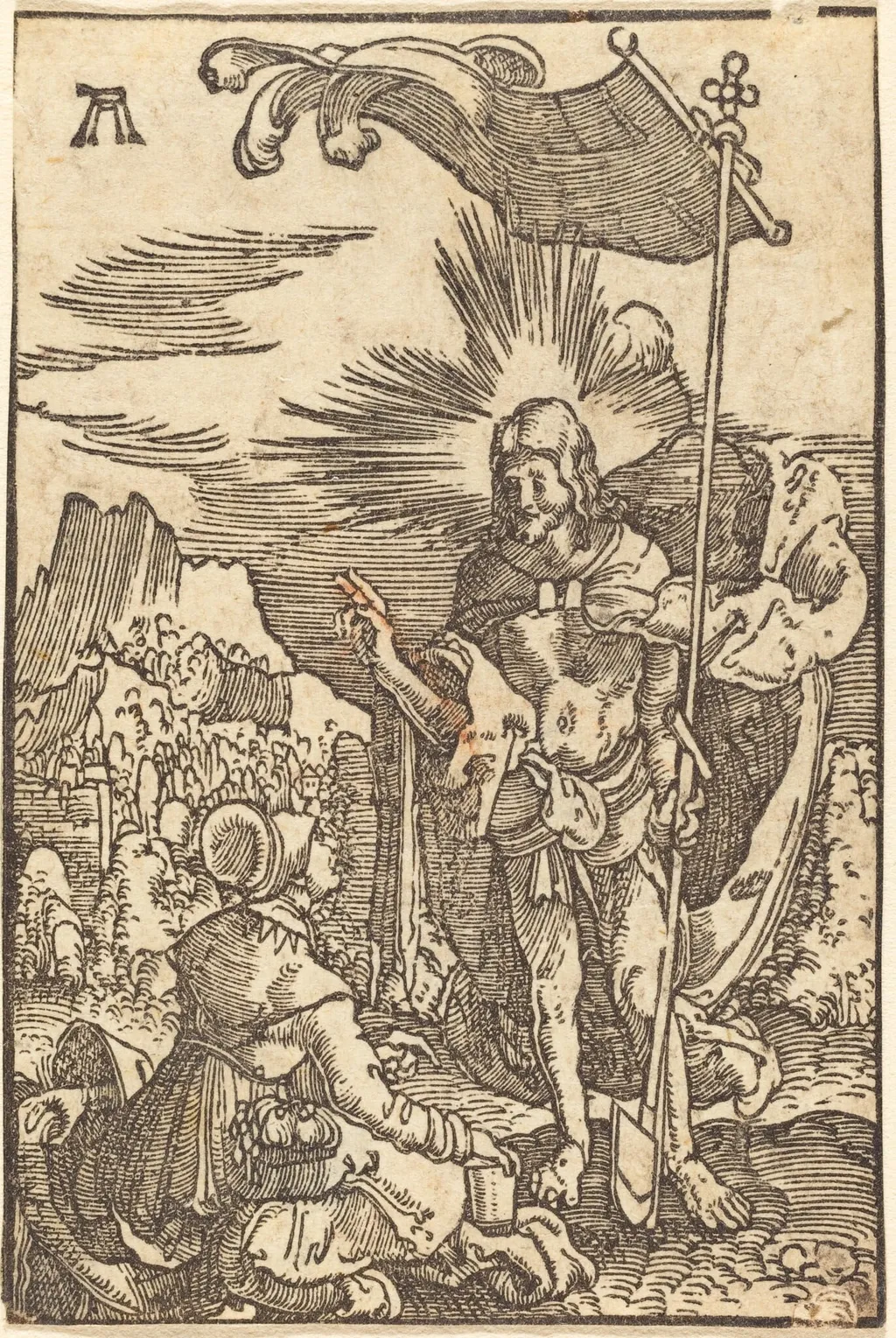
Noli me Tangere is an ink print by the Renaissance artist Albrecht Altdorfer. It dates from 1513 and is held in the collection of the National Gallery of Art.
About this work
Overview
The composition centers on a partially clothed figure rising from the earth, staff in hand, while a tumultuous crowd surrounds him beneath a storm‑filled sky.
Altdorfer’s woodcut *Noli me Tangere*, executed around 1513, presents a dramatic biblical episode on a single sheet of laid paper. The composition centers on a partially clothed figure rising from the earth, staff in hand, while a tumultuous crowd surrounds him beneath a storm‑filled sky. The work exemplifies the artist’s early exploration of landscape as a narrative element, a hallmark of his output within the Danube School.
Subject & Meaning
The central figure is traditionally identified with the resurrected Christ, his upward‑pointing hand and cross‑topped staff signalling divine authority. The scattered onlookers, some reaching toward him, convey a mixture of awe and desperation, underscoring the tension between the sacred and the mortal. The dark, swirling clouds above amplify the sense of revelation emerging from chaos.
Technique & Style
Carved with precise incisions, the woodcut relies on stark lines and deep chiaroscuro to model form and convey movement. Altdorfer’s handling of line creates a dense network of shadows that heighten the atmospheric storm, while the central figure remains rendered with smoother strokes, drawing the eye amid the surrounding disorder. The print’s texture reflects the characteristic sharpness of early 16th‑century German woodcutting.
History & Provenance
Created in Regensburg, the piece belongs to Altdorfer’s early printmaking phase, contemporaneous with his contributions to the Nuremberg Little Masters. Though the original block is lost, surviving impressions have passed through several European collections, most recently entering a public museum’s graphic department in the late 20th century, where it is catalogued among early Renaissance prints.
Context
Altdorfer’s work marks a shift in Renaissance art toward treating landscape as an autonomous subject rather than mere backdrop. Within the Danube School, he combined meticulous natural observation with religious narrative, influencing later Northern European artists who sought to integrate environment and story. *Noli me Tangere* thus reflects both his personal stylistic development and broader regional trends toward expressive, atmospheric composition.
Artist & collection
Artist
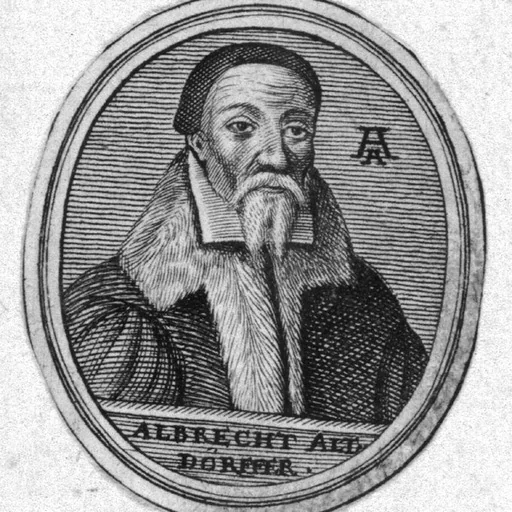
Albrecht Altdorfer (c. 1480 – 12 February 1538) was a German painter, engraver and architect of the Renaissance working in Regensburg. Along with Lucas Cranach the Elder and Wolf Huber he is regarded to be the main…

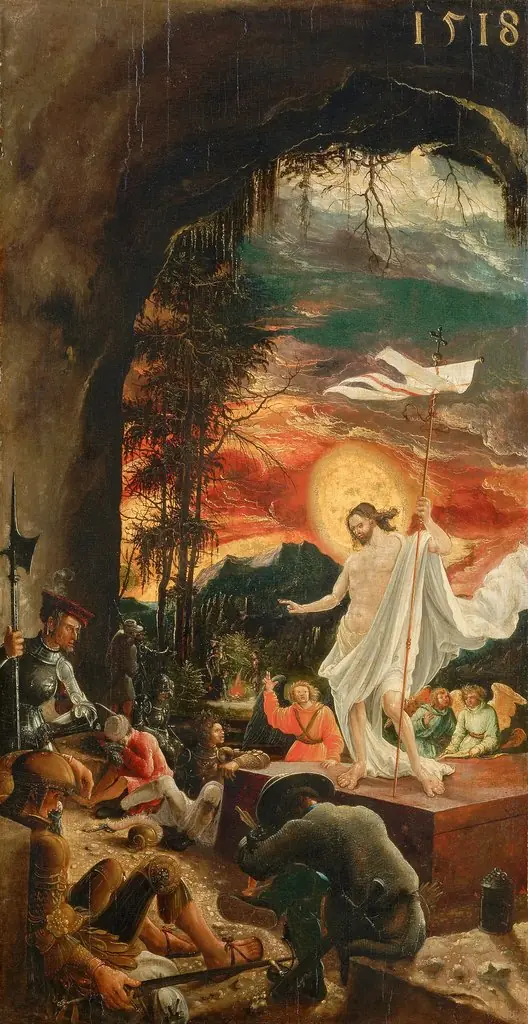
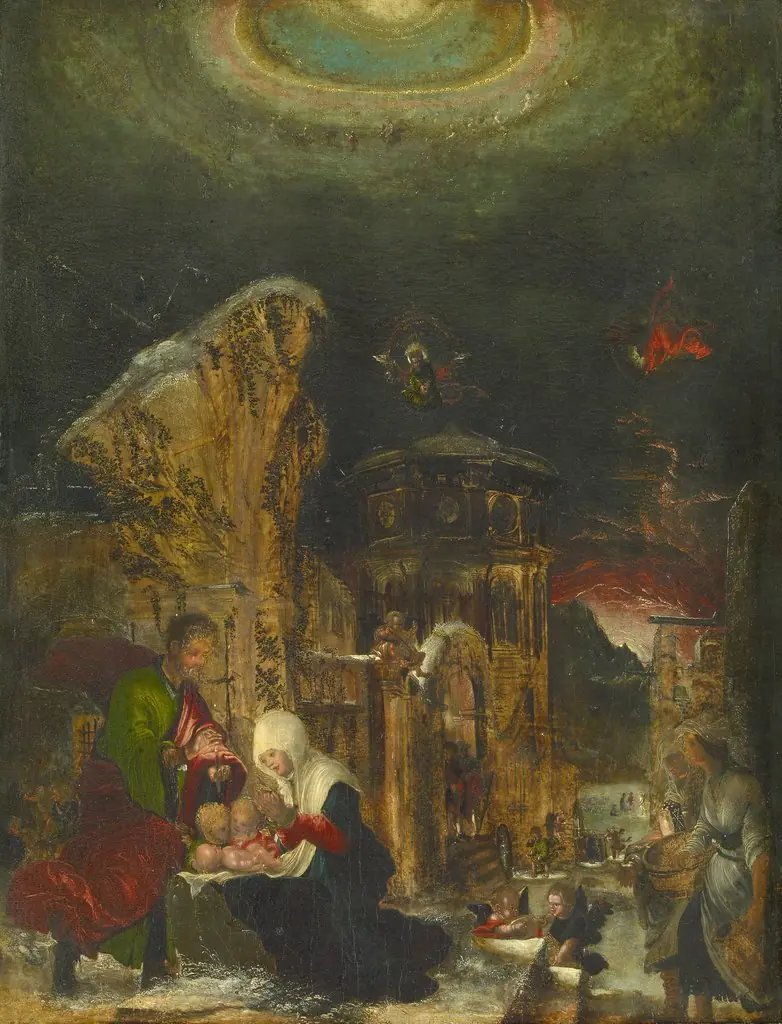
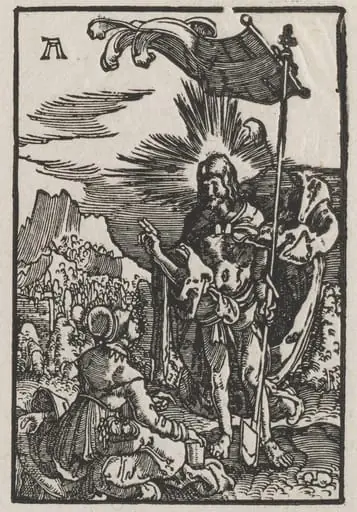 The Fall and Redemption of Man: Christ Appearing to St. Mary Magdalen
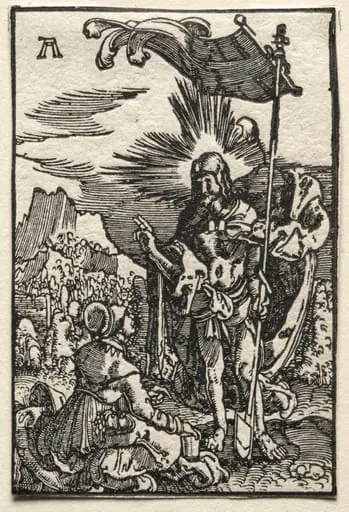 The Fall and Redemption of Man: Christ Appearing to St. Mary Magdalen
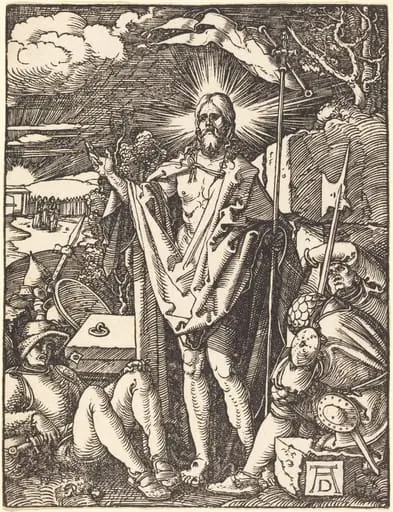 The Resurrection
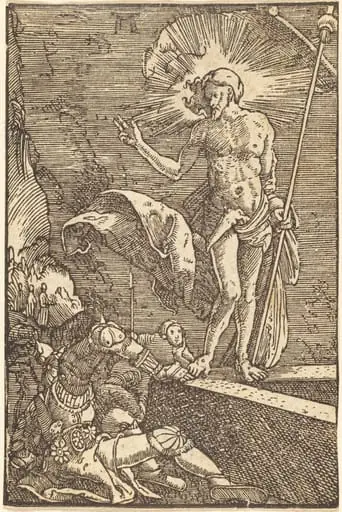 The Resurrection
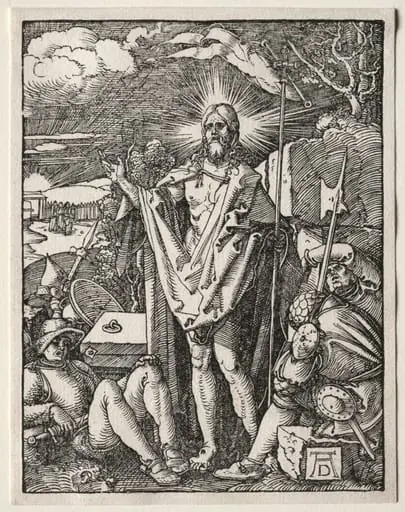 The Small Passion: The Resurrection
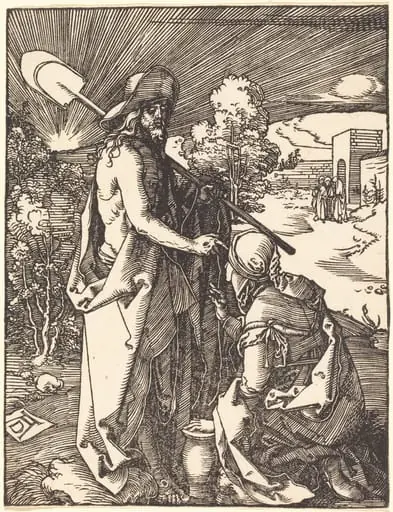 Christ Appearing to Mary Magdalene
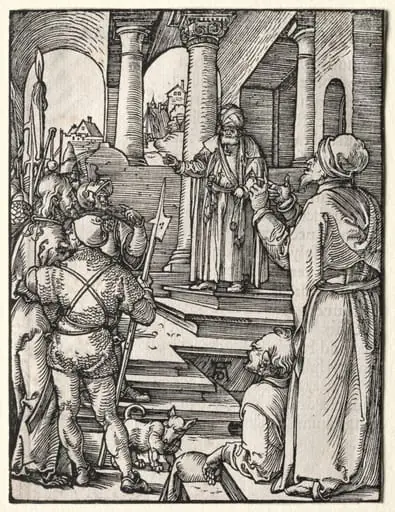 The Small Passion: Christ Before Pilate
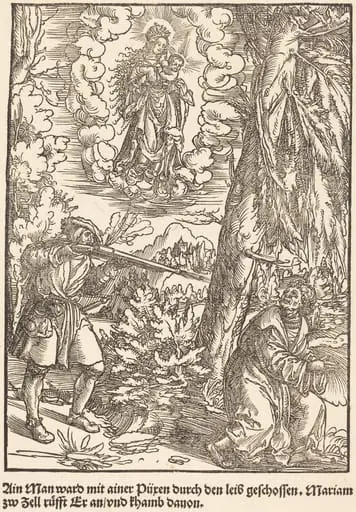 Ain Man ward mit ainer Puren ...
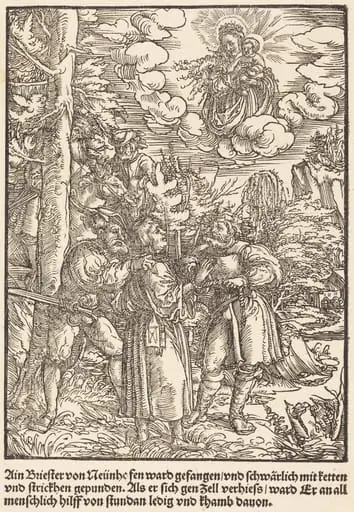 Ain Briester von Neunhe ...
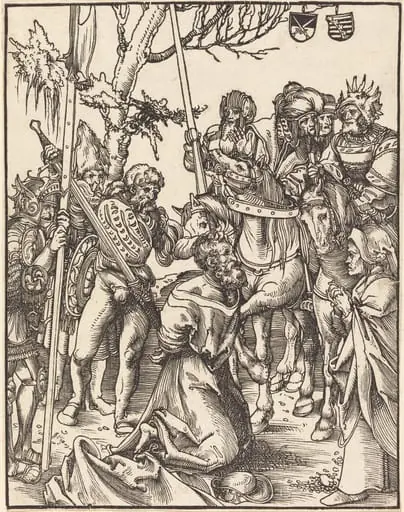 Saint James the Greater
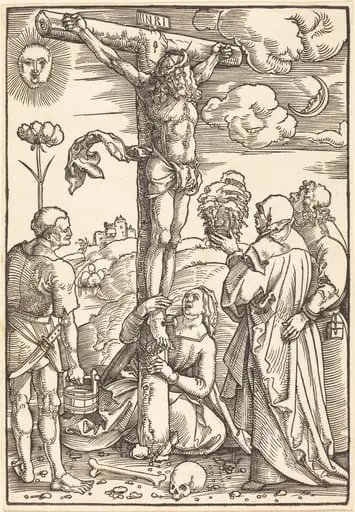 Christ on the Cross
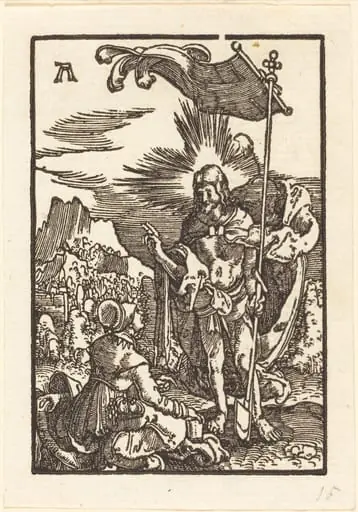 Noli me Tangere