Artwork
El darrer dia de Numància
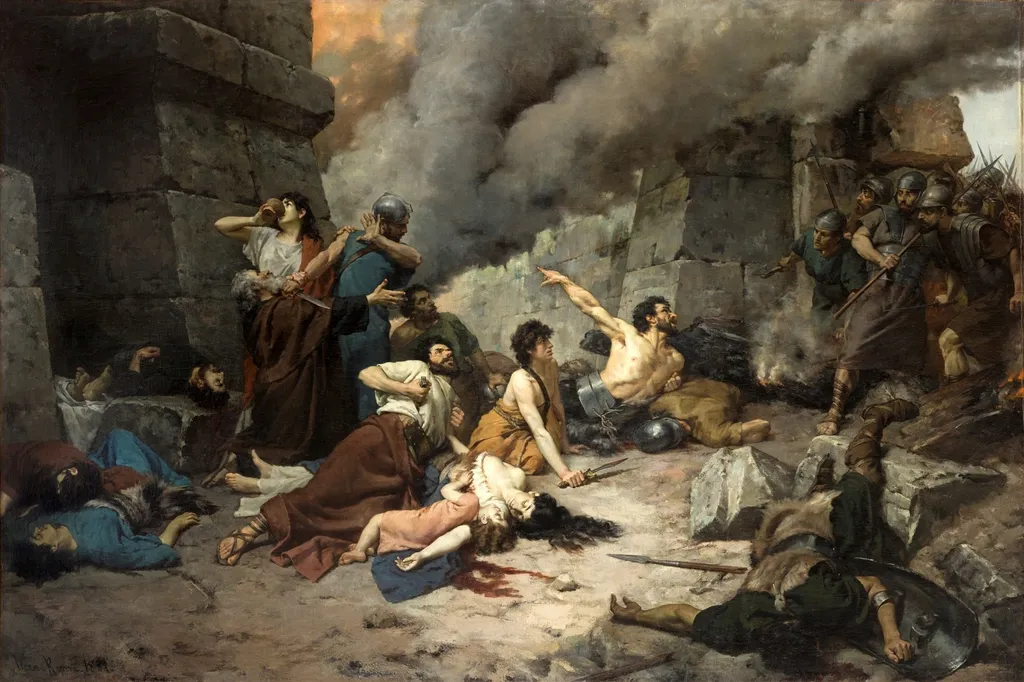
El darrer dia de Numància is an oil painting by the Post-Impressionist artist Alejo Vera. It dates from 1890 and is held in the collection of the Museo del Prado.
About this work
Overview
El darrer dia de Numància is a painting created by Spanish artist Alejo Vera y Estaca in 1890, utilizing oil paint. It is classified within the Post-Impressionist movement and is part of the Museo del Prado's collection.
Subject & Meaning
The painting depicts a chaotic, tense scene set in ancient Numància, showing figures in robes and tunics amidst turmoil. Some are armed, while others lie on the ground or express distress through gestures, conveying a narrative of crisis and urgency.
Technique & Style
Vera y Estaca employed warm colors and dramatic lighting to evoke tension. The dynamic composition, with figures arranged in expressive gestures, emphasizes storytelling and emotional depth. The artist's use of chiaroscuro contributes to the dramatic effect.
History & Provenance
Created in 1890, the painting is part of the Museo del Prado's collection, reflecting its significance within Spanish Post-Impressionist art.
Context
As a Post-Impressionist work, El darrer dia de Numància aligns with late 19th-century artistic trends emphasizing expressive, emotive, and often historical or literary subjects.
Legacy
While specific lasting impacts of the painting are not detailed, its presence in the Museo del Prado suggests recognition of its contribution to Spanish artistic heritage of the period.
Own this work as a print
Artist & collection
Artist
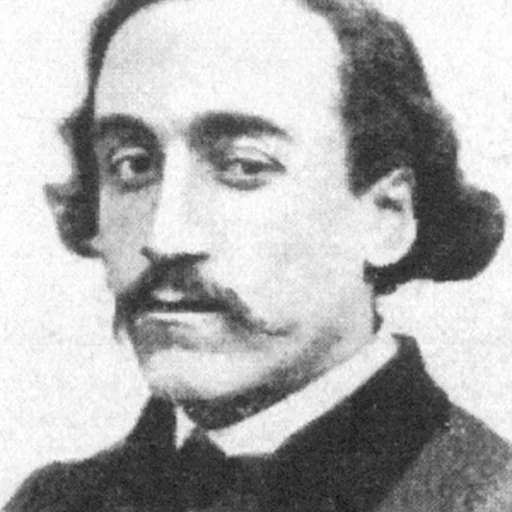
Alejo Vera y Estaca (14 July 1834, Viñuelas – 4 February 1923, Madrid) was a Spanish painter in the Romantic style who specialized in history painting.

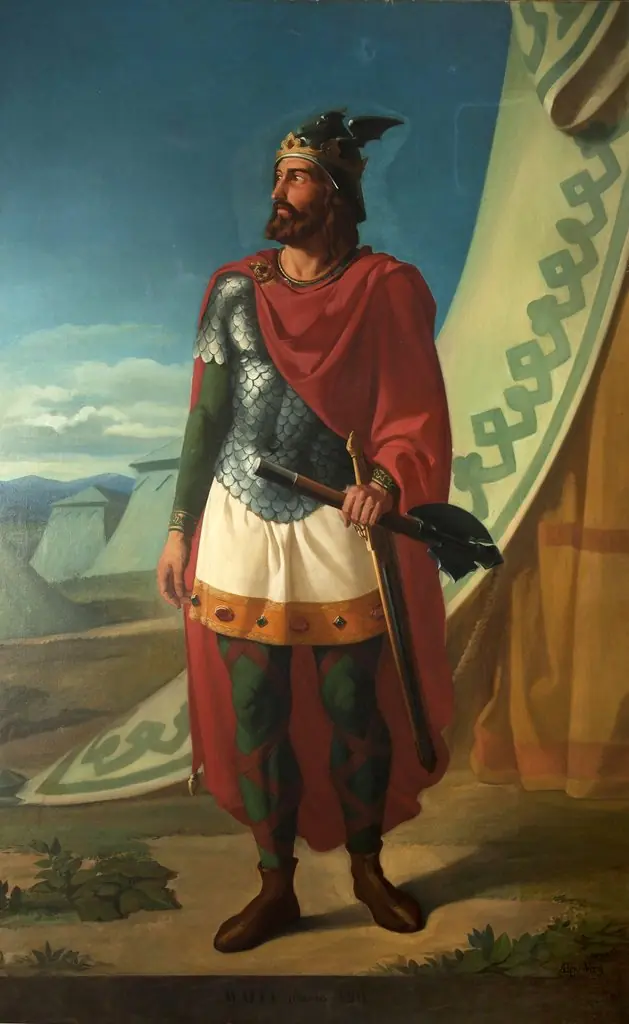
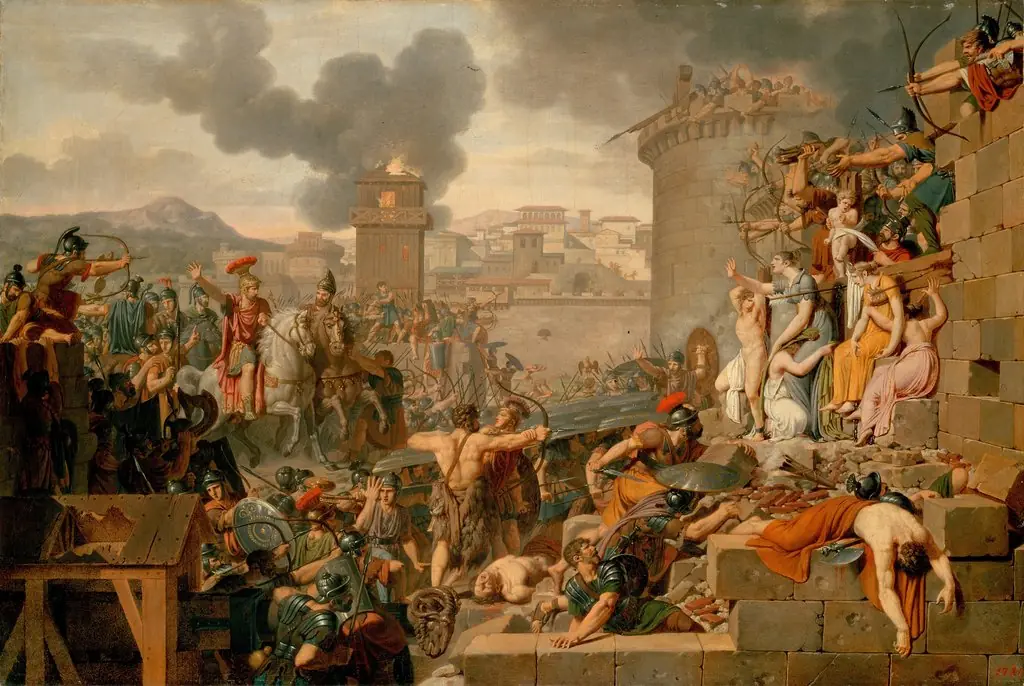 Metellus Raising the Siege
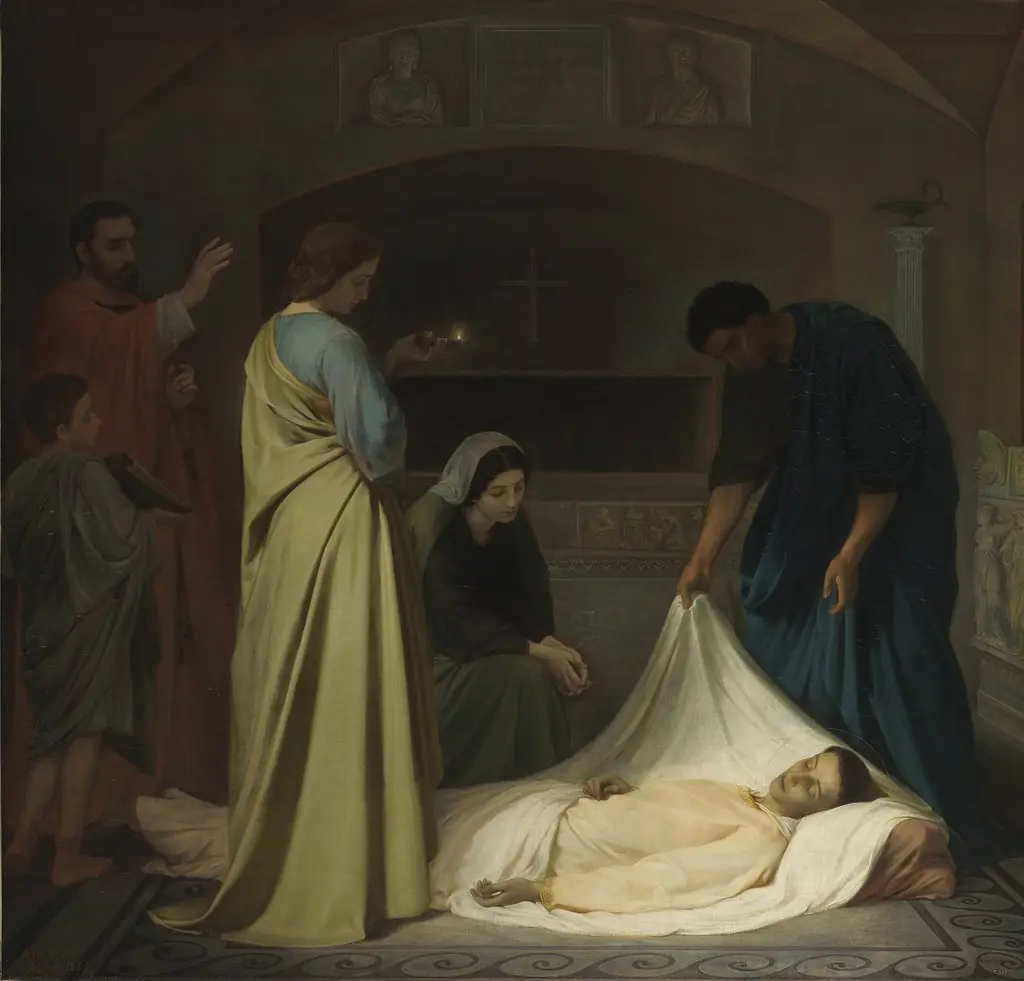
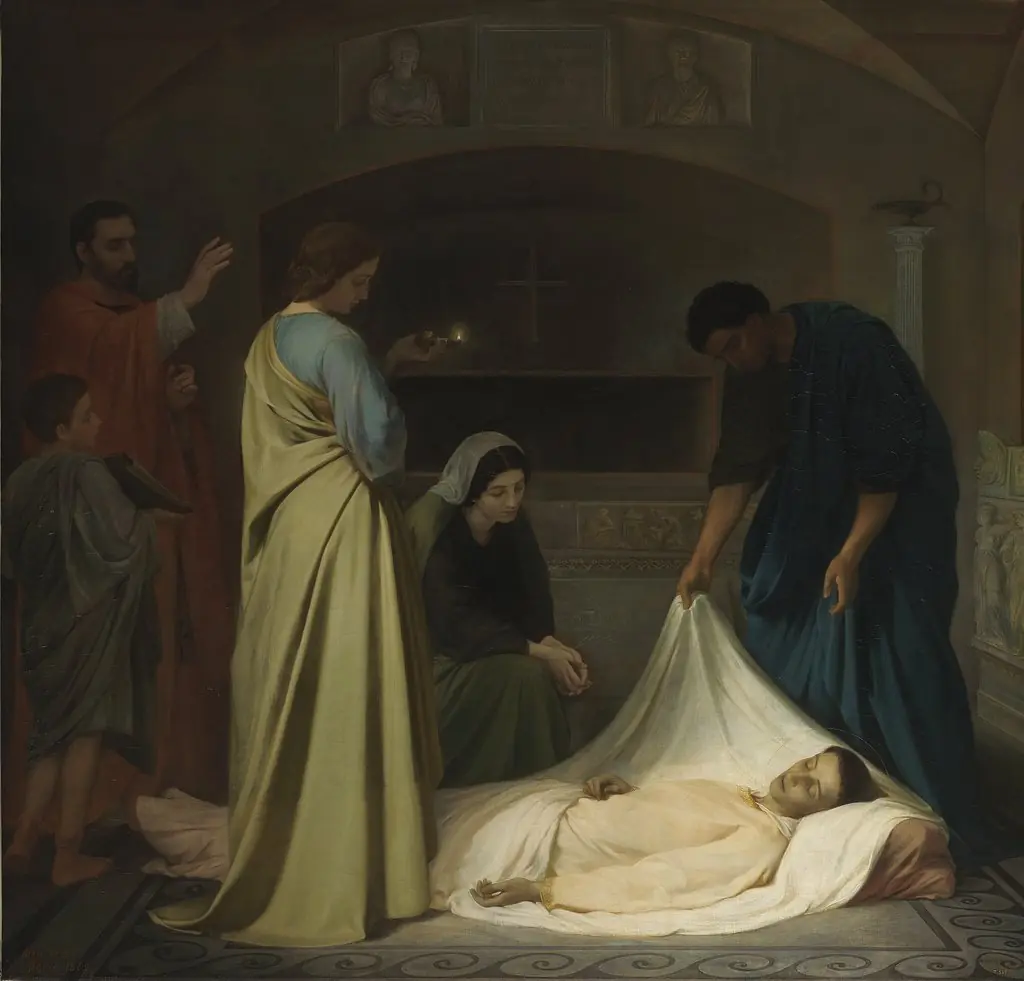
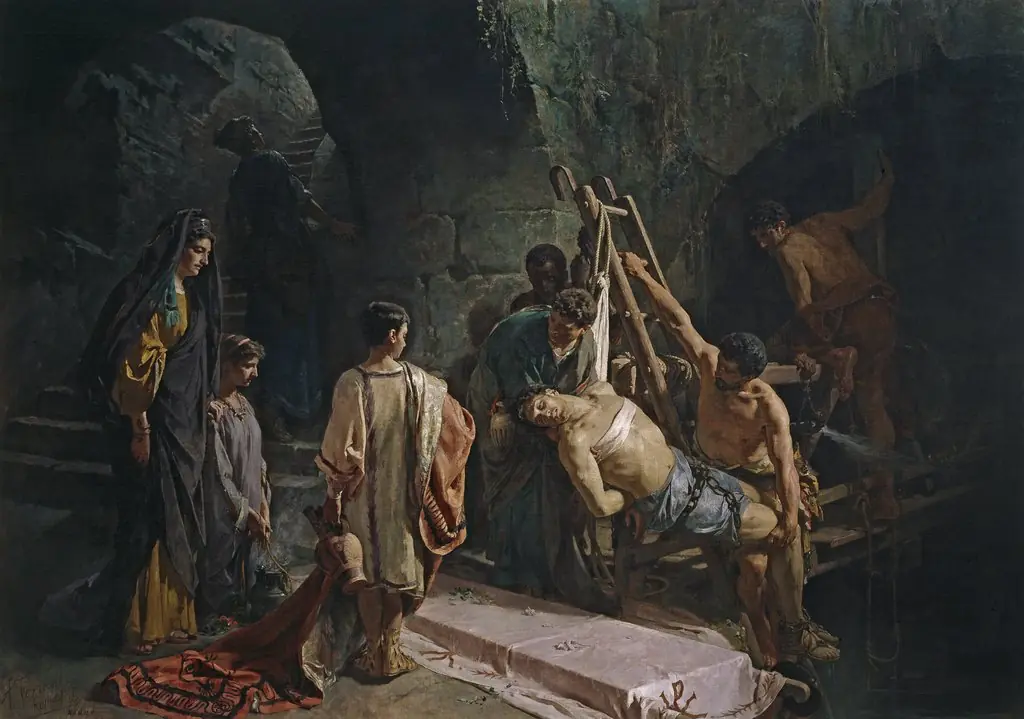 The Burial of Saint Sebastian
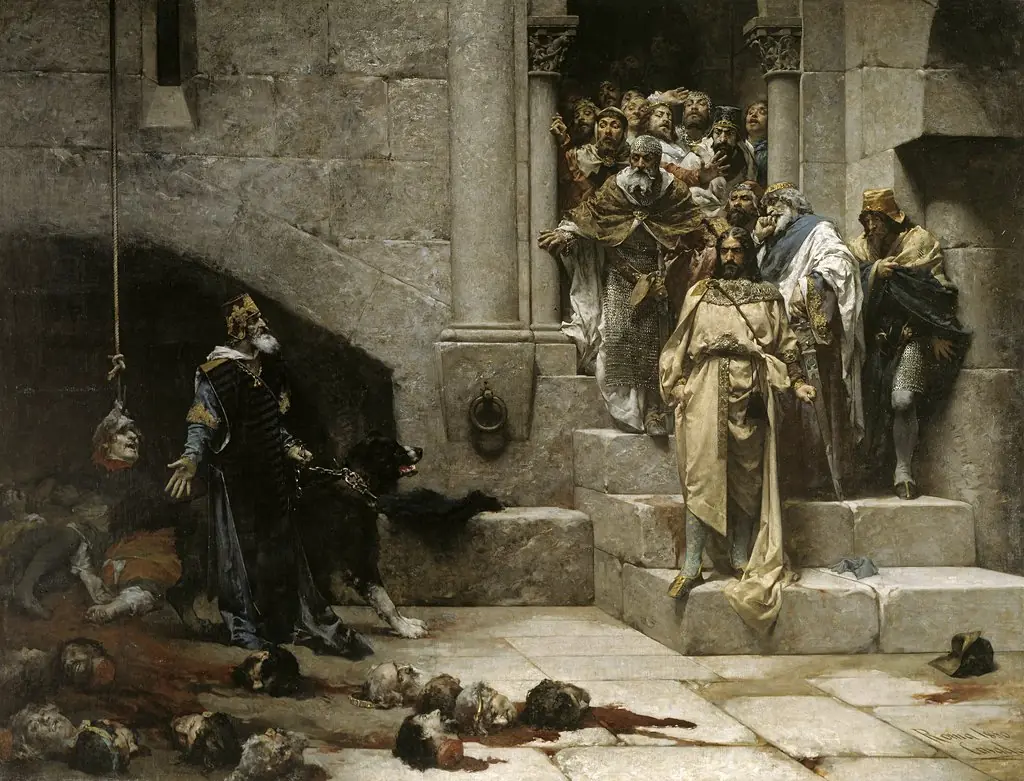 La campana de Huesca
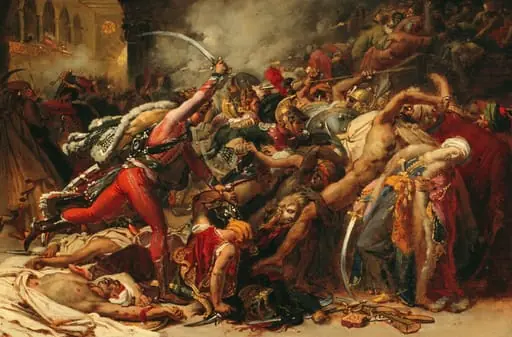 Sketch for The Revolt of Cairo
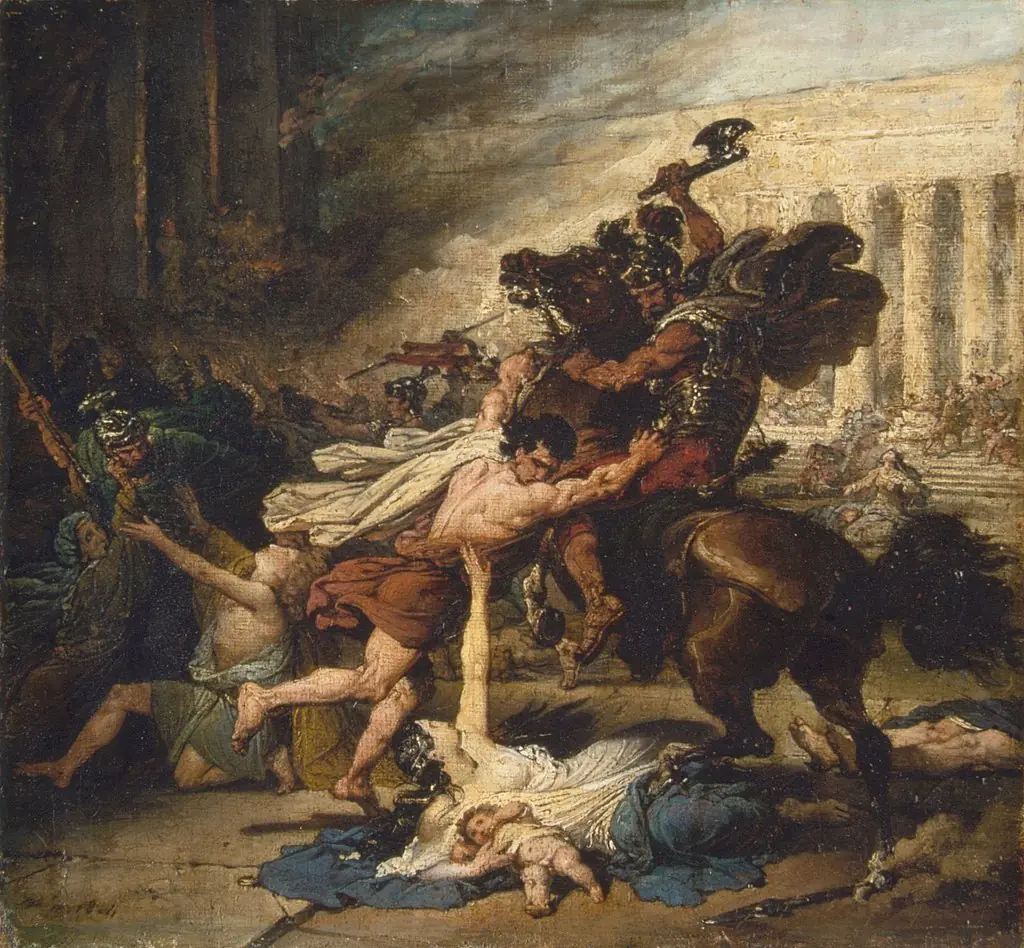 The Sack of Jerusalem by the Romans
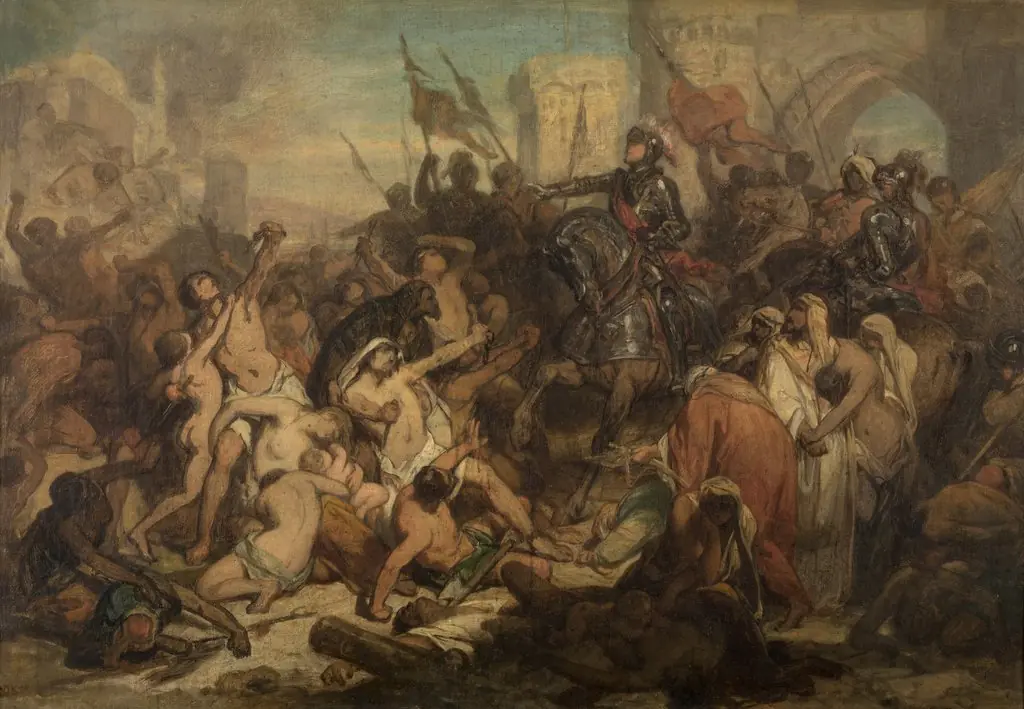 Charles V Frees the Slaves in Tunis
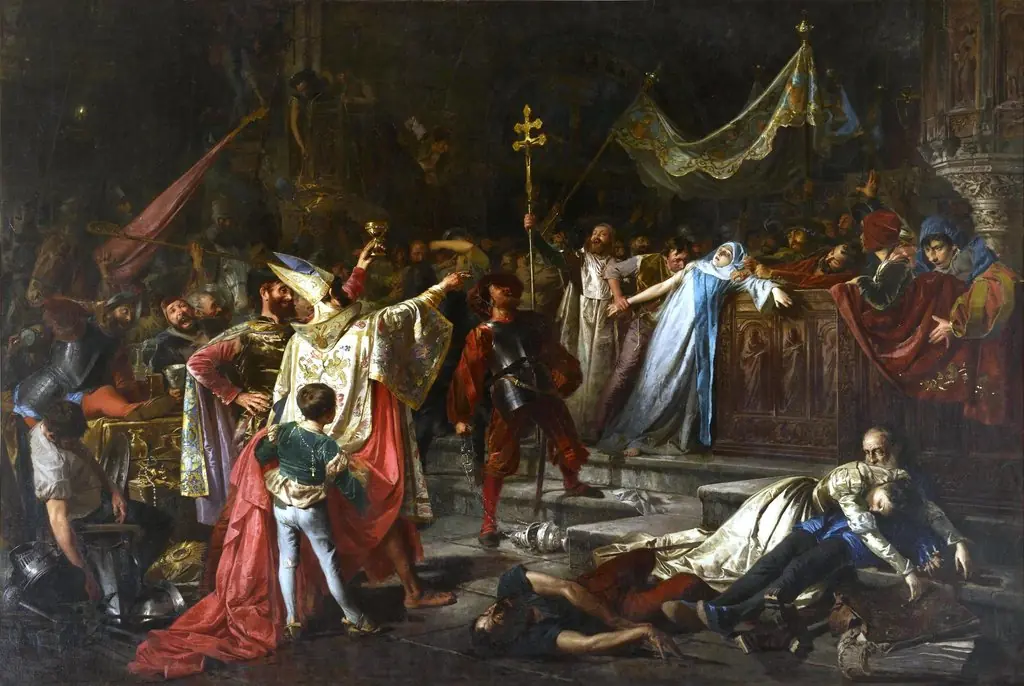 The Sack of Rome
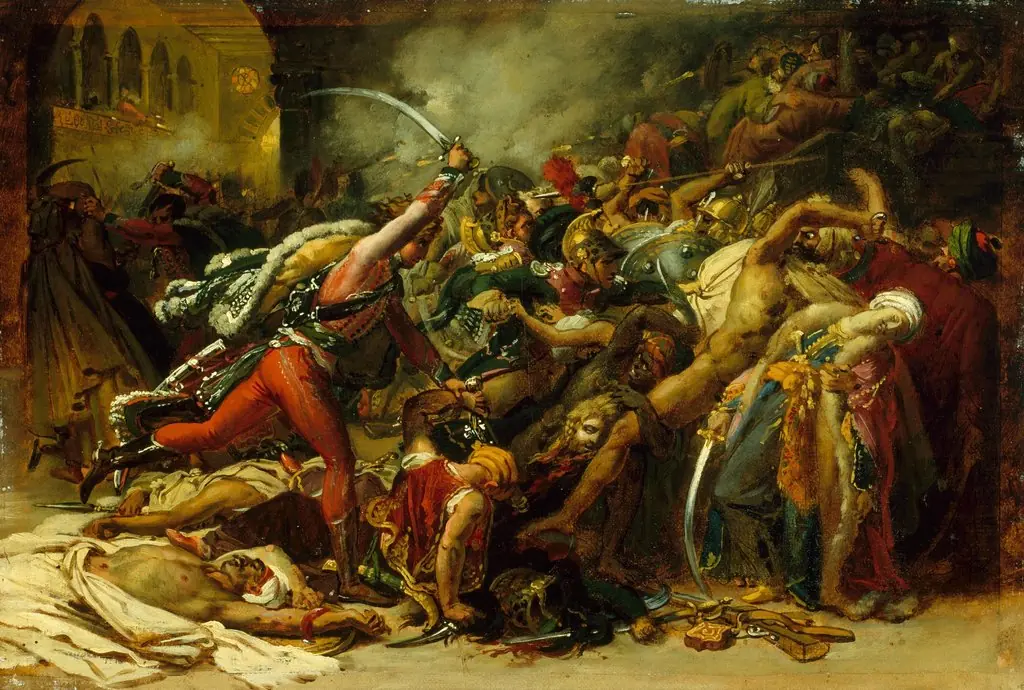 Sketch for The Revolt of Cairo
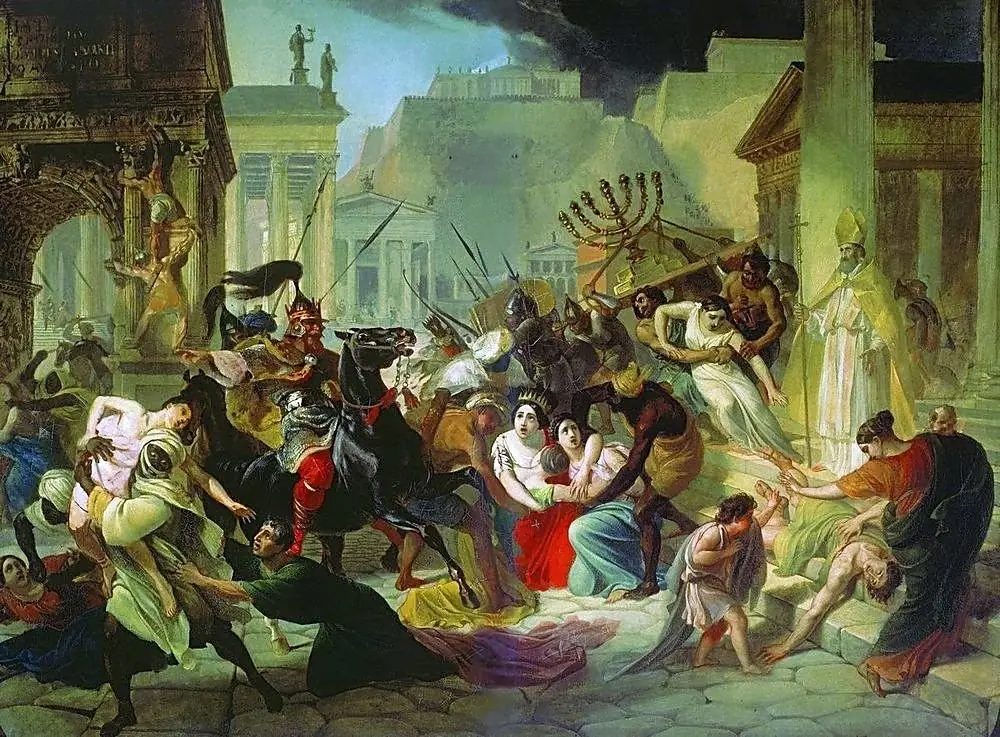 Genserich's Invasion of Rome
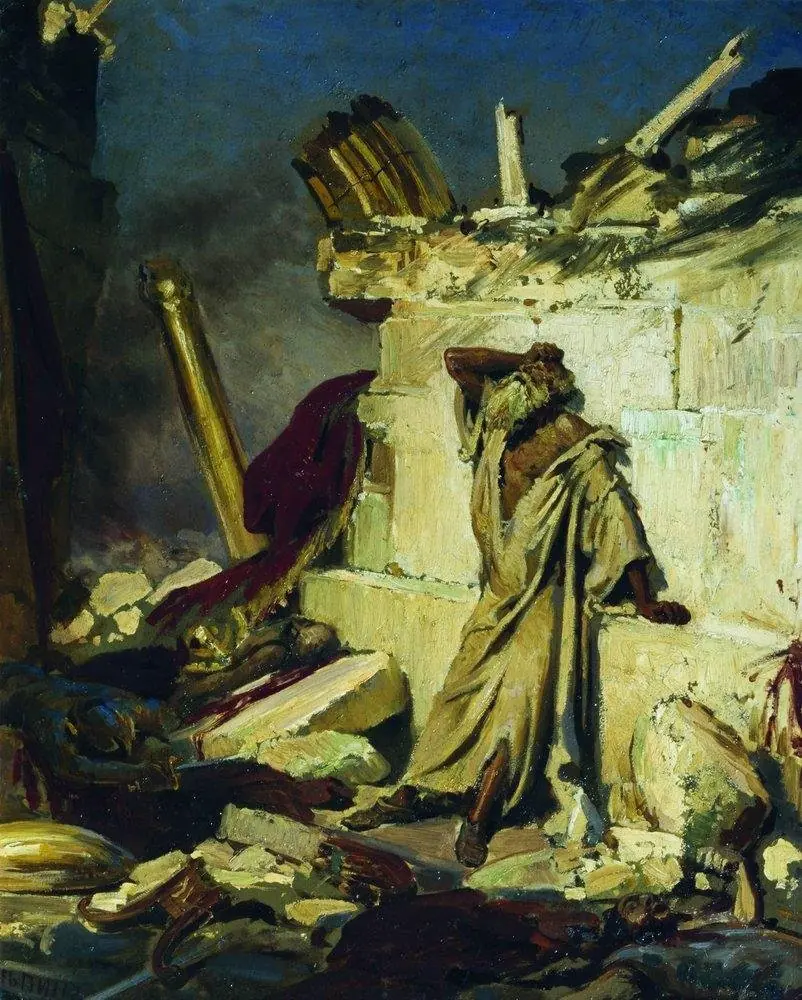 Cry of prophet Jeremiah on the Ruins of Jerusalem
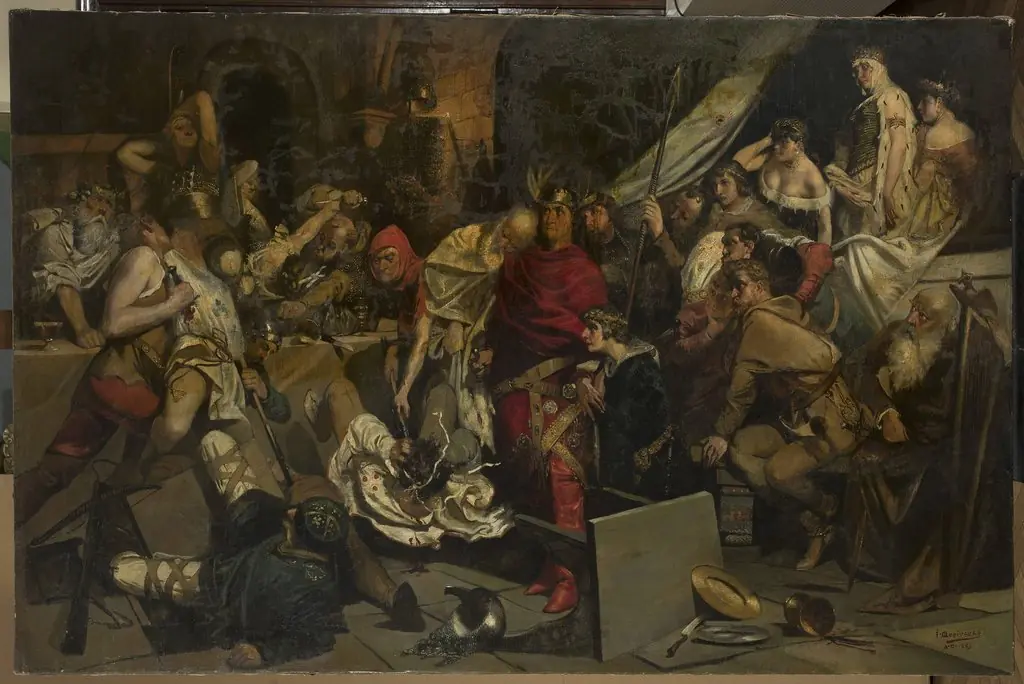 Bloody feast of Count Gero
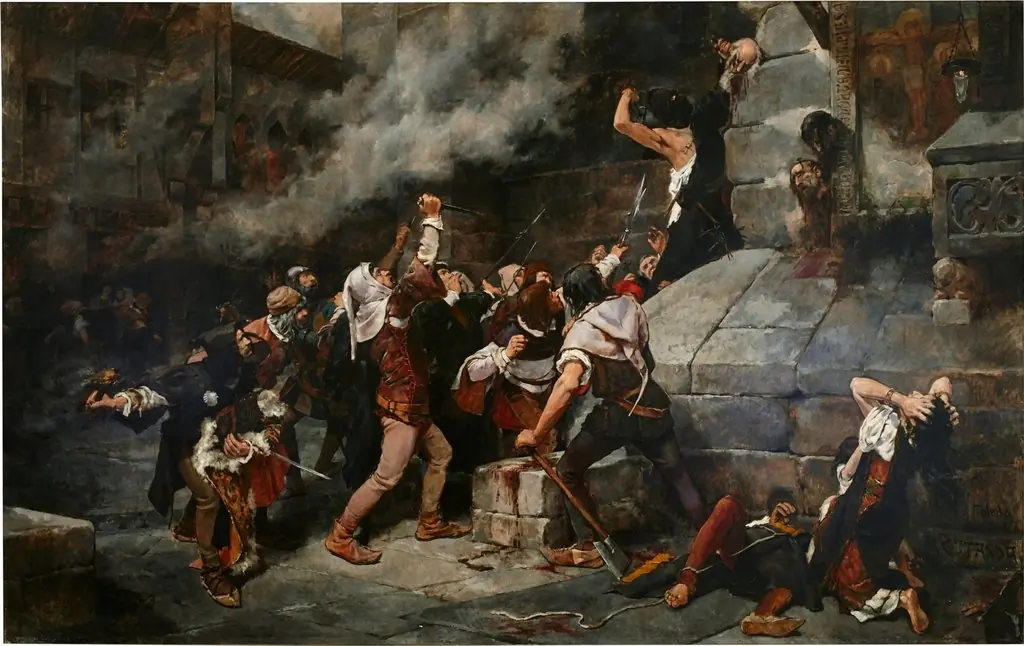 At the Feet of the Saviour', Slaughter of the Jews in the Middle Ages