Artwork
Portrait study
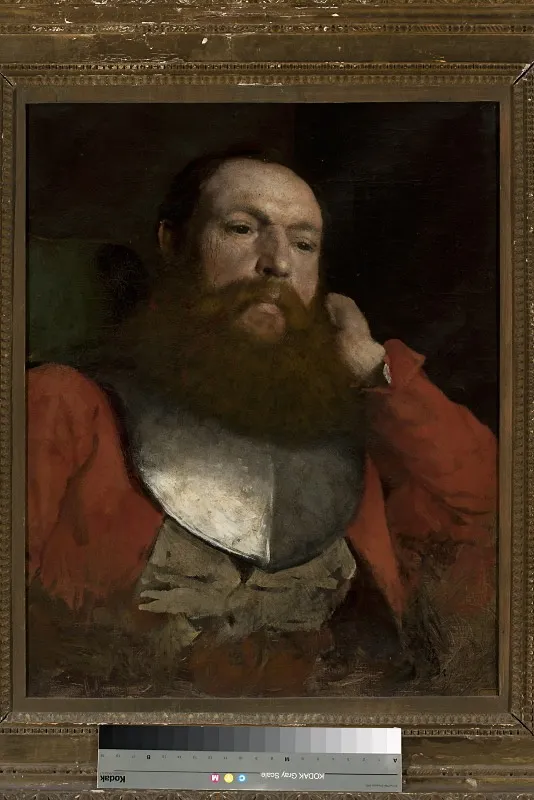
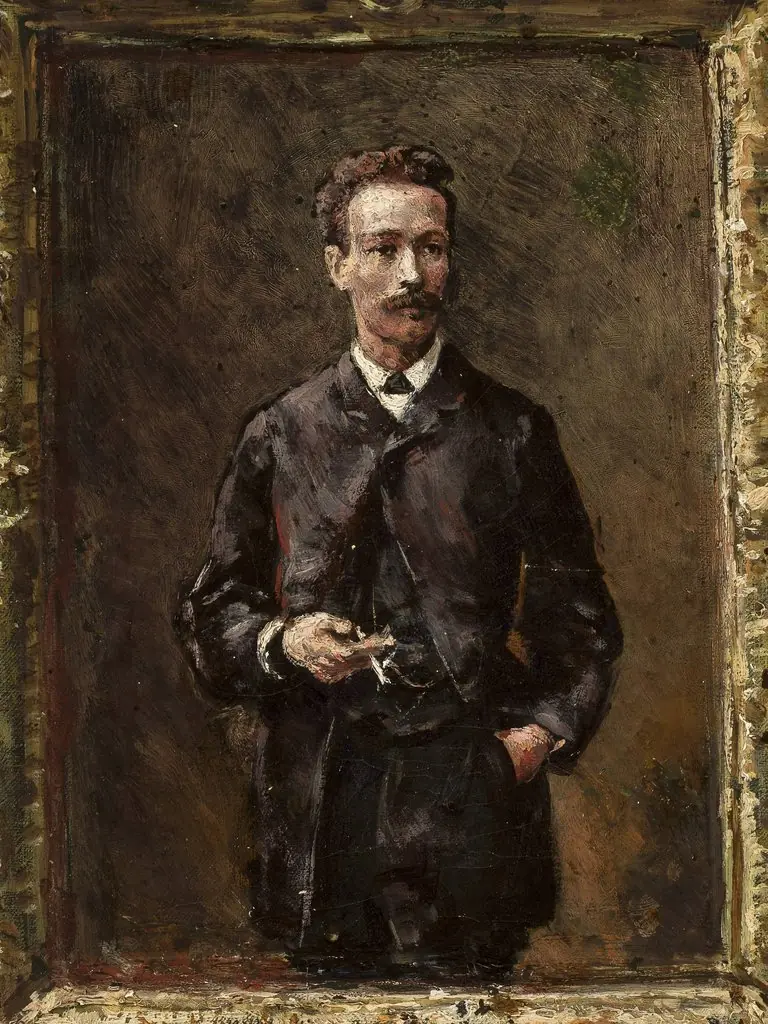
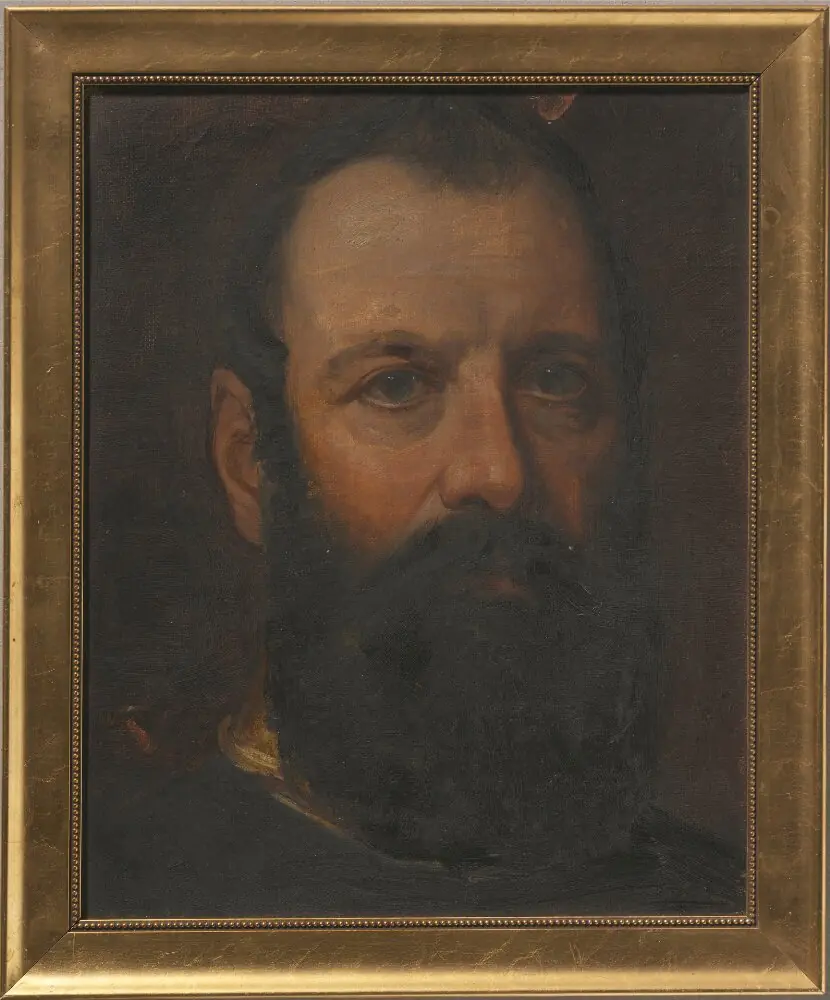
Portrait study is an oil painting by Aleksander Gierymski. It dates from 1885 and is held in the collection of the National Museum in Warsaw.
About this work
Overview
It resides in the National Museum in Warsaw, where it contributes to the museum’s representation of late 19th-century Polish portraiture.
Painted around 1885, this oil portrait by Aleksander Gierymski exemplifies a transitional moment in Polish art, bridging Realist precision with emerging Impressionist sensibilities. Executed with restrained brushwork and a muted palette, the work captures a single figure in quiet stillness. It resides in the National Museum in Warsaw, where it contributes to the museum’s representation of late 19th-century Polish portraiture.
Subject & Meaning
The subject is a bearded man dressed in a red jacket and white shirt, adorned with a heavy metal collar that suggests possible occupational or ceremonial attire. His direct gaze invites engagement without narrative explanation, emphasizing psychological presence over storytelling. The absence of context or setting focuses attention on the individual’s demeanor, conveying introspection rather than social identity.
Technique & Style
Gierymski employed thick, visible brushstrokes to model the face and fabric, particularly around the beard and collar, while the background remains dark and unobtrusive. The contrast between the warm tones of the jacket and the cool shadows enhances the figure’s three-dimensionality. The technique balances detailed observation with a loose, atmospheric handling, hinting at Impressionist influence without abandoning Realist structure.
History & Provenance
Created during Gierymski’s mature period, the painting emerged from his ongoing exploration of human character through portraiture. It entered the National Museum in Warsaw’s collection following his death in 1901, likely through acquisition or bequest. As a lesser-known work compared to his larger compositions, it offers insight into his private study of form and expression.
Context
In the 1880s, Polish artists were navigating between academic traditions and newer European movements. Gierymski, influenced by French Realism and early Impressionism, sought to capture authentic human presence without idealization. This portrait reflects that pursuit, aligning with broader trends in Central European art that valued psychological depth over theatricality.
Legacy
Though not widely exhibited, this study contributes to understanding Gierymski’s role in shifting Polish painting toward naturalism and emotional subtlety. His focus on individual character, rendered with tactile brushwork, influenced younger artists who later embraced Impressionist techniques. The work remains a quiet testament to his commitment to observing the human condition with unembellished clarity.
Artist & collection
Artist
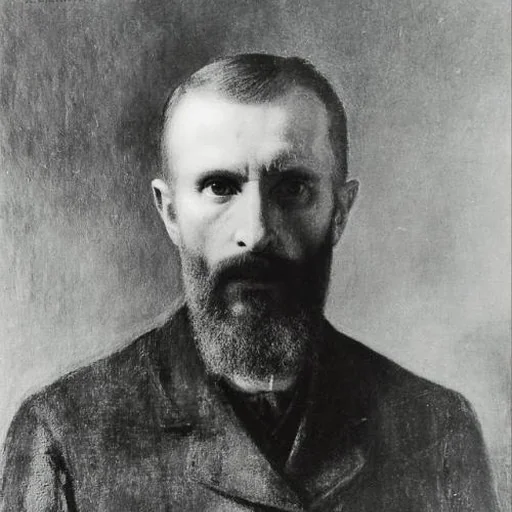
Ignacy Aleksander Gierymski (30 January 1850, Warsaw – d. 6–8 March 1901, Rome) was a Polish painter of the late 19th century, the younger brother of Maksymilian Gierymski. He was a representative of Realism as well as…

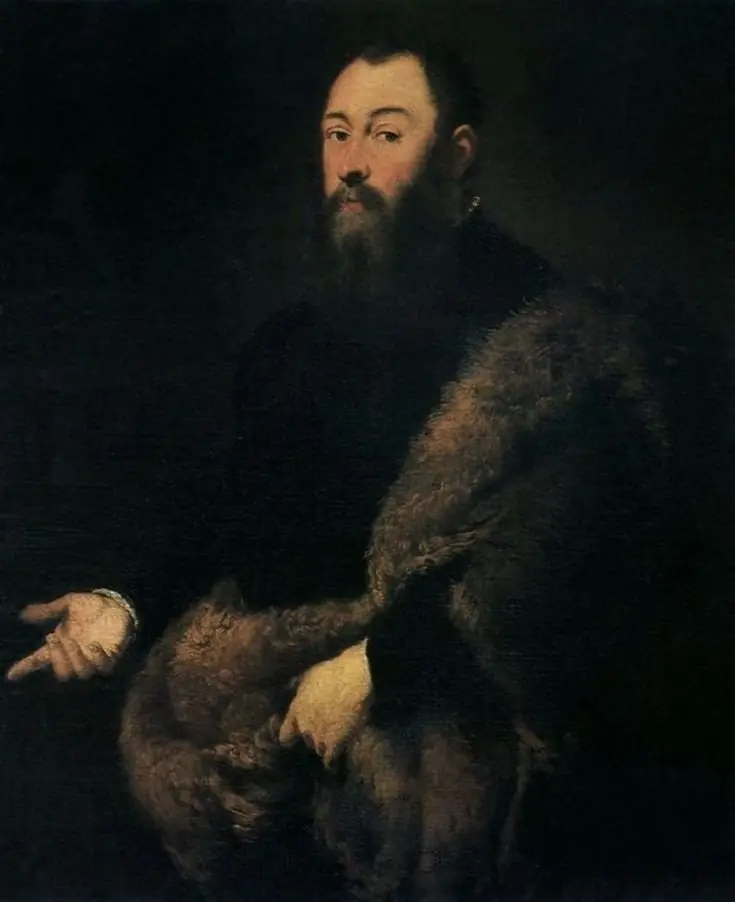 Portrait of a man in a fur coat
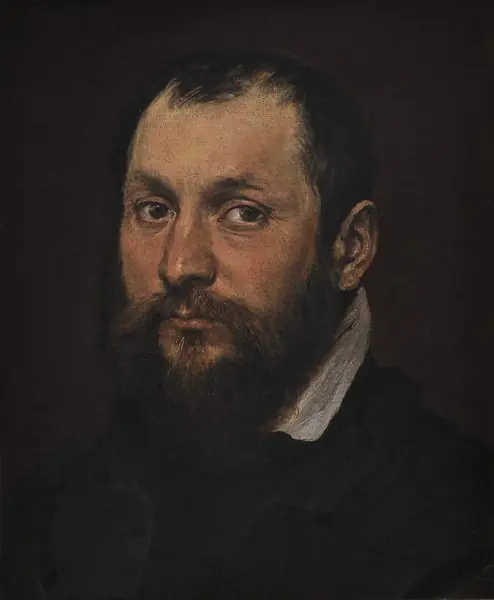 Portrait of a Man
 Portrait of a Man
 Vasily Vereshchagin
 Portrait of a bearded man in profile
 Frans Francken II
 Portrait of a Man, probably of the Mazzi Family
 A Venetian Patrician
 Portrait of Baldassare Castiglione
 Bildnis eines Mannes mit dunkelblondem Vollbart
 Karl XV (1826-1872)
 Portrait of a Man