Artwork
Frans Francken II
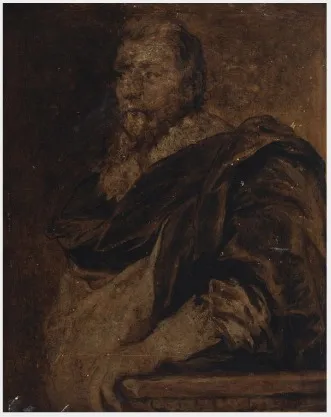
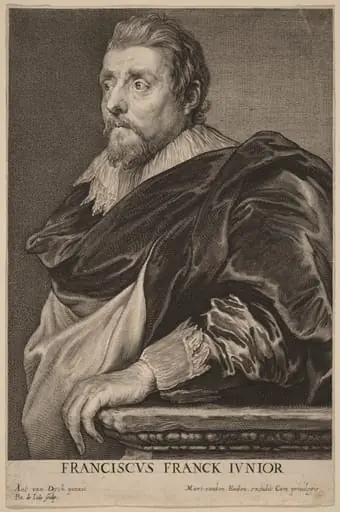
Frans Francken II is an unspecified painting by the Flemish Baroque painting artist Anthony van Dyck. It dates from 1630 and is held in the collection of the National Gallery of Ireland.
About this work
Overview
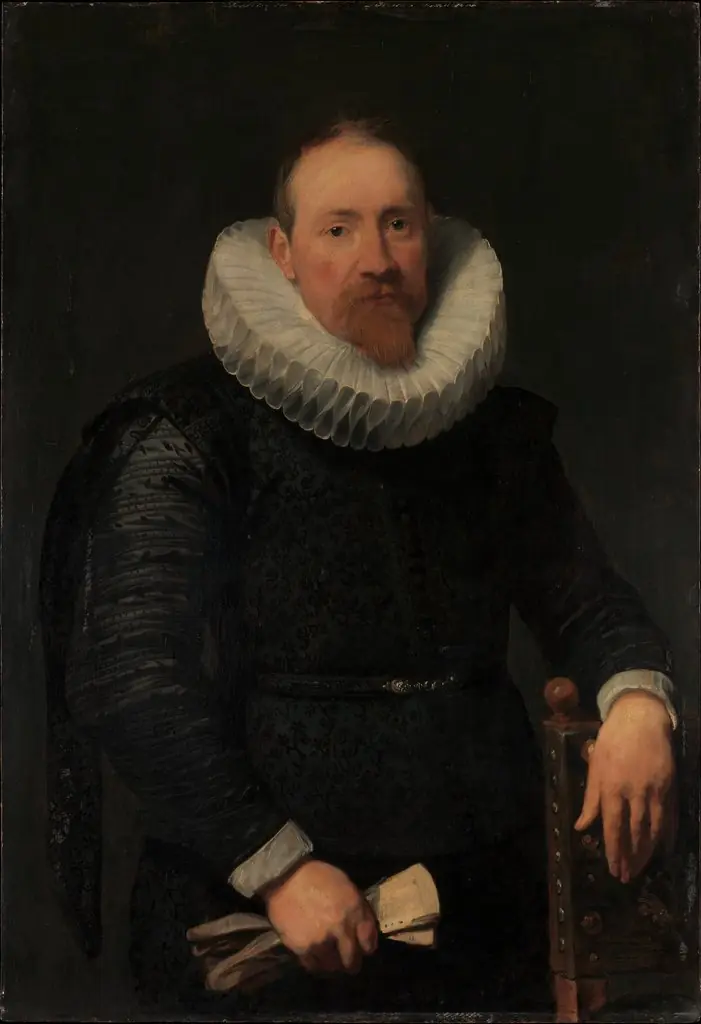
Around 1630, a portrait attributed to the Flemish Baroque painter Anthony van Dyck was executed, depicting a bearded gentleman in a dark robe. The composition places the sitter against a shadowed backdrop, with illumination highlighting his face and upper torso, creating a focused, intimate presentation.
Subject & Meaning
The figure is rendered with a long white beard and a white shirt beneath a dark over‑robe, his right hand resting on an unseen surface. The formal attire and solemn expression suggest a dignified, possibly scholarly or clerical identity, typical of early‑seventeenth‑century portraiture.
Technique & Style
Van Dyck employs chiaroscuro, contrasting deep shadows with a narrow band of light to model the sitter’s features and give a sense of three‑dimensionality. The restrained palette and careful handling of light reflect the refined portrait style the artist was developing at that time.
History & Provenance
The work originates from van Dyck’s period in the Spanish Netherlands, prior to his later appointment as court painter in England. Though specific ownership records are scarce, the painting aligns with the artist’s early career before his relocation to the English court.
Context
Created during a phase when van Dyck was establishing his own studio after training with Peter Paul Rubens, the portrait exemplifies the transition from Rubens’s grand manner to a more personal, elegant approach to individual likenesses.
Artist & collection
Artist
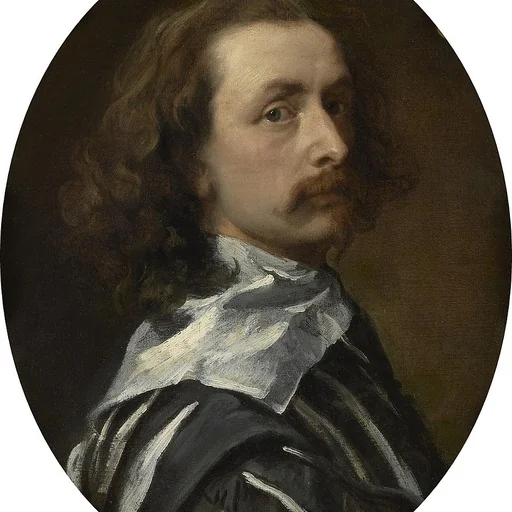
Sir Anthony van Dyck (; Dutch: Antoon van Dijck ; 22 March 1599 – 9 December 1641) was a Flemish Baroque artist, who became the leading court painter in England after success in the Spanish Netherlands and Italy.

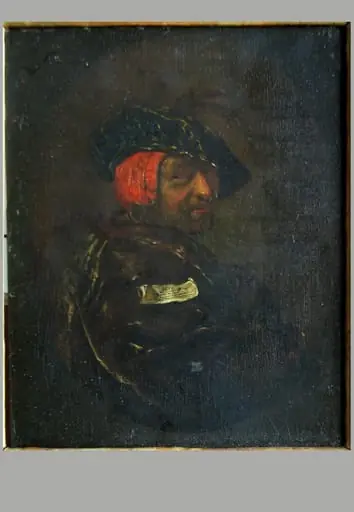 Țăran cu scufie roșie. Pandant: Țăran cu pălărie brună
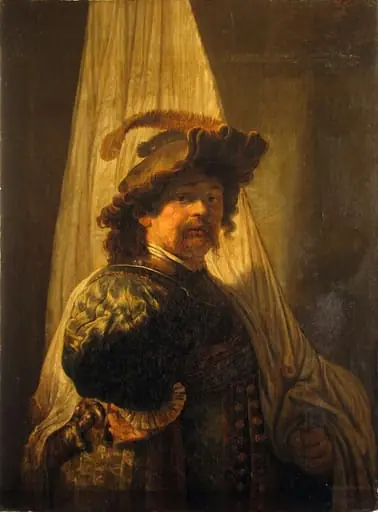 Stegar civil
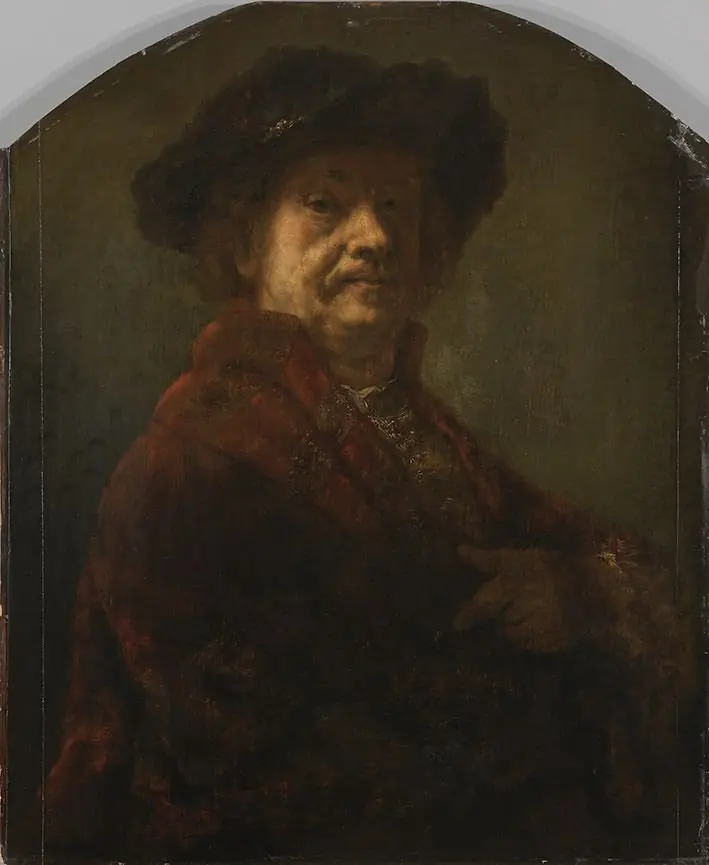 Portrait of Rembrandt
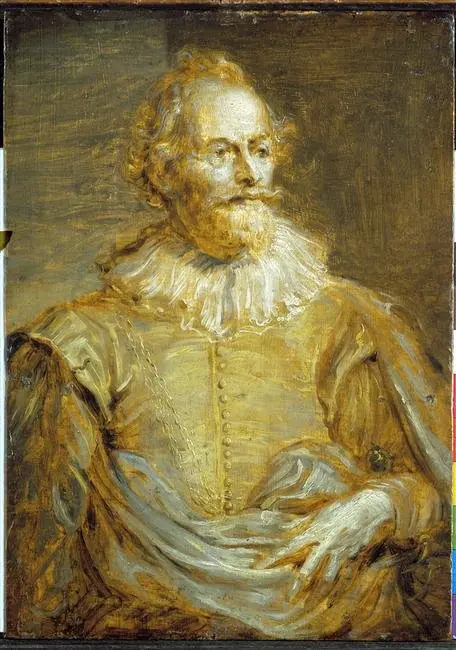 Portrait of Paul von Halmal
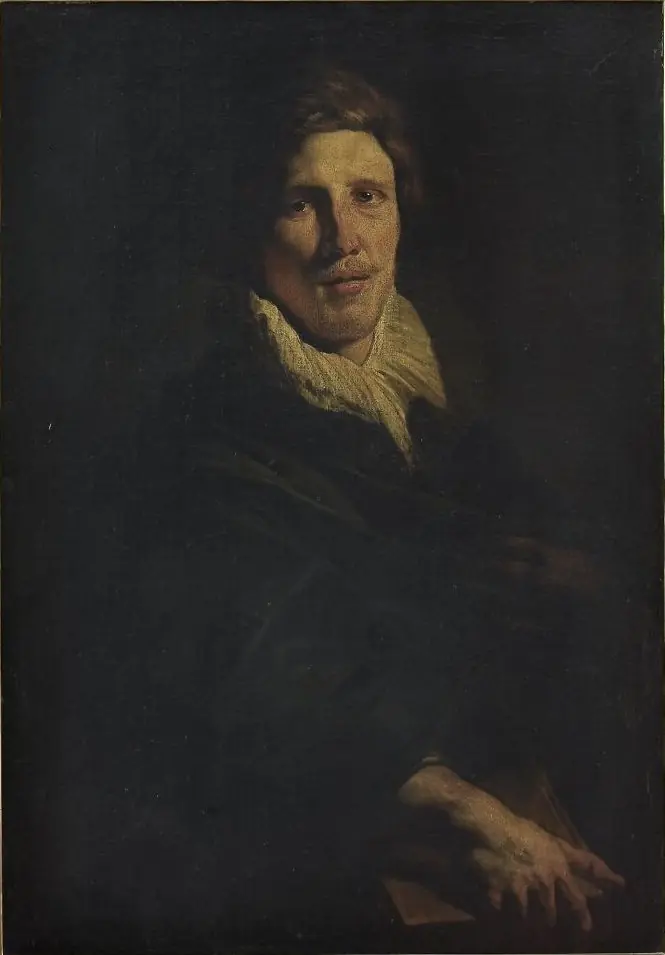 Portrait of a young gentleman, formerly believed to be a self-portrait
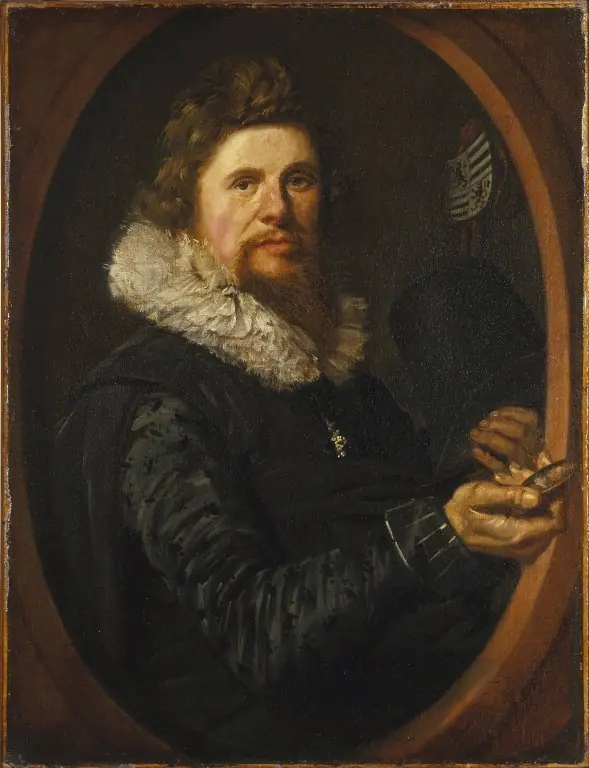 Portrait of a man
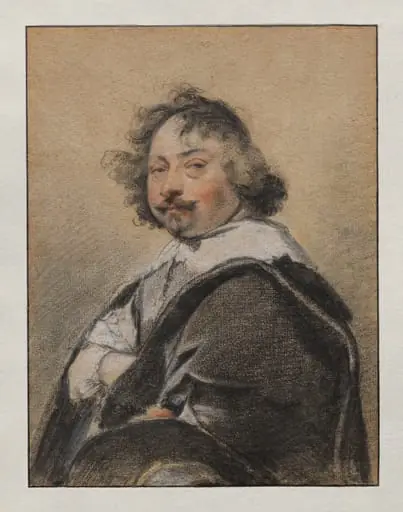 Portrait of a man in profile, turned to the left
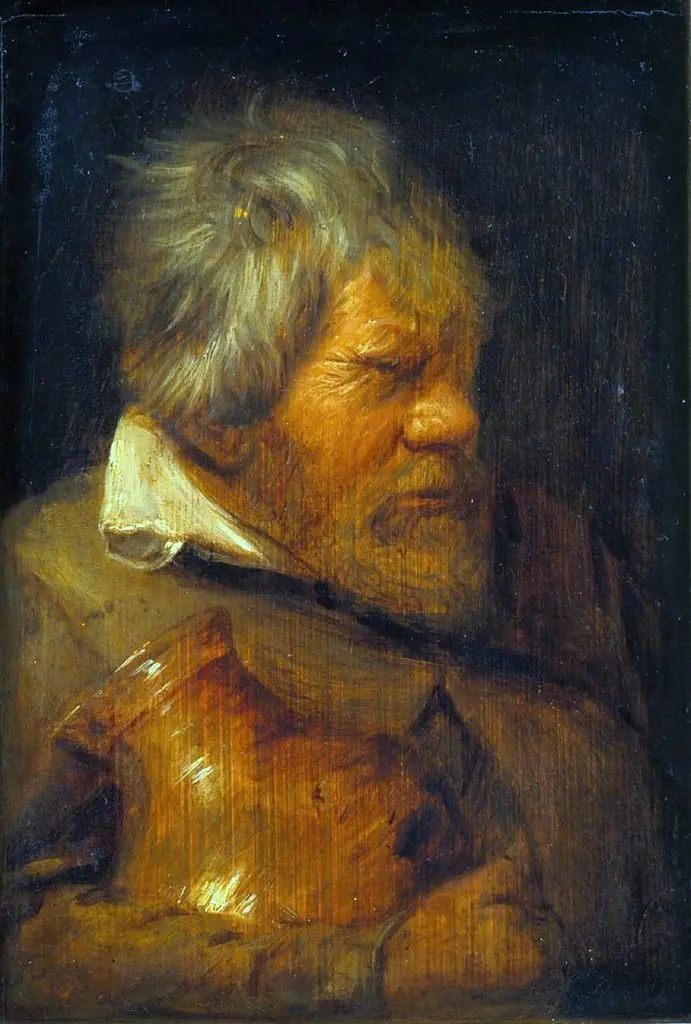 Old man with a beard
 Portrait of an Old Gentleman
 Portrait of James Butler, 1st Duke of Ormonde (1610-1688)
 Portrait of a Young Nobleman
 Frans Francken II