Artwork
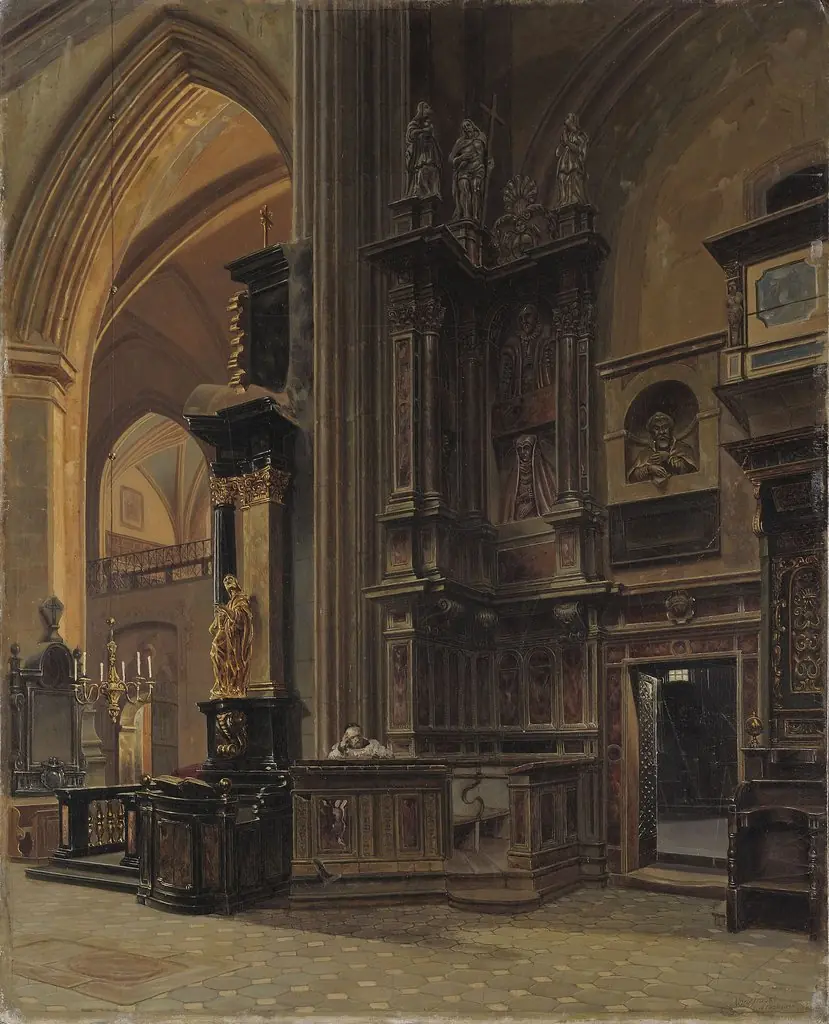
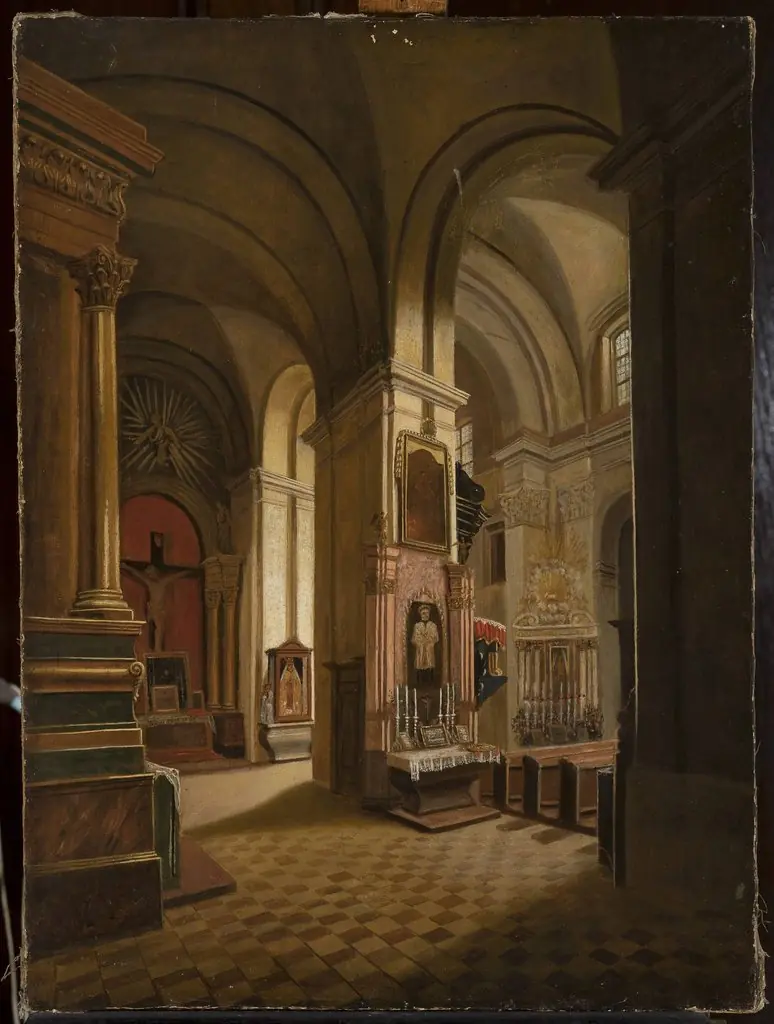
Interior of a Chapel at the Parish Church in Krosno
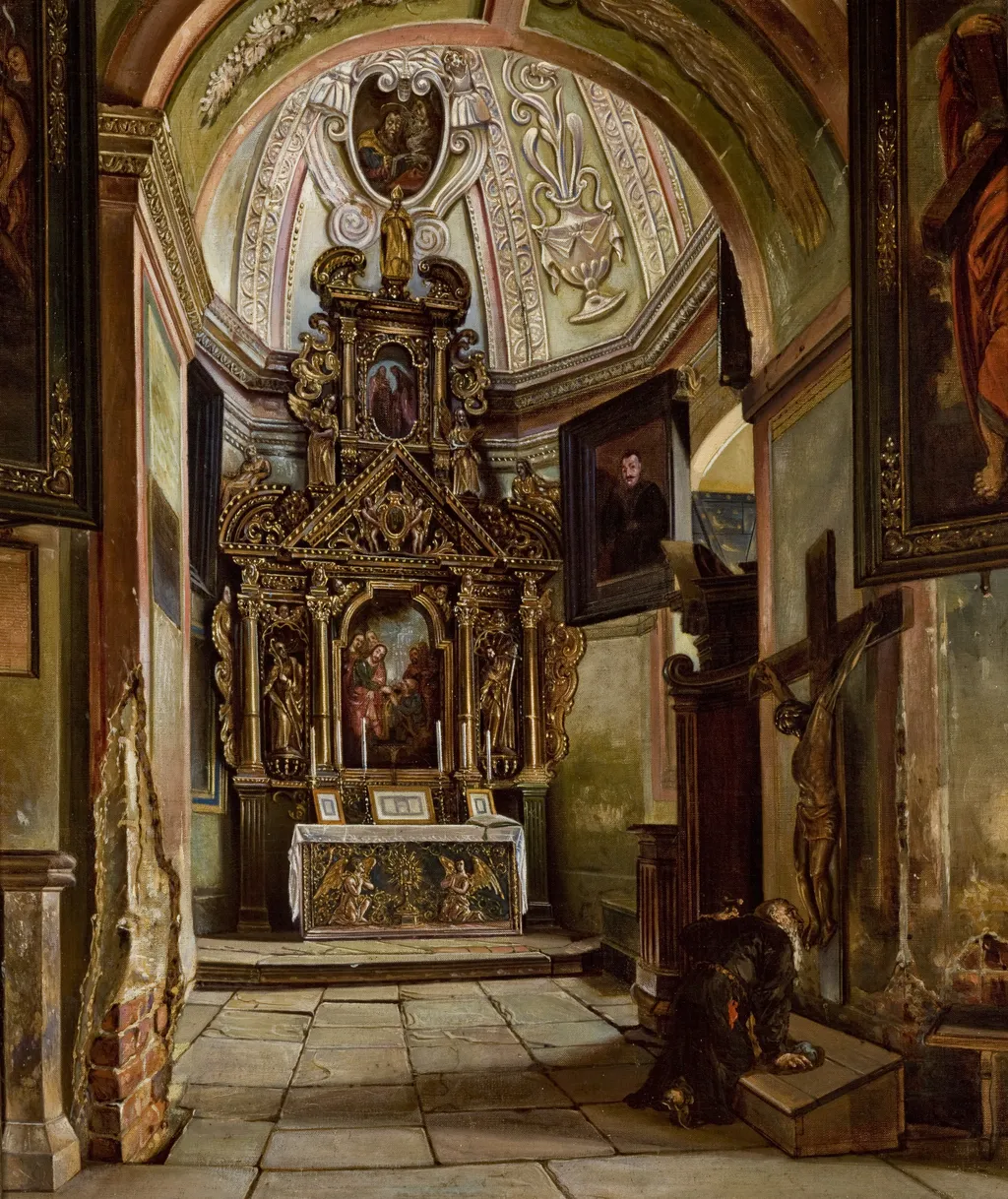
Interior of a Chapel at the Parish Church in Krosno is an oil painting by Aleksander Gryglewski. It dates from 1866 and is held in the collection of the National Museum in Kraków.
About this work
Overview
The painting is part of the National Museum in Kraków’s collection, reflecting his scholarly interest in documenting sacred spaces through careful observation.
Painted around 1866 by Aleksander Gryglewski, this oil-on-canvas work depicts the interior of a chapel within the Parish Church in Krosno, Poland. Gryglewski, a professor at the Kraków Academy of Fine Arts, specialized in architectural interiors of religious and civic buildings across the Polish territories. The painting is part of the National Museum in Kraków’s collection, reflecting his scholarly interest in documenting sacred spaces through careful observation.
Subject & Meaning
The scene captures a quiet moment of private devotion: a figure in a black clerical robe kneels before an ornate altar, head bowed in prayer. The chapel’s richly decorated walls, framed religious images, and gilded statuary suggest a space of spiritual significance. The solitary worshipper contrasts with the elaborate surroundings, emphasizing personal piety amid institutional grandeur. Light filters from above, drawing attention to the altar as the spiritual focal point.
Technique & Style
Gryglewski employed precise brushwork to render the textures of stone flooring, carved wood, metallic embellishments, and painted walls. The lighting is carefully modulated, with natural sunlight entering from a high window to model forms and create depth. Colors are muted yet distinct, avoiding theatricality in favor of atmospheric realism. The composition guides the eye toward the altar, using perspective and tonal contrast to reinforce spatial hierarchy.
History & Provenance
Created during Gryglewski’s active period as a professor and regional documentarian, the painting was likely made as part of a broader effort to record Poland’s ecclesiastical architecture. It entered the National Museum in Kraków’s collection in the late 19th or early 20th century, where it remains today. Its preservation reflects institutional interest in 19th-century Polish art that valued historical and cultural record over romanticized interpretation.
Context
In mid-19th-century Poland, under foreign partitions, the documentation of native religious architecture carried cultural weight. Gryglewski’s interiors were not merely topographical studies but quiet assertions of national identity through preserved sacred spaces. His work aligned with broader European trends in architectural painting but was grounded in local devotion and regional specificity, distinguishing it from more generalized ecclesiastical depictions.
Legacy
Gryglewski’s chapel interiors, including this one, contributed to a visual archive of Polish religious architecture during a time of political fragmentation. While not widely exhibited today, his works remain important references for scholars studying 19th-century Polish art and the role of sacred spaces in national consciousness. His methodical approach influenced later generations interested in architectural documentation through painting.
Artist & collection
Artist
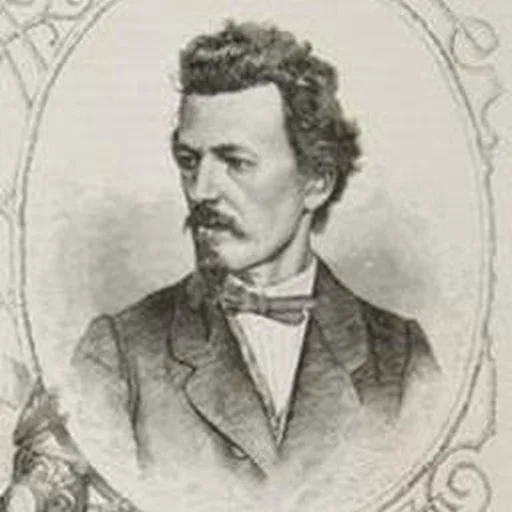
Aleksander Konstanty Gryglewski (4 March 1833 – 28 July 1879) was a Polish painter and art professor at the Kraków Academy of Fine Arts. He is primarily known for his interior portraits of notable buildings throughout Poland.

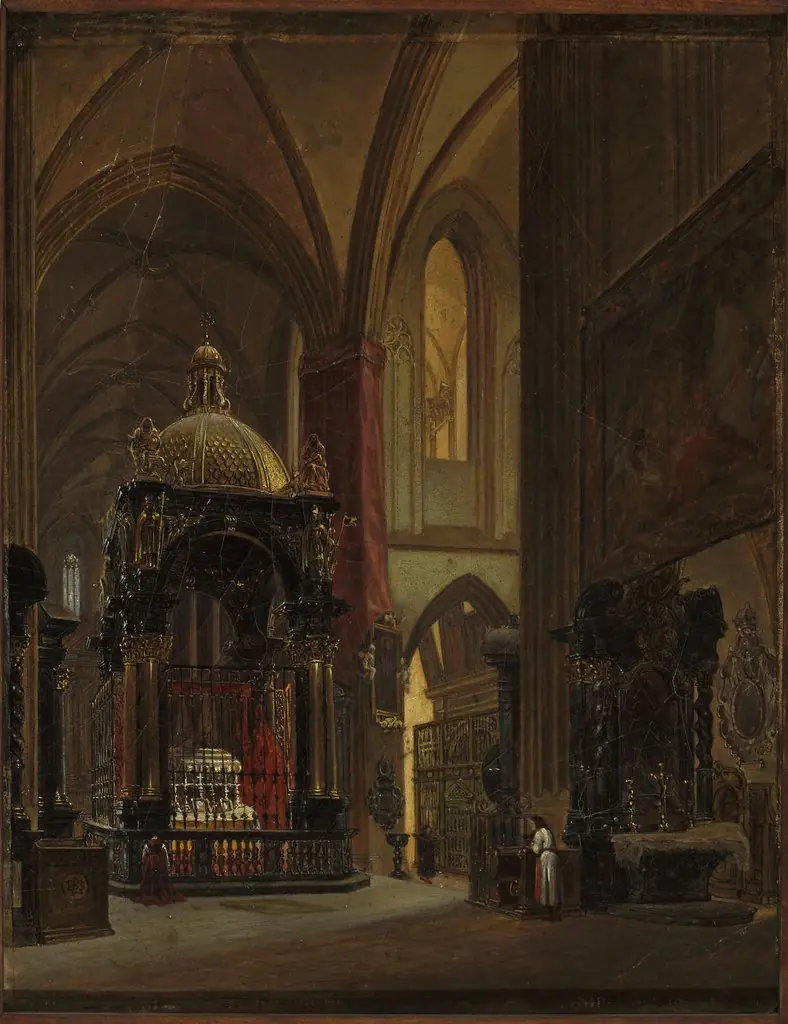
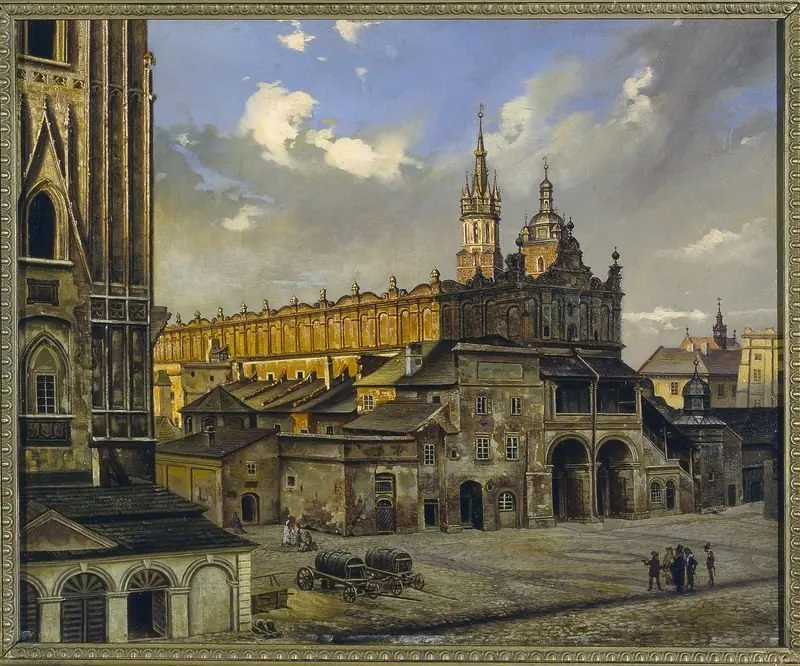
 Church interior
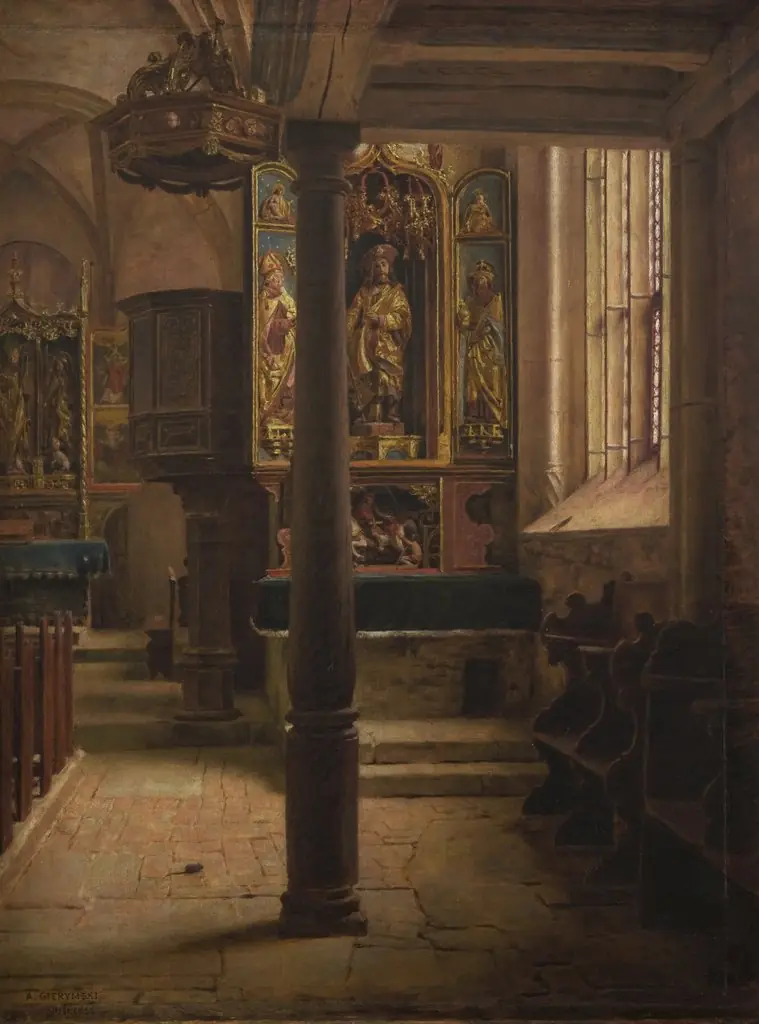 Interior of St Wolfgang's Church in Rothenburg
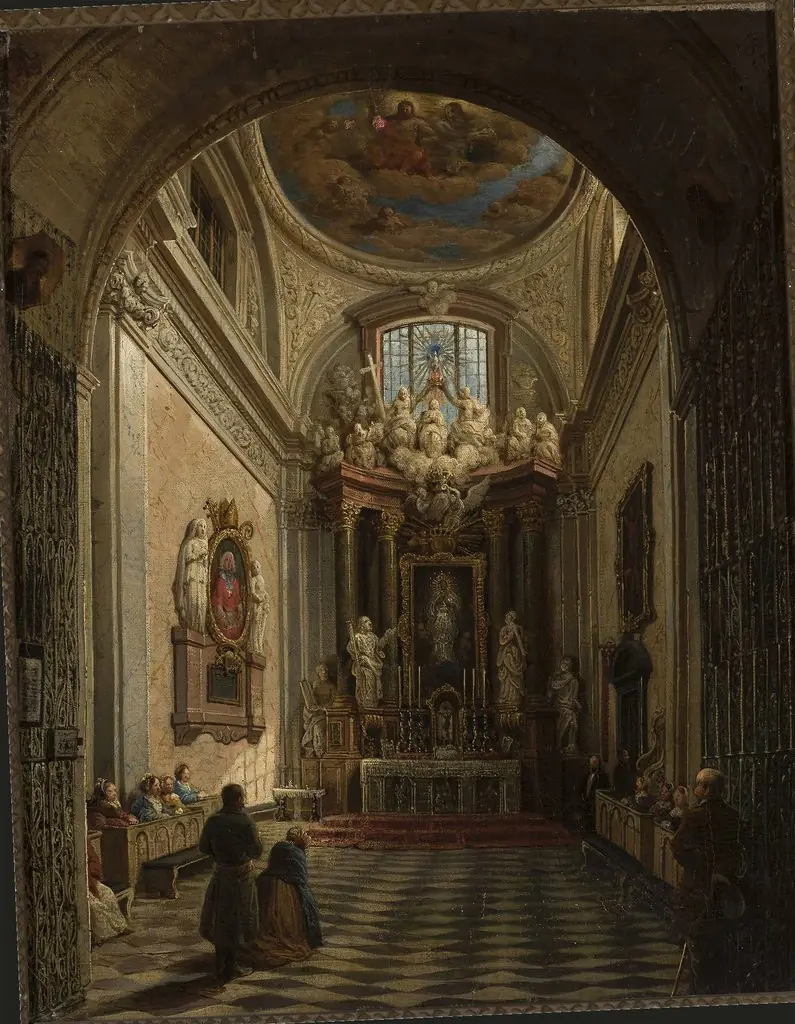 Literary Chapel in St. John’s Cathedral in Warsaw
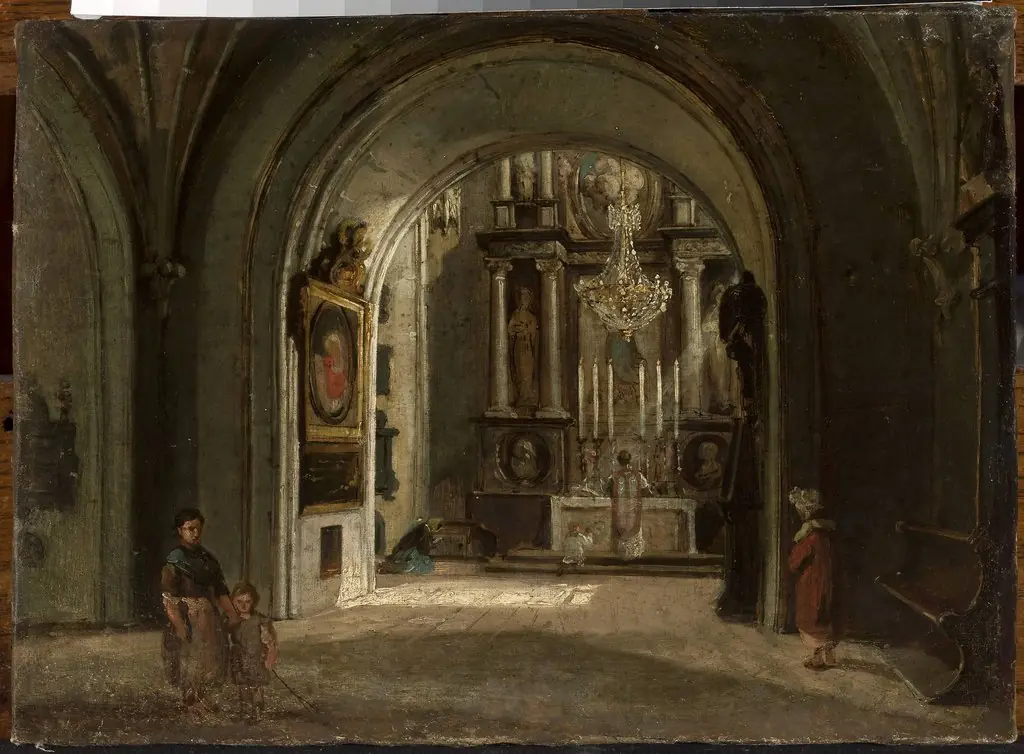 Interior of St. John’s church in Warsaw
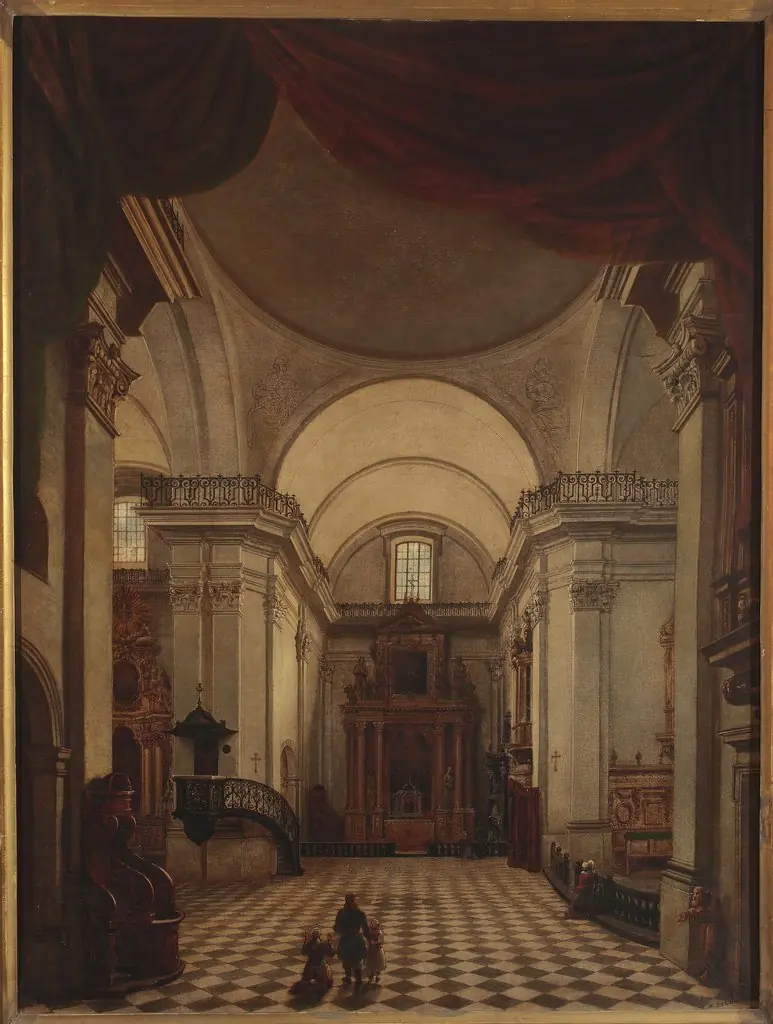 Interior of the Holy Cross Church in Warsaw
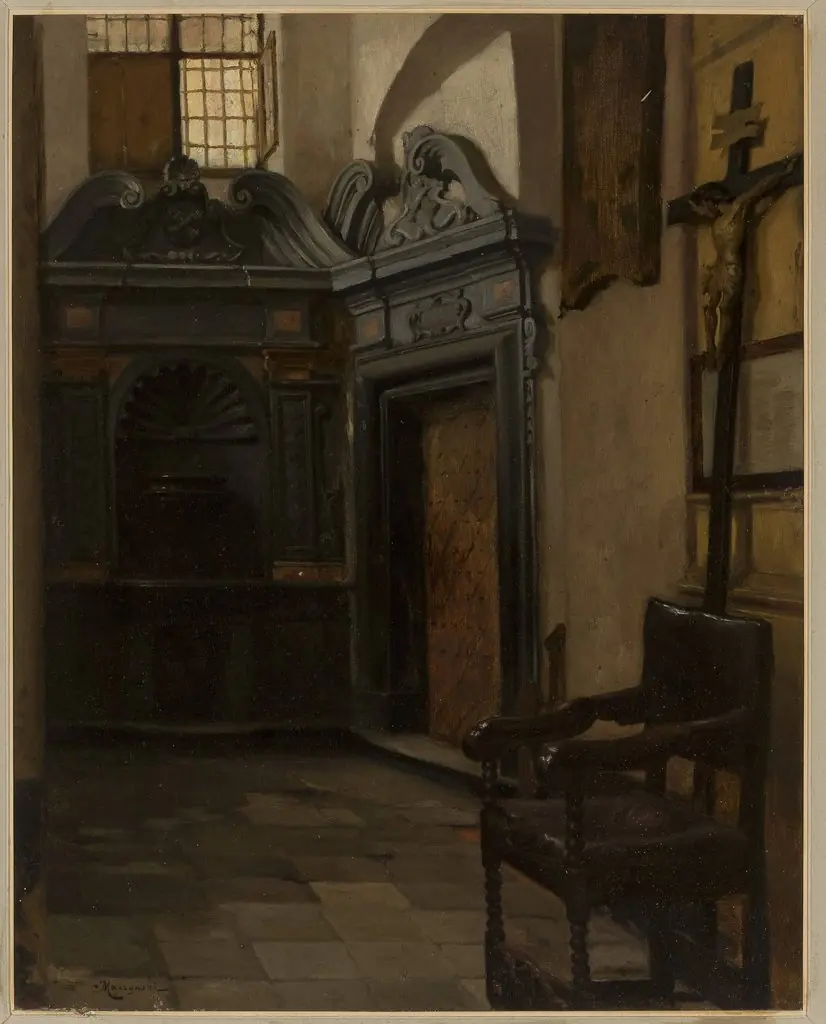 Sacristy
 Interior de la capilla de San Bernardo donde se juramentaron los comuneros de Castilla (hoy sacristía mayor de la catedral de Ávila) en ocasión de celebrarse una conferencia por su obispo y cabildo
 Interior of St Mary's Church in Krakow