Artwork
Living-room interior
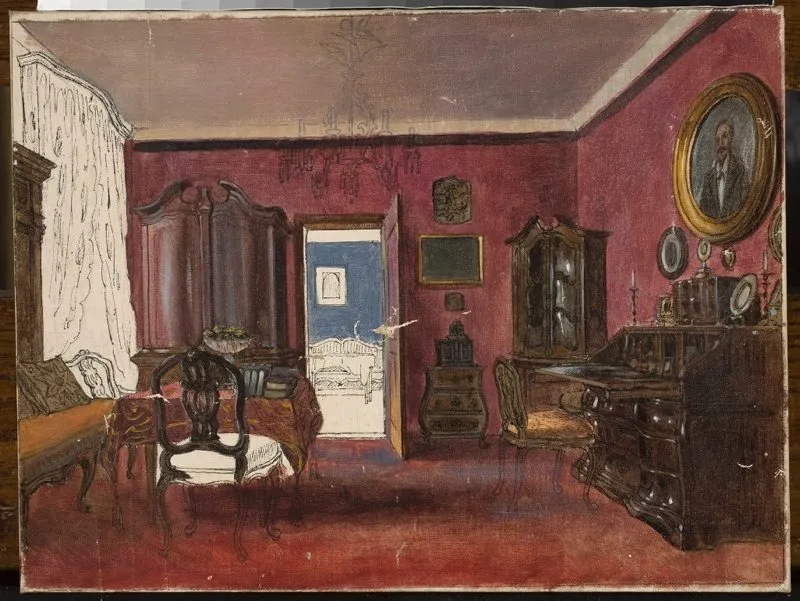
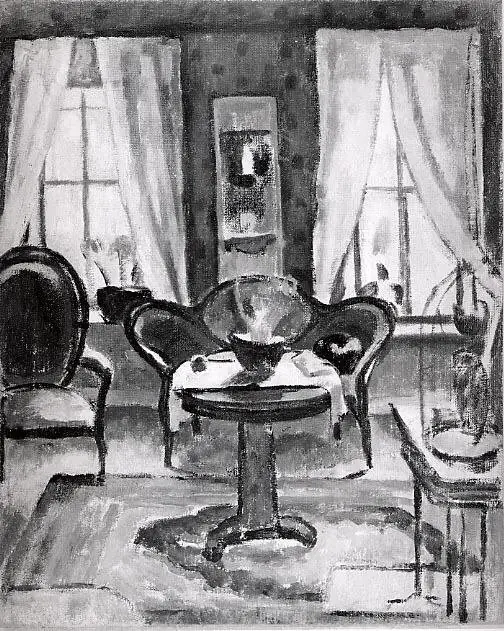
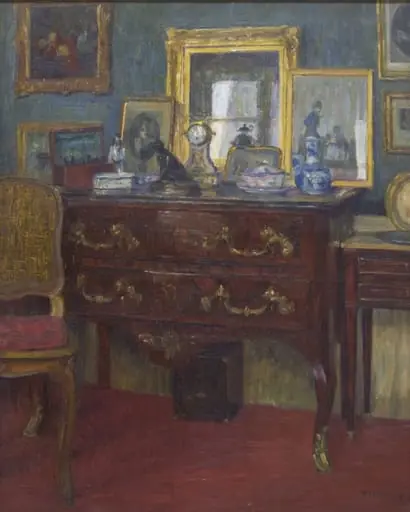
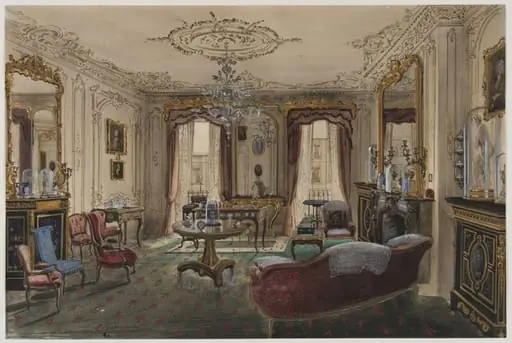
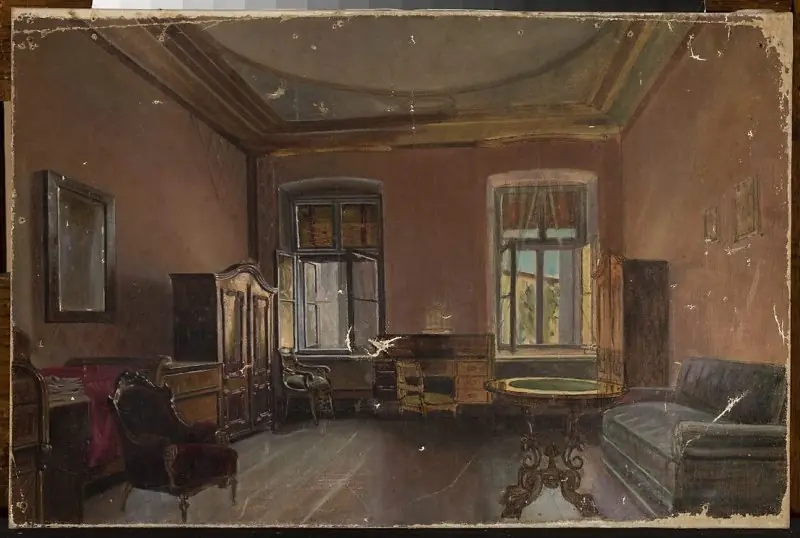
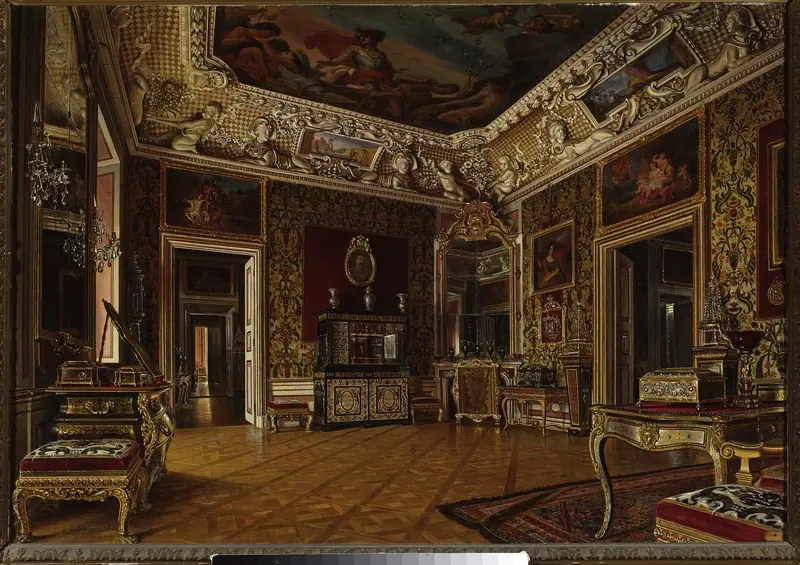
Living-room interior is an oil painting by the Realist artist Aleksander Gryglewski. It dates from 1850 and is held in the collection of the National Museum in Warsaw. Painted around 1850 by Aleksander Konstanty Gryglewski, this oil-on-canvas work captures a domestic interior in quiet detail.
About this work
Overview
Painted around 1850 by Aleksander Konstanty Gryglewski, this oil-on-canvas work captures a domestic interior in quiet detail.
Painted around 1850 by Aleksander Konstanty Gryglewski, this oil-on-canvas work captures a domestic interior in quiet detail. As a professor at the Kraków Academy of Fine Arts, Gryglewski focused on architectural interiors, and this piece exemplifies his interest in recording the spatial character of Polish homes. It resides today in the National Museum in Warsaw, part of a broader effort to document everyday environments of the period.
Subject & Meaning
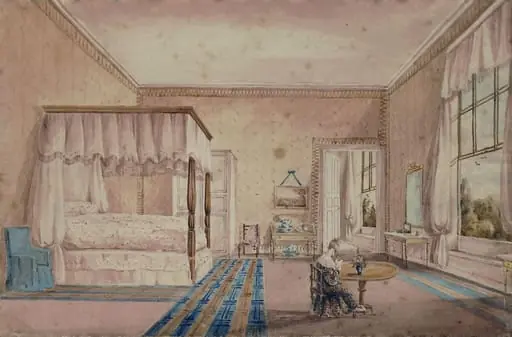
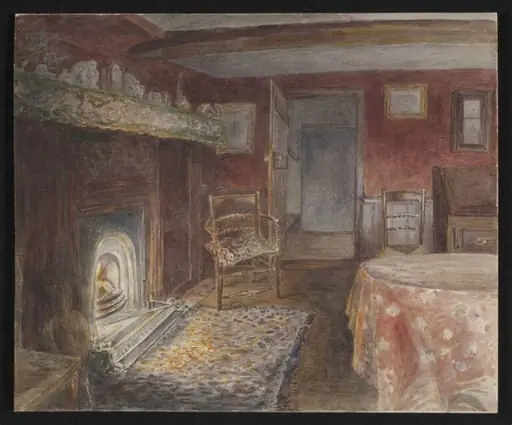
The scene presents a modest, lived-in living room, neither grand nor ornate, but carefully arranged with personal belongings. A bed visible through an open doorway suggests the room’s dual function, while the arrangement of furniture and objects implies routine domestic life. The absence of figures enhances the sense of quiet habitation, inviting contemplation of private space rather than narrative drama.
Technique & Style
Gryglewski employed oil paint with restrained brushwork to render textures—wood grain, fabric folds, and wall surfaces—with quiet precision. The composition is balanced yet unforced, avoiding theatrical lighting or dramatic perspective. Colors are muted but deliberate: warm red walls contrast with dark flooring and wooden furnishings, grounding the scene in tangible reality consistent with early realist principles.
History & Provenance
Created during Gryglewski’s active years at the Kraków Academy, the painting entered the National Museum in Warsaw’s collection in the 19th or early 20th century. Its preservation reflects institutional interest in documenting Polish domestic life during a time of political fragmentation. No significant alterations or restorations are documented, and it has remained in public hands since acquisition.
Context
In mid-19th-century Poland, artistic focus shifted from historical and religious themes toward everyday life, influenced by European realism. Gryglewski’s interiors aligned with this trend, offering a counterpoint to romanticized depictions of nobility. His work contributed to a nascent cultural archive of middle-class homes, preserving architectural details and material culture during a period of national upheaval.
Legacy
Though not widely exhibited outside Poland, the painting remains a representative example of domestic realism in Polish art. Gryglewski’s approach influenced later artists interested in interior spaces as subjects worthy of careful observation. The work continues to serve as a reference for historians studying 19th-century Polish domestic architecture and material life.
Artist & collection
Artist
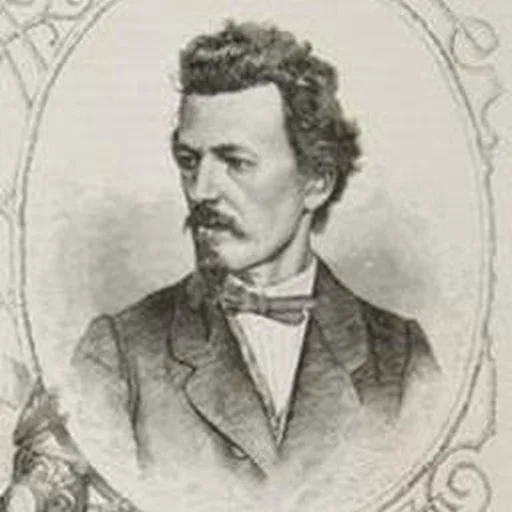
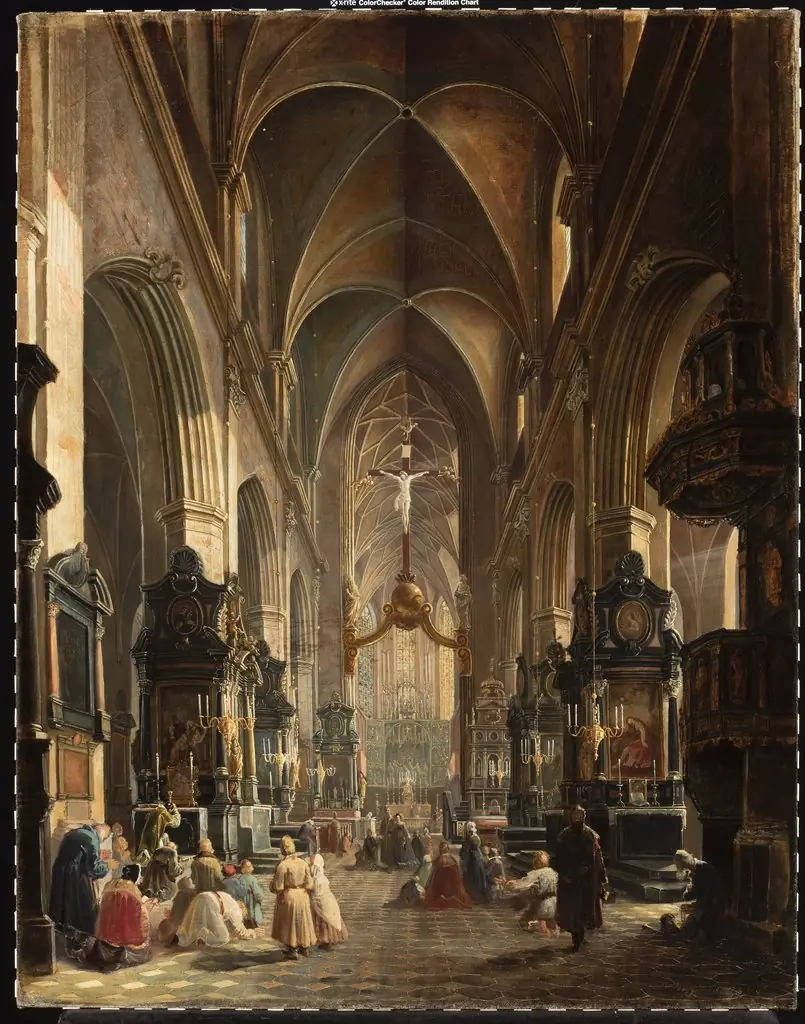
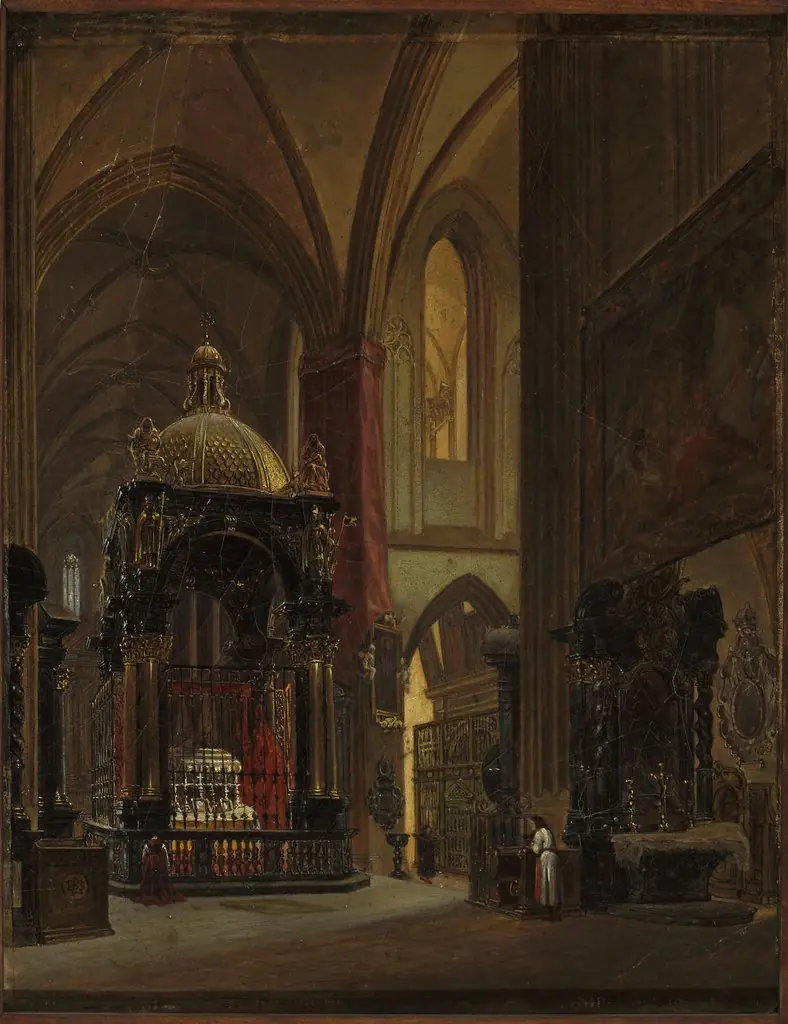
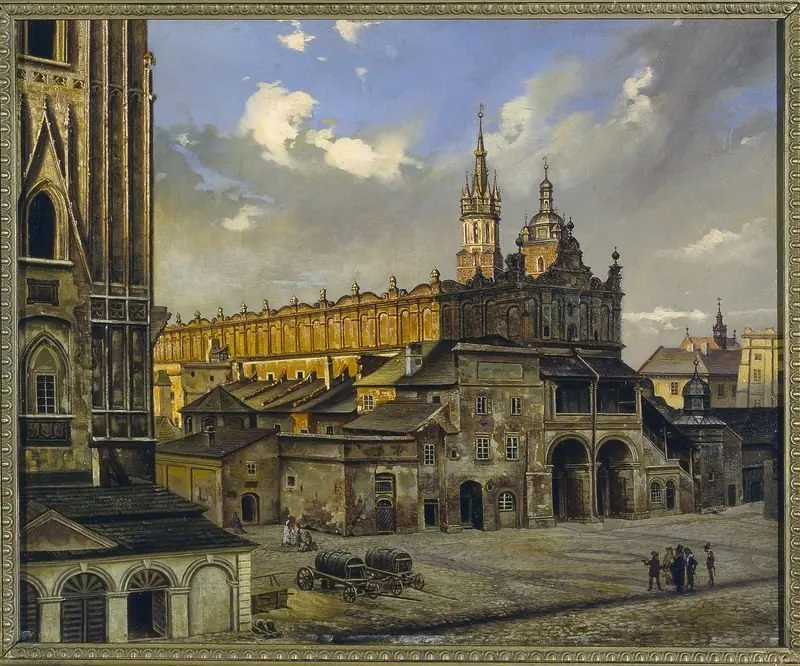
Aleksander Konstanty Gryglewski (4 March 1833 – 28 July 1879) was a Polish painter and art professor at the Kraków Academy of Fine Arts. He is primarily known for his interior portraits of notable buildings throughout Poland.

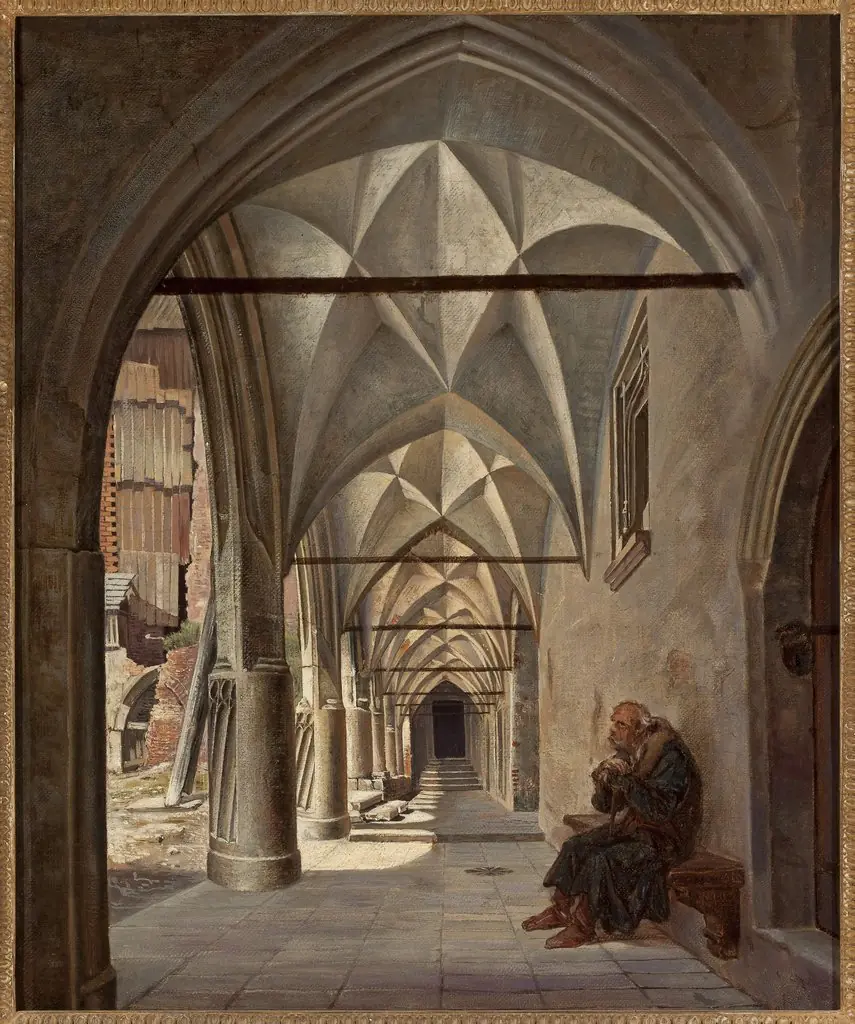 Cloisters of the Jagiellonian Library in Kraków
 Interior
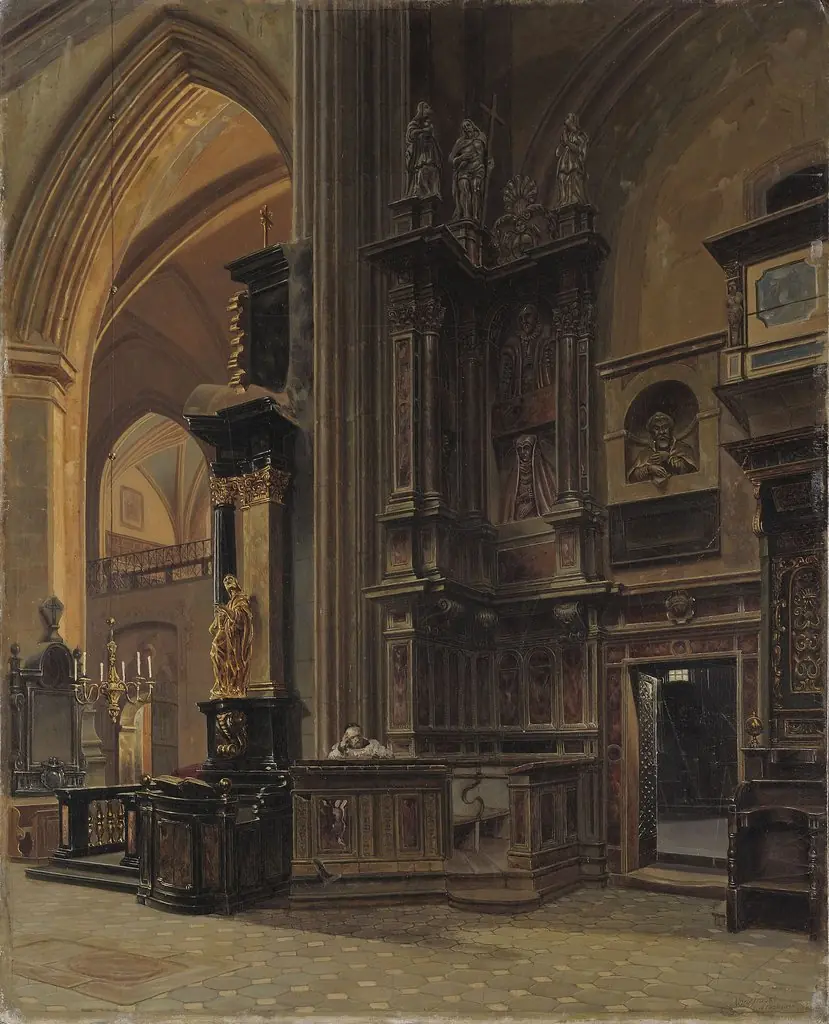 Interior of Saint Mary’s Basilica in Kraków
 Interior of the royal bedroom at the Wilanów Palace
 Interior of the Church of Virgin Mary in Kraków
 Interior of the Wawel Cathedral
 Sukiennice (Cloth Hall) in Kraków
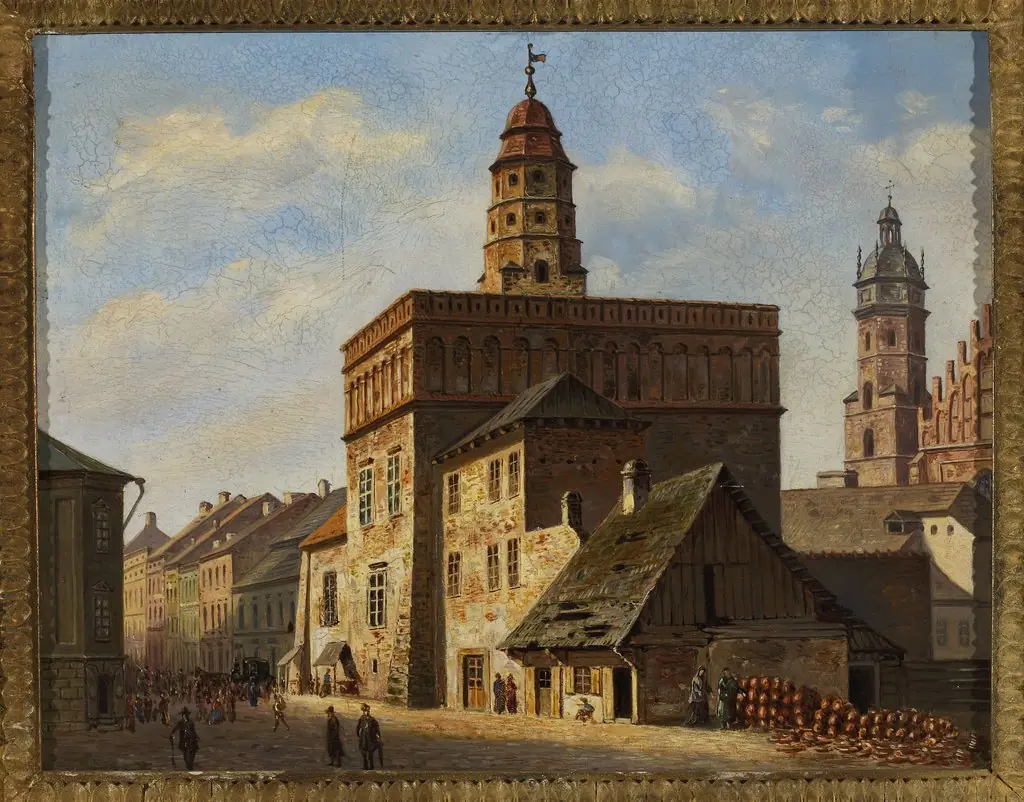 Old town hall at the Wolnica square in Kazimierz, Kraków