Artwork
Tâmplarul Wolf
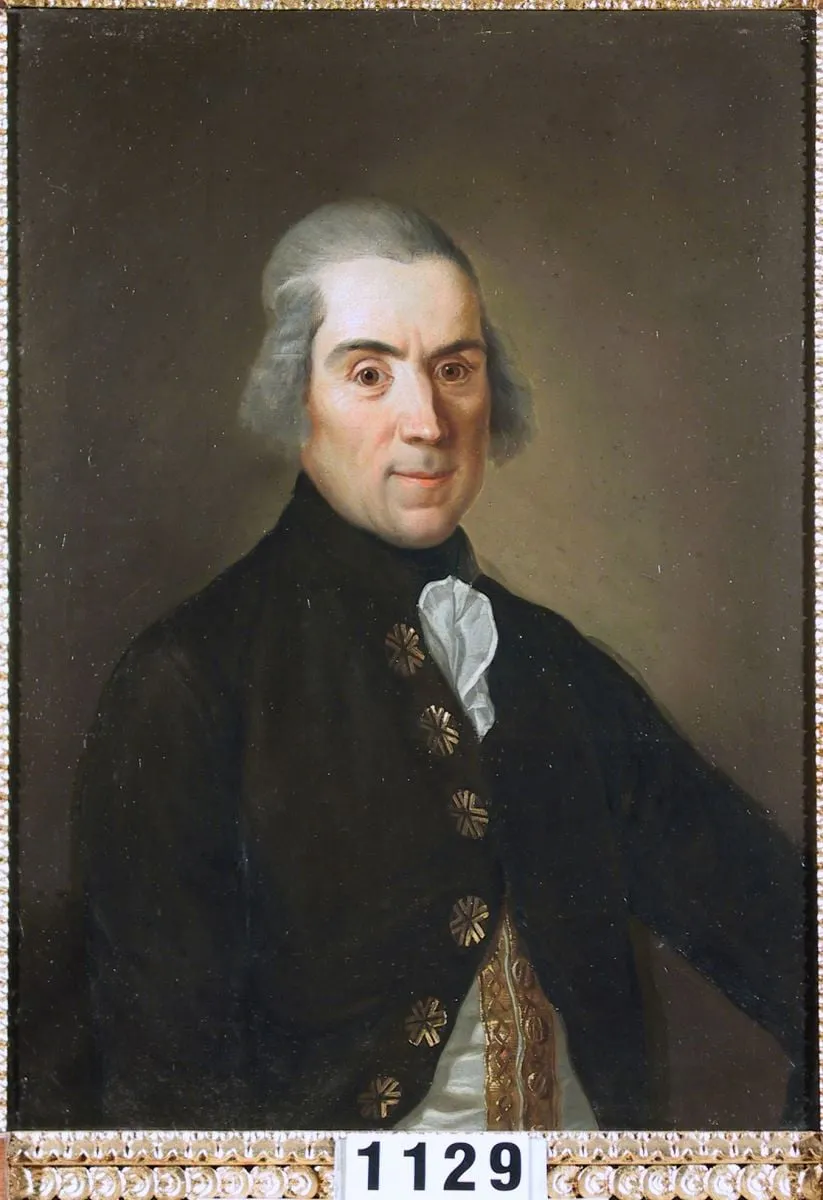
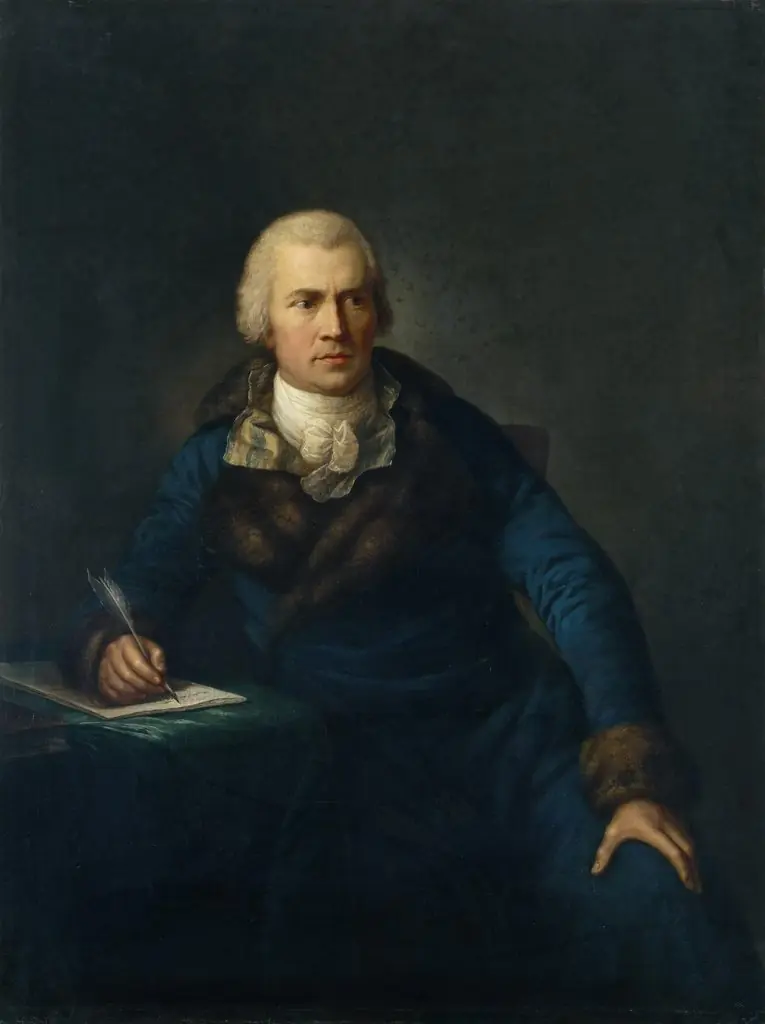
Tâmplarul Wolf is a print by the Baroque artist Johann Martin Stock. It is held in the collection of the Brukenthal National Museum. This portrait depicts a man with gray hair, dressed in a black coat adorned with gold trim and a crisp white shirt.
About this work
Overview
Set against a dark brown background, the figure is rendered in a realistic manner with precise attention to texture and form.
This portrait depicts a man with gray hair, dressed in a black coat adorned with gold trim and a crisp white shirt. Set against a dark brown background, the figure is rendered in a realistic manner with precise attention to texture and form. The lighting emphasizes volume through careful contrasts, suggesting a deliberate use of chiaroscuro to model the subject’s features and garments with subtle gradations of light and shadow.
Subject & Meaning
The identity of the man, referred to as Tâmplarul Wolf, suggests a possible connection to craftsmanship or a guild affiliation, though no definitive historical record confirms this. His neutral expression and direct gaze convey a quiet dignity, typical of portraiture from periods where social status was communicated through composure rather than gesture. The formal attire implies a position of respect, possibly within a trade or civic role.
Technique & Style
The painting employs a realistic approach with meticulous rendering of fabric, hair, and skin. Chiaroscuro is used to define the contours of the face and coat, creating a three-dimensional presence against the flat, dark background. The gold accents on the coat are rendered with restrained highlights, avoiding flamboyance while still signaling wealth or status. Brushwork remains controlled, prioritizing clarity over expressive flair.
History & Provenance
The painting’s origins are not fully documented, and its early ownership remains unclear. It is attributed to an artist working within a regional tradition of 17th- or 18th-century portraiture, likely in Eastern Europe. The title 'Tâmplarul Wolf' appears in later records, possibly a nickname or occupational designation, but no archival evidence confirms the subject’s full identity or the artist’s name.
Context
This portrait reflects a broader trend in early modern European art where tradespeople and minor nobility commissioned likenesses to assert personal or professional standing. The subdued palette and lack of elaborate setting align with regional preferences for modesty and restraint, contrasting with the grandeur of court portraiture elsewhere. Such works often served as records of identity within tightly knit communities.
Legacy
Though not widely known outside regional collections, the painting contributes to the understanding of non-elite portraiture in Eastern Europe. Its technical precision and emotional restraint offer insight into how individuals outside aristocratic circles presented themselves visually. It remains a quiet example of how everyday dignity was captured through careful observation and controlled technique.
Artist & collection
Artist
A late-18th-century Austrian painter, Johann Martin Stock made bold, folksy portraits and still lifes in oils, plus a few prints.

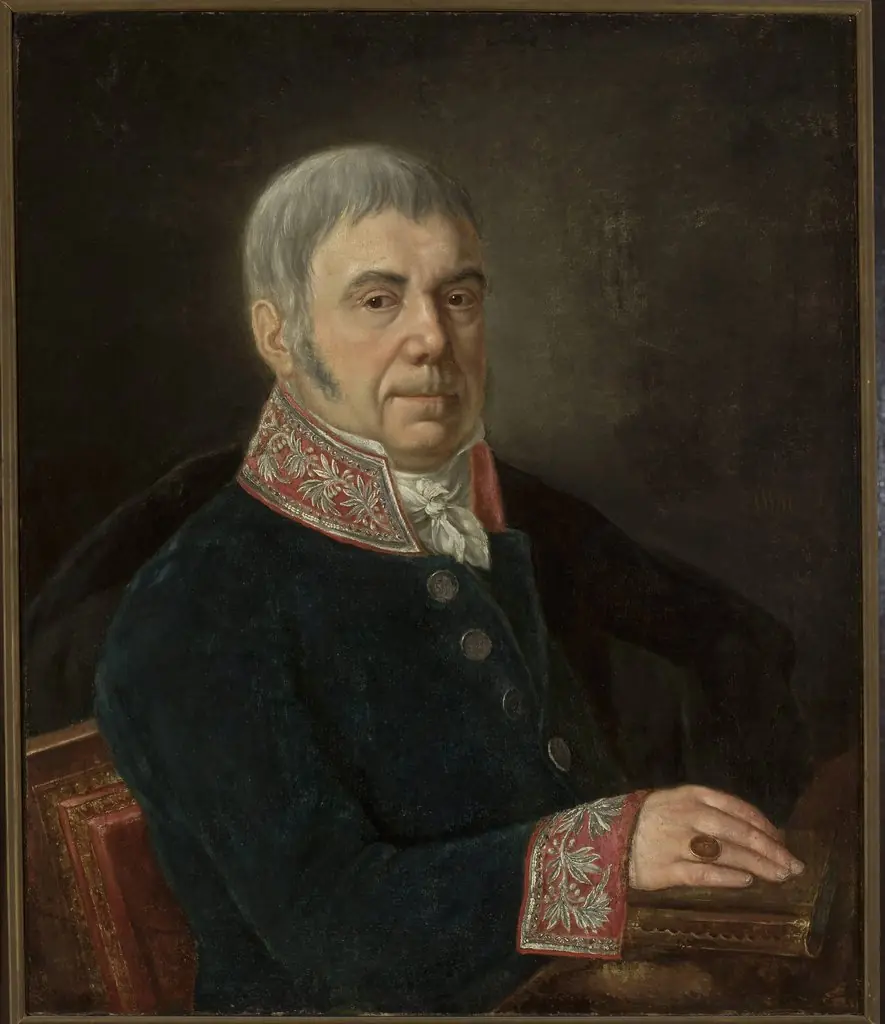 Portrait of Augustyn Minasowicz, painter's father
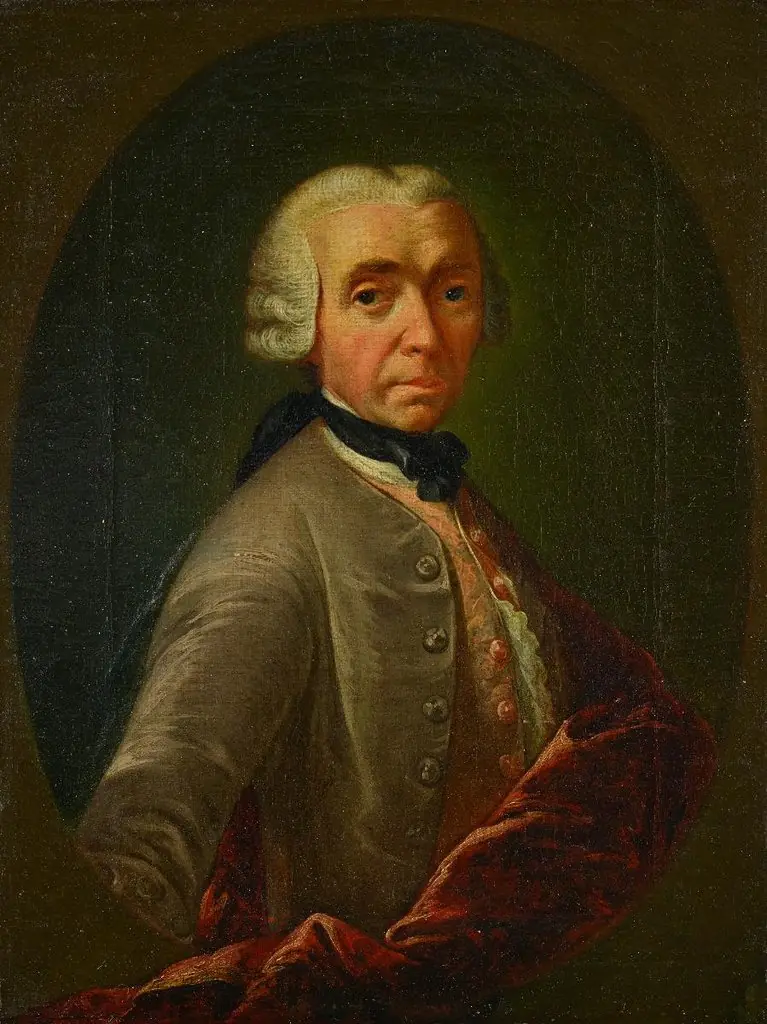 Selbstbildnis
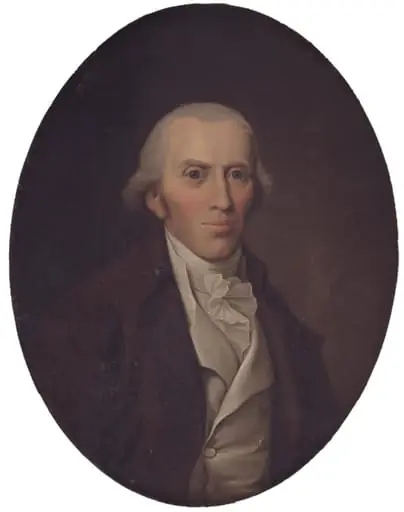 Johann Jacob Frølich d.æ.
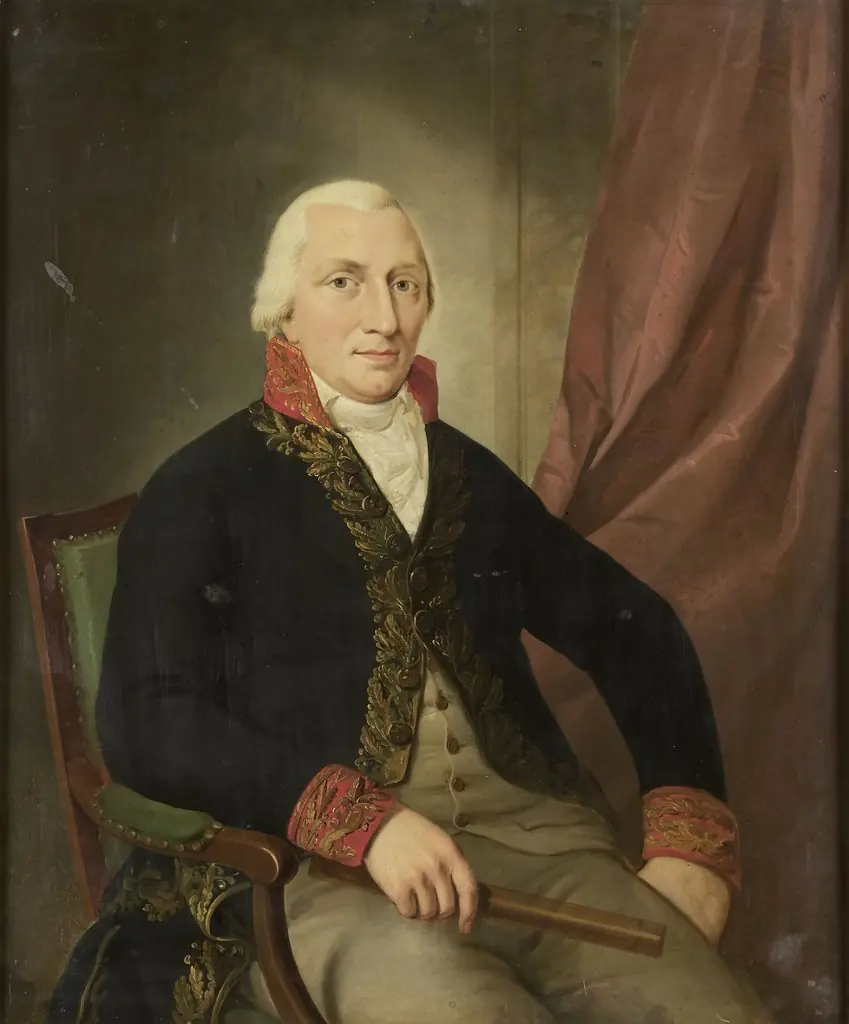 Portrait of Albertus Henricus Wiese, Governor-General of the Dutch East Indies
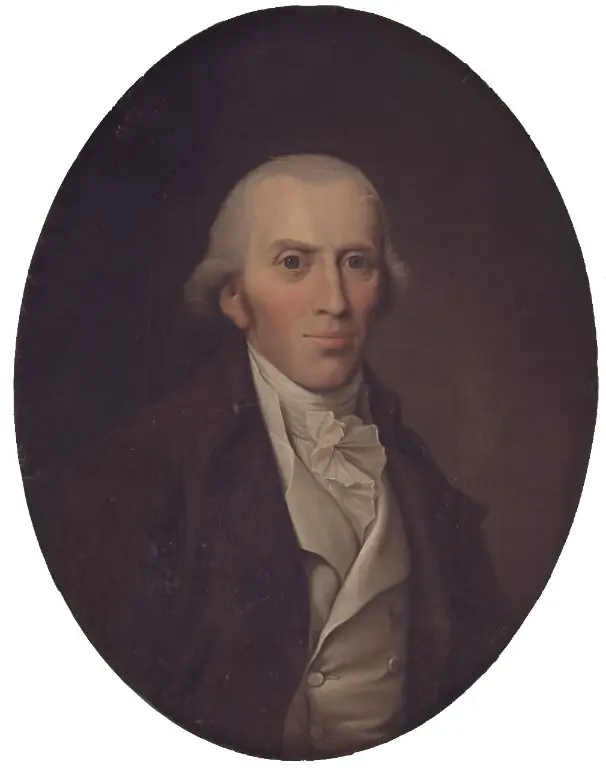 Johann Jacob Frølich d.æ.
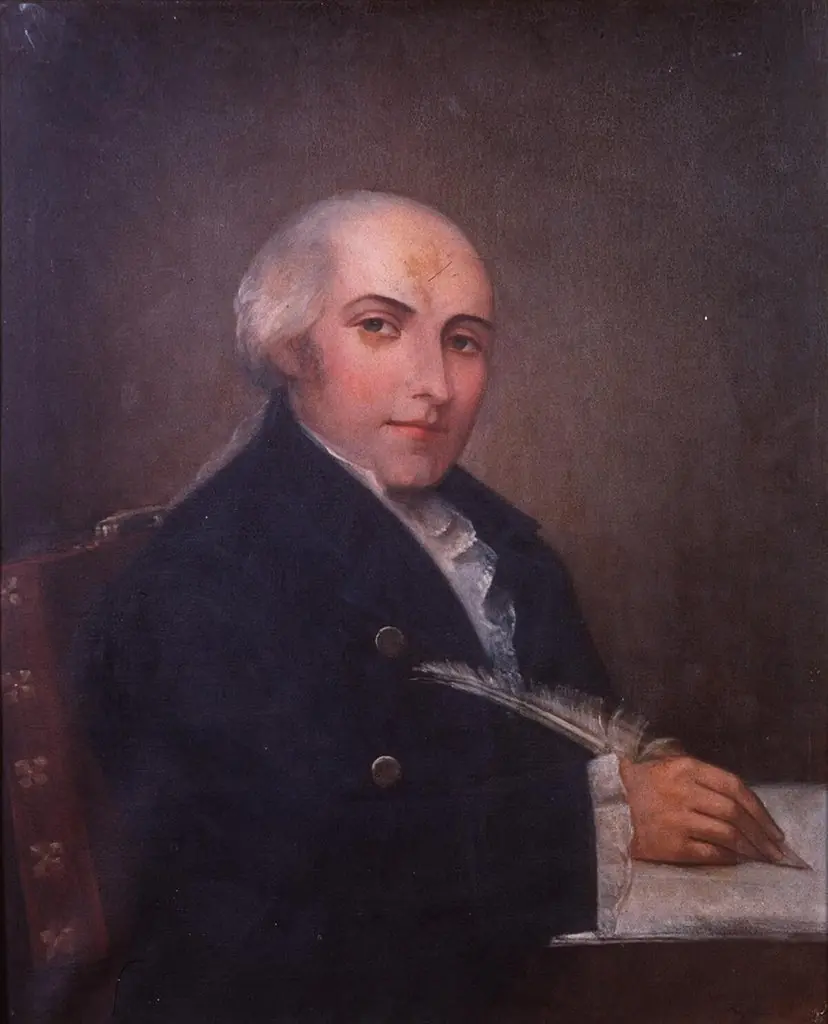 Morgan Pryse Lloyd Esq
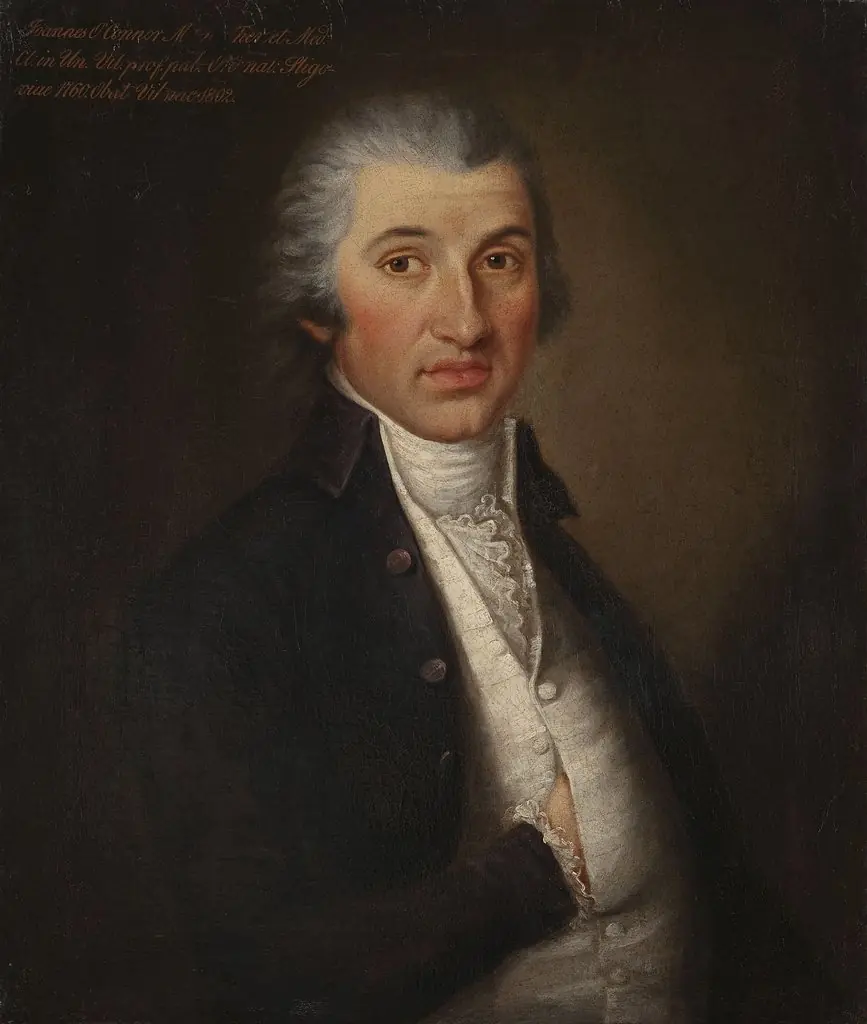 Portrait of John O'Connor (1760-1802), professor at the University of Vilnius
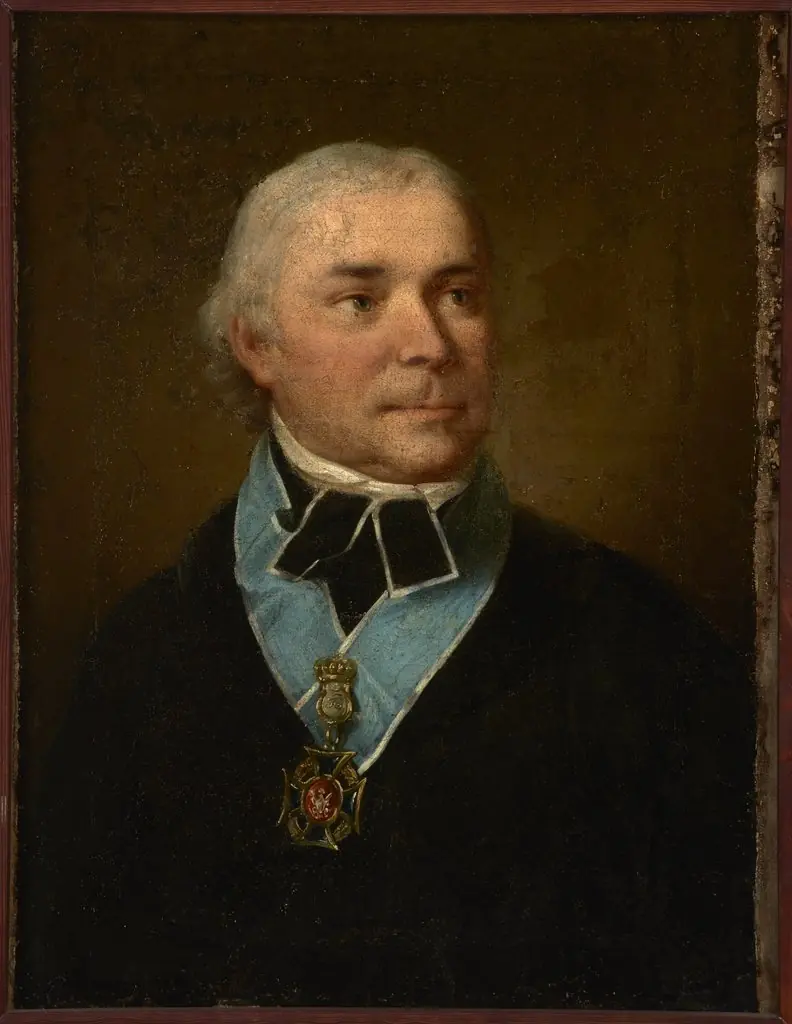 Portret Jana Kantego Wodzickiego (ok. 1740-1821), kanonika krakowskiego i prezydenta Trybunału Koronnego
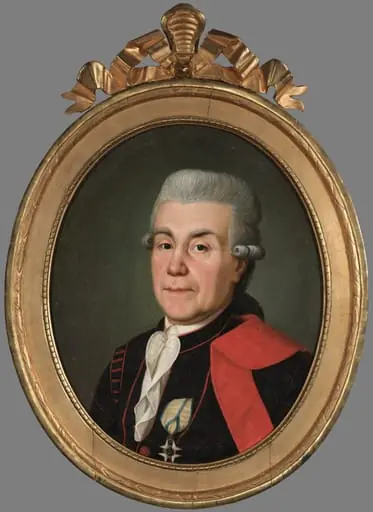 Anders de Bruce (1723-1787)
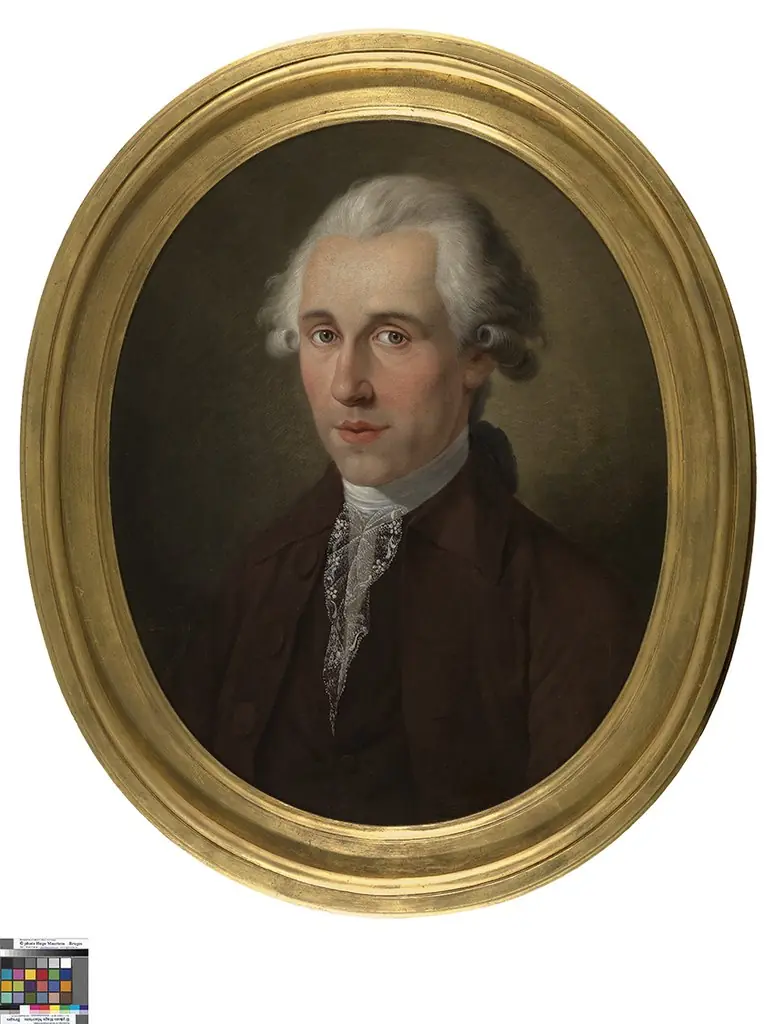 Portret van een man
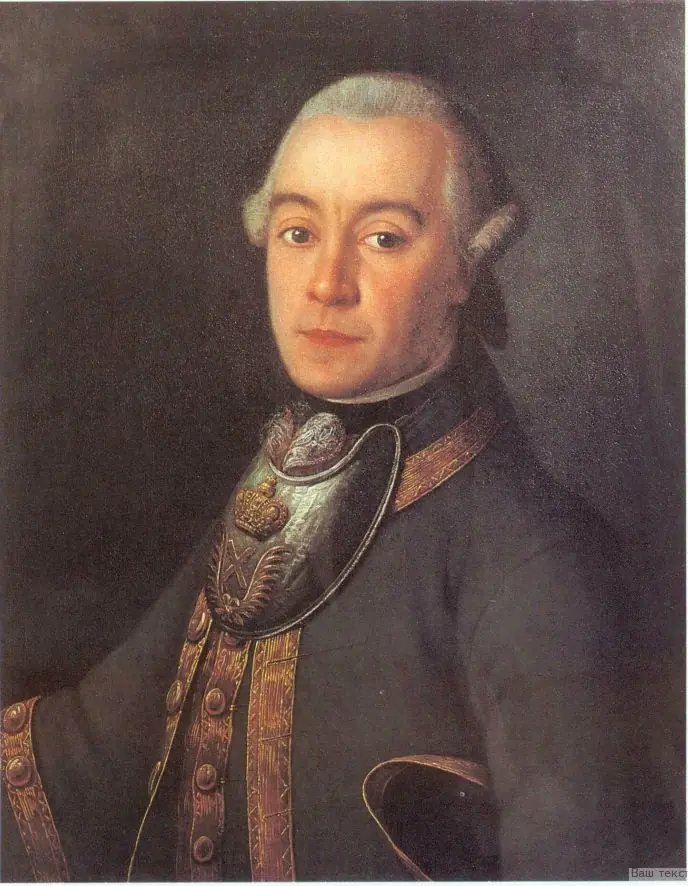 Untitled
 Portrait of Prince Friedrich Heinrich Ludwig of Prussia