Artwork
Portrait of a Lady
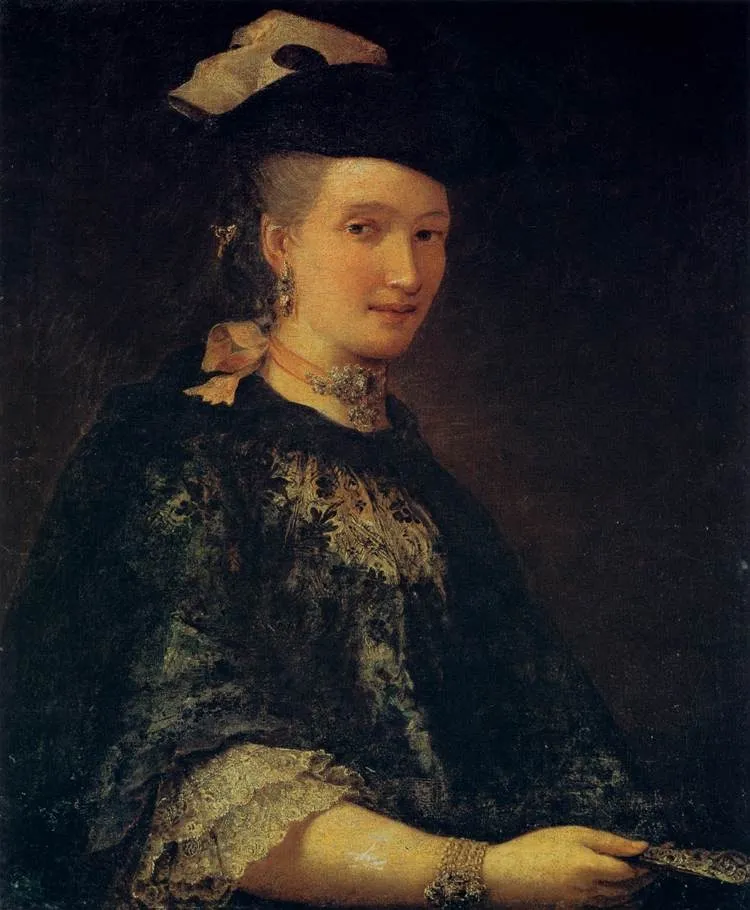
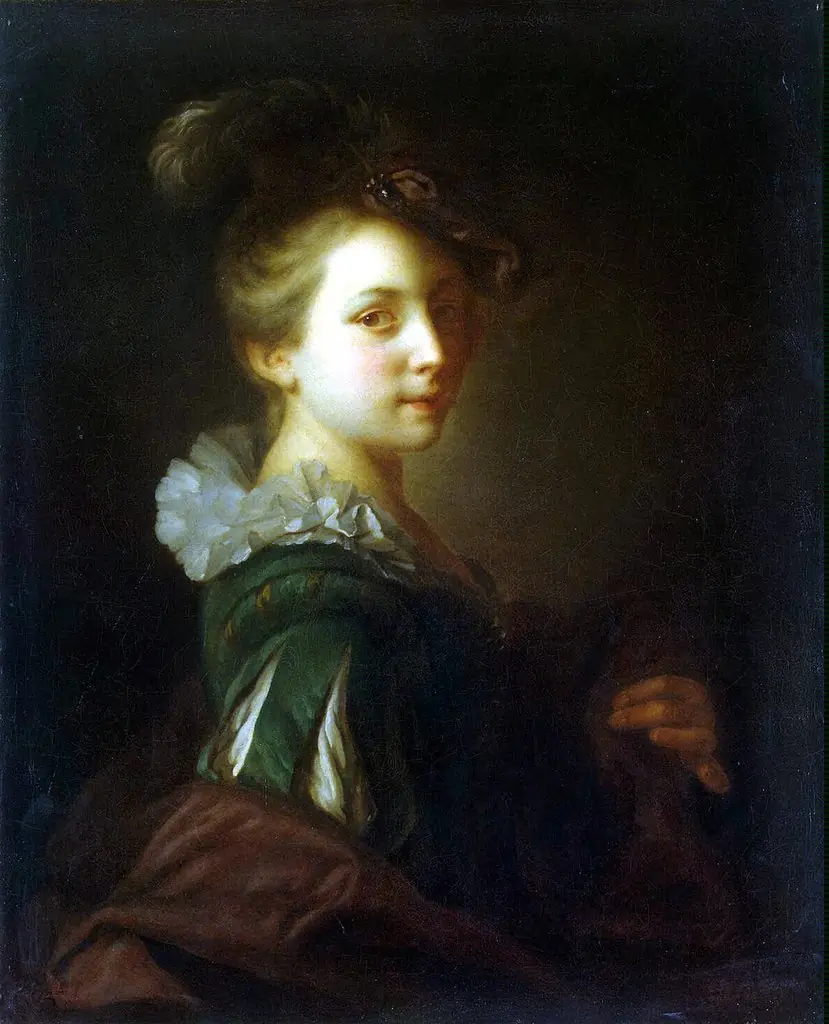
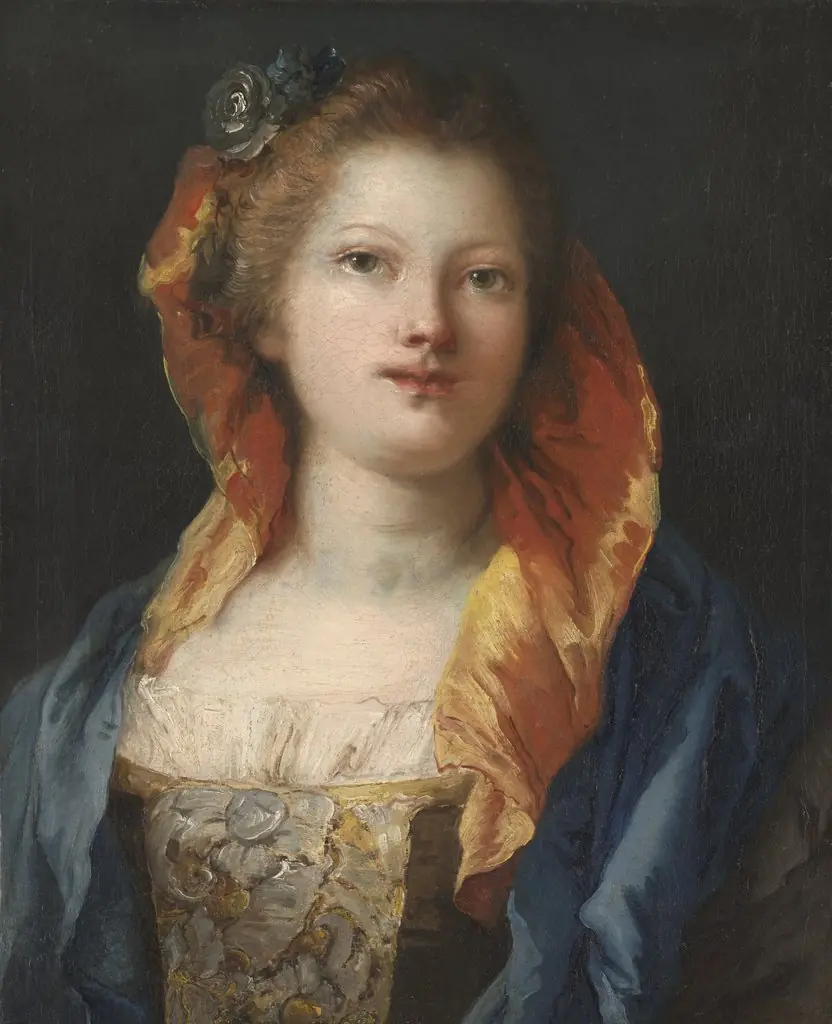
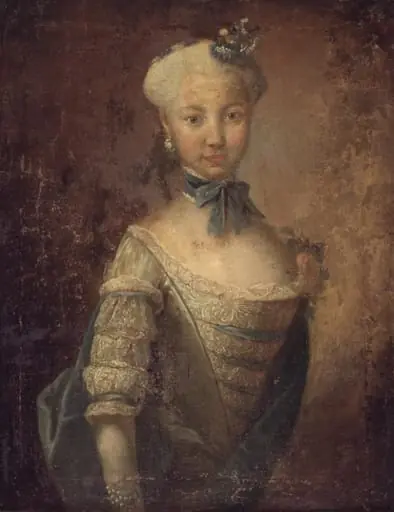
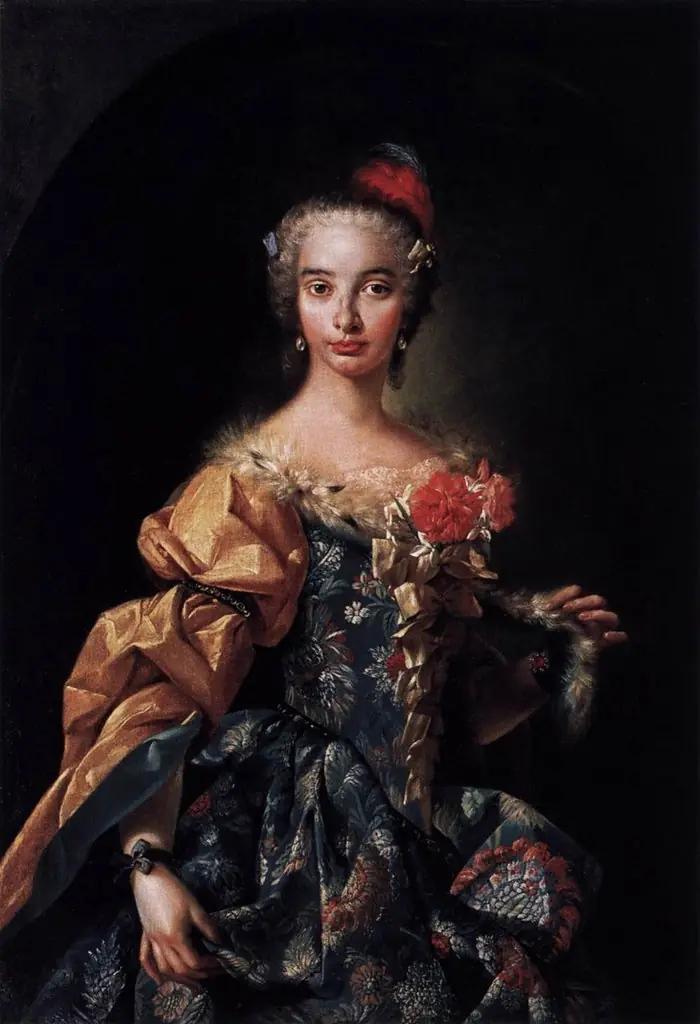
Portrait of a Lady is an oil painting by the Rococo painting artist Alessandro Longhi. It dates from 1770 and is held in the collection of the Uffizi Gallery.
About this work
Overview
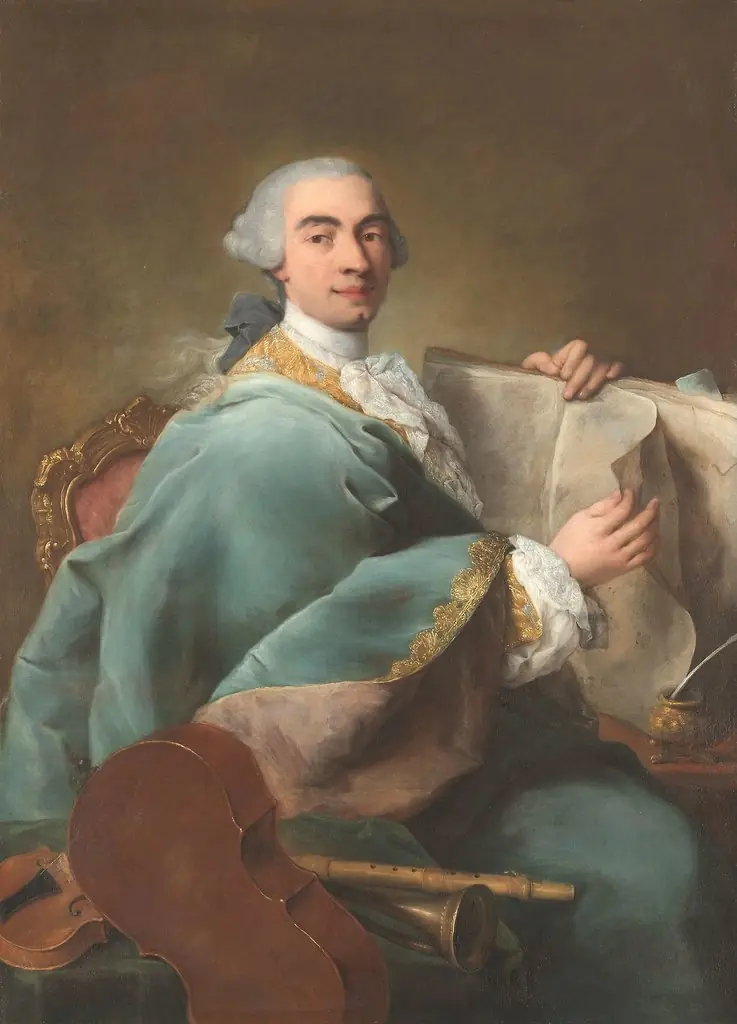
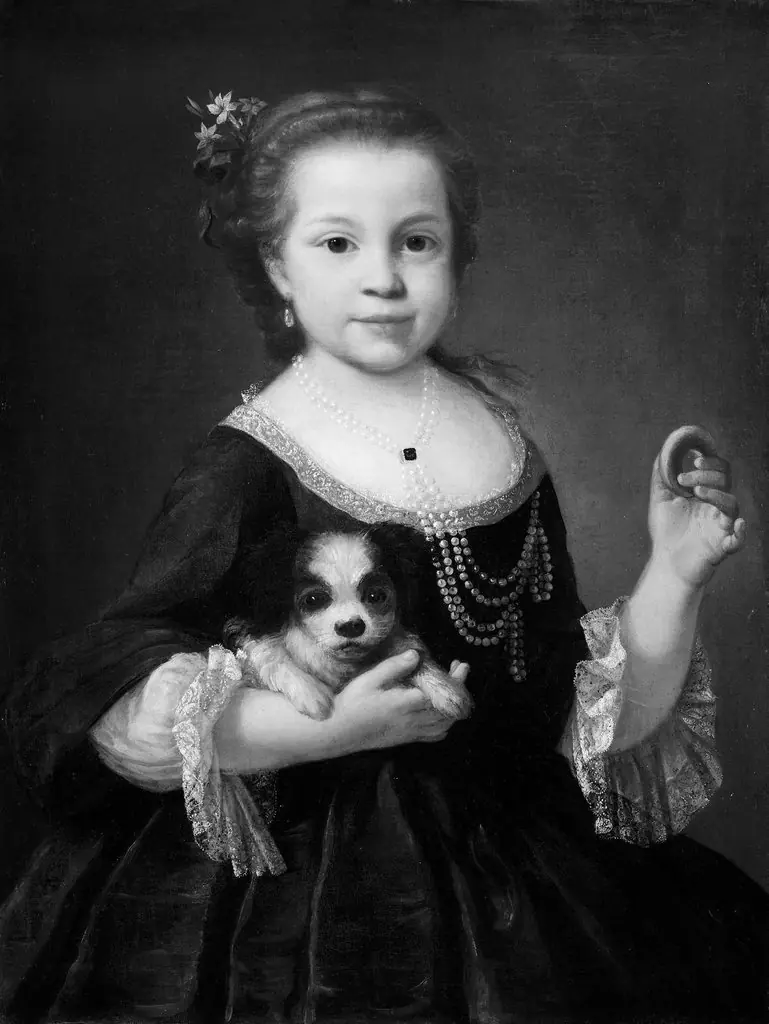
Painted in 1770 by Alessandro Longhi, this oil portrait captures a Venetian noblewoman in formal attire. Longhi, known for his precise depictions of aristocratic portraiture, rendered the subject with attention to textile detail and quiet dignity. The work resides in the Uffizi Gallery, reflecting its status as a documented example of 18th-century Venetian elite representation.
Subject & Meaning
Her turned gaze and extended arm suggest a measured self-possession, typical of portraits intended to convey social standing rather than emotional expression.
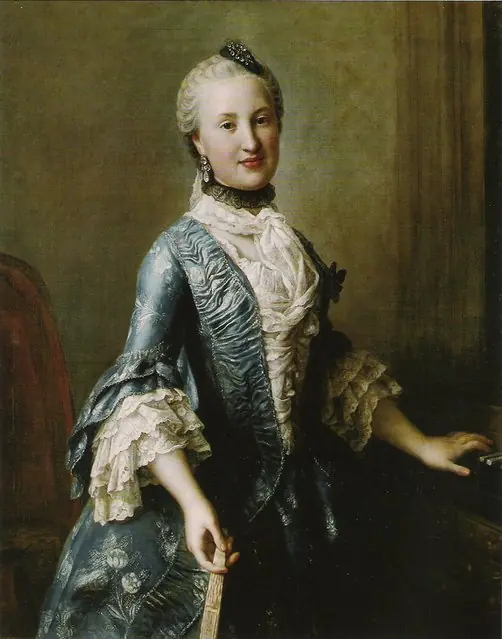
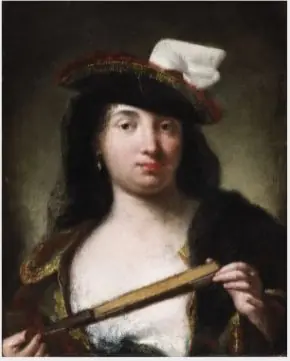
The sitter, dressed in a dark gown with lace trim and a large hat, displays symbols of status through her jewelry—a bracelet and pocket watch—and composed posture. Her turned gaze and extended arm suggest a measured self-possession, typical of portraits intended to convey social standing rather than emotional expression. The attire and accessories signal her place within Venice’s refined aristocracy.
Technique & Style
Longhi employed oil paint to achieve subtle gradations in fabric texture, particularly in the lace and folds of the dress. Dark tones in the clothing contrast with the lighter skin and lace, enhancing three-dimensionality. His brushwork is controlled yet nuanced, avoiding theatricality in favor of restrained elegance, aligning with late Rococo sensibilities while avoiding its excesses.
History & Provenance
The painting entered the Uffizi collection as part of its broader effort to document Venetian artistic production. Longhi’s reputation as both painter and printmaker ensured his works were preserved in institutional collections. While its exact commission history is unrecorded, its presence in the Uffizi confirms its recognized significance within 18th-century Venetian art.
Context
In late 18th-century Venice, portraiture served as a tool for asserting familial and social identity. Longhi’s clientele included nobility who valued accurate representation of dress and insignia. His work emerged alongside a decline in grand historical painting, making intimate, detailed portraits like this one increasingly central to artistic practice in the region.
Legacy
Longhi’s portraits, including this one, remain important for understanding Venetian aristocratic culture before the Republic’s fall. His technical precision and restraint influenced later generations of regional painters. Though less celebrated than his etchings, his oil portraits offer a quiet record of elite identity in a changing society.
Artist & collection
Artist
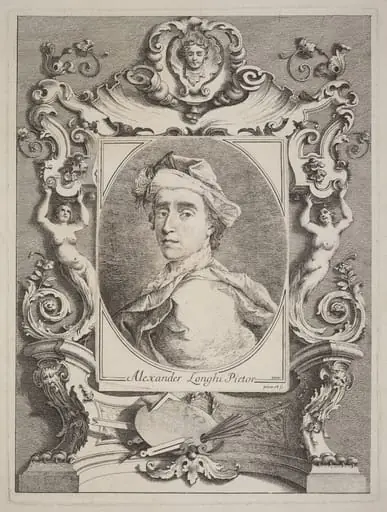
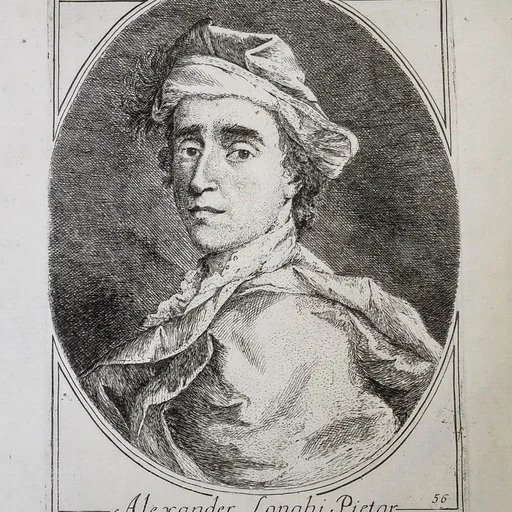
Alessandro Longhi (12 June 1733 – 8 November 1813) was a Venetian portrait painter and printmaker in etching (mostly reproductions of paintings).

![Portrait of a Procurator [verso], by Alessandro Longhi](https://artifactworldgallery.com/img/alessandro-longhi--portrait-of-a-procurator-verso--b1f9a8462c76ecbe-w320.webp)