Artwork
Elisabetta Cellesi
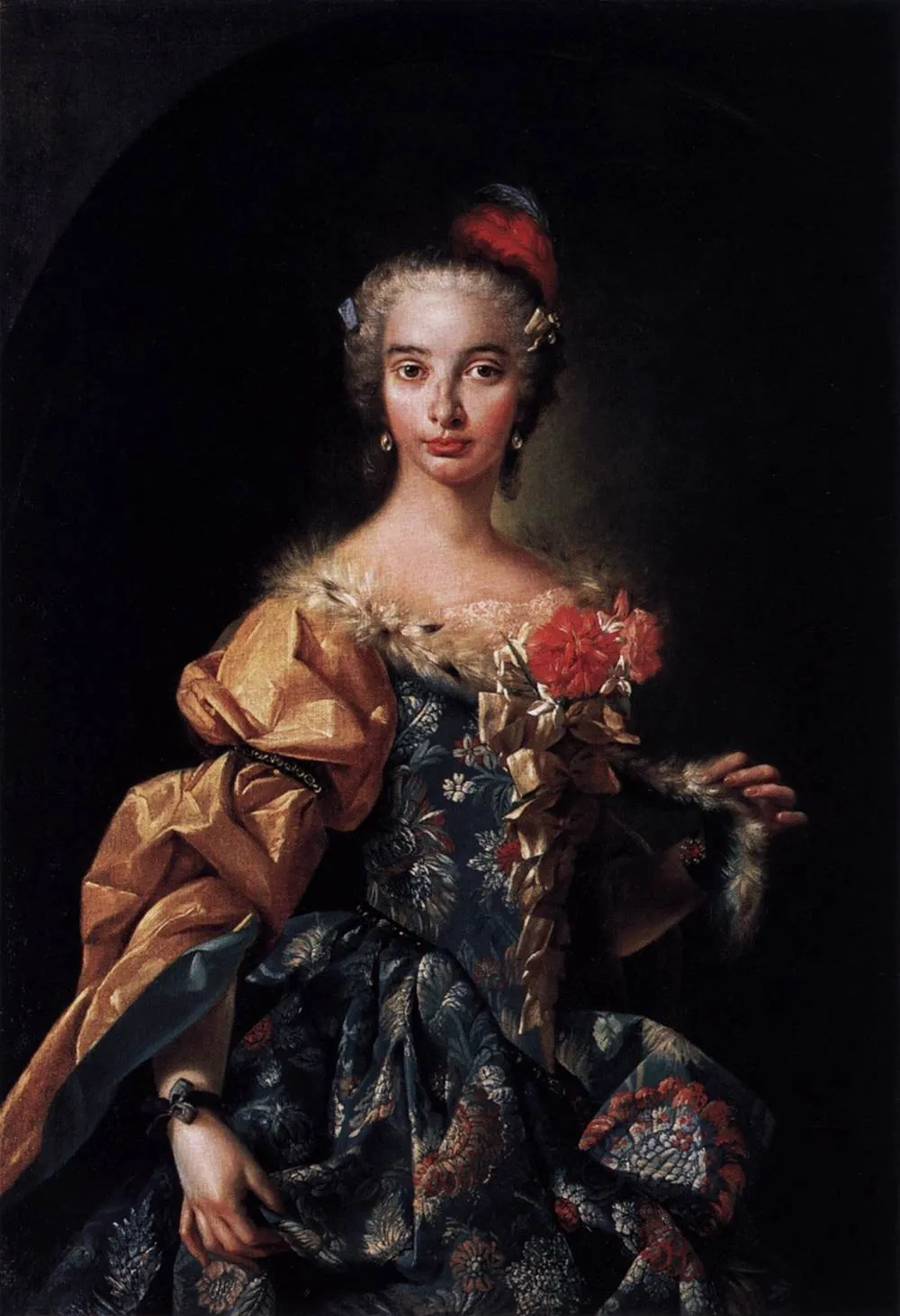
Elisabetta Cellesi is a paint painting by the Rococo painting artist Luigi Crespi. It dates from 1732 and is held in the collection of the Gemäldegalerie Berlin.
About this work
Overview
Painted in 1732 by Luigi Crespi, this portrait depicts Elisabetta Cellesi, a woman of aristocratic standing. Executed in oil on canvas, the work belongs to the Rococo tradition, emphasizing elegance and refined detail. It is currently held in the Gemäldegalerie Berlin, where it represents the artist’s contribution to 18th-century Italian portraiture.
Subject & Meaning
Elisabetta Cellesi is portrayed with composed poise, her direct gaze engaging the viewer without overt sentiment. Her attire—elaborate blue silk with floral embroidery, feathered trim, and a voluminous sleeve—signals wealth and fashion consciousness. The fan and red feather in her hair suggest performative grace, common in portraits meant to convey social status and cultivated refinement.
Technique & Style
Crespi employs chiaroscuro to model the figure against a deep, neutral background, enhancing the three-dimensionality of the dress and face. Delicate brushwork renders the texture of silk, feathers, and lace with precision. The Rococo sensibility is evident in the ornamental details and soft lighting, avoiding dramatic intensity in favor of subtle luminosity and tactile richness.
History & Provenance
Commissioned during Crespi’s active years in Bologna, the portrait likely originated in a private collection before entering institutional hands. Its presence in the Gemäldegalerie Berlin since the 19th century reflects its recognition as a representative work of Italian Rococo portraiture, though specific ownership records prior to its museum acquisition remain limited.
Context
In early 18th-century Italy, portraiture served as both personal commemoration and social assertion. Crespi, trained in the Bolognese school, adapted the ornamental tendencies of Rococo to local tastes. This portrait aligns with broader European trends where aristocratic women were depicted through fashion, gesture, and controlled expression to affirm their cultural capital.
Legacy
Though not widely exhibited beyond scholarly circles, the portrait remains a quiet example of Crespi’s technical finesse and the Rococo’s emphasis on refined domesticity. It contributes to the understanding of how regional Italian artists interpreted international styles, preserving the visual language of elite femininity in a period of shifting social norms.
Artist & collection
Artist
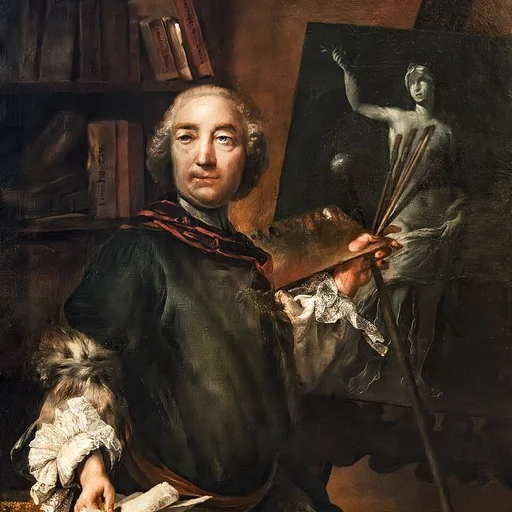
Luigi Crespi (23 January 1708 – 2 July 1779) was an Italian painter, and art merchant and historian. He was the son of the prominent Bolognese painter, Giuseppe Crespi.

 Portrait of a Woman in a Blue Dress
 Madame de La Porte
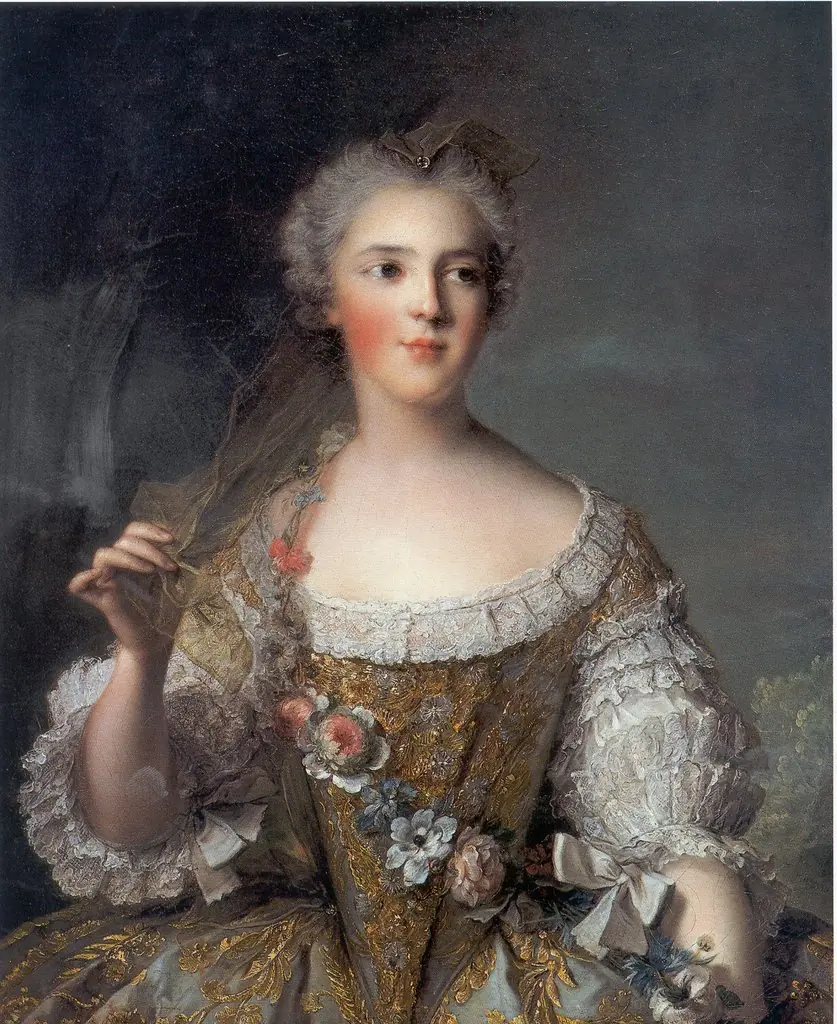 Madame Sophie of France
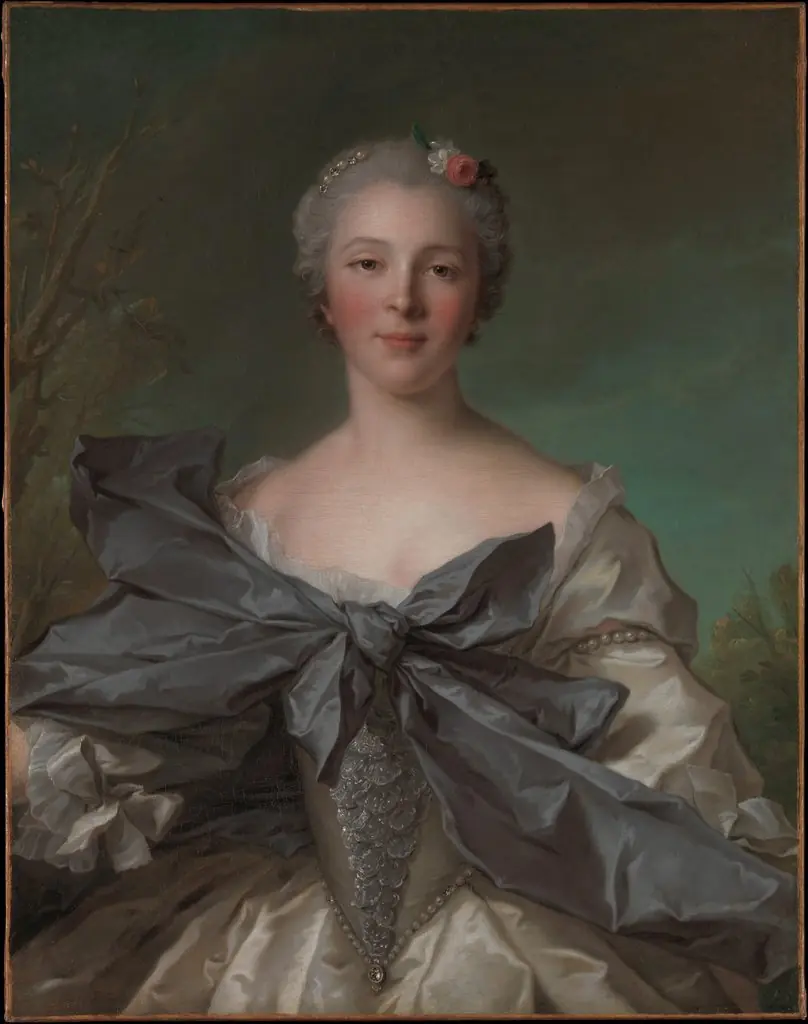 Marie Françoise de La Cropte de St. Abre, Marquise d'Argence
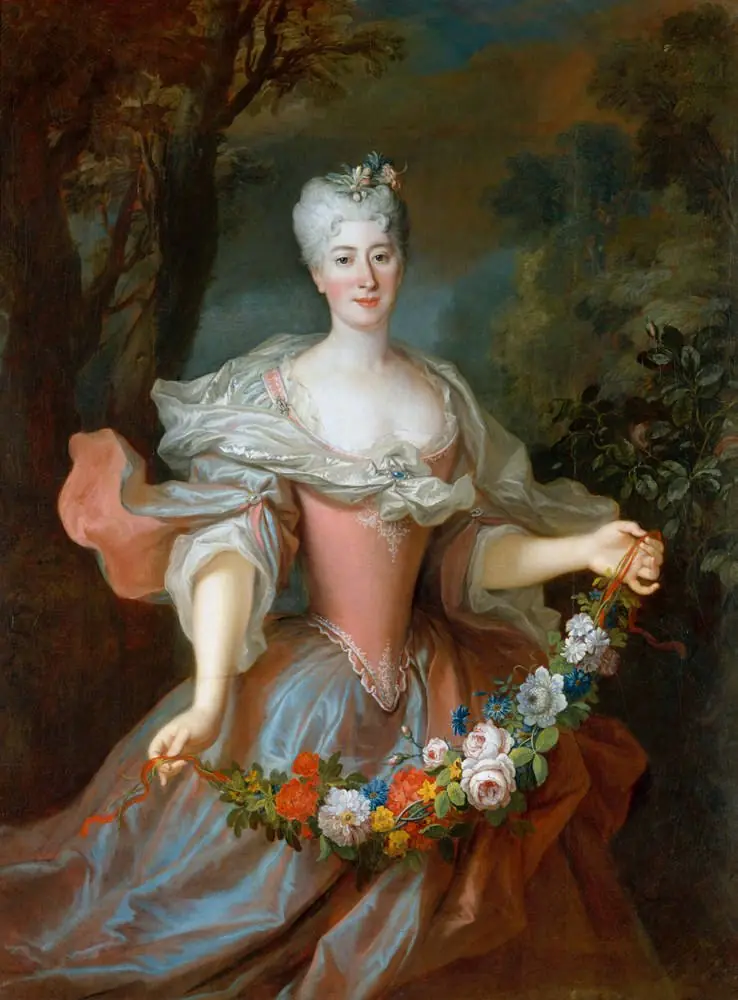 Marcybela Ogiński
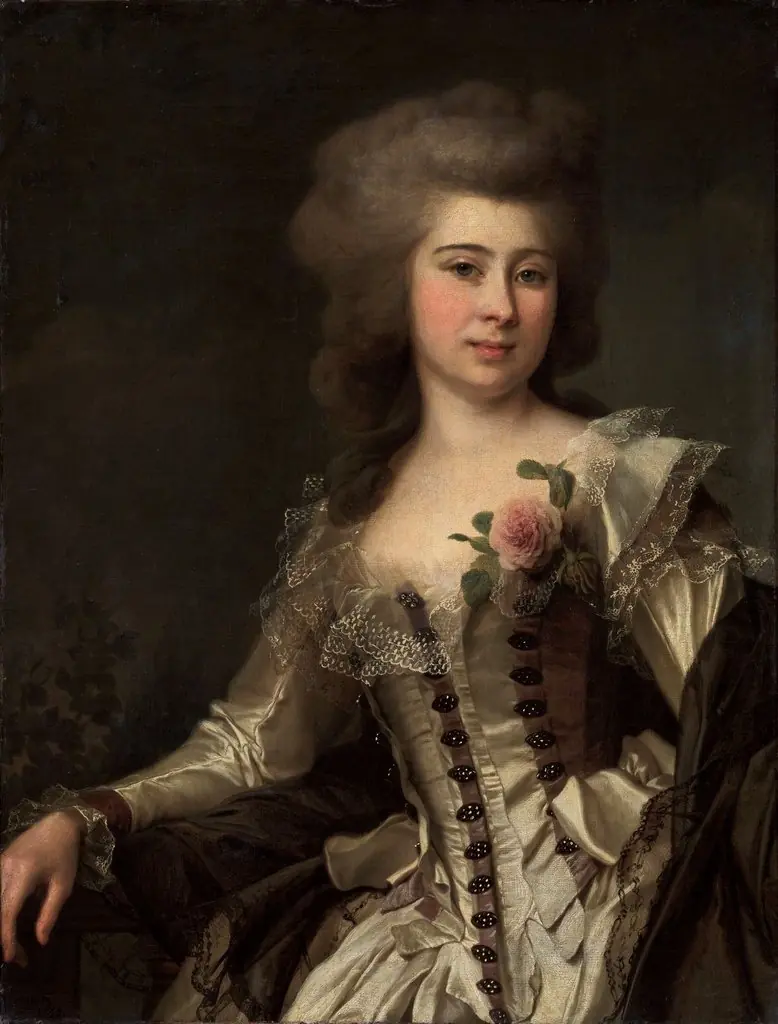 Portrait of an Unknown Woman with a Rose
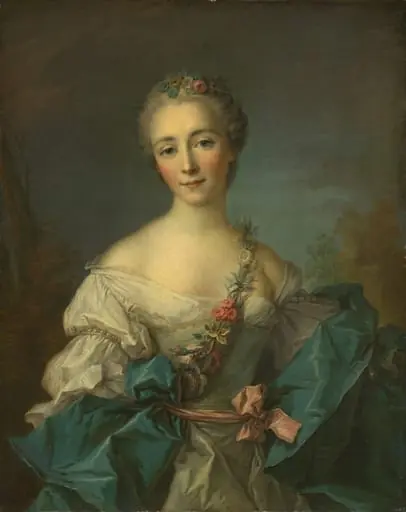 Portrait of a Young Woman
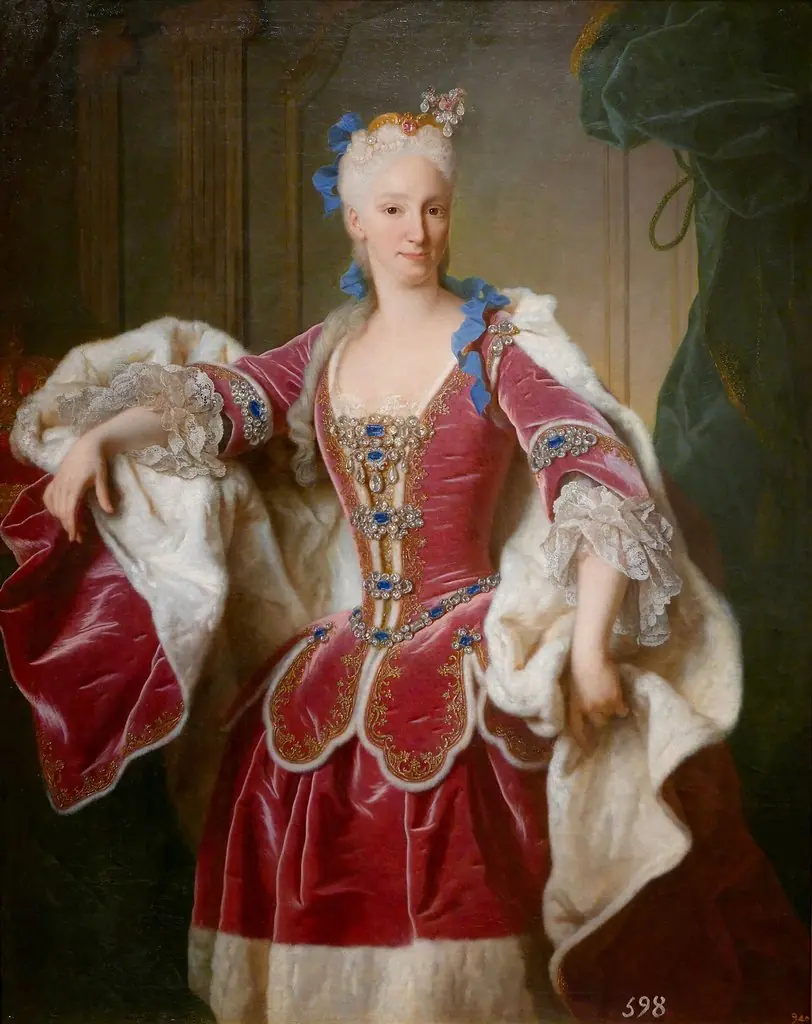 Elisabeth Farnese, Queen of Spain
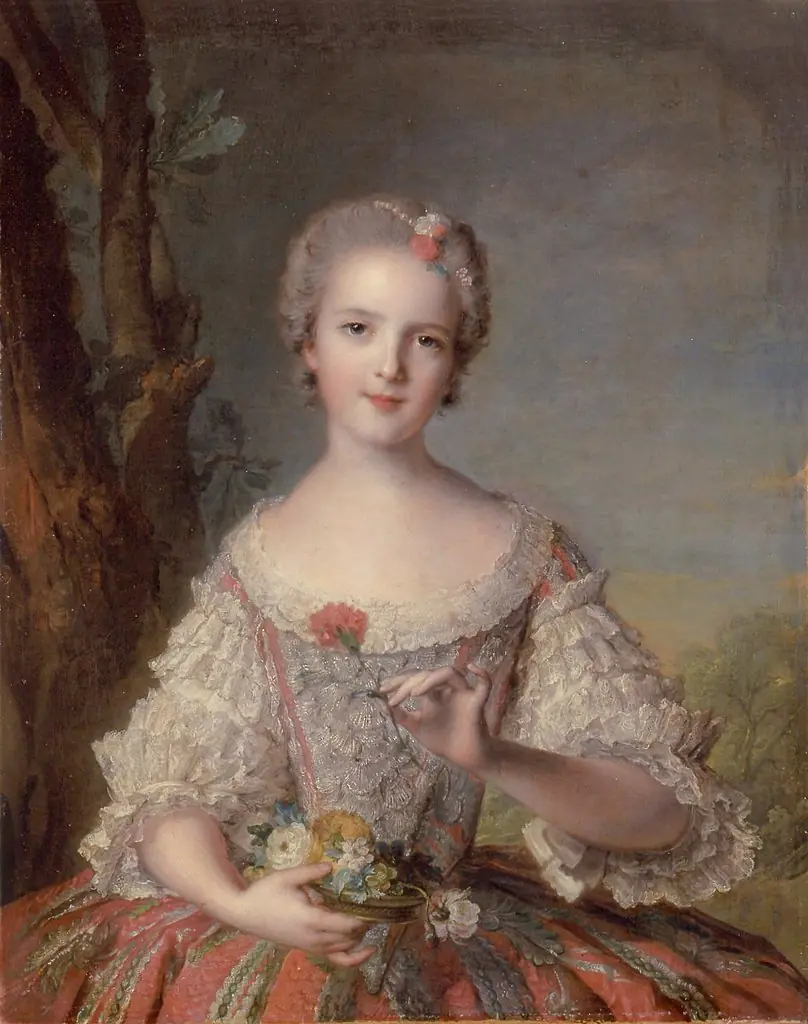 Madame Louise of France
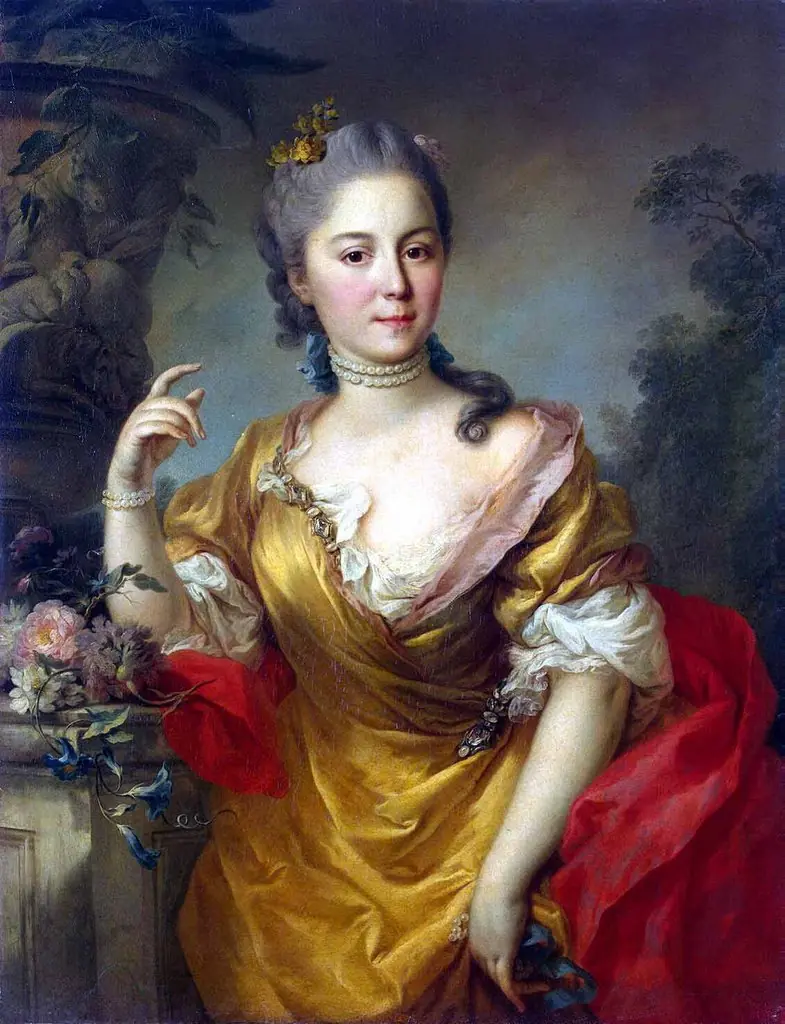 Portrait of Countess Anna Alexandrovna Chernyshova
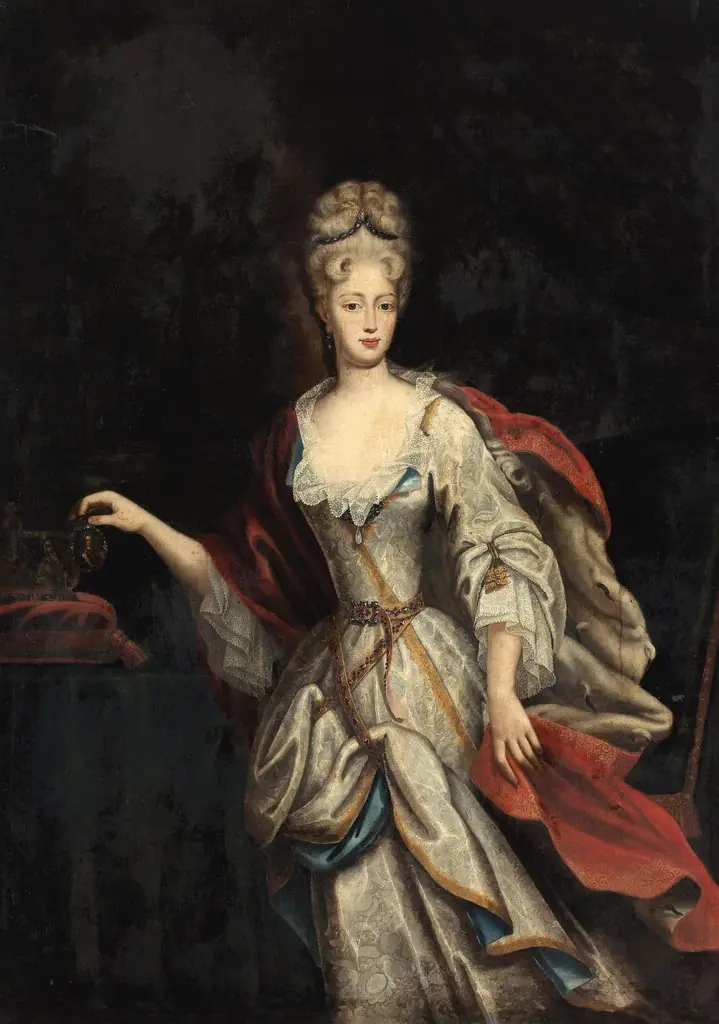 Bildnis einer Fürstin
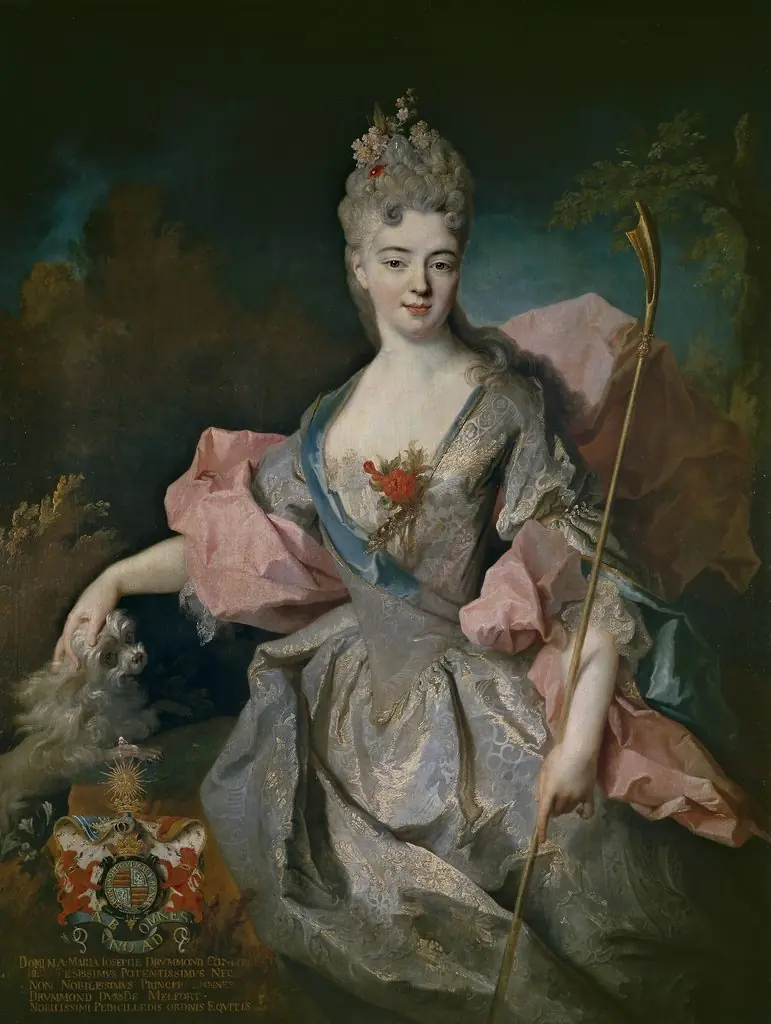 Lady Mary Josephine Drummond, Countess of Castelblanco