Artwork
Portrait of a Procurator [verso]
![Portrait of a Procurator [verso], by Alessandro Longhi, chalk, 1773](https://artifactworldgallery.com/img/alessandro-longhi--portrait-of-a-procurator-verso--b1f9a8462c76ecbe-w1024.webp)
Portrait of a Procurator [verso] is a chalk drawing by the Baroque artist Alessandro Longhi. It dates from 1773 and is held in the collection of the National Gallery of Art.
About this work
Overview
Created in 1773 by Alessandro Longhi, this drawing depicts a Venetian procurator in formal attire, rendered in black chalk with white highlights on gray paper.
Created in 1773 by Alessandro Longhi, this drawing depicts a Venetian procurator in formal attire, rendered in black chalk with white highlights on gray paper. Longhi, primarily known for oil portraits of the Venetian elite, turned to drawing to capture the dignity and presence of civic officials. The medium’s subtlety allowed for nuanced modeling of light and texture, aligning with the refined observational habits of 18th-century Venetian draftsmen.
Subject & Meaning
The figure is identified as a procurator, a high-ranking official in the Venetian Republic responsible for administrative and financial duties. His attire—tricorn hat, high-collared coat, and hand tucked into his waistcoat—signals status and restraint. The direct gaze and composed posture convey authority without ostentation, reflecting the values of Venetian governance: dignity, discretion, and institutional continuity.
Technique & Style
Longhi employed black chalk for strong contours and shadow, lifting highlights with white pigment to define the folds of fabric and the planes of the face. The gray paper served as a midtone base, enabling a three-dimensional effect with minimal strokes. This method echoes Rembrandt’s tonal studies, adapted to the quieter, more restrained aesthetic of Venetian portraiture, emphasizing texture and presence over dramatic flair.
History & Provenance
The drawing was made during Longhi’s active period in Venice, when he documented members of the city’s ruling class. It likely served as a preparatory study for a larger portrait or as an independent record of a public figure. Its survival suggests it was valued within Longhi’s circle, possibly retained by the subject’s family or an institution connected to Venetian governance.
Context
In late 18th-century Venice, portraiture remained a tool for affirming civic identity amid the Republic’s declining political power. Longhi’s drawings of procurators and patricians preserved the visual language of authority, drawing from earlier traditions established by Bombelli and others. The genre’s persistence reflects a cultural effort to sustain the image of Venetian nobility even as its real influence waned.
Legacy
Longhi’s drawings, including this one, represent a quiet but significant branch of Venetian art that prioritized psychological presence over grandeur. Though overshadowed by his painted portraits, these chalk studies influenced later draftsmen interested in the interplay of light, fabric, and character. They remain key examples of how portraiture functioned as both record and ritual in a fading republic.
Artist & collection
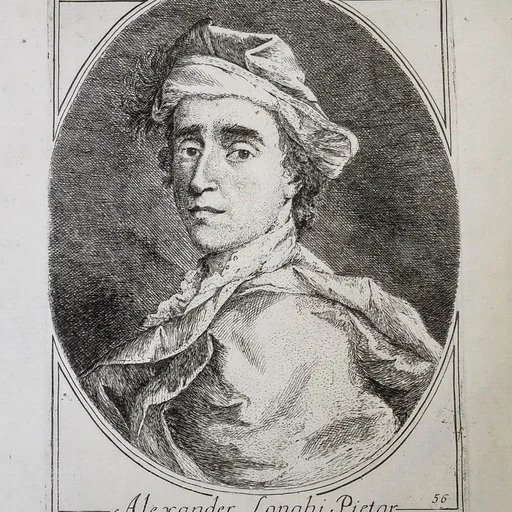
Artist
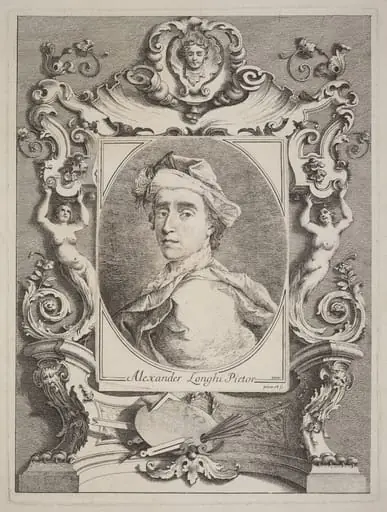
Alessandro Longhi (12 June 1733 – 8 November 1813) was a Venetian portrait painter and printmaker in etching (mostly reproductions of paintings).

![A Venetian Procurator of San Marco [recto], by Pietro Longhi](https://artifactworldgallery.com/img/pietro-longhi--a-venetian-procurator-of-san-marco-recto--2c48af9001688196-w320.webp) A Venetian Procurator of San Marco [recto]
A Venetian Procurator of San Marco [recto]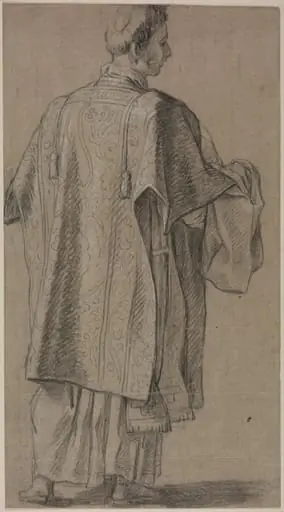 Ecclesiastic Seen from Behind
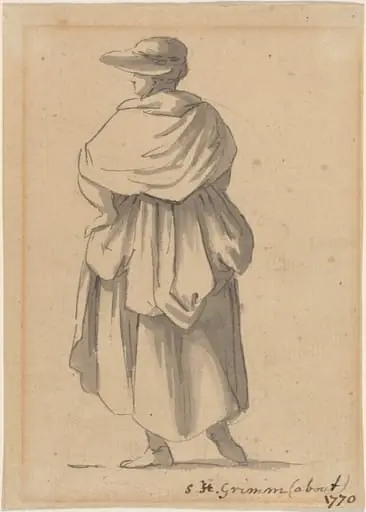 A Peasant Woman
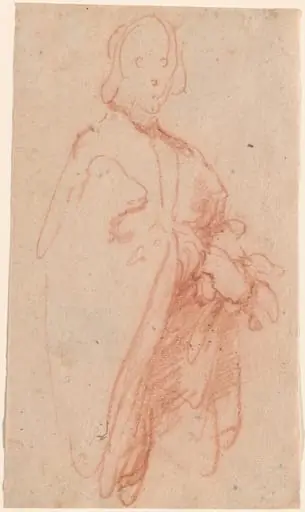 A Standing Man with Cloak and Gloves
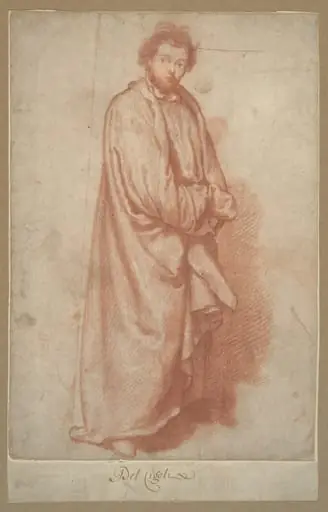 A Standing Bearded Man
![Figure of a Man [recto], by Ventura Salimbeni](https://artifactworldgallery.com/img/ventura-salimbeni--figure-of-a-man-recto--31a0299707350915-w320.webp) Figure of a Man [recto]
Figure of a Man [recto]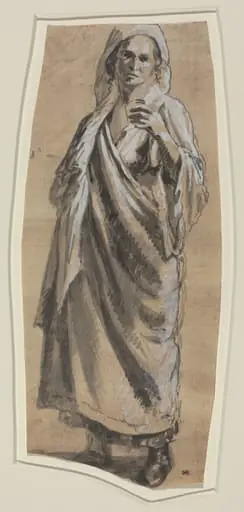 Study of a Standing Woman
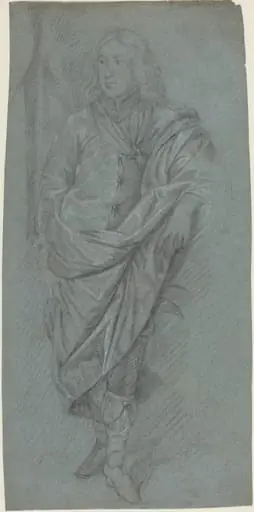 Young Englishman (Lord John Stuart?)
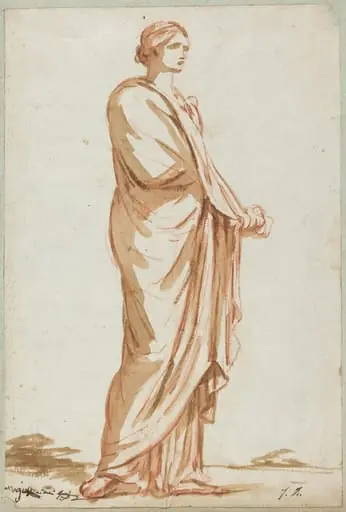 Roman Statue of a Standing Woman
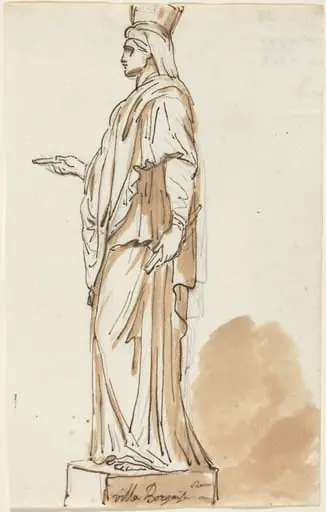 The Borghese Cybele
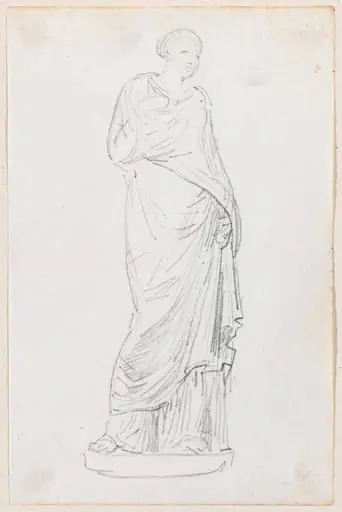 Statue of a Female in a Toga
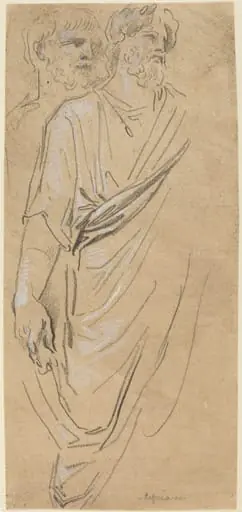 Studies of a Classical Figure