Artwork
Brutal Interrogation (Torture Scene)
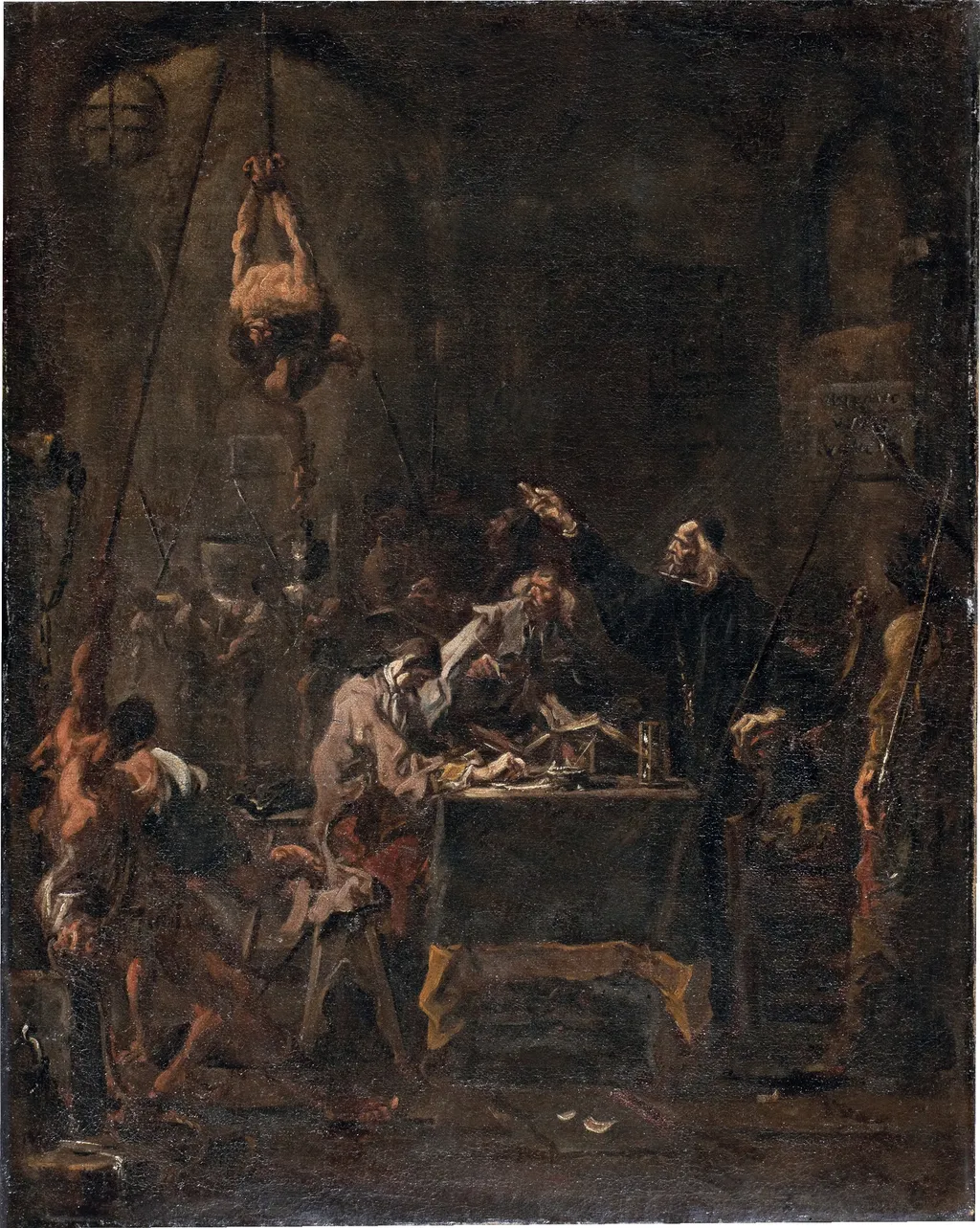
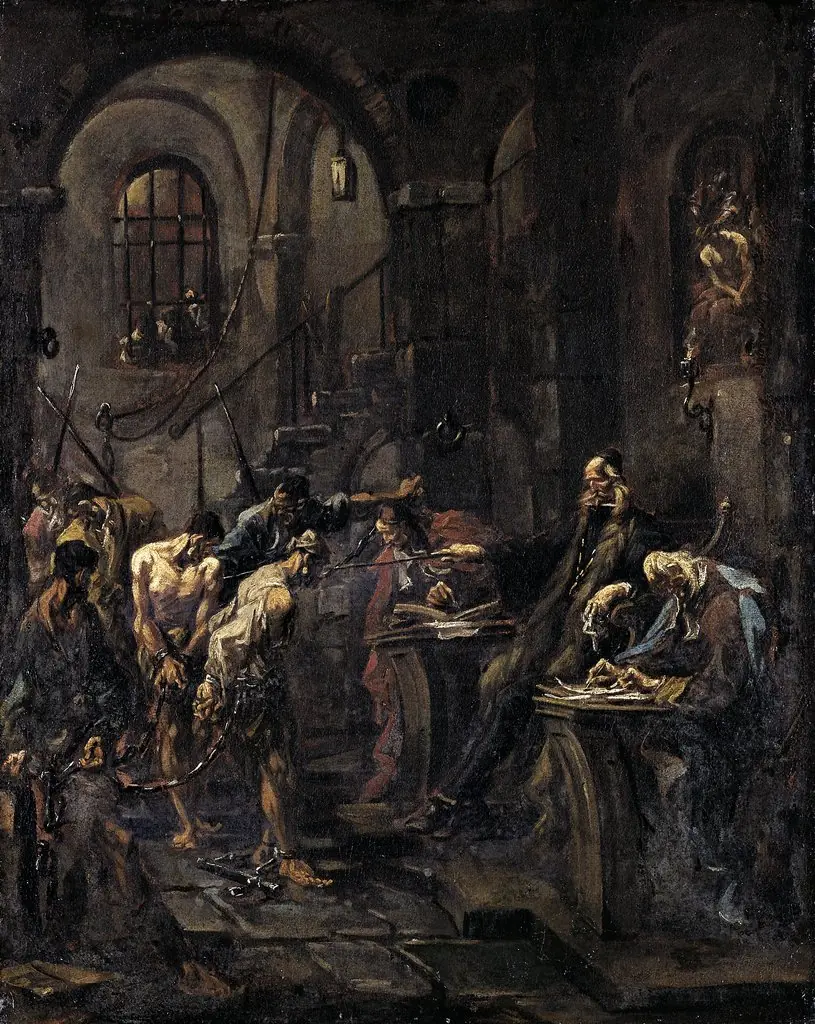
Brutal Interrogation (Torture Scene) is an unspecified painting by the Rococo painting artist Alessandro Magnasco. It dates from 1728 and is held in the collection of the Städel Museum.
About this work
Overview
Painted in 1728 by Alessandro Magnasco, this work captures a moment of violent coercion in a dimly lit interior. Magnasco, active in northern Italy, favored unsettling, theatrical scenes over conventional narratives. The painting’s agitated composition and stark lighting reflect his departure from Rococo elegance, instead embracing a raw, almost surreal intensity that unsettles the viewer.
Subject & Meaning
The scene depicts an interrogation in progress, with figures clustered around a table where an unseen act of suffering occurs.
The scene depicts an interrogation in progress, with figures clustered around a table where an unseen act of suffering occurs. Some participants lean in with grim focus; others loom in the shadows, their roles ambiguous. The absence of clear narrative cues—no identifiable victim or instrument of torture—heightens the sense of generalized brutality, suggesting systemic cruelty rather than a specific event.
Technique & Style
Magnasco employed rapid, fragmented brushwork to dissolve forms into a haze of shadow and light. Figures emerge and recede through sharp tonal contrasts, their edges blurred as if caught in motion or memory. The palette is restrained—ochres, blacks, and muted browns—enhancing the oppressive atmosphere. His technique prioritizes emotional resonance over anatomical precision, creating a dreamlike unease.
History & Provenance
The painting entered the Städel Museum’s collection in the 19th century, having passed through private hands in Italy before its acquisition. Its survival through centuries of shifting tastes speaks to its enduring strangeness. Unlike Magnasco’s more decorative works, this piece was never widely reproduced, remaining a quiet but potent outlier in his oeuvre.
Context
Created during the waning years of the Baroque, the painting resists the period’s ornamental tendencies. While contemporaries pursued grace and harmony, Magnasco turned to marginalized subjects—prisoners, beggars, interrogators—rendered with psychological unease. His work reflects a darker current in Italian art, one attuned to social decay and the fragility of human dignity.
Legacy
Magnasco’s influence extended to later artists drawn to psychological tension and expressive distortion, including 19th-century realists and early modernists. Though never central to mainstream art history, this painting endures as a testament to his singular vision: a world where power is arbitrary, violence mundane, and light reveals only fragments of truth.
Artist & collection
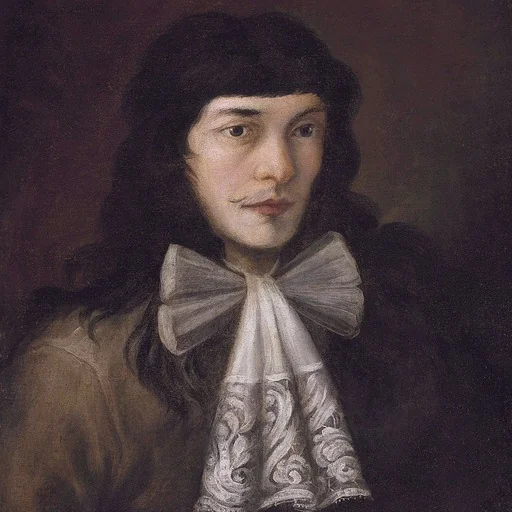
Artist
Alessandro Magnasco (February 4, 1667 – March 12, 1749), also known as il Lissandrino, was an Italian late-Baroque painter active mostly in Milan and Genoa.

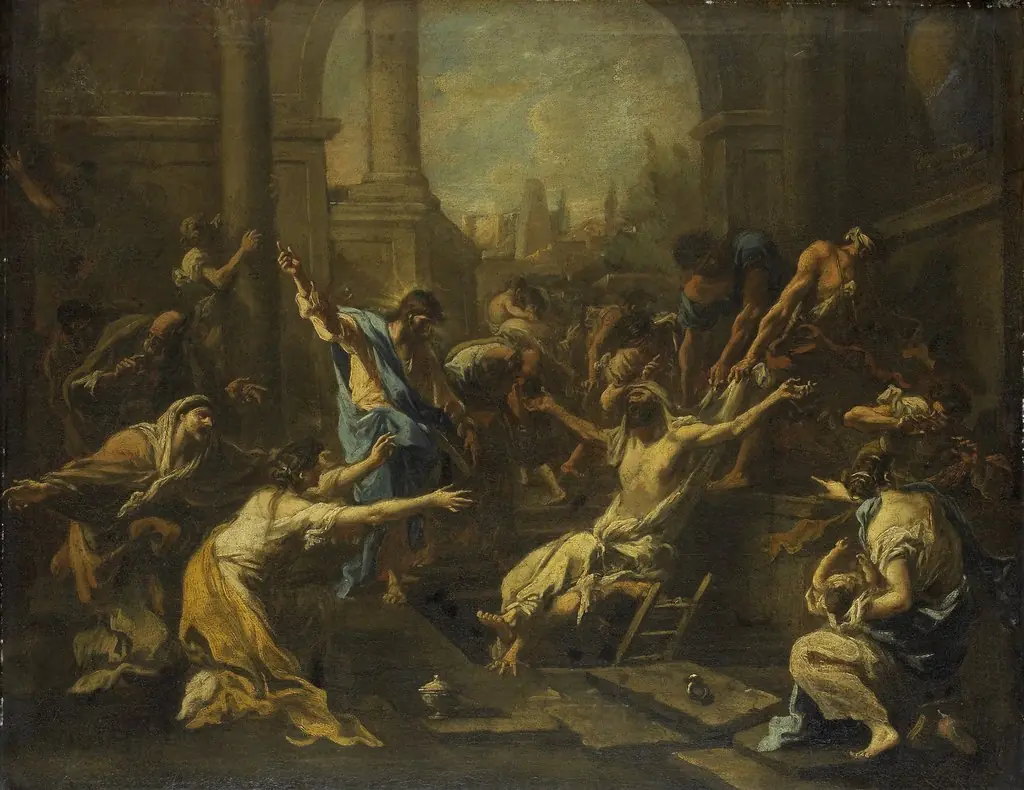
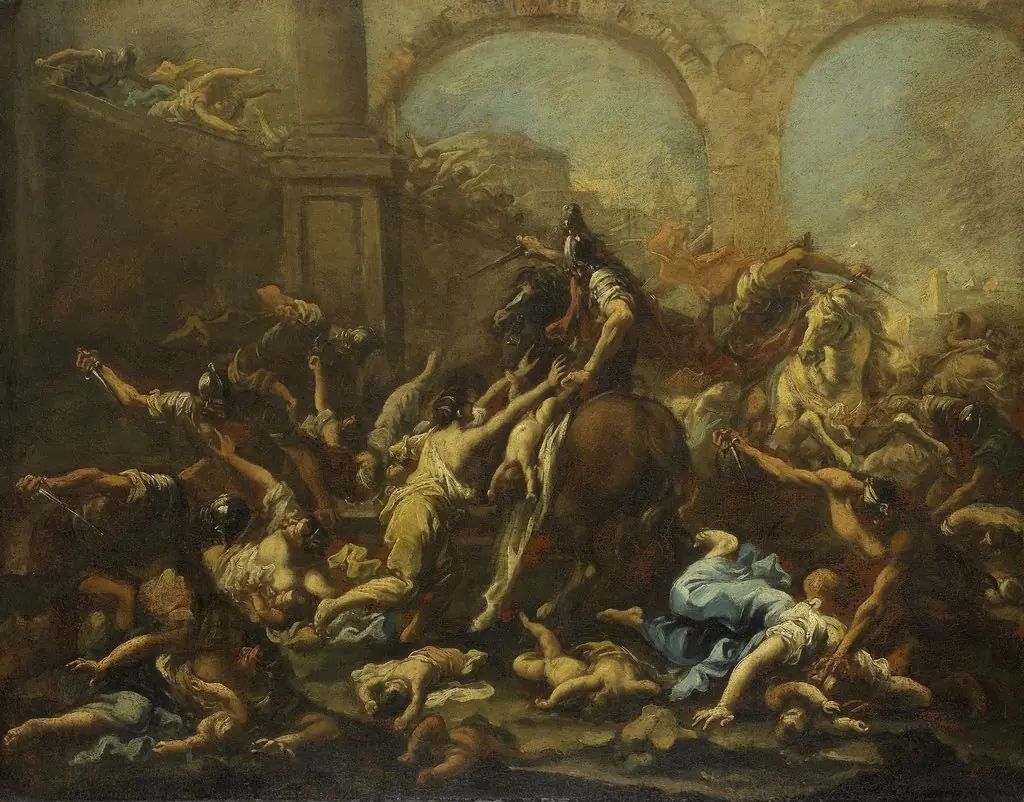
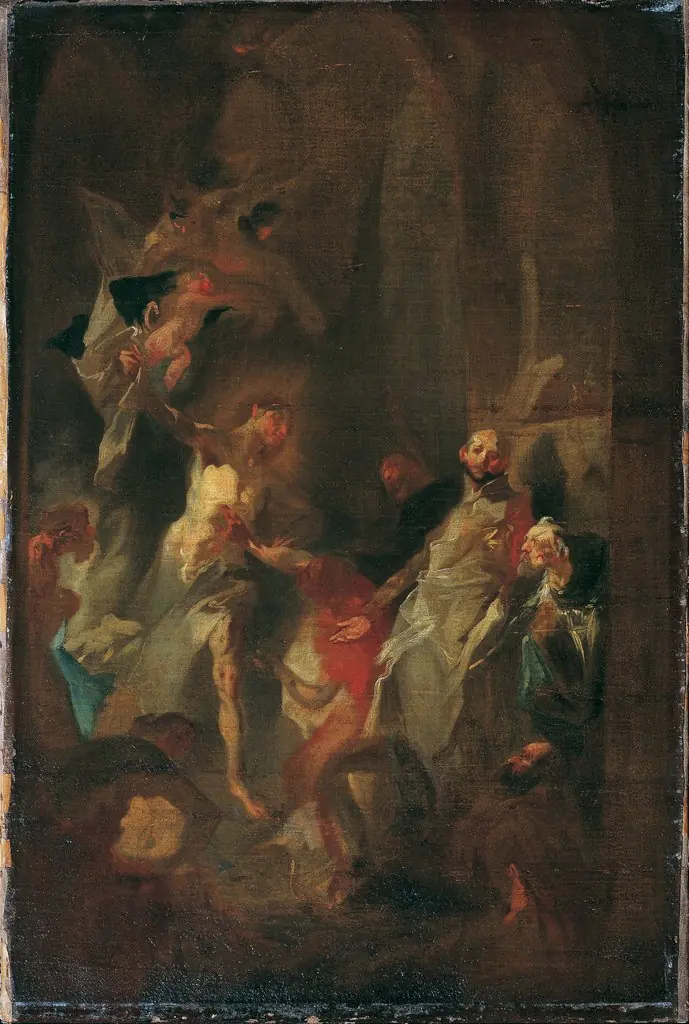 Christ Appears to St. Thomas
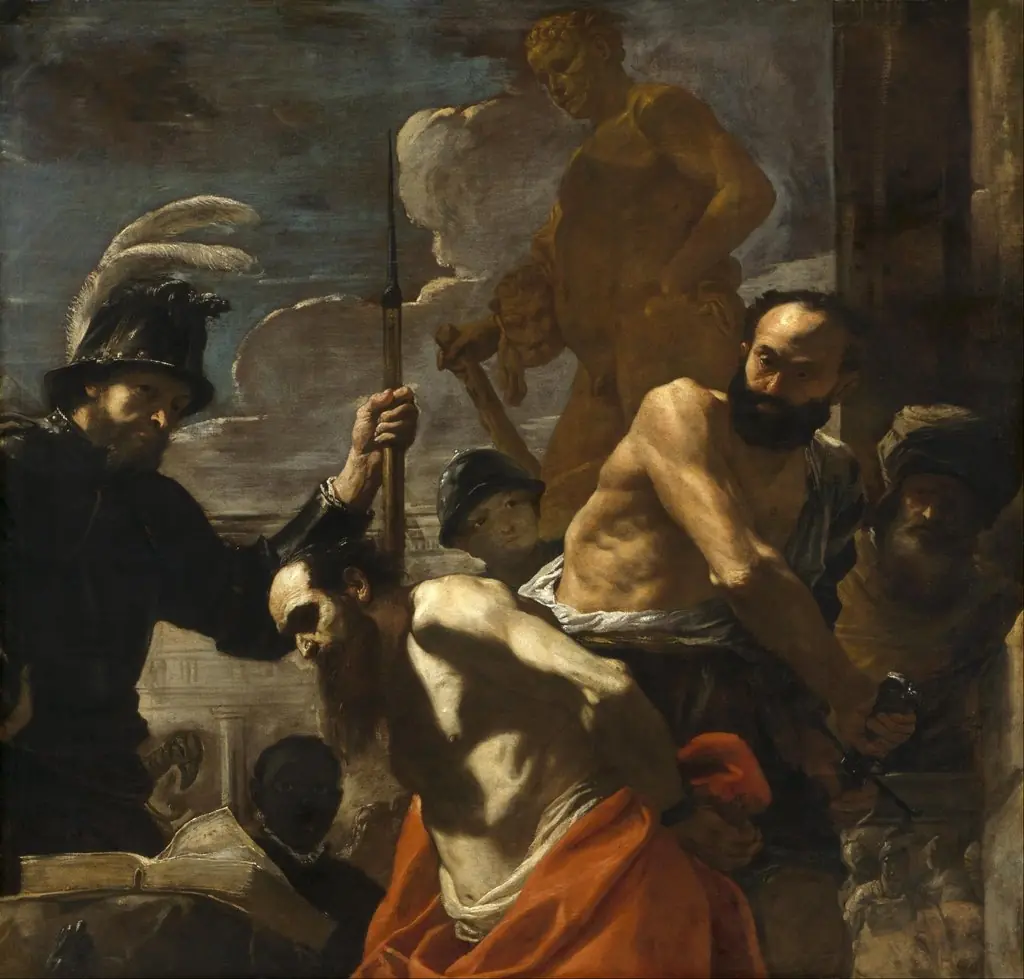 The Martyrdom of Saint Paul
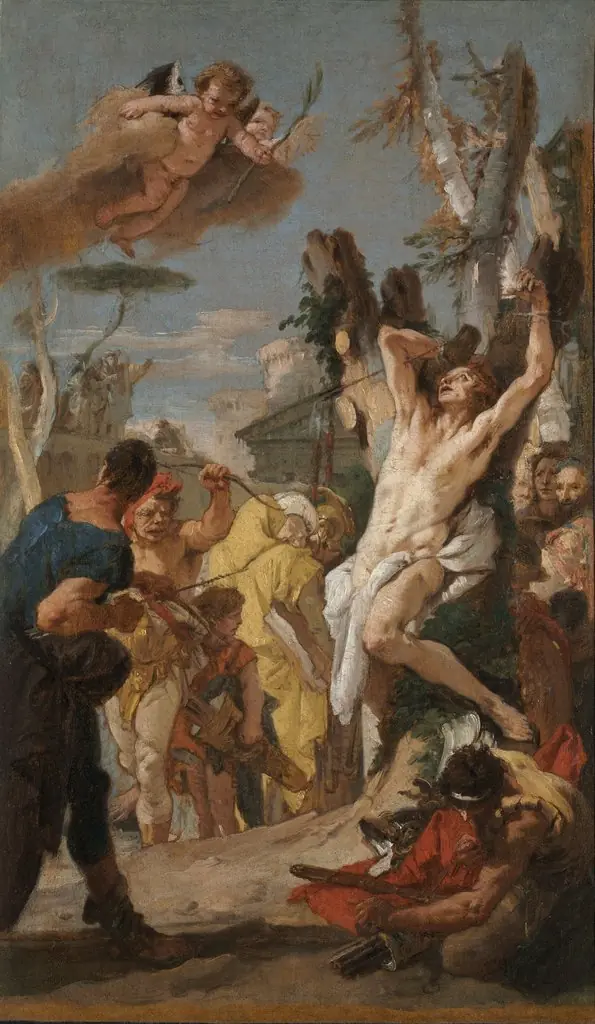 Study for "The Martyrdom of Saint Sebastian" (for the Augustinian monastery at Diessen, Germany)
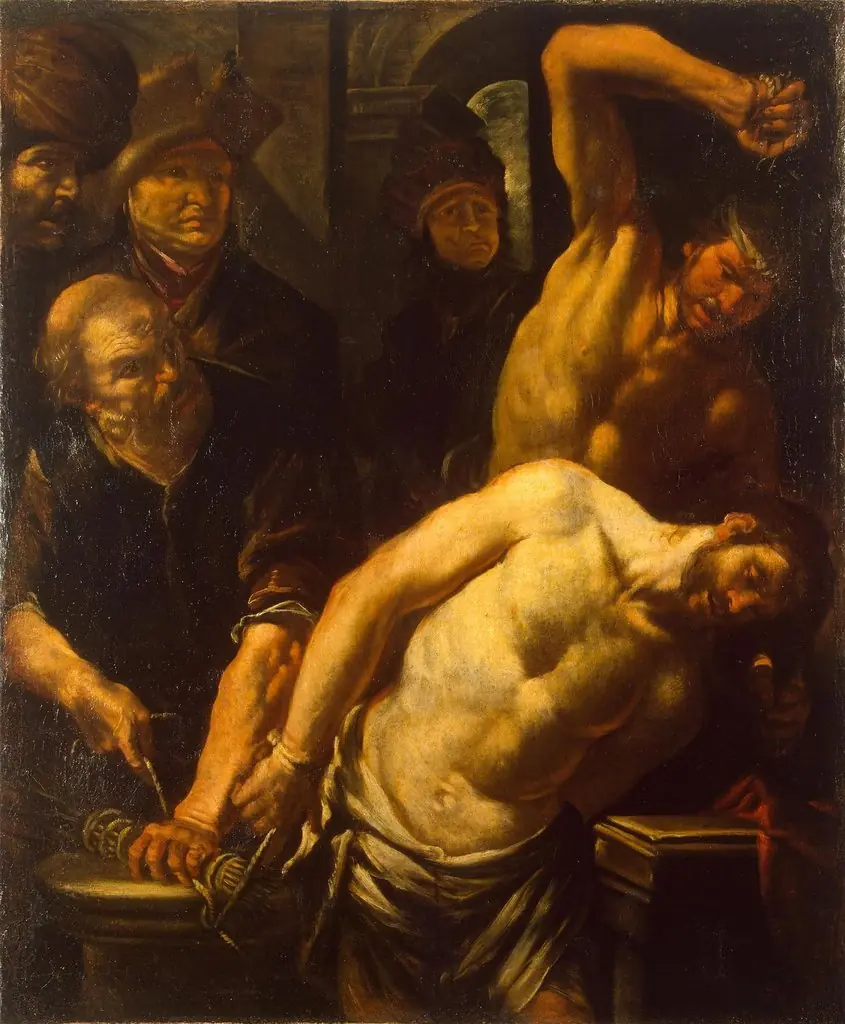 Mocking of Christ
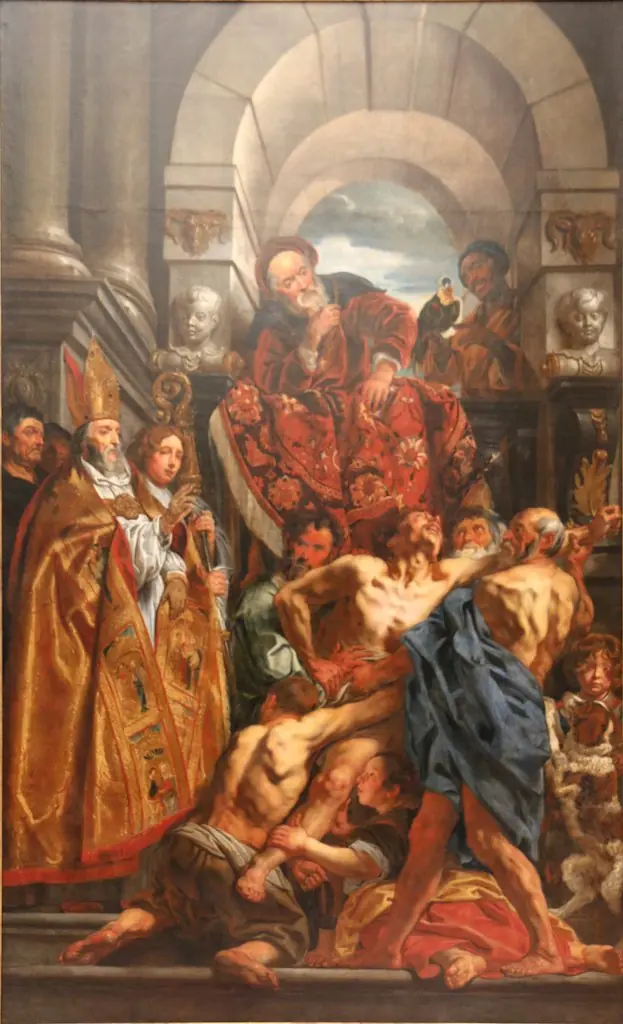 De heilige Martinus geneest een bezetene
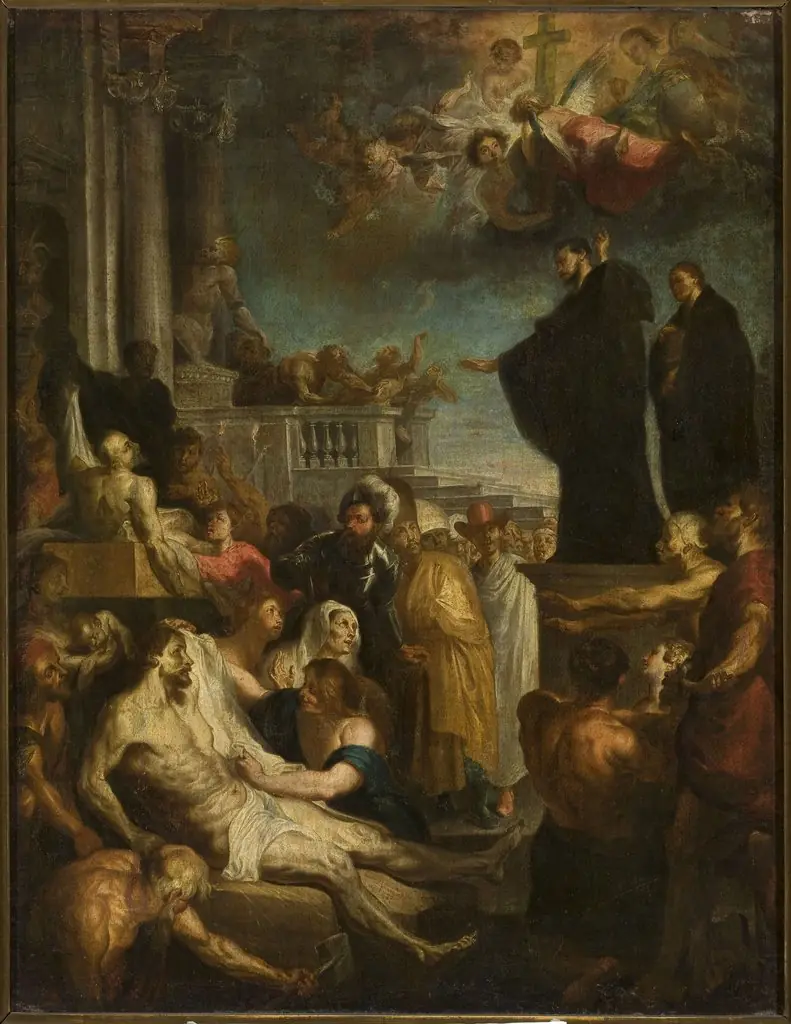 Two saints preaching
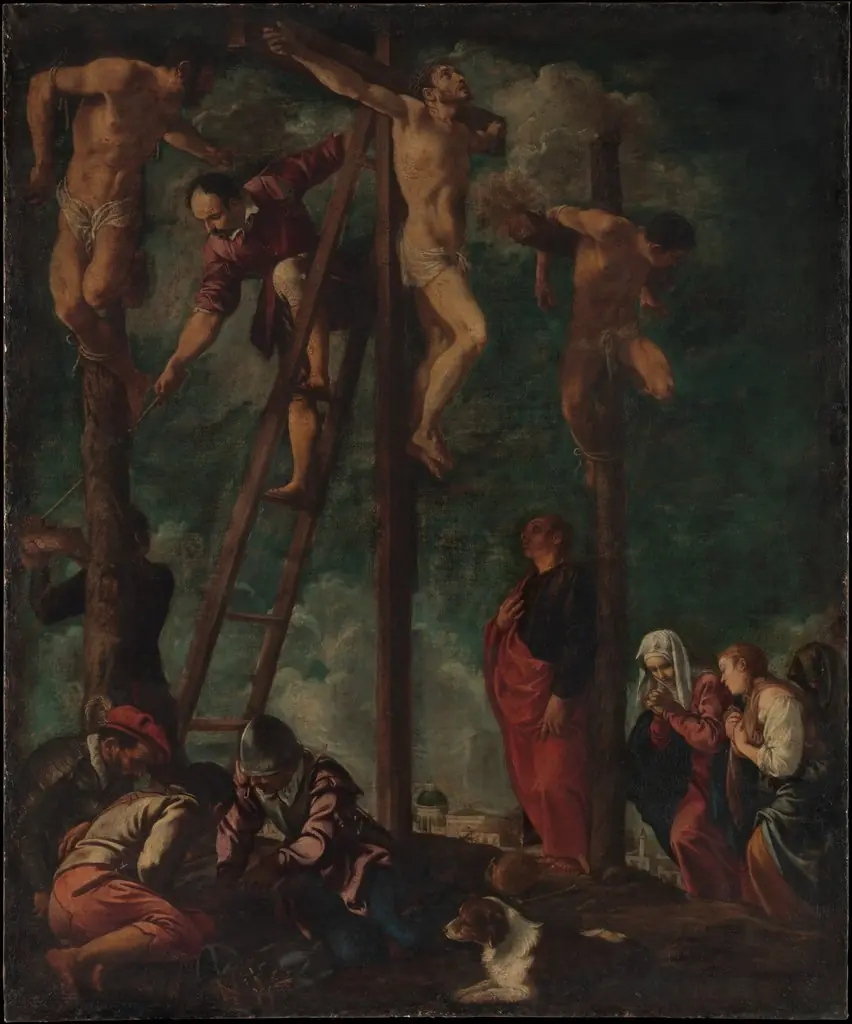 The Crucifixion
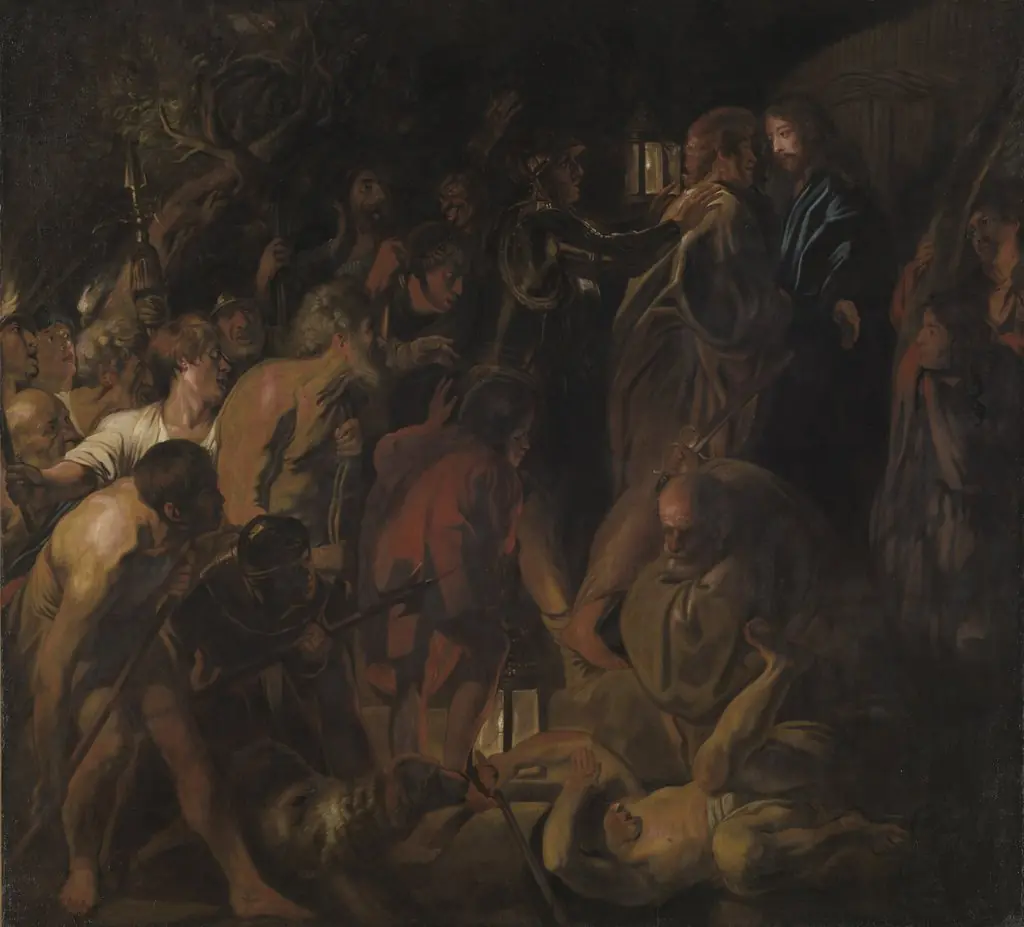 The Betrayal of Christ
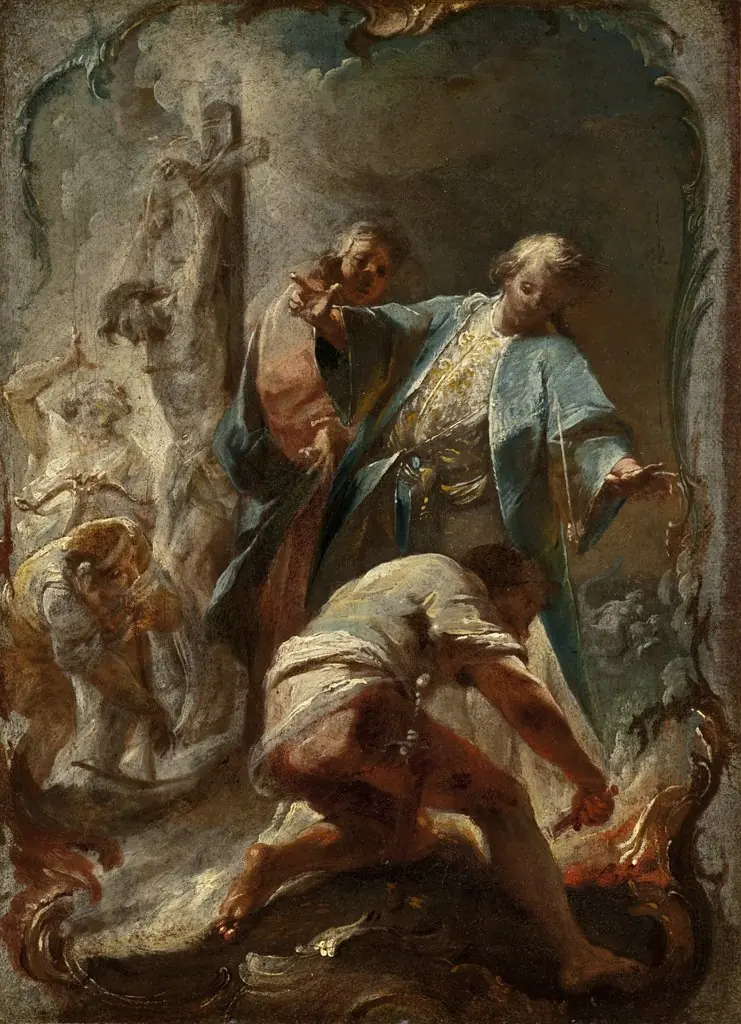 Scenes from the Life of Saint Arianus
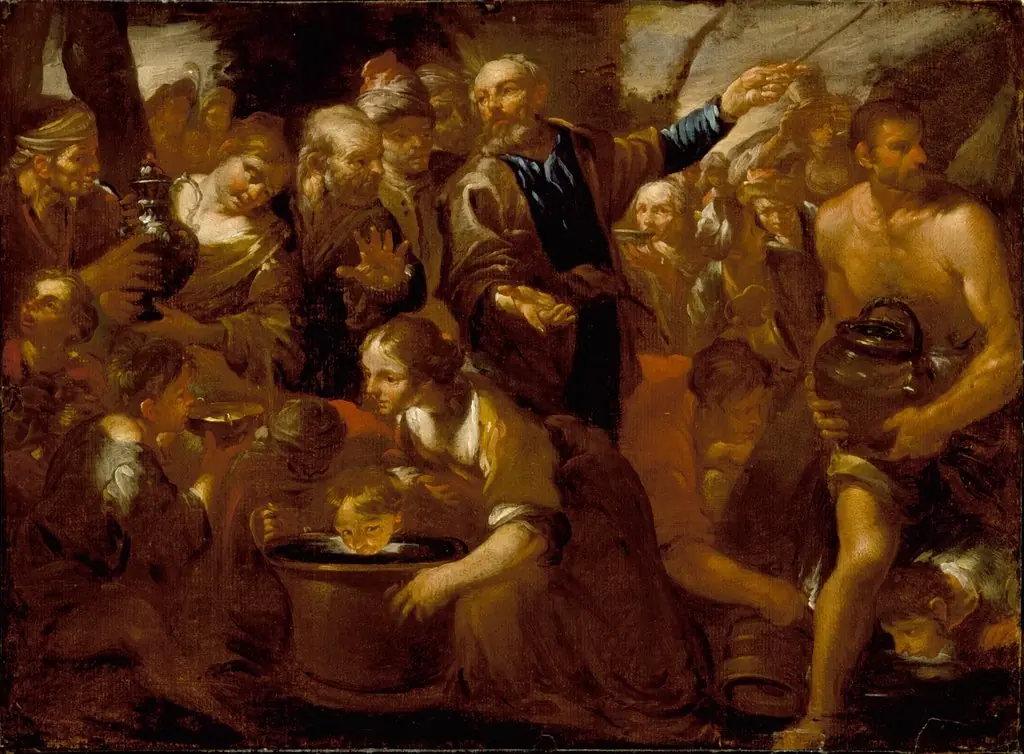 Moses Striking the Rock
 Brutal Interrogation (Torture Scene)