Artwork
Venus and Cupid
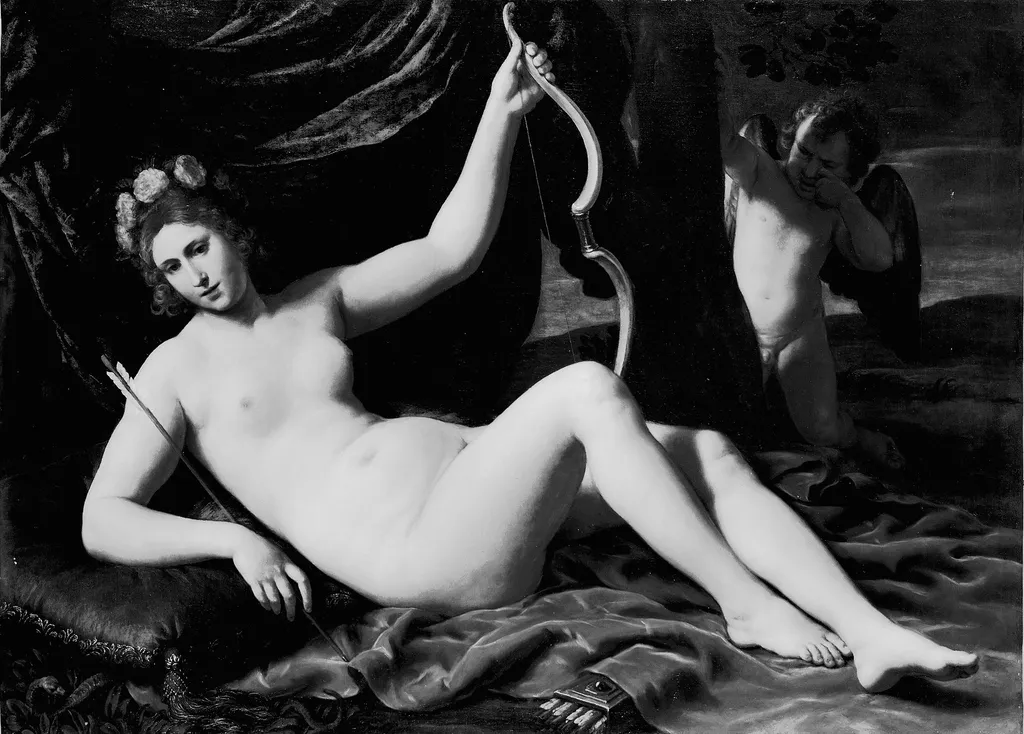
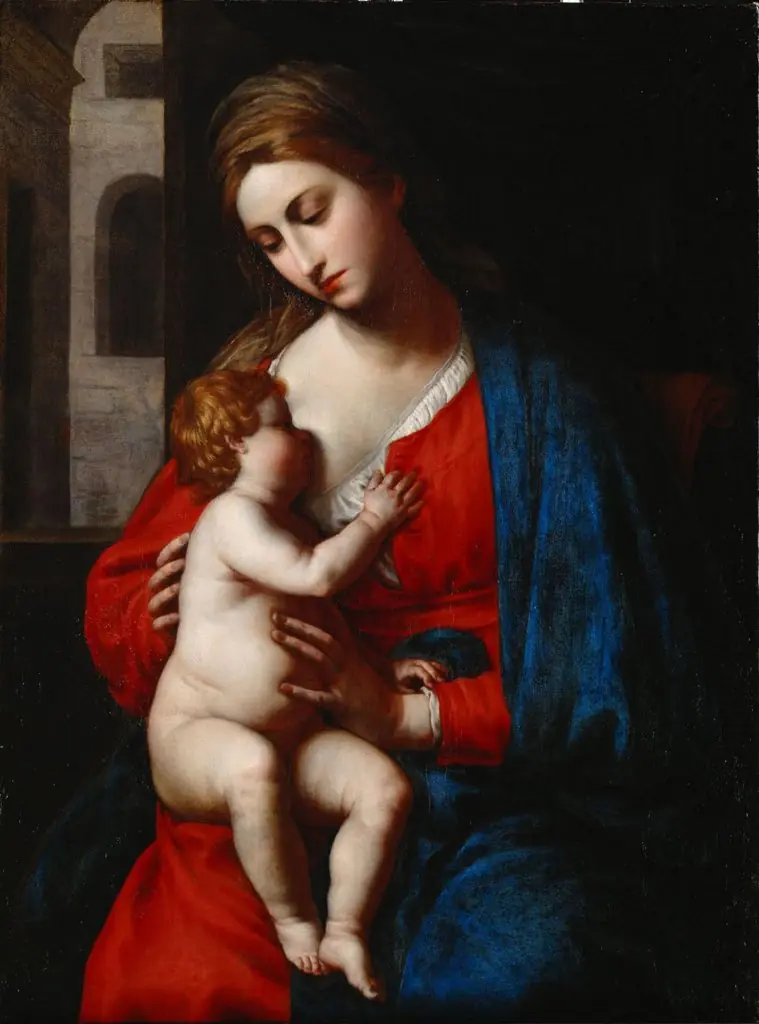
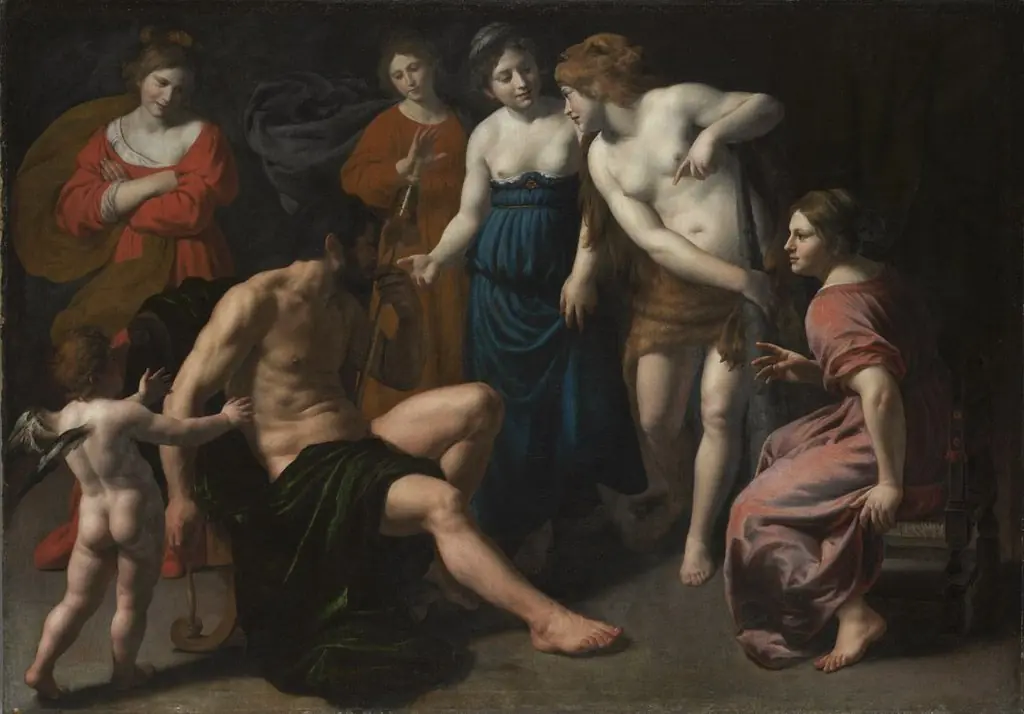
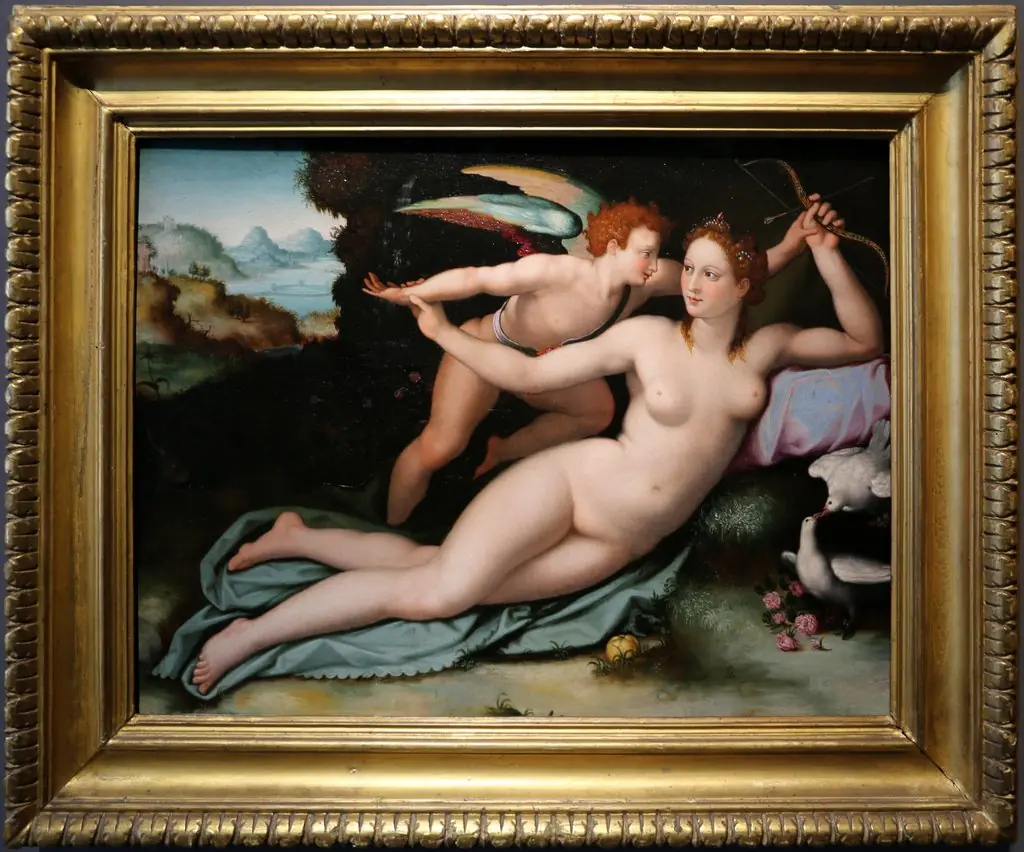
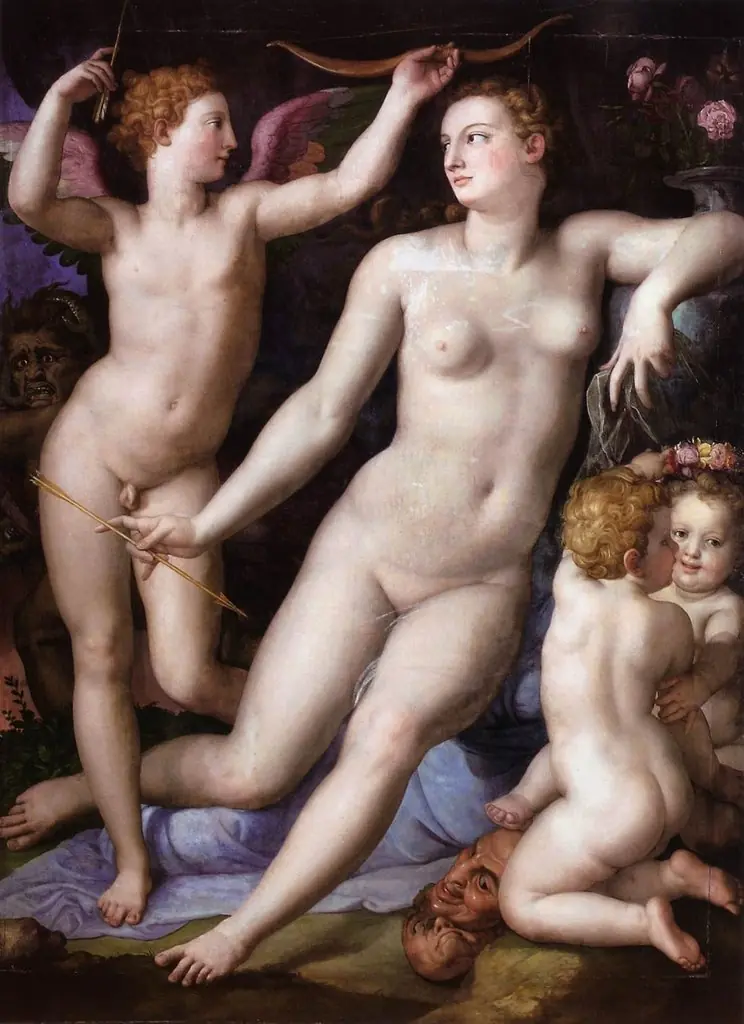
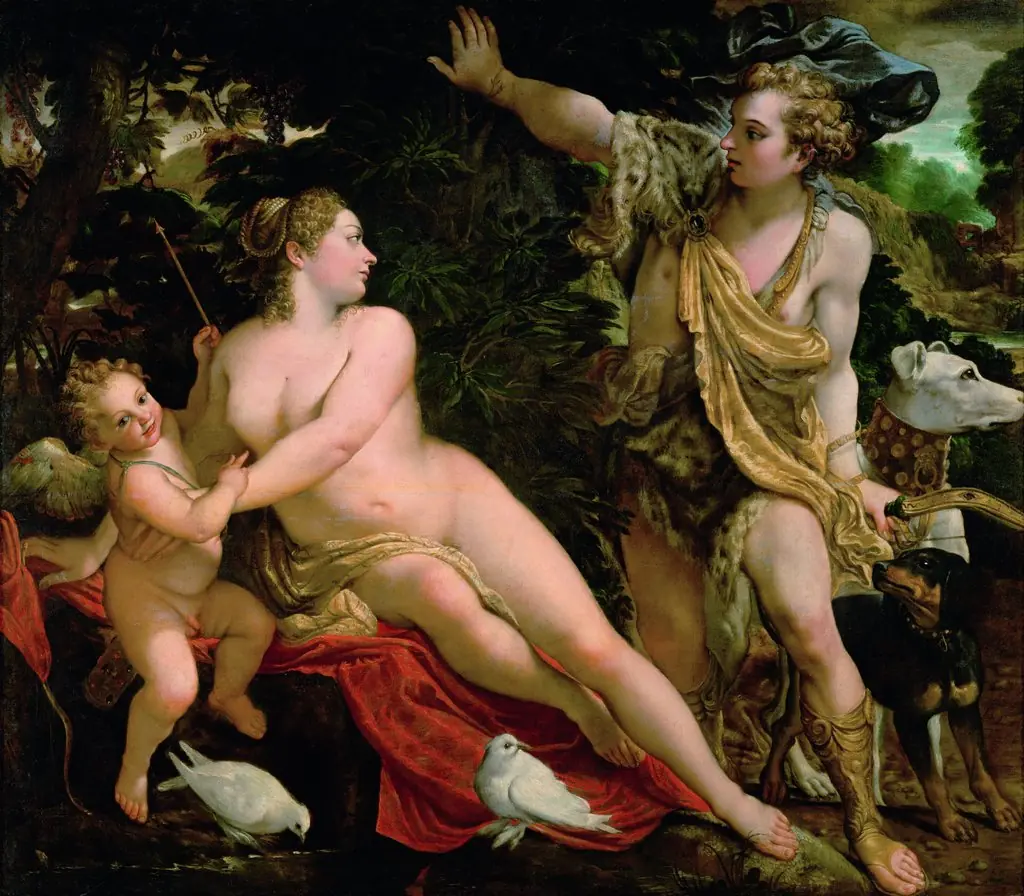
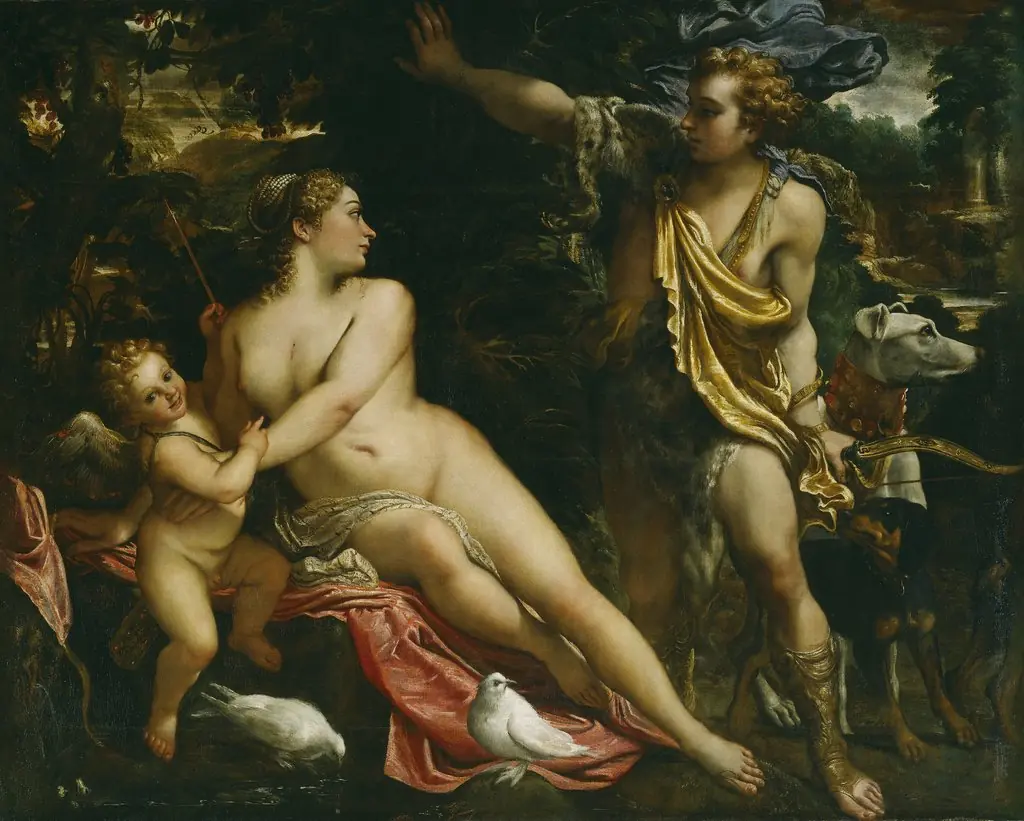
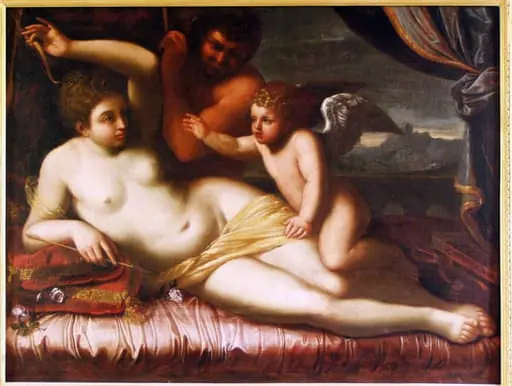
Venus and Cupid is an oil painting by the Early Baroque Italian artist Alessandro Turchi. It dates from 1630 and is held in the collection of the Art Institute of Chicago.
About this work
Overview
Venus and Cupid is a 1630 oil painting by Alessandro Turchi, an early Baroque Italian artist. The work features the Roman goddess Venus and her son Cupid in a mythological scene, characteristic of the Baroque genre. It is part of the Art Institute of Chicago's collection.
Subject & Meaning
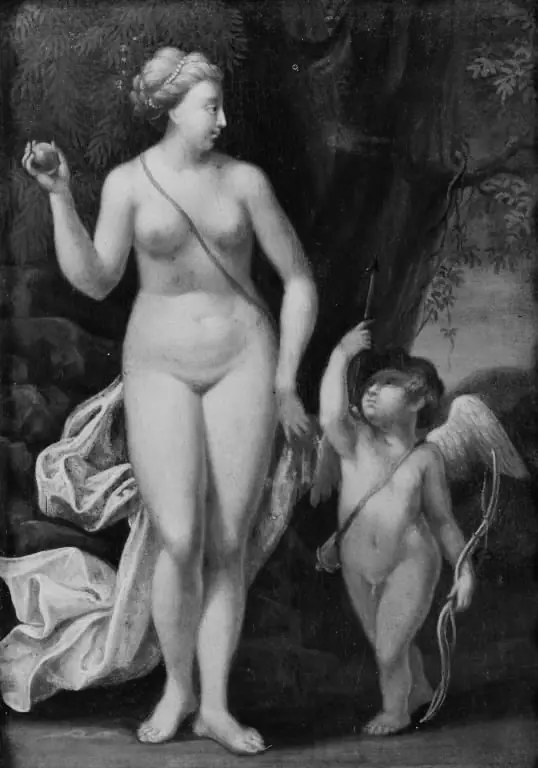
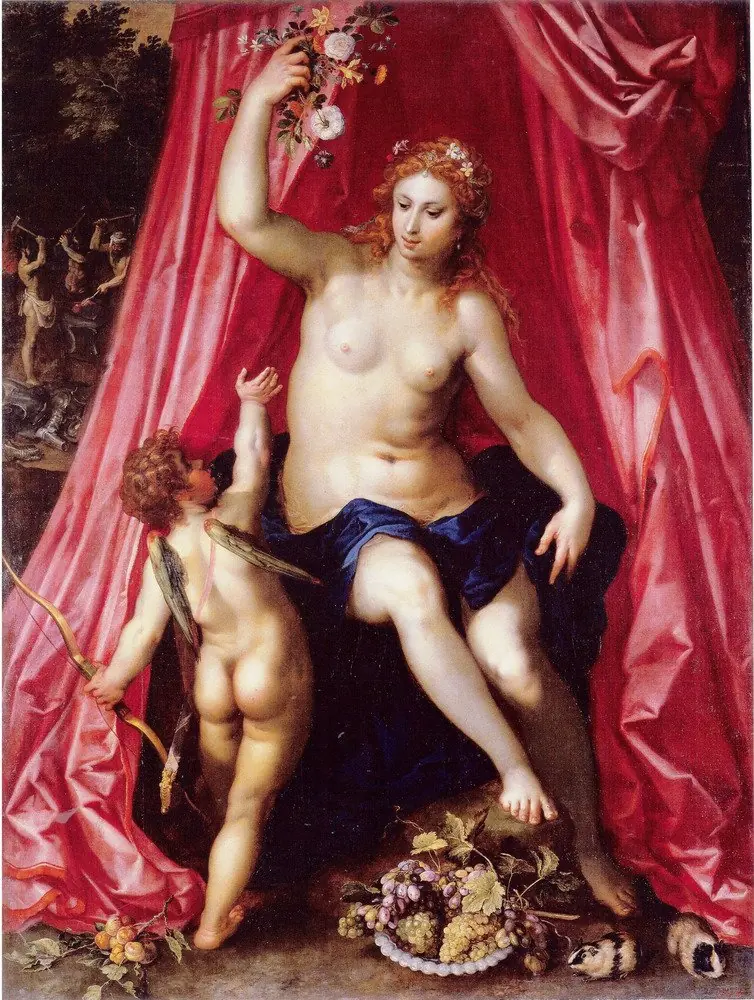
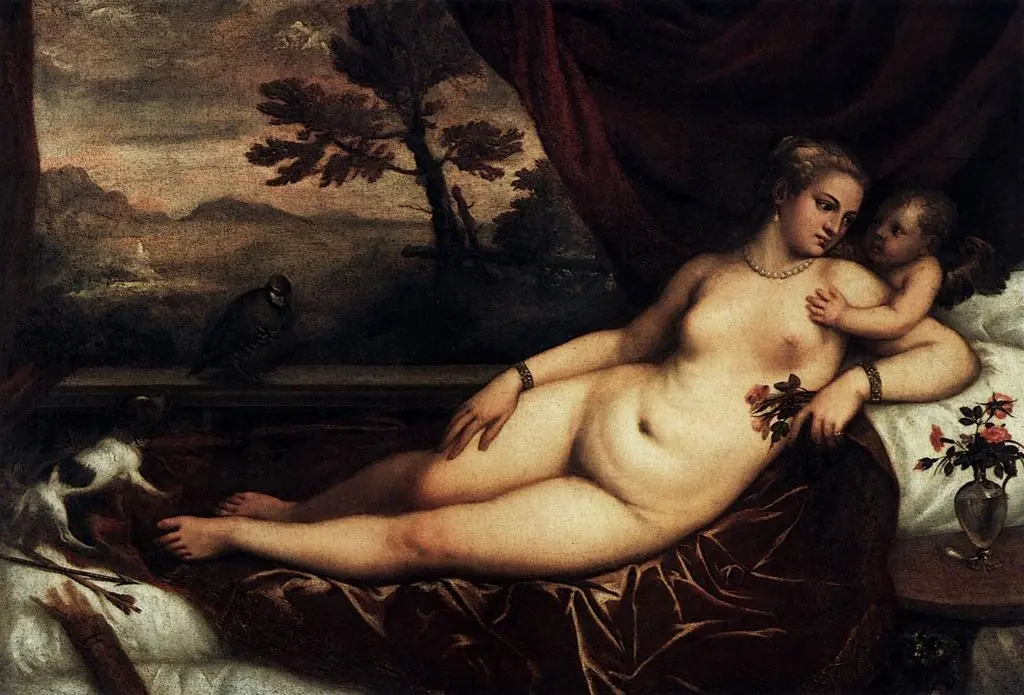
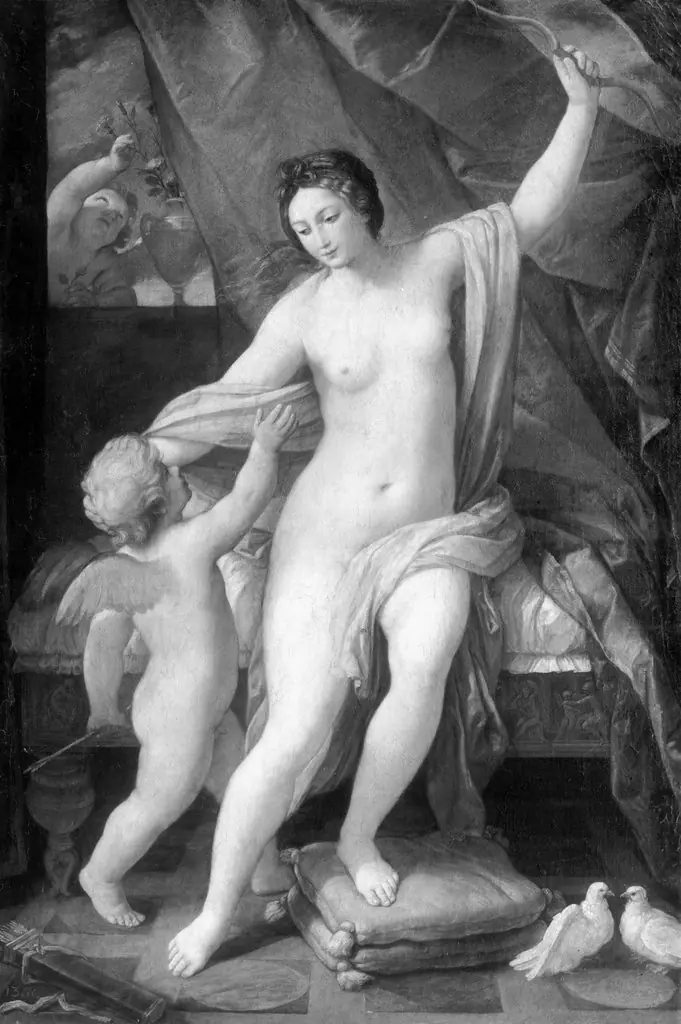
The painting depicts Venus in a relaxed pose on a rocky shore, holding a bow and arrow, with Cupid standing behind her, turned away. The scene draws from Roman mythology, a popular theme in Baroque art, exploring the relationship between the goddess of love and her son.
Technique & Style
Turchi employed chiaroscuro to create dramatic contrast, with soft, glowing light illuminating Venus's smooth skin and curves against the dark, textured rocky background. This style blends Turchi's signature softness with the dramatic lighting typical of Caravaggesque influences.
History & Provenance
Created in 1630, the painting is part of Turchi's output during his time in Rome, where he worked from his move there until his death in 1649. It is now held in the collection of the Art Institute of Chicago.
Context
Venus and Cupid reflects the Baroque era's fascination with classical mythology and the use of chiaroscuro for emotional depth. Turchi's work in Rome was influenced by Caravaggisti styles, yet maintained his distinctive softer approach.
Legacy
As part of the Art Institute of Chicago's collection, Venus and Cupid contributes to the institution's representation of early Baroque art, showcasing Turchi's contribution to the period's mythological and stylistic themes.
Own this work as a print
Artist & collection

Artist
Alessandro Turchi (1578 – 22 January 1649) was an Italian painter of the early Baroque, born and active mainly in Verona, and moving late in life to Rome.