Artwork
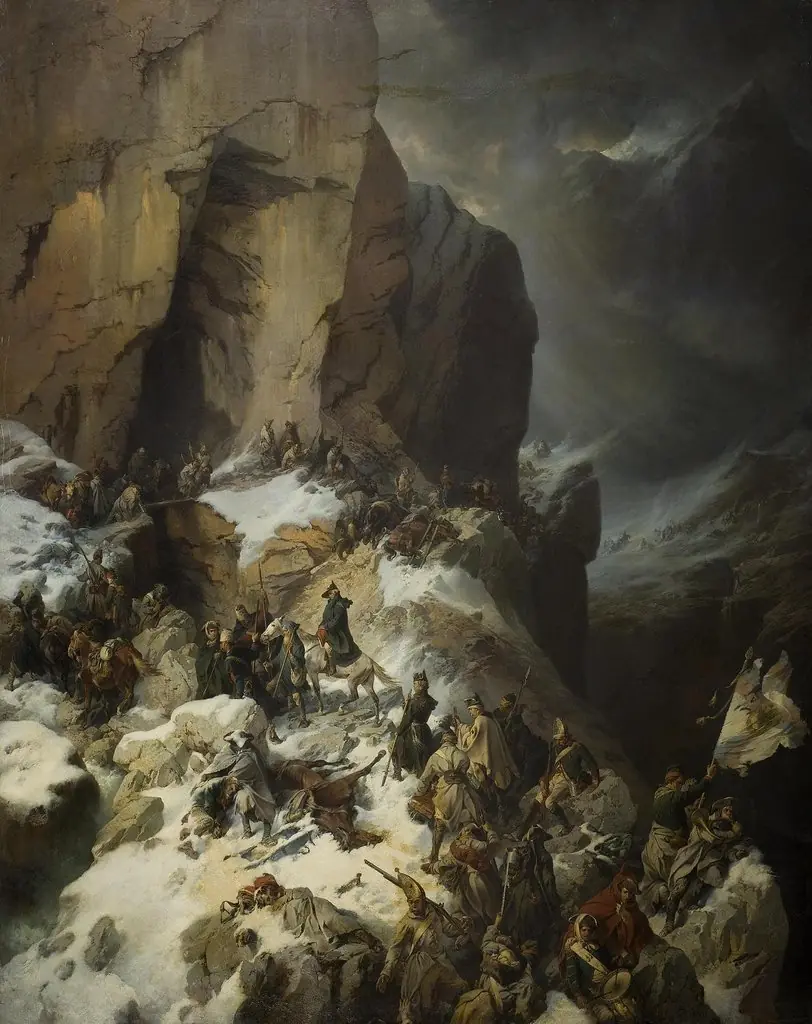
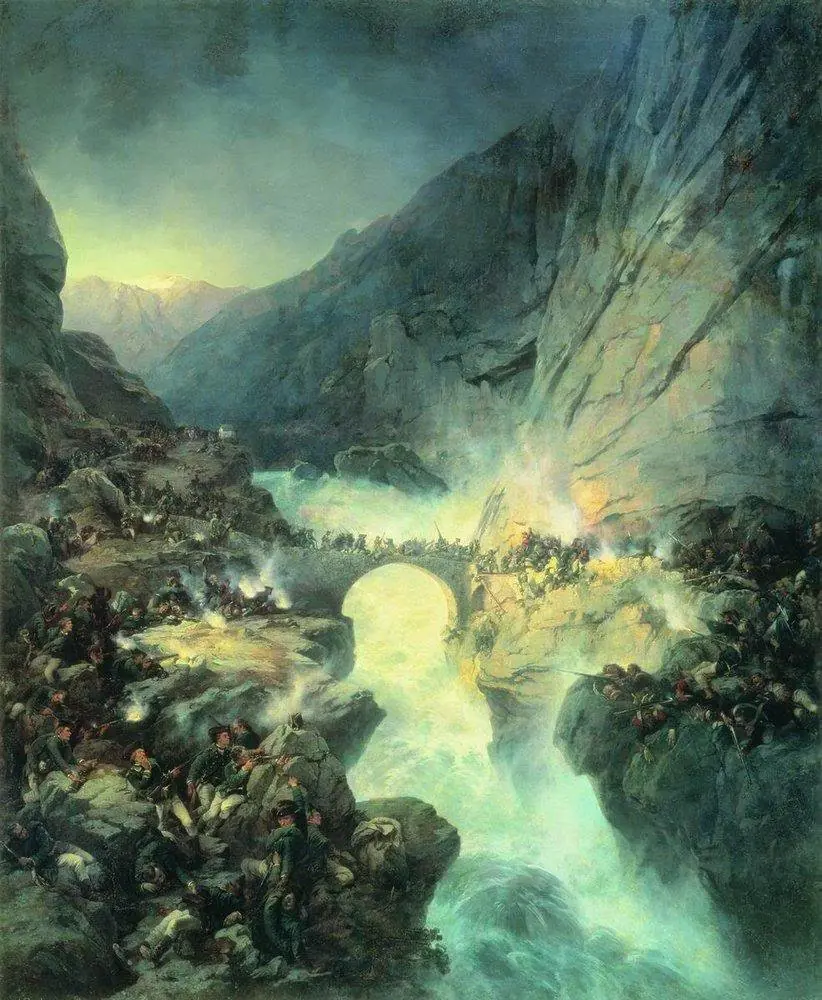
Suvorov Crossing St Gotthard Pass on 13 September 1799
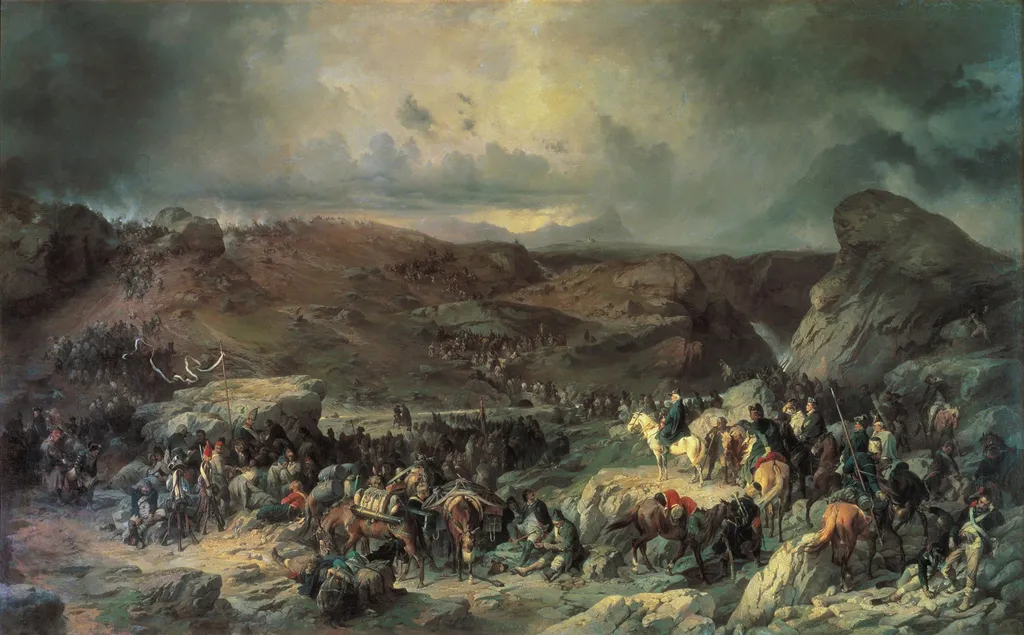
Suvorov Crossing St Gotthard Pass on 13 September 1799 is an oil painting by the Realist artist Alexander von Kotzebue. It dates from 1862 and is held in the collection of the Hermitage Museum.
About this work
Overview
Suvorov Crossing St Gotthard Pass on 13 September 1799 is an oil painting created by German Romantic artist Alexander von Kotzebue around 1862. It captures a pivotal moment from the French Revolutionary Wars.
Subject & Meaning
The painting commemorates Russian Generalissimo Alexander Suvorov's strategic maneuver of leading his troops across the treacherous St Gotthard Pass on the specified date, highlighting military leadership and historical significance.
Technique & Style
Executed in oil paint, the work aligns with Realist tendencies, emphasizing factual representation over romantic exaggeration, though created by an artist associated with Romanticism.
History & Provenance
Completed circa 1862, the painting is part of the State Hermitage Museum's collection, indicating its recognized historical and artistic value.
Context
The painting reflects 19th-century interest in commemorating military history through art, blending the artist's Romantic background with the realism of the subject's depiction.
Legacy
As a historical piece, its legacy lies in documenting a crucial military event for posterity, preserved within a major museum collection.
Own this work as a print
Artist & collection
Artist
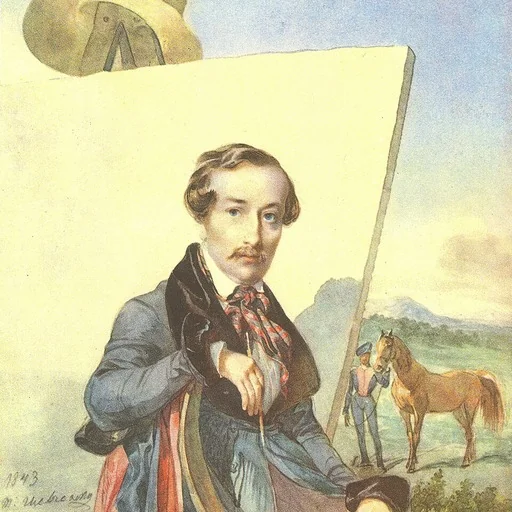
Alexander Friedrich Wilhelm Franz von Kotzebue or Alexander Yevstafiyevich Kotzebue (Russian: Александр Евстафиевич Коцебу, romanized: Aleksandr Yevstafiyevich Kotsebu; 9 June 1815 – 24 August 1889) was a German…

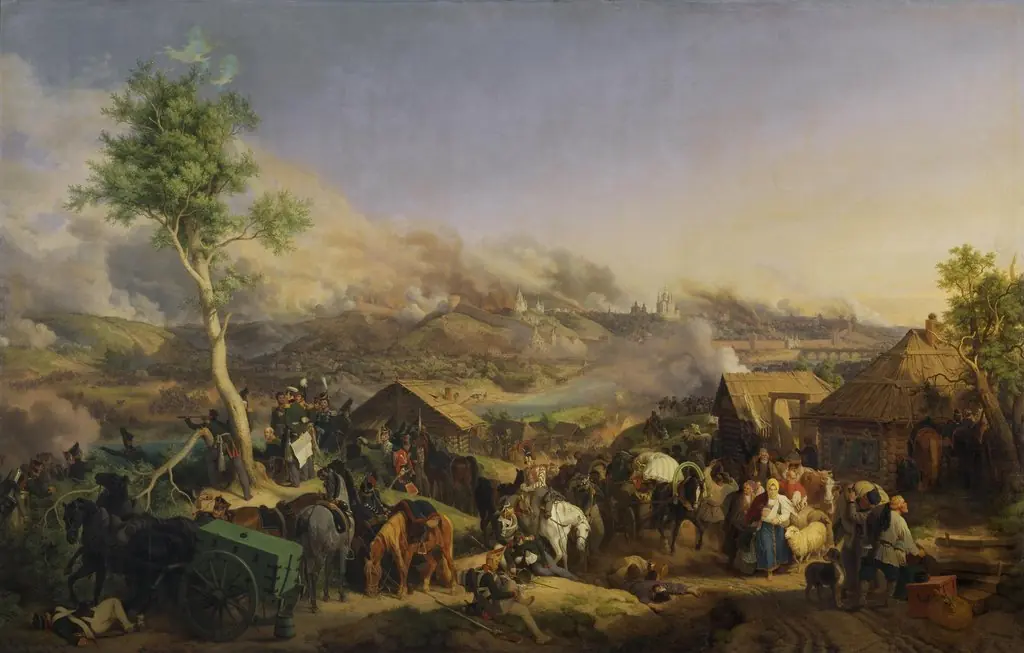 Battle of Smolensk on 5 (17) August 1812
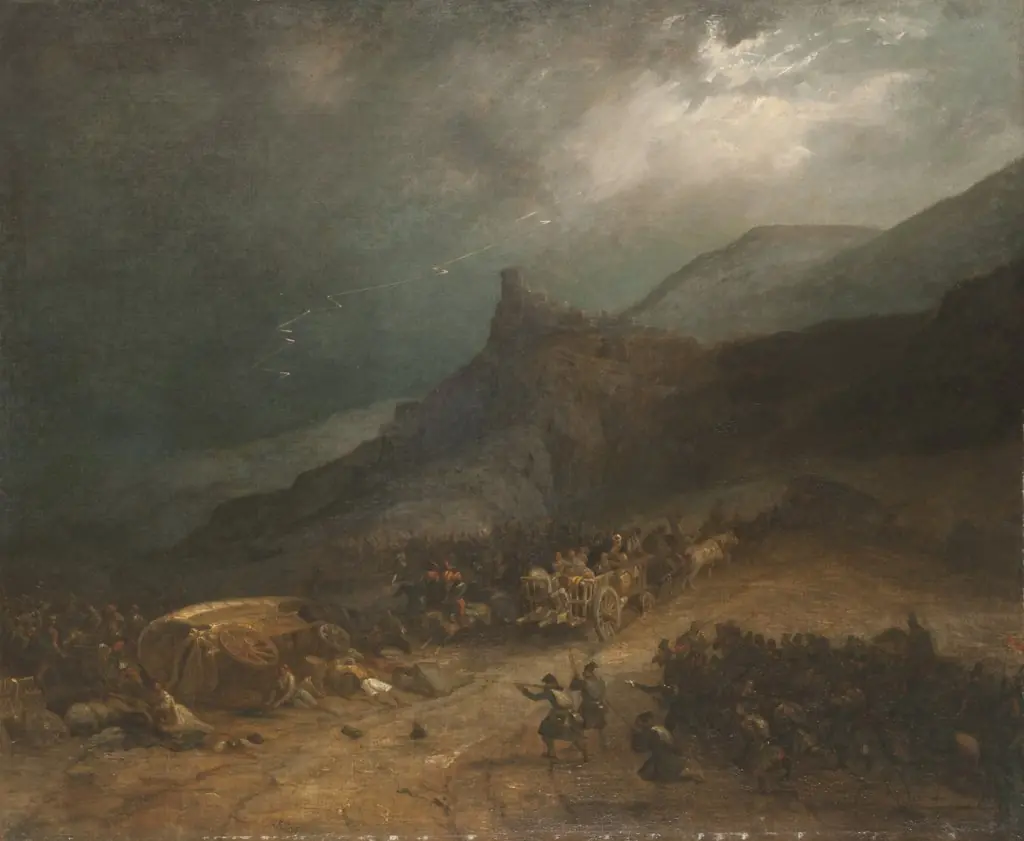 Ataque a un convoy carlista (La batalla de Arlabán)
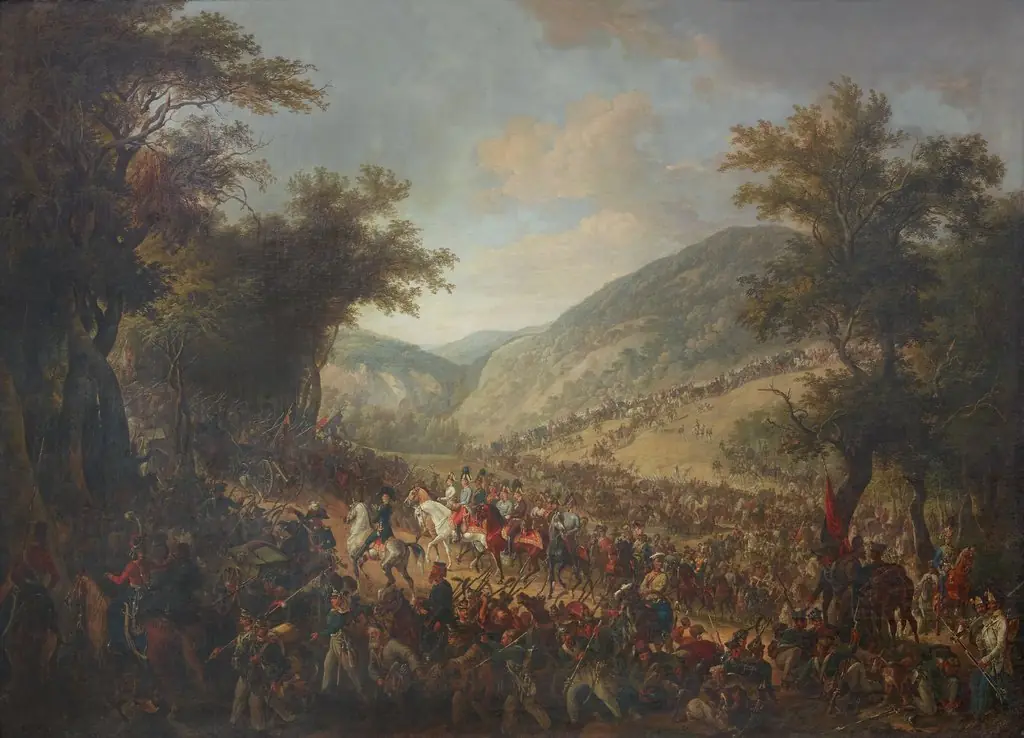 Die verbündeten Heere, Kaiser Franz I. (II.) von Österreich mit dem Kronprinzen Ferdinand an der Spitze, überschreiten im Juli 1815 die Vogesen
 Battle
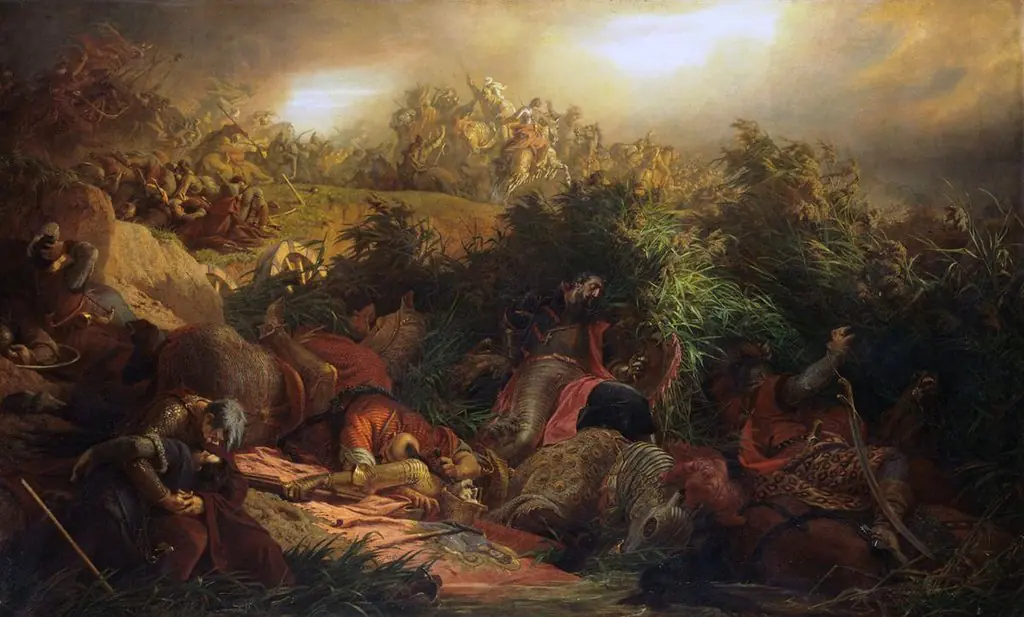 The Battle of Mohács
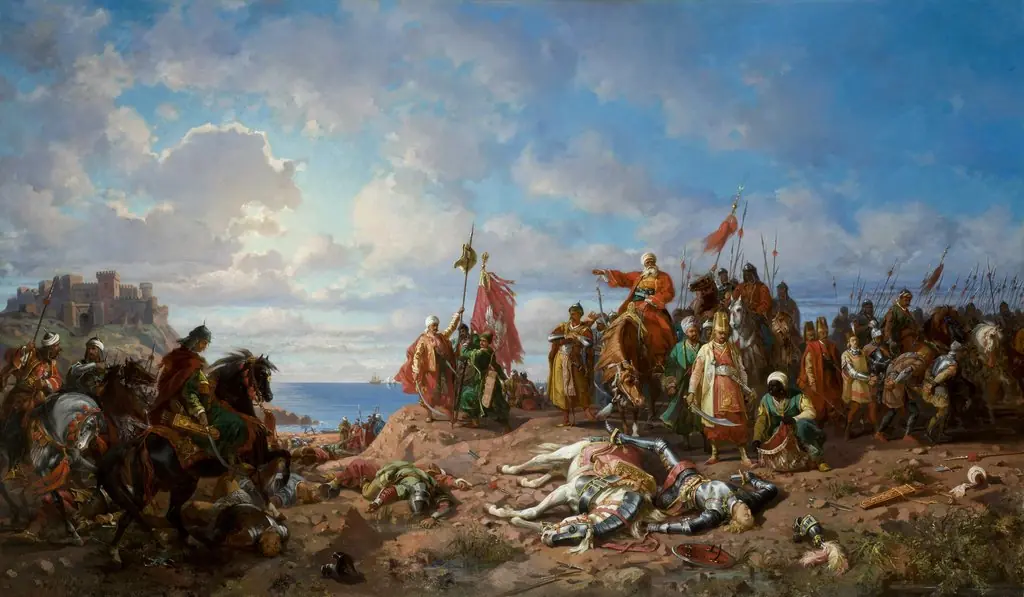 Death of Władysław Jagiellon near Varna
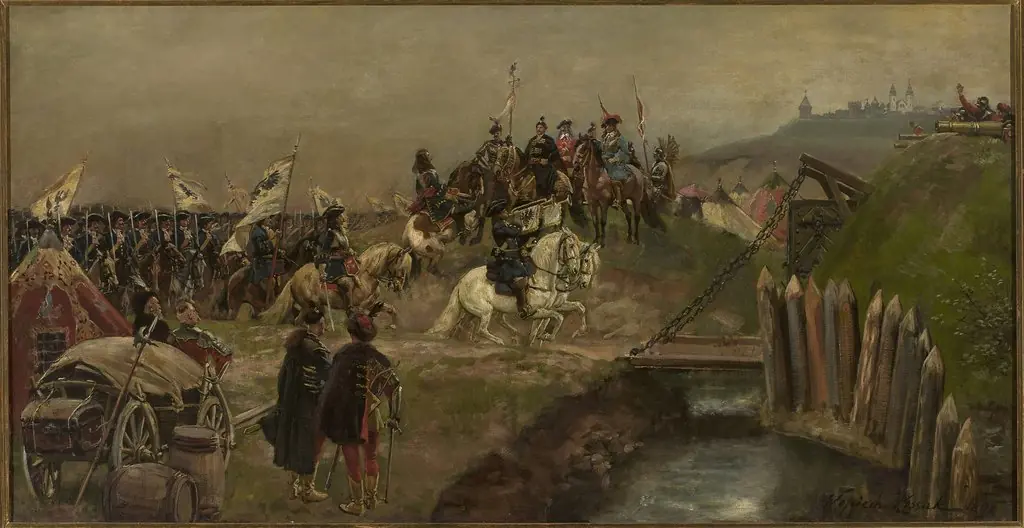 Parade of the Austrian troops before King Jan Sobieski
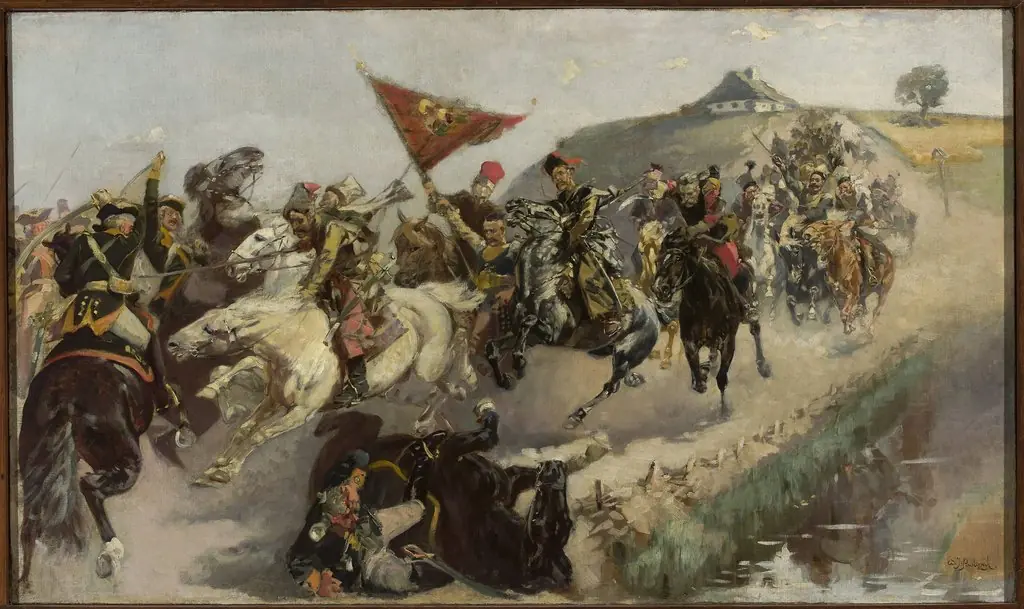 Skirmish on the road
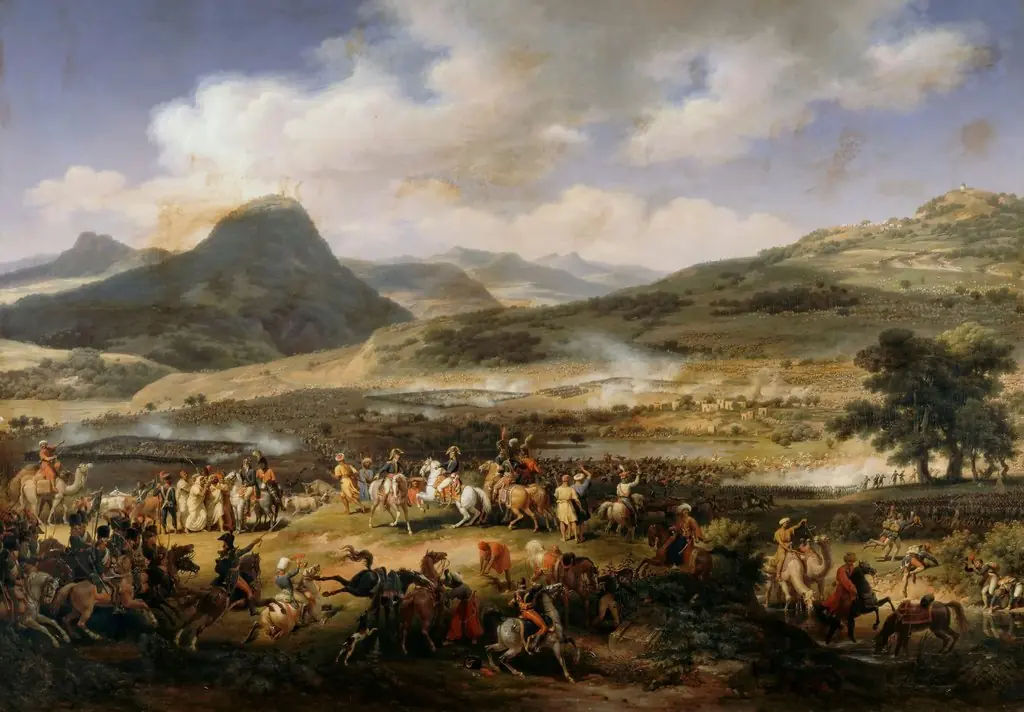 The Battle of Mount Tabor
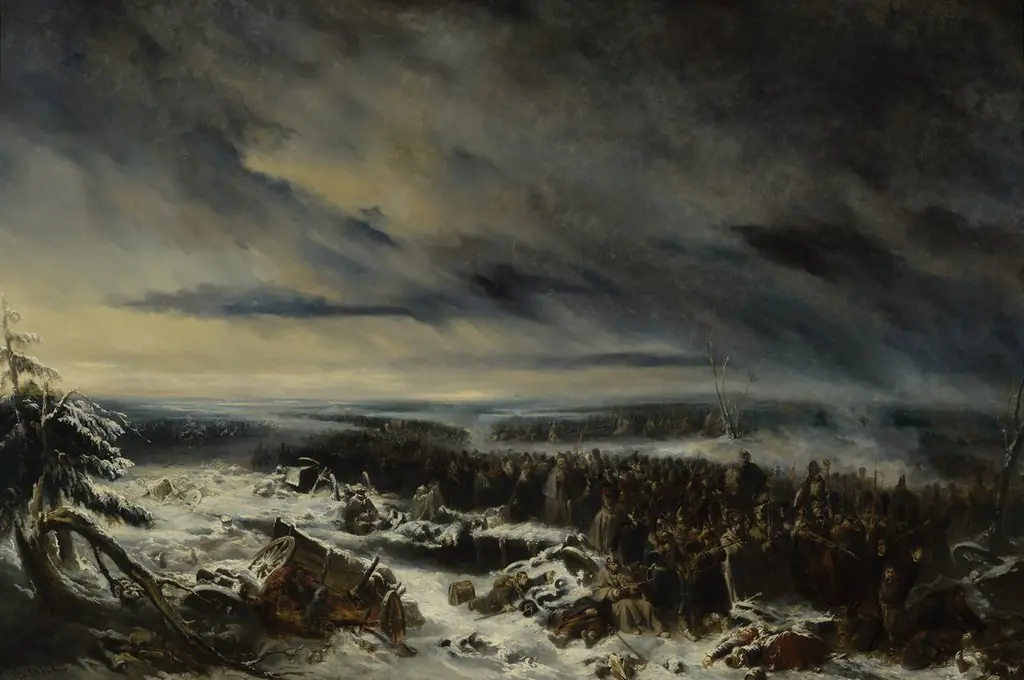 Épisode de la campagne de Russie