Artwork
Town of Riga Swearing Allegiance to Russia in 1710
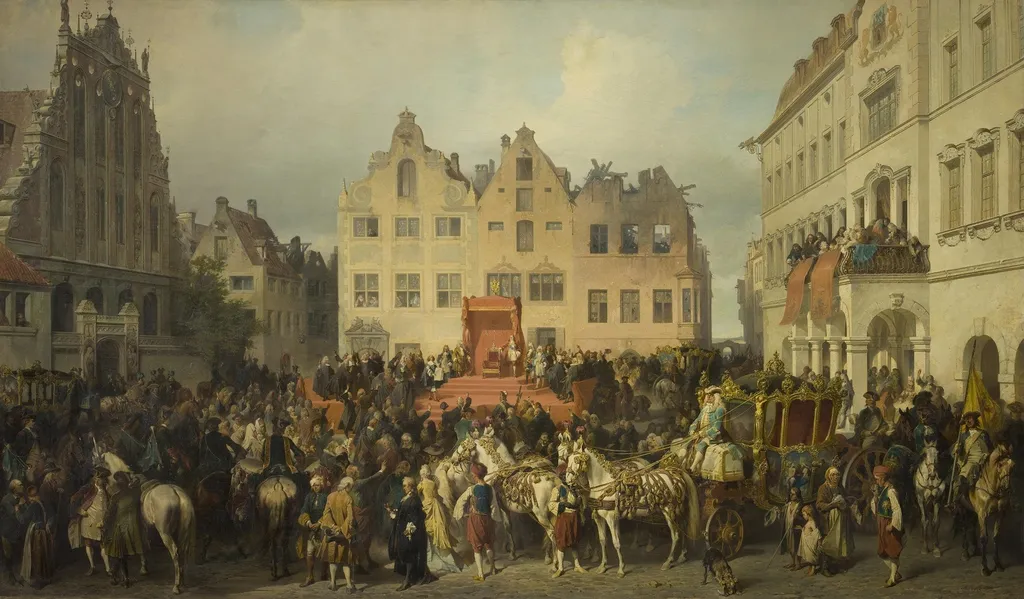
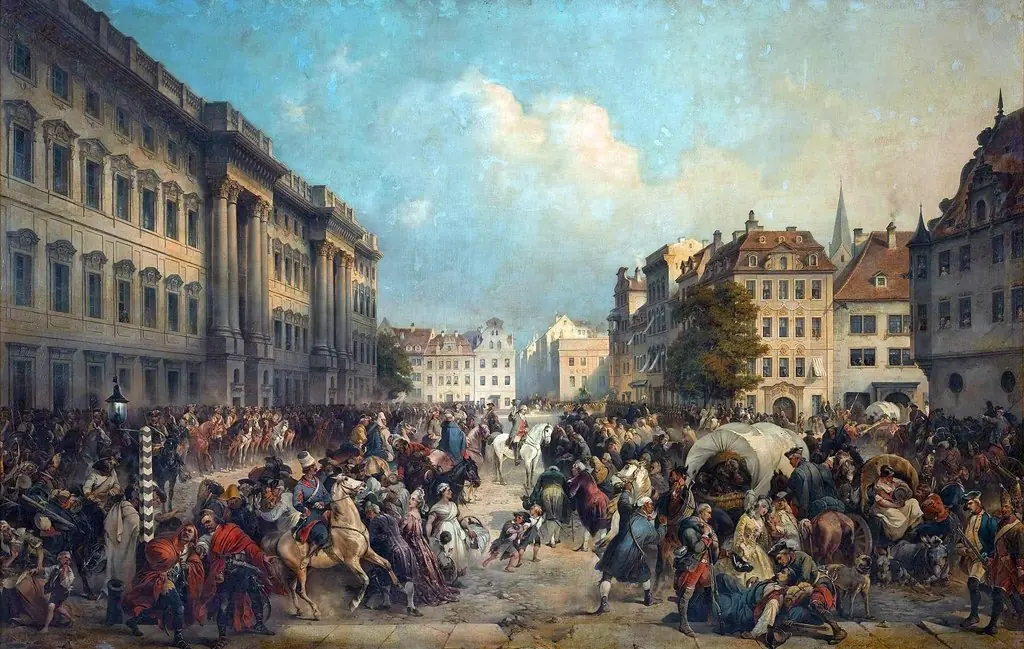
Town of Riga Swearing Allegiance to Russia in 1710 is an oil painting by the Realist artist Alexander von Kotzebue. It dates from 1868 and is held in the collection of the Hermitage Museum.
About this work
Overview
Though created over a century after the event, it reflects 19th-century historical painting conventions.
Painted in 1868 by Alexander von Kotzebue, this oil-on-canvas work illustrates the formal submission of Riga to Russian authority following the Great Northern War. Though created over a century after the event, it reflects 19th-century historical painting conventions. The piece is part of the State Hermitage Museum’s collection in Saint Petersburg, where it remains on public display as an example of 19th-century narrative painting.
Subject & Meaning
The scene captures the moment when civic leaders of Riga pledge loyalty to Tsar Peter the Great’s regime. Dignitaries stand beneath a red canopy on a raised dais, surrounded by townspeople in period dress. The composition emphasizes order and submission, with the crowd’s posture and gaze directed toward the central figures. The event marked Riga’s transition from Swedish to Russian rule, a shift of geopolitical consequence in the Baltic region.
Technique & Style
Kotzebue employed detailed brushwork and a restrained palette of earth tones accented with vivid reds and golds to distinguish the ceremonial elements. Figures are rendered with careful attention to costume and posture, conveying social hierarchy. The architecture of the background—tall buildings and a church steeple—anchors the scene in a recognizable urban setting, reinforcing the painting’s documentary intent without overt romanticism.
History & Provenance
Commissioned in the mid-19th century, the painting was likely intended to reinforce imperial narratives during a period of renewed Russian cultural assertion. It entered the Hermitage’s collection shortly after completion and has remained there since. Its creation reflects a broader trend of state-sponsored historical art meant to legitimize territorial control through visual memory.
Context
Riga’s allegiance in 1710 followed its capture by Russian forces after a prolonged siege. The event ended Swedish dominance in Livonia and initiated over a century of Russian administration. Kotzebue’s depiction, though painted later, aligns with 19th-century efforts to visually codify imperial milestones, drawing on archival records and contemporary accounts to reconstruct the ceremony with plausible accuracy.
Legacy
The painting serves as a historical record of a political transition, valued more for its documentation than its artistic innovation. It contributes to the study of how 19th-century artists engaged with state narratives, blending observation with institutional expectations. While not widely known outside regional art circles, it remains a significant artifact in understanding Russian imperial visual culture.
Artist & collection
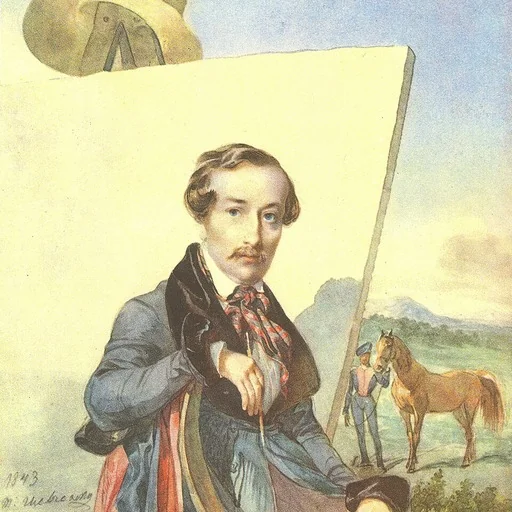
Artist
Alexander Friedrich Wilhelm Franz von Kotzebue or Alexander Yevstafiyevich Kotzebue (Russian: Александр Евстафиевич Коцебу, romanized: Aleksandr Yevstafiyevich Kotsebu; 9 June 1815 – 24 August 1889) was a German…

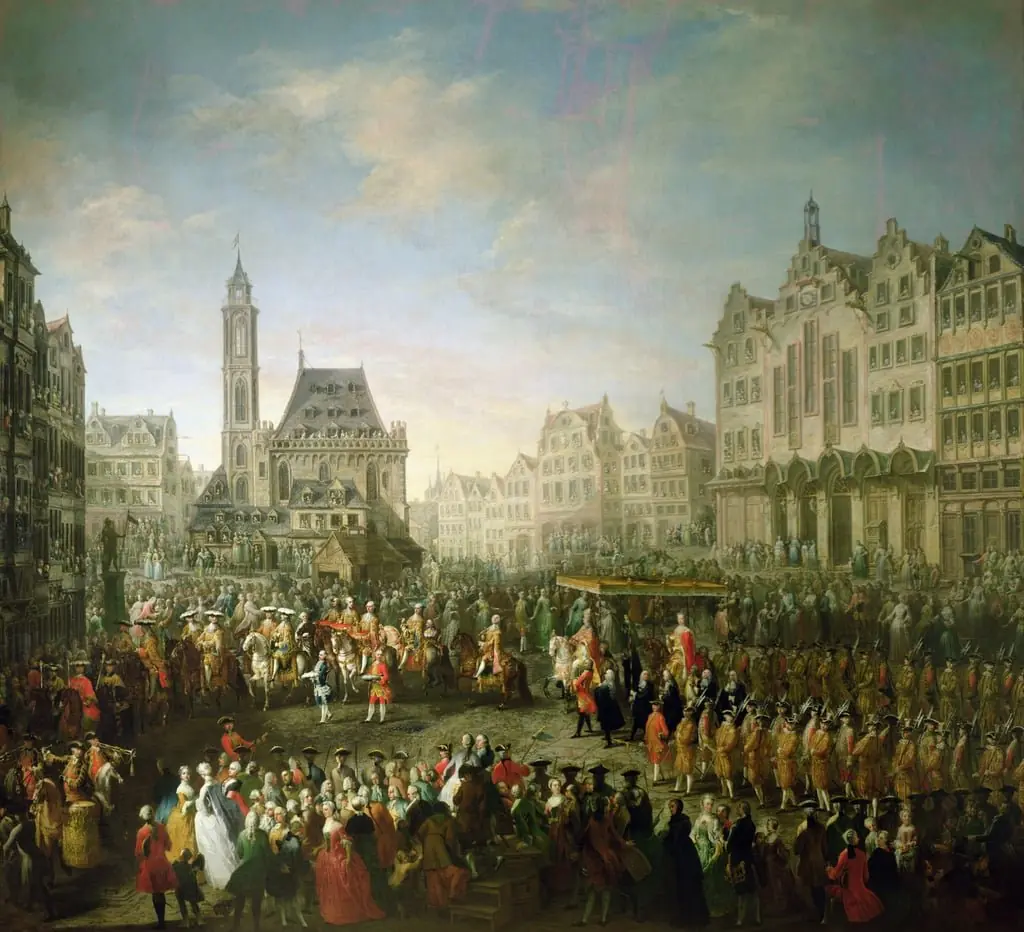 The coronation procession of Joseph II at the Römerberg in Frankfurt am Main
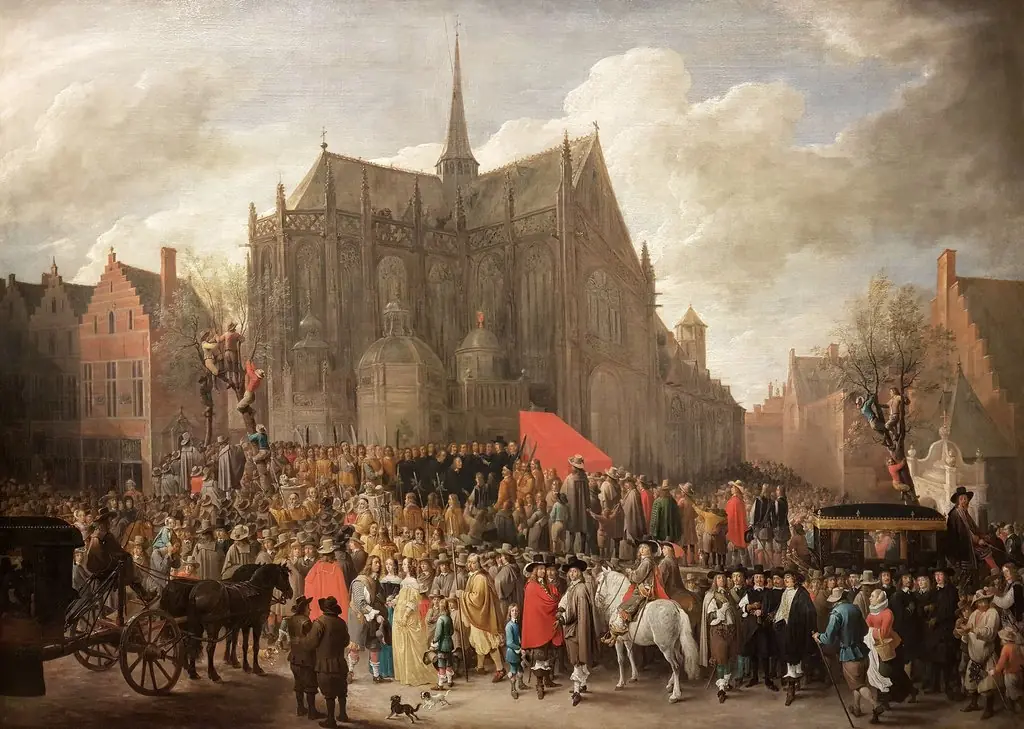 Bird Shoot in Brussels
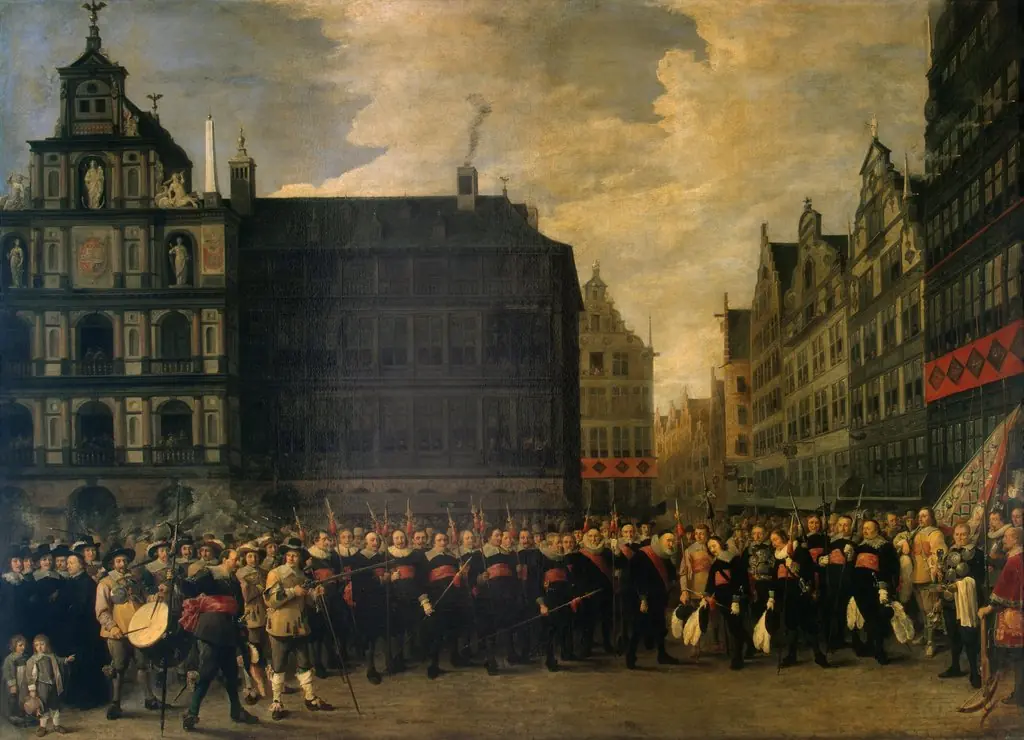 Portrait of the Members of the Guild ''Oude Voetboog'' ("Old Arbalest") in Antwerp
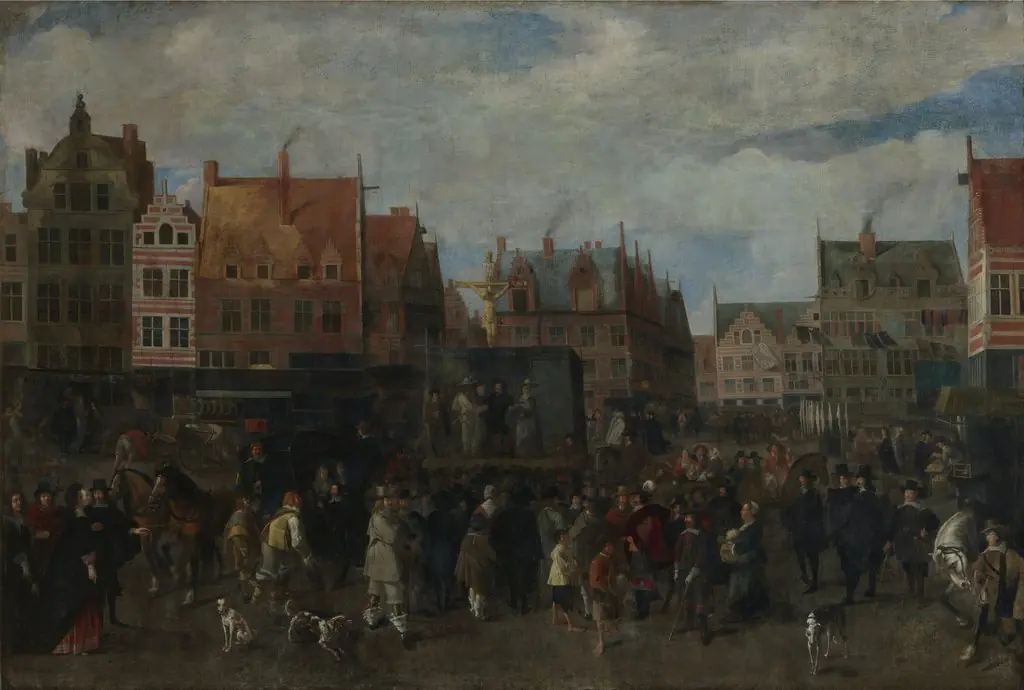 Fair on the Antwerp Meir
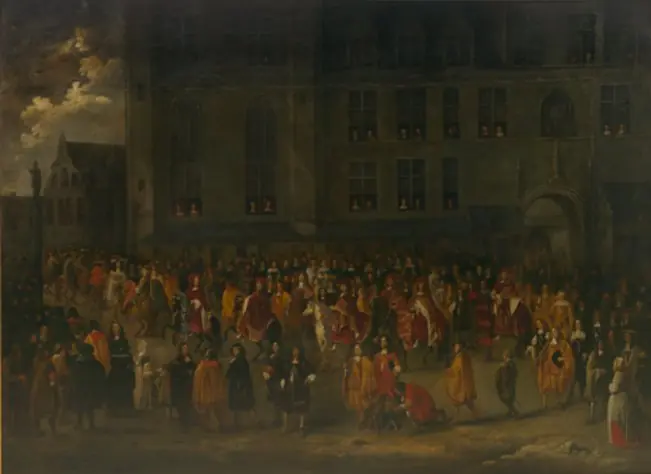 Cavalcade of the Knights of the Golden Fleece leaving the Palace of Brussels
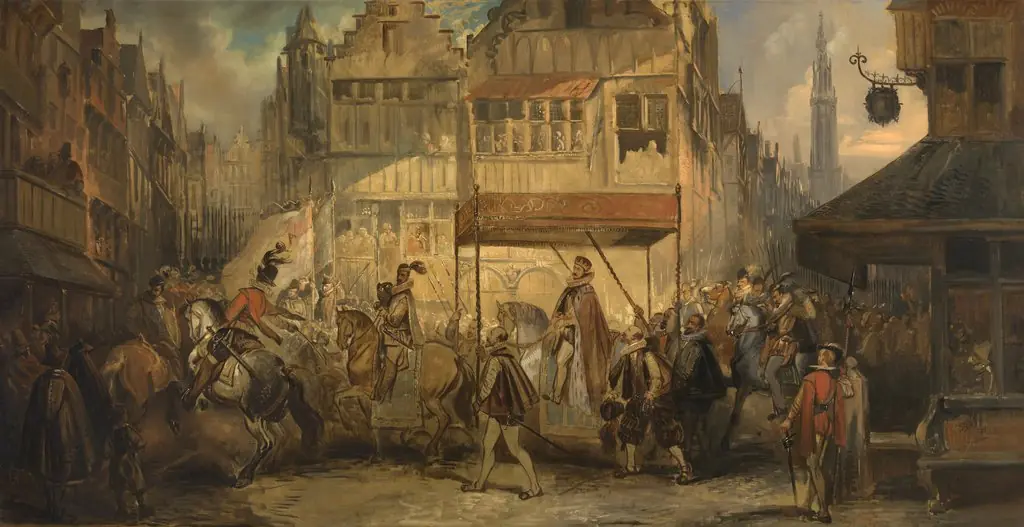 The Joyous Entry of the Duke of Anjou into Antwerp
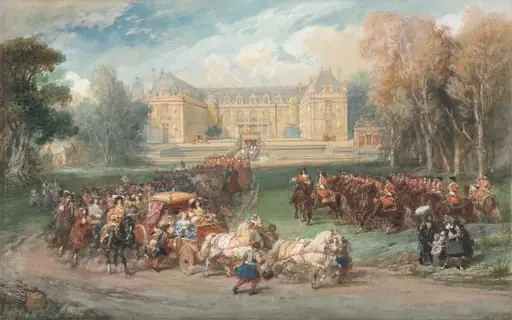 Louis XIV Driving his Coach in the Park of Versailles
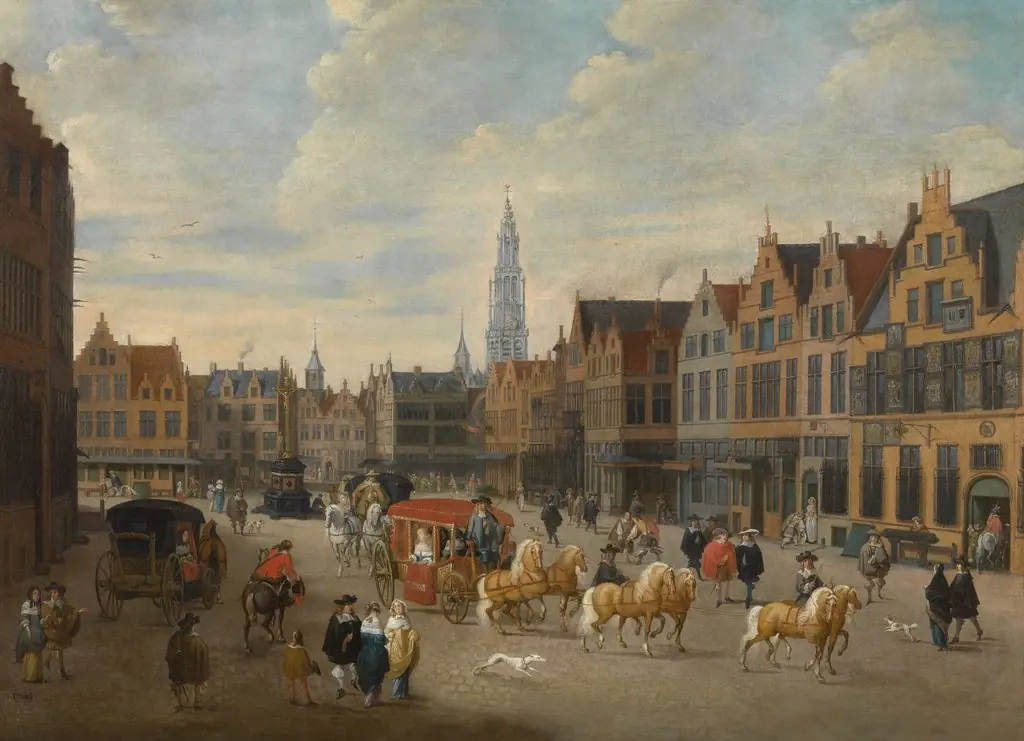 Meirplaats in Antwerp
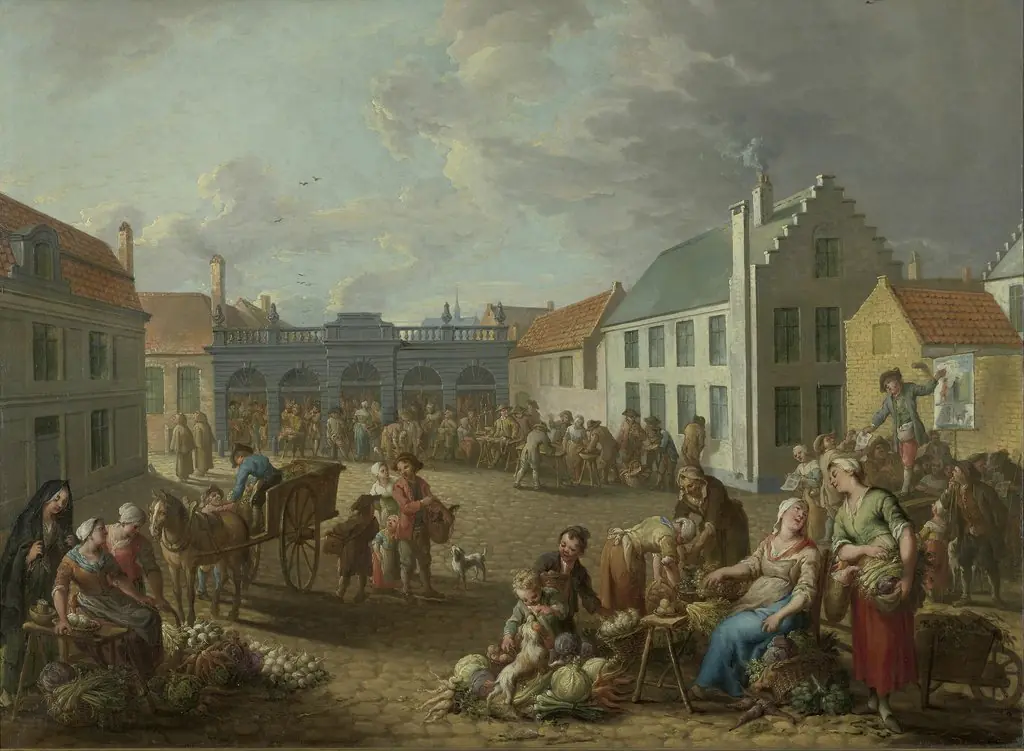 Pandreitje street in Bruges
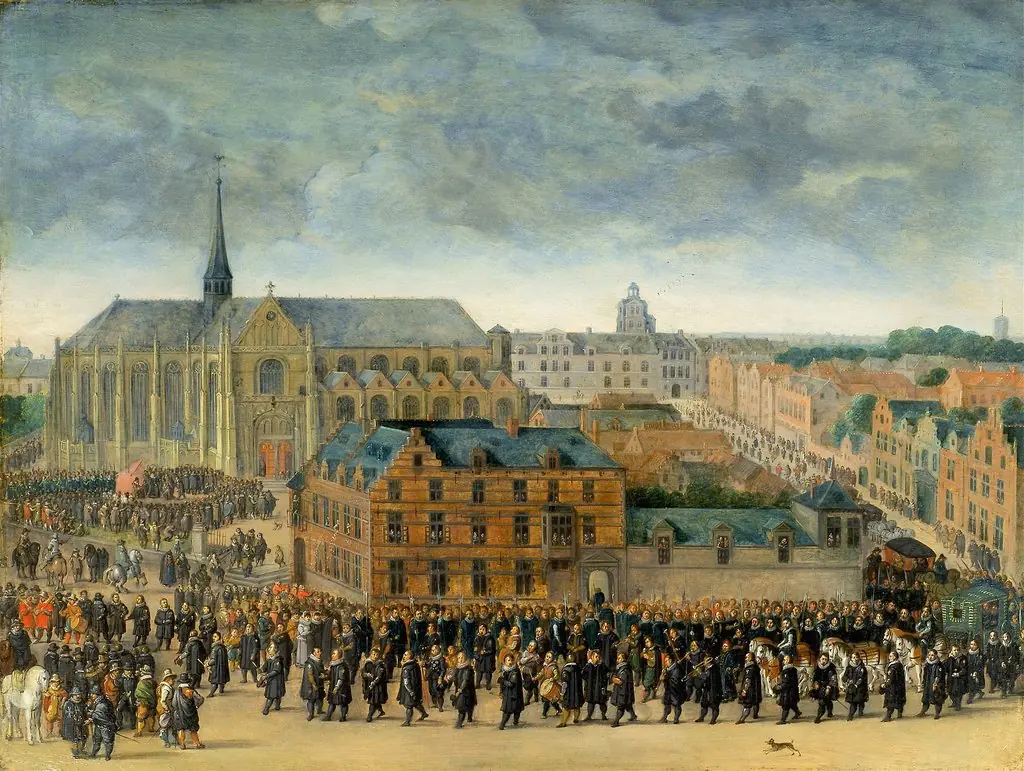 The Infante Isabella shoots the jay of the Grand Serment with a crossbow in the Sablon in Brussels, May 15th 1615
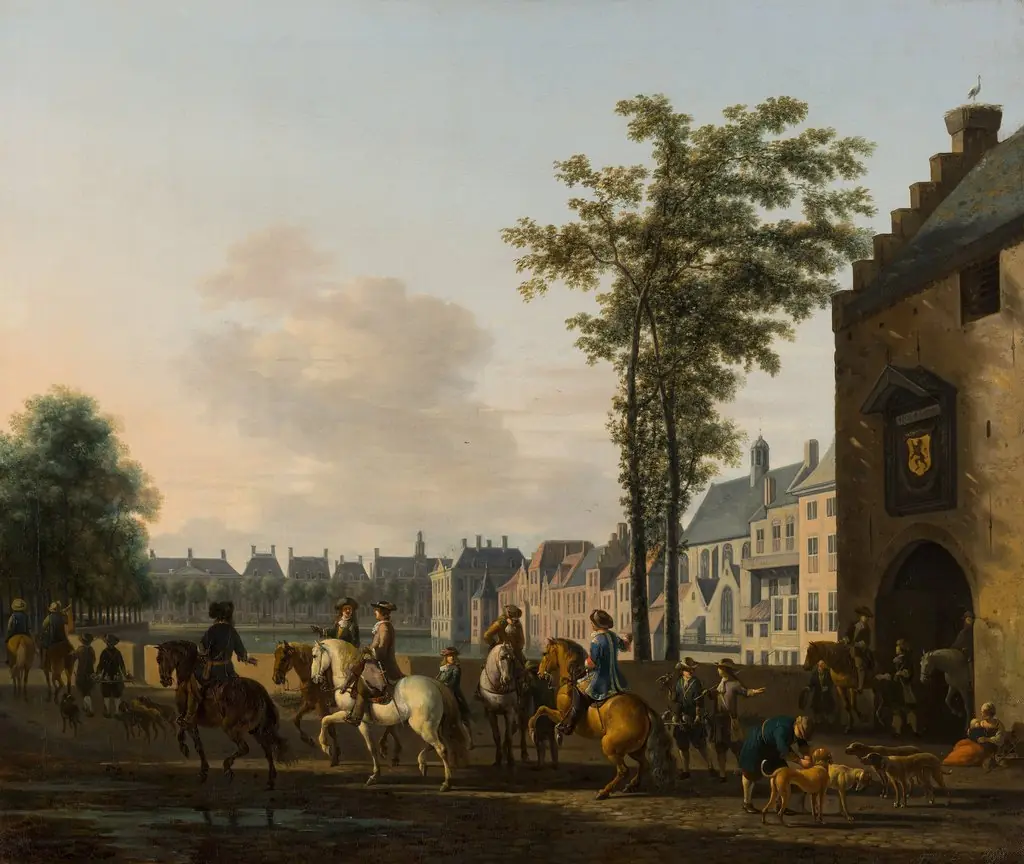 A hunting party near the Hofvijver in The Hague, seen from the South